



In the rapidly expanding world of e-commerce in the Arabian Gulf region, entrepreneurs and store owners face a significant challenge in choosing the most suitable platform for their digital store. This decision is not merely a technical choice; it is a strategic investment that determines the future of the store and its ability to grow and expand in a highly competitive market. With the increasing number of digital consumers and rising online spending, the need for a robust, flexible, and user-friendly platform has become vital to ensure success.
The available options range from global giants like Shopify to local platforms specifically designed to meet the needs of the GCC market, such as Salla and Zid. Each of these platforms offers a unique set of features and characteristics that may suit a particular type of business or store size. Therefore, understanding the fundamental differences between them and analyzing the strengths and weaknesses of each has become an urgent necessity before making a decision that could cost a lot of time and money if the choice is unsuccessful.
The E-commerce Landscape in the GCC
The Arabian Gulf region has witnessed an unprecedented boom in e-commerce in recent years, driven by the widespread adoption of the internet and smartphones, rising income levels, and changing consumption patterns towards online shopping. Online shopping is no longer a luxury but has become an essential part of daily life for millions. This tremendous growth has created a fertile environment for the emergence of online stores and the diversification of technical solutions available to support them, which increases the importance of choosing the right platform that aligns with this dynamism.
The GCC market is characterized by cultural and economic specificities that require solutions considering local purchasing habits, common payment methods, and shipping and delivery challenges. For example, many shoppers in the Gulf prefer cash on delivery, and integrated local payment gateways are crucial. The speed of shipping and delivery also plays a pivotal role in the customer experience. These factors make it essential to look deeply into each platform's ability to meet these specific market requirements.
In this context, platforms like Salla and Zid emerge as strong local solutions directly targeting this market, while Shopify offers global flexibility that can be adapted to local needs. We will analyze each platform individually, then conduct a comprehensive comparison to help you make the optimal decision that serves your store's business objectives and ensures its sustained success.
Shopify: The Global Giant and Its Flexibility
Shopify is one of the largest and most famous e-commerce platforms in the world, serving millions of stores across the globe. It is characterized by its high flexibility and ability to adapt to various business sizes and product types, from small startups to large brands. Shopify provides a rich ecosystem that includes thousands of apps and extensions that expand store functionalities, in addition to a wide range of professional themes that enable merchants to design an attractive and reliable store.
Shopify's main appeal lies in its ability to provide a comprehensive solution for managing an online store, from displaying products and inventory management to processing orders and tracking shipments. It also offers integrated marketing tools and detailed analytics that help merchants understand their store's performance and continuously improve it. With Shopify, you can build a professional store without the need for complex programming expertise, allowing you to focus on growing your business and developing your products and services.
Shopify is also known for its strong 24/7 technical support, providing peace of mind to merchants should they encounter any technical challenges. Its vast community of developers and experts offers additional solutions and support, making it an attractive option for those seeking a reliable and well-supported platform. However, this flexibility and power come at a cost, which we will detail in the following paragraphs.
Shopify: Advantages and Disadvantages
Shopify boasts numerous advantages that make it a preferred choice for many. Firstly, ease of use: its intuitive interface and organized control panel make it easy for anyone, even without technical expertise, to set up and manage their store. Secondly, customization and flexibility: Shopify offers thousands of paid and free themes that can be highly customized, along with a vast Shopify App Store that includes solutions for every need, from marketing to inventory management. Thirdly, scalability: Shopify can grow with your store, whether you start with a few sales or expect thousands of orders daily, the platform's infrastructure is capable of handling it efficiently. Fourthly, excellent technical support: Shopify provides 24/7 support via phone, email, and live chat.
On the other hand, there are some disadvantages to consider. Firstly, cost: although subscription plans seem reasonable, the cost significantly increases when adding paid apps and professional themes, which are often necessary for a fully integrated store. Secondly, transaction fees: Shopify charges transaction fees on every sale if you don't use its own payment gateway (Shopify Payments), which may not be available in all GCC countries or may not support all local payment methods. Thirdly, deep customization requires expertise: despite general ease of use, advanced customizations or modifications to theme code may require programming knowledge or hiring a developer, increasing costs.
It is also important to note that Shopify may require some adaptations to fully suit the GCC market, especially regarding local payment and shipping options that might need additional apps or custom integrations. Nevertheless, its global reputation and technical prowess make it a formidable option for any merchant seeking global expansion or robust, reliable solutions. For more tips on how to boost your store's sales, you can read our article on Increasing Conversions: 5 Secrets for Your E-commerce Store.
Who is Shopify for?
Shopify is an excellent choice for several types of merchants in the GCC. Firstly, merchants targeting a global audience or considering expansion outside the region. Shopify's flexibility and ability to support multiple languages and currencies make it ideal for these goals. Secondly, store owners who value customization and flexibility and are looking for a wide range of tools and apps to enhance their store. If you want to build a unique store with advanced options, Shopify provides that.
Thirdly, large and medium-sized businesses that require a robust and reliable platform capable of handling a large volume of products and orders and managing inventory efficiently. Fourthly, merchants with a good budget who are willing to invest in paid apps and themes to get the best possible experience. Finally, if you are looking for a platform with world-class technical support and a large community of users and developers, Shopify offers this important advantage. However, you must be prepared to deal with some challenges related to the local focus of the GCC market and adapt global solutions to fit it.
Overall, Shopify is the optimal choice for those seeking a powerful, flexible, and scalable platform, with a willingness to overcome some local challenges or invest in custom solutions. It is not necessarily the least expensive option, but it is often the most powerful in terms of features and adaptability for future growth. Remember that your pricing strategy can significantly impact your profit margin, and you might find the article Product Pricing: Winning Strategies in Zid and Salla useful in this regard.
Salla: The Integrated Local Solution
Salla is considered one of the leading local platforms in Saudi Arabia and the Arabian Gulf, specifically designed to meet the needs of GCC merchants and shoppers. Salla focuses on providing an integrated and user-friendly environment for online stores, with many essential services integrated that merchants in this region need, such as local payment gateways and popular shipping companies. This local focus makes it an attractive option for many entrepreneurs.
Salla offers a simple and straightforward user interface, making it easy for merchants to launch their stores quickly without prior technical expertise. It also provides a wide range of ready-made templates that can be customized to suit the store's brand. The platform includes integrated marketing tools and analytical reports that help merchants track their store's performance and make informed decisions to improve sales and increase profits.
One of Salla's most important features is its strong support for the Arabic language and full compatibility with local purchasing habits, providing a smooth and convenient shopping experience for customers. It also offers pre-built integrations with local payment and shipping solutions, reducing the complexities merchants might face when using global platforms. These features make Salla an ideal solution for stores primarily focused on the GCC market.
Salla: Advantages and Disadvantages
Salla possesses several strong advantages that make it a popular choice in the GCC. Firstly, ease of use and local focus: its interface is simple and specifically designed for the GCC merchant, reducing the learning curve. Secondly, local payment and shipping integrations: Salla excellent supports popular payment gateways in the Gulf such as Mada, Visa, and Mastercard, in addition to cash-on-delivery options. It is also integrated with major local shipping companies, facilitating shipping and delivery processes. Thirdly, Arabic language support: the platform is fully in Arabic, from the control panel to store templates, providing a seamless experience for both merchant and customer. Fourthly, reasonable cost: Salla's economic plans are often suitable for startups and small businesses, offering good value for money compared to some global solutions.
However, there are some disadvantages to consider. Firstly, limited customization options: despite diverse templates, the level of customization available in Salla is less compared to Shopify, which might limit merchants' ability to build a truly unique store. Secondly, app and extension marketplace: Salla's app marketplace is constantly expanding, but it is still much smaller than Shopify's app store, meaning some advanced functionalities may not be readily available or might require custom solutions. Thirdly, global scalability: while Salla is excellent for the local market, you might face some challenges if you plan to expand significantly globally, as its primary focus is the GCC market. Fourthly, platform dependency: being a relatively closed platform, you might have less control over certain aspects of the infrastructure or code compared to open-source platforms or Shopify, which offers greater flexibility for developers.
Despite these limitations, Salla remains a very strong option for stores focused on the GCC market that prefer integrated solutions considering local specificities. It provides an easy and reliable experience and is an excellent gateway to entering the e-commerce world in the region. You can learn more about local payment options in our article on Payment Gateways: Your Guide to Choosing the Best in Salla and Zid.
Who is Salla for?
Salla is the ideal choice for several types of merchants in the GCC. Firstly, small and medium-sized businesses and startups primarily targeting the Saudi or GCC market. The platform's simplicity and local integrations make it perfect for launching a store quickly with minimal technical effort. Secondly, merchants who prefer ready-made, integrated solutions that do not require extensive deep customization or programming expertise. If you want to focus on selling your products rather than managing complex technical aspects, Salla provides that.
Thirdly, stores that rely heavily on local payment methods and shipping and delivery options customized for the region. Salla excels in this aspect due to its partnerships and pre-built integrations. Fourthly, merchants who value Arabic technical support and are looking for a platform that speaks their language and understands their local needs. Finally, if your budget is relatively limited and you are looking for good value for money while maintaining efficiency and professionalism, Salla offers economic plans that suit this.
In summary, Salla is the most suitable choice for stores focused on the GCC market, looking for an integrated, user-friendly solution, with strong Arabic language support and local integrations. It represents an excellent bridge to entering the e-commerce world for those without extensive technical experience, helping them achieve their business goals efficiently. To ensure an excellent shipping experience for your customers, we recommend checking out Shipping Companies: Your Guide to Choosing the Best in Zid and Salla.
Zid: Rapid Growth and Innovative Solutions
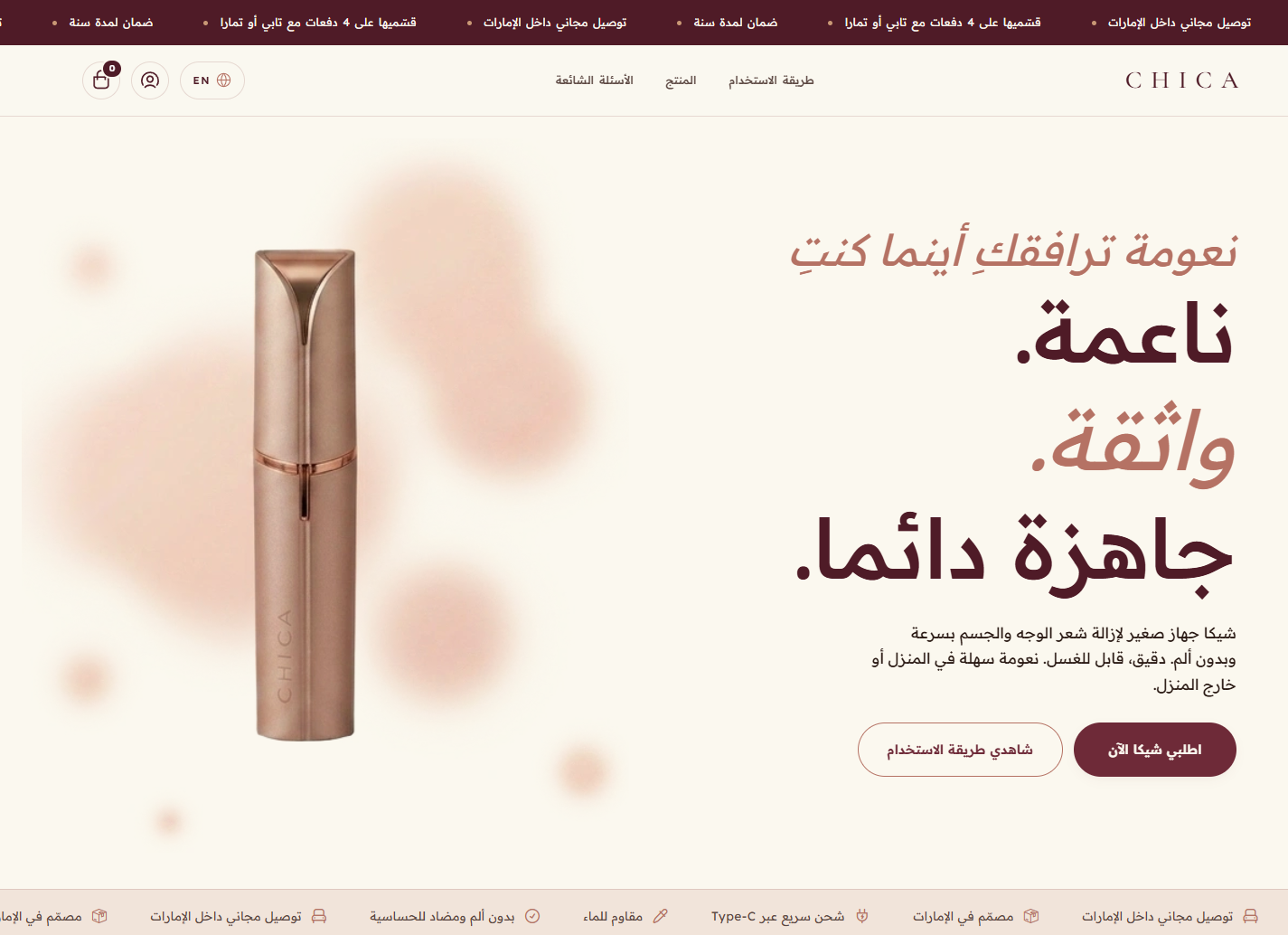
Zid is another Saudi platform that has emerged strongly in the GCC e-commerce scene, offering innovative solutions for online stores with a special focus on providing tools that help merchants achieve rapid growth. Zid is known for providing a modern and simple user experience, along with a comprehensive suite of services covering all aspects of store management, from launching the store to managing marketing campaigns and analytics.
Zid is characterized by being a rapidly evolving platform, regularly adding new features and integrations to meet changing market needs. It also focuses on building a strong community of merchants, providing them with continuous support and training through Zid Academy, which helps them maximize the platform's benefits. This community and educational support makes it particularly attractive to startups and new merchants in the e-commerce world.
Zid also offers strong integrations with local payment and shipping solutions, in addition to advanced marketing tools that help merchants reach a wider audience and increase their sales. Zid strives to be your success partner, offering comprehensive solutions aimed at simplifying the e-commerce process and enabling merchants to focus on their core business. It is an excellent choice for those looking for a platform that combines simplicity and power with effective local support.
Zid: Advantages and Disadvantages
Zid has numerous advantages that make it a strong competitor in the GCC market. Firstly, ease of use and modern interface: Zid provides a modern and intuitive user experience, making it easy for merchants to launch and manage their stores. Secondly, strong focus on growth and support: Zid offers advanced marketing tools and integrations with advertising platforms, in addition to Zid Academy which provides valuable educational content. Thirdly, excellent integrations with local services: like Salla, Zid effectively supports local payment gateways and shipping companies, facilitating logistical and financial operations in the region. Fourthly, an active merchant community and Arabic language support: Zid provides a supportive community and offers technical support in Arabic, enhancing the merchant's experience.
On the other hand, there are some disadvantages to consider. Firstly, customization options: despite diverse templates, the flexibility of customization in Zid might be limited compared to Shopify, which may not suit stores requiring a very unique design or complex functionalities. Secondly, app marketplace: similar to Salla, Zid's app marketplace is continuously growing but is still smaller than Shopify's, meaning some specialized functionalities may require custom solutions or not be available. Thirdly, regional focus: while Zid's focus on the GCC market is a strength, it might limit its ability to meet the needs of stores targeting significant global expansion or having complex international requirements. Fourthly, cost: some advanced plans or additional features in Zid might be relatively expensive, especially for very small stores looking for the lowest possible costs.
Overall, Zid is an excellent option for stores seeking rapid growth in the GCC market, valuing community support and integrated marketing tools. It offers a comprehensive solution that combines ease and power, with a focus on enabling merchants to achieve success. If you are interested in improving your sales through affiliate marketing, you might find our article Affiliate Marketing: Double Your Store's Sales in Salla and Zid very useful.
Who is Zid for?
Zid is particularly suitable for several categories of merchants in the GCC. Firstly, startups and entrepreneurs looking for an easy-to-use platform that provides powerful tools for rapid growth. Zid's focus on empowering merchants through marketing tools and Zid Academy makes it an ideal choice for beginners. Secondly, stores aiming to expand within the Saudi and GCC market and benefit from the available local integrations. Thirdly, merchants who appreciate having a supportive community and Arabic technical support, in addition to educational resources that help them develop their businesses.
Fourthly, store owners who want a comprehensive solution covering all aspects of e-commerce from a single control panel, without the need to search for multiple solutions from different sources. Fifthly, stores looking for a platform that continuously evolves and regularly adds new features, ensuring it keeps pace with the latest developments in the e-commerce world. Overall, Zid is the optimal choice for those looking for a dynamic and supportive platform, focused on rapid growth in the local market.
If you are a merchant in the GCC and are looking for a platform that combines simplicity and power with effective local support and a focus on growth, Zid deserves to be among your top choices. It offers a comprehensive solution that helps you build and manage a successful store efficiently, benefiting from educational and community resources that enhance your chances of success in the competitive e-commerce market.
Comprehensive Comparison: Key Features and Selection Factors
After reviewing each platform individually, it has become essential to conduct a comprehensive comparison to help you make the most suitable decision for your GCC store. The three platforms (Shopify, Salla, Zid) vary in strengths and weaknesses and cater to different merchant needs. Delving into these differences will help you identify the platform that aligns with your vision and business goals in the short and long term. Let's look at the most prominent aspects to consider.
When comparing, the focus should be on several key axes such as ease of use, customization options, cost, integrations, technical support, and suitability for the target market. Each platform offers a unique blend of these elements. Shopify excels in global flexibility and customization, while Salla and Zid shine in local focus and integrated Arabic support. Understanding these dynamics is key to choosing the platform that will efficiently support your growth.
Below, we will analyze these aspects in detail to help you see the complete picture. Remember that the right choice is not just about features, but about how these features align with your business model, store size, and future aspirations. There is no one-size-fits-all solution, but there is an optimal solution for your specific circumstances.
Crucial Factors for Platform Selection
- Ease of Use and Technical Expertise:
If you are a beginner or do not have extensive technical experience, Salla and Zid offer simpler and easier-to-learn and manage interfaces, designed for users in the region. Shopify, despite its relative ease of use, may require some time to get used to its vast ecosystem, especially when using advanced apps and extensions. Choose the platform that makes you feel comfortable and allows you to focus on your core business.
This factor is important to ensure that you can manage your store efficiently without the constant need for specialists, saving you time and money. The control panel should be intuitive and provide quick access to all the tools you need to manage products, orders, and customers.
- Customization and Flexibility:
If you are looking for the highest degree of customization and the ability to build a very unique store with advanced features, Shopify is undoubtedly the strongest choice. Its vast app marketplace and flexible themes allow you to customize every aspect of your store. Salla and Zid offer good customization options, but they remain limited compared to Shopify, and may be more suitable for stores that prefer ready-made solutions. The need for customization depends on the distinctiveness of your brand and your desire to provide a completely different shopping experience for customers.
Flexibility in customization is not limited to aesthetics but extends to additional functionalities, such as custom loyalty programs, product bundling tools, or even integrations with complex inventory management systems. If your vision for your store includes these layers of complexity, Shopify provides you with the necessary tools to achieve them.
- Cost and Budget:
Platform costs vary significantly. Salla and Zid are often more economical options to start with, especially with their basic plans covering most initial needs. Shopify might seem low-cost initially, but it can become much more expensive when adding paid apps, themes, and transaction fees. You should evaluate the total long-term cost, including subscription fees, app and extension costs, and any transaction or payment gateway fees. Your available budget will be a crucial factor in this choice.
Don't forget to evaluate maintenance and technical support costs as well. Sometimes, platforms that seem cheaper initially may require additional investments in development or troubleshooting later. Therefore, cost analysis should be comprehensive and take into account all potential expenses over the year.
- Integrations, Payment Gateways, and Shipping:
For stores in the GCC, Salla and Zid are ideal because they integrate local payment gateways (such as Mada, Apple Pay, Cash on Delivery) and seamlessly work with popular shipping companies in the region. Shopify supports many global payment gateways, but you may need additional apps or custom integrations to support all common local options in the GCC. So, thoroughly check the platform's compatibility with the local infrastructure you rely on. This factor is crucial for providing a convenient payment and shipping experience for your customers, which directly reflects on conversion rates.
The ease of integration with third-party services such as Customer Relationship Management (CRM) systems, Enterprise Resource Planning (ERP) systems, or email marketing tools is also an important point. Shopify excels here due to its vast ecosystem, while Salla and Zid are continuously enhancing their integrations to meet local market needs.
- Technical Support and Language:
If Arabic language support is critically important to you, Salla and Zid offer excellent support in Arabic, along with active communities that help merchants solve their problems. Shopify provides global 24/7 support, but it may primarily be in English and might not be fully familiar with the specificities of the GCC market. Choose the platform that provides the support you need in your preferred language.
Technical support should not be limited to solving technical issues only, but should also include guidance on how to improve your store's performance or effectively use new features. Salla and Zid academies provide valuable educational content that supports merchants on their journey.
- Scalability and Target Audience:
If your plans include global expansion or targeting multiple markets with different languages and currencies, Shopify is the best option due to its flexibility, multi-language capabilities, and ability to handle vast volumes of operations. If your primary focus is the GCC market and you want to grow within this scope, Salla and Zid offer strong and perfectly suitable solutions. The chosen platform must align with your future vision for your store and its ability to grow and expand over time.
Keep in mind that scalability does not only mean the ability to handle more orders, but also the ability to add new product categories, expand into different sales channels (such as wholesale or subscription), or even integrate new technologies like augmented reality. These aspects should be part of your strategic thinking when choosing a platform.
Conclusion
In conclusion to this comprehensive article, it is clear that choosing the right e-commerce platform for your online store in the Arabian Gulf region is not a decision to be taken lightly. It requires careful consideration of your business needs, budget, and future aspirations, in addition to a deep understanding of the characteristics of each of the leading platforms: Shopify, Salla, and Zid. Each platform offers a unique set of features that can be a strength or weakness depending on your store's context.
If you are looking for global flexibility, limitless customization, and massive scalability with a willingness to invest in additional apps and solutions to adapt to the local market, then Shopify might be your optimal choice. However, if your primary focus is the Saudi or GCC market, and you are looking for an integrated, easy-to-use solution, with strong Arabic language support and seamless local integrations, then Salla and Zid offer excellent solutions that meet these needs with high efficiency. Zid stands out with its focus on rapid growth and community support, while Salla provides high simplicity and efficiency for local stores.
The final decision rests with you and your own assessment. Do not hesitate to try platforms that offer free trial periods, speak with other merchants, and clearly review your business requirements. Remember that the best platform is the one that enables you to achieve your business goals, provides your customers with an excellent shopping experience, and helps you grow and thrive in the constantly changing world of e-commerce. Invest your time and effort in this choice, as it will pay off in the long run.