




E-commerce Store Cost: A Comprehensive Comparison Between Salla, Zid, and Shopify
In the rapidly evolving world of e-commerce, owning an online store has become an essential necessity for many individuals and businesses aspiring to reach a wider customer base and grow their operations. With the increasing options for store-building platforms, the most crucial question on every entrepreneur's mind arises: What is the true cost of setting up and managing an e-commerce store? This question is not simple, as it involves multiple intertwined factors that extend beyond mere monthly subscription fees, encompassing design costs, apps, marketing, shipping, and much more.
A precise understanding of these costs and comparing them across leading platforms like Salla, Zid, and Shopify is the cornerstone of making an informed decision that ensures you build a successful and sustainable store without unexpected financial surprises. A wrong platform choice or an inaccurate budget estimation can lead to resource depletion even before the store begins to generate desired profits, making this comparison not just a financial detail, but a business strategy that determines the entire trajectory of your project towards success or failure. Let's delve into analyzing these aspects to shed light on the complete picture of e-commerce store costs.
Understanding Core E-commerce Store Costs
Before diving into platform comparison, it's essential to first define the core components of any e-commerce store's cost, which typically fall into initial setup costs and ongoing operational costs. These expenses cover everything from domain name selection to product marketing and customer service. A clear understanding of these categories helps entrepreneurs establish a comprehensive and realistic budget, avoiding any unforeseen expenditures that could hinder their commercial journey in the near future.
These costs vary significantly depending on the store's size, product type, target audience, and marketing strategy. For instance, a small dropshipping store might have much lower initial costs than a large store that maintains its own inventory and requires complex logistical solutions. Therefore, accurately analyzing each of these elements is the first step towards building a robust financial plan that ensures the continuity and profitability of the e-commerce business in the long run, and avoiding financial obstacles that newly established stores might face.
It is crucial to recognize that initial costs are only part of the equation; ongoing operational costs determine the project's long-term sustainability. These costs include platform subscription fees, app and extension costs, continuous marketing expenses, staff salaries (if any), shipping and storage costs, and store maintenance and updates. All these elements must be considered when budgeting to ensure operational continuity and achieve the desired growth in the competitive e-commerce market.
Monthly/Annual Subscription Fees
Platform subscription fees are the backbone of direct costs, and these fees vary significantly from one platform to another, also influenced by the plans each platform offers. Platforms like Salla and Zid offer diverse packages starting from free or low-cost options and escalating to include advanced features suitable for larger enterprises. Shopify, on the other hand, might have a higher basic cost but offers unparalleled flexibility and scalability globally. Store owners must assess their current and future needs to choose the most suitable package that doesn doesn't strain the budget while allowing for growth.
Salla, Zid, and Shopify each offer different pricing models based on included features, number of products, sales volume, and technical support. For example, basic plans might provide standard store management tools, while advanced plans offer features like professional reports, priority customer support, a larger number of staff accounts, and deeper customization options. Therefore, merchants should carefully study these packages and compare what each offers against its price, considering the expected growth of the store over the coming years.
The correct choice of subscription plan largely depends on your current business size and future aspirations. Do not fall into the trap of choosing the lowest-cost plan if it does not meet your basic needs, nor oversubscribe to an expensive plan with features you won't use. Instead, seek the ideal balance between cost and features that support your growth and provide you with the necessary tools to manage an effective and profitable e-commerce store, keeping in mind that some platforms may impose additional fees on each sale made through the store, which we will discuss later.
Transaction and Payment Gateway Fees
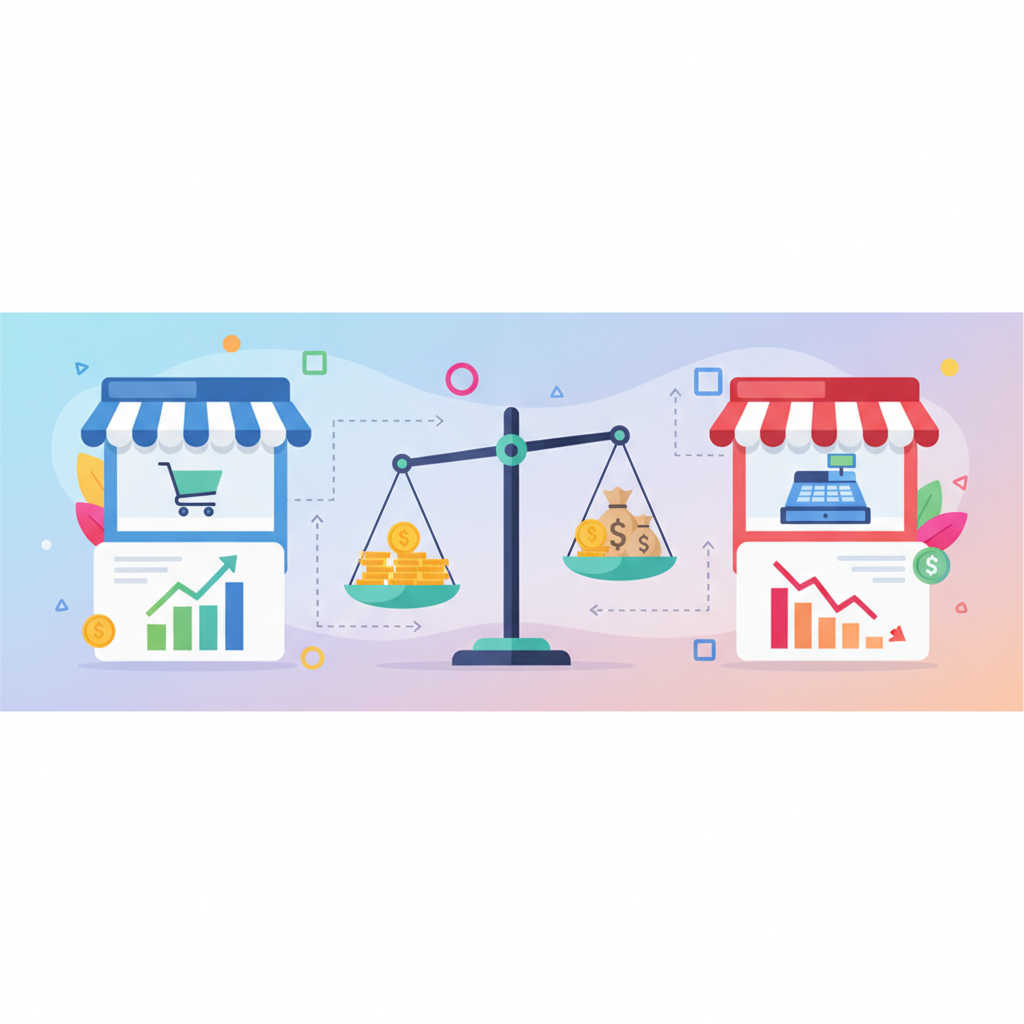
In addition to subscription fees, most e-commerce platforms, as well as payment gateways, charge fees on every transaction made through the store. These fees can be a percentage of the sale value, a fixed amount per transaction, or a combination of both. Shopify, for example, charges transaction fees if its proprietary payment gateway (Shopify Payments) is not used, while platforms like Salla and Zid focus on integration with local payment gateways without imposing additional fees from the platform itself, though these payment gateways have their own fees. This aspect is crucial as it directly impacts the profit margin of each product.
Payment gateway fees vary significantly between providers and typically include a percentage of the transaction value plus a small fixed amount. Store owners should carefully compare these fees among local banks and electronic payment companies such as Mada, Visa, Mastercard, Apple Pay, and others, to ensure they choose the most cost-effective and convenient option for their customers. Some gateways may offer preferential rates for stores with large transaction volumes, which should be inquired about before contracting.
It's not just about direct fees per transaction; there might be additional charges such as chargeback fees or settlement fees. Understanding all these intricate details is important when selecting a payment gateway for your store. Investing in a reliable and secure payment gateway, even if it costs slightly more, can save you many problems and risks in the future, and ensure a smooth and secure payment experience for your customers, thereby building trust and increasing conversion rates. You can refer to our comprehensive guide on choosing the most suitable platform for your store to learn more about integrated payment gateways.
Store Design and Development Costs
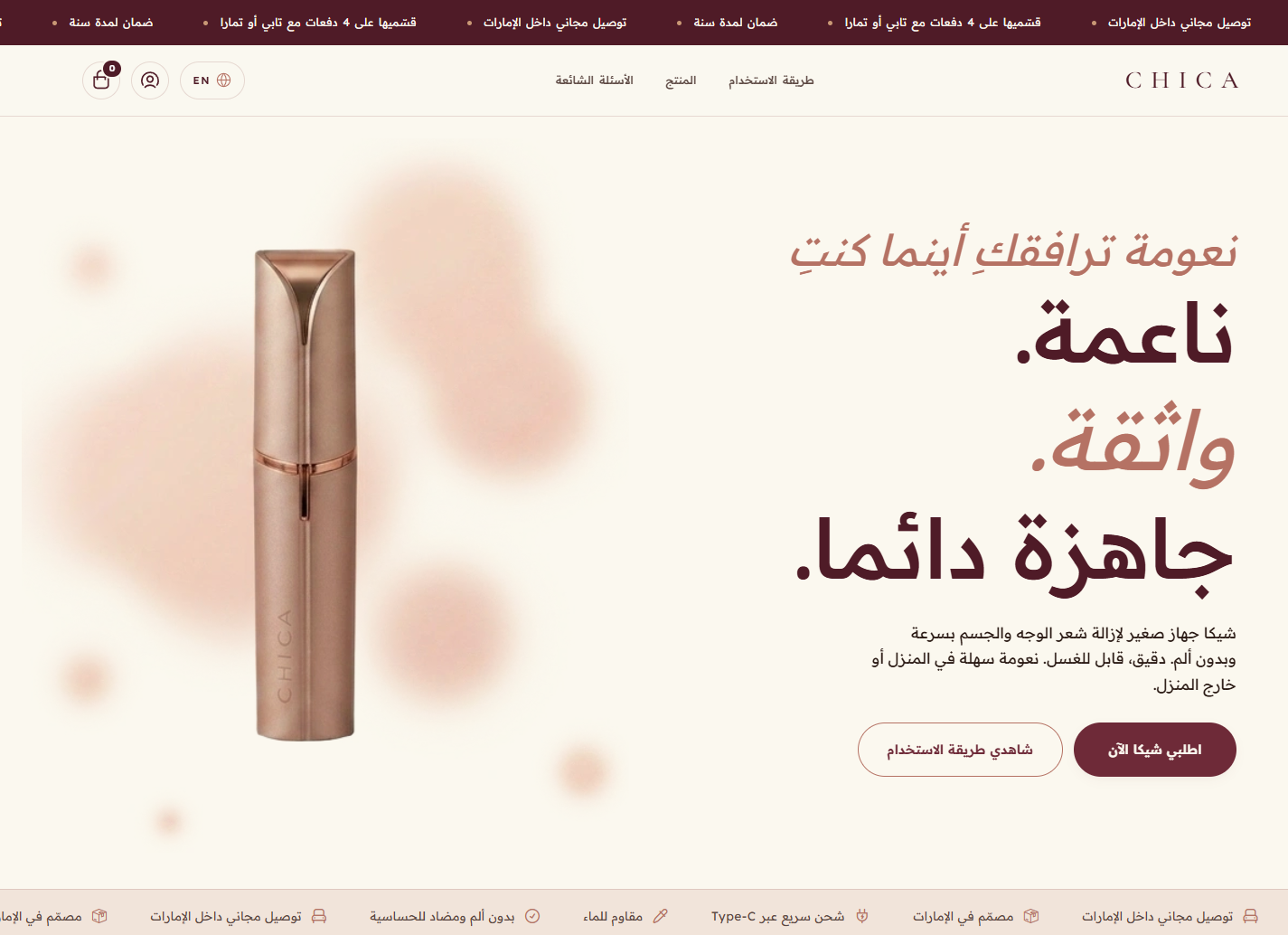
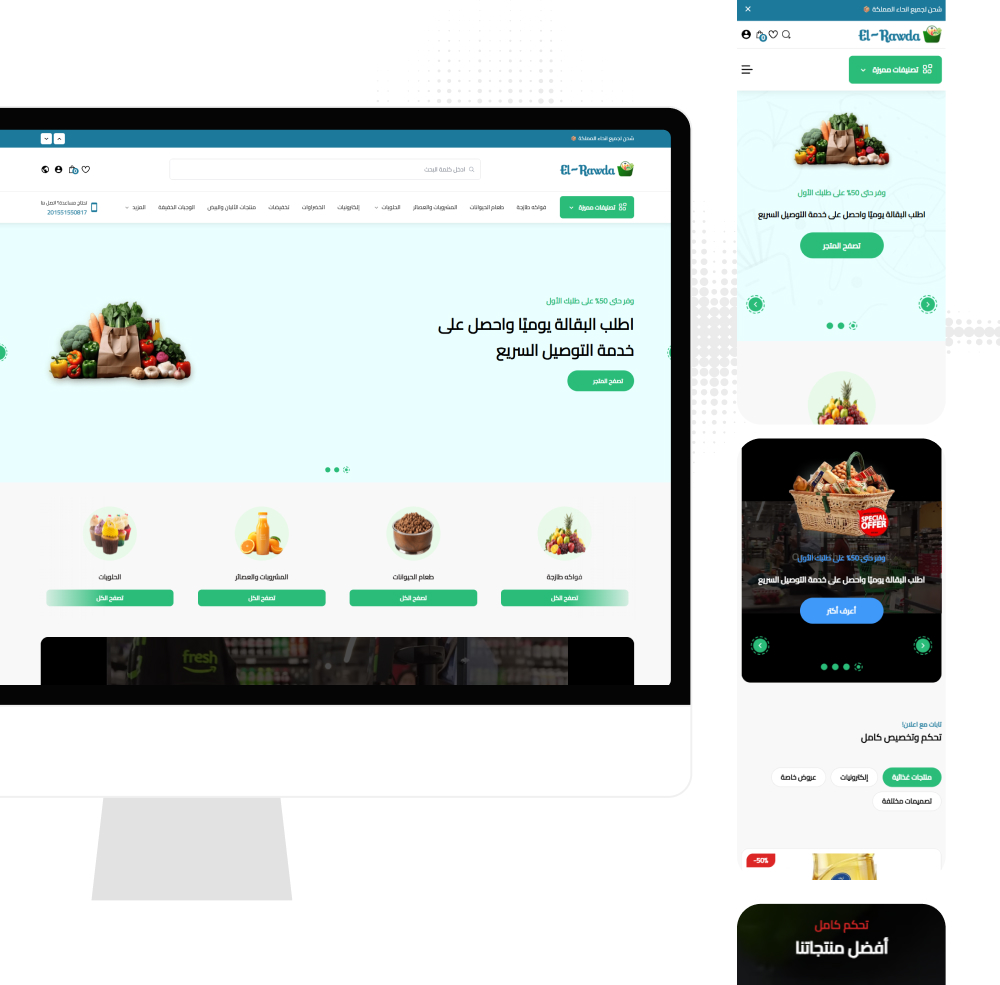
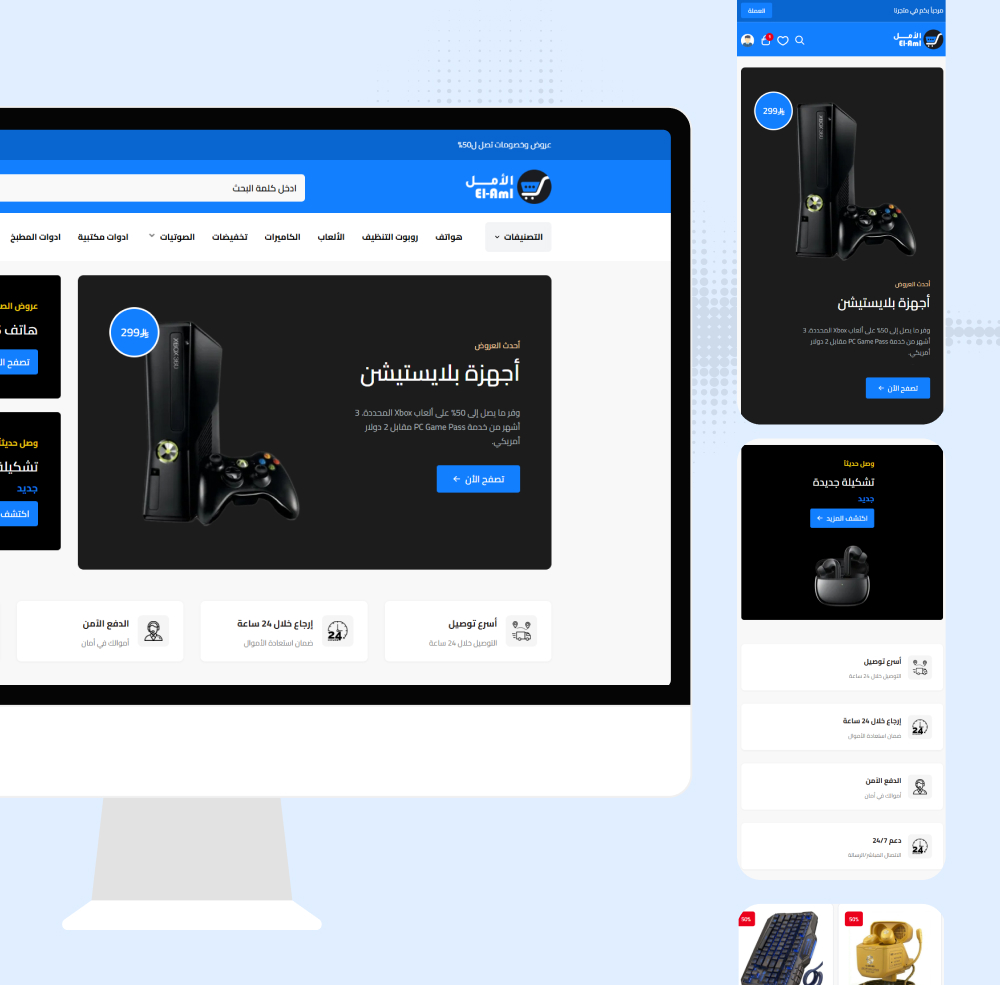
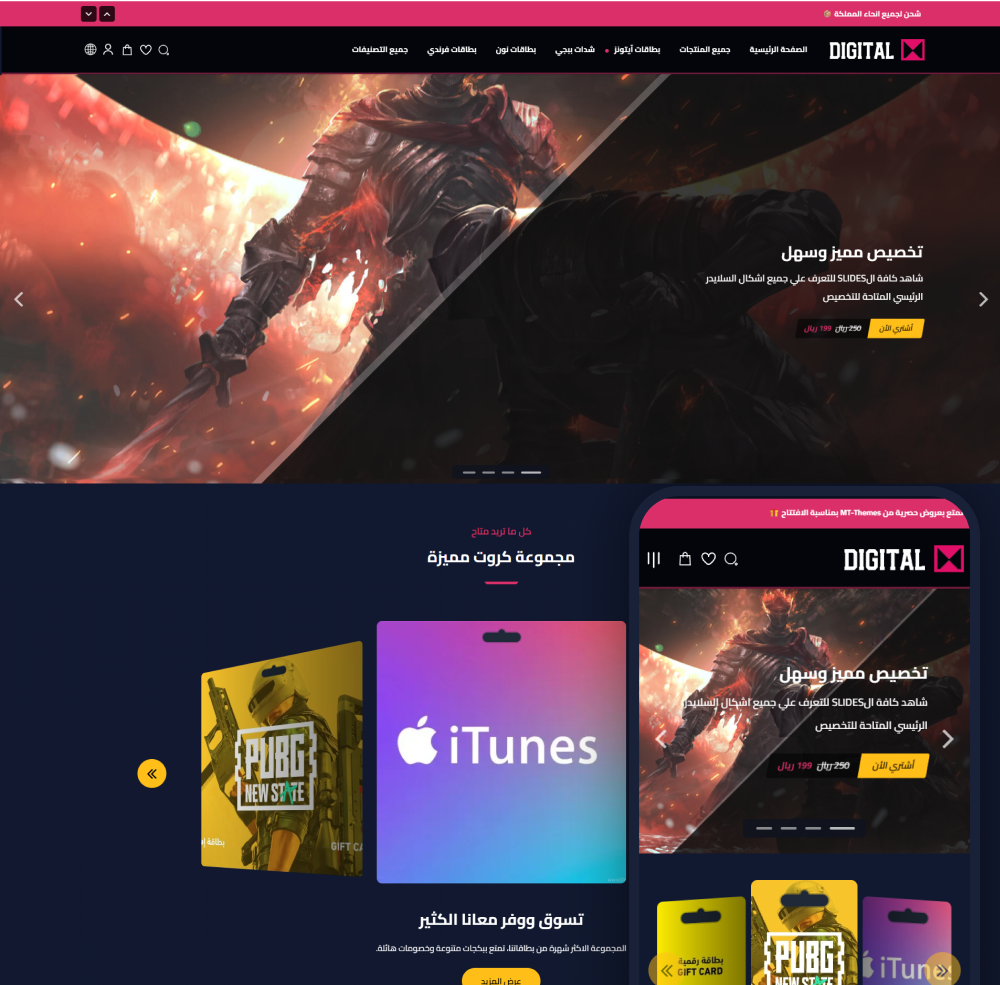
The costs of e-commerce store design and development vary widely, ranging from using free or paid ready-made templates to completely custom designs that require hiring professional developers and designers. Platforms like Salla and Zid offer user-friendly ready-made templates whose customization does not require extensive programming experience, significantly reducing initial costs. Shopify, on the other hand, provides a wide range of professional and flexible paid templates, in addition to the possibility of contracting experts to design a unique store that meets all needs.
Choosing the right template is not just an aesthetic matter; it is a vital factor affecting user experience (UX) and conversion rates. Good templates are responsive across various devices (mobile, tablet, desktop), easy to navigate, and provide an attractive interface that displays products in the best possible way. While free templates can be a good starting point for nascent stores, investing in a high-quality paid template or custom design can set your store apart from competitors and offer an exceptional shopping experience to customers, positively impacting sales and customer loyalty.
If you have unique design requirements or need custom functionalities not available in ready-made templates, you may need to invest in specialized developer services. This cost can be substantial but is necessary for stores aiming to provide a very distinctive experience or having complex operations. These costs must be carefully estimated within the initial budget, keeping in mind that future changes or updates may also require additional investment in development services. Remember that a good user interface is key to attracting and retaining customers.
Detailed Cost Comparison of Salla, Zid, and Shopify
When considering launching an e-commerce store, three major platforms stand out in the Arab and Gulf markets: Salla, Zid, and Shopify. Each offers a different pricing model and features that cater to diverse business needs. The fundamental differences lie not only in monthly subscription fees but also extend to app and extension costs, ease of use, technical support, and scalability. Understanding these differences helps you choose the platform that precisely aligns with your budget and business objectives.
This comparison is essential because it clarifies not only the initial cost but also the total cost of ownership (TCO) in the long run. Some platforms might seem cheaper at first but may require larger investments in third-party applications or custom development later on. Therefore, entrepreneurs must look at the complete picture, not just isolated parts, and consider the store's future growth and the potential costs associated with that growth. This in-depth analysis will provide you with a clear financial roadmap for your project.
Given the wide variety of e-commerce store needs, it is crucial for each merchant to define their priorities before making a final decision. Is the priority to start with the lowest possible cost? Or to reach a global market? Or to have easy management and local technical support? Answering these questions will help guide the choice towards the most suitable platform. Each platform—Salla, Zid, and Shopify—has strengths and weaknesses, and understanding them well is key to the financial and operational success of your e-commerce store, especially in the Gulf market which has its unique characteristics. To learn more about which platforms are best suited for your market, you can read our comprehensive comparison for Gulf stores.
Salla Platform Costs
Salla is a very popular choice in the Saudi and Gulf markets, offering flexible pricing packages that start from a limited-feature free plan, moving up to very competitively priced paid plans. Salla's free plan is ideal for beginners who want to test their business idea with minimal risk, providing them with essential tools to launch their store. Paid plans, on the other hand, offer advanced features such as integration with various shipping companies, detailed reporting, better technical support, and greater store customization, making it an attractive option for small and medium-sized stores aiming for growth.
Salla's subscription fees are considered low compared to international platforms, and Salla does not impose transaction fees on sales made through the store. This means that the fixed monthly cost is often all you pay to the platform (in addition to payment gateway fees). This pricing model makes Salla a highly economical choice, especially for stores expecting a large volume of sales. Salla also provides an app and extension marketplace that can help expand store functionalities, some free and others requiring monthly or one-time fees, allowing merchants to control additional costs as needed.
Another positive aspect of Salla is its focus on the local market, which means seamless integration with local payment and shipping solutions, and full Arabic language support. This reduces the need for custom development costs or content translation. However, advanced customization options in Salla may be less flexible compared to Shopify, and larger stores with complex requirements might need to seek alternative solutions or custom development at additional costs. Overall, Salla offers excellent value for money, especially for stores targeting the Gulf market.
Zid Platform Costs
Zid is a strong competitor to Salla in the local market, also offering a pricing model focused on providing integrated solutions for e-commerce stores with a special emphasis on quality and support. Like Salla, Zid offers various pricing packages, but they are often geared more towards stores seeking faster growth and may offer slightly more professional features in some aspects. Zid stands out with its robust integrations with local logistics and payment gateways, making it easier for merchants to manage their operations efficiently without needing to seek complex external solutions.
Zid follows a similar model to Salla in terms of not imposing transaction fees, making its monthly costs fixed and predetermined based on the chosen package. Zid's packages are typically slightly higher in cost than Salla's at comparable levels, but they may offer additional features in those packages that justify the difference, such as advanced analytical tools, marketing support, or deeper design customization options. This makes it an ideal choice for stores that have reached a certain stage of growth and are looking for a platform that supports their expansion ambitions.
Zid also provides an app and extension marketplace that can be integrated to enhance store functionalities, with prices for these apps ranging from free to paid. Investing in Zid apps can reduce the need for expensive custom development and provide ready-made solutions for common problems such as inventory management, email marketing, or improving customer experience. Overall, Zid offers a comprehensive and powerful solution for stores looking for a reliable and scalable platform in the local market, with a focus on overall user experience and excellent technical support.
Shopify Platform Costs
Shopify is a leading global platform known for its flexibility and scalability, making it a preferred choice for stores aiming to reach a global audience or with complex customization requirements. Shopify's prices start with reasonable basic plans, but the total cost can significantly increase with the addition of paid apps and themes. Monthly subscription fees for Shopify are slightly higher than Salla and Zid, and it also charges transaction fees if its proprietary payment gateway (Shopify Payments) is not used, which may not be available in all Arab countries.
What makes Shopify more expensive is its rich ecosystem of apps and extensions. There are tens of thousands of apps available in the Shopify App Store, which can add any functionality you can imagine to your store, from advanced marketing tools to complex inventory management solutions. These apps are often paid and require monthly subscriptions, significantly increasing the overall cost. However, this flexibility gives merchants the ability to build a unique store that meets their precise needs and competes globally.
Shopify boasts extensive design customization options, ranging from high-quality paid themes to full custom development using its Liquid templating language. This grants merchants unparalleled freedom to build a distinctive brand. But this flexibility comes at a cost, as you may need to hire specialized Shopify developers and design experts, adding to both initial and ongoing operational expenses. Overall, Shopify is a larger investment but offers global growth and expansion capabilities unmatched by local platforms. For a deeper understanding of platform selection, you can read our guide to choosing your store platform: Shopify or Salla.
Hidden and Additional Costs to Consider
When estimating the cost of an e-commerce store, many fall into the trap of focusing solely on platform subscription fees, overlooking a significant number of hidden and additional costs that can constitute a large portion of the overall budget. These costs range from third-party applications, marketing expenses, to logistical costs that may not be apparent at first. Ignoring these aspects can lead to unpleasant financial surprises and hinder the store's long-term growth, making it essential to account for them from the outset.
It is crucial to have a comprehensive understanding of all cost components, not just the visible ones. For instance, you might have a low-cost subscription plan, but if you need dozens of paid applications to compensate for a lack of features, the total cost could far exceed that of a platform with a higher subscription but that provides most essential features. This type of comprehensive analysis is what distinguishes successful entrepreneurs who have a clear vision for the financial trajectory of their projects.
Moreover, additional costs are not limited to technical aspects but extend to operational and administrative ones. For example, you might need to hire a customer service team, digital marketing specialists, or even inventory managers. All these expenses must be included in the financial business plan, even if your store is still small. Preparing for these costs in advance ensures greater flexibility in budget management and dealing with potential challenges without affecting service quality or targeted growth.
Third-Party Apps and Extensions
Third-party apps and extensions are essential for enhancing the functionality of any e-commerce store, whether on Salla, Zid, or Shopify. These applications range from marketing tools, search engine optimization (SEO), inventory management, customer service, to advanced analytics tools. While some platforms provide a basic set of features, expanding and differentiating often requires additional apps, which can be free, but the more professional ones typically come with monthly or annual subscriptions.
On Shopify, for example, there is a vast app marketplace, and many of them are crucial for maximizing the platform's potential. The cost of these apps can range from a few dollars to hundreds of dollars per month, depending on the functionalities they offer. In Salla and Zid, the local app market may be smaller but is continuously growing, offering solutions tailored to the Arab market. Store owners must carefully assess their needs and choose apps that provide real value to their business without excessively increasing costs.
It is very important not to overdo it with buying apps, as this can lead to bloated costs without real benefit. Instead, start with the basics and then gradually add apps as real needs and growth dictate. Conduct thorough research on available apps, read reviews, and take advantage of free trials to assess an app's suitability for your store before committing to a subscription. Remember that every app you add is an additional cost, so be selective and focused on achieving clear objectives from each addition.
Marketing and Advertising Costs
Building an attractive e-commerce store is not enough; it must also be effectively marketed to reach potential customers. Marketing and advertising costs constitute a significant portion of any e-commerce store's budget and include a wide range of activities such as paid advertising campaigns on social media platforms (Facebook, Instagram, Twitter, Snapchat), search engine ads (Google), content marketing, email marketing, search engine optimization (SEO), and influencer collaborations. These costs can range from a few hundred to thousands of dollars monthly, depending on the scale of campaigns and marketing objectives.
Investing in marketing is not a luxury but an absolute necessity for store growth and increased sales. Without effective marketing, even the best products and most attractive store will struggle to reach an audience. Store owners must allocate a significant portion of their budget to marketing and define a clear marketing strategy that aligns with their budget and targets the right audience. You can start with small, limited-budget marketing campaigns, then scale them up as the store grows and profits increase.
It is also important to track the performance of marketing campaigns and analyze the return on investment (ROI) for each campaign to ensure you are spending your money wisely and effectively. Use the analytics tools available on advertising platforms or web analytics tools to evaluate what works and what doesn't, and adjust your strategies based on this data. Email marketing, for example, can be very effective and low-cost if used correctly, as detailed in our article on increasing your store's sales on Salla and Zid through email marketing. Remember that effective marketing is the key to success in the e-commerce world.
Shipping and Logistics Costs
Shipping and logistics costs are an integral part of the total cost of an e-commerce store, directly impacting product prices, profit margins, and customer satisfaction. These costs include shipping company fees, packaging costs, and sometimes storage costs if you manage your own inventory. These costs vary significantly depending on the size and weight of products, geographical distance, and required shipping speed. Platforms like Salla and Zid offer easy integrations with local shipping companies, simplifying the process of managing shipments.
To reduce shipping costs, store owners can negotiate with shipping companies for discounted rates based on expected shipment volume. They can also offer customers multiple shipping options, ranging from slower, lower-cost economy shipping to faster, more expensive express shipping, giving customers freedom of choice. In some cases, relying on a dropshipping model can be a good option to avoid storage and shipping costs entirely, as the supplier takes responsibility for these operations.
It is crucial that the shipping policy is clear and transparent to customers, and that shipping costs are explicitly included on the checkout page to avoid any surprises. Hiding or unclear costs can lead to high shopping cart abandonment rates. Investing in shipment tracking solutions can also improve customer experience and reduce inquiries, saving customer service team time and reducing indirect operational costs. Remember that efficient shipping is a key factor in building a good reputation for your store.
Conclusion
In conclusion of this comprehensive comparison of e-commerce store costs between Salla, Zid, and Shopify platforms, it is clear that choosing the right platform for your store depends not only on monthly subscription fees but is a strategic decision that requires a deep understanding of all involved costs, from transaction fees and apps to marketing and shipping expenses. Each of these platforms offers advantages and disadvantages that suit different types of businesses and budgets, and a precise understanding of these differences is key to success and sustainability in the growing e-commerce world.
Investing in an e-commerce store is a journey that requires meticulous financial planning and flexibility to adapt to challenges. Do not hesitate to start with economical options such as free plans or trials, then gradually upgrade as your store grows and its needs increase. Remember that hidden costs such as third-party app fees, marketing expenses, and shipping and logistics costs can constitute a significant portion of your budget, so they must be carefully estimated from the outset to avoid undesirable surprises.
Ultimately, the decision is yours and depends on your store's specific goals. Whether you choose Salla for its focus on the local market and ease of use, Zid for its strong support for growing stores, or Shopify for its flexibility and global scalability, the key is thorough research, comprehensive planning, and smart financial management. By implementing the strategies mentioned to reduce costs and increase efficiency, you can build a successful and profitable e-commerce store that serves your business objectives and fulfills your aspirations in the expanding digital commerce world.