


In an era where e-commerce is rapidly becoming the backbone of many economies worldwide, the dream of owning a successful and profitable online store is growing stronger. It is no longer a luxury but a strategic necessity to reach a wider customer base and transcend traditional geographical boundaries. With the emergence of user-friendly platforms like Salla, Zid, and Shopify, launching a store has become easier than ever, but the real challenge lies in building a professional store that not only exists but thrives and achieves sustainable profits in a highly competitive market.
Building a "professional Salla" or a comprehensive e-commerce store goes beyond merely showcasing products or services online. It requires a clear vision, meticulous planning, precise execution, and continuous follow-up. Many stores start with great enthusiasm but quickly fade away due to a lack of strategy or focus on the wrong aspects. This article provides you with a comprehensive and detailed guide in seven practical steps, designed to help you transform your idea into a successful and profitable online store, whether you are using Salla, Zid, Shopify, or any other platform aiming for growth and expansion in the Arab e-commerce market.
Part One: Laying the Solid Foundation and Building Your Professional Store
To achieve success in the world of e-commerce, it is essential to start with a strong and solid foundation built on a deep understanding of the market and customer needs, in addition to choosing the right tools that support your vision. This section focuses on the initial steps that ensure you build a store that not only has an attractive interface but also a robust infrastructure capable of growth and development.
Step One: Defining Your Vision and Target Audience
Clearly defining your online store's vision and deeply understanding your target audience are the cornerstones of any successful business venture, especially in the constantly evolving digital space. Before starting anything, you must answer fundamental questions such as: What problem does your store solve? Who are your ideal customers? And what unique value do you offer them? This strategic thinking will help you formulate a clear message and develop products or services that perfectly align with the needs and aspirations of your target segment, thereby reducing the risks of failure and increasing opportunities for long-term customer loyalty.
The process of defining your target audience involves extensive demographic and behavioral research. You need to know their ages, interests, income levels, and even their digital lifestyle. Do they prefer to shop via mobile? Which social media platforms do they spend most of their time on? Are they price-sensitive, or do they seek superior quality? The answers to these questions will form a roadmap for all your marketing and design decisions, ensuring that your marketing efforts are precisely targeted and reach the people most likely to purchase, saving you a great deal of time and money in the long run.
Furthermore, identifying your competitive advantage and niche will allow you to stand out in a crowded market. Instead of trying to sell everything to everyone, focus on a specific segment and serve it exceptionally. For example, if you choose to sell natural skincare products, you can target women interested in sustainability and organic products. This specialization not only helps in building a strong and credible brand but also reduces direct competition with e-commerce giants and makes it easier for you to concentrate your marketing and operational resources to achieve maximum impact and profitability.
Step Two: Choosing the Right Platform and Designing Your Identity
After defining your vision and audience, the next step is choosing the most suitable platform for your online store, a pivotal decision that impacts ease of management, cost, and future expansion capabilities. Platforms like Salla, Zid, and Shopify stand out as leading choices in the Arab and global markets, respectively, each offering a unique set of features suitable for different types of businesses. Salla and Zid, for example, are known for their ease of use and local support, making them ideal for beginners and small to medium-sized businesses in the region, while Shopify offers greater flexibility and global scalability with a wide range of advanced apps and integrations. You must carefully assess your needs, including budget, technical skills, and expected inventory volume, to determine the platform that best meets your requirements.
In parallel with platform selection, you should start building a strong and attractive visual identity for your store. A visual identity is not just a logo; it is the visual language your store uses to communicate with your customers, encompassing colors, fonts, image presentation style, and even the tone of voice in your content. This identity must be consistent across all your marketing channels to enhance brand recognition and build trust. Invest in designing a professional logo that reflects your brand's values, and choose a harmonious and eye-pleasing color palette, in addition to easy-to-read fonts. Remember that first impressions last, and an attractive visual identity is key to attracting customers and making them feel comfortable and confident when browsing and purchasing from your store.
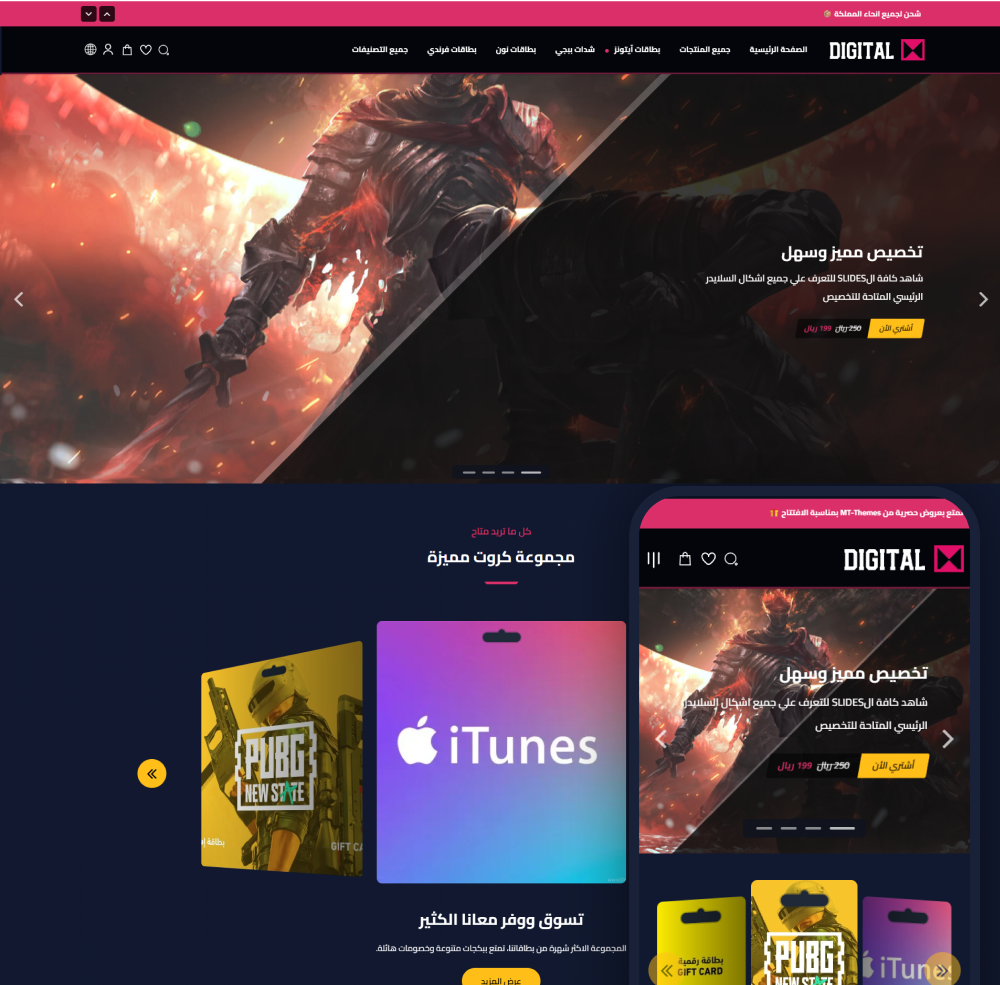
No less important than visual aesthetics is the practical aspect of store design, which includes ease of navigation and clarity of information. The store should be as user-friendly as possible, allowing customers to find what they are looking for quickly and effortlessly. Organizing products into clear categories, providing an effective search bar, and a simplified and straightforward checkout process are all elements that contribute to improving user experience and reducing shopping cart abandonment rates. Whether you are using ready-made templates in Salla or Zid, or building your store on Shopify, ensure that the design reflects professionalism and provides an enjoyable and efficient shopping experience for your customers, encouraging them to return and make repeat purchases.
Step Three: Building a Seamless User Experience and Professional Product Display
After determining your platform and visual identity, the next stage is building an online store that provides a smooth and enjoyable user experience (UX), while professionally displaying your products to attract attention and stimulate purchases. A seamless user experience includes designing an intuitive and easy-to-navigate interface (UI), where customers can access the information they need and complete the checkout process in a few steps. The store must be fully compatible with all devices, especially smartphones, as the majority of e-commerce purchases now occur via mobile. Regularly test your store from a customer's perspective to ensure it is free of any obstacles that might hinder the purchasing process or frustrate the user.
Professional product display is one of the most critical success factors for online stores. Since customers cannot touch or try the product, images must serve as their eyes. Invest in Product Photography: Your Guide to Selling with Attractive Images of high quality, taken from multiple angles, with appropriate lighting and a professional background. If your products require it, provide 3D images or short videos that illustrate how to use the product and its key features. Use real product images instead of stock photos, as this builds trust and demonstrates the credibility of your store, encouraging visitors to explore more and increasing the likelihood of successfully completing a purchase.
In addition to images, product descriptions must be accurate, comprehensive, and engaging. Do not just list technical specifications; focus on the benefits the customer will gain from using the product and how it solves their problems or fulfills their desires. Use clear and persuasive language, and include relevant keywords to improve the visibility of your products in search engines. Bulleted lists can help present features and benefits in an easy-to-read manner. For example, an electronic product description might include points like:
- Superior Performance: Quad-core processor for unparalleled responsiveness.
- Long-lasting Battery: Enjoy 10 hours of continuous use without needing to recharge.
- Sleek and Lightweight Design: Easy to carry and use anywhere.
Part Two: Products, Marketing, and Conversion
In this section, we move to the core of e-commerce: the products you offer and how you reach your target customers to persuade them to buy. Even with the best store design, success will not be achieved without strong products and an effective marketing strategy that converts visitors into buyers.
Step Four: Selecting Winning Products and Crafting Engaging Descriptions
Choosing winning products is the cornerstone of any successful online store, as the quality of what you offer is what sets you apart from competitors and attracts customers to you. You should look for products that meet a real need in the market or solve a specific problem, and that are of high quality to ensure customer satisfaction and reduce return rates. Explore specialized niches that may be less competitive but have an enthusiastic audience ready to buy. You can leverage market analysis tools and search for best-selling products in your sector, taking into account targeted profit margins and the product's suitability for shipping and storage. Strategic thinking at this stage prevents you from falling into the trap of products that are not popular or do not generate enough profit.
After selecting products, the importance of Product Descriptions: Secrets to Writing Engaging Descriptions in Zid and Salla comes into play, an art that requires precision and creativity. A good description does not just list features but focuses on the benefits the customer will gain from the product. Think about the emotions the product evokes, the experiences it offers, and how it will improve the customer's life. Use clear and persuasive language, and avoid complex jargon. Divide the description into short, easy-to-read paragraphs, and use bullet points to highlight the most important features and benefits. The description should be unique and appealing, and include appropriate keywords to improve the product's visibility in search results within your store and on external search engines, increasing the chances of customers discovering your products.
Strategic product pricing plays a crucial role in attracting customers and generating profits. The pricing process is not limited to covering costs and achieving a profit margin; it must also consider the perceived value of the product by the customer, competitor prices, and your store's overall pricing strategy (do you aim for luxury, value for money, or continuous discounts?). Pricing can significantly impact customers' perception of your product quality and value. Experiment with different pricing strategies, such as psychological pricing (e.g., $99.99 instead of $100), offering product bundles, or discounts for bulk purchases, to monitor customer response and continuously optimize your strategy to increase sales and profitability without sacrificing quality or brand.
Step Five: Launching Effective Marketing Campaigns and Boosting Conversions
Once you have a great store and appealing products, the next step is to bring customers to it, and this requires a strong and integrated marketing strategy. Effective marketing is not just about displaying your ads; it involves understanding where your audience is, what messages resonate with them, and how you can turn their curiosity into actual purchases. Start by optimizing your store for search engines (SEO), ensuring you appear in the top results when people search for your products. Use relevant keywords in product titles, descriptions, and your blog content, if any. Additionally, leverage the power of content marketing by creating valuable articles or videos related to your products or industry, as this builds trust and credibility with your audience.
Social media marketing is indispensable in the current era, especially in the Arab market. Choose the platforms where your target audience is highly present, whether it's Instagram, TikTok, Twitter, or Facebook. Publish engaging and interactive content, participate in conversations, and use paid ads for precise targeting. For example, TikTok ads have become a powerful tool for Salla and Shopify stores to reach younger audiences. Do not forget the power of email marketing, as it remains one of the most effective channels for building long-term customer relationships and launching targeted promotional campaigns, especially for customers who abandoned their shopping carts or made previous purchases.
Launching effective marketing campaigns is complemented by a focus on Conversion Optimization: The Secret to Boosting Your Store's Sales. Conversion is not just about bringing in visitors, but about turning them into buyers. This includes optimizing product pages, simplifying the checkout process, and offering attractive deals. Use store analytics tools to understand visitor behavior: Which pages do they visit? Where do they stop? What are the friction points in the purchase journey? Based on this data, conduct A/B tests to try different versions of your pages or offers to see which performs best. Remember that every small detail can make a big difference in the conversion rate, and consequently, in your store's revenue.
Part Three: Operations Management, Growth, and Sustainability
After attracting customers and completing sales, the focus shifts to the critical operational side to ensure an excellent customer experience and maintain the store's reputation. This section covers how to manage daily operations efficiently and develop strategies for sustainable growth and innovation.
Step Six: Managing Logistics and Providing Excellent Customer Service
Effective logistics management is a fundamental pillar for the success of any online store, as it ensures products reach customers on time and in excellent condition, positively impacting their satisfaction and loyalty. This process begins with efficient inventory management, where you must track available products and replenish them regularly to avoid stockouts or accumulation of unwanted items. Use inventory management systems available on platforms like Salla, Zid, and Shopify to automate this process as much as possible. Subsequently, comes the packaging process, which must be secure and professional, contributing to product protection during shipping and providing a unique unboxing experience for the customer.
Shipping is considered one of the most important touchpoints between the store and the customer. Choose reliable and reputable shipping companies, and offer diverse shipping options that suit your customers' needs and expectations, such as express shipping or free shipping above a certain value. You should provide customers with clear tracking for their orders and be transparent about estimated delivery times and shipping costs. No less important than shipping is Returns Management: How to Reduce Your Store's Losses in Salla and Zid, where the return and exchange policy must be clear, fair, and easy to implement. Professional handling of returns can turn a negative experience into an opportunity to build customer loyalty and trust in your store.
An excellent customer experience is completed by providing exceptional customer service. Satisfied customers are the best ambassadors for your brand. Respond to their inquiries and complaints quickly and effectively through multiple channels such as email, live chat, or phone. Be friendly and cooperative, and try to resolve issues on the first contact. You can also use Customer Relationship Management (CRM) tools to track customer interactions and provide personalized support. Remember that building strong customer relationships is not just about solving problems; it also involves listening to their feedback and using it to continuously improve your products and services, ensuring they remain loyal to your store.
Step Seven: Continuous Analysis, Expansion, and Innovation
Once your store is operating efficiently and generating sales, the final, but most crucial, step is continuous performance analysis, considering expansion, and innovating to stay ahead of the competition. Use analytics tools available on platforms like Salla, Zid, and Shopify, in addition to external tools like Google Analytics, to track key performance indicators (KPIs) such as conversion rate, average order value, customer acquisition cost, and customer retention rate. Understanding this data will provide you with valuable insights into what works and what doesn't, helping you make informed decisions to continuously improve your store's performance.
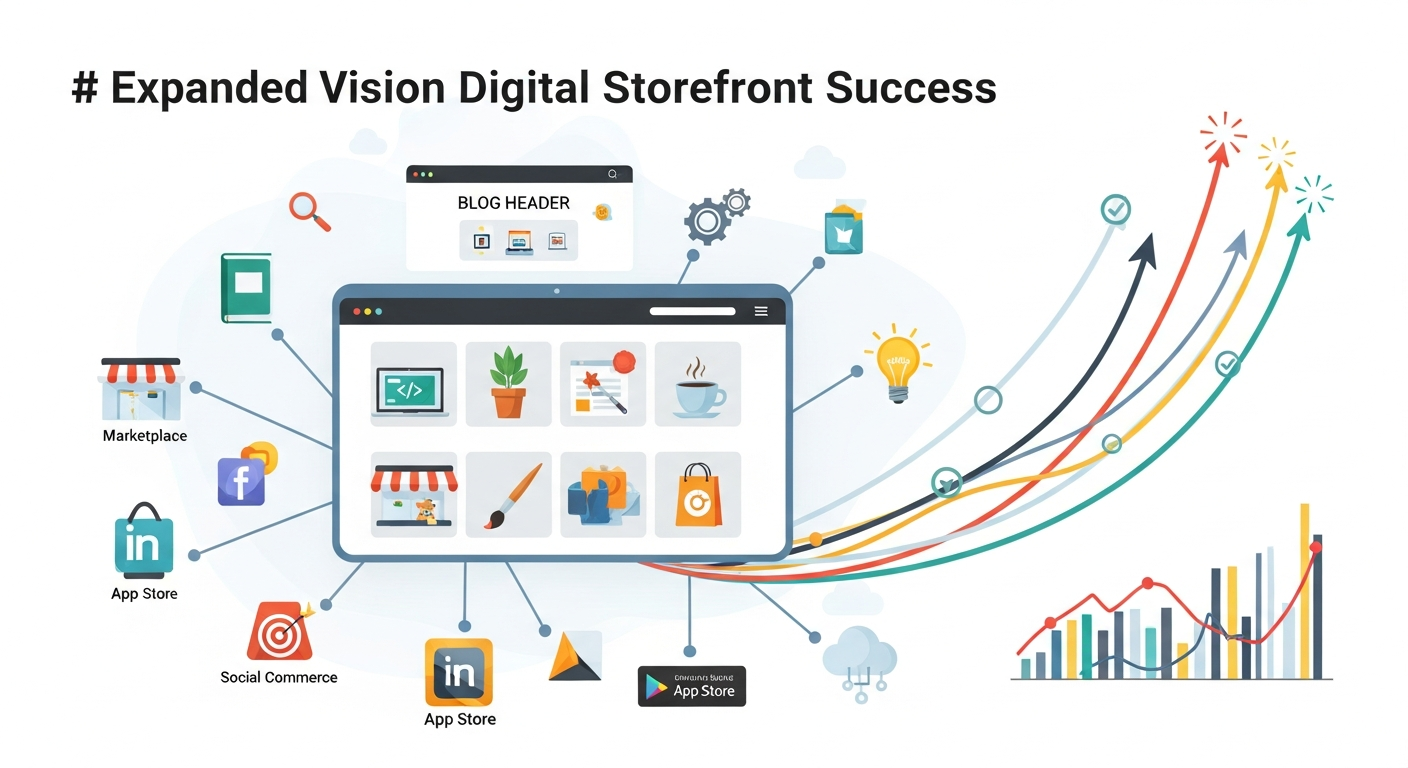
Based on your analyses, start thinking about expansion strategies. Can you add new product lines that align with your current audience's interests? Are there new geographical markets you can target? Can your experience be enhanced through partnerships with influencers or the integration of new technologies like Augmented Reality (AR) for product display? Expansion does not necessarily mean just increasing products; it may also involve improving operations, automating repetitive tasks, or even exploring new sales channels. Always be ready to adapt to market changes and customer preferences, as e-commerce is constantly evolving.
Continuous innovation is key to survival and growth in the rapidly changing e-commerce environment. Do not rest on current success; always seek new ways to enhance customer experience, provide added value, and streamline operations. This might include experimenting with new business models like subscriptions, offering personalized services, or even using artificial intelligence to improve personalized product recommendations. Listen to your customers' feedback, monitor your competitors, and stay informed about the latest technological and marketing trends. The store that innovates and invests in the future is the store that secures a permanent and profitable place in the hearts of customers and in the market.
Conclusion: The Journey to Success Begins with the First Step and Never Ends
Building a successful and profitable online store, whether on Salla, Zid, or Shopify, is not a one-time event but a continuous journey of learning, adaptation, and improvement. In this article, we have outlined seven essential steps that form a comprehensive roadmap for building a "professional Salla": starting from defining vision and audience, moving through designing an attractive store and selecting winning products, all the way to effective marketing, efficient operations management, and finally continuous analysis and innovation. Each of these steps is interconnected and complements the others; none can be overlooked if you aspire to achieve long-term success and profitability.
Remember that success in e-commerce requires patience, perseverance, and a willingness to try new things and learn from mistakes. The market is constantly changing, customer preferences evolve, and technologies emerge and disappear. Therefore, be flexible, listen carefully to your customers, and be prepared to adjust your strategies based on data and feedback. Platforms like Salla, Zid, and Shopify provide you with the necessary tools, but the skill in using these tools and implementing the right strategies is what will make the real difference and transform your store from a mere online presence into an inspiring success story and a sustainable source of income.
Start applying these steps today, even if in small increments, and you will see how efforts accumulate to make a big difference. Invest in yourself and your store, and always remember that the customer is at the center of everything you do. By focusing on delivering real value and an unforgettable shopping experience, you will be able to build a strong and beloved brand, and achieve sustainable profits that exceed your expectations. Your journey towards a successful and profitable "professional Salla" begins now!