



Introduction: The Dropshipping Revolution in E-commerce
In an increasingly interconnected and competitive world, e-commerce stands out as a driving force of the modern economy, offering unprecedented opportunities for individuals and businesses alike. With this digital expansion, innovative business models have emerged that facilitate entry into this field without the need for massive capital or complex logistical challenges. Among these models, "Dropshipping" has risen to prominence as an attractive option for anyone aspiring to start their own business, especially in the Middle East and North Africa region, which is witnessing tremendous growth in e-commerce due to the spread of internet and smartphones. This business model eliminates the need for physical inventory, significantly reducing operational risks and initial costs, and opens doors for entrepreneurs to focus on marketing and customer service.
Dropshipping is an innovative business strategy that allows you to sell products directly to consumers without having to store the goods yourself. When a customer places an order from your online store, you forward that order to the supplier, who then takes on the task of shipping the product directly to the customer. This model not only saves you the hassle of inventory management and warehousing but also allows you to experiment with a wide range of products and markets with minimal financial risk. With powerful e-commerce platforms like Salla, Shopify, and Zid available, building a professional and user-friendly dropshipping store has become accessible to everyone, paving the way for numerous success stories in the Arab market, which is characterized by immense growth opportunities and a continuous increase in online shoppers.
What is Dropshipping and Why is it an Ideal Option?
Dropshipping is an e-commerce business model where the seller does not keep the products they sell in stock. Instead, when a store sells a product, it purchases it from a third party (the supplier), and the supplier ships the product directly to the customer. This means the merchant never sees or handles the product. The primary advantage of this model is that it eliminates the need to invest in large inventory, significantly reducing capital costs and the risks associated with storing unsold products. Dropshipping can be very profitable if executed correctly, as it allows you to focus on building your brand, marketing, and acquiring customers, rather than worrying about complex logistics.
The appeal of dropshipping lies in its flexibility and adaptability to various market conditions. Anyone with an internet connection can start a dropshipping store without prior experience in trade or inventory management. This model allows small business owners and aspiring entrepreneurs to test new product ideas and markets quickly and easily, lowering the barrier to entry into the world of e-commerce. Furthermore, a dropshipping store can be managed from anywhere in the world, providing invaluable geographical freedom. These features make it an ideal choice for many individuals looking for an additional income stream or wishing to build their own full-time business.Despite its many advantages, dropshipping requires a deep understanding of the target market and the selection of reliable suppliers. Challenges such as product quality control, return management, and ensuring timely shipping can be complex if not handled wisely. However, modern platforms like Salla, Shopify, and Zid offer robust integrations with many suppliers, greatly simplifying these processes. Learning how to select trending products, build an attractive online store, and implement effective marketing strategies are keys to success in this field, and this article will guide you step-by-step towards achieving that.
Advantages of Dropshipping
The dropshipping model offers numerous advantages that make it a preferred choice for many who wish to enter the world of e-commerce. First and foremost, low capital requirement is the most attractive factor. You don't need to invest large sums in purchasing inventory upfront, which significantly reduces financial risks. You can start with a very limited budget, as you only pay the supplier when a customer buys the product from you, freeing up capital that can be used for marketing and brand building. This advantage opens doors for young entrepreneurs or those with limited budgets to achieve their entrepreneurial dreams.
Secondly, location flexibility is another invaluable advantage. You can manage your dropshipping business from anywhere in the world as long as you have an internet connection. This gives you the freedom to work from home, while traveling, or even from a favorite coffee shop. There are no geographical restrictions on operating your store, allowing for a better work-life balance. This flexibility makes dropshipping a very popular choice among digital nomads and individuals seeking a more independent lifestyle, as they can expand their businesses without needing a physical presence in a specific location.
Thirdly, dropshipping offers an unparalleled wide product assortment. Since you don't need to physically stock products, you can offer a huge and diverse range of products to your customers. This allows you to experiment with different niche markets and discover the most in-demand products without worrying about storage costs or actual inventory management. You can easily change or add products to your store based on market trends and demand, giving you a significant competitive edge and the ability to quickly adapt to any changes in consumer behavior.
Challenges of Dropshipping
Despite its many advantages, dropshipping is not without its challenges that entrepreneurs must prepare for. One of the biggest challenges is the relatively low-profit margin sometimes. Due to the ease of entry into this field, competition increases, which can drive prices down and reduce potential profits per product. This requires innovative marketing strategies and precise identification of high-demand products with good margins to ensure business continuity and achieve desired profitability. The merchant must be smart in determining pricing strategies and always look for ways to differentiate their products or services from competitors.
The second challenge lies in inventory and logistics management. Although you don't hold inventory, you are still responsible for ensuring product availability with suppliers and that shipping is timely. Inventory issues or shipping delays from the supplier's side can lead to a poor customer experience, which can harm your store's reputation. This requires selecting reliable suppliers and continuous communication with them, as well as using order tracking tools available on platforms like Salla, Shopify, and Zid to ensure smooth logistical operations and avoid any unpleasant surprises that could affect customer satisfaction.
The third challenge is customer service. Since you are not directly responsible for product quality or shipping, you may find yourself in a difficult position when issues arise, such as damaged products or delivery delays. You will be responsible for handling customer inquiries and complaints, which requires excellent communication and problem-solving skills. You must be prepared to mediate between the customer and the supplier, providing quick and satisfactory solutions to maintain customer loyalty and your store's reputation. Investing in an effective customer service system and establishing clear return and exchange policies can significantly mitigate these challenges.
Essential Steps to Start a Successful Dropshipping Store
To launch a successful dropshipping venture, there is a set of essential steps that must be carefully followed to ensure building a strong foundation for your business. These steps range from selecting the right products and identifying the target market, to building an effective online store and marketing it intelligently. Each of these steps requires careful research and strategic planning to ensure maximum profitability and minimize potential risks. Success in dropshipping does not depend solely on luck; rather, it is the result of good planning, meticulous execution, and continuous learning and development.
It is important to understand that dropshipping is not just a "set it and forget it" process; it is a real business that requires effort and time. You must be prepared to invest in learning various tools and techniques, as well as in building strong relationships with suppliers and customers. Focusing on providing added value to your customers, whether through a unique shopping experience or exceptional customer service, will help you stand out in a crowded market. Remember that building a strong brand is key to long-term success in this field, regardless of the platform you choose, be it Salla, Shopify, or Zid.
Whether you are a complete beginner or have some e-commerce experience, this guide will provide you with a clear roadmap. We will cover every aspect of starting a dropshipping store, from finding profitable products to choosing the best platform for building your store, and finally to marketing strategies that will attract customers to you. Always remember that perseverance and adaptability are among the most important qualities you must possess as a business owner in the rapidly changing e-commerce landscape.
1. Niche Selection and Product Research
Niche selection and finding the right products are the cornerstones of any successful dropshipping business. Instead of trying to sell everything to everyone, focus on a specific niche market with high demand and reasonable competition. For example, instead of selling "clothing" in general, you could focus on "eco-friendly yoga apparel" or "luxury pet accessories." This specialization helps you target a specific audience more effectively, build a strong brand, and reduce marketing costs. The product you choose should solve a specific problem for customers or fulfill a strong desire, and it should have a good profit margin to cover your marketing and operational costs.
To research trending products, use tools like Google Trends, Amazon Bestsellers, AliExpress Dropshipping Center, and even explore competitor stores on platforms like Salla and Shopify. Look for products that show seasonal demand or upward trends. You should also analyze the competition, focusing on finding products that are not sold by too many other stores. Look for products that can be unique or to which you can add value through creative marketing or bundling with other products. Don't forget the importance of writing attractive product descriptions to capture customer attention and increase conversion opportunities.
When choosing products, also consider ease of shipping, product size, and weight. Small and lightweight products are usually easier and cheaper to ship, which reduces logistics costs and improves the customer experience. Avoid complex products that require special installation or intensive after-sales service, especially at the beginning. Always test product samples before adding them to your store to ensure their quality and conformity to expectations. This ensures that you offer high-quality products to your customers and reduces the likelihood of returns and complaints that could harm your online store's reputation.
2. Choosing Reliable Suppliers
Choosing reliable suppliers is a crucial step for the success of any dropshipping store. The supplier is your primary partner, and the quality of their service directly impacts your store's reputation and customer satisfaction. Look for suppliers with a good reputation and a proven track record of delivering products on time and with high quality. Platforms like AliExpress, SaleHoo, Worldwide Brands, Spocket, and CJ Dropshipping are popular options, but you should always conduct your own research and read reviews. Ensure that suppliers offer reliable shipping options to your target market, have clear return and exchange policies, and can handle your anticipated order volume.
Communicate with potential suppliers before committing to them. Ask questions about product quality, shipping times, shipping costs, minimum order quantities, and return policies. Request product samples to evaluate quality and packaging yourself. A good relationship with your suppliers can be key to long-term success, potentially leading to better terms, faster shipping times, and improved support. Remember that the quality of your products and the speed of their delivery are what differentiate your store in the eyes of customers, and the supplier is directly responsible for achieving that.
Don't hesitate to work with more than one supplier, especially at the beginning, to mitigate risks. If you have a backup supplier, your sales won't stop if your primary supplier encounters an issue. Also, ensure that the supplier can provide order tracking, as this feature is vital for your customers and for managing your store. Platforms like Salla and Shopify offer integrations with various dropshipping apps that, in turn, connect to different suppliers, making it easier to select them and manage the relationship. Investing in finding the right supplier is an investment in the future of your business.
3. Building Your Online Store (Salla or Shopify)
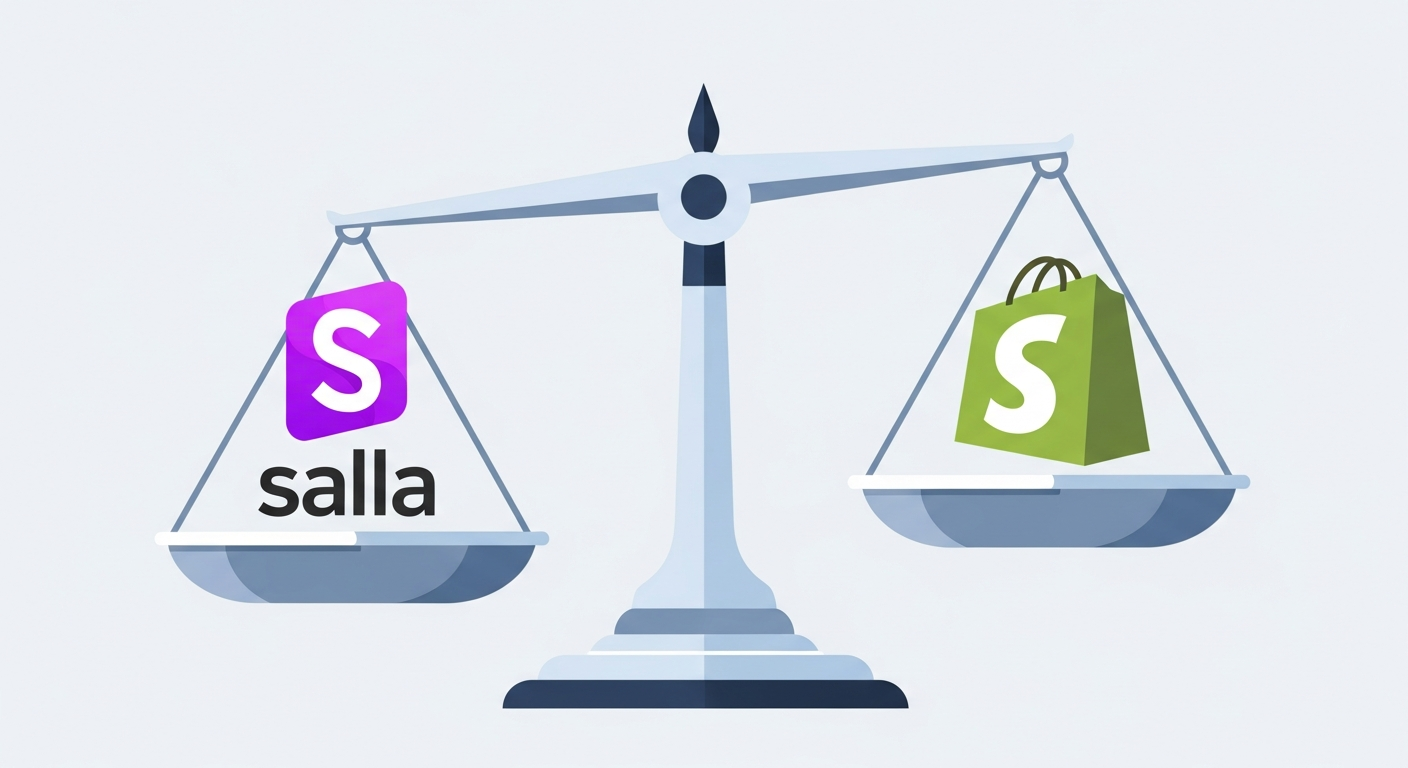
After selecting products and suppliers, the next step is building your online store, which is the interface your customers will interact with. Salla and Shopify are among the best platforms available for creating dropshipping stores, especially in the Arab market. Both platforms provide powerful and user-friendly tools to build a professional store without requiring programming knowledge. Choose the platform that suits your needs and budget, considering features, ease of use, cost, and customer support. Remember that your store's design should be attractive, easy to navigate, and reflect your brand identity.
Salla: is a leading Arab e-commerce platform, specifically designed to meet the needs of the Saudi and Gulf markets. Salla features an easy and intuitive user interface, full Arabic language support, and integrations with local payment gateways and shipping companies, making it an excellent choice for store owners in the region. To start dropshipping on Salla, you can search for available dropshipping applications in the Salla app store, which help you import products from suppliers and manage orders easily. Salla also provides ready-made design templates that you can customize to reflect your store's identity.
Shopify: is a massive and reliable global platform, offering immense flexibility and a wide range of apps and add-ons that support dropshipping. Tools like Oberlo (now acquired by Shopify and integrated into its apps), Spocket, and Printful can make the dropshipping process on Shopify easy and efficient. Shopify offers professional, highly customizable design templates, advanced marketing features, and global support. Although it is not specialized for the Arab market like Salla, it supports the Arabic language and can be adapted to meet the needs of this market, especially with the presence of international payment gateways and shipping companies.
4. Store and Product Setup
Once you've chosen your platform, it's time to set up your store and upload products. Start by designing the store's interface. Choose an attractive theme that reflects your brand and is easy to navigate. Ensure your store is responsive and works well on all devices, especially smartphones. Next, upload your selected products. For each product, write an engaging and detailed description that highlights its benefits and features. Use high-quality, attractive product images. Remember that compelling product descriptions are key to persuading customers to buy.
Don't forget to set up essential pages for your store such as "About Us," "Privacy Policy," "Shipping Policy," and "Return and Exchange Policy." These pages build trust with your customers and answer their potential inquiries. Configure the appropriate payment gateways for your customers, whether credit cards, Mada, Apple Pay, or cash on delivery. Platforms like Salla and Shopify offer easy integrations with most popular payment gateways. Ensure that the checkout process is secure and smooth to avoid abandoned carts.
Finally, price your products carefully. Prices should cover the cost of the product from the supplier, shipping costs, desired profit margin, plus any marketing expenses. You can refer to winning product pricing strategies to maximize profits. Test the purchase process yourself to ensure everything works smoothly, from adding the product to the cart to completing the payment. This step is crucial to ensure a positive shopping experience for your customers and minimize operational issues in the future.
Marketing and Attracting Customers to Your Store
After your online store is fully set up, the most critical phase begins: marketing and attracting customers. Even if you have the best products and the most beautiful store, you won't generate sales if no one knows about it. Marketing in dropshipping requires thoughtful and diverse strategies to effectively reach your target audience. Your marketing efforts should focus on highlighting the unique value your store and products offer, and ensuring your message reaches potential customers at the right place and time.
Remember that competition in dropshipping is fierce, so you must be creative and persistent in your marketing efforts. Do not rely on a single marketing channel; diversify your strategies to achieve maximum reach. Invest time in understanding your target audience, what channels they use, and what messages they respond to. The more familiar you are with your customers, the more effective and impactful your marketing campaigns will be, leading to increased traffic to your store and converting it into real sales.
Success in marketing doesn't happen overnight; it requires experimentation and continuous analysis of your performance. Use the analytical tools available on Salla and Shopify platforms to track traffic sources, conversion rates, and customer behavior. Based on this data, continuously optimize your marketing campaigns. Understanding how to optimize your store for search engines can help you appear in search results and attract organic visitors, reducing paid marketing costs in the long run.
1. Social Media Marketing
Social media is one of the most powerful marketing tools for a dropshipping store. Platforms like Instagram, Facebook, TikTok, and Snapchat offer immense opportunities to reach a wide and targeted audience. Create engaging and high-quality content for your products, including photos and videos that showcase products in use and highlight their benefits. Use Stories and Live Streams to interact with your audience and answer their questions. Paid advertisements on these platforms can help you target specific audience segments based on their interests and behavior, increasing the effectiveness of your marketing campaigns.
Interact with your followers regularly, and respond to their comments and messages. Building a community around your brand can increase loyalty and encourage repeat purchases. Consider collaborating with influencers in your niche, as they can help promote your products and reach their large and trusted audience. Content marketing, such as creating a blog or tutorial videos on how to use your products, can also be effective in building trust and establishing yourself as an expert in your field, thereby enhancing your brand's position.
Don't forget the importance of using relevant hashtags and keywords in your posts to increase organic visibility. Regularly analyze the performance of your posts and ads to identify what works best and refine your strategies. Experiment with different types of content, such as contests, promotions, or interactive content, to keep your audience engaged. Social media marketing can be a very powerful tool if used strategically and thoughtfully, leading to significant growth in sales and brand awareness.
2. Pay-Per-Click (PPC) Advertising
Pay-Per-Click (PPC) advertising, such as Google Ads, Facebook Ads, Snapchat, and TikTok ads, are effective ways to quickly drive targeted traffic to your store. These ads allow you to display your products to customers who are actively searching for what you sell or who have shown interest in similar products. Target keywords relevant to your products, and write compelling ad copy that encourages clicks. Remember to optimize the landing pages for your products to ensure an excellent user experience and increase conversion rates.
Start with a small budget and gradually scale up as your campaign performance improves. Monitor key performance metrics such as Click-Through Rate (CTR), Cost Per Click (CPC), and Return on Ad Spend (ROAS). Continuously optimize your ads by testing headlines, descriptions, images, and target audiences. Retargeting can be particularly effective, as it targets customers who visited your store but did not complete a purchase, encouraging them to return and finalize their order.
Investing in PPC ads requires careful analysis and continuous monitoring. The built-in analytics tools in ad platforms, along with your store's analytics in Salla and Shopify, can help you better understand your campaign performance. Affiliate marketing can also be an effective strategy to expand your reach, as you only pay when a sale is made. You can read more about affiliate marketing to boost your store's sales. Through continuous experimentation and optimization, PPC ads can become a powerful sales driver for your dropshipping store.
3. Content Marketing and Search Engine Optimization (SEO)
Content marketing and Search Engine Optimization (SEO) are long-term strategies for building your brand authority and attracting free organic traffic to your store. Create a blog on your store where you publish useful articles relevant to your products and target audience. For example, if you sell camping gear, you could write articles about "Best Camping Destinations in Saudi Arabia" or "Tips for Choosing the Right Camping Tent." This content not only attracts visitors but also positions you as an expert in your niche.
Focus on using relevant keywords in your article titles, product descriptions, and overall store content. Ensure your store is technically optimized for search engines, including loading speed, mobile user experience, and internal link structure. Building high-quality backlinks from other authoritative websites can also boost your store's ranking in search results. Remember that SEO is an ongoing process that requires patience and effort, but it pays off in the long run by providing targeted and free traffic.
In addition to a blog, you can create visual content such as tutorial videos, infographics, or illustrated guides that explain how to use your products or solve a specific problem for customers. Share this content across social media and email lists to increase its reach. The more high-quality content you provide, the greater your store's chances of appearing in search results and attracting customers looking for solutions or information. This strategy can help you build a strong relationship with your audience and convert them into loyal customers.
Order Management and Customer Service
Once sales start to increase, it becomes essential to focus on efficient order management and providing excellent customer service. These aspects are crucial for maintaining your store's reputation and building customer loyalty. Order management involves tracking shipments, ensuring timely delivery of products, and addressing any issues that may arise in the delivery process. Customer service, on the other hand, involves interacting with customers, answering their inquiries, and resolving their problems quickly and effectively.
A positive customer experience is not limited to product quality alone; it extends to the ease of the purchasing process, shipping speed, and efficiency of after-sales support. In dropshipping, where you do not directly control inventory and shipping, your role as an intermediary and service provider becomes even more critical. You must be fully aware of supplier policies and be able to communicate effectively with both the supplier and the customer to resolve any conflicts or issues that may arise.
Remember that happy customers are your best marketers. Satisfied customers are more likely to recommend your store to their friends and family, write positive reviews, and return to buy from you again. Conversely, a single bad experience can quickly damage your store's reputation. Therefore, invest time and effort in building a robust order management and customer service system, and leverage the features and tools provided by platforms like Salla and Shopify to streamline these processes and make them more efficient.
1. Order Processing and Shipment Tracking
Once a customer places an order in your store, you must process that order quickly by sending it to your supplier. Ensure that all order details, such as product name, quantity, shipping address, and payment details, are correct and accurate to avoid any errors. Many dropshipping applications available on Salla and Shopify can automate this process, saving you time and reducing human errors. Make sure you have a system to confirm the supplier's receipt of the order and the start of the shipping process.
Once the supplier ships the product, you must provide the customer with a shipping tracking number. This step is vital for customer satisfaction, as customers want to know where their products are and when they will arrive. Monitor the shipping status regularly, and in case of any unexpected delays, proactively communicate with the customer to inform them and provide necessary support. Transparency in the shipping process builds trust and alleviates customer anxiety. Tools related to payment gateways and choosing the best can help ensure smooth financial transactions associated with these orders.
Set up a system for handling returns and exchanges. Although the supplier ships the product, the responsibility for handling returns often falls on you as the store owner. Establish a clear and transparent return policy on your website, and ensure your supplier supports this policy. Effectively handling returns can turn a negative experience into an opportunity to build customer loyalty, as the customer sees that you care about their satisfaction even after the purchase.
2. Providing Exceptional Customer Service
Good customer service is the cornerstone of any successful business, and it is even more critical in dropshipping where there is no direct contact with the product. Be available to answer customer inquiries through multiple channels such as email, live chat, or even phone. Respond quickly and politely, and provide clear and effective solutions to any issues that may arise. Remember that every customer interaction is an opportunity to strengthen your brand's reputation and build a long-term relationship.
Listen carefully to customer feedback, whether positive or negative. Use this feedback to improve your products, services, and operations. If a particular product generates many complaints, it might be time to remove it or find a better supplier. Providing exceptional customer service can differentiate you from competitors and create loyal customers for your brand. You can read more about how to earn customer loyalty through customer service.
Don't be afraid to occasionally go above and beyond expectations. This might mean offering a discount on a future order as compensation for a delay, or providing additional tips on using the product. Building a positive relationship with customers is an investment that pays off in the long run. Use Customer Relationship Management (CRM) tools to track customer interactions and history, which helps you provide personalized and customized service, and ensures that every customer experience is as positive as possible, even in the face of challenges that may arise in dropshipping.
Additional Tips for Dropshipping Success
While the previous steps cover the fundamentals, there are many additional tips that can help you achieve greater success in the competitive world of dropshipping. These tips go beyond just the initial store setup, focusing on long-term strategies that ensure sustainability and growth. Adopting a mindset of continuous learning and adapting to market changes are key to maintaining a competitive edge and staying ahead of the game.
Don't settle for the basics; always strive for innovation and excellence. Think about how to add unique value for your customers that they won't find in other stores. This could be through product bundling, offering useful educational content, or building a community around your brand. The more value you provide, the more likely you are to attract loyal customers who will return again and again. Remember that building a strong brand involves more than just selling products; it's about building a complete experience.
Continuously monitor emerging trends in e-commerce and dropshipping. What's popular today might not be tomorrow. Be prepared to adjust your product offerings and marketing strategies based on changes in consumer behavior and technology. Leveraging the analytical tools available on platforms like Salla, Shopify, and Zid, as well as third-party tools, will help you make informed decisions and identify new growth opportunities.
1. Focus on Building a Strong Brand
In the crowded dropshipping market, building a strong brand is crucial for standing out. Don't just be another seller of products; create a unique identity for your store that reflects specific values and resonates with your target audience. Choose an appealing name and a professional logo, and maintain consistency in colors, fonts, and style across all your marketing materials, from your website to social media posts. A strong brand not only increases your credibility but also helps build customer loyalty and justify higher profit margins.
Provide an exceptional customer experience that aligns with your brand identity. This includes everything from easy navigation in your store, to quick responses to customer inquiries, and even packaging (if the supplier allows). Consider adding personal touches, such as a small thank-you note or a special offer for repeat customers. These small details can make a big difference in how customers perceive your brand and make them feel valued.
Building a community around your brand can also enhance its strength. Encourage customers to share their experiences with your products on social media, and create groups or forums where they can interact with each other and with your brand. The more emotional connection customers feel towards your brand, the more likely they are to become advocates for it, leading to valuable word-of-mouth marketing and organic sales growth.
2. Continuously Analyze Data and Improve Performance
Data is the new gold in the world of e-commerce, and regularly analyzing it is critical for dropshipping success. Use the built-in analytics tools in Salla and Shopify, as well as tools like Google Analytics, to track your store's performance. Monitor key performance indicators (KPIs) such as website traffic, conversion rate, average order value, customer acquisition cost (CAC), and customer lifetime value (LTV). This data will provide you with valuable insights into what is working well and what needs improvement.
Regularly conduct A/B tests on your product pages, ads, and email headlines. Change one variable at a time (such as the color of a buy button, or specific ad copy) and monitor its impact on conversion rates. For instance, you can experiment with different product pricing strategies to see which generates the best customer response. This data-driven approach allows you to make informed decisions and allocate your marketing resources more effectively.
Never stop learning and adapting. The world of e-commerce is constantly evolving, and what works today might not work tomorrow. Stay up-to-date with the latest trends, new technologies, and changes in consumer behavior. Regularly review your suppliers' performance, and seek out new and profitable products. Flexibility and adaptability are among the most important qualities any successful entrepreneur in the dropshipping field must possess, ensuring continuous growth and prosperity for your business.
Conclusion: The Journey to Success Starts with a Single Step
Dropshipping offers a fantastic opportunity to enter the world of e-commerce with minimal risk and maximum flexibility. By selecting the right products, building a professional store on platforms like Salla and Shopify, and implementing effective marketing strategies, you can build a profitable and sustainable business. Remember that success does not come overnight, but is the result of hard work, perseverance, and continuous learning. Invest in building strong relationships with your suppliers and customers, and always provide exceptional value.
Don't be afraid to experiment and adapt. The e-commerce world is constantly changing, and the ability to adapt to these changes is key to staying ahead. Use data to refine your decisions, and always be willing to explore new products and markets. Whether you choose Salla for its strong local market support or Shopify for its global flexibility, the tools available today make starting and running a dropshipping store easier than ever before.
Ultimately, the journey to success in dropshipping begins with one step: making the decision to start. Seize the opportunities available, learn from every challenge, and continue to strive for excellence. With proper planning and meticulous execution, your dropshipping store can become a source of profitable income and fulfill your entrepreneurial dreams. Start today, and watch how your efforts can transform into an inspiring success story in the world of e-commerce.