


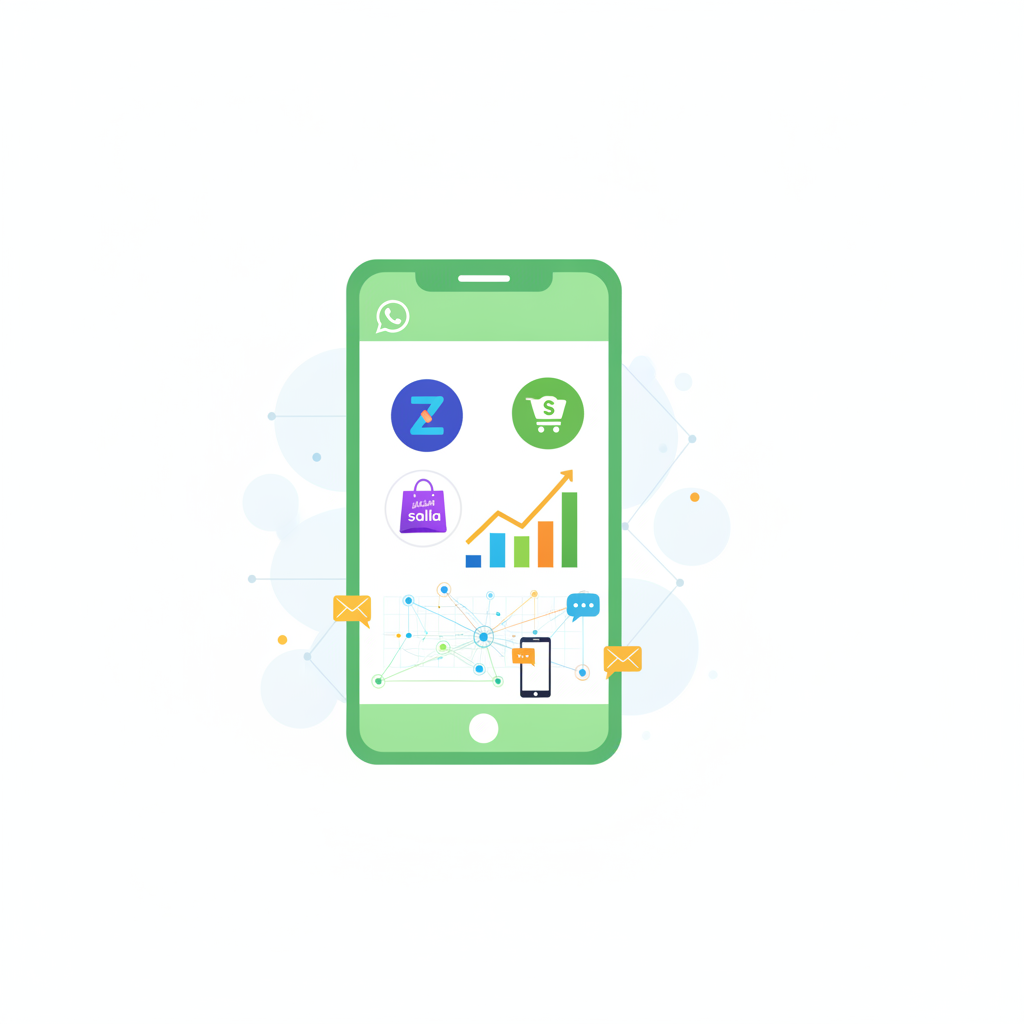
In the fast-paced world of e-commerce, merely showcasing products is no longer sufficient to attract customers and convert them into loyal buyers. E-commerce store owners need effective and personalized communication strategies to build trust, answer inquiries instantly, and provide a seamless, unforgettable shopping experience. This is where WhatsApp Business emerges as a powerful and pivotal tool, especially for stores operating on platforms like Salla, Zid, and Shopify, which aim to boost their sales and build customer loyalty in the Arab market.
WhatsApp boasts a massive user base in the Arab region, making it an indispensable communication channel. Transforming WhatsApp from a personal messaging app into an effective marketing and sales tool requires a deep understanding of its features and how to leverage them smartly. This article aims to provide entrepreneurs and e-commerce store owners with a comprehensive guide to utilizing WhatsApp Business to its fullest potential to increase sales on their platforms, from initial contact to post-sale support, with a focus on practical tips and proven strategies that deliver tangible results.
The Importance of WhatsApp Business for Salla, Zid, and Shopify Stores
WhatsApp Business is more than just a communication medium; it's a vital bridge connecting the store to the customer in a direct and personal way, which many traditional marketing channels lack. In Arab markets, where consumers prefer direct interaction and quick answers to their queries, WhatsApp Business becomes an indispensable tool for enhancing customer experience and building strong relationships based on trust and transparency. Its optimal use significantly contributes to reducing cart abandonment rates and increasing conversion rates.
WhatsApp Business features, such as the business profile, catalog, quick replies, and labels, enable store owners on platforms like Salla, Zid, and Shopify to manage their customer interactions with unprecedented efficiency. Instead of relying on email or phone calls, which may be less responsive, WhatsApp Business provides an instant and flexible channel that ensures messages are delivered and read quickly, accelerating the customer's decision-making process and increasing the chances of completing a purchase. It also allows stores to appear professional and organized.
The ability to integrate WhatsApp Business with the store's overall marketing and sales strategies opens up new avenues for revenue growth. It can be used not only for customer support but also for launching targeted marketing campaigns, offering exclusive deals, and even recovering customers who have abandoned their shopping carts. This flexibility makes it a comprehensive tool that supports the entire customer lifecycle, from initial product search to post-sale support and requesting reviews, thereby fostering loyalty and encouraging repeat purchases. It also helps build a positive reputation for the store.
Building Strong Customer Relationships
The essence of successful e-commerce lies in building strong and lasting relationships with customers, and WhatsApp Business excels at providing this. Through direct and personal interaction, store owners can overcome virtual communication barriers and create a sense of connection and trust. When customers feel that there is a real person who cares about their needs and responds to their inquiries quickly and attentively, they become more inclined to complete a purchase and return to the store again, which fosters long-term brand loyalty and creates a loyal customer base.
WhatsApp Business allows stores to better understand customer needs and preferences. Through individual conversations, valuable information can be gathered about products they are interested in, problems they face, or even their suggestions for improvement. This qualitative data is invaluable in developing products and services and enhancing the overall shopping experience. Furthermore, the ability to offer personalized recommendations based on purchase history or previous interests strengthens the value of the relationship and makes the customer feel appreciated and valued as an individual, not just a number.
The personal touch provided by WhatsApp Business goes beyond merely answering questions. Stores can use it to congratulate customers on special occasions, send thank-you messages after a purchase, or even solicit their feedback and reviews in a friendly, informal manner. These small but meaningful interactions contribute to building a community around the store, where customers feel a sense of belonging and support. Ultimately, strong customer relationships are the primary driver of sustainable growth in any e-commerce business, and WhatsApp Business is an ideal tool to achieve this.
Instant and Effective Communication
In our fast-paced era, instant and effective communication has become a fundamental requirement for customers, particularly in e-commerce. Customers do not want to wait hours or days for a response to their inquiries; they expect an immediate reply. This is where WhatsApp Business outperforms many other communication channels, providing a platform that enables stores to respond to customer inquiries in real-time, reducing the chances of losing customers due to slow responses and improving their overall satisfaction with the shopping experience. You can learn more about chat applications for customer support in Salla and Zid stores.
Features such as Quick Replies allow stores to set up pre-written templates for frequently asked questions, saving time and ensuring consistent and professional answers. Whether a customer is inquiring about product details, order status, or return policy, the required information can be provided with a single tap. This efficiency not only serves the customer but also increases the productivity of the customer service team, allowing them to handle a larger number of inquiries in less time and with higher quality, which is crucial for stores with a high volume of orders.
In addition to quick replies, stores can use Greeting Messages and Away Messages to manage customer expectations and provide essential information even outside official business hours. This ensures that the customer feels attended to even if no staff member is immediately available to respond. Instant and effective communication via WhatsApp Business not only enhances the customer experience but also builds a positive reputation for the store as a reliable and responsive entity that cares about its customers' needs, directly impacting future purchasing decisions.
Direct Selling Strategies via WhatsApp Business
WhatsApp Business represents a powerful channel for direct selling, going beyond being merely a customer support tool. By leveraging its marketing features, stores can convert conversations into real and effective sales. The strategies here go beyond sending generic messages; they focus on personalization, timely delivery, and providing genuine value to the customer. Whether you sell physical or digital products, the ability to interact directly with customers about your offers and services is a major competitive advantage, especially in the crowded e-commerce landscape.
Starting with a professional business profile is the first step to making a good impression. It should include clear information about the store, an attractive description, and high-quality product images. Using the catalog within WhatsApp Business allows customers to browse products directly within the app, reducing friction and making the purchasing process easier. Stores can also use features like "List Messages" to present multiple product or service options, making it easier for customers to choose and interact with offers without having to leave the conversation.
To maximize direct selling, stores must adopt a proactive, not just reactive, approach. This means launching mini-marketing campaigns, offering personalized deals, and retargeting potential customers based on their interests and past behavior. Effectively integrating WhatsApp Business with other marketing strategies, such as social media ads that direct users straight to a WhatsApp chat, can significantly increase conversion rates and achieve notable sales growth.
Launching Targeted Marketing Campaigns
Targeted marketing campaigns via WhatsApp Business are one of the most powerful tools for increasing sales, allowing stores to reach the right customer segments with messages tailored to their interests and needs. Instead of sending mass messages that may not be relevant to everyone, customer bases can be segmented into groups based on past purchasing behavior, preferred products, or even demographics, and then design promotional messages and special offers for each group. This personalization significantly increases the effectiveness of the campaign and response rates, leading to higher sales.
To launch a successful targeted campaign, data must first be collected and analyzed effectively. Stores can use the data analysis tools available on platforms like Salla, Zid, and Shopify to identify the most profitable customer segments or those most interested in specific products. For example, customers who purchased a certain product can be targeted with offers on complementary products, or special offers can be sent to customers who haven't purchased in a while. This smart approach ensures that each message reaches its appropriate audience, enhancing conversion opportunities.
When crafting messages, they should be clear, concise, and engaging. Use clear and direct calls to action, such as "Shop Now" or "Claim Your Exclusive Offer." Images or short videos of products can also be included to increase message appeal. Remember that the goal is to provide value to the customer, whether that's a special discount, a new product launch, or useful information. Balancing promotion with value delivery is key to ensuring customers remain interested and engaged with the store's messages without feeling overwhelmed.
Showcasing New Products and Exclusive Offers
WhatsApp Business is an ideal platform for showcasing new products and exclusive offers in a direct and engaging way. Instead of relying on email, which might get lost in spam folders, or social media posts that might not reach all followers, WhatsApp ensures your message goes directly to the customer. This direct channel allows stores to build excitement around new products or special offers, prompting customers to make purchasing decisions faster before the offer expires or stock runs out.
When showcasing new products, stores can use WhatsApp Business to send high-quality images and videos of the product, along with a concise and intriguing description that highlights its features and benefits. Teaser campaigns can also be launched before the official product launch to build anticipation and demand. For exclusive offers, unique discount codes can be sent to special customers, or they can be notified of sales before the general public, making them feel valued and increasing their loyalty to the store. These exclusives encourage immediate purchase decisions and give the customer a sense of exclusivity.
Exclusive offers are not limited to monetary discounts; they can also include free shipping, free gifts with every purchase, or early access to certain products. The most important thing is that the offers are appealing and genuinely valuable to the customer. The timing of sending these messages also plays a crucial role; they should be sent at times when customers are most likely to interact with messages, avoiding late-night or very early morning sends. Use scheduled message features to ensure optimal delivery time, which enhances open rates and interaction with offers.
Using the Catalog and Shopping Carts
The WhatsApp Business catalog is a transformative feature for any e-commerce store, allowing customers to browse and discover products directly within the app without needing to leave the conversation or navigate to a website. This significantly reduces friction in the purchase journey and makes it easier for customers to make purchasing decisions. Stores can add high-quality images, detailed descriptions, prices, and direct links to products in Salla, Zid, or Shopify stores, making the shopping experience integrated and seamless.
In addition to the catalog, WhatsApp has launched a shopping cart feature that allows customers to select multiple products from the catalog and send them as a single order to the store. This feature greatly simplifies the ordering process, especially for customers who want to purchase more than one item. The store can then review the order, confirm product availability, provide a total invoice, and then direct the customer to complete payment via their available payment methods, such as Tabby and Tamara or traditional payment gateways.
To make the most of the catalog and shopping carts, stores should regularly update the catalog with the latest products and offers. Ensuring that all displayed products are in stock and their prices are correct is crucial to avoid customer frustration. The catalog can also be used as a tool to answer product inquiries; instead of describing the product in text, a direct link to the product in the catalog can be sent, saving the customer the hassle of searching and making it easier for them to access the required information faster and more effectively, which enhances customer satisfaction with the service provided.
Converting Visitors into Customers and Post-Sale Support
The role of WhatsApp Business is not limited to attracting new customers; it extends to converting visitors into actual buyers, and then retaining them as loyal customers through excellent post-sale support. This complete cycle ensures the store's growth and sustainability. By providing an easy and accessible communication channel, stores can address any concerns visitors may have before purchase, assist them in making decisions, and then follow up on their journey after purchase to ensure their complete satisfaction with the product and service. This integrated approach enhances the brand's value.
Effective conversion begins the moment a potential customer visits the store. A direct WhatsApp button can be integrated on product pages or in the shopping cart, encouraging visitors to ask questions before completing a purchase. This personal touch can be crucial in eliminating any doubts or hesitation. After purchase, the focus shifts to post-sale support, which is the cornerstone of building customer loyalty. Sending order updates, providing tracking information, and promptly responding to any issues that may arise all contribute to a positive experience that enhances repeat purchase opportunities.
It is very important for the support team to be equipped with sufficient information and the necessary tools to handle various types of inquiries, whether pre-sale or post-sale. Using WhatsApp Business to gather customer feedback on products and services provides valuable insights that can be used to improve future operations. All these practices not only contribute to increasing direct sales but also build a strong reputation for the store as an entity that cares about its customers and provides them with the necessary support at every step of the shopping journey, which translates into sustainable growth and high loyalty.
Instant Customer Support and Answering Inquiries
Instant customer support via WhatsApp Business is one of the most important factors contributing to converting visitors into buyers and enhancing customer satisfaction. When a customer encounters an inquiry or problem while browsing the store, the ability to get a quick and direct answer can be the difference between completing a purchase and abandoning it. WhatsApp Business provides this speed, reducing friction points in the customer journey and ensuring a smooth and enjoyable shopping experience. This direct support builds bridges of trust between the store and the customer.
To provide effective support, stores must train their customer service team to effectively use WhatsApp Business features, such as Quick Replies to provide standardized and consistent answers to frequently asked questions. Labels can also be used to organize conversations and categorize customers based on the nature of their inquiries or order status, making it easier to follow up and provide personalized support. For example, customers with shipping inquiries or those needing help choosing a product can be categorized to ensure a prompt and appropriate response.
In addition to answering inquiries, WhatsApp Business can be used to provide product advice, help customers navigate the store, or even resolve simple technical issues. This comprehensive support is not limited to problem-solving but adds real value to the shopping experience. Customers who receive excellent support are more likely to complete a purchase, return to the store in the future, and even recommend it to their friends and family, creating a positive multiplier effect on sales and reputation.
Sending Order Updates and Shipping Tracking
Transparency in the order and shipping process is a crucial factor in building customer trust and satisfaction, and WhatsApp Business offers an ideal way to achieve this. After a customer completes a purchase, the store can send instant updates about their order status, starting from order confirmation, through preparation for shipping, to the tracking number and shipping company link. These updates reassure the customer and reduce the number of inquiries directed to customer service about order status, saving time and effort for both parties. Stores can refer to the guide on order management: improving your Salla and Zid store's efficiency for more information.
The ability to send the shipment tracking number directly via WhatsApp Business provides customers with great peace of mind. They can click on the link and track their shipment step-by-step until it arrives at their doorstep. This added service not only enhances the customer experience but also increases the professionalism of the store and demonstrates its commitment to providing comprehensive and excellent service. In case of any unexpected delays, the store can immediately inform the customer via WhatsApp, allowing them to manage their expectations and avoid any potential frustrations, thereby maintaining a positive relationship.
WhatsApp Business can also be used to send delivery confirmation messages after the product arrives, and to request a review of the product and the shopping experience. This final step is very important for gathering feedback and improving the quality of products and services. By making the communication process easy and transparent at every stage, from purchase to delivery, the store ensures that the customer feels valued and cared for, which enhances repeat purchase opportunities and makes them brand ambassadors who recommend it to others, a great gain for any e-commerce store seeking sustainable growth.
Recovering Abandoned Shopping Carts
Abandoned shopping carts represent a significant challenge for e-commerce store owners, as they indicate potential revenue loss. Fortunately, WhatsApp Business provides a powerful and effective tool to recover these carts and convert them into completed sales. Instead of relying on emails that might be ignored, personalized and direct reminders can be sent via WhatsApp to customers who left items in their shopping carts without completing the purchase. These messages, when cleverly crafted, can be crucial in persuading the customer to return and complete the purchase.
When sending an abandoned cart recovery message, it should be friendly, non-intrusive, and offer a solution or incentive to the customer. The message can include a direct link to their shopping cart to facilitate their return, or remind them of the products they left behind. To increase the effectiveness of these messages, stores can offer an additional incentive, such as a small discount, free shipping, or a simple gift upon completing the purchase. These incentives are often enough to prompt hesitant customers to make a decision and finalize the deal, turning a potential loss into real profit for the store.
To maximize this strategy, the process of identifying abandoned shopping carts should be as automated as possible, preferably linked to e-commerce platforms such as Salla, Zid, or Shopify. Rules can be set up to send reminder messages after a specific period of cart abandonment, with messages personalized based on cart content or order value. Consistent but non-intrusive follow-up via WhatsApp Business can significantly increase abandoned cart recovery rates, thereby boosting overall sales and improving the store's efficiency in converting visitors into loyal and repeat customers.
Best Practices and Tips for Maximizing Results
To achieve maximum benefit from WhatsApp Business and increase sales for your store on Salla, Zid, or Shopify, simply using the app is not enough; it requires implementing best practices and tips that ensure effective communication and achieve your marketing goals. It's about providing an exceptional customer experience, building trust, and acting with high professionalism in every interaction. These practices not only contribute to increasing direct sales but also enhance your brand's reputation and create long-lasting loyalty, which distinguishes successful stores in a competitive market.
One of the most important of these practices is maintaining professionalism in communication. All messages should be written in clear, concise language, free of spelling and grammatical errors. Use a tone of voice that aligns with your brand and avoid excessive colloquialisms unless it is part of your marketing strategy aimed at a specific audience. It is also essential to adhere to quick response times as much as possible, as slow responses can lead to customer loss. Setting clear business hours and activating away messages outside these hours helps manage customer expectations effectively.
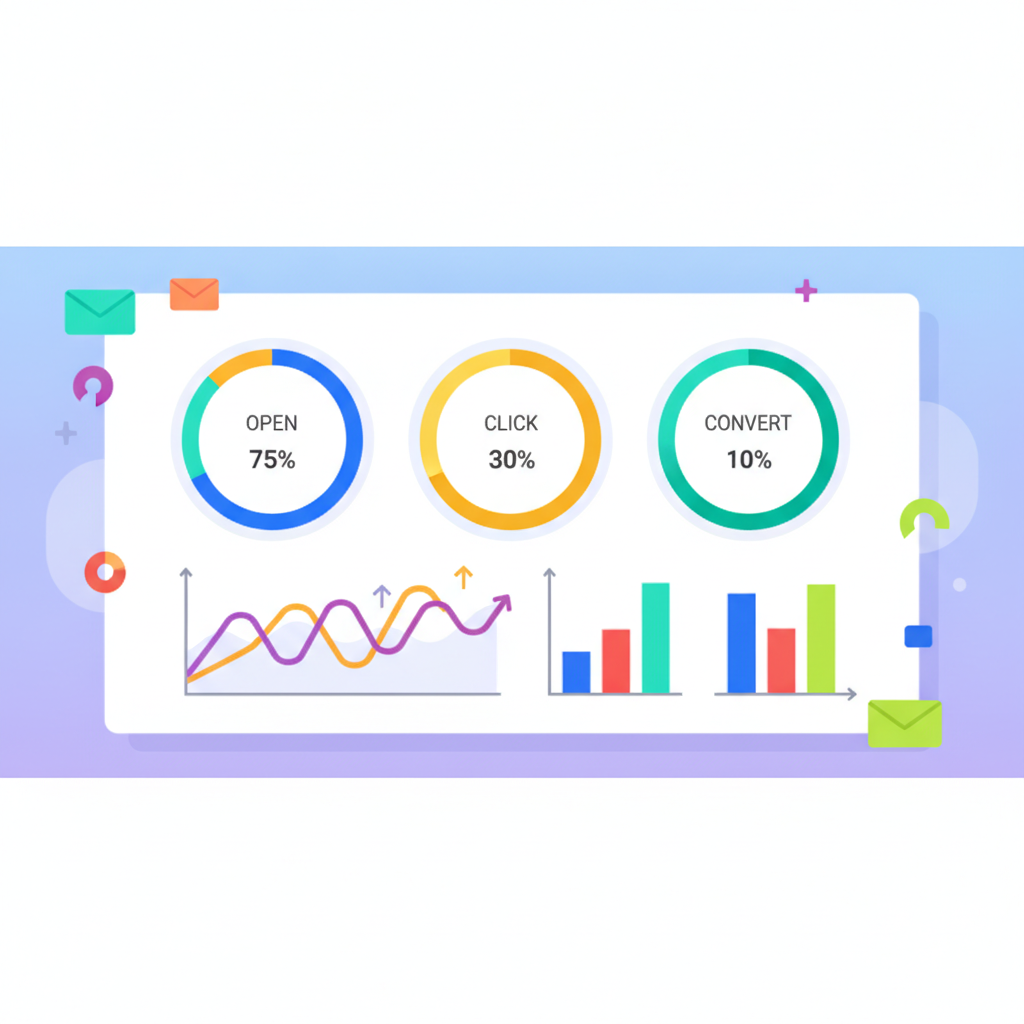
Furthermore, there should be a continuous focus on data analysis and performance optimization. Don't just send messages; track open rates, click-through rates, and conversion rates for each campaign. Use this data to identify what works and what doesn't, and adjust your strategies accordingly. Continuous experimentation and A/B testing of different messages and varied offers can reveal the best ways to interact with your audience and effectively increase your sales. This data-driven approach ensures that your WhatsApp Business marketing efforts achieve the maximum return on investment.
Personalizing Messages and Personal Interaction
Message personalization and personal interaction are the cornerstones of a successful WhatsApp Business strategy. In an age of information overload, customers are drawn to messages that they feel are specifically directed to them, rather than just generic mass messages. Using the customer's name, referencing their previous purchases, or offering recommendations based on their interests, all add a personal touch that makes the message more impactful and increases the chances of interaction and conversion. This personalization enhances the value of the relationship between the store and the customer.
To personalize messages effectively, the store must collect relevant customer data and use it intelligently. This data can be integrated from the e-commerce platform (Salla, Zid, Shopify) with WhatsApp Business, either manually (for small stores) or via integration with CRM systems (for large stores). For example, a birthday greeting message can be sent to the customer with a special discount, or they can be informed about the arrival of a product they had previously shown interest in. These small gestures make a big difference in building loyalty and enhancing a positive customer experience.
Personal interaction is not limited to promotional messages; it also includes the way inquiries are responded to. Avoid dry, automated responses and use friendly, empathetic language. Listen carefully to the customer's needs and provide personalized solutions to their problems. For example, if a customer is inquiring about a specific product, do not just send a link; provide additional information or compare it with other products they might be interested in. This level of personalized service makes the customer feel valued and cared for, increasing their trust in the store and prompting them to make repeat purchases and recommend the store to others.
Analyzing Data and Optimizing Performance
No marketing strategy is complete without accurate data analysis, and WhatsApp Business is no exception. To achieve maximum results and increase sales, stores must continuously monitor the performance of their campaigns and messages and analyze available data to optimize performance. This includes tracking the number of messages sent, open rates, engagement rates (clicks on links), and conversion rates resulting from each campaign or message type. Continuous analysis helps identify strengths and weaknesses in the adopted strategy.
Stores can use built-in analytics tools in WhatsApp Business (if available) or integrate with external analytics tools (especially when using the WhatsApp Business API). For example, tracking the number of customers who completed a purchase after interacting with a WhatsApp message, or the abandoned cart recovery rate after sending a reminder. These metrics provide valuable insights into the effectiveness of different strategies and help in better understanding customer behavior. The more you understand your data, the better you can make informed marketing decisions.
Based on the analysis results, stores should be prepared to adjust their strategies. This may involve changing message wording, adjusting sending times, or even targeting different customer segments. Conducting A/B testing of different messages and offers can reveal the most effective elements. For example, testing two different messages to recover an abandoned cart to see which one achieves a higher conversion rate. This iterative, data-driven approach ensures that your WhatsApp Business strategy continuously evolves and becomes more efficient and effective in achieving your sales growth goals for your Salla, Zid, or Shopify store.
Conclusion
In conclusion, WhatsApp Business is a powerful and versatile tool for e-commerce stores operating on platforms like Salla, Zid, and Shopify, offering immense potential to boost sales and enhance customer loyalty. By leveraging its unique features for direct and personalized communication, store owners can build stronger relationships with their customers, provide instant and effective support, and launch targeted marketing campaigns that yield tangible results. The key lies in a deep understanding of these features and the implementation of well-thought-out strategies that align with the nature of the Arab market and consumer preferences.
To achieve optimal success, stores must adopt an integrated approach that combines personalized communication, smart automation, and continuous data analysis. From setting up a professional business profile and utilizing the catalog, to recovering abandoned shopping carts and providing post-sale support, every step of the customer journey can be optimized using WhatsApp Business. Seamless integration with e-commerce platforms further enhances this efficiency, reducing manual effort and increasing responsiveness, contributing to an exceptional shopping experience that resonates with the customer.
Investing in a WhatsApp Business strategy is no longer just an option; it has become a necessity in today's competitive market. Stores that master the use of this tool will be better positioned to stand out, attract more customers, increase conversion rates, and build a strong and reputable brand. Therefore, we encourage store owners to start implementing these strategies today, experiment with different features, and monitor results, to ensure they maximize the benefits of this effective marketing and sales channel.