



Introduction: The Payment Revolution in Arab E-commerce
E-commerce in the Middle East and North Africa region, particularly in Saudi Arabia and the UAE, has witnessed tremendous and unprecedented growth over the past few years. This growth has been driven not only by an increase in the number of online shoppers but also by the development of digital payment infrastructure and the emergence of innovative solutions that facilitate the purchasing process. Amidst these developments, FinTech companies offering "Buy Now, Pay Later" (BNPL) services have emerged as a driving force in changing consumer behavior and boosting sales for online stores. These services do not just offer an additional payment option; they represent a radical transformation in how customers interact with products and services, granting them financial flexibility previously unavailable, and significantly contributing to the growth of digital economies in the region.
Tabby and Tamara are among the most prominent players in this field, having become essential and indispensable solutions for any online store aspiring to increase its sales and expand its customer base in the Arab market. These platforms offer flexible payment options that allow consumers to split their purchases into installments or defer payments without interest, thereby removing financial barriers to buying and increasing the attractiveness of products. In this comprehensive article, we will delve into the strategies for activating Tabby and Tamara on leading e-commerce platforms such as Salla and Zid, with a brief look at Shopify. We will provide a detailed guide on how to maximize the benefits of these solutions to enhance your online store's performance and achieve maximum profits and sustainable growth in an increasingly competitive environment.
The widespread adoption of Tabby and Tamara in the GCC countries, especially Saudi Arabia and the UAE, makes them a vital component of any successful e-commerce strategy. By integrating these solutions, it's not just about offering diverse payment options; it extends to building bridges of trust and convenience with customers, encouraging them to complete purchases and increase their cart value. These platforms simplify what can sometimes be a complex payment process, providing a smooth and reliable experience that fosters customer loyalty and encourages repeat business. Understanding the mechanisms of Tabby and Tamara in depth is the first step towards successfully activating them and reaping their benefits in enhancing your store's performance.
Understanding Tabby and Tamara: Buy Now, Pay Later Fundamentals
Tabby and Tamara represent a true revolution in the world of digital payments, transforming the concept of online shopping by offering innovative financial solutions that serve both consumers and merchants. The core idea behind both platforms is the "Buy Now, Pay Later" principle, allowing customers to receive the products they desire immediately, while the invoice value is split into scheduled payments or deferred for a specific period, all without incurring any interest or additional fees for the customer as long as they adhere to the specified timelines. This economic model has filled a significant gap in the market, meeting consumers' desire for financial flexibility and helping stores achieve greater sales by removing barriers related to immediate payment and large sums.
The widespread adoption of Tabby and Tamara in the Arabian Gulf countries, especially Saudi Arabia and the UAE, makes them a vital component of any successful e-commerce strategy. By integrating these solutions, it's not just about offering diverse payment options; it extends to building bridges of trust and convenience with customers, encouraging them to complete purchases and increase their cart value. These platforms simplify what can sometimes be a complex payment process, providing a smooth and reliable experience that fosters customer loyalty and encourages repeat business. Understanding the mechanisms of Tabby and Tamara in depth is the first step towards successfully activating them and reaping their benefits in enhancing your store's performance.
The positive impact of Tabby and Tamara on consumer purchasing behavior cannot be underestimated. Often, a purchase decision is driven by the desire to acquire a product, but the price barrier leads the customer to hesitate or overthink. This is where these solutions come in to overcome this obstacle, allowing customers to split the amount into small, manageable installments, making higher-priced products more accessible. This positively impacts the store's Average Order Value (AOV) and contributes to an increase in overall sales volume, highlighting the importance of integrating these services as a key part of a smart product pricing strategy. You can refer to our article on Smart Product Pricing Strategies for Salla and Zid Stores for more details on how to link pricing with flexible payment solutions.
What are Tabby and Tamara?
Tabby is a leading FinTech company offering "Buy Now, Pay Later" services in key markets such as Saudi Arabia, UAE, Kuwait, and Egypt. Tabby allows shoppers to split their purchases into 4 interest-free monthly payments, or pay after 14 days from the purchase. Tabby's system is characterized by simplicity and speed in approving requests, requiring only a phone number and email, making the payment experience smooth and convenient for customers. Tabby aims to empower consumers to control their spending and provide financial flexibility, while simultaneously helping merchants increase conversion rates and average order value by removing immediate purchase barriers.
As for Tamara, it is another leading platform in flexible payment solutions, primarily focused on the Saudi, Emirati, Bahraini, and Kuwaiti markets. Tamara offers various payment options, including splitting the invoice into 3 interest-free payments or paying within 30 days from the purchase date. Tamara is characterized by providing an easy and secure payment experience, with an emphasis on transparency and no hidden fees. Tamara aims to foster trust between merchants and consumers by offering innovative payment solutions that allow customers to shop with greater freedom, which positively impacts the performance of e-commerce stores and increases their growth potential in the region.
Despite the similarity in the core concept, there are some subtle differences in the business model, geographical coverage, and technical details that might make one more suitable for a particular store based on its customer base and target markets. Both platforms aim to provide added value to online shoppers and store owners, but it is essential to thoroughly understand the options available in each before deciding on activation. Investing in these solutions is not just about adding a payment option; it is an investment in improving customer experience and sustainably increasing sales.
Key Differences Between Tabby and Tamara
Although Tabby and Tamara operate within the same "Buy Now, Pay Later" model, there are some fundamental differences that might influence a merchant's decision when choosing between them or activating both. One of the most prominent differences lies in the available payment plans. Tabby often offers the option to split the amount into 4 monthly payments, in addition to a pay-after-14-days option. Tamara, on the other hand, focuses more on the option to split the amount into 3 payments, with a pay-after-30-days option. These differences in payment schedules can be a crucial factor based on the type of products the store sells, their average value, and the demographic makeup of its customers and their financial preferences.
Another difference is in geographical coverage and market focus. While both companies cover major markets in the Arabian Gulf, Tabby has a stronger presence in countries like Egypt and Kuwait, whereas Tamara might be more widespread in the Saudi and Emirati markets specifically. This does not mean one is inherently better than the other; rather, it's about identifying the platform that best aligns with your store's target customer base and primary shipping regions. When activating these services, it's important to consider the ease of technical integration of each platform with your e-commerce system, whether on Salla, Zid, or Shopify, and ensure that the setup process will be smooth and efficient.
Finally, the terms and conditions for merchants and customers differ between the two companies, including the commission rate each platform charges stores, permissible purchase limits, refund policies, and customer risk assessment criteria. It is crucial for merchants to carefully study and compare these details to determine the optimal solution that suits their business model and profit margin. In many cases, merchants might find that activating both platforms together provides maximum flexibility for customers and expands payment options, leading to a significant increase in sales, as each platform might attract a different segment of customers or suit various purchasing situations.
Why Your Salla and Zid Store Should Activate Tabby and Tamara
Activating payment options like Tabby and Tamara is no longer a mere luxury for e-commerce stores; it has become a strategic necessity to ensure growth and continuity in a highly competitive market. These solutions offer genuine added value that extends beyond simply facilitating the purchase process, reaching into building stronger relationships with customers and fostering trust and loyalty. The growing number of consumers seeking payment flexibility, especially for high-value products, makes Tabby and Tamara indispensable tools for any store aiming to achieve its full potential. Integrating these services reflects a deep understanding of evolving customer needs and the store's readiness to adapt to market developments.
Investing in activating Tabby and Tamara on platforms like Salla and Zid is a direct investment in the future of your online store. With the increasing popularity of these solutions, customers expect to see them as a standard payment option in their preferred stores. Not offering these options might push customers to seek alternatives in competitor stores that provide these facilities. Consequently, integrating Tabby and Tamara not only enhances the shopping experience but also helps maintain the store's competitive edge and protects it from losing potential customers. It is a strategic decision that ensures your store remains at the forefront of innovation and keeps pace with the latest global and local e-commerce trends.
In addition to the direct benefits on sales, Tabby and Tamara serve as powerful marketing tools in themselves. The mere presence of their logos on product pages or in the shopping cart sends a clear message to the customer that the store offers flexible payment options and cares about their financial comfort. This can encourage hesitant customers to complete their purchases, or even prompt them to increase their cart value, knowing that they can split the amount into convenient installments. Therefore, activating them is not just a technical addition; it is an integral part of your store's comprehensive marketing and sales strategy, contributing to building a positive image for the store and increasing its attractiveness in the market.
Enhancing Customer Experience and Increasing Loyalty
In the rapidly evolving world of e-commerce, customer experience is the primary driver of success and sustainable growth. When a customer finds flexible and convenient payment options like Tabby and Tamara, they feel valued and confident in the store, which significantly enhances their purchasing experience. These solutions remove immediate financial pressures, giving customers greater freedom to choose the products they need or desire without worrying about paying the full amount at once. This flexibility is not just about facilitating purchases; it extends to making the shopping experience enjoyable and stress-free, leaving a lasting positive impression on the customer and encouraging them to return repeatedly.
Tabby and Tamara play a vital role in building long-term customer loyalty. When customers realize that a store offers them these facilities, they will often prefer that store over others, even if prices are similar. The ability to split payments or defer them increases customer satisfaction and makes them feel that the store is on their side and understands their needs. This feeling of appreciation translates into loyalty, where the customer becomes an ambassador for the store, recommending it to friends and family, and returning for more purchases. In an increasingly competitive landscape, customer retention becomes more important than ever, and these solutions provide a powerful tool to achieve it. You can read more about this aspect in the article Customer Retention: Strategies for Your Salla and Zid Store's Growth.
Furthermore, Tabby and Tamara contribute to fostering trust between the store and the customer through complete transparency in payment terms and the absence of hidden fees. This clarity builds credibility for the store and removes any doubts customers might have about the payment process. When customers trust the store, they are more willing to try new products or make larger purchases. Improving customer experience is not limited to store interface design or shipping speed; it extends to every touchpoint, and the payment platform is one of the most important of these points. By providing Tabby and Tamara, the store becomes a leader in offering a comprehensive and distinguished shopping experience.
Increasing Conversion Rates and Average Order Value
One of the most prominent and important goals for all e-commerce stores is to increase conversion rates, i.e., the percentage of visitors who complete a purchase. This is where the power of Tabby and Tamara shines as an effective tool to achieve this goal. Customers often abandon their purchases due to the total price of items in their cart, especially if the amounts are large. When customers see the option to split payments or defer them, this financial barrier is removed, and the purchase decision becomes easier and more attractive, directly leading to a rise in conversion rates. This flexibility makes products that might initially seem expensive more accessible to a wider segment of customers.
The impact of Tabby and Tamara is not limited to increasing conversion rates; it also extends to increasing the Average Order Value (AOV). When customers realize they don't need to pay the full amount at once, they become more inclined to add more products to their cart, or choose higher-quality products or larger quantities. For example, instead of buying one product, a customer might buy two products or add an accessory to the main product, knowing that payment will be in convenient installments. This increase in AOV directly translates into higher revenue for the store and contributes to improving the overall profit margin. As we mentioned earlier, this strategy can integrate with Smart Product Pricing Strategies for Salla and Zid Stores to maximize benefits.
For stores selling relatively high-value products, such as luxury electronics, furniture, or durable goods, Tabby and Tamara represent a magical solution. These products often require a significant financial decision from the customer, and many might hesitate before purchasing them. By offering an interest-free installment payment option, the store can reach a wider customer base that previously excluded these products for financial reasons. This opens new avenues for sales and allows the store to compete more effectively in luxury or higher-priced product markets, leading to tangible growth in business volume and revenue.
Reducing Cart Abandonment
Cart abandonment is one of the biggest challenges facing e-commerce stores, as merchants lose billions of dollars annually due to customers who add products to their carts but leave without completing the purchase. One of the main reasons for this abandonment is the lack of flexible payment options or the shock of the total price upon reaching the checkout page. This is where Tabby and Tamara come in as an effective and direct solution to this problem. As soon as the customer sees the option to split the amount or defer payment, this financial barrier disappears, and their likelihood of completing the purchase significantly increases.
By providing flexible payment options, Tabby and Tamara help alleviate financial and psychological pressure on the customer when completing a purchase. Many customers may hesitate when seeing a large amount to be paid at once, even if they strongly desire the products. When they find that they can split this amount into small, manageable installments, the decision becomes easier and more comfortable. This significantly reduces the cart abandonment rate and turns hesitant visitors into actual buyers, which directly benefits the store's revenue. These tools effectively serve as a mechanism to incentivize immediate purchases.
We can see how these solutions integrate with broader customer recovery strategies. Stores that integrate Tabby and Tamara not only reduce the initial abandonment rate but also increase the chances of recovering those customers who might have abandoned their carts for other reasons. Offering a flexible payment option in abandoned cart reminder messages can be a powerful incentive for customers to return and complete their purchases. Therefore, activating these services represents a crucial step within any comprehensive strategy to increase sales and reduce losses resulting from cart abandonment. For more information on how to recover customers, you can refer to our article on Cart Abandonment Strategies: Recovering Customers in Salla and Zid.
Activation Steps for Tabby and Tamara on Salla and Zid Platforms
Activating Tabby and Tamara on e-commerce platforms like Salla and Zid is a relatively straightforward process, but it requires following specific steps to ensure seamless integration and effective operation. Before starting the technical activation, the merchant must ensure that all required conditions by Tabby and Tamara are met, which often include having an active commercial registration, an existing online store, and clear store policies (such as exchange and return policy, privacy policy). After the merchant's application is approved by Tabby or Tamara, they will be provided with the necessary integration data, such as API keys or specific instructions for their platform. These initial steps are crucial to ensure that the store is eligible to offer these services to its customers.
The integration process differs slightly between the Salla and Zid platforms due to their different technical structures, but both offer user-friendly interfaces that facilitate the connection. In most cases, activation is done through the store's control panel in the payment methods settings section, where the merchant can add Tabby and Tamara as new payment options. It is very important to ensure that all settings are correct and that the API keys have been entered accurately to avoid any payment processing issues. The merchant should also test the payment process themselves after activation to ensure that everything works smoothly from the customer's perspective and that payment options appear clearly and correctly on product pages and in the shopping cart.
Activation is not limited to the technical aspect only; it also includes updating store policies and adding clear information about how Tabby and Tamara work to ensure full transparency with customers. This information should include details about installments, payment due dates, and any special conditions that may apply. Providing this information clearly helps build trust with customers and reduces future inquiries. Stores can also benefit from the marketing materials provided by Tabby and Tamara, such as logos and banners, to display them in the store and inform customers about the availability of these options, which enhances the store's attractiveness and increases the likelihood of using these solutions.
Activating Tabby on the Salla Platform
To activate Tabby service on your Salla store, the process begins by submitting an application to join Tabby through their official website. After your application is approved and all conditions are met, Tabby will provide you with account information and API Keys that you will need. After that, you can go to your store's control panel in Salla. From the side menu, select "Settings" then "Payment Methods". You will find an option to add new payment methods there. Search for "Tabby" and activate it. You will be asked to enter the API keys you obtained from Tabby, and you may also need to enter some other details such as your merchant name. Make sure to save the changes after entering all the required data.
After completing the setup process in the Salla control panel, it is very important to conduct a test purchase to ensure that Tabby is working correctly. Add a product to your store's shopping cart, then proceed to the checkout page. The Tabby payment option should appear as one of the available choices. Try to complete the payment process using Tabby (experimentally if possible) to ensure that the integration is sound and that the customer can complete the purchase without any obstacles. In case of any issue, you can review the settings again or contact Salla or Tabby technical support for assistance. This step is crucial to ensure a smooth customer experience.
After successful activation, remember to update your product pages and the main shopping cart page to clearly display the Tabby logo and available payment options. Tabby provides marketing materials that can be easily integrated into your store to inform customers that this service is available. This not only helps guide customers to use Tabby but also enhances the store's credibility and attractiveness. It is also recommended to add a FAQ section about Tabby in your store to provide clear information to customers about how the service works and its terms, which reduces inquiries and facilitates their decision-making process.
Activating Tamara on the Salla Platform
To activate Tamara service on your Salla store, the steps are largely similar to activating Tabby, with some slight differences. First, you must submit an application to join Tamara as a merchant through their official website. After reviewing and approving your application, Tamara will provide you with the necessary credentials for integration, which usually include specific API keys for the merchant. These keys are essential for securely and effectively linking your store to Tamara's system. It is important to keep these keys in a safe place and not share them with any unauthorized party.
Once you have obtained Tamara's keys, you can navigate to your store's control panel on Salla. From the main menu, select "Settings", then "Payment Methods". On this page, you will find a list of available payment methods. Search for "Tamara" and activate it. You will be prompted to enter the API keys you received from Tamara into the designated fields. You may also need to specify some additional settings, such as the minimum and maximum order value for which Tamara can be used, or activate specific payment options. After entering all data, make sure to click the "Save" button to apply the changes and activate the service in your store.
After activation, you must ensure that Tamara appears as an active payment option on your store's checkout page. Conduct a complete test purchase to verify that the integration is working correctly and that the customer can select Tamara as a payment option and successfully complete the process. Should you encounter any issues, do not hesitate to contact Salla's support team or Tamara's support team for assistance. As with Tabby, it is advisable to display the Tamara logo clearly on product pages and in the shopping cart, and to add detailed information about how Tamara works in your store's FAQ section to educate customers and encourage them to use this flexible service.
Activating Tabby and Tamara on the Zid Platform
For store owners on the Zid platform, the process of activating Tabby and Tamara is characterized by ease and simplicity, as Zid provides direct integration with both services. The first step requires you to register as a merchant with Tabby and Tamara separately through their official websites. After meeting the conditions and approving your application, both companies will provide you with the necessary integration information, which is often in the form of specific API keys for your store. These keys are the bridge that connects your Zid store to Tabby and Tamara systems, allowing for secure and efficient payment processing. Ensure that all required documents have been submitted accurately to avoid any delays in the approval process.
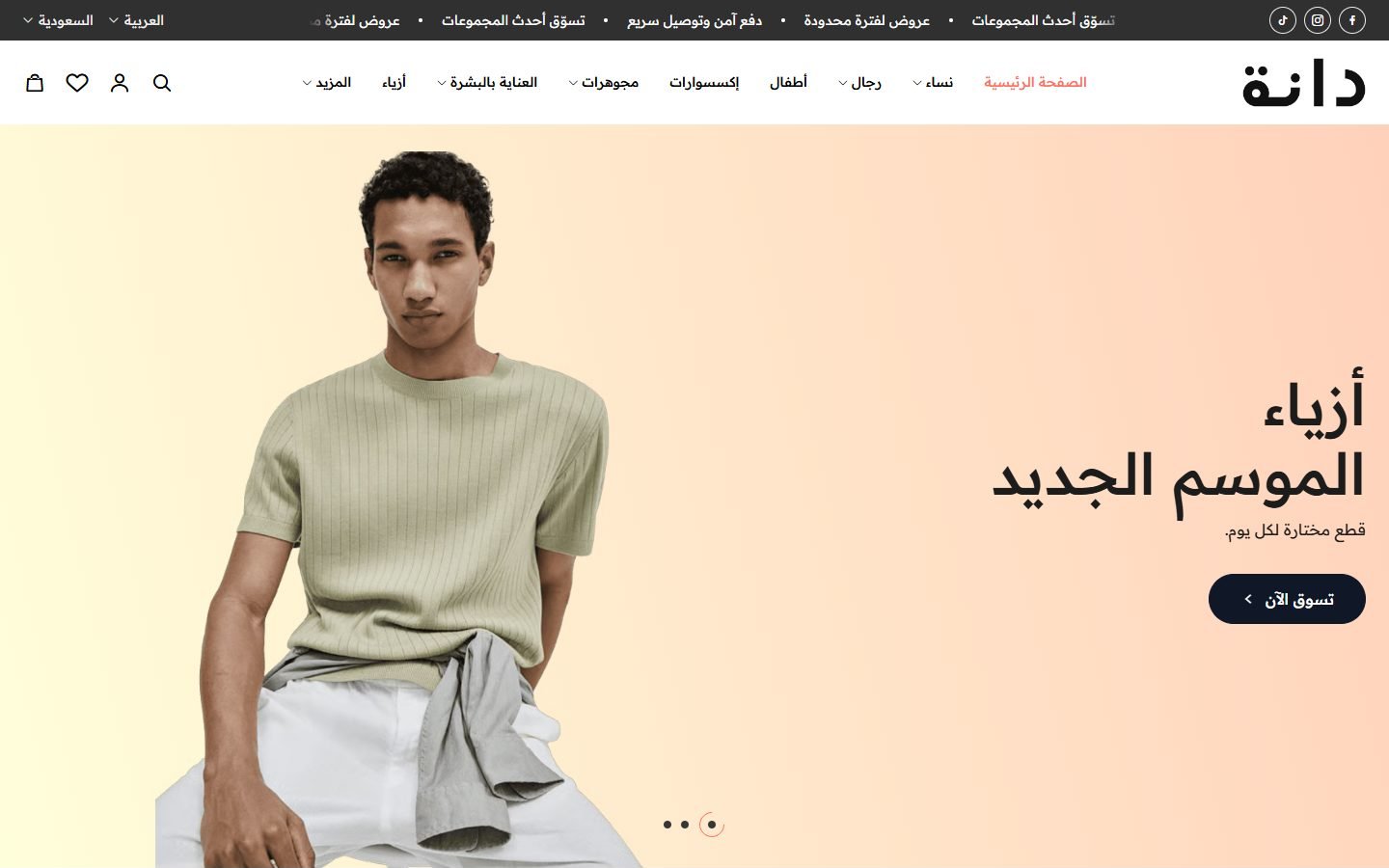
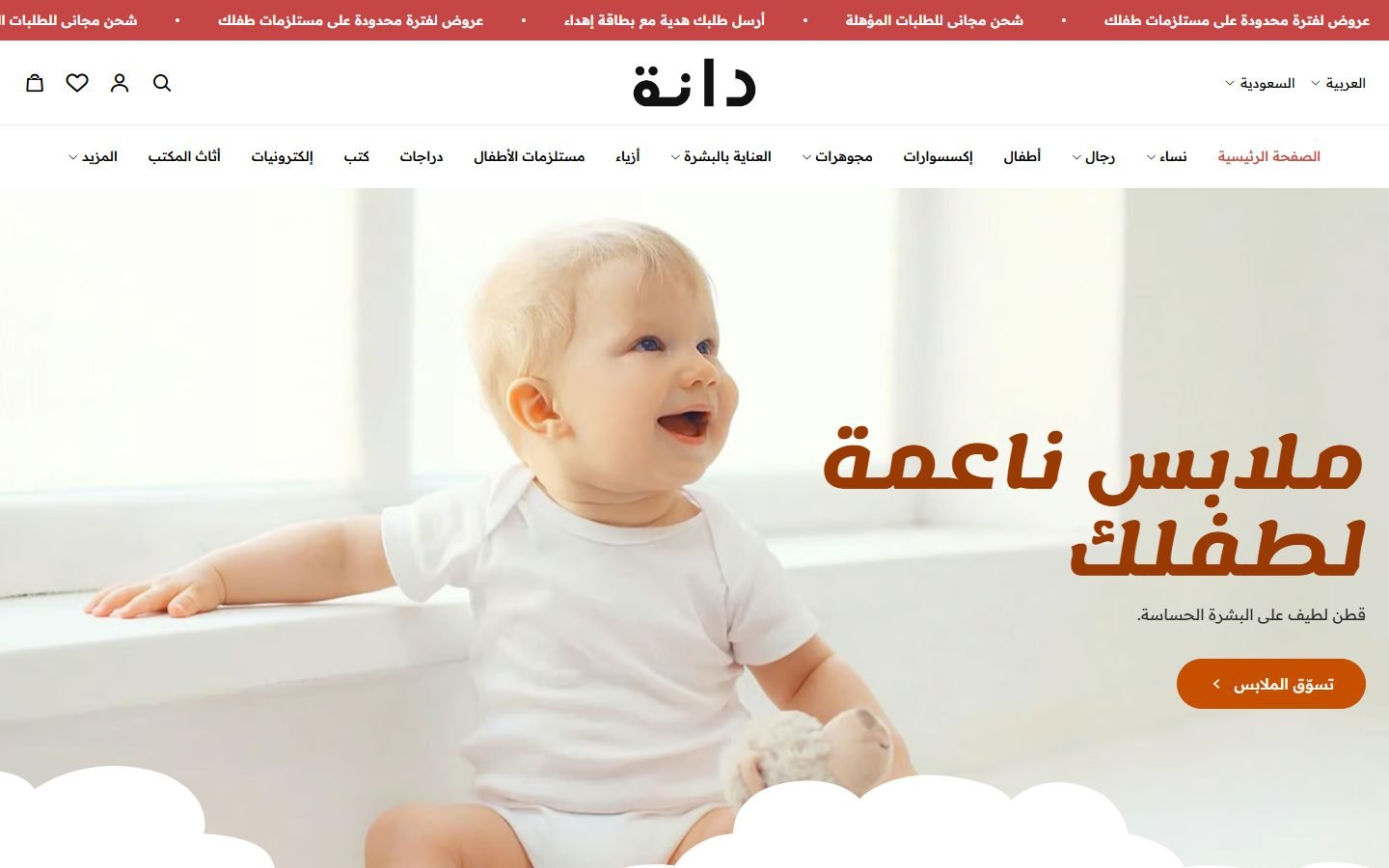
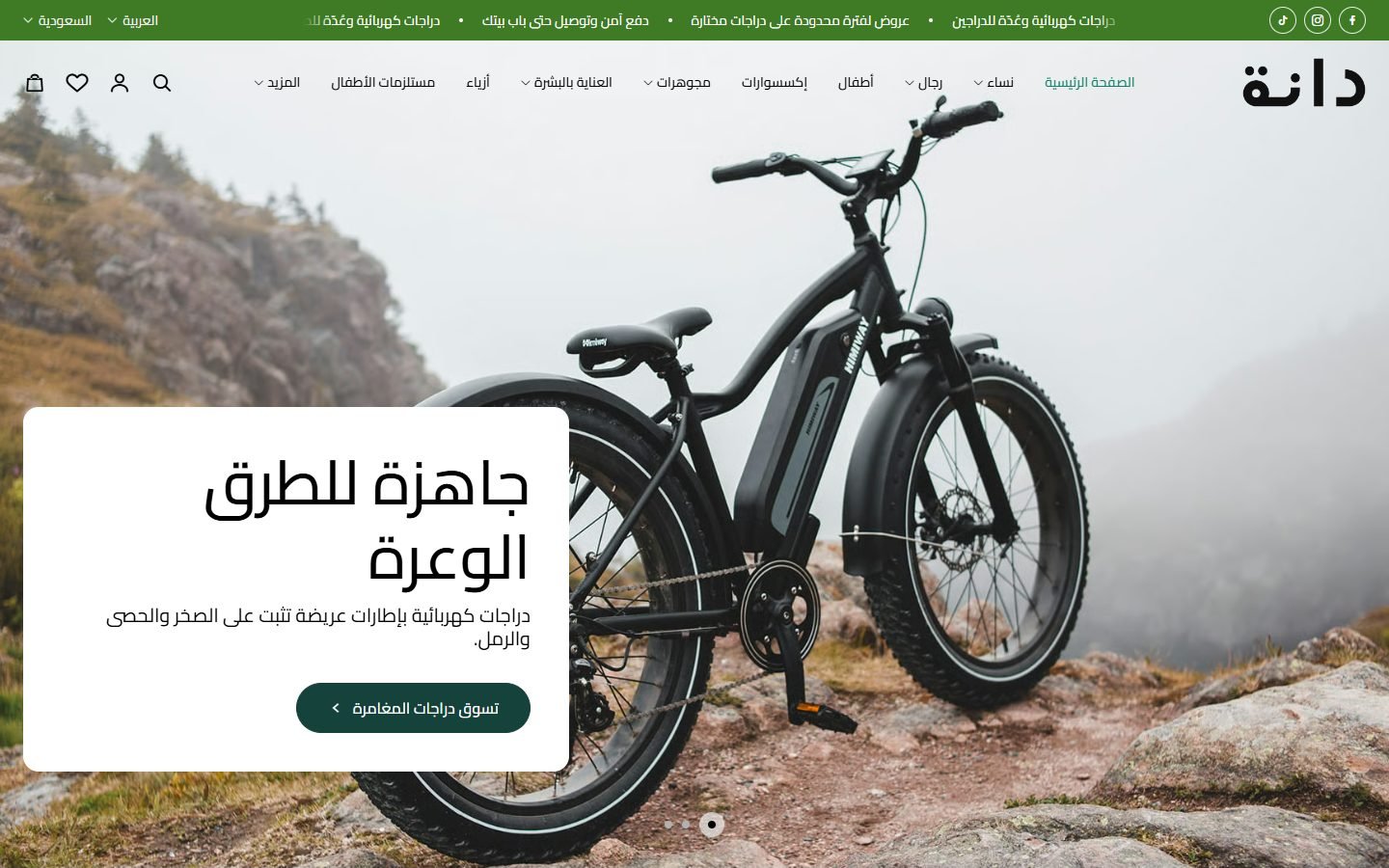
After obtaining the API keys, you can navigate to your store's control panel in Zid. From the side menu, select "Settings", then "Payment Gateways". On this page, you will find a list of available payment gateways. Search for "Tabby" and "Tamara" and activate them. You will be asked to enter the API keys for each service in the designated fields. Zid may also allow you to adjust some additional settings for each payment gateway, such as enabling it for specific markets or setting minimum and maximum purchase amounts. After entering all data, make sure to save the changes to fully activate the services in your store.
After activation, it is very important to conduct a comprehensive test of payment operations using Tabby and Tamara to ensure that everything works smoothly. Make several trial purchases at different prices to ensure that payment options appear correctly on the checkout page and that the installment payment process works as expected. If you encounter any technical challenges, you can consult the Zid support team, who are often well-versed in integration processes with Tabby and Tamara, or directly contact the support teams of the services themselves. Also, remember to use the marketing materials provided by both Tabby and Tamara to clarify these options to your customers on various store pages.
General Considerations for Shopify Activation
Although Shopify does not primarily focus on the Arab market to the same extent as Salla and Zid, it remains a powerful and popular platform in the region, offering flexible options for integrating local payment gateways such as Tabby and Tamara. Activating Tabby and Tamara on a Shopify store is often done through dedicated apps available in the Shopify App Store, or through manual integration via payment gateway settings. The first step is to register the store as a merchant with Tabby and Tamara, and obtain the necessary API keys, just as with Salla and Zid. These keys are the foundation for any successful integration.
In the Shopify admin panel, you can navigate to "Settings" then "Payments". Here, you might find an option to add custom payment gateways or search for payment apps. If there is a dedicated app for Tabby or Tamara in the Shopify App Store, activation will be easy and flexible, as the app will guide you through the connection steps and API key entry. In some cases, manual activation might be required by selecting "Custom payment provider" and manually entering API details, or even enlisting a developer to ensure correct integration, especially if you are using a custom store theme.
After activation, it is crucial to thoroughly test the integration to ensure that payment options appear correctly on the shopping cart and checkout pages, and that customers can complete purchases using Tabby and Tamara without any issues. Shopify provides powerful analytics tools to monitor the performance of payment gateways, allowing you to track conversion rates for each payment method and optimize them based on data. As with other platforms, make sure to clearly display Tabby and Tamara logos and provide sufficient information to customers about how to use these services to enhance transparency and user experience.
Effective Marketing Strategies for Tabby and Tamara in Your Store
Simply activating Tabby and Tamara in your store is not enough to get the most out of them; it requires a well-thought-out and effective marketing strategy to inform customers about the availability of these options and encourage them to use them. Marketing "Buy Now, Pay Later" services should be an integral part of your store's overall marketing plan and integrated across all customer touchpoints. The goal is to make these options as clear and appealing as possible, so that customers realize the added value they offer and choose the store that provides this flexibility. This not only boosts sales but also builds a positive image for the store as one that cares about its customers' convenience.
An effective strategy begins with a deep understanding of your target audience and how Tabby and Tamara can meet their needs. Are your customers looking for financial flexibility for large purchases? Do they prefer splitting payments for easier budgeting? Answering these questions will help craft compelling marketing messages. The direct benefits to customers, such as "Pay in 4 interest-free installments" or "Receive now, pay later," should be highlighted clearly and attractively. This approach is not just an announcement of a payment method; it's marketing added value that enhances the overall shopping experience. You can benefit from our article Tabby and Tamara: How to Boost Your Sales in Salla and Zid for a deeper understanding of targeted marketing strategies.
Furthermore, this strategy must be continuous and integrated, not limited to a single campaign. The message of Tabby and Tamara's availability should always be present in the store, from the homepage to product pages, all the way to the checkout page and order confirmation. Using official Tabby and Tamara logos, attractive banners, and clear texts explaining how the service works are all essential elements for maximizing benefits. When customers see these options at every stage of the purchase journey, their awareness of them increases, and their likelihood of using them grows, contributing to higher conversion rates and overall sales value.
In-Store Marketing: Highlighting Payment Options
To maximize the benefits of activating Tabby and Tamara, highlighting flexible payment options within the store must be a core strategy. It's not enough to simply enable them in the backend; these options must be visible and clear to the customer at every stage of the purchasing journey. Start from the store's homepage, where you can place attractive banners or logos for Tabby and Tamara, highlighting key benefits such as "Shop now, pay later with no interest." These banners serve as an early advertisement that grabs customers' attention and informs them about this financial flexibility even before they start browsing products.
Then move to individual product pages. Here, payment options via Tabby and Tamara should be clearly displayed next to the product price. For example, you can show "Pay X SAR in 4 installments with Tabby" or "Pay Y SAR in 3 installments with Tamara" below the original price. This information helps customers visualize how the amount can be split, making higher-priced products more appealing and accessible. Small icons or explanatory texts can also be used to simply and directly explain the payment installment mechanism, removing any ambiguity that might hinder a purchase decision.
Finally, don't forget to clearly highlight these options in the shopping cart and on the checkout page. Tabby and Tamara should be among the first options customers see when choosing a payment method. Additionally, you can add a short reminder message on the checkout page highlighting the benefits of using these services, such as "Enjoy financial flexibility and pay for your purchases in convenient installments." These combined steps ensure that customers are fully aware of the available payment options and encourage them to use them, leading to reduced cart abandonment and effectively increased conversion rates.
Marketing Through External Channels
Effective marketing for Tabby and Tamara is not limited to within the store; it must extend to external channels to raise awareness and attract new customers. Social media is one of the most powerful tools to achieve this. You can create targeted advertising campaigns on platforms like Instagram, Snapchat, and Facebook, highlighting the ease and flexibility of paying with Tabby and Tamara. Use attractive images and short videos that demonstrate how customers can get the products they want now and pay later, emphasizing no interest or additional fees. These campaigns can target specific demographics or customers interested in high-value products.
Email and Influencer Marketing are also effective external channels. You can send regular emails to your existing customer base to inform them about the availability of Tabby and Tamara, and provide examples of how they can be used to purchase specific products. For influencer marketing, you can collaborate with influencers in your niche to showcase products from your store and explain how to use Tabby and Tamara for payment. When followers see their favorite influencers using these options, it builds trust and encourages them to try. This approach significantly expands the reach of your marketing message and attracts new customers to your store.
Also, don't forget to leverage paid ads on search engines (Google Ads) and other advertising networks. You can target keywords related to "buy now, pay later" or "interest-free installments," and direct these ads to your product pages that highlight Tabby and Tamara options. This ensures that shoppers actively looking for these solutions will find your store. By integrating internal and external marketing strategies, you will be able to build widespread awareness of the flexible payment options you offer, leading to a significant increase in traffic to your store and converting it into actual sales.
Staff Training and Customer Service
To ensure maximum benefit from activating Tabby and Tamara, it's not enough to simply enable and market them; your customer service team must be fully trained on how these two services work. The customer service team is the direct point of contact with customers, and they are the first to receive inquiries about payment options. Therefore, they must be able to answer all questions related to Tabby and Tamara clearly and accurately, starting from how installments work, through eligibility conditions, to return and exchange procedures when using these services. Comprehensive knowledge within the team enhances customer trust in the store and avoids any potential frustration.
Effective training involves providing the team with all necessary information and resources, such as guidebooks, or access to Tabby and Tamara's FAQ pages. They should be aware of the subtle differences between the two services, if both are activated, to provide correct advice to customers based on their needs. For example, one customer might prefer to split the amount into 4 payments (Tabby), while another prefers 3 payments (Tamara) or paying after a longer period. The ability to guide the customer to the most suitable option for them enhances their positive experience with the store and increases the chances of completing the purchase.
In addition to answering inquiries, the customer service team must be able to handle any issues that may arise regarding payments via Tabby and Tamara. This requires an understanding of common troubleshooting mechanisms and how to coordinate with Tabby and Tamara support teams when necessary. Providing effective and knowledgeable customer support ensures a smooth and hassle-free experience, and reduces the likelihood of cart abandonment or complaints. Ultimately, the better equipped your team is, the smoother and more positive the customer experience will be, which reflects on your store's reputation and increases its loyalty.
Advanced Tips for Maximizing Tabby and Tamara Benefits
To achieve the maximum possible benefit from activating Tabby and Tamara in your online store, it must go beyond mere activation and basic marketing. It requires an advanced strategic approach based on continuous analysis, smart integration with the rest of the store's strategies, and consideration of regulatory and legal aspects. These advanced tips will help you transform Tabby and Tamara from mere payment options into powerful engines for growth and innovation in your store. Understanding how these solutions affect customer behavior, and how they can be continuously improved, is key to unlocking their full potential and achieving a competitive advantage in the market.
One crucial aspect is integrating data derived from Tabby and Tamara usage into your comprehensive store analytics. It's not enough to know that sales have increased; you need to delve into the numbers to understand which customers use these services, what products they buy, and their average order value compared to customers using other payment methods. This data will provide valuable insights for developing more targeted marketing campaigns and optimizing pricing strategies and offers. Using Tabby and Tamara as analytical tools adds a new layer of understanding of customer behavior, allowing for informed decisions that benefit the entire store.
Finally, there must be a focus on continuous development and adaptation to market changes and customer preferences. Tabby and Tamara may introduce new features or different payment plans in the future, and your store must be ready to adopt these developments. Monitoring competitors and how they use these solutions can also provide new ideas for improving your own strategy. Through strategic thinking and continuous analysis, you will be able to transform Tabby and Tamara into a true competitive advantage that propels your store towards new horizons of success.
Data Analysis and Performance Optimization
After activating Tabby and Tamara, the next and most important step is to start analyzing data to evaluate their performance and continuously optimize them. It's not enough to just see an increase in total sales; you must delve deeper into the numbers to understand how these services impact customer behavior. You should monitor key performance indicators (KPIs) such as the conversion rate for customers using Tabby and Tamara compared to others, the average order value (AOV) for purchases made through these services, and cart abandonment rates. This data will provide valuable insights into the effectiveness of these solutions and how they can be improved.
Use your store's analytics tools (such as Google Analytics or the built-in analytics tools in Salla, Zid, and Shopify) to track the journey of customers who choose Tabby and Tamara. Do they tend to buy specific products? Do they return to purchase again? Are there product categories that particularly benefit from flexible payment options? Answering these questions will enable you to customize your marketing campaigns and adjust product offerings to better suit these customer segments. For example, if you find that customers use Tabby and Tamara to purchase high-priced electronics, you can specifically focus on marketing these products while highlighting flexible payment options.
Additionally, you can conduct A/B tests on product pages or checkout pages to evaluate the effectiveness of different ways of displaying Tabby and Tamara. Does the size of the logo or the position of the text explaining the service affect conversion rates? Does a specific marketing message lead to increased usage of these services? Through continuous experimentation and analysis of results, you can improve the user experience and increase the efficiency of Tabby and Tamara in your store. Remember that optimization is an ongoing process, and data is key to making smart decisions that drive growth, and you can benefit from Store Analytics: Understanding Salla and Zid Performance to Increase Profits for a deeper understanding of available analytical tools.
Integration with Discounts and Offers Campaigns
To achieve maximum effectiveness from Tabby and Tamara, stores can intelligently integrate these solutions with discount campaigns and promotional offers. It's not just about offering a flexible payment option; this option can be enhanced by linking it to additional purchase incentives. For example, during peak seasons like White Friday or holidays, when purchase demand increases, the store can highlight that major offers and discounts can be purchased now and paid for later in installments, making the offers more attractive and encouraging customers to take advantage of them without immediate financial pressure. This synergy between discounts and flexible payments significantly increases the store's appeal.
Tabby and Tamara can also be used as a tool to enhance special offers for specific products or categories. For example, if the store offers a discount on a range of luxury products, it can advertise "20% discount + pay in 3 interest-free installments with Tamara." This combination not only reduces the total price but also makes the remaining amount after the discount easier to pay in installments, increasing the likelihood of purchase. This strategy is particularly effective for products that customers might hesitate to buy due to their original price, even with a small discount.
Furthermore, stores can use Tabby and Tamara to provide exclusive offers to specific customers or first-time buyers. For instance, a store can send an email to customers who have never used Tabby and Tamara before, offering them an additional discount when using one of these two services. This encourages initial trials and expands the user base for these solutions. Creative thinking about how to integrate Tabby and Tamara with offer and discount strategies can open new avenues for sales and enhance customer loyalty to the store, making offers more impactful and appealing.
Considering Legal and Regulatory Aspects
When activating Tabby, Tamara, or any other payment service, it is crucial for e-commerce store owners on Salla, Zid, and Shopify to consider legal and regulatory aspects. "Buy Now, Pay Later" services are subject to strict regulations and laws in many countries, especially regarding consumer protection, fee transparency, and disclosure of terms and conditions. Non-compliance with these regulations can expose the store to legal liability and fines, in addition to damaging the store's reputation and customer trust. Therefore, merchants must ensure they are fully aware of all legal requirements in the markets they operate in.
The store must ensure that all its policies, such as the privacy policy, exchange and return policy, and terms of service, comply with the requirements of Tabby and Tamara and local laws. It should clarify how refunds are handled when using Tabby and Tamara, and what procedures are followed in case of order cancellation. Full transparency with customers about these aspects not only builds trust but also protects the store from potential disputes. It is always advisable to consult a legal advisor specializing in e-commerce to ensure full compliance with all relevant regulations, especially with continuous changes in FinTech laws.
Furthermore, the store must ensure that all information related to Tabby and Tamara displayed in the store, whether logos, explanatory texts, or FAQs, is accurate and up-to-date. Any exaggeration in promises or providing misleading information should be avoided. Integrity and transparency are the foundation of dealing with customers and regulatory bodies. By strictly adhering to legal and regulatory aspects, stores can safely and confidently benefit from Tabby and Tamara, contributing to building a strong and sustainable reputation in the flourishing e-commerce market.
Conclusion: The Future of E-commerce with Flexible Payments
In conclusion, there is no doubt that Tabby and Tamara have brought about a radical transformation in the Arab e-commerce landscape, offering flexible payment solutions that have gone beyond being mere additional options to become essential drivers of sales growth and increased customer satisfaction. By activating these services on platforms such as Salla, Zid, and Shopify, store owners are not only meeting consumers' growing expectations for financial flexibility but are also investing in building strong and lasting relationships with their customers, fostering loyalty and driving sustainable growth. The ability to buy now and pay later without interest has removed many traditional barriers to online shopping, opening new horizons for businesses of all sizes.
Integrating Tabby and Tamara is not merely a technical decision; it is a strategic one that reflects a deep understanding of market dynamics and evolving customer preferences. By clearly highlighting these options within the store, effectively marketing them through external channels, and training the customer service team to provide necessary support, stores can maximize the benefits of these solutions. This not only leads to increased conversion rates and average order value but also extends to reducing cart abandonment rates and building a more attractive and reliable shopping experience, positioning the store strongly in the thriving e-commerce market.
As the FinTech sector continues to evolve, the importance of flexible payment solutions like Tabby and Tamara is expected to grow. Therefore, stores that adopt these solutions now and invest in optimizing their use will be at the forefront of this development. Through continuous data analysis, intelligent integration with discount campaigns, and adherence to legal aspects, store owners can ensure that Tabby and Tamara remain effective and powerful tools to support their growth. The future of e-commerce in the region looks bright thanks to these innovations, which enable merchants to offer an unparalleled shopping experience to their customers, enhancing their market position and opening doors to limitless opportunities.