



Shopify vs. Salla: Which is Best for Your E-commerce Store?
In the fast-paced world of e-commerce, choosing the right platform to build your online store is the cornerstone of any successful business venture. With the growing number of online shoppers in the Arab region, particularly in Saudi Arabia and the Gulf countries, several platforms are competing to offer the best solutions that meet the diverse needs of merchants. These platforms vary in their features, costs, and ease of use, making the selection process a real challenge for ambitious entrepreneurs looking to enter this promising field or expand their existing businesses.
Shopify and Salla are two of the most prominent options currently available in the market, each with its own strengths and points that require careful consideration. Shopify, the globally renowned platform, provides comprehensive solutions for stores of all sizes, with great flexibility and customization. In contrast, Salla emerges as a leading local platform, specifically designed to meet the needs of the Arab market, focusing on ease of use and Arabic technical support. The decision between them does not depend on which is absolutely better, but rather on which is most suitable for your specific store, taking into account the nature of your products, your target audience, your budget, and your technical expertise.
This comprehensive article aims to provide a detailed and in-depth comparison between Shopify and Salla, highlighting the most prominent features, challenges, and costs associated with each. We will review technical, marketing, and operational aspects, and offer practical tips to help you make an informed decision that ensures you build a successful and sustainable online store. Whether you are a beginner merchant or have previous experience, understanding the subtle differences between these two platforms will give you a clear vision to choose the right path for your e-commerce journey, in line with your business goals and aspirations.
Shopify: The Global Giant and Power of Customization
Shopify is a leading global e-commerce platform, known for its flexibility and scalability, used by millions of merchants worldwide, from small startups to large enterprises. Shopify offers a wide range of tools and features that allow merchants to create and fully customize their stores, from interface design to product, order, and payment management. Shopify's massive app store is one of its biggest strengths, featuring thousands of apps that extend store functionalities and add advanced features in areas such as marketing, customer service, and inventory management, giving merchants unparalleled ability to adapt their store to their precise needs, though these apps may incur additional costs.
Shopify features a professional and largely user-friendly interface, even for beginners, with a variety of ready-made design templates that can be easily customized. The platform also provides integrated solutions for payment and shipping, supporting many global and local payment gateways and various shipping companies. This comprehensiveness makes it an excellent choice for merchants aspiring to expand globally or with a vision for significant future growth, as it can handle large volumes of traffic and sales without impacting store performance. However, making the most of Shopify's capabilities may require some technical knowledge or the assistance of developers, especially when deep customizations beyond default template settings are desired.
Shopify also offers powerful tools for search engine optimization (SEO) and digital marketing, helping stores appear better in search results and attract more customers. Through its integration with various analytical tools, merchants can track their store's performance and analyze customer behavior to refine their strategies. Although its costs may seem higher compared to some other platforms, especially with the addition of paid apps, the flexibility and power it provides often justify this investment for stores seeking growth and distinction in a highly competitive market. It is a platform designed to provide everything a merchant needs to create a professional and continuously scalable online store.
Salla: The Local Solution Designed for the Arab Market
Salla is a Saudi-origin e-commerce platform that has gained widespread popularity in the Arab region due to its focus on meeting the needs of local merchants, specifically in Saudi Arabia. Salla is designed to be extremely user-friendly, making it an ideal choice for beginners and small to medium-sized businesses that may not possess extensive technical expertise. The platform provides a fully Arabic administration interface and local technical support that speaks Arabic, removing many language and cultural barriers that Arab merchants might encounter with global platforms. This focus on the local market has earned it a distinct position among regional e-commerce platforms, alongside others like Zid.
One of Salla's most prominent features is its strong local integrations with popular payment gateways in Saudi Arabia such as Mada and Apple Pay, and well-known Saudi shipping companies, facilitating payment and shipping operations for merchants within the Kingdom and the region. Salla also offers a variety of ready-made templates that can be easily customized to suit the store's identity, although advanced customization options are limited compared to Shopify. The platform allows merchants to launch their store very quickly, as a store can be set up, products added, and sales begun within a few hours, thanks to its intuitive interface and simplified steps. This aspect enhances its appeal for those seeking to enter the e-commerce world with minimal technical effort.
Salla is also known for offering flexible and budget-friendly pricing plans, including a free plan that allows merchants to start without any initial financial investment, thereby lowering the barrier to market entry. Although Salla's app store is still growing compared to Shopify, it is continuously expanding to include more integrations and tools that meet the needs of the local market. The focus on local support and regional integrations makes Salla an excellent choice for stores primarily targeting the Arab market and seeking easy, simplified solutions tailored to their geographic and cultural needs, enabling them to focus on selling products rather than dealing with technical complexities.
Detailed Comparison: Shopify vs. Salla
When deciding on the most suitable platform for your e-commerce store, several key aspects must be considered in depth. These aspects go beyond basic features to include the overall experience offered by each platform, and how it aligns with your short-term and long-term goals. Understanding the subtle differences in each comparison point will help you evaluate whether the platform will be a true partner in your store's growth or if it will impose limitations on your business aspirations. It is crucial not to settle for a first impression, but to delve into the details that can significantly impact your daily operations and future strategy.
Choosing between Shopify and Salla is not just a technical choice, but a strategic decision that affects every aspect of your business, from how your products are displayed to how they reach your customers, and even how your performance is analyzed. Therefore, the evaluation must include ease of use, costs, customization options, language support, integrations, technical support, and scalability. All these points are interconnected and influence each other to form both the user and merchant experience, determining the efficiency and effectiveness of your online store in achieving its desired goals. Let's begin by comparing these important aspects.
It is also important to remember that the e-commerce market is constantly evolving, and platforms are competing to provide the best services. Therefore, the decision you make today must be flexible enough to allow you to adapt to future changes. Whether you choose Shopify or Salla, success also depends on the quality of your marketing strategies, the efficiency of your operational processes, and the quality of your products and customer service. You can refer to articles like Boosting Conversion: 5 Secrets for Your Online Store to enhance your chances of success regardless of the platform.
Ease of Use and User Interface
Ease of use is a critical factor, especially for beginners in e-commerce. Salla excels in this aspect by offering a simple and intuitive user interface specifically designed for Arab merchants. The store setup process in Salla is quick and straightforward, allowing users to start adding products and customizing the basic store within minutes. Menus are clear, and options are easy to understand, reducing the need for prior technical expertise. This makes it an excellent choice for anyone looking to launch an online store quickly and efficiently without encountering significant complexities.
Shopify, while also considered user-friendly, requires a slightly steeper learning curve, especially when wanting to utilize its advanced features or customize the store extensively. The interface is multilingual and offers broad customization options, but this variety can be overwhelming for beginners. However, once a merchant becomes accustomed to the interface, they find that Shopify provides significant control over every aspect of the store. It offers a global user experience, but it may require some time and effort to explore all the tools and options it provides.
Overall, if the top priority is absolute speed and simplicity, and a focus on the local market, Salla is the better choice. However, if you are looking for greater flexibility and deeper customization and don't mind investing some time to learn the platform, Shopify provides the necessary tools to build a professional store with global standards. Both platforms offer a relatively easy store-building experience compared to open-source solutions, but Salla remains the quicker and simpler option for new users and those without strong technical backgrounds.
Cost and Pricing Plans
Cost is always a pivotal factor in the decision to choose an e-commerce platform. Salla stands out by offering flexible pricing plans starting with a completely free plan, which allows merchants to begin their store without any initial financial investment. This plan is ideal for beginners who want to test their idea or sell a limited number of products. Salla's paid plans are also reasonably priced, offering additional features such as a larger number of products, better technical support, and advanced marketing features, all at prices that suit the budgets of small and medium-sized businesses in the region.
In contrast, Shopify does not offer a permanent free plan, but rather provides a free trial period that is usually short (a few days or weeks). Shopify's paid plans start at a relatively higher cost compared to Salla, and the cost increases with the desired features. In addition to monthly subscription fees, Shopify imposes transaction fees on every sale made through external payment gateways (other than Shopify Payments), which can significantly increase the overall cost, especially for stores with high sales volumes. Moreover, most advanced apps in the Shopify App Store are paid, which further increases the total cost for a store that requires custom functionalities.
Therefore, if your budget is limited or you are looking for a solution with very low initial costs, Salla offers excellent value. However, if you are willing to invest in a powerful and globally scalable platform, and don't mind incurring additional costs for apps and transaction fees, Shopify provides comprehensive solutions that align with your future ambitions. It is essential to perform a precise calculation of expected costs, including subscription fees, transaction fees, and additional app costs, before making a final decision, to ensure that the chosen platform fits your long-term financial capacity.
Customization and Development
The ability to customize your store to reflect your brand identity and meet your customers' needs is crucial. Shopify significantly excels in this aspect, offering a vast array of professional paid and free templates that can be deeply customized using an intuitive drag-and-drop editor. Furthermore, Shopify allows developers access to the theme code (using Liquid language) and powerful Application Programming Interfaces (APIs), opening the door to endless customizations and the development of entirely bespoke functionalities. This makes it the preferred choice for stores requiring unique designs or complex functionalities not available by default.
On the other hand, Salla offers less flexible customization options compared to Shopify. While Salla provides a range of ready-made templates whose colors, fonts, and section arrangements can be easily modified through the control panel, access to the store's underlying code is very limited. This means that stores requiring complex design customizations or unique programmatic functionalities may find it difficult to achieve this on the Salla platform. However, for most small and medium-sized stores focused on direct product sales, the customization options available in Salla are often sufficient to provide an attractive and effective store that meets their basic needs.
If the highest priority is to build a store with a unique design and fully customized functionalities that distinguish your brand from competitors, Shopify is the optimal choice, keeping in mind that this may require additional investment in developers or apps. However, if you are looking for a ready-made solution that offers a good design and sufficient customization options without needing to delve into complex technical aspects, Salla provides a simplified and effective environment. Both platforms allow for some flexibility in customization, but Shopify gives you full control if you have the technical capability or budget to utilize it.
Payment and Shipping Options
Payment gateways and shipping companies are among the most important pillars for any successful online store, and they must be suitable for your target audience. Salla notably excels in providing strong local integrations with the most widely used payment gateways in Saudi Arabia and the Gulf countries, such as Mada, Apple Pay, in addition to cash-on-delivery options. It also offers seamless integrations with leading local shipping companies like Aramex, SMSA, and Saudi Post, ensuring a smooth shipping and payment experience for customers within the region. This local focus reduces the complexities Arab merchants might face when dealing with global payment gateways or unfamiliar shipping companies.
Shopify, being a global platform, supports a very wide range of international payment gateways, including Shopify Payments (in supported countries), PayPal, Stripe, and many others. It also integrates with a large number of global and local shipping companies through its apps. However, integrating specific local payment gateways in the Arab region might require some additional effort or searching for specific apps. The challenge lies in that some local payment gateways may not be directly supported or might require complex configuration. For a deeper insight into this aspect, you can refer to the article Payment Gateways: Your Guide to Choosing the Best in Salla and Zid.
Regarding shipping, Shopify offers great flexibility in shipping settings, including real-time shipping calculations and rate classification based on weight or region. Salla also provides good shipping options but focuses more on local solutions. If your target audience is primarily in the Arab region, Salla offers ready-made and optimized integrations for this market, saving you time and effort. However, if you are targeting a global audience or planning to expand internationally, Shopify provides the necessary infrastructure to handle diverse global shipping and payment requirements. For more information on shipping, you can read Shipping Companies: Your Guide to Choosing the Best in Zid and Salla.
Arabic Language Support and Local Audience
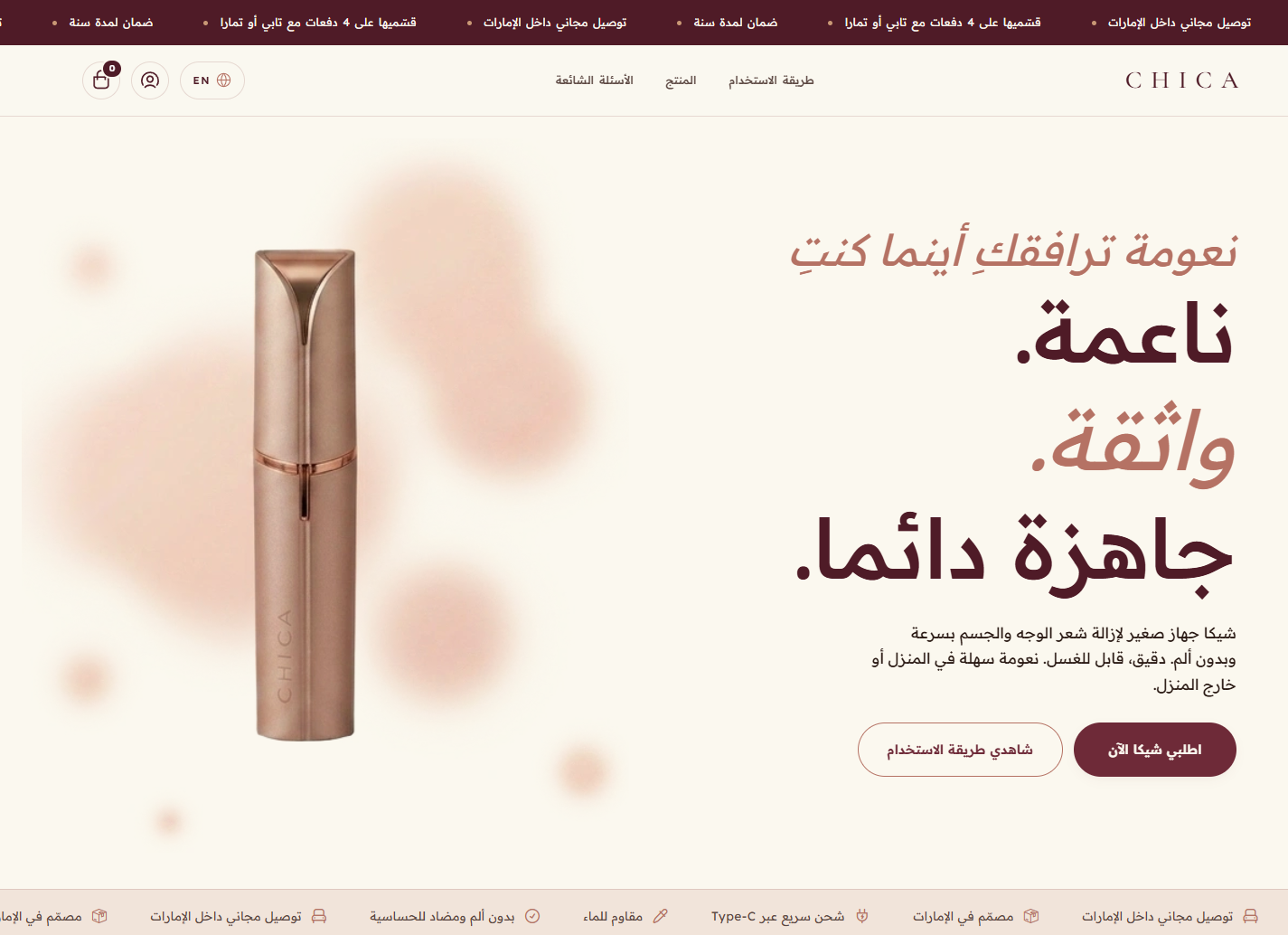
Arabic language support and focus on the local audience is a pivotal strength for Salla. The platform is entirely designed in Arabic, from the control panel to the final store interface, providing a smooth and comfortable experience for both Arab merchants and customers. Technical support in Salla is available in Arabic and thoroughly understands the specifics of the local market and the challenges merchants in the region may face. This attention to linguistic and cultural aspects reduces any barriers that might hinder the launch and operation of a store, making Salla the natural choice for those primarily targeting the Arab market.
Shopify also supports multiple languages, including Arabic, and stores using Shopify can display their interface in Arabic by translating themes. However, the main control panel remains mostly in English, and merchants may need to exert some effort to localize all content and ensure a fully integrated Arabic customer experience. Furthermore, Shopify's global technical support may not be as specialized in the specifics of the Arab market as Salla's local support, which could lead to some challenges when dealing with region-specific issues such as local trade laws or regional shipping and payment requirements.
If your target audience is concentrated in the Arab region, specifically in the Gulf countries, Salla provides an environment that is ready and fully adapted to the requirements of this market, making it easier for you to communicate with your customers and provide an authentic local experience. However, if you are planning a global store with a portion of your customers in the Arab region, Shopify provides the necessary tools to localize your store, but it requires you to put in more effort to ensure full compatibility with local culture and language. The fundamental difference is that Salla was built from the ground up to serve this audience, while Shopify is a global platform that adapts to different languages and cultures.
Marketing and Search Engine Optimization (SEO)
The success of any e-commerce store is incomplete without a strong marketing strategy and effective search engine optimization. Both platforms, Shopify and Salla, provide essential SEO tools to help stores appear in Google search results and beyond. Both platforms allow you to customize meta titles, meta descriptions, and URLs, as well as create sitemaps and manage robots.txt files. However, their capabilities in terms of expansion and depth in these areas differ, making the choice dependent on the extent of your marketing and technical ambitions.
Shopify, thanks to its extensive app store, offers a huge array of marketing and SEO apps that can significantly boost your store's performance. These apps cover everything from email marketing, content marketing, Google and Facebook ads, to advanced SEO tools that analyze keywords, monitor backlinks, and provide content improvement suggestions. This flexibility makes Shopify an excellent choice for stores looking to implement complex, multi-channel marketing strategies. It gives you the ability to build integrated marketing campaigns and monitor their performance accurately.
Salla, on the other hand, offers good built-in marketing features and integrations with local tools, in addition to basic SEO tools. Salla's app store may not be as extensive as Shopify's, but it is expanding to include increasing marketing solutions, including integration with analytics tools. If your marketing strategy primarily focuses on the local market and relies on built-in tools, Salla offers a sufficient solution. However, if you are looking for maximum control and flexibility in marketing and SEO, with the ability to integrate countless tools and services, Shopify is the stronger choice. You can benefit from the article Search Engine Optimization: How to Rank on Google in Zid and Salla for general tips applicable to both platforms.
Technical Support
Technical support is a vital component to ensure your online store operates smoothly, especially when encountering any technical issues or inquiries. Salla clearly excels in providing dedicated and Arabic-speaking technical support, available during local business hours. This means you will receive prompt and understandable assistance from a team that is well-versed in the local market context and the challenges merchants in the region may face. Support channels include live chat, email, and in some cases, phone, providing great convenience for merchants who prefer to communicate in their native language.
On the other hand, Shopify offers 24/7 global technical support through multiple channels such as live chat, email, and phone. Shopify's support team is usually very knowledgeable about the platform and its features, but some Arab merchants may find it difficult to communicate effectively in English, or the support team may not be sufficiently aware of the specific conditions of the Arab market. Although Shopify offers extensive self-help resources such as a help center and forums, obtaining immediate and personalized assistance in Arabic may not be as easy as with Salla.
If the highest priority is to receive quick technical support, in Arabic, from a team that understands the specifics of the local market, Salla offers an excellent support experience. However, if you don't mind communicating in English or prefer round-the-clock support regardless of language, Shopify provides strong and consistently available global support. The decision here largely depends on your language preferences and the importance of local support to you. The quality of technical support can be a crucial factor in quickly resolving issues and avoiding sales downtime.
Scalability
The scalability of a store is a critical factor for its long-term success, as the platform must be able to keep pace with your business growth from a small store to a larger commercial entity. Shopify is primarily designed to be a globally scalable platform, capable of handling enormous volumes of products, sales, and traffic. Whether you start by selling a few products or managing thousands, Shopify provides a robust and reliable infrastructure that ensures the stability and performance of your store. With its advanced plans like Shopify Plus, large enterprises can benefit from customized features and solutions that meet their complex needs, making it an excellent choice for future large-scale growth.
Salla, although it started as a platform focused on the local market and small to medium-sized stores, is continuously evolving to offer more scalable solutions. Salla can handle a large number of products and orders, and has recently added advanced features to support larger stores. However, its ability to handle international growth or enormous traffic volumes may be less compared to Shopify, which has longer global experience in this field. It is a strong option for growth within the Arab market, but you may need to re-evaluate your needs if your future plans include extensive international expansion.
If your vision involves rapid global expansion, or you plan to deal with a very large number of products and sales from the outset, Shopify provides a solid foundation to achieve that. However, if you focus on sustainable growth within the Arab market and prefer to start with a simpler solution more focused on this market, Salla can be an excellent partner for your growth journey. Your decision about scalability should be based on your long-term vision for your business and a careful assessment of your future goals and ambition for expansion, whether locally or globally. Both platforms offer paths to growth, but in different ways and with varying capabilities.
Tips for Choosing the Right Platform for Your Store
After reviewing the features and differences between Shopify and Salla, it is clear that the decision is not easy and requires a comprehensive evaluation of several factors specific to your store and its objectives. There is no one-size-fits-all platform; what is ideal for one store may not be for another. Therefore, before making your final decision, we advise you to carefully consider the following points to ensure that your choice supports your business vision and helps you maximize your e-commerce investment.
First, define your target audience precisely: Are you primarily focused on the local market in the Arab region? Or do you have global ambitions and target customers from around the world? If your focus is local, Salla may be an excellent choice due to its Arabic language support and local integrations. If you are thinking globally, Shopify provides the flexibility and tools needed to reach a wider audience. Second, evaluate your budget: How much are you willing to invest in building and operating your store? Salla offers more flexible pricing plans and may be less expensive for beginners, while Shopify requires a larger investment but offers unparalleled customization and scalability capabilities in return. Remember that the cost is not limited to the monthly subscription only, but also includes additional app costs and customizations.
Third, consider your technical expertise: Are you a beginner in e-commerce and lack a strong technical background? Salla is designed to be user-friendly and intuitive for beginners. However, if you have some technical knowledge or are willing to learn more, or have a budget to hire developers, Shopify gives you greater control and wider flexibility in customization. Fourth, consider the size and type of your products: Do you sell a few products or thousands? Do you need complex features for inventory management or product customization? Shopify provides more robust solutions for inventory management for large and complex stores. Finally, do not hesitate to take advantage of the free trial periods offered by both platforms. Create a test store on each, explore the interfaces, add products, and try the purchasing process. This practical experience will give you a clearer insight and help you make an informed decision based on your personal experience and actual needs.
Conclusion: A Strategic Decision for Your Store's Success
In conclusion, it is clear that both Shopify and Salla offer powerful and distinct solutions for creating online stores, but each excels in a specific context and meets the needs of a particular segment of merchants. There is no absolute winner in this comparison; rather, the winner is the platform that best aligns with your business vision, budget, technical expertise, and target audience. Making an informed decision means looking beyond basic features and delving into understanding how each platform will support your store's long-term growth.
If you are a beginner merchant, or a small to medium-sized business owner specifically targeting the Saudi and Gulf markets, and you are looking for an easy-to-use solution, with reasonable cost, Arabic technical support, and strong local integrations, Salla will be your optimal choice. It allows you to start quickly and focus your efforts on products and marketing without worrying about technical complexities. However, if you have global ambitions, wish to build a brand with a unique design and unlimited customization capabilities, and don't mind investing more time and money in learning and development, Shopify provides you with the necessary power and flexibility to achieve these goals, with a robust infrastructure that supports large-scale growth.
Regardless of your choice, remember that the success of your online store does not depend solely on the platform you choose, but also on the quality of your products, the effectiveness of your marketing strategies, the distinctiveness of your customer service, and your ability to adapt to changing market demands. Continuously research, invest in learning, and do not hesitate to try new tools and features. The platform is merely a tool, and your optimal utilization of this tool is what will make the real difference in your journey toward success in the thriving world of e-commerce. Good luck in choosing the most suitable platform for your store and building a prosperous digital future.