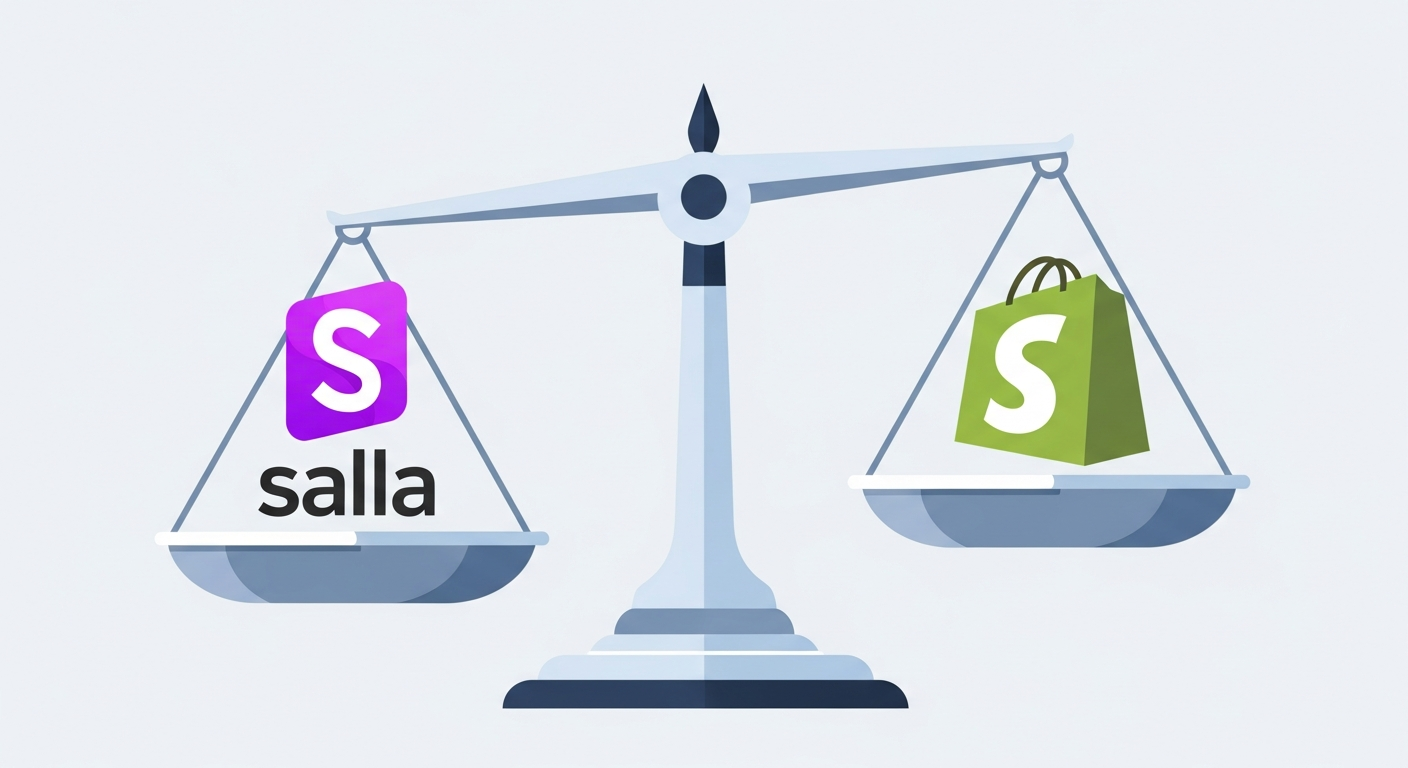




Shopify vs Salla: Which is Best for the Saudi Market?
In the rapidly evolving world of e-commerce, entrepreneurs in the Kingdom of Saudi Arabia face a significant challenge when choosing the right platform for their online store. With increasing reliance on online shopping and the digital transformation sweeping across the Kingdom, having an effective e-commerce store is no longer just an option, but a vital necessity for success and sustainability. Among the many available options, Shopify and Salla stand out as prominent competitors, each offering a unique set of features and solutions catering to different needs of store owners. Understanding the fundamental differences between them and determining the suitability of each platform for the specific characteristics of the Saudi market is key to making a sound strategic decision that ensures long-term growth and profitability.
Choosing an e-commerce platform goes beyond merely building a storefront; it extends to multiple factors such as ease of use, customization options, costs, technical support, integration with local payment and shipping systems, and scalability. In the context of the Saudi market, which is characterized by its cultural and economic specificities and requires solutions that align with local consumer preferences and regulations, this decision becomes even more complex. This article will provide a comprehensive and detailed comparison between Shopify and Salla, focusing on the strengths and weaknesses of each, and offering practical insights to help Saudi entrepreneurs determine the most suitable platform for their businesses, also considering Zid as another local option worth mentioning, to ensure comprehensive coverage of the most prominent available platforms.
Understanding the Saudi Market: Characteristics and Challenges
The Saudi e-commerce market is characterized by rapid growth and high purchasing power, driven by a large youth population, widespread smartphone usage, and digital transformation plans under Vision 2030. This growth creates tremendous opportunities for online store owners but simultaneously poses unique challenges that require a deep understanding of local consumer behavior and the regulatory environment. The market size is expected to expand significantly in the coming years, making the choice of the right platform crucial to maximize these golden opportunities and avoid any obstacles that might hinder success.
Among the most prominent characteristics of the Saudi consumer is their preference for Cash on Delivery (COD), despite the increasing popularity of digital payments, their desire for a smooth and fast shopping experience, and their appreciation for excellent customer service and after-sales support. Cultural factors also play a role in store design and content, with a preference for authentic Arabic content and designs that suit local tastes. Furthermore, the General Authority of Customs and the Communications and Information Technology Commission set a range of regulations and laws that e-commerce stores must adhere to, such as e-invoice requirements and customer data protection, necessitating a platform capable of adapting to these requirements flexibly and efficiently, and providing the necessary solutions for compliance.
Challenges include intense competition, the need to build trust with consumers, managing logistics and shipping across a wide geographical area, and providing effective Arabic-speaking customer support. These factors make it essential to choose a platform that not only provides the basic tools for building a store but also offers integrated solutions that suit these specificities and help the store stand out in this vibrant market. Store owners must look beyond superficial features and assess how the platform can support them in overcoming these challenges and achieving their business goals in the Kingdom.
Shopify and Salla: Overview and Core Comparison
Shopify is a global leader in e-commerce, providing comprehensive solutions for building and managing online stores of all sizes. It is known for its high flexibility, diverse app ecosystem, and ability to scale globally. On the other hand, Salla emerges as a Saudi-born platform, specifically designed to meet the needs of the Saudi and GCC markets, with a strong focus on ease of use and integration with local services. Both offer powerful solutions, but the choice between them largely depends on the size and nature of your business, as well as your preference for local versus global solutions, also considering Zid which shares Salla's approach in serving the local market.
Shopify is renowned for its exceptional flexibility and adaptability to various business types, from small startups to large enterprises. It offers a wide range of customizable templates and a vast app marketplace that allows adding almost any functionality imaginable, from advanced marketing tools to complex inventory management systems. This flexibility often comes with a steeper learning curve and additional costs for paid apps, but it empowers store owners to build a unique and fully customized store. It also supports multiple languages and currencies, making it an ideal choice for stores planning to expand beyond the Saudi market.
In contrast, Salla is characterized by its simplicity and ease of use, specifically designed to enable merchants in the local market to launch their stores quickly and without extensive technical expertise. Salla focuses on providing integrated solutions suitable for the Saudi market, including direct integration with local payment gateways and shipping companies, and offering technical support in Arabic. While customization options may be fewer compared to Shopify, Salla provides enough to build a professional and effective store in the Saudi market without added complexities. Zid also offers a similar business model to Salla, targeting the local market and providing integrated and customized solutions for Saudi merchants' needs, adding another strong option for comparison.
Ease of Use and Getting Started
Ease of use and getting started quickly are crucial factors for any entrepreneur, especially for beginners in e-commerce. In this regard, Salla offers a highly simplified experience, allowing merchants to create their store within minutes by following clear and straightforward steps. The interface is user-friendly, and all settings and options are designed to be intuitive, reducing the need for prior technical expertise. This approach makes Salla an attractive option for those looking to launch their store quickly without getting bogged down in complex technical details, thus enabling them to focus on selling products and generating profits from the outset without delay.
On the other hand, Shopify requires a slightly steeper learning curve, especially for those without any website building background. Although its interface is well-organized, the multitude of available options and settings, in addition to the vast app marketplace, might seem overwhelming at first. However, once accustomed to the system, it becomes very easy to manage and customize the store. Shopify also provides numerous educational resources and tutorials to help new users master the platform, ensuring that anyone with the desire can learn to use it effectively.
For stores looking for maximum launch speed and a focus on the local market, Salla and Zid might be the ideal choice. However, if you are looking for greater flexibility, deeper customization, and plan to expand globally in the future, Shopify offers the necessary tools, but requires a greater investment of time and effort initially. It is important to assess your willingness to invest time in learning versus the need for a quick store launch, keeping in mind that both platforms offer powerful tools for success, but via different paths to achieve that success.
Features and Functionalities: Which Offers a Better Experience?
When comparing Shopify and Salla in terms of features and functionalities, we find that both platforms offer a wide range of essential tools needed to manage a successful online store, but they differ in the depth and variety of these features. Shopify, being a global platform, provides a rich set of options and customizations that cater to a wide array of business needs, while Salla focuses on providing local and simplified solutions that align with the specific characteristics of the Saudi market. A precise understanding of these differences can help determine which platform will provide a better experience for your specific store, whether you are looking for ready-made solutions or unlimited flexibility in customization.
Shopify is known for its ability to accommodate large and complex stores, offering advanced tools for inventory management, data analytics, and robust marketing integrations. Thanks to its vast app marketplace, stores can add almost any functionality, from email marketing and automated advertising campaigns to advanced search engine optimization tools. This scalability makes it an excellent choice for stores that anticipate significant growth and require customized solutions. Stores can also benefit from a wide range of professional design templates that can be fully customized to create a unique and attractive visual identity, contributing to building a strong and distinctive brand in the market.
Salla, on the other hand, focuses on providing integrated and simplified solutions for local stores, with an emphasis on the most in-demand features in the Saudi market. These features include ready-made integrations with local payment gateways like Mada and Apple Pay, and leading shipping companies in the Kingdom, in addition to essential marketing tools designed to serve local customers. While customization options may be less compared to Shopify, Salla offers enough to build a professional and effective store in the Saudi market without additional complexities. Zid also shares Salla's approach, focusing on providing integrated and simplified solutions that efficiently meet the needs of local merchants.
Payment and Shipping Options
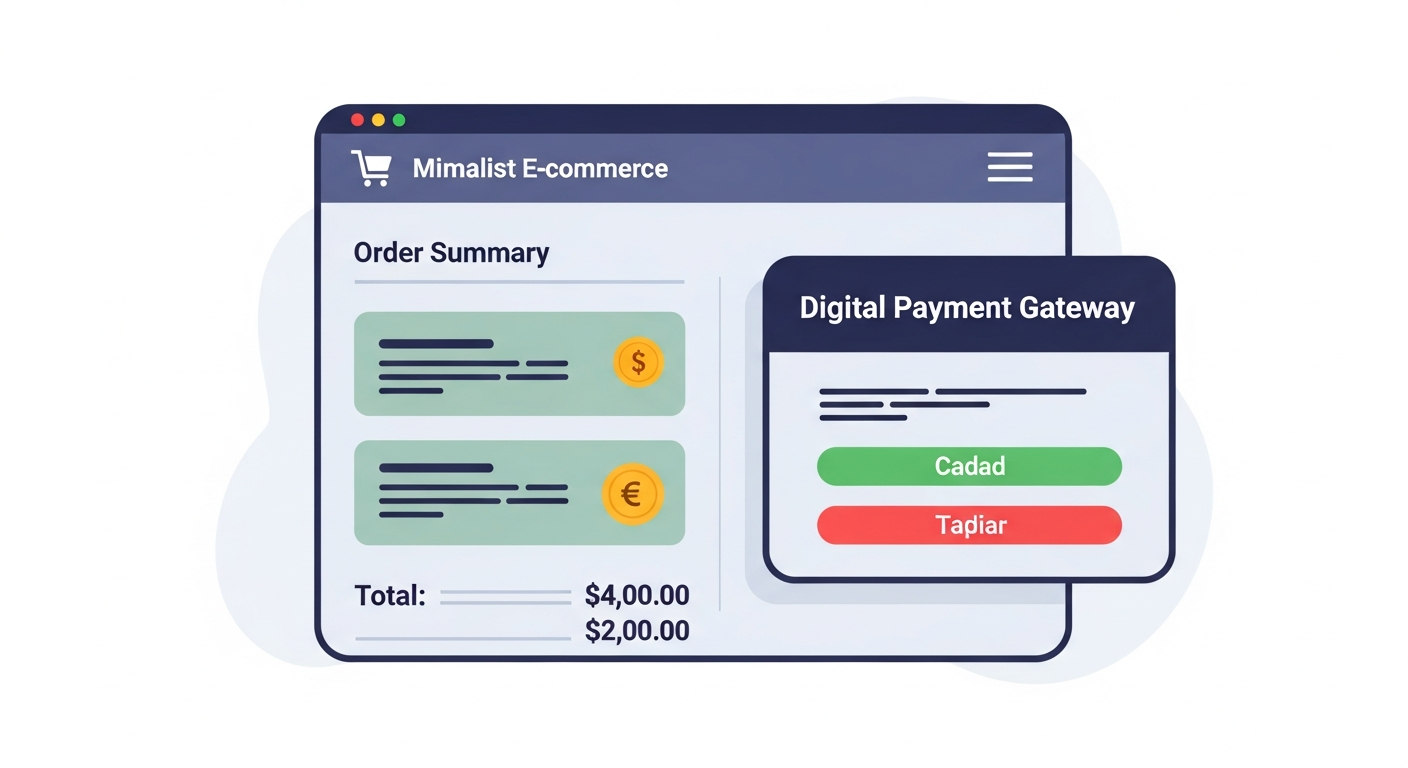
Payment and shipping options are among the most critical factors influencing the purchasing decision of Saudi consumers. In this aspect, Salla and Zid clearly excel in providing integrated solutions specifically designed for the local market. Salla offers ready-made and direct integrations with the most popular payment gateways in Saudi Arabia, such as Mada, Visa, MasterCard, and installment payment services like Tabby and Tamara, in addition to the Cash on Delivery (COD) option, which remains preferred by a large segment of shoppers. This seamless integration reduces technical complexities and ensures an easy payment experience for customers, leading to Increased Conversions: 5 Secrets for Your Online Store.
In contrast, Shopify supports a very wide range of global payment gateways, including Shopify Payments, PayPal, Stripe, and many others. However, integrating some local payment gateways in Saudi Arabia might require additional apps or manual setups that could be more complex. Although Shopify provides world-class solutions, adapting to the specificities of the local market requires additional effort from the merchant. You can refer to Payment Gateways: Your Guide to Choosing the Best in Salla and Zid for more information on available options.
For shipping, Salla and Zid offer direct integrations with leading local shipping companies in Saudi Arabia, such as Aramex, SMSA, and Naqel, making it easier for merchants to manage shipping operations and track orders efficiently. This integration ensures competitive shipping rates and diverse delivery options that suit the needs of the Saudi consumer. Shopify, on the other hand, supports global shipping integrations, and it might require using third-party apps or manual setups to connect with local companies, which could increase complexity and cost. Choosing a platform that provides a smooth and efficient payment and shipping experience is a crucial factor for the success of any e-commerce store in the Saudi market, as it directly impacts customer satisfaction and loyalty.
Customization and Design
Attractive customization and design for your online store are vital for building a strong brand identity and attracting customers. In this regard, Shopify offers unparalleled flexibility. The platform provides a vast library of professional templates (both paid and free), which can be extensively customized using an intuitive drag-and-drop editor. Developers can also access the underlying code (Liquid) to make deeper customizations, allowing for the creation of a completely unique store that meets the most precise design and functionality requirements. This flexibility makes Shopify the preferred choice for stores seeking to create a distinctive and fully customized shopping experience for their brand, highlighting the importance of Customer Service: How to Win Shopper Loyalty in Zid and Salla through a store design that offers a seamless experience.
Salla, on the other hand, offers a set of ready-made templates characterized by simplicity and elegance, designed to be responsive and mobile-friendly. While customization options may be limited compared to Shopify, they are sufficient for most small and medium-sized stores that want to launch a professional store quickly. Salla focuses on providing an easy and intuitive design experience for users without programming or design experience, allowing them to focus on store content rather than technical complexities. Zid also offers good customization options within a user-friendly environment, with an emphasis on aesthetics and functionalities suitable for the local market.
When making a decision about customization and design, store owners should evaluate the importance of a unique visual identity for their brand, their level of technical expertise, and their available budget. If the goal is to build a unique store requiring deep customization and complex integrations, Shopify is the better choice. However, if the goal is to launch a professional store quickly and easily with a focus on the local market, Salla or Zid offer excellent solutions suitable for these needs, without requiring a significant investment in complex design and development.
Marketing and Search Engine Optimization (SEO)
Marketing and Search Engine Optimization (SEO) are vital components for the success of any e-commerce store, as they contribute to increasing visibility and attracting potential customers. In this area, Shopify offers powerful built-in SEO tools that allow stores to optimize product titles, descriptions, and URLs, as well as the ability to add meta descriptions and tags. Shopify's app marketplace also includes a large number of advanced SEO apps that help with keyword analysis, performance tracking, and overall site structure optimization. These features make Shopify a strong platform for stores aiming to rank high in global and local search results.
Salla also offers essential SEO tools to help stores appear in search engines, including the ability to optimize product titles and descriptions. Salla is generally search engine friendly and provides a clean URL structure that aids in site indexing. However, customization and control options for SEO may be less in-depth compared to Shopify. For stores primarily targeting the Saudi market, the tools available in Salla are often sufficient, especially with a focus on local content and Arabic keywords. Stores can benefit from Search Engine Optimization: How to Rank First on Google with Zid and Salla to enhance their visibility.
In addition to SEO tools, both platforms offer various marketing solutions. Shopify supports integrations with major advertising platforms like Google and Facebook, and provides tools for email marketing, creating discount codes, and managing abandoned shopping carts. Salla also offers integrations with popular advertising platforms in Saudi Arabia, and provides tools for creating discount coupons and promotional offers. Choosing the right platform depends on the complexity of your marketing strategy, the size of your target audience, and your available marketing budget. If you plan complex global marketing campaigns, Shopify might be the better choice, whereas if you focus on the local market with simplified campaigns, Salla and Zid offer excellent and effective solutions.
Cost, Support, and Scalability: Crucial Factors in Decision Making
When choosing an e-commerce platform, considerations extend beyond mere features and functionalities to include crucial aspects such as the total cost of ownership, the quality of technical support, and the platform's ability to scale with your business growth. These factors play a pivotal role in determining the long-term sustainability and profitability of your store, especially in a dynamic market like Saudi Arabia. A comprehensive evaluation of these aspects will help entrepreneurs make an informed decision that aligns with their budget and future goals, avoiding unpleasant surprises after launching their store.
Regarding cost, pricing models differ significantly between Shopify and Salla. Shopify relies on monthly subscription plans ranging from basic to advanced, in addition to transaction fees on each sale if Shopify Payments is not used. Many additional apps and advanced templates may also require extra fees, increasing the overall cost. This flexibility allows stores to start at a low cost and then scale gradually, but it is important to note that costs can escalate with the addition of more features and apps. Merchants should make an accurate calculation of expected costs based on their actual needs.
Salla and Zid, on the other hand, offer more straightforward pricing plans suitable for the local market, often including integrated packages that cover most essential features without the need for expensive additional apps. Transaction fees are usually lower or non-existent in some plans. This model makes Salla and Zid attractive options for small and medium-sized stores with limited budgets, as they can better predict costs and avoid hidden fees. However, there might be limitations on the number of products or storage size in lower-cost plans, requiring an upgrade as the store grows. Understanding the pricing structure of each platform is crucial before committing to either.
Technical Support and Community
Reliable and accessible technical support is vital, especially when facing technical issues or needing assistance with store management. Shopify provides 24/7 technical support via live chat, email, and phone, in addition to a vast knowledge base and active community forums with millions of users and developers worldwide. These rich resources ensure that merchants can always find answers to their questions or solutions to their problems, regardless of their complexity. However, Arabic language support might be limited or unavailable at times, which poses a challenge for store owners in the Saudi market who prefer to communicate in their native language.
In contrast, Salla and Zid excel in providing dedicated technical support in Arabic, which is a strong competitive advantage in the Saudi market. They offer support through multiple channels such as chat, email, and phone, with a focus on understanding the needs of local merchants and providing quick and effective solutions. They also have active communities of local merchants who share experiences and tips, providing a supportive environment for new merchants. This effective local support significantly contributes to the peace of mind of store owners and ensures that they will not face linguistic or cultural difficulties when seeking assistance, reflecting the great importance of Customer Service: How to Win Shopper Loyalty in Zid and Salla.
When choosing a platform, merchants should evaluate the importance of native language support for them and the potential complexity of their store. If you are running a simple store and prefer local support, Salla and Zid are the better choices. However, if your store is complex and requires advanced technical solutions and you might need assistance from a global developer community, Shopify offers these capabilities, but with the potential need to overcome the language barrier at times. The quality of technical support can be the difference between success and frustration, so it should not be underestimated in the evaluation.
Scalability and Future Growth
Scalability is a crucial factor for the long-term success of any business, especially in the rapidly growing e-commerce environment. In this regard, Shopify is known for its exceptional ability to accommodate the tremendous growth of stores, from small startups to large global brands. The platform provides a robust and reliable infrastructure that can handle an unlimited number of products, orders, and customers, ensuring smooth store operation even during peak periods. Shopify Plus also offers customized solutions for large enterprises, with advanced support and features that meet the needs of large-scale businesses, making it an ideal choice for stores anticipating massive growth and global expansion in the future.
Salla and Zid, on the other hand, were primarily designed to serve the local market and small to medium-sized stores. While they have good scalability within this scope, their flexibility and ability to handle the operational and marketing complexities of very large stores might be limited compared to Shopify. However, Salla and Zid are continuously developing their platforms and adding new features to improve scalability, making them good options for stores planning to grow within the Saudi and GCC markets. If your goal is to build a strong local brand and focus on the Saudi market, Salla and Zid provide sufficient infrastructure to support your growth.
When making a decision about scalability, entrepreneurs should consider their long-term vision for their store. If your ambitions are global and you expect your store to grow into a massive brand requiring complex integrations and very advanced features, Shopify is the more suitable choice. However, if you are focused on building a successful and thriving business within the Saudi and GCC markets, Salla and Zid offer powerful and scalable solutions that effectively meet these needs, with less complex costs. It is important to choose a platform that not only meets your current needs but can also support your future growth without the costly need to change platforms later.
Practical Tips for Choosing the Most Suitable Platform for Your Store
The process of choosing the right e-commerce platform is not a decision to be taken lightly; it requires a careful evaluation of your business needs, future goals, and available budget. After reviewing the fundamental differences between Shopify and Salla, in addition to mentioning Zid, we can now offer a set of practical tips that will help you make an informed decision that serves the interests of your store in the Saudi market. Remember that the ideal platform is one that perfectly aligns with your vision and aspirations, and provides the necessary tools for success and sustainable growth in this competitive market.
1. Define Your Business Size and Future Goals: If you are starting with a small or medium-sized store and primarily focusing on the Saudi market, Salla or Zid might be the ideal choice due to their ease of use, effective local integrations, and potentially less complex costs. However, if you plan to expand globally and anticipate very significant growth, Shopify offers the flexibility and scalability needed to achieve these ambitions. Think long-term: Will you remain local or expand internationally? This will largely determine the most suitable platform for you.
2. Evaluate Your Budget: Shopify might seem less expensive initially, but additional costs for apps, themes, and transaction fees can significantly increase the total cost. Salla and Zid often offer integrated packages with more transparent costs suitable for medium budgets. Create a detailed budget that includes subscription fees, transaction fees, costs of additional apps, and design and marketing costs, then compare platforms based on this comprehensive budget to avoid any unwelcome financial surprises.
3. Review Local Payment and Shipping Requirements: In the Saudi market, Cash on Delivery (COD) and integration with local payment gateways and shipping companies are preferred. Salla and Zid excel in this aspect with ready-made and easy-to-use integrations. While Shopify can adapt, it might require more effort or third-party apps. Ensure that the platform you choose supports the payment and shipping methods preferred by your target customers, ensuring a smooth shopping experience and increasing your store's conversion rates.
- Ease of Use and Technical Expertise: If you are an e-commerce beginner with limited technical expertise, Salla and Zid offer intuitive and user-friendly interfaces that allow you to launch your store quickly. Shopify, on the other hand, requires a slightly steeper learning curve but provides greater flexibility for users with technical experience or those willing to invest in learning more.
- Customization and Visual Identity: If you are looking for a unique design and a fully customized visual identity for your brand, Shopify offers almost limitless customization options. Salla and Zid provide ready-made and professional templates, but with less in-depth customization options. Evaluate the importance of a unique visual identity for your brand when making this decision.
- Technical Support and Community: Arabic language technical support is a strong advantage for Salla and Zid, ensuring you receive assistance in your native language. Shopify offers excellent global support, but Arabic language support might be limited. Consider the importance of native language support for you and your business, and the complexity of issues you might face.
- Marketing and Search Engine Optimization (SEO) Tools: Shopify offers advanced SEO and marketing tools and global integrations. Salla and Zid provide essential and effective tools for the local market. Choose the platform that aligns with your marketing strategy and the size of your target audience, considering the importance of Search Engine Optimization: How to Rank First on Google with Zid and Salla.
Conclusion
In conclusion of this comprehensive comparison between Shopify and Salla, with a reference to Zid, it is clear that choosing the most suitable e-commerce platform for your online store in the Saudi market largely depends on a set of intertwined factors specific to each business. There is no one-size-fits-all platform; the optimal decision is one that aligns with your business goals, budget, technical expertise, and your future vision for your store's growth. Whether you choose Shopify with its global flexibility and unlimited scalability, or Salla and Zid with their strong focus on the local market and effective integrations, the most important thing is to understand the capabilities of each platform and how it can best serve your store in this vibrant and growing market.
If you are a beginner entrepreneur or running a small to medium-sized store primarily targeting the Saudi market, platforms like Salla and Zid offer integrated and user-friendly solutions, with Arabic technical support and ready-made integrations with local payment gateways and shipping companies. These platforms reduce technical complexities and allow you to focus on products and sales. However, if you have global ambitions, or if you run a large business requiring deep customization and very advanced features, Shopify provides the flexibility and scalability needed to achieve these goals, keeping in mind that you might need to invest additional time and effort to adapt to its global environment and customize it to suit the specificities of the Saudi market.
Finally, we advise you to start with the free trials of available platforms, if offered, to explore the interfaces and features yourself. Talk to other merchants in the Saudi market who use these platforms and benefit from their experiences. Do not rush into making a decision, as an online store is a long-term investment, and choosing the right platform will lay a solid foundation for your success and prosperity in the thriving e-commerce world of Saudi Arabia. Remember that success in e-commerce depends not only on platform selection but also on your overall strategy, product quality, and the effectiveness of your marketing and operational processes, so be sure to develop all these aspects in parallel.