


Shopify Dropshipping: Your Guide to Success in the Gulf Market
The e-commerce landscape in the Arabian Gulf region is experiencing unprecedented growth, driven by increased internet and smartphone penetration, rising purchasing power, and consumer preference for online shopping. In this dynamic context, the dropshipping model emerges as a golden opportunity for ambitious entrepreneurs seeking to enter the world of e-commerce with minimal risk and limited capital. The ability to sell products without the need for inventory management or complex shipping operations has changed the game, opening doors for many to achieve their business dreams in a promising market.
Shopify stands as one of the most powerful and popular global platforms supporting this business model, providing the necessary tools and infrastructure to efficiently create and manage a professional online store. In this comprehensive guide, we will take you on a detailed journey to explore how to leverage Shopify's capabilities to achieve success in dropshipping, with a specific focus on the unique characteristics and requirements of the Gulf market. We will cover all aspects, from understanding the basics of dropshipping and selecting profitable products, to effective marketing strategies, order management, and delivering exceptional customer service, all to ensure the building of a sustainable and profitable business in this vital region.
The Concept and Fundamentals of Dropshipping
Dropshipping is a retail fulfillment method where you don't keep the products you sell in stock. When a customer places an order in your online store, you, in turn, forward the order to a third-party supplier (often a manufacturer or wholesaler), who then ships the product directly to the customer. This means you don't bear the burden of inventory management, storage costs, or shipping complexities, significantly reducing the capital required to start an e-commerce business and offering immense flexibility in product selection and scaling your operations.
The primary advantage of this model lies in its low barrier to entry, as you can start a professional online store without having to invest large sums of money in purchasing products upfront. It also allows you to easily experiment with a wide range of products and niche markets, and quickly change your product offerings in response to evolving market demands, making it an ideal model for beginners and those looking to test new business ideas with minimal financial risk. This flexibility in inventory and product selection is what makes dropshipping highly appealing to new entrepreneurs.Despite the clear advantages, dropshipping faces certain challenges that require careful management, such as reliance on third-party suppliers for product quality and shipping speed, the necessity of managing customer expectations regarding sometimes longer delivery times, and intense competition in certain markets. However, by selecting the right suppliers and implementing smart marketing strategies, these challenges can be overcome, and significant profits can be achieved, especially when focusing on niche markets and providing unique value to customers.
Why the Gulf Market is Attractive for Dropshipping
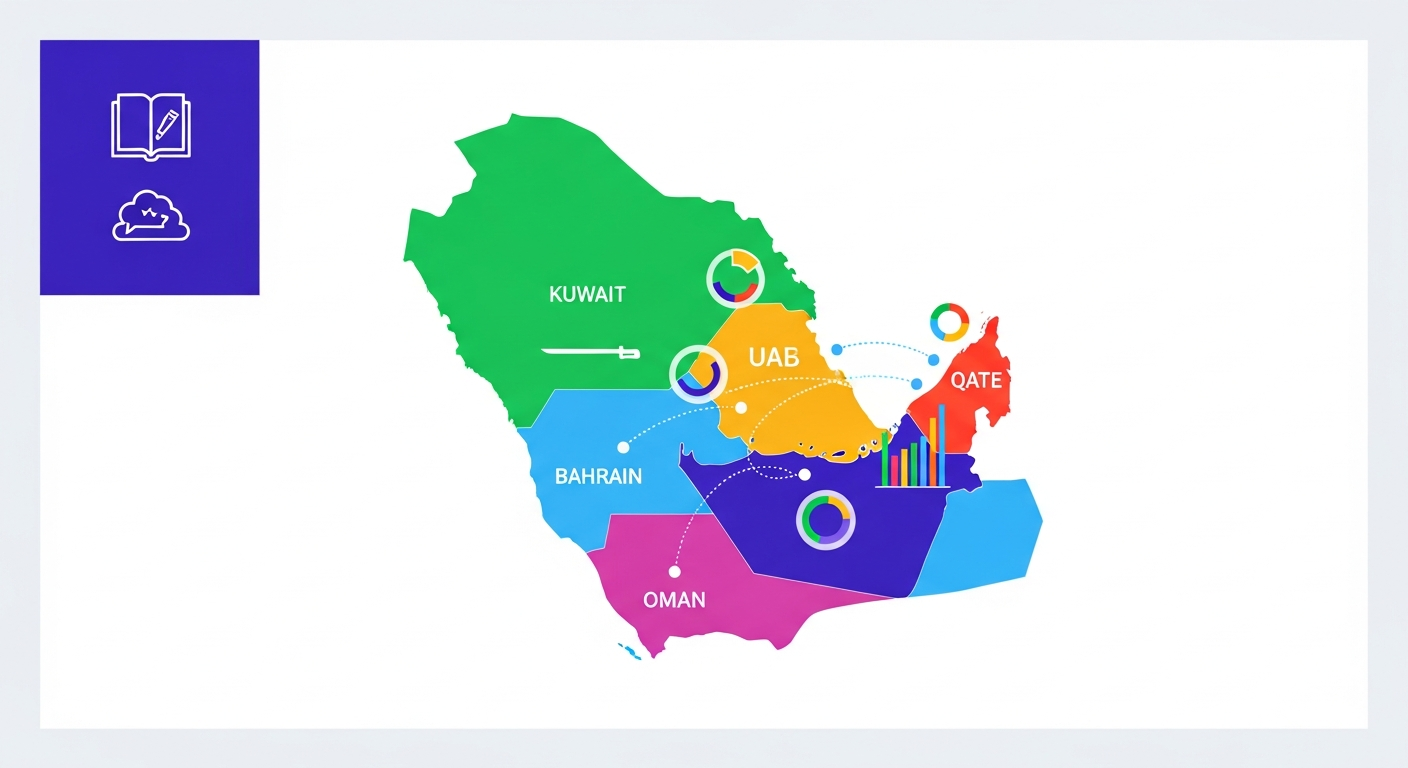
The Gulf market represents an ideal environment for dropshipping due to several unique demographic, economic, and cultural factors. Firstly, Gulf countries boast high individual incomes and purchasing power, making consumers more willing to spend on high-quality or unique products they might not find in traditional local markets. Secondly, internet penetration and smartphone usage are experiencing tremendous growth, with a large segment of connected youth who heavily rely on online shopping and social media to discover new products.
Thirdly, the advanced logistical infrastructure in many Gulf countries, such as the UAE and Saudi Arabia, provides a strong foundation for shipping and delivery operations, although challenges still exist in some areas. Gulf consumers are particularly drawn to international products, unique designs, and technological innovations, which opens wide horizons for dropshipping products that may not be readily available locally. This preference for distinctive products creates a significant opportunity for dropshipping store owners to offer unique propositions that cater to these needs.
Furthermore, consumers in the region often prefer Cash on Delivery (COD), a popular payment method that requires adaptation from store owners, in addition to using local electronic payment gateways like Mada and KNET. Understanding these local preferences and adapting your business model to suit them is key to success in this market. The growing interest in fashion, beauty, and smart home products also provides endless opportunities to target specific segments with specialized and high-demand products.
Advantages of Shopify for Dropshipping in the Gulf
Shopify is an excellent choice for dropshipping store owners in the Gulf market for several fundamental reasons. Firstly, the platform's ease of use and intuitive interface make it accessible even for beginners with no prior technical experience in building online stores, reducing the learning curve and allowing them to focus on business aspects. Shopify also offers a wide range of professional, customizable templates that help build an attractive and trustworthy-looking store, which is crucial for gaining the trust of Gulf consumers.
Secondly, Shopify's rich ecosystem of apps (App Store) is one of its greatest strengths. You can find specialized dropshipping apps like DSers and CJDropshipping that simplify product import and order management, in addition to marketing and customer service applications. These apps provide integrated solutions to automate many aspects of the business, saving time and effort, and allowing store owners to focus on growth and expansion, while the platform and apps handle daily operational tasks.
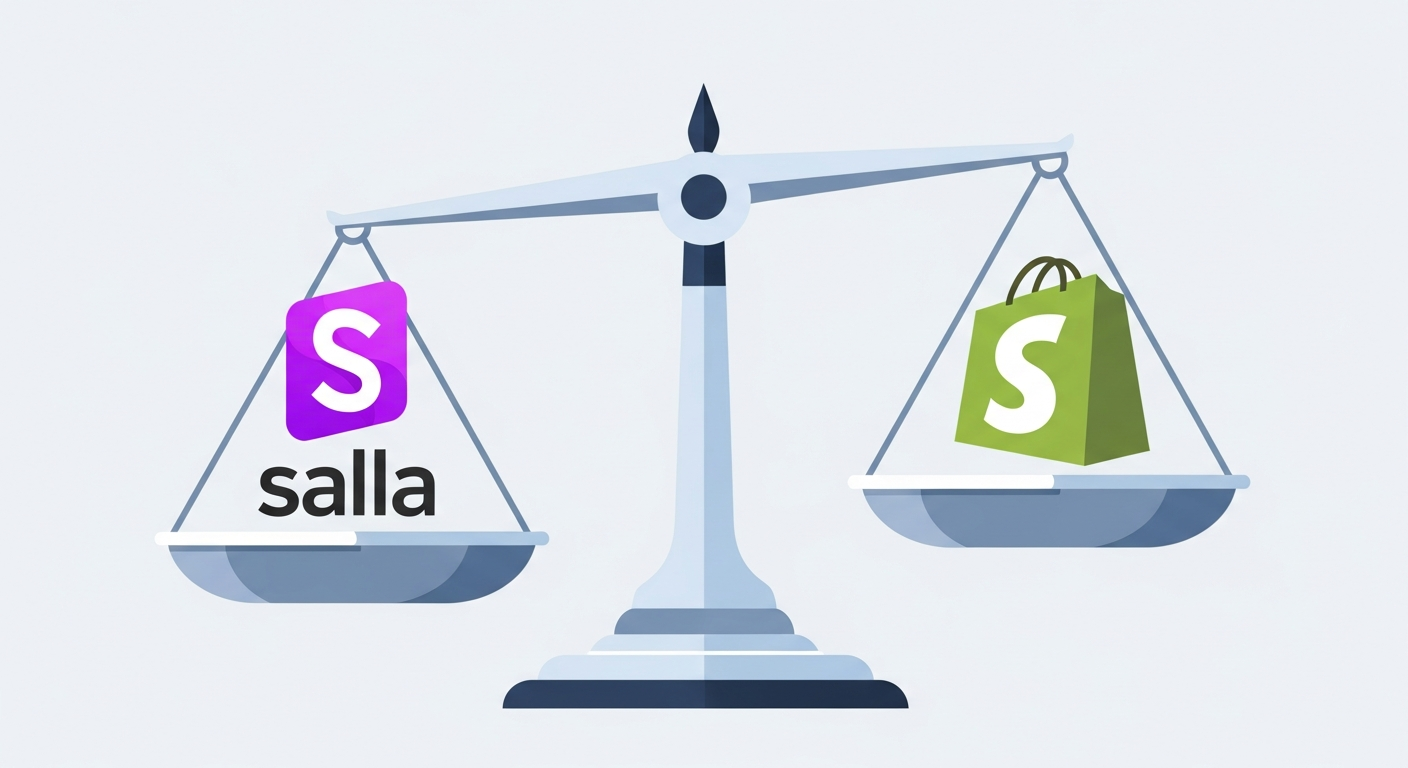
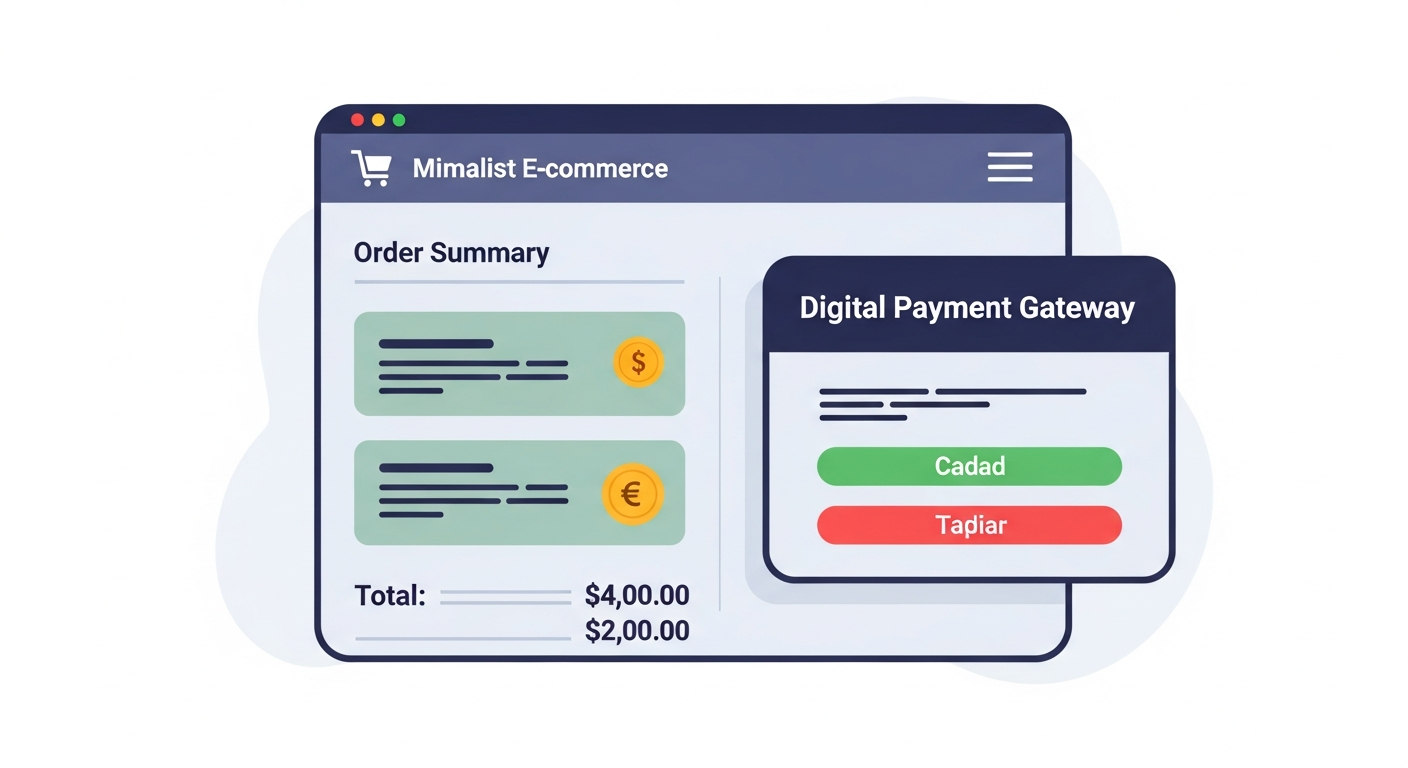
Thirdly, Shopify supports a wide array of global and local payment gateways, making it easier for merchants to accept payments from customers in the Gulf. Payment gateways like PayTabs and HyperPay, which support local currencies and popular payment options in the region, can be integrated, in addition to offering Cash on Delivery through specific apps or arrangements. While platforms like Zid and Salla are excellent choices for purely local stores in Saudi Arabia and the Gulf, offering deep integration with local shipping and payment solutions, Shopify provides greater flexibility for accessing global suppliers and managing the dropshipping model with global efficiency.
Researching Profitable Products and Suppliers
The process of selecting products and suppliers is the cornerstone of any successful dropshipping store. You should focus on products that solve a specific problem, fulfill a strong desire, or are unique in the Gulf market. Use tools like Google Trends, Amazon, and local e-commerce sites like Noon and Souq to understand consumer interests and best-selling products. Look for products with a good profit margin that do not require complex explanations, and avoid heavy or bulky products to reduce shipping costs and simplify logistics.
Once potential products are identified, the next step is to find reliable suppliers. Platforms like AliExpress and CJ Dropshipping are popular choices for dropshipping suppliers, offering a wide range of products and allowing you to start quickly. When choosing a supplier, focus on supplier ratings, shipping speed (especially options available for the Gulf), product quality, and return policy. It is essential to build a strong relationship with suppliers and communicate with them regularly to ensure smooth operations and avoid any potential customer issues.
Do not hesitate to order product samples to test their quality yourself before listing them in your store, as this helps build trust and credibility. You can also look for local or regional suppliers if products are available, as this can reduce shipping times and increase customer satisfaction, although product options may be more limited. Remember that product quality and delivery speed are crucial factors in building your store's reputation and customer loyalty in the competitive Gulf market.
Setting Up Your Shopify Store
After selecting products and suppliers, it's time to create your Shopify store. Start by choosing the right plan for your needs, then select an attractive and professional theme that reflects your brand identity and provides a seamless user experience across all devices, especially mobile phones given their high usage in the region. Customize the theme to include your logo, colors, and high-quality product images, and ensure that all essential pages such as 'About Us,' 'Contact Us,' 'Privacy Policy,' 'Refund Policy,' and 'Terms and Conditions' are clearly written in both Arabic and English.
Next, add products to your store with engaging and detailed descriptions for each product, focusing on features and benefits relevant to the Gulf consumer. Use high-quality images and videos to highlight product aesthetics and functionality. Don't forget to implement Search Engine Optimization (SEO) for product pages and the store in general by using appropriate keywords in titles and descriptions; this will help your store appear in search results and increase organic traffic. You will find many apps in the Shopify App Store that help improve user experience and increase conversions.
Finally, configure shipping and payment settings. Ensure you set up payment gateways that support local currencies and payment preferences in the Gulf, including the Cash on Delivery option if available through your supplier or a third-party service. Clearly define shipping zones and costs, and keep in mind that international shipping may take longer, so be transparent with your customers about expected delivery times. Thoroughly testing your store before launch is essential to ensure it is error-free and provides an excellent shopping experience.
Marketing and Sales Strategies for the Gulf Market
Effective marketing is key to attracting customers to your store in the highly competitive Gulf market. Successful marketing strategies in this region heavily rely on social media, where Instagram, Snapchat, and TikTok enjoy immense popularity. Create visually appealing content that showcases your products creatively, and use paid advertisements on these platforms to target the right audiences based on their interests and geographical locations, focusing on micro-influencers who have high credibility with their followers.
In addition to social media, Google Ads can be very effective in reaching customers actively searching for specific products. Target relevant keywords for your products and create targeted ad campaigns. Don't overlook the power of email marketing and SMS to build relationships with current and potential customers, launch promotions, and retarget abandoned carts. Although WhatsApp marketing might be more common for local stores like Zid and Salla, Shopify offers apps that allow you to effectively utilize similar communication channels.
To increase conversion rates, focus on building trust with customers by providing clear product information, flexible return policies, and excellent customer service. Encourage customers to leave ratings and reviews for your products, as this significantly boosts credibility. You can check out our comprehensive guide on increasing conversions for more secrets and practical tips to encourage visitors to complete purchases. Offering special deals, free shipping, or first-time purchase discounts can incentivize customers to make a buying decision.
Order Management, Shipping, and Customer Service
Efficient order management, shipping, and customer service are at the core of dropshipping success, especially in the Gulf market which has high expectations. Once an order is received, it must be processed quickly and accurately. Use Shopify dropshipping apps to automate the process of sending orders to suppliers. Make sure to track all orders and provide customers with tracking numbers as soon as possible. Transparency regarding estimated shipping times is crucial, especially if products are shipped from distant countries.
When choosing shipping companies, look for options that provide reliable tracking and reasonable delivery times to the Gulf region. Keep in mind that some customers may prefer Cash on Delivery, which requires special arrangements with shipping companies that support this service. Your customer service should be responsive, available in both Arabic and English, and capable of handling inquiries and complaints effectively. Building a positive relationship with customers through excellent support can turn them into advocates for your brand.
Be prepared to handle returns and exchanges with flexibility and professionalism. A clear and fair return policy helps build trust. Communicate with suppliers regularly about any product or shipping issues, and strive to resolve them quickly and effectively to maintain customer satisfaction. Remember that every customer interaction is an opportunity to enhance your store's reputation and build long-term loyalty, especially in a market that heavily relies on word-of-mouth and recommendations.
Market Competition and Product Differentiation
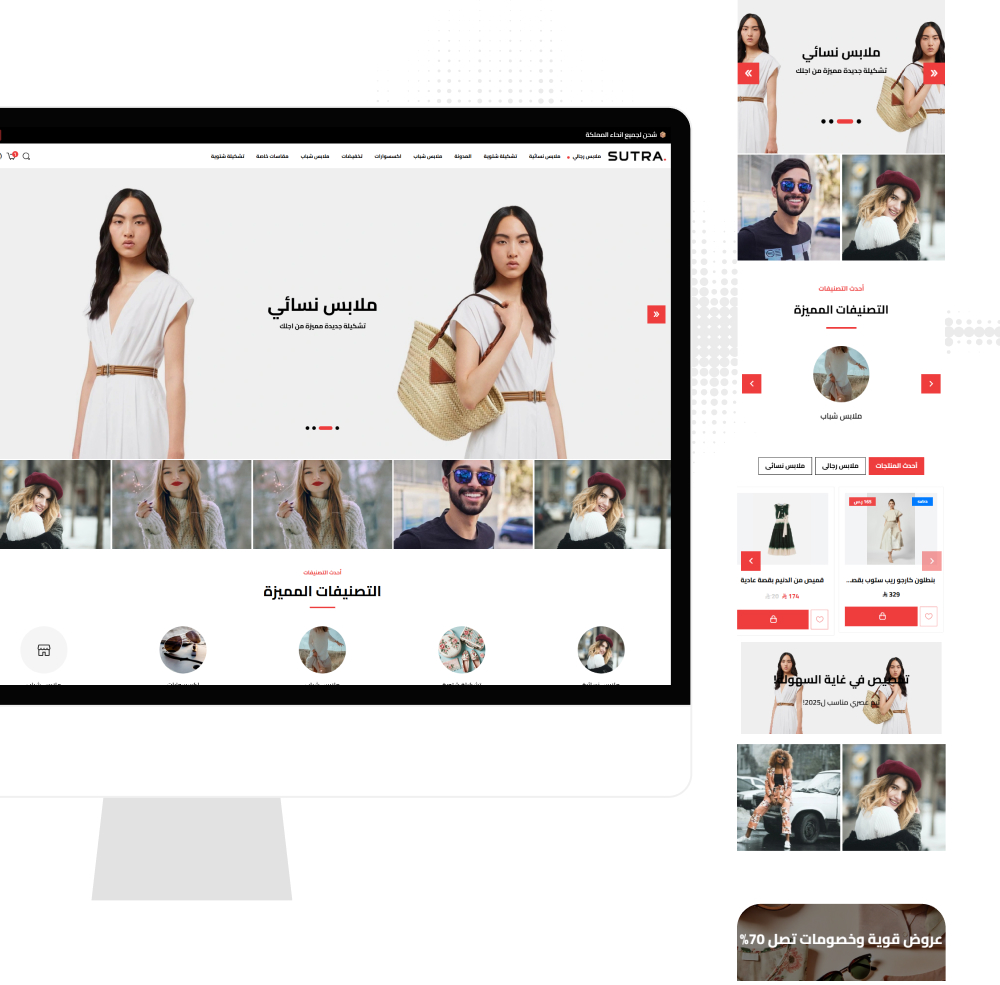
The Gulf market is characterized by high competition in e-commerce, where large local stores, international platforms, and small dropshipping-based stores all compete. To overcome this competition, you must focus on differentiating your products and offering unique value to customers. Don't just sell what everyone else sells; look for niche products that meet the needs of a specific segment of consumers, offer higher quality products, or provide a unique shopping experience. Focusing on a strong and distinctive brand can be key to leaving a lasting impression.
Conduct extensive competitor research to understand what they offer, how they market their products, and their strengths and weaknesses. Do not try to imitate them; instead, look for market gaps you can fill. Differentiation can include providing exceptional customer service, faster shipping (if the supplier allows), or engaging and inspiring content that educates and entertains customers. Remember that building a strong brand that speaks to the aspirations of the Gulf consumer will help you stand out from generic stores selling the same products.
Avoid entering price wars, as this is often a losing strategy in dropshipping where profit margins can be limited. Instead, focus on the added value you provide, whether it's a personalized shopping experience, unique products not easily available, or excellent after-sales service. Building a community around your brand on social media can help foster loyalty and generate repeat sales, making you less susceptible to direct product competition.
Payment Gateways and International Shipping
Payment gateways and international shipping challenges are among the most significant obstacles faced by dropshipping store owners in the Gulf market. Although Shopify supports many international payment gateways, consumers in the Gulf prefer local payment options such as Mada in Saudi Arabia, KNET in Kuwait, and other local debit cards, in addition to Cash on Delivery (COD), which remains a preferred option for a large segment of shoppers. You must look for solutions that allow integrating these options into your store to increase conversion rates.
Regarding international shipping, high shipping costs and long delivery times, along with sometimes complex customs procedures, can negatively impact the customer experience. It is essential to choose suppliers who offer reliable and fast shipping options to the Gulf region, with clear shipment tracking. You must also be completely transparent with your customers about expected delivery times and any potential customs fees, to avoid disappointment and complaints later.
To overcome shipping challenges, you can consider using freight forwarding services or looking for suppliers with warehouses in the region, if possible. You can also negotiate with suppliers for better shipping rates or offer free shipping for orders above a certain value to increase the attractiveness of your offers. As for Cash on Delivery, this service may require partnership with local shipping companies or logistics services that support this method, and it involves higher risks of customers not receiving orders, necessitating pre-order confirmation strategies.
Trust and Customer Service
Building trust is a crucial factor for the success of any e-commerce business in the Gulf, as consumers tend to be skeptical of new, unknown stores, especially those based on the dropshipping model. To foster trust, ensure your store looks professional and reliable, with an attractive design and clear, detailed information about products and store policies. All store pages (About Us, Contact Us, Privacy Policy, Return Policy) must be clearly written and provide all information a customer might need.
Excellent customer service is the cornerstone of building this trust. You must be responsive to customer inquiries, whether via email, live chat, or social media. Providing support in both Arabic and English enhances a positive customer experience. Be prepared to handle complaints and issues with flexibility and professionalism, as how you deal with problems can turn a dissatisfied customer into a loyal customer. Transparency about potential shipping times and any other challenges is key to reducing negative expectations.
Encouraging customers to leave reviews and ratings for products and services significantly enhances credibility. These reviews can be displayed in your store to increase the confidence of new customers. Moreover, building a strong presence on social media and positive engagement with the audience contributes to building a community around your brand, increasing loyalty and trust over time. Remember that every customer interaction is an opportunity to build a good reputation for your store.
Optimizing Profit Margins and Product Pricing
To maximize profits in dropshipping, it is essential to focus on optimizing profit margins and implementing smart pricing strategies. Don't settle for default prices; look for suppliers who offer better wholesale prices as your sales volume increases, and try to negotiate with them. Profit margins can also be increased by finding products with low cost but high perceived value in the target market, or products for which there is no direct, cheap alternative.
Utilize dynamic pricing strategies that adapt to market demand and competition. You can offer discounts on bundles or multi-purchase deals, or implement upsells and cross-sells to increase the average order value. For example, if a customer buys a smartphone, you can suggest buying a protective case or earphones as a complementary product. These strategies can significantly boost your revenue without needing a massive increase in the number of sales. You can explore more about product pricing strategies to increase your store's profits.
Don't be afraid to test different pricing strategies to see what works best for your products and audience. You might find that slightly increasing prices for some high-quality products doesn't negatively impact sales volume but significantly increases profit margins. Regularly analyze sales data to identify the most profitable products and those that need pricing or promotion adjustments. Focusing on the value you provide rather than just the price will help you attract customers willing to pay for quality and uniqueness.
Building a Strong Brand
Transitioning from being just a generic dropshipping store to a strong, distinctive brand is a crucial step towards long-term success. Start by defining your brand identity, including values, message, and target audience. Design a unique logo, consistent colors, and a visual identity that you apply across your store and all your marketing channels. The goal is for customers to recognize and distinguish your store from competitors simply by seeing any element of your brand.
Focus on creating engaging and valuable content that tells the story of your brand and products. This can include blog posts, videos, and social media content that not only promotes products but also educates and inspires the audience. The more customers interact with your brand and feel connected to it, the more likely they are to be loyal and make repeat purchases. Even in dropshipping, where you don't control packaging, you can add personal touches like thank you cards or exclusive offers for repeat customers.
Building a community around your brand on social media, encouraging user-generated content, and regularly responding to comments and messages all contribute to fostering loyalty. When customers see that your brand invests in building a relationship with them, they will feel more valued. This strong customer relationship is what distinguishes successful brands from ordinary stores and provides you with a sustainable competitive advantage in the market.
Expansion and Diversification
After achieving initial success, you should start thinking about expansion and diversification strategies to ensure continuous growth. Expansion can involve adding more products to your store, exploring new niche markets within the same product category, or even expanding into different product categories that align with your audience's interests. Always analyze sales data and look for emerging trends to identify the best expansion opportunities.
Geographic expansion is another option, where you can target other Gulf countries or even broader regional markets. Before expanding into a new market, conduct thorough research to understand the culture, consumer preferences, local laws, and shipping and payment challenges in that region. This may require customizing your store and content to better suit each target market. You can also consider diversifying your business model by combining dropshipping with local inventory for some of your best-selling products to reduce shipping times and increase efficiency.
Diversification can also include exploring new marketing channels or partnering with larger influencers. The goal is not to put all your eggs in one basket, and always look for new ways to reach customers and meet their evolving needs. Remember that the market is constantly evolving, and staying ahead of change through expansion and diversification will ensure the continued success of your dropshipping business.
Conclusion
Dropshipping via Shopify offers an invaluable opportunity for ambitious entrepreneurs to break into the booming e-commerce world in the Gulf market. By following the right steps, from meticulous research for profitable products and reliable suppliers, to building a professional Shopify store, and implementing innovative marketing strategies tailored specifically for the Gulf audience, remarkable success can be achieved. Challenges undoubtedly exist, whether related to competition, shipping and payment logistics, or building trust, but with proper planning and flexibility, these challenges can be transformed into opportunities for growth and distinction.
The key to success is not only choosing the right products but also extending to providing an exceptional customer experience and building a strong brand that resonates with consumers in the region. By focusing on transparency, responsiveness, and offering convenient payment and shipping options, your dropshipping store can gain customer loyalty and thrive. Remember that continuous improvement, learning from data, and adapting to changing market demands are fundamental pillars for maintaining competitiveness and ensuring sustainable growth.
Embark on your journey with confidence, invest your time and effort in deeply understanding the Gulf market, and do not hesitate to utilize the tools and resources available to you on Shopify to maximize benefits. With determination and perseverance, your Shopify dropshipping store can become an inspiring success story at the heart of Gulf e-commerce, opening new horizons of profit and reach in one of the world's fastest-growing markets.