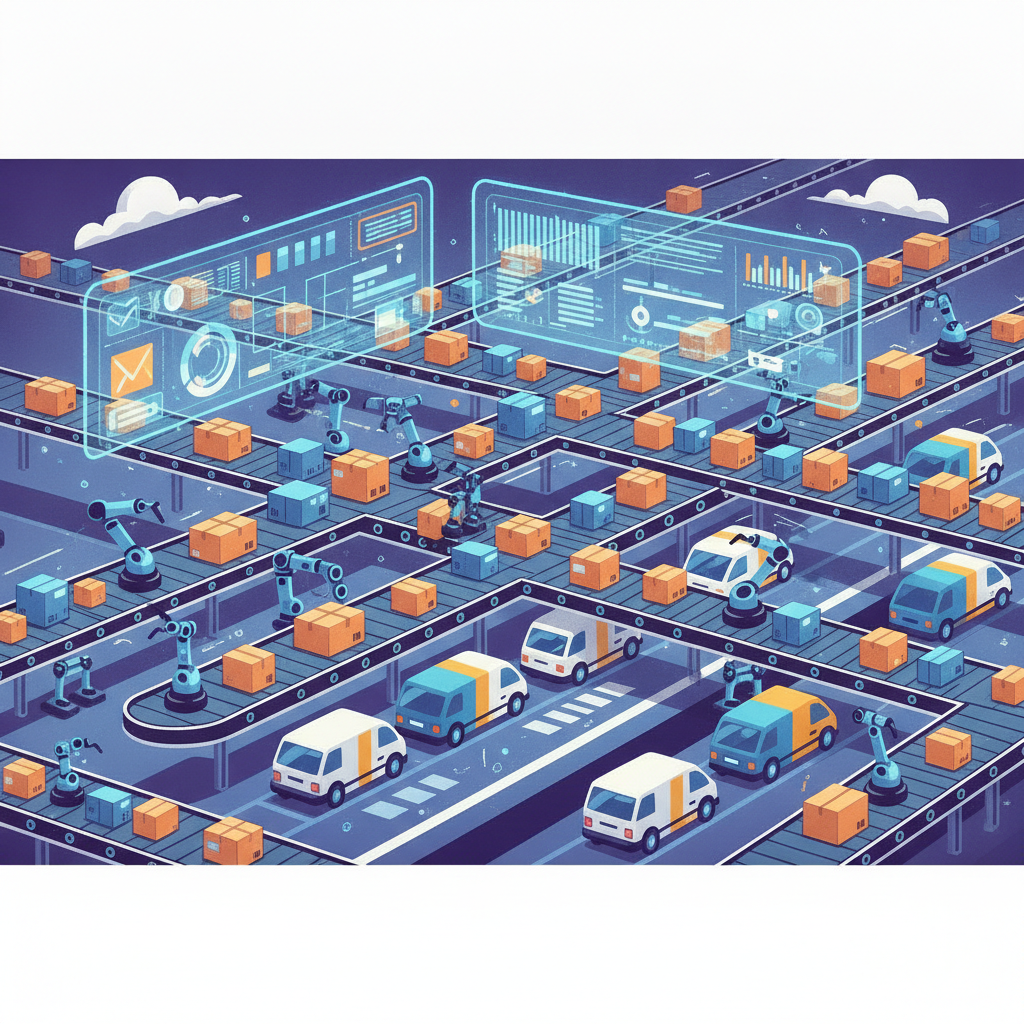




In the rapidly evolving world of e-commerce, merely selling products is no longer sufficient for achieving success and distinction. Instead, building an exceptional customer experience has become the cornerstone that determines customer loyalty and drives growth. Among all stages of the customer journey, shipment tracking stands out as one of the most critical factors directly impacting customer satisfaction and trust in your store. Today's customer is not content with just purchasing a product; they expect to be fully aware of their shipment's location at every moment, from order confirmation to its arrival at their doorstep. This transparency is not a luxury; it has become an urgent necessity amidst fierce competition and increasing shopper expectations.
Providing an effective shipment tracking system goes beyond being just a logistical service; it is a powerful tool for building trust and enhancing brand identity. When customers can easily and conveniently monitor their shipments, they feel reassured and in control, which reduces their anxiety and improves their overall experience. The absence of clear information about a shipment can lead to frustration and uncertainty, potentially driving customers to seek alternatives that offer this transparency. Therefore, investing in improving the shipment tracking process is not merely a cost, but a direct investment in your store's reputation and customer satisfaction, positively reflecting on conversion rates and repeat sales.
The Importance of Shipment Tracking in Modern E-commerce
The importance of shipment tracking has significantly increased in recent years with the rapid growth of e-commerce, becoming a vital and indispensable element for any online store aspiring to success and sustainability. Modern customers expect a high level of transparency and control over their online purchases, and shipment tracking effectively meets this fundamental expectation. When customers know exactly where their shipment is and when to expect its arrival, their anxiety level significantly decreases, leading to a more positive and smooth shopping experience, and contributing to building a strong relationship based on trust between the customer and the store.
In addition to enhancing customer satisfaction, shipment tracking plays a pivotal role in building brand reputation and fostering loyalty. A store that provides a comprehensive and reliable tracking system is perceived as more professional and trustworthy, distinguishing it from competitors who may not offer the same level of transparency. This earned trust not only leads to repeat purchases but also encourages customers to recommend the store to their friends and acquaintances, generating invaluable positive word-of-mouth marketing. In a saturated e-commerce market, shipment tracking can be the differentiating factor that makes a customer choose your store over another.
Furthermore, an effective shipment tracking system significantly reduces the workload on the customer service team. Many inquiries received by customer service revolve around the shipment's location or expected delivery time. When customers have an easy and direct tool to monitor these details themselves, the number of calls and messages related to such inquiries decreases dramatically, allowing the support team to focus on resolving more complex issues and providing more valuable assistance. This improvement in efficiency not only saves time and resources but also leads to a better support experience for customers when they truly need it, enhancing overall satisfaction with the store.
Key Features of an Effective Shipment Tracking System
An effective shipment tracking system requires a set of essential features that ensure transparency and convenience for customers, and also provide powerful tools for store owners to manage shipping operations efficiently. These features go beyond merely sending a tracking number; they encompass a comprehensive experience that begins from the moment an order is confirmed and continues until the final delivery. Understanding and correctly implementing these features can elevate the level of customer service and reduce operational pressures on the store.
Instant and Accurate Updates
Instant and accurate updates are the cornerstone of any successful shipment tracking system. Notifications should be sent to customers via multiple channels such as SMS and email, informing them of every stage their shipment passes through. These updates should include information like "Order Shipped," "Shipment Out for Delivery," "Shipment Delivered," and even "Delivery Attempt Failed" if it occurs. This transparency in communication builds customer trust and makes them feel at ease, as they are fully aware of their order's status without needing to repeatedly contact customer service for inquiries, thereby reducing anxiety and stress and improving the overall experience.
To achieve this accuracy and immediacy, there must be seamless integration between the store's system and various shipping carriers. Platforms like Salla, Zid, and Shopify typically offer ready-made integrations with major local and international shipping companies, allowing tracking data to be automatically pulled and the order status to be updated in the store's dashboard. This automated process ensures that the information displayed to the customer is constantly updated and does not require manual intervention from the store owner, which reduces human errors and increases the efficiency of the entire operation. Some systems also allow for customization of notification messages to match the brand's identity, enhancing the customer's personalized experience and adding a professional touch to communication.
The ability to customize messages and alerts is an extremely valuable added feature, as stores can add their personal touch to tracking messages, such as including the customer's name, links to suggested products, or even a thank-you note. This personalization makes the customer feel valued, not just an order number, and adds a professional character to the communication experience. Furthermore, providing these updates in multiple languages, if the store targets an international or multilingual audience, increases the reach of the service and ensures that all customers can clearly understand their shipment's status. These small but important details contribute to building an exceptional and memorable customer experience.
Easy Customer Access
Easy customer access to tracking information is paramount for the success of a shipment tracking system. Customers should be able to find their shipment and know its status with simple, uncomplicated steps, without lengthy searches or cumbersome login processes. The most common and effective way to achieve this is by providing a dedicated tracking page on the store's website, where customers can enter their tracking number and instantly retrieve all information related to their shipment. This page should be clearly designed, fast-loading, and responsive across various devices, whether the customer is using a desktop computer or a smartphone.
In addition to a dedicated tracking page, stores can include a direct link to the tracking page in shipping confirmation emails and subsequent notifications. This makes it easy for customers to access information with a single click, without having to copy and paste numbers or search for the page. Providing the tracking number in the customer's personal account on the store, if available, adds another layer of convenience. The instructional text should be clear and direct, explaining to the customer how to use the tracking number and where to enter it. The simpler and faster the process of accessing tracking information, the greater the customer's comfort and the less likely they are to feel frustrated or need to contact customer service.
Easy access is not limited to the technical aspect but also includes the visual aspect and the overall experience. The tracking page should be designed to align with the store's visual identity, enhancing the brand and making the experience integrated. This page can also be an additional opportunity to communicate with the customer, such as displaying related products or offering special promotions, without negatively affecting its primary function of displaying tracking information. Providing multiple language options on the tracking page, if the store targets customers from different linguistic backgrounds, also enhances accessibility and ensures that everyone can clearly understand the information provided. To learn more about suitable shipping companies for your store, we recommend checking out our specialized article.
Control and Management for Merchants
For store owners, a shipment tracking system is not just about providing a service to customers, but also a powerful management tool for optimizing logistics operations and identifying potential problems before they escalate. The system should provide a central dashboard that enables the store owner to monitor the status of all shipped orders in one place, giving them a comprehensive overview of shipping operations. This visibility allows for immediate identification of any delayed shipments or those facing delivery issues, such as shipments that have not been delivered after multiple attempts or those that have stopped at a certain point in the shipping route, enabling the store to take proactive measures to address these problems.
Effective control and management allow stores to proactively resolve issues, which distinguishes successful stores from others. Instead of waiting for a customer complaint about a delayed shipment, the store owner can identify the problem themselves and communicate with the shipping company or the customer to find a solution, reducing frustration and maintaining customer satisfaction. This ability for early intervention protects the store's reputation and reduces the likelihood of order cancellations or refund requests due to delayed delivery, which are crucial aspects of maintaining profitability. Furthermore, analyzing shipping data can reveal specific patterns, such as certain shipping companies experiencing recurring problems, helping the store make informed decisions about future logistics partners.
Additionally, some advanced tracking systems provide detailed reports and analytics on shipping performance, such as average delivery times, successful delivery rates, and exception rates. This valuable data helps store owners evaluate the efficiency of different shipping companies and identify areas that need improvement in delivery operations. Utilizing these analytics can lead to strategic decisions to enhance supply chain efficiency, reduce shipping costs, and ultimately improve the overall customer experience. This level of control and management makes shipment tracking not just a service, but an integral part of the store's overall growth strategy.
How Salla, Zid, and Shopify Enhance the Tracking Experience
Leading e-commerce platforms like Salla, Zid, and Shopify recognize the paramount importance of shipment tracking in building a successful customer experience, and have therefore invested heavily in providing integrated solutions that serve this need. These platforms offer store owners powerful tools to integrate tracking systems, whether through native integrations with shipping carriers or via third-party applications. This variety of options gives store owners the flexibility to choose the optimal solution that suits their business size, product type, and available budget, while ensuring a seamless and professional tracking experience for their customers.
Native and Third-Party Integrations
E-commerce platforms such as Salla, Zid, and Shopify are distinguished by providing robust and direct integrations with a large number of local and international shipping companies. These integrations allow for automatic data exchange between the store and the shipping company, meaning that once an order is prepared and shipped, a tracking number is automatically generated and linked to the order in the store's control panel. This automated process reduces human errors and saves store owners a great deal of time and effort. For example, on the Salla platform, stores can activate shipping companies like Aramex, SMSA, and Naqel, and directly utilize their tracking system within the platform. The situation is similar in Zid and Shopify, where both platforms offer a wide list of shipping partners that can be easily connected with a few clicks.
In addition to native integrations, these platforms offer rich app stores packed with third-party solutions specialized in shipment tracking. For instance, on Shopify, apps like AfterShip and ParcelPanel provide advanced dashboards to track all shipments from various carriers in one place, and allow for customizing tracking pages and sending personalized notifications to customers. These applications often provide additional features such as shipping performance analysis, detailed report generation, and even recommendations for optimizing shipping operations. In Salla and Zid, these features are constantly evolving, with more applications and integrations being added to provide comprehensive solutions for store owners, ensuring they always have the best option to meet their needs. These integrations can significantly improve order management in your store.
Ease of setup and use is a key advantage of these integrations, as activating them typically does not require complex programming knowledge. Most platforms provide intuitive user interfaces that allow store owners to link shipping companies or install applications in a matter of minutes. This means that even new store owners or those without extensive technical expertise can benefit from these advanced solutions effortlessly. This flexibility and ease of integration make Salla, Zid, and Shopify excellent choices for stores looking to provide a professional and efficient shipment tracking experience for their customers, thereby enhancing customer satisfaction and supporting the sustainable growth of the store.
Customized Tracking Pages
Leading e-commerce platforms, including Salla, Zid, and Shopify, allow store owners to create customized tracking pages that reflect their brand identity. These pages are not just rigid templates displaying tracking information; they are valuable marketing opportunities to enhance the brand and the overall customer experience. Instead of directing customers to external shipping company websites with different branding, the store can provide a tracking page within its own domain, designed with its colors, logo, and fonts, maintaining a cohesive and consistent customer experience from start to finish. This enhances professionalism and increases customer trust in the store.
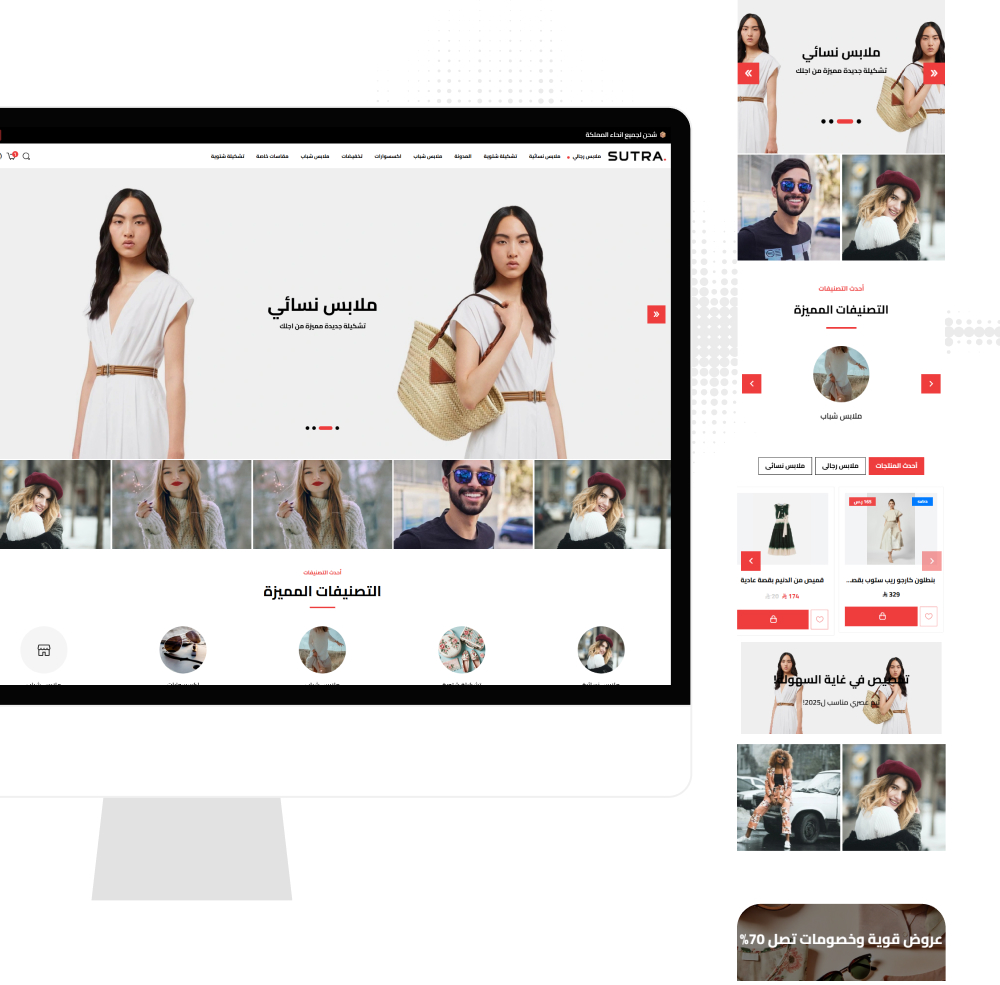
In addition to brand enhancement, customized tracking pages can be utilized as an effective marketing tool to boost sales. While customers wait for their shipment to arrive, they are in a state of anticipation and attention, making them more receptive to marketing messages. Stores can display related products to the current order, offer special promotions on complementary products, or even promote new products on the tracking page. This smart strategy allows the store to capitalize on the customer's current interest and convert it into an additional sales opportunity, without the marketing messages appearing intrusive or annoying, but rather as a natural part of the purchase experience. This feature is a valuable addition for any store seeking to maximize the value of every customer interaction.
Furthermore, customized tracking pages provide an opportunity to gather customer feedback and improve service. Stores can include a short survey or a comment box on the tracking page after shipment delivery, to evaluate the shipping experience or the product itself. This direct feedback is invaluable in identifying strengths and weaknesses in the shipping process or product quality, enabling the store to take corrective actions and continuously improve its services. This page can also be used to provide additional useful information for customers, such as return policies, customer service contact methods, or even a product user guide. This comprehensiveness on the tracking page transforms it from a mere informational tool into an interactive hub that enhances the overall customer experience.
Practical Tips for Enhancing the Shipment Tracking Experience
To maximize the benefits of a shipment tracking system, it's not enough to simply activate it; the experience must be continuously improved through the implementation of thoughtful practical tips. These tips focus on increasing transparency, activating effective communication, providing user-friendly tools, and leveraging data to optimize performance. Implementing these strategies will help your store build stronger customer relationships, reduce complaints, and increase operational efficiency.
Transparency at Every Stage
Absolute transparency at every stage of shipping is a fundamental pillar for enhancing the shipment tracking experience and building customer trust. Customers must be provided with clear and explicit information from the moment their order is confirmed until they finally receive the product. This includes sending an immediate order confirmation, then a notification when the shipment is prepared, and another when it is handed over to the shipping company, accompanied by the tracking number and a link to the dedicated tracking page. There should be no unpleasant surprises; if there is any potential delay or unexpected issue, the customer must be informed immediately with a clear explanation and an attempt to provide solutions or a new estimated timeline, rather than leaving the customer in a state of questioning and waiting. This proactive communication reduces anxiety and fosters a sense of respect and appreciation.
In addition to status updates, it is crucial to set realistic expectations for customers regarding delivery times. Avoid overestimating shipping speed, and be honest about expected times, especially if the store deals with remote areas or peak seasons like holidays. A delivery time range (e.g., 3-7 business days) can be displayed instead of a specific date that might not be met. Also, clarifying any additional shipping fees or different shipping options in advance prevents customers from any unpleasant surprises at checkout. These practices not only enhance transparency but also build the store's credibility and make customers feel comfortable and confident in the entire purchasing process.
In the event of any unexpected issue or delay in the shipment, the store should be the one to proactively communicate with the customer. Instead of waiting for the customer to call the store to inquire about their delayed shipment, the store should activate a system to identify these cases proactively and contact the customer to offer an apology, explain the situation, and provide possible solutions such as re-shipping or refunding the amount if necessary. This proactive approach transforms a potentially negative experience into an opportunity to enhance customer loyalty and demonstrate the store's commitment to providing the best possible service, even in difficult circumstances. To learn how you can reduce shipping costs, you can check our comprehensive guide.
Activating Automatic Notifications
Automatic notifications are the core of the modern shipment tracking experience, as they keep the customer constantly informed of their shipment's status without any extra effort from their side or the store's. A system should be activated to send automatic updates via email and/or SMS at every major shipping stage. These stages include: order confirmation, order shipped, shipment arrived at sorting center, shipment out for delivery, failed delivery attempt (if any), and finally, successful delivery confirmation. This continuous flow of information significantly reduces customer anxiety and increases their sense of trust and comfort.
To get the most out of these notifications, messages should be personal and customized. Instead of generic messages, the customer's name, order number, and product name can be included in each notification. A touch of brand identity can also be added to the message wording, while maintaining clarity and conciseness. For example, instead of just "Your order has been shipped," the message could be "Hi [Customer Name], your order #[Order Number] including [Product Name] is on its way! You can track your shipment here: [Tracking Link]." These personal touches make the customer feel appreciated and add a professional character to the communication experience, enhancing customer loyalty to the store. Platforms like Salla, Zid, and Shopify allow you to easily customize these messages.
The primary goal of automatic notifications is to reduce the need for customers to contact customer service to inquire about their shipments. The more information is available and updated automatically, the fewer "Where is my order?" calls and messages customer service receives. This not only saves time and resources for the store but also allows the support team to focus on resolving more complex issues and providing value-added customer service. Therefore, investing in a robust automatic notification system is a direct investment in operational efficiency and customer satisfaction alike, contributing to building a smooth and distinguished shopping experience.
Providing a Comprehensive and User-Friendly Tracking Page
Providing a comprehensive and user-friendly tracking page on the store's website is essential to ensure an excellent tracking experience. This page should be the primary destination for customers to monitor their shipments, and therefore must be designed with utmost care. Firstly, the page must be responsive, meaning it functions efficiently and looks great on all devices, whether the customer is using a smartphone, tablet, or desktop computer. This ensures that all customers can easily access information regardless of the device they use, enhancing the inclusivity and convenience of the service.
Secondly, the tracking page should include all necessary information in a clear and concise manner. This includes not only the current shipment status and approximate location, but also the estimated delivery date, basic order details, and shipping company information. An interactive map showing the shipment's route can also be added to enhance interaction and transparency. Additionally, it is advisable to include a Frequently Asked Questions (FAQ) section related to shipping and delivery directly on this page, to address common inquiries without the customer having to search elsewhere. This saves the customer time and reduces the need to contact customer service.
Thirdly, the page should provide clear options for contacting customer service in case of any additional inquiries or issues. A phone number, email address, or a link to a live chat can be included directly on the tracking page. This reassures the customer that they can get help if needed and enhances their trust in the store. The page design should be simple and clean, focusing on ease of use and access to information. The process of entering the tracking number and getting results should be quick and free of any complications, making the tracking experience smooth and satisfying for the customer.
Data Analysis and Performance Improvement
The role of a shipment tracking system is not limited to informing customers about the status of their orders; it extends to providing valuable data that store owners can use to analyze logistical performance and make informed decisions to improve operations. Stores should leverage the reports and analytics provided by platforms like Salla, Zid, and Shopify, or third-party applications, to monitor key performance indicators (KPIs) related to shipping. These indicators include average delivery time, percentage of on-time deliveries, shipment delay rate, and the percentage of shipping issues or exceptions. Regularly analyzing this data can reveal important patterns and help identify weak points in the supply chain.
By monitoring these indicators, stores can identify shipping companies that offer the best performance in terms of speed and reliability, and those that may need review. For example, if a particular shipping company consistently shows high delay rates or recurring delivery problems, it might be time to re-evaluate the partnership or seek better alternatives. Analyzing shipping data can also help identify geographical areas that may face delivery challenges, allowing the store to adjust delivery expectations for these areas or seek more effective local shipping solutions. These informed insights enable the store to improve its choice of shipping carriers, adjust pricing strategies, and enhance the overall efficiency of logistical operations.
Furthermore, tracking data can be used to identify bottlenecks in the store's internal shipping process, such as the time taken to prepare orders, or delays in handing over shipments to the shipping company. By identifying these points, the store can make internal improvements to streamline operations and reduce processing times. For example, analysis might reveal that most delays occur in the packing stage, prompting the store to invest in improving packing stations or increasing staff in that department. This data-driven approach not only enhances the customer experience through faster and more reliable delivery but also contributes to cost savings and increased profitability in the long run, making shipping data analysis an integral part of any e-commerce store's overall growth strategy.
Conclusion
In conclusion, it is clear that shipment tracking is no longer just an additional service; it has become a vital and indispensable component in building a successful and sustainable customer experience in the world of e-commerce. The increasing expectations of consumers, coupled with intense competition, compel online stores, whether operating on platforms like Salla, Zid, or Shopify, to pay great attention to transparency and effective communication during the shipping process. A store that successfully provides a seamless and reliable tracking system not only satisfies its customers but also builds bridges of trust and loyalty that last for a long time, positively impacting brand reputation and repeat sales rates.
We have seen how essential features such as instant and accurate updates, easy customer access, and effective merchant control form the pillars upon which a successful tracking system rests. We also touched upon the pivotal role played by e-commerce platforms in empowering store owners by providing native integrations and third-party solutions, in addition to the ability to create customized tracking pages that enhance brand identity. Implementing practical tips, starting from transparency at every stage, activating automatic notifications, providing a comprehensive tracking page, and finally, analyzing data to improve performance, are all crucial steps to elevate the shipment tracking experience to new heights.
Therefore, the call is extended to every e-commerce store owner to re-evaluate their current shipment tracking strategy. Invest in appropriate technologies, customize your tracking page, activate notifications, and be proactive in communicating with your customers. Ultimately, every shipment is not just a product moving from point A to point B; it is an opportunity to strengthen the relationship with the customer and build a strong, trustworthy brand. Embrace these practices, and you will find that your store not only gains customer satisfaction but also steadily moves towards a prosperous future in the world of e-commerce.