



Introduction: Shipping Labels – A Challenge and Opportunity in E-commerce
In the rapidly evolving world of e-commerce, efficiency and speed are paramount factors that distinguish a successful online store from its competitors. With the increasing volume of orders and the growing complexity of logistics operations, store owners face a significant challenge in managing shipping, from order receipt to delivery at the customer's doorstep. This is where shipping labels emerge as a crucial, indispensable document in every shipping process. They are not just identification papers; they are the shipment's passport, ensuring its smooth flow, tracking, and safe arrival. Therefore, managing them effectively is a critical element in building an exceptional and reliable customer experience.
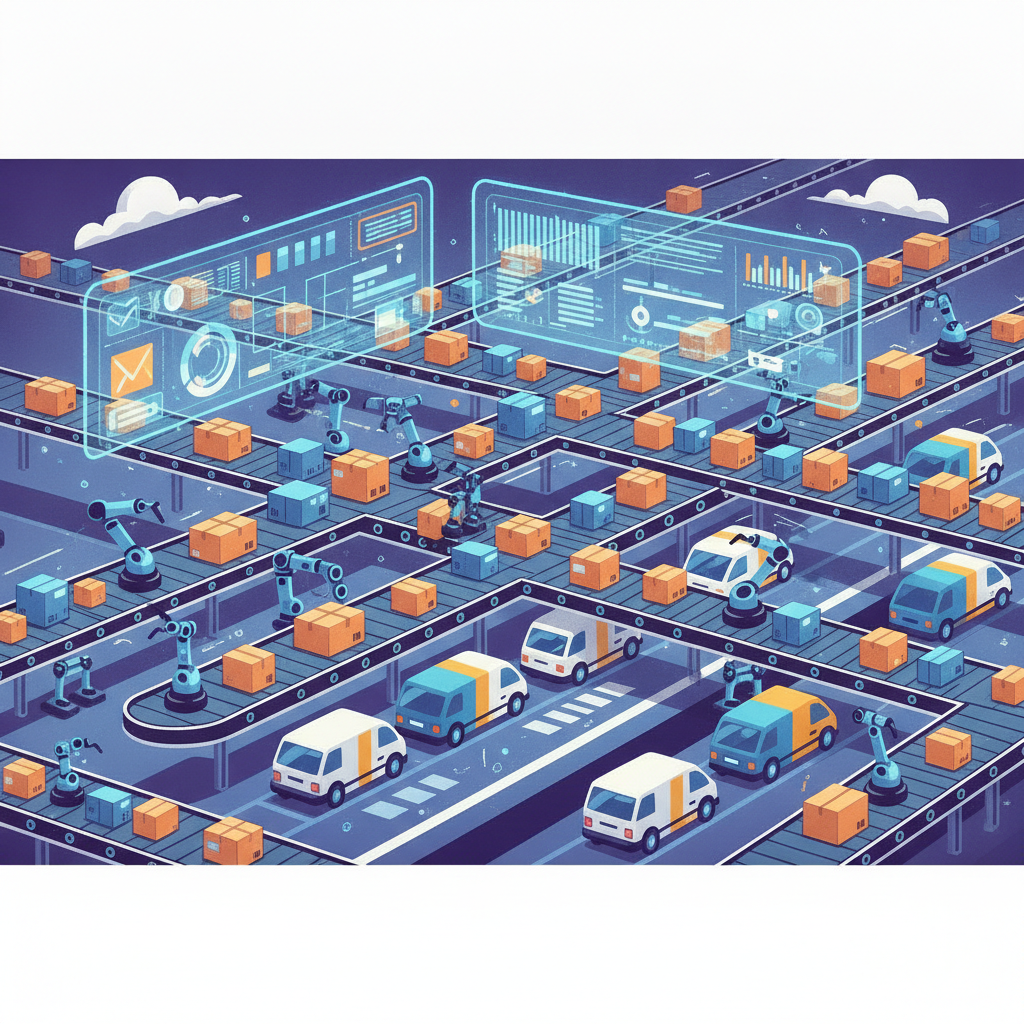
The manual process of issuing shipping labels has long been a tedious, time-consuming task prone to human error, negatively impacting the store's efficiency and scalability. Imagine a store receiving hundreds of orders daily, spending countless hours manually entering customer data for each shipping label – it's a recipe for burnout and decreased productivity. Fortunately, with technological advancements, automating this process is no longer a luxury but a strategic necessity, especially for merchants operating on platforms like Salla, Zid, and Shopify, which offer advanced tools and integrations to streamline and enhance the effectiveness of these operations.

What is a Shipping Label and Why is it Essential for Your Store?
A shipping label, also known as a 'bill of lading' or 'consignment note,' is a legal document issued by the carrier or shipping company to the seller (shipper) upon receiving goods for transport. This document serves as a contract between the shipper and the carrier, detailing all essential information related to the shipment, from its origin to its final destination. The label includes precise details about the shipment's contents, weight, dimensions, and declared value, as well as the terms and conditions of transport. This makes it a crucial tool for risk management and facilitating customs clearance if applicable, thereby documenting the carrier's commitment to delivering the shipment safely and according to agreed specifications, and safeguarding the rights of all parties involved in the shipping and delivery process.
Shipping labels are essential for several fundamental reasons for any e-commerce store aiming for growth and sustainability. Firstly, they provide official proof that the shipping company has received the products, protecting the seller in case of any dispute regarding lost or damaged shipments. Secondly, the label contains a unique tracking number that allows both the seller and the customer to monitor the shipment's journey in real-time, enhancing process transparency and reducing repetitive customer inquiries. Thirdly, reliable shipping labels facilitate sorting and distribution processes in shipping company warehouses, ensuring packages reach their correct destination as quickly as possible. Without an accurate and organized shipping label, the shipping process becomes chaotic and prone to errors and delays, negatively impacting the store's reputation and customer satisfaction.
Beyond logistical and legal aspects, shipping labels play a vital role in building customer trust. When a customer receives a shipping confirmation with a clear tracking number, they feel reassured and perceive the store as professional. This sense of trust translates into greater brand loyalty and an increased likelihood of repeat purchases. On platforms like Salla, Zid, and Shopify, this tracking information can be integrated directly into customer accounts or sent via automated email notifications, significantly enhancing the post-purchase experience. Therefore, understanding the importance of shipping labels and managing them efficiently is not just a routine procedure but a direct investment in your e-commerce store's long-term success.
Benefits of Automating Label Issuance for Your Online Store
Automating shipping label issuance represents a paradigm shift for any e-commerce store, offering a wide array of benefits that contribute to improved operational efficiency and profitability. Firstly, automation significantly reduces human errors that can occur during manual data entry, such as address mistakes or incorrect tracking numbers. These errors, though seemingly minor, can lead to delivery delays, lost shipments, or even dispatch to wrong destinations, costing the store substantial money, time, and effort to rectify, in addition to damaging the store's reputation and customer trust. Automation ensures the accuracy of data transferred directly from the customer's order to the shipping label, enhancing the reliability of the entire process.
Secondly, automation saves valuable time and effort previously wasted on repetitive, routine tasks. Instead of spending hours manually printing and filling out labels, the system can perform this task in a few seconds once an order is confirmed. This time-saving allows store owners and their teams to focus on more important and strategic tasks, such as product development, marketing campaigns, or enhancing customer experience, thereby driving the store's growth. It also enables the store to handle a larger volume of orders without needing a significant increase in workforce, reducing long-term operational costs and enhancing the store's ability to scale effectively and rapidly.
Thirdly, automating shipping labels directly and indirectly contributes to an improved customer experience. When labels are issued quickly and accurately, the entire shipping process accelerates, meaning products reach customers in a shorter time. This fast and accurate delivery is a crucial factor in building customer satisfaction and encouraging repeat purchases. The immediate availability of a tracking number allows customers to easily monitor their shipment, reducing their anxiety and enhancing process transparency. Additionally, automation enables stores to offer multiple shipping options, such as expedited or economy shipping, based on customer preferences, adding extra value to customer service and enhancing the store's ability to meet the needs of different market segments. For more details on shipping automation, you can read our article on Shipping and Delivery: Automating Your Store Operations in Salla and Zid.
Common Challenges Before Automation and How to Overcome Them
Before embracing automation, many e-commerce store owners face significant challenges in managing shipping labels. One of the most prominent challenges is the time consumed by manual processing. Each new order requires manually entering customer and product data into the shipping company's system, then printing the label, and finally attaching it to the package. This repetitive and arduous process depletes the store's resources and limits its ability to efficiently process a large number of orders, leading to shipping delays and a negative customer experience. This becomes even more challenging as the store grows and daily order volumes increase, making it nearly impossible to keep pace with growth using manual operations alone.
The second challenge lies in the high rate of human error. When data is entered manually, the likelihood of errors such as incorrect addresses, wrong phone numbers, or inaccurate shipment weights increases. These errors may seem minor, but their consequences are severe, leading to delivery failures, additional shipping costs due to redirection, or even complete loss of shipments. Correcting these errors consumes significant time and money, damages the store's reputation, and increases the workload on the customer service team. Therefore, eliminating these errors through automation is a crucial step to ensure smooth operations and maintain customer satisfaction and loyalty.
The third challenge is the difficulty of scaling and growth. When operations heavily rely on human intervention, expanding operations becomes difficult and costly. Every increase in order volume necessitates a corresponding increase in staff dedicated to issuing labels, which raises operational costs and reduces profit margins. Automation provides a sustainable solution to this problem, as an automated system can handle any volume of orders without a significant increase in human resources. This grants the store greater flexibility in scaling and growth, enabling it to capitalize on new market opportunities more effectively, making it more competitive in the ever-changing e-commerce landscape.
Automating Shipping Labels in Salla Platform
Salla is one of the leading e-commerce platforms in the region, and it has paid significant attention to facilitating shipping operations for store owners. Salla offers robust and direct integrations with a large number of prominent local and international shipping companies, enabling stores to automate the issuance of shipping labels with high efficiency. By activating these integrations, stores can link their account with the chosen shipping company directly to the Salla platform. This linkage allows Salla to automatically pull order data upon confirmation and send it to the shipping company to create the shipping label, then retrieve the printed label or its PDF file directly to the store's control panel. This significantly reduces manual intervention and speeds up the order preparation process for shipping.
The setup process in Salla is simple and straightforward. Store owners can navigate to the 'Shipping Partners' or 'Shipping Settings' section in their control panel and select their preferred shipping company. Then, they enter the credentials for their store's account with the shipping company (such as an API key or username and password). Once successfully linked, the label issuance process becomes automated. For instance, upon receiving a new order and changing its status to 'Paid' or 'Ready for Shipping,' Salla automatically generates the appropriate shipping label with the linked shipping company, attaches the tracking number to the order, and may send a notification to the customer. This seamless integration saves immense time and reduces errors, contributing to overall logistical operational efficiency.
In addition to basic label issuance automation, Salla also offers advanced options for customizing shipping rules, such as setting different shipping rates based on weight, geographic region, or order value. This flexibility allows stores to provide diverse shipping options to their customers, such as free shipping for large orders or expedited shipping at an additional cost, thereby enhancing the shopping experience. Salla also enables store owners to easily manage return labels, a vital feature for providing excellent customer service and ensuring a smooth return process. Overall, Salla's shipping automation tools are powerful and effective, helping stores elevate their logistical services.
Automating Shipping Labels in Zid Platform
Zid, a strong competitor in the regional e-commerce market, offers comprehensive solutions for automating shipping labels that parallel and complement Salla's offerings in some aspects. Zid focuses on providing a seamless user experience for store owners, which is clearly reflected in its approach to shipping operations. Similar to Salla, Zid enables stores to directly integrate with a large number of shipping companies, facilitating the automatic issuance of labels. Once linked with the preferred shipping company, Zid can retrieve new order details and pass them to the shipping companies' systems to generate labels, then return these labels and tracking numbers to the store's control panel to update order statuses and notify customers. This integration reduces repetitive tasks and accelerates the entire shipping cycle.
To configure automation in Zid, the store owner must go to the 'Settings' section, then 'Shipping Companies' or 'Shipping Services' in the control panel. There, they will find a list of available companies for integration. After selecting a company, they will be prompted to enter the store's credentials for that shipping company, such as an API key or login information. Once the linking and activation process is complete, Zid can automatically generate a shipping label for each new order whose status is changed to 'In Progress' or 'Ready for Shipping'. This process not only saves time but also reduces the likelihood of human errors that can occur during manual data entry, significantly improving shipping accuracy and efficiency, and enhancing the level of professionalism.
What also distinguishes Zid is its focus on providing a comprehensive control panel that enables store owners to monitor all orders and shipping labels from one place. Stores in Zid can easily print bulk shipping labels for multiple orders at once, speeding up the packing and packaging process. Zid, like Salla, also offers tools to manage and define shipping rates based on various criteria, giving stores flexibility in offering diverse shipping options to suit different customers and regions. These integrated features make Zid an excellent choice for stores looking for automated and efficient shipping solutions that ensure an excellent customer experience and simplify complex logistical operations.
The Role of Shipping Companies in the Overall Automation Process
Shipping companies are essential partners in the success of shipping label automation; without them, this process cannot be completed. Automation heavily relies on the technical integration between the e-commerce platform (such as Salla or Zid) and the shipping company's systems. Most major shipping companies, whether local or international, provide Application Programming Interfaces (APIs) that allow third-party systems (like store platforms) to connect directly to their databases. These APIs enable platforms to send order data (shipper, recipient, product details) and receive shipping labels and tracking numbers automatically and instantly. Without these technologies, the label issuance process would still require manual intervention, hindering the efficiency and speed required by modern e-commerce.
To maximize the benefits of automation, store owners must choose shipping companies that have robust and reliable integrations with their platform. Often, platforms like Salla and Zid provide lists of preferred or pre-integrated shipping companies, simplifying the selection and linking process. It is also important to negotiate good terms with shipping companies, especially regarding pricing and services offered, as these factors can directly impact the store's profitability and competitiveness. The right logistics partner not only offers good prices but also provides strong technical support and can efficiently handle increasing order volumes, ensuring continuous operations. The appropriate logistical partner not only offers competitive pricing but also provides robust technical support and is capable of handling increasing order volumes efficiently, ensuring uninterrupted operations.
In addition to technical integration, shipping companies play a vital role in providing advanced tracking solutions for customers. Once a shipping label and tracking number are issued, these companies become responsible for updating the shipment status at every stage of transit. This information enables the store to proactively inform its customers about the status of their orders, enhancing the customer experience and reducing inquiries. Stores can also leverage shipping company services for returns management, as these companies facilitate the issuance of return labels and arrange product pickups from customers. To select the most suitable partner, you can benefit from our guide on Shipping Companies: Choosing the Best for Your Store in Salla and Zid, which will provide a comprehensive comparison.
Choosing the Right Shipping Partner for Your Store's Needs
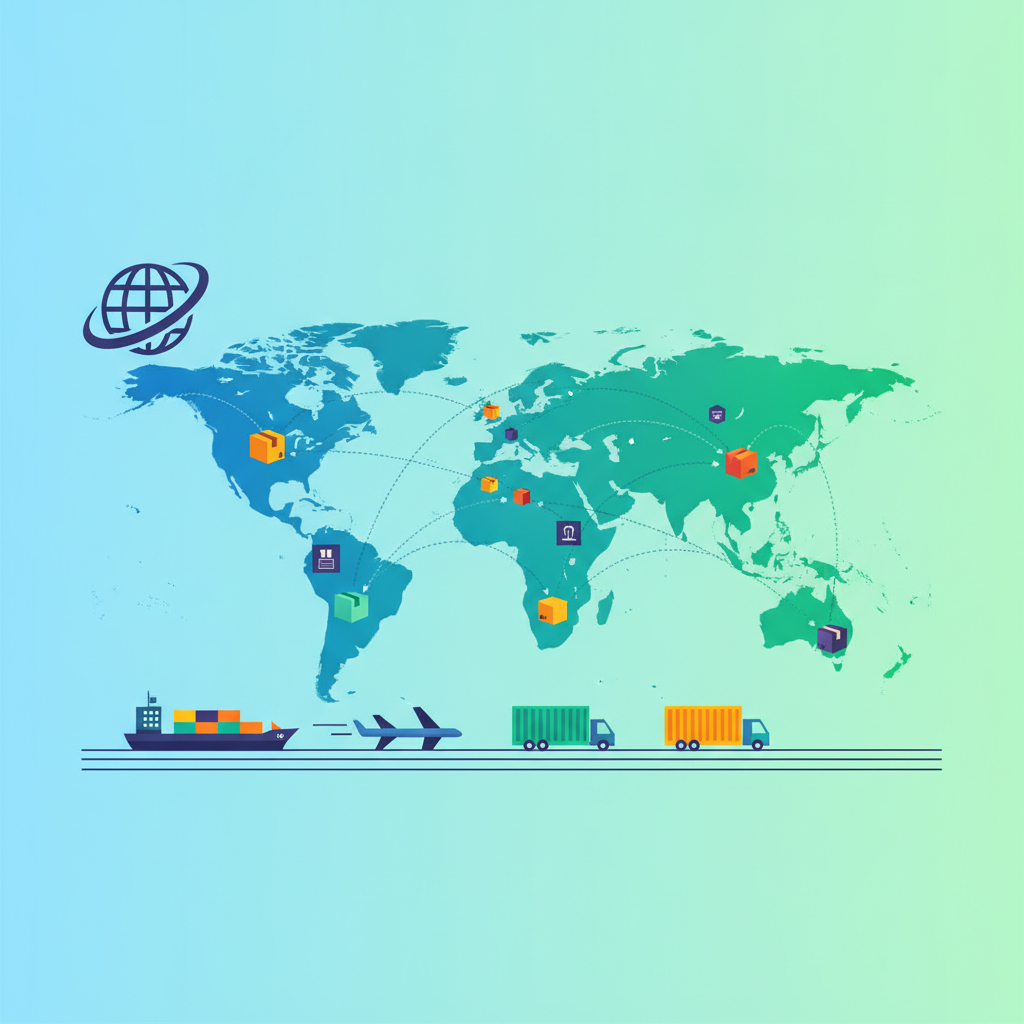
Choosing the right shipping partner is a critical step for the success of shipping label automation, as it determines the efficiency and smoothness of your logistics operations. When making this decision, store owners should consider several key factors. Firstly, assess the shipping company's geographical coverage. Does it cover the regions your store targets? Does it offer local and international shipping services if you plan to expand? Secondly, compare pricing structures and services offered. Some companies might offer lower prices with basic services, while others might offer higher prices with premium services like expedited delivery or additional insurance. There must be a balance between cost and quality that aligns with the type of products you sell and your customers' requirements. Always remember that shipping is an essential part of the customer experience, and investing in it correctly benefits the store.

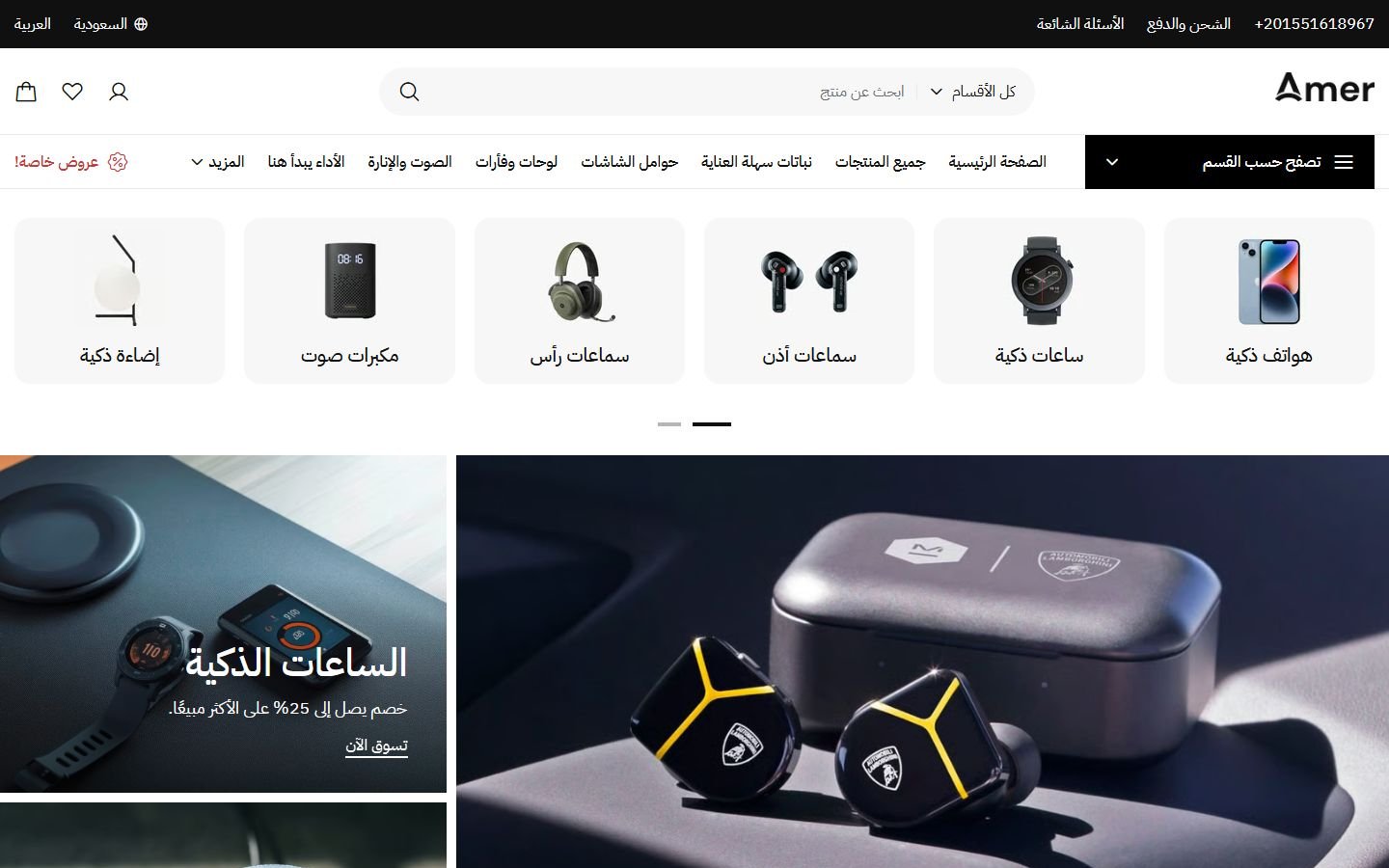
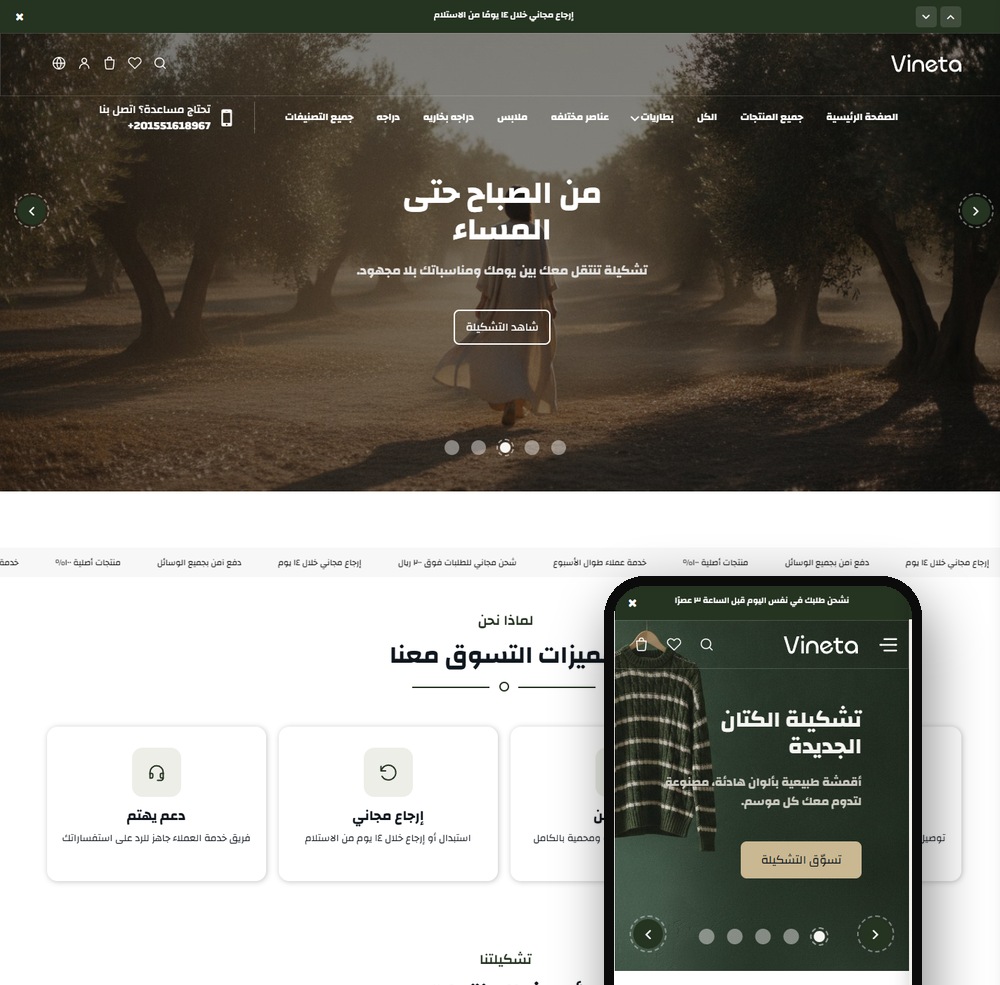
Thirdly, the strength of the company's technical integration with e-commerce platforms like Salla, Zid, and Shopify is equally important. You must ensure that the shipping company provides a robust and well-documented Application Programming Interface (API), and that integration with your platform is easy and direct. This ensures that the process of automating label issuance and shipment tracking will be smooth and free of technical issues. Some shipping companies may offer ready-made templates for linking or specialized technical support to assist stores with the integration process, which is an added advantage worth considering. You should read reviews and testimonials for different shipping companies, and perhaps test their services on a limited basis before committing to a long-term contract, to ensure they meet your expectations and aspirations.
Finally, consider the quality of customer service provided by the shipping company. In case of any shipping issues or delays, you will need a partner who can respond quickly and effectively to resolve the problem. Good technical support and clear communication capabilities are crucial factors in maintaining customer satisfaction and avoiding any negative impact on your store's reputation. It is preferable to choose shipping companies that offer advanced tracking options for customers, provide automatic shipment status notifications, and facilitate easy returns management. All these factors combined contribute to building a strong and productive relationship with your shipping partner, enhancing the efficiency of your logistical operations and enabling you to focus on growing your core business.
Configuring Settings in Your Online Store (Salla/Zid)
After choosing the appropriate shipping partner, the next step is to configure the settings in your online store's control panel on Salla or Zid platforms. This step is crucial to ensure that automation works smoothly and efficiently. Initially, you should navigate to the shipping settings or shipping partners section in your store's control panel. There, you will find options to add new shipping companies or activate existing integrations. You will need to enter the API keys or other credentials you obtained from the shipping company, which allow your store's platform to connect with the shipping company's systems and exchange data securely and reliably. It is essential to ensure that all entered data is correct to avoid any issues with linking or label issuance.
After the initial linking, you will need to configure shipping rules and rates. Salla and Zid enable you to define shipping zones and set different shipping rates based on weight, volume, order value, or even specify free shipping for certain conditions. For example, you can set up a rule that activates free shipping for orders exceeding 300 SAR, or define a fixed shipping rate for all orders within a specific city. This configuration flexibility allows you to offer diverse shipping options to your customers and customize the purchasing experience to suit different market segments. You should also specify Cash on Delivery (COD) options if you offer them, and configure their fees if any, which requires linking your platform account with available payment services, such as Tabby and Tamara.
The final step in configuration is to test the entire process. After saving the settings, it is advisable to place a test order on your store (which you can cancel later) to ensure that the shipping label is automatically and correctly issued, that the tracking number is attached to the order, and that customer notifications work as expected. This test helps identify any potential issues before they affect real customers. You should also review inventory settings and confirm that shipped products are automatically deducted from available stock, to ensure accurate inventory data and avoid selling unavailable products. These precise configuration steps contribute to building an automated and efficient shipping system that enhances your e-commerce store's efficiency.
Staff Training and Continuous Monitoring
Even with an advanced automation system, the human element remains crucial for operational success. Therefore, training your staff on how to use the new system is an essential step to ensure maximum benefit from automation. Your team, whether responsible for order processing or customer service, must be fully familiar with how the shipping label automation system works. They should be trained on how to review orders, confirm label issuance, and handle any exceptions or issues that may arise, such as incorrect shipping addresses or damaged products. They must also be able to access and provide tracking information to customers when needed, and how to handle returns and issue return labels, to provide a smooth and professional customer experience.
In addition to initial training, clear instructional documents and a reference guide should be provided for the team to consult when needed. These documents can include detailed steps for troubleshooting common issues, contact information for shipping company or e-commerce platform technical support, and any internal policies related to shipping. This ensures that the team has the necessary resources to handle any situation with confidence and efficiency, reducing reliance on one or two individuals with complete system knowledge. Furthermore, training the team to collect feedback on system performance and identify areas for improvement is vital for continuous automation enhancement.
Continuous monitoring of the shipping label automation system's performance is as important as setup and training. Store owners should review periodic reports provided by platforms like Salla and Zid regarding shipping performance, such as average delivery time, error rates, and shipping costs. This data helps identify any bottlenecks or potential problems in the process and enables the store to take corrective actions in a timely manner. For example, if an increase in delivery delays is observed in a specific area, it may require reviewing the shipping partner for that region or adjusting available shipping options. Meticulous monitoring ensures that the automation system operates at full capacity and achieves the desired goals in terms of efficiency and customer satisfaction.
The Impact of Automation on Customer Experience and Your Store's Reputation
The impact of shipping label automation extends beyond simply streamlining internal store operations; it radically enhances the customer experience and bolsters the store's reputation in the market. When shipping labels are issued quickly and accurately, it accelerates the order processing and shipping process, meaning products reach customers in a shorter time. This fast and reliable delivery is a crucial factor in building customer satisfaction, as online shoppers today expect speed and efficiency in shipping. A satisfied customer often becomes a loyal, repeat customer and recommends your store to friends and acquaintances, contributing to your business's organic growth. Automation ensures that the promise of speed and accuracy is delivered every time.
In addition to speed, automation enhances the accuracy of shipping information, reducing the likelihood of errors such as sending a shipment to the wrong address or product mismatches. This accuracy builds customer trust in your store and demonstrates your professionalism and attention to detail. Instead of the customer facing delays or problems resulting from manual errors, they receive a smooth and hassle-free experience. This leaves a highly positive impression and contributes to building a strong reputation for the store as a reliable brand that cares about its customers. In the competitive e-commerce environment, a good reputation is an invaluable asset, and automation is one of the key tools to achieve it.
Automation also enables stores to provide comprehensive tracking information to customers instantly. As soon as a shipping label is issued, a unique tracking number is generated that can be shared with the customer via email or SMS, or displayed directly in the customer's account on the store. This transparency in the shipping process reduces customer anxiety and allows them to monitor their shipment's journey themselves, reducing the number of inquiries to the customer service team and freeing them to handle more complex issues. Overall, automating shipping labels transforms the shipping process from a logistical challenge into an opportunity to foster customer loyalty and build a strong, sustainable store reputation in the market.
Integrating Shipment Tracking Effectively to Enhance Customer Experience
Effectively integrating shipment tracking is an integral part of a comprehensive automation strategy and has a direct impact on enhancing customer experience. After automating shipping label issuance, tracking numbers become immediately available. The next step is to ensure these numbers reach the customer easily and clearly, and to provide them with a seamless way to monitor their shipment. On platforms like Salla and Zid, automatic notifications can be configured via email or SMS, containing the tracking number and a direct link to the shipment tracking page on the shipping company's website or within the store itself. This allows the customer to stay updated on their order's status, from the moment it leaves the store's warehouse until it arrives at their doorstep, reducing the need to contact customer service for shipment location inquiries.
To enhance the tracking experience, stores can go beyond simply providing an external link. Some stores prefer to integrate a dedicated tracking page within their website, where customers can enter the tracking number and see all updates in an interface bearing the store's logo and visual identity. This not only reinforces brand identity but also keeps the customer within the store's environment, enabling them to browse other products or contact support if needed. Stores can also leverage third-party tracking services that provide centralized dashboards to monitor shipments from multiple shipping companies and send proactive notifications to customers in case of unexpected delays or changes in shipment status. You can learn more about improving this process by reading our article on Shipment Tracking: Enhancing Customer Experience in Salla and Zid.
Effective shipment tracking contributes to building trust and transparency between the store and the customer. When customers feel informed about every step of the shipping process, their sense of security and reassurance increases, enhancing their loyalty to the store. In the event of any shipping issue, such as an unexpected delay, the store can proactively communicate with the customer to inform them of the problem and offer solutions, rather than the customer discovering the problem themselves. This reduces frustration and enables the store to manage customer expectations effectively. This proactive approach to customer service is a hallmark of successful stores that invest in improving all aspects of the purchasing experience, from the moment of order to post-delivery.
A Look at Shopify in the Context of Automation
While this article primarily focuses on Salla and Zid as leading platforms in the Arab market, it's beneficial to briefly look at the global Shopify platform in the context of shipping label automation to provide a broader perspective. Shopify is one of the largest e-commerce platforms globally, offering a rich ecosystem of apps and integrations that enable stores to automate all aspects of shipping operations, including shipping label issuance. Shopify offers its own integrated shipping solutions known as 'Shopify Shipping' in some regions, which allows stores to get discounted shipping rates and print labels directly from the control panel, in addition to extensive integrations with countless global and local shipping companies through its app store.
Shopify provides stores with great flexibility in choosing automation solutions that fit their needs. In addition to direct integrations with shipping companies, stores can use third-party apps from the Shopify App Store, which offer advanced shipping management features, such as comparing shipping rates from multiple carriers, creating complex shipping rules, and printing labels in bulk. These applications enable stores to highly customize their logistics experience, improve operational efficiency, and offer diverse shipping options to their customers. Shopify also provides tools for tracking shipments and sending automatic notifications to customers, which enhances the post-purchase experience. This flexibility makes Shopify a strong option for stores looking for automated and scalable shipping solutions.
Although Salla and Zid focus more on the local market and offer solutions specifically designed for its needs, Shopify provides the advantages of global scalability and a variety of options available through its app store. For stores considering expansion beyond regional borders, Shopify might offer more comprehensive solutions for integrating with international shipping companies and managing cross-border logistics complexities. However, Salla and Zid offer a similar and very effective experience within their operational scope, and are often easier to set up and operate for local stores due to their focus on providing strong local integrations and Arabic language support. For a comprehensive comparison between these platforms, you can refer to our article Salla, Zid, and Shopify: Which is Best for Your Store? which helps you make the right decision.
Conclusion: The Future of Automated Shipping in E-commerce
In conclusion, it is clear that automating the issuance of shipping labels is no longer an optional luxury but an imperative necessity for any e-commerce store striving for success and growth in the competitive e-commerce environment. We have seen how this automation contributes to improving operational efficiency, reducing human errors, and saving valuable time and effort that can be invested in other aspects of business development. It also directly enhances the customer experience by providing fast and accurate shipping, transparent shipment tracking, which builds trust and loyalty, and contributes to building a strong reputation for the store. Platforms like Salla, Zid, and Shopify offer powerful tools and flexible integrations that enable stores to achieve this automation with high efficiency.
Investing in shipping label automation is an investment in the future of your store. It enables you to handle a larger volume of orders without significantly increasing operational costs, and gives you the necessary flexibility to expand into new markets. As e-commerce continues to grow and customer expectations rise, stores that adopt modern technologies and automate their logistics operations will be the most competitive and prosperous. Therefore, we encourage all e-commerce store owners to evaluate their current shipping operations and seek the best available solutions for automating label issuance, in line with their business volume and customer needs.
Always remember that success in e-commerce depends not only on product quality or marketing effectiveness but also extends to the efficiency of backend operations, most importantly shipping and delivery. By adopting automation and leveraging it intelligently, your store can provide an unforgettable shopping experience for its customers and solidify its position as a key player in the market. Don't wait until competition forces you to change; be proactive in embracing innovation and improving your operations to always stay ahead.