




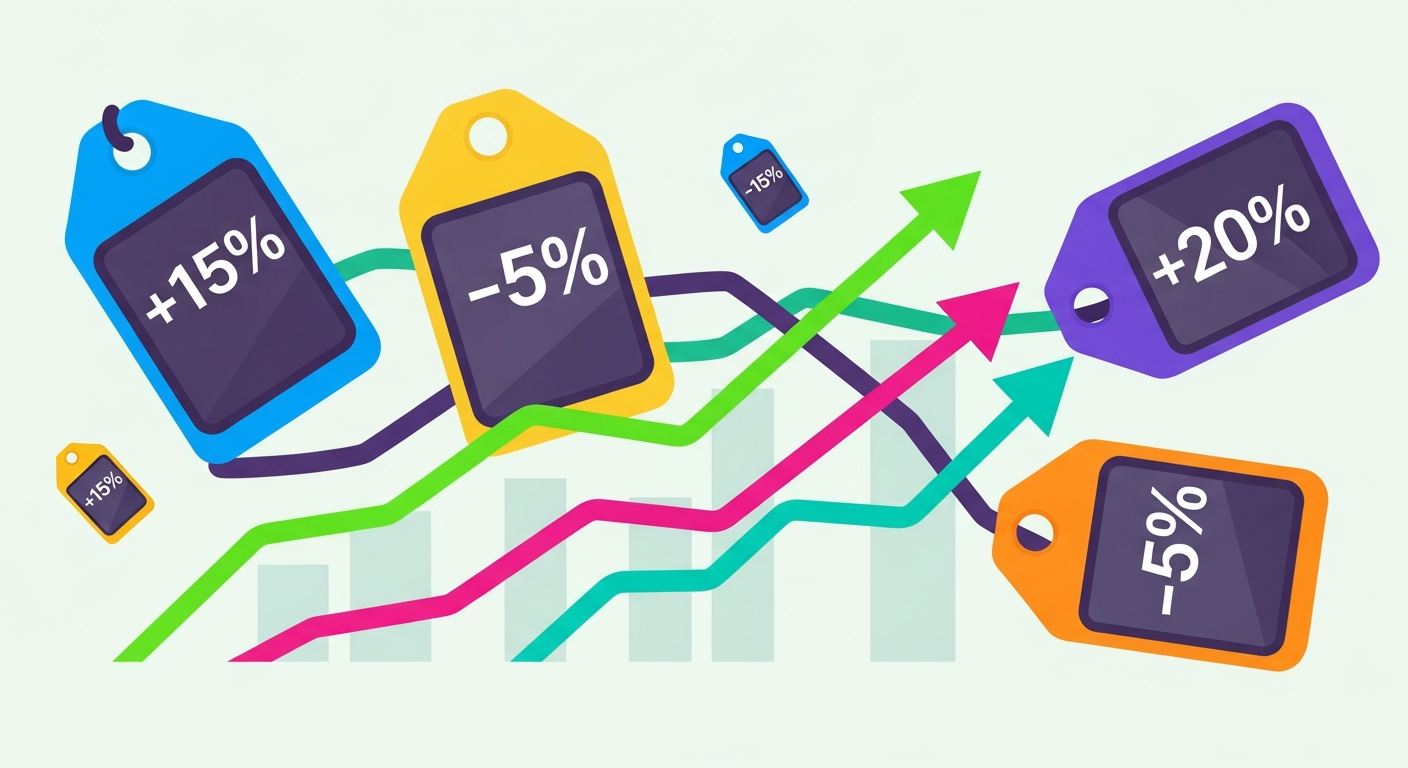
Pricing strategies are considered one of the most important fundamental pillars upon which the success of any commercial project in the e-commerce world relies, especially when managing your store through leading platforms like Salla and Zid. Determining the right price for your products is not just a simple mathematical calculation based on adding a specific profit margin to the basic product cost; rather, it is an art and a science that requires a deep understanding of consumer psychology, accurate analysis of the market and competitors, and a comprehensive awareness of the true value your product offers to the target customer amidst the high competitiveness witnessed in today's digital market.
Many novice e-commerce store owners make a fatal mistake when they rely on a random pricing strategy or blindly copy competitors without studying their actual costs or understanding their target segment. This mistake can lead either to pricing products below their true value, causing massive losses and eroding profit margins, or overpricing them, which alienates customers and drives them toward competing stores that offer better value for their money. This is where the importance of building a flexible and smart pricing strategy tailored to the nature of your products becomes evident.

In this comprehensive article, we will dive deep into various pricing strategies and how to apply them practically and effectively within your store on the Salla and Zid platforms. Together, we will learn how price can be a powerful marketing tool in itself, and how you can use psychological tactics to influence the purchasing decisions of your store's visitors, ultimately achieving the difficult equation of increasing sales volume while maintaining excellent profit margins that ensure the long-term sustainability and growth of your business.
The Basics of Product Pricing in E-commerce
Before embarking on the application of advanced pricing strategies, you must first establish solid foundations for understanding your true costs, which go beyond merely the purchase price of the product from the supplier. You must take into account all the operational expenses required by your store on the Salla or Zid platform, which include monthly or annual subscription fees for the platform, commissions for electronic payment gateways like Mada, credit cards, and express payment apps, in addition to packaging and shipping costs, and the marketing and advertising campaign budget allocated to attract customers.
An accurate understanding of these costs will enable you to determine the break-even point—the point at which you make neither a profit nor a loss—and then proceed to set a target profit margin that guarantees your continuity and growth. It is worth noting that many merchants neglect to calculate the customer acquisition cost within the product costs, making their profits look illusory on paper while they suffer from a lack of cash flow in reality. Therefore, you can always refer to Product Pricing: Smart Strategies for Salla and Zid Stores to establish a strong and correct foundation in this sensitive aspect of your business.
After accurately calculating costs, the next step is determining the perceived value of the product from the customer's perspective, which is the value-based pricing strategy. In this strategy, you are not just selling a product; you are selling a solution to a problem, time savings, or a sense of exclusivity and luxury. Successful stores on Salla and Zid that sell exclusive or exceptionally high-quality products rely heavily on this strategy, as the customer is willing to pay an amount much higher than the actual product cost because they see immense value in what they are getting that exceeds the price paid.
Psychological Pricing Strategies and How to Apply Them
Psychological pricing is a method based on the theory that certain prices have a greater psychological impact on consumers than others, motivating them to make a purchasing decision faster and more emotionally. In the world of e-commerce stores on Salla and Zid, it is not just about offering a good product; it extends to how the price of this product is displayed in a way that makes the customer feel they are getting an unmissable deal, and that passing up this offer would be a loss for them.
Psychological pricing works by exploiting the way the human brain processes numerical information. As consumers, we do not evaluate prices in a purely rational manner; rather, we rely on quick comparisons and initial impressions formed in fractions of a second. By understanding these psychological mechanisms, you, as a merchant, can adjust your product prices with very slight changes—perhaps not exceeding a few Riyals—that are capable of causing a massive leap in the store's final sales volume.
Platforms like Salla and Zid provide you with flexible tools to control price displays, adjust them easily, and add attractive discount badges. You should leverage these technical features to apply psychological pricing strategies smartly and in a way that aligns with your brand identity and the nature of your target segment, always being careful not to overdo it so as not to lose credibility with your loyal customers who constantly follow your store.
The Magic of the Number Nine and Reference Pricing
The strategy of pricing ending in the number nine, or what is known as the left-digit effect, is considered one of the oldest and most successful psychological pricing strategies ever. When you price your product at 99 Riyals instead of 100 Riyals, the human brain involuntarily focuses on the number in the left digit (which is 9 in the tens place instead of 1 in the hundreds place), making the customer feel that the price is closer to the nineties than to a hundred. Consequently, the product appears cheaper and more attractive to buy.
Reference pricing is another highly important psychological tactic, relying on providing the customer with a comparison point that makes the current price look like an exceptional opportunity. On platforms like Salla and Zid, you can easily apply this through the "price before discount" feature, where the original price appears crossed out next to the new discounted price. This method creates a sense of urgency and maximizes the value of the deal in the customer's eyes, as they immediately compare what they would have paid with what they will pay now.
To get the most out of reference pricing, the original crossed-out price must be logical and believable. If the original price is unrealistically exaggerated, the customer may lose trust in your store and consider the offer just a cheap marketing trick. Transparency and realism are the keys to the success of this strategy, as the customer must feel the authenticity of the discount and that the store is offering them real value as a reward for their visit.
The Impact of Discounts and Bundle Offers
Psychological pricing is not limited to individual numbers; it extends to how discounts are presented. The famous Rule of 100 in marketing states that if the product price is less than 100 Riyals, it is better to display the discount as a percentage (e.g., 20% off) because it looks larger in the customer's eyes. However, if the product price is higher than 100 Riyals, it is better to display the discount as a fixed monetary amount (e.g., 50 Riyals off), because the larger numerical value grabs attention and gives the impression of massive savings.
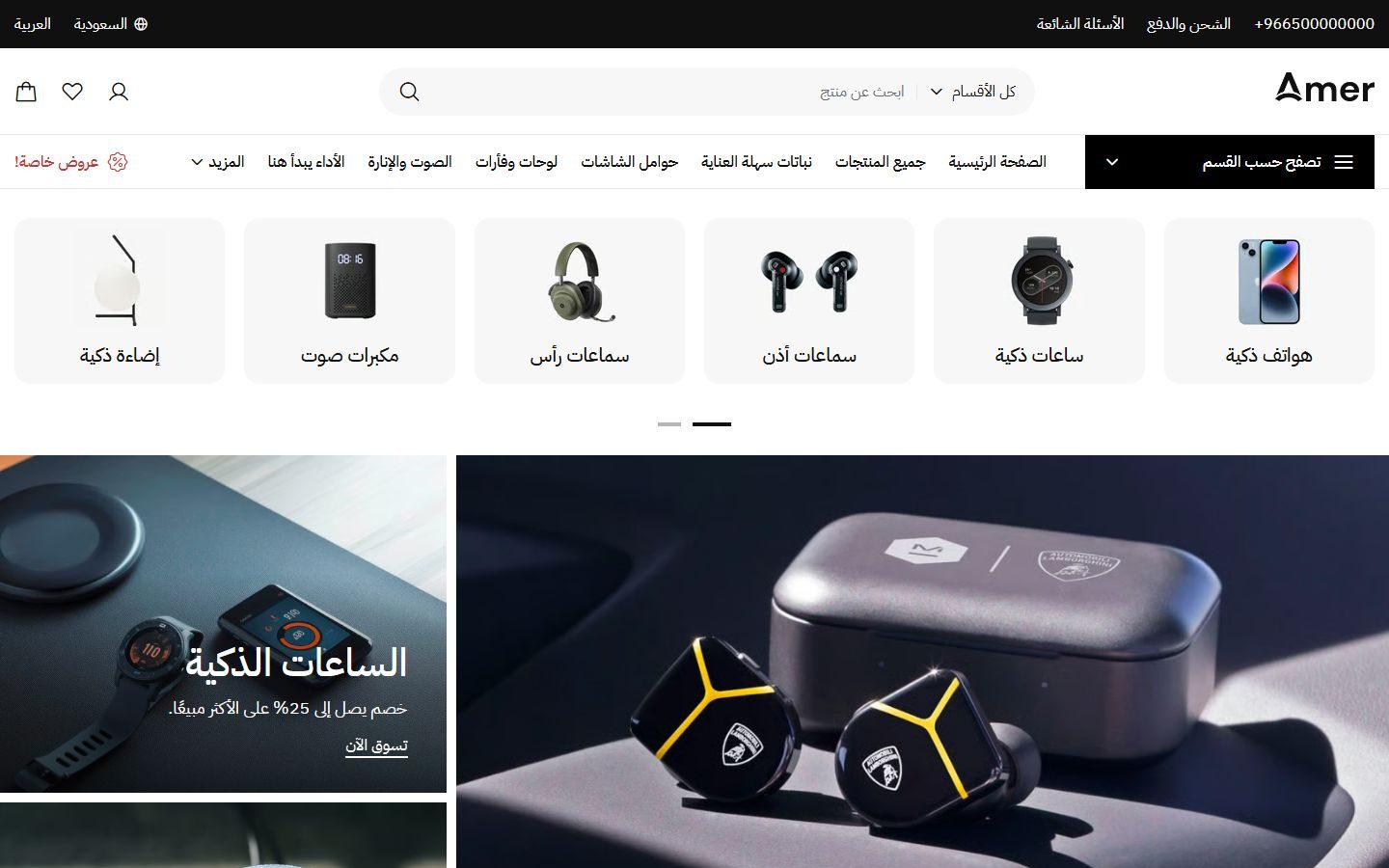


Bundle offers, or bundle pricing, is a highly effective strategy for increasing the average order value on Salla and Zid. This strategy relies on combining several complementary products and selling them together at a total price lower than the sum of their prices if purchased separately. This is closely related to the concept of Cross-Selling: Double Your Store's Sales on Salla and Zid, where you can display accessories for the main product or complementary items that encourage the customer to pay a higher amount to get the complete set instead of just one product.
When designing bundle offers, ensure that the products are closely related to each other and useful to the customer together. For example, if you sell electronics, you can create a bundle consisting of a smartphone, a protective case, and a wireless charger. This strategy not only increases your profits but also helps clear slow-moving products from inventory by combining them with your store's best-selling items.
Dynamic and Competitive Pricing Strategies
Dynamic pricing is an advanced strategy that relies on continuously and flexibly changing product prices based on several market variables, such as demand volume, supply level, seasonality, and competitors' prices. In e-commerce, this strategy is crucial for staying ahead of the competition, especially during seasons and holidays like the holy month of Ramadan, or major sale seasons like Black Friday and National Day, where purchasing behaviors change radically and rapidly.
To apply dynamic pricing successfully, you must be fully aware of your inventory and daily sales movement in your store on Salla or Zid. When you notice a significant increase in demand for a specific product with a low market supply, you can gradually raise the price to maximize your profits. Conversely, when demand drops or a certain season is about to end, you can lower prices to stimulate sales and reduce the storage costs of stagnant products that may lose their value over time.
As for competitive pricing, it requires continuous monitoring of competing stores that target the same segment and sell similar products. However, you must be extremely careful not to enter a grueling price war that destroys profit margins for everyone. Instead, use competitive pricing smartly; if your price is slightly higher than competitors, make sure to offer added value that justifies this difference, such as faster shipping, premium packaging, or exceptional customer service that makes the customer prefer your store despite the slight price difference.
Protecting Profit Margins and Building Customer Loyalty
Increasing profits does not always mean lowering prices to increase sales volume; rather, it often means the ability to maintain profitable prices while ensuring customers return to purchase again. Through Loyalty Programs: How to Double Your Store's Profits on Salla and Zid?, you can preserve your core profit margins and avoid continuous discounts that harm your brand image, replacing them with rewarding customers with points and exclusive perks that encourage them to repeat purchases at regular prices.
One of the smart strategies to protect profit margins is using a minimum threshold for free shipping as an indirect pricing tool. When you set a specific limit (e.g., free shipping for orders exceeding 299 Riyals), you incentivize the customer to add more products to their shopping cart to avoid paying shipping fees. This strategy significantly increases the average order value and makes the shipping cost borne by the store a very small percentage compared to the total sales value generated from the order.
In addition, you should focus on improving the overall user experience within your store. A customer who finds a fast storefront, high-quality images, accurate product descriptions, and a seamless checkout process is less price-sensitive and more willing to complete the purchase. All these factors contribute to reducing hesitation and building trust, which positively reflects on the Conversion Rate: How to Turn Salla and Zid Visitors into Buyers? and ensures sustainable growth for your profits without needing to compromise your set profit margins.
Conclusion: A Summary of Successful Pricing Strategies
At the conclusion of this detailed article, we must emphasize that product pricing in e-commerce, especially across leading platforms like Salla and Zid, is not a one-time, set-and-forget process; rather, it is a dynamic and continuous process that requires experimentation, measurement, and ongoing adjustment. We have reviewed how understanding basic costs is the cornerstone upon which any successful strategy is built, and that ignoring any cost element can lead to the complete collapse of your store's profit system.
We also delved deeply into the power of psychological pricing and how simple adjustments in the way numbers, discounts, and bundle offers are displayed can have a magical impact on buyers' decisions. The human brain reacts to prices in ways that are more emotional than logical, and the smart merchant is the one who knows how to address these emotions with transparency and honesty to create a sense of added value and urgency that drives the visitor to convert into an actual, brand-loyal buyer.
Finally, always remember that competing solely on the basis of the cheapest price is a strategy doomed to fail in the long run. Your goal as a store owner on Salla or Zid should be to build a strong brand that offers an exceptional experience, excellent customer service, and effective loyalty programs. These elements combined will give you the ability to price your products with rewarding profit margins, ensuring your continuity, growth, and success in a fast-paced e-commerce market crowded with competitors.