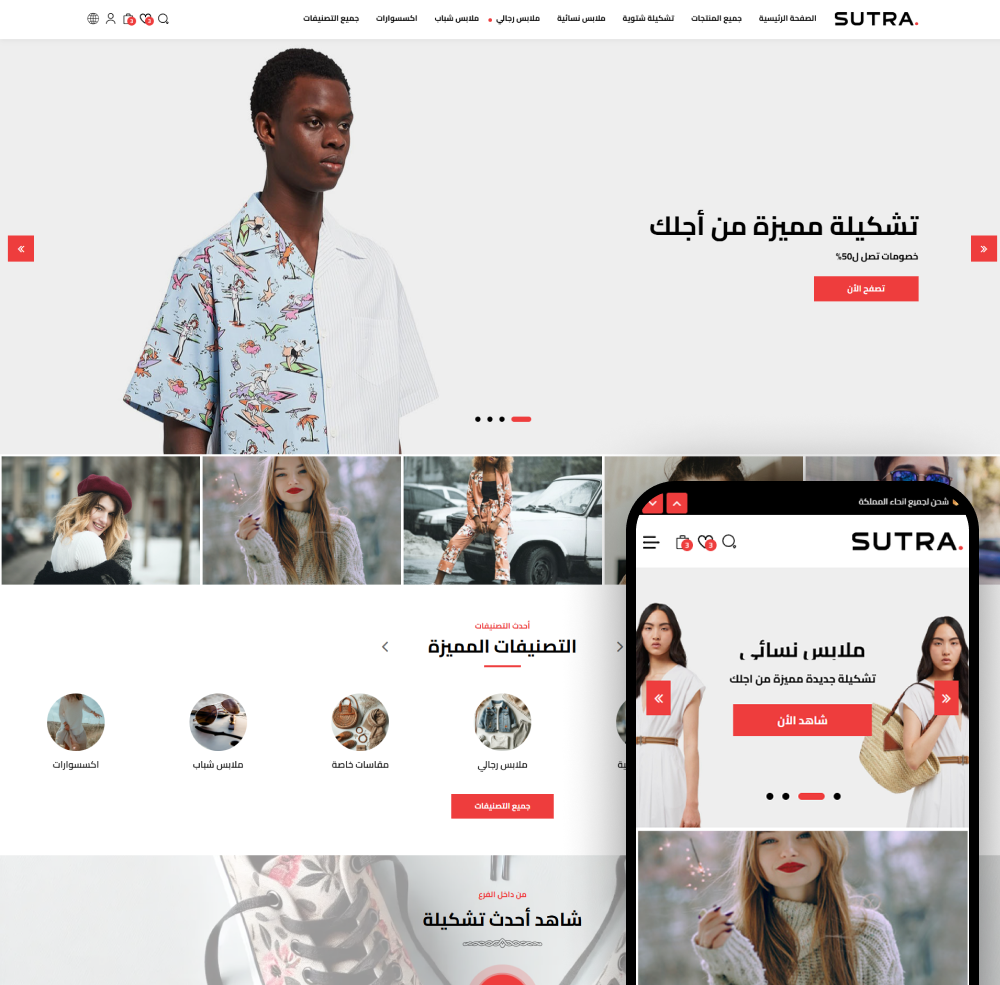




In the fast-paced world of e-commerce and fierce competition, many store owners face a big challenge of attracting customer attention and convincing them to complete the purchase process immediately. You may own an online store carefully designed on the Zid or Salla platform, and you may offer high-quality products at very competitive prices, but you notice that sales don't rise to the level of your ambitions and visit volume. The reason often lies in the absence or weakness of the silent salesperson in your store, which is what is known as the product description. Product descriptions aren't just random words filling the blanks on the product page, but is the most powerful marketing tool that compensates for the absence of direct sensory experience in online shopping, where the customer cannot touch, smell, or actually try the product before paying money.
When the customer enters a traditional store, they rely on their senses to evaluate the product, and they can ask questions directly to the salesperson present in front of them to get immediate answers that dispel their doubts. As for online stores, the texts and images take this task completely, and the biggest burden falls on the product description to be convincing and comprehensive. The attractive description is the bridge that connects the customer's hidden needs with what your product offers in practical solutions, and it is what creates the urgent desire to buy and reduces rates of hesitation and cart abandonment. Therefore, investing in writing professional sales texts is an indispensable strategic step for any merchant aspiring for success and sustainability in the digital market.
In this comprehensive and detailed guide, we will dive into the depths of the secrets of writing professional and engaging product descriptions specifically for your stores on Zid and Salla platforms. We will learn together how to convert dry technical features into emotional benefits that touch the heart and mind of the buyer, and how to use words to stimulate imagination and create a positive mental image of the product. We will also touch on best practices for improving search engines to ensure that your products reach the largest possible segment of potential customers, ultimately guaranteeing you achieving doubled profits and building a loyal customer base who trust your brand.
The Importance of Writing Professional Product Descriptions on Zid and Salla
Product description plays a pivotal and decisive role in the customer's journey within your online store, as it represents the final and decisive contact point before making the decision to click on the add-to-cart button. Professionally written descriptions work to remove any ambiguity or questions that may be circulating in the shopper's mind, directly contributing to raising conversion rates. You can review our comprehensive guide on Store Design and How to Raise the Conversion Rate on Zid and Salla to understand how good description integrates with excellent design to achieve maximum benefit from every visitor entering your store.
In addition to increasing sales, accurate and detailed descriptions contribute to reducing return rates and noticeably easing the burden on the customer service team. When the customer is fully aware of all the product details, its sizes, the materials it's made from, and how to use it before buying, they build realistic and correct expectations. This reduces the likelihood of disappointment when receiving the order, and reduces the flood of repeated inquiries reaching technical support channels, saving your time and effort to focus on developing your business and expanding your trade on Zid and Salla platforms.
Moreover, unique descriptions give you a strong competitive advantage in a market teeming with similar stores selling the same products. Many merchants fall into the trap of copying and pasting supplier or manufacturer descriptions without any modification, making their stores lack identity and independent personality. When you write a description that reflects the tone of voice of your brand and addresses your customer in a distinguished way, you build a bridge of trust and loyalty, and make your store engraved in the memory of shoppers as a preferred and reliable destination for online shopping.
Golden Rules for Writing Engaging Descriptions That Convince the Customer
To write a product description that achieves actual sales, you must abandon the idea that you are writing just an introductory text, and start thinking like a professional salesperson standing in front of the customer face to face. The first rule is to adopt a tone of voice that suits the nature of your product and the identity of your brand on Zid or Salla. For example, if you sell educational toys for children, your tone must be cheerful, reassuring to mothers, and full of positive energy. But if you sell luxury wristwatches, the words must be characterized by luxury, sophistication, and a focus on exclusivity and uniqueness that the buyer will feel.
The second rule relates to text structuring and visual formatting to be comfortable for the reader's eye. Online shoppers rarely read long and continuous texts word by word, but perform a quick visual scan of the page to look for the information that matters to them. Therefore, use short paragraphs, subheadings, and bulleted lists to organize information in a logical and easily digestible way. Platforms like Salla and Zid provide advanced text editors that allow you to use bold font to highlight keywords and main benefits, making it easier for the customer to grasp the essence in seconds.
The third rule is integrating stories into your product descriptions, as stories sell more than abstract facts. Don't just list the product's ingredients, but draw a mental image of how this product will change the customer's life or improve their day. If you sell a travel bag, describe how this bag will make their next trip stress-free thanks to its smart design that accommodates all their belongings with ideal organization, and how they will move easily with it through the world's airports thanks to its streamlined wheels. This kind of emotional storytelling creates a strong bond that makes the price seem secondary compared to the gained value.
Understanding the Target Customer and Their Needs Accurately
You cannot write a convincing description if you don't know exactly who you are writing for. The basic step before crafting any letter is to clearly identify the Buyer Persona. Ask yourself: What is the age group of my customers? What are their interests? And most importantly, what problems are they trying to solve or desires they seek to satisfy through buying this product? Using the language and terminology that your target audience uses in their daily lives makes you appear as a friend advising them and not just a merchant seeking profit.
For example, if you sell organic skincare products in your store on Salla or Zid, your target customer is often a woman looking for natural beauty and fearing harmful chemicals. In this case, the product description must focus on terms like purity, natural glow, safety, and deep nourishment. You must make her feel through the words that you fully understand her concerns and that your product is the safe haven that will restore her skin's vitality and youth without any worrying side effects.
One of the best ways to discover your customers' language and needs is by reviewing reviews and comments, whether in your store or in competitor stores. Look for the repeated phrases they use to describe their suffering before the product or their happiness after using it. Use these literal phrases in describing your future products. This linguistic matching creates a positive shock in the reader, where they feel as if you are reading their thoughts, raising the level of trust in your store and noticeably speeding up the purchase decision-making process.
Focusing on Benefits Instead of Just Listing Features
One of the most common mistakes in e-commerce is confusing product Features with Benefits. Features are the facts and technical specifications of the product, such as battery size, fabric type, or product dimensions. Benefits are the answer to the customer's eternal question: "What's in it for me?" The customer doesn't buy a camera because its resolution is 24 megapixels (feature), but buys it to be able to capture clear and lively images that immortalize their family memories forever (benefit).
To successfully apply this strategy in your store on Zid and Salla, create a simple table before writing the description. Put all the technical features of the product in the first column, and in the second column write the direct benefit that comes to the customer from each feature. When formulating the final description, always start by mentioning the emotional or practical benefit to attract attention, then support it by mentioning the technical feature as logical evidence that justifies the purchase. This method balances between the emotion that drives the purchase and the logic that justifies the decision.
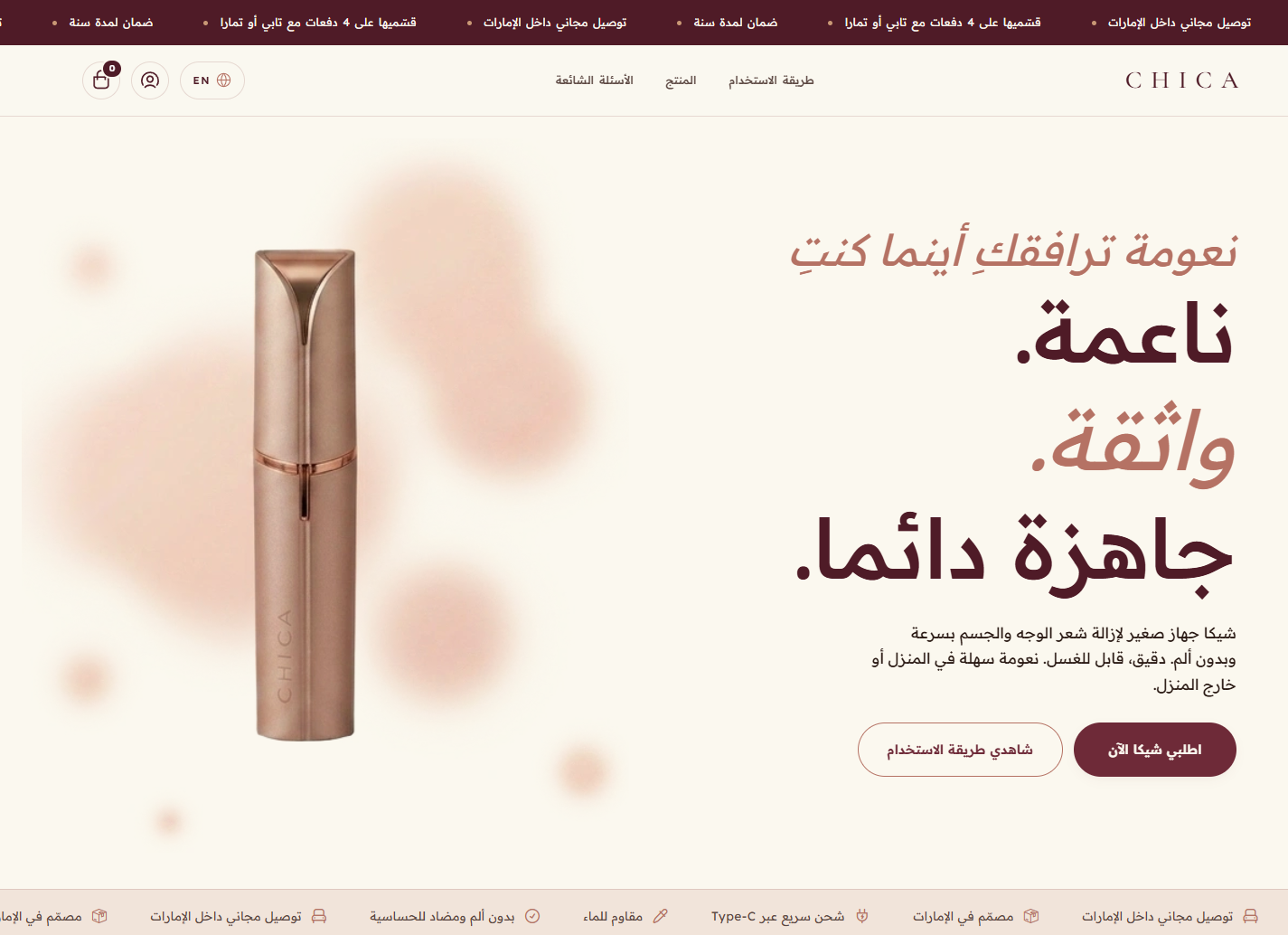
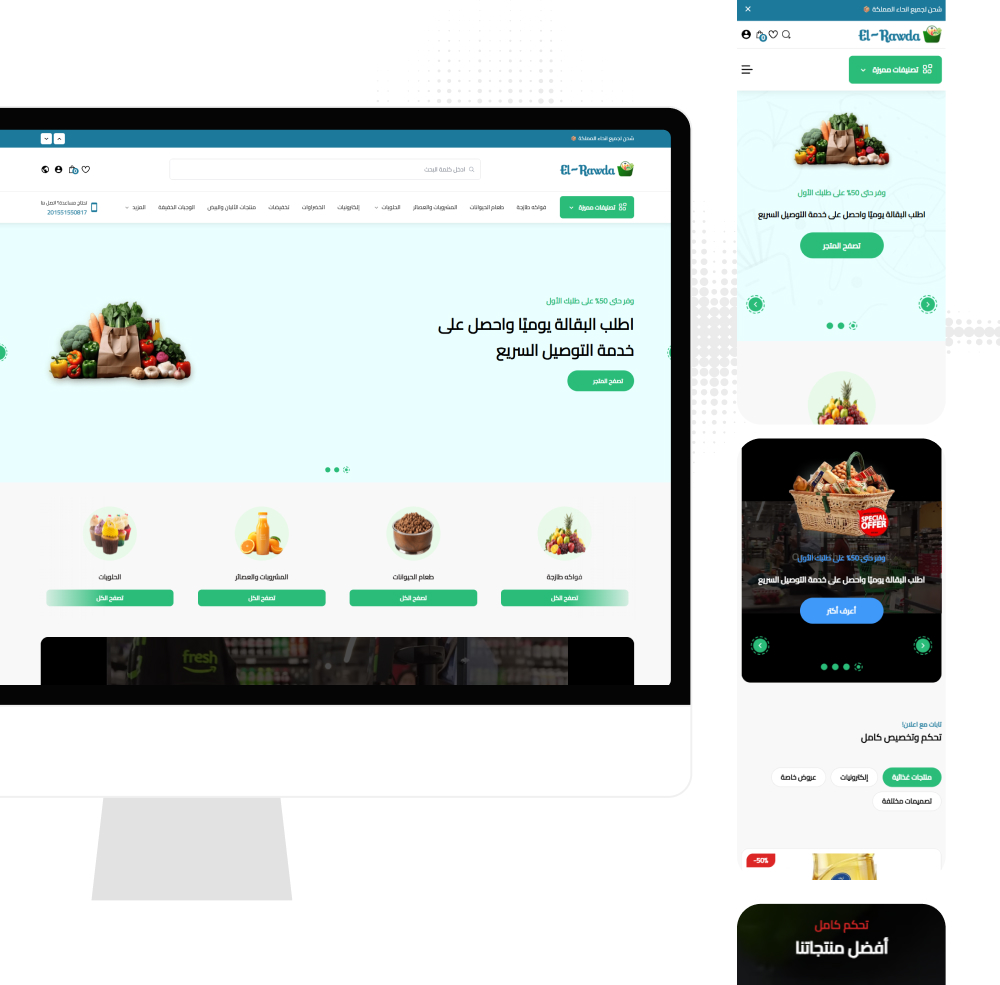
Focusing on benefits also opens the door for you to apply advanced marketing strategies to increase the average order value. You can learn more through the Cross-Selling Guide and How to Increase Your Profits on Salla and Zid, where explaining the benefits of a product can intelligently lead you to suggest a complementary product that enhances these benefits. For example, explaining the benefit of protecting the phone with a durable case can be followed by a suggestion to buy an additional screen protector to complete the security system the customer is looking for.
Search Engine Optimization (SEO) Strategies in Product Descriptions
Writing an engaging and convincing description for customers is only half the battle, the other half is making sure that potential customers can find your products when searching for them on search engines like Google. Here comes the role of search engine optimization or what is known as SEO. Your stores on Zid and Salla are technically designed to be search engine friendly, but the content you put is what determines your ranking in search results. Therefore, the product description must be written intelligently to satisfy Google's algorithms and at the same time not annoy the human reader.
The main goal of SEO in product descriptions is to increase organic (free) visits to your store, reducing your total reliance on costly paid ads. When your product appears on the first page of Google for relevant search words, you get a continuous flow of customers with high purchase intent. This requires an understanding of the mechanism of search engines that scan and read the texts of your store to understand the nature of products and classify them based on their relevance to user queries.
Alongside the main description text, Salla and Zid platforms provide dedicated fields for the SEO title (Meta Title) and SEO description (Meta Description). These fields are what appear to the user on the Google search results page before they even enter your store. These short titles and descriptions must be very attractive and include the main keyword, because they play a decisive role in raising the click-through rate (CTR), a strong indicator that Google relies on to raise your page's ranking above competitors.
Keywords and How to Smartly Integrate Them
A successful SEO strategy begins with accurate Keyword Research. Don't rely on guessing, but use tools like Google's Keyword Planner or even the autocomplete feature in the search engine to know the exact phrases that customers type when searching for similar products. Focus especially on Long-tail Keywords, which are phrases consisting of three or more words, such as "comfortable men's walking sneakers" instead of just "shoes," because they are less competitive and indicate confirmed purchase intent.
Once you identify the appropriate keywords, comes the stage of integrating them into the product description smartly and flowingly. The golden rule here is to avoid random Keyword Stuffing which Google punishes for and distorts the user experience. The main keyword must appear in the product title, and in the first paragraph of the description naturally, then some synonyms and related words are distributed in the rest of the text and in subheadings. The text must appear as if it was written specifically to help the customer and not to deceive search engines.
Also, don't forget to optimize the images attached with the product, as they are an integral part of the product description and SEO together. Search engines cannot see images, but read the Alt Text associated with them. When uploading product images to your store on Zid or Salla, make sure to write alt text that accurately describes the image and includes the keyword logically. This not only helps your product images appear in image search results, but also enhances the overall rating of the product page in the eyes of search engines.
Common Mistakes in Writing Descriptions and How to Avoid Them
One of the most fatal mistakes online store owners make, especially beginners, is copying and pasting product descriptions directly from supplier or manufacturer websites. This action not only harms the image of your brand which will appear lacking creativity and distinction, but also destroys your chances of topping search results. Google hates Duplicate Content and ignores pages containing copied texts. You must always rephrase the description in your own style and in line with the identity of your store and customers.
The second common mistake is using cliché and vague phrases like "very high quality," "the best in the market," or "unmatched product." These phrases have lost their luster and impact on shoppers because everyone uses them, and they don't provide any tangible evidence that convinces the customer. Instead, be very specific. If the product is high quality, explain why. Mention the type of materials used, the manufacturing technique, or the warranty provided. Precision and details are what build credibility and convince the customer that your product is worth the required price.
The third mistake is neglecting the visual formatting of the text and presenting the description as a huge and solid text block. As mentioned earlier, reading on screens differs from reading in books. Crowded texts cause visual fatigue and push the visitor to leave the page immediately. To avoid this, you can use the analysis tools available to you, and to learn more refer to our article on Data Analysis and How to Read Your Store Reports on Salla and Zid to track the Bounce Rate on product pages. If it's high, the reason is often poor description formatting. Use commas, numbered lists, and bold texts to make the information scannable visually quickly and comfortably.
Conclusion: Summary of the Secrets of Success in Product Descriptions
In closing this detailed guide, we must emphasize that writing product descriptions for your stores on Zid and Salla platforms isn't just a routine task you do once and forget, but is a continuous process of improvement, development, and experimentation. The engaging description is a real investment in the digital assets of your store, and it is what makes the difference between a store struggling to achieve modest sales, and a store growing steadily and achieving record numbers thanks to its ability to convince visitors and convert them into real buyers through carefully written words.
We have reviewed together the golden rules that start with a deep understanding of the customer's needs and language, through the importance of focusing on the emotional and practical benefits that change the buyer's life instead of being content with listing dry technical features. We also shed light on the supreme necessity of integrating search engine optimization (SEO) strategies smartly and without stuffing, to ensure the continuous flow of free visits to your store. We learned about common mistakes such as copying content and neglecting visual formatting and how to avoid them to maintain the professionalism of your brand.
Our final advice to you is to start working immediately. Don't try to modify thousands of products in one day, but start with the top 10 best-selling products or those whose sales you want to urgently increase. Apply these secrets and tips to them, and watch how the engagement and sales numbers will change in your store reports. Always remember that words have magical power in the world of e-commerce, so use them intelligently to make your store on Zid or Salla an inspiring success story in the digital market.