


The Importance of Attractive Design in E-commerce: Your Gateway to Customer Hearts
In the rapidly evolving world of e-commerce, merely having an online store is no longer sufficient for success. Instead, the design and visual interface of your store have become the true keys to attracting customers, building trust, and converting visitors into loyal buyers. Imagine entering a physical store that is chaotic, disorganized, and with products displayed haphazardly; naturally, you would quickly leave without making any purchases. The situation is not much different in the digital realm, where design plays the role of your store's storefront, being the first thing a customer sees and interacts with, thus forming a crucial and unforgettable first impression.
The first impression your online store makes is the foundation of every subsequent customer interaction. Stores with professional and visually appealing designs instill a sense of trust and reliability in customers, which reduces the bounce rate and increases the likelihood of them exploring the products and services offered. Conversely, a poor or inconsistent design can raise doubts about the quality of products or the store's credibility, even if your products are the best on the market. Therefore, investing in an attractive design is not just a luxury; it is a strategic necessity that directly contributes to your store's success and sustainable growth in the competitive e-commerce landscape.
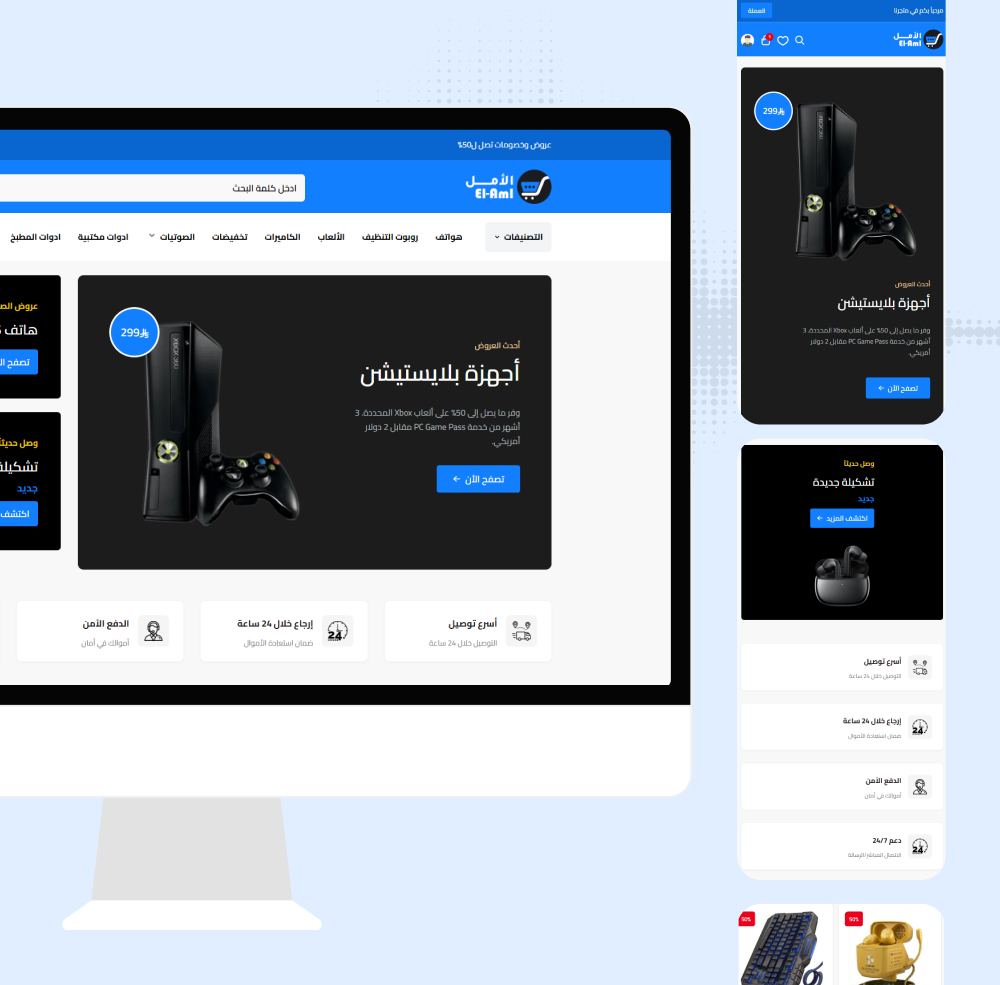
The importance of attractive design extends beyond mere aesthetics; it encompasses usability and the overall User Experience (UX). A carefully designed store seamlessly guides the customer through the purchasing journey, from browsing products to adding items to the cart and completing the payment process with ease. This smooth guidance reduces obstacles customers might face, leading to increased conversion rates and improved customer satisfaction. In this context, the ready-made templates provided by platforms like Salla, Zid, and Shopify emerge as a fundamental pillar for creating a professional and attractive store interface without the need for deep programming expertise.
The Role of Templates in Building an Exceptional User Experience
Templates, or themes, are ready-made structures that define the visual design and overall layout of your online store. They serve as a strong foundation upon which you can build, offering a consistent and attractive design by default, with customization options to suit your brand identity. The most important role of templates is not limited to aesthetic appearance; it extends to ensuring a smooth and efficient user experience. A good template ensures your store is responsive, meaning it will look and function excellently whether a customer is browsing from a desktop computer, a smartphone, or a tablet, which is vital in today's era where mobile shopping is increasingly prevalent.
In addition to device compatibility, templates play a pivotal role in the speed of store page loading. Efficiently designed templates are lightweight and contain optimized code, which reduces page load times. Load speed is a critical factor in user experience and directly impacts conversion rates; studies indicate that even a fraction of a second in load time can negatively affect customer satisfaction and lead to them abandoning the store. Good templates also contribute to improving the store's performance in search engines (SEO), as the organized design and clean structure of the template make it easier for search engines to index your pages, increasing the chances of your store appearing in top search results. You can delve deeper into this aspect by reading our article on Product SEO: Topping Search Results in Salla and Zid to enhance your product visibility.
In essence, a template is not just an external cover for your store; it is the backbone that carries the entire user experience. It determines how easy it is to browse products, the clarity of purchase buttons, the consistency of colors and fonts, and the placement of different sections. Choosing the right template means selecting a strong infrastructure for your store that ensures customers will find what they are looking for easily, feel comfortable and confident while in your store, which prompts them to complete purchases and return again. Therefore, template selection should be a carefully considered step, taking into account business goals, target audience, and unique brand identity.
Exploring Salla Templates: Advantages and Considerations
Salla is one of the leading e-commerce platforms in the Arab region, gaining significant popularity due to its ease of use and intuitive interface, especially for beginners. Salla offers a range of ready-made templates designed to meet the diverse needs of various stores, with a focus on simplicity, speed, and full mobile compatibility. Salla templates are characterized by their high degree of customization through the control panel, allowing store owners to change colors, fonts, section arrangements, and add banners without any programming expertise, making it an ideal choice for those who want to launch their store quickly and efficiently.
Salla templates are known for their focus on a seamless user experience, as they are designed to clearly guide the customer towards important products and pages. The platform offers both free and paid templates, each coming with different features and designs suitable for various types of products and services. A prominent advantage of Salla templates is that they are often optimized for performance, ensuring good loading speed for the store, which is a vital factor in maintaining customer engagement and reducing bounce rates. Moreover, the Salla team regularly updates these templates to ensure their compatibility with the latest web standards and performance enhancements, providing a stable and secure environment for your store.
When choosing a Salla template, you should consider that free templates might have limited advanced customization options compared to paid ones. However, even free templates provide an excellent foundation for many small and medium-sized stores. Paid templates, on the other hand, often offer additional features such as more professional designs, broader customization options, and advanced technical support. It is crucial to test the template on a trial store before officially adopting it, ensuring it meets all your visual and functional needs, and allows you to display your products in the best possible way to attract your target audience in the Saudi and Gulf markets.
- Ease of Use: Simple drag-and-drop interface for section customization.
- Mobile Compatibility: All templates are designed to look perfect on smartphones.
- Optimized Performance: Focus on loading speed for a better user experience.
- Diverse Options: Free and paid templates suitable for various store types.
- Arabic Support: Specifically designed for the Arabic language and right-to-left writing direction.
Tips for Choosing the Ideal Salla Template
To get the most out of Salla templates, your choice must be carefully considered. First and foremost, think about your brand identity. Do the template's colors, fonts, and overall layout reflect the message you want to convey to your customers? There should be harmony between the store's design and your brand's personality. For example, if you sell luxury products, you'll need a template that reflects sophistication and elegance, while a simple and cheerful template might suit a store selling handmade or craft products. Don't hesitate to use your brand's color palette and specific fonts to further customize the template.
Secondly, evaluate the functional features you need. Does the template offer product display options that suit the nature of your products (such as multiple images, video displays, size and color options)? Does the template support large navigation menus if you have many categories? Is there enough space for promotional banners and special offers? The template should be flexible enough to accommodate all your current and future business requirements. It is also essential to ensure that the template supports integration with essential Salla applications you might need to increase sales or improve customer experience, such as loyalty programs or live chat applications.
Finally, do not overlook the potential user experience. Test browsing the template as a real customer. Is navigation easy and intuitive? Is the process of adding products to the cart and checking out clear and straightforward? Does the store look good on mobile? Ensure the template provides enough space for high-quality content (product images, descriptions, reviews), and that buttons are clear and easy to click. Remember, the ultimate goal is to provide an enjoyable and efficient shopping experience that encourages customers to return repeatedly, and this starts with choosing the right template that meets their expectations and makes their journey smooth and pleasant.
Exploring Zid Templates: Advantages and Considerations
Zid platform is another strong contender in the Arab e-commerce arena, specifically targeting stores looking for greater flexibility in customization and expansion. Zid templates are designed to offer advanced design options that allow store owners to build a unique and distinctive visual identity that accurately reflects their brand. The platform provides a wide range of templates covering a broad spectrum of industries and product types, from fashion and electronics to food and digital services, giving merchants the ability to find a template that perfectly aligns with their vision.
One of the prominent advantages of Zid templates is the focus on deep customization. In addition to basic changes in colors, fonts, and element arrangement, some advanced Zid templates allow for more complex design modifications, enabling stores to add unique touches that differentiate them from competitors. Furthermore, Zid templates are designed to be compatible with all devices, ensuring an optimal browsing experience regardless of the device the customer uses. This compatibility is essential for ensuring wider customer reach and improving conversion rates, especially with the increasing growth of smartphone shopping.
Zid pays significant attention to store performance and loading speed, as its templates are optimized to ensure a fast and smooth user experience. This not only contributes to customer satisfaction but also supports your store's Search Engine Optimization (SEO) efforts. The ability to expand and integrate with a wide range of other applications and services, whether for payment, shipping, or marketing, is also a strength of Zid templates, allowing stores to easily extend their functionalities. When choosing a Zid template, it is important to consider your future growth plans, as a flexible template will allow you to expand and add new features without having to completely change the design, saving time and effort in the long run.
- High Customization Flexibility: Advanced design capabilities for creating a unique identity.
- Template Variety: Wide range of options suitable for various industries and product types.
- Performance and Speed: Continuous optimization to ensure fast page loading.
- Integration Support: Easy integration with a wide range of Zid apps and external services.
- Enhanced User Experience: Intuitive and easy-to-navigate designs.
Tips for Choosing an Effective Zid Template
When selecting a template for your store on the Zid platform, you should focus on several aspects to ensure maximum effectiveness. First, make sure the template reflects your brand's ambitious vision. Zid offers templates with bold and innovative designs; leverage this flexibility to showcase your store's personality. Do you sell modern products that require a sleek and minimalist design? Or traditional products that need a classic and authentic touch? Look for a template that allows you to achieve this visual balance clearly. Don't hesitate to explore the template gallery and browse stores that use them to get ideas and inspiration on how to apply different designs.
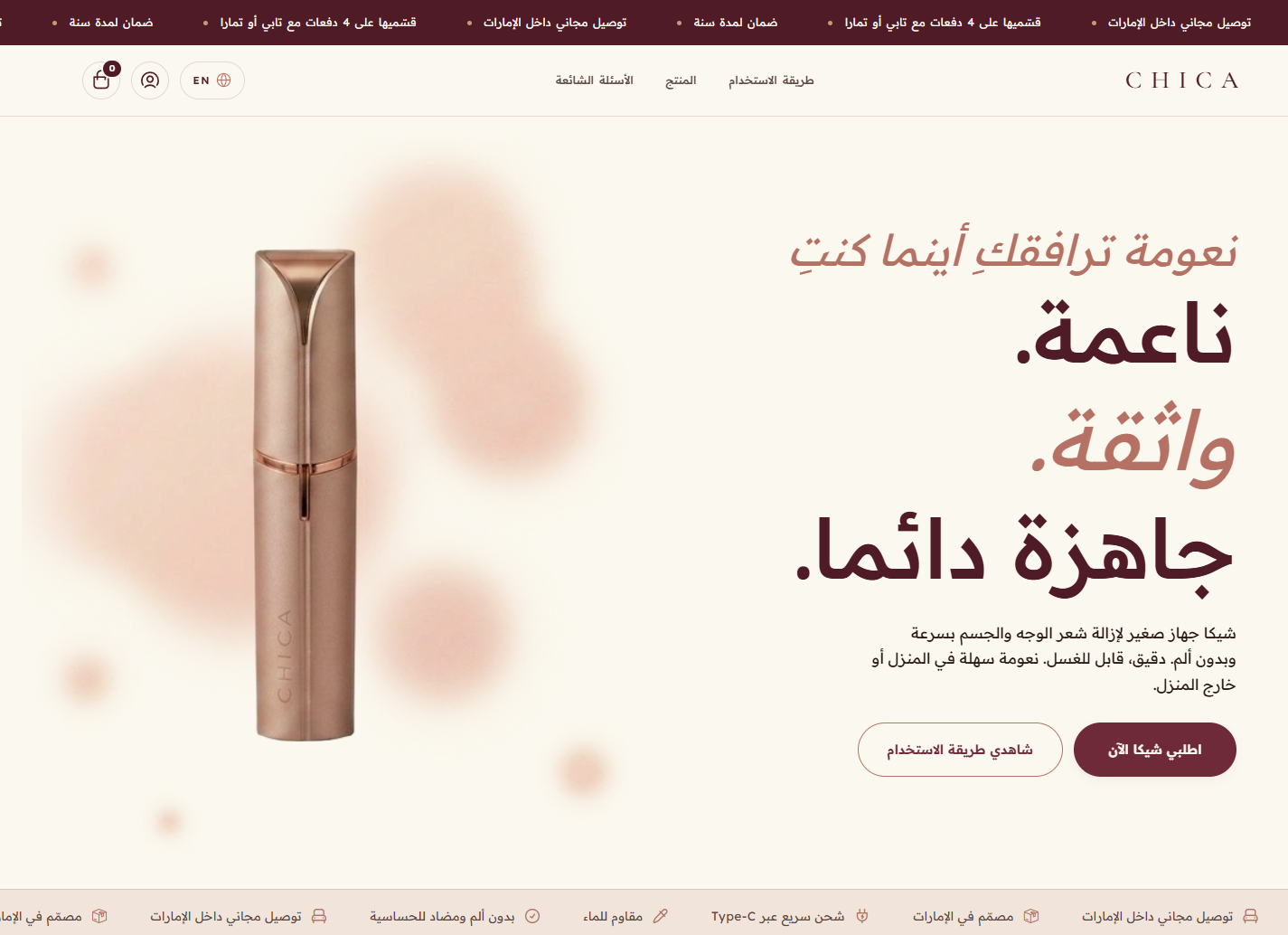
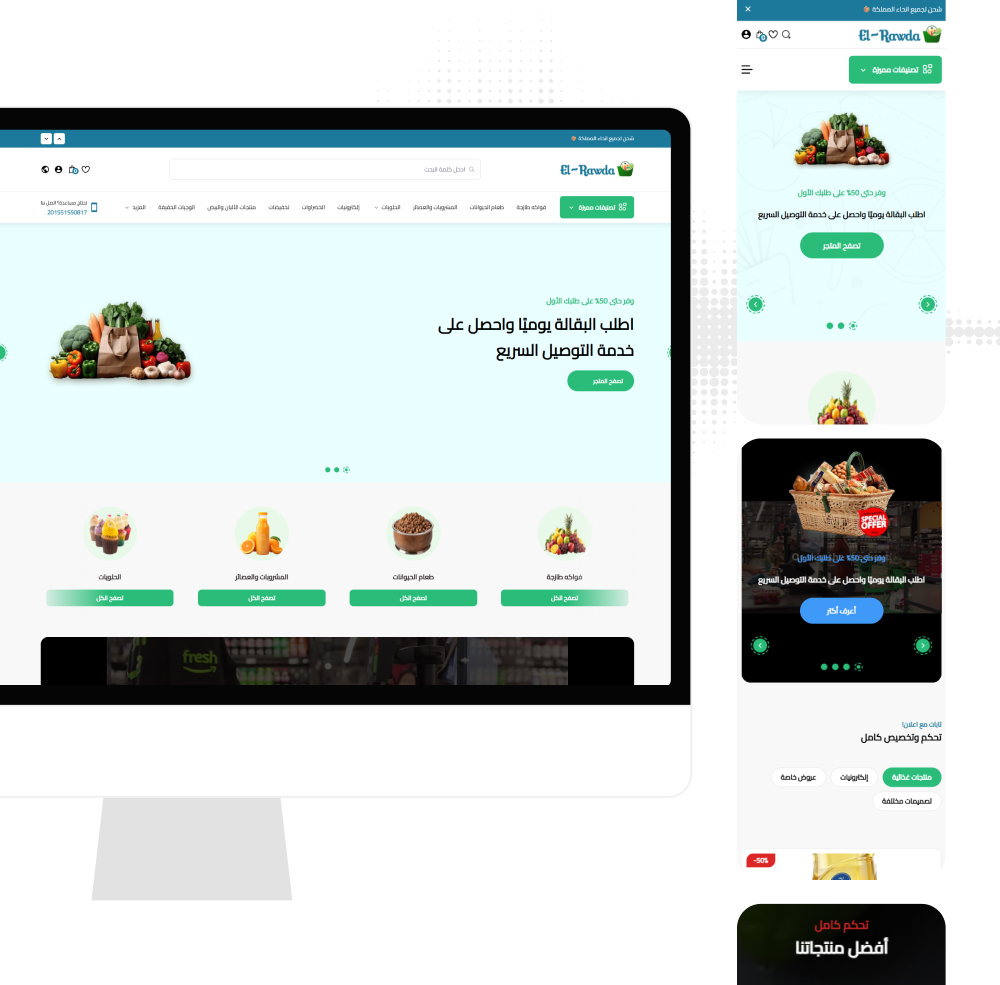
Secondly, evaluate the template's unique features and how they align with your business model. Some Zid templates might offer special product display features, dedicated sections for bloggers, or integrated marketing tools. Choose a template that provides the functionalities you need to highlight your products and offers. For example, if you rely on high-quality images and videos, ensure the template provides attractive image and video galleries. You should also ensure the ease of Platform Costs: Comparing Salla, Zid, and Shopify for Your Store for integration with additional Zid apps that enhance customer experience, such as loyalty programs or email marketing tools.
Finally, do not forget scalability and future improvement. As your store grows, you may need to add more products, categories, or even languages. Choose a template that offers this flexibility and does not limit your ability to evolve. The template should be well-designed technically and provide sufficient customization options without the need for complex programming modifications. Review template ratings if available, and contact Zid's support team if you have questions about customization capabilities or specific features you are looking for, to ensure your choice will serve your store long-term and help it grow successfully.
Comparing Salla, Zid, and Shopify Templates: Which is Best for Your Store?
When discussing e-commerce store templates, we cannot overlook Shopify, the leading global platform that offers a vast and diverse range of template options, alongside Salla and Zid. Each of these platforms has its own philosophy in template design and targets different segments of merchants. Salla templates are characterized by simplicity and ease of use, making them ideal for emerging and small stores seeking a quick and effective solution in the local market. Zid templates, on the other hand, offer greater flexibility in customization and design, suiting stores looking for a unique visual identity and planning to expand, while remaining focused on the Arab market.
In contrast, Shopify offers a massive library of free and paid templates, featuring world-class designs, highly advanced features, and almost limitless customization capabilities. Shopify templates are designed to suit all types of businesses, from startups to large enterprises, and support a huge number of apps and add-ons that significantly expand store functionalities. However, advanced Shopify template customization might require some technical expertise or the assistance of developers, and the overall costs (for the template and apps) might be higher compared to Salla and Zid, especially for small stores with limited budgets.
The choice between these platforms' templates largely depends on several crucial factors: your budget, your technical expertise level, your current and future store size, and your target audience. If you are just starting in the local market and want a quick and easy-to-manage solution, Salla templates might be the most suitable. If you are looking for greater design flexibility while maintaining a local focus, Zid templates could be an excellent choice. But if you aspire to expand globally, require maximum customization and advanced features, and have sufficient budget and expertise, Shopify templates offer unparalleled solutions. You can read more about Salla, Zid, and Shopify: Which is Best for Your Store? to make a more informed decision.
- Customization: Shopify offers the highest degree of customization, followed by Zid, then Salla.
- Ease of Use: Salla is the easiest for beginners, then Zid, then Shopify (requires more learning).
- Cost: Salla and Zid templates often have lower overall costs (more effective free templates).
- Features: Shopify excels in the number of available features and apps, followed by Zid, then Salla.
- Target Audience: Salla and Zid focus on the Arab market, while Shopify is global.
Crucial Factors for Comparison
When comparing Salla, Zid, and Shopify templates, it's essential to consider several crucial factors that go beyond mere aesthetics. First, your available budget. Free templates on Salla and Zid are often good enough for many stores, while paid Shopify templates might require a larger investment, not to mention the costs of additional apps. You should calculate the total cost of owning and operating the template, including any recurring fees for apps or updates. Second, your or your team's technical expertise. Salla and Zid are designed for non-technical users, while Shopify, despite its ease of use, offers deep customization options that may require some programming knowledge or the help of specialists. This aspect is vital to ensure your ability to effectively manage and update your store.
Third, consider your store's target audience. If your primary audience is in Saudi Arabia or the Gulf countries, Salla and Zid templates might be better optimized for their local preferences and needs, including full right-to-left Arabic language support. If you are targeting a global audience, Shopify templates offer greater flexibility in handling multiple currencies, different languages, and international shipping options. Fourth, your future plans for growth and expansion. Do you expect your store to grow rapidly and require advanced features or integrations with complex external systems? In this case, Shopify or Zid, with their more flexible options, might be more suitable. If you plan for a small, specialized store, Salla might be perfectly sufficient. Don't forget that Store Verification in Salla and Zid: Steps for Issuing Commercial Register and Document is an essential step to ensure credibility, regardless of the platform you choose.
Finally, technical support and community. Each platform provides a certain level of support, but the size of the available community for assistance can be a significant factor. Shopify has a huge global community of developers and users, while Salla and Zid have growing and supportive communities in the Arab region. Choose the platform that you feel will provide you with adequate support to help you resolve any issues you may encounter while setting up and customizing your store's template. Understanding these factors will help you make an informed decision, ensuring that the template you choose is not only attractive but also functional and perfectly suited to your long-term business goals.
Practical Tips for Enhancing Your Store's Appeal After Template Selection
Choosing the ideal template is just the first step towards building a successful and attractive online store. To get the most out of your chosen template on Salla, Zid, or Shopify, there are several practical tips you can apply to enhance your store's appeal and improve customer experience. First and foremost, do not rely solely on the template's default design. Utilize the available customization options to adapt colors, fonts, and section arrangements to match your unique visual identity. Use your official logo and brand elements everywhere to ensure consistency and professionalism. This precise customization helps build a strong and distinctive brand that remains in customers' minds.
Secondly, content is king. Even the most beautiful templates will not succeed if the content is poor. Invest in high-quality, professional product images. Clear images, from multiple angles, that show products in context, make a significant difference in purchasing decisions. Add engaging and detailed product descriptions that do not just list features but focus on the benefits the customer will receive. Use videos if possible, as they are an excellent way to showcase products dynamically and interactively. Remember that customers cannot touch or try products in an online store, so visual and textual content must be a strong substitute for this lack.
Thirdly, focus on usability and navigation. After customizing the template, ensure that the customer's journey from the moment they arrive at the store until completing the purchase is smooth and intuitive. Navigation menus should be clear and organized, and 'add to cart' and checkout buttons prominent and easily accessible. Reduce the number of steps required to complete a purchase. Use sufficient white space to avoid visual clutter, and maintain layout consistency across all pages. Test the store on various devices and browsers to ensure a consistent and excellent experience for all visitors, which enhances their trust in your store and increases the likelihood of them returning to purchase again.
- High-Quality Product Images: Use professional, clear images from multiple angles.
- Engaging Product Descriptions: Focus on benefits and added value for the customer.
- Consistent Branding: Apply your logo and brand colors uniformly.
- Easy Navigation: Ensure product lists and sections are clear and intuitive.
- Optimize Loading Speed: Use image and code optimization tools to ensure store speed.
- Testimonials and Reviews: Display customer ratings clearly to build trust.
- Clear Call to Action: Make purchase and checkout buttons prominent and easy to click.
- Mobile Responsiveness: Thoroughly test your store on phones and tablets.
Conclusion: Investing in Appeal for Lasting Success
In conclusion, it is clear that choosing an e-commerce store template is not merely an aesthetic decision; it is a vital strategic investment that directly impacts your store's performance, attractiveness, ability to draw customers, and ultimately, its commercial success. Whether you choose the Salla platform for its simplicity and ease of use, Zid for its flexibility and deep customization, or Shopify for its global capabilities and advanced features, the ultimate goal remains the same: to provide an exceptional customer shopping experience that starts with the first impression and ends with lasting loyalty to your brand. The template is the interface that reflects your professionalism, product quality, and service reliability.
The template selection process should be based on a deep understanding of your business goals, target audience, and available budget, as well as your future plans for growth and expansion. Do not hesitate to explore available options, experiment with different templates, and leverage the customization features each platform offers. Remember that a good template combines aesthetics with user-friendly functionalities and supports your store's performance long-term. Furthermore, the work does not stop at template selection; continuous customization, content improvement, and user experience monitoring are essential steps to ensure your store remains attractive and competitive in the ever-changing e-commerce market.
Therefore, make choosing your store's template a top priority, and dedicate sufficient time and effort to it. A carefully designed and attractive layout not only catches the eye but also builds trust, enhances your brand's credibility, and drives customers towards completing purchases. Invest in a template that reflects your brand's values and provides the best possible experience for your customers, and you will see how your online store transforms into a preferred destination for shoppers, achieving sustainable success and growth in the flourishing world of e-commerce.