



Product Page: Optimizing It to Boost Salla & Zid Sales
The product page serves as the beating heart of any e-commerce store, representing the final stop where a customer makes their crucial purchasing decision. In the fast-paced world of e-commerce, especially on platforms like Zid, Salla, and Shopify, merely displaying products is no longer enough to capture attention or finalize a sale. An effective product page has become the key to converting casual visitors into loyal customers, making the difference between a store that generates substantial profits and one that struggles to survive in a competitive market.
Optimizing a product page isn't just about adding beautiful images or a brief description; it's both a science and an art that requires a deep understanding of digital consumer behavior and needs. It's about creating a compelling and integrated experience that answers all customer inquiries, builds trust, and encourages them to make a purchase with confidence and reassurance. In this comprehensive article, we will delve into exploring the importance of the product page and provide a detailed guide on how to optimize every element, from images and descriptions to prices and reviews, with the primary goal of boosting your store's sales on leading e-commerce platforms in the region.
The Importance of the Product Page and Its Role in the Customer Journey
The product page is the interface where the customer directly encounters the product, and it's the point where first impressions are formed and final decisions are made. It's not just a list of information; it's a powerful marketing tool designed to convince the visitor that the featured product is the perfect solution for their needs or desires. On this page, customers can explore product details, compare it with alternatives, and imagine themselves using it, making it the primary driver of conversion rates in your online store.
A carefully designed product page contributes to reducing the bounce rate and increasing the time visitors spend browsing your store, reflecting genuine interest in the product. When customers find all the information they are looking for easily and clearly, they feel comfortable and confident about the purchasing process. This, in turn, leads to an overall improvement in user experience, a vital factor in building long-term customer loyalty, whether you are using Salla, Zid, or Shopify.
Furthermore, the product page plays a pivotal role in digital marketing strategies, serving as a primary landing point for advertising campaigns and SEO content. The more optimized your page is and the richer its content is with relevant keywords, the higher its chances of appearing in search engine results, thereby increasing free organic traffic. This integration of attractive design and robust content is what distinguishes successful stores and drives them towards achieving their sales goals.
The Product Page: The Crucial Conversion Point
The product page is considered the crucial conversion point in the customer journey, where a visitor transitions from general interest to making a purchase decision. Before reaching this page, the customer might have seen an ad, read an article, or browsed product categories. However, on the product page, all this information and these expectations converge in one place, and the page's task becomes to eliminate any doubts, answer all potential questions, and present a strong argument for why this particular product should be purchased.
This page is your last chance to convince the customer, which is why it must be designed in a way that leaves no room for hesitation. The page should highlight the unique value of the product and how it solves a specific problem or meets a particular customer need. Whether your store is on Zid, known for its simplicity and focus on the local market, or Salla, which offers great flexibility for Saudi stores, or Shopify, which is a global option, the principles of converting visitors remain the same.
Failure to convert a visitor on the product page means losing not only a potential sale but also the cost of customer acquisition and the marketing efforts expended. Therefore, the product page should be treated as one of your store's most important digital assets, and time and effort should be invested in it to achieve the maximum possible return. Every element on this page must work in harmony to push the customer towards the "Add to Cart" or "Buy Now" button.
Impact of the Product Page on User Experience and Customer Trust
The role of the product page is not limited to finalizing a sale; it extends to building a positive user experience and enhancing customer trust in your store and brand. When a customer finds a product page that is organized, easy to navigate, and rich in useful information, they feel a sense of comfort and professionalism. This feeling contributes to building a bridge of trust between the store and the customer, which is extremely important in e-commerce where the customer lacks physical interaction with the product.
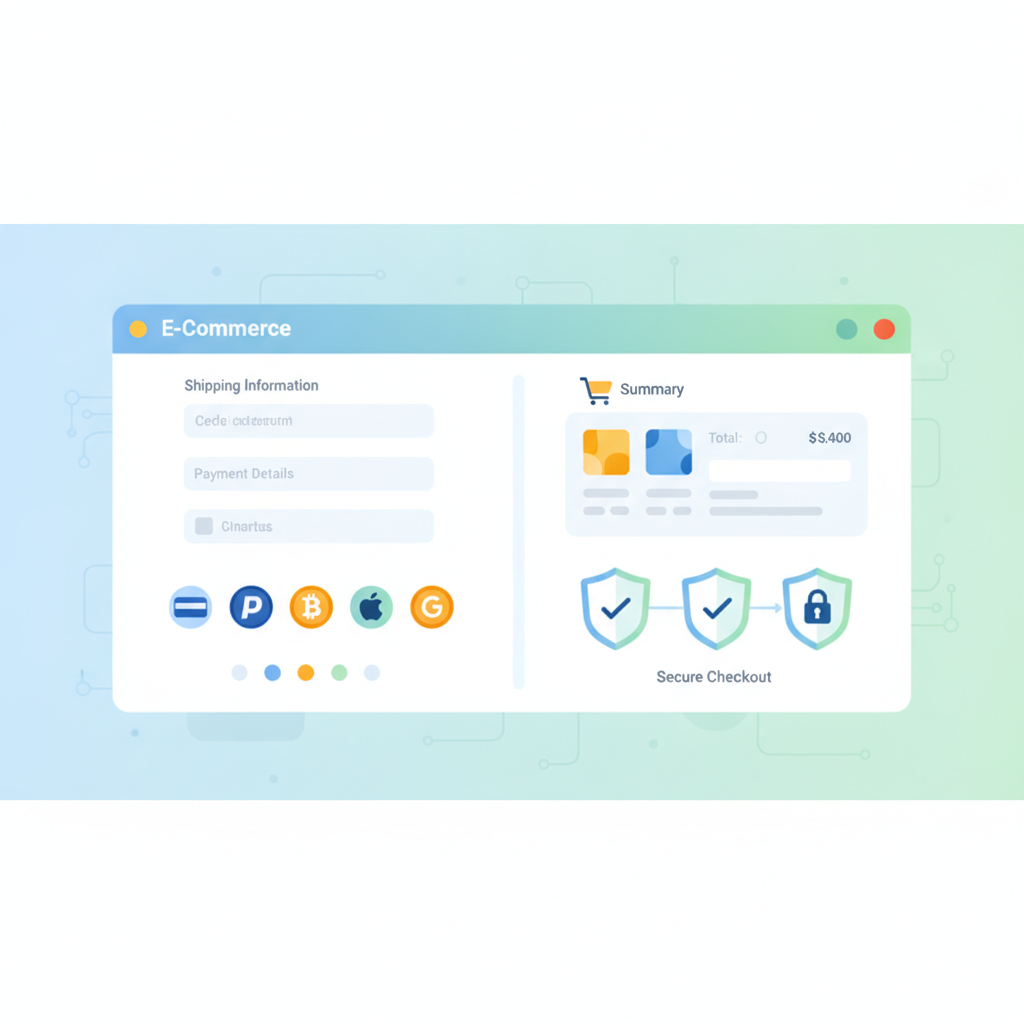
A good user experience includes fast page loading speed, a responsive design for various devices (especially mobile), clear fonts and colors, and easy access to important information such as shipping options, return policies, and available payment methods. Platforms like Zid, Salla, and Shopify provide templates and features that help achieve this, but it is the store owner's responsibility to effectively utilize these tools to provide the best possible experience.
As for trust, it is the cornerstone of any business relationship. Customer trust is built through transparency in product presentation, honesty in description, quality of images, and most importantly, through other customer reviews. A product page that displays strong social proof and answers all potential concerns enhances the store's credibility and encourages customers to complete their purchase without hesitation. This trust later translates into repeat visits and purchases, building a loyal customer base.
Essential Product Page Elements and How to Optimize Them
To maximize the benefits of the product page, it is crucial to focus on optimizing each of its essential elements. Every part of the page plays a vital role in persuading the customer and completing the purchase. Here, we will review the most important elements and provide practical tips for optimizing them on platforms like Salla, Zid, and Shopify, ensuring a smooth and effective user experience.
Optimizing each element requires a precise understanding of its purpose and how it can influence the customer's decision. From eye-catching images to descriptions that tell a story, and from competitive prices to reviews that build trust, all work together to create an ideal purchasing environment. These elements must be integrated and consistent to form a unified and compelling experience for the customer, encouraging them to take the step of purchasing with confidence.
Remember that optimization is not a one-time process; it is a continuous journey that requires monitoring, analysis, and adjustment based on customer behavior and available data. By focusing on these essential elements and applying best practices, you can significantly enhance your product page's efficiency, which will positively impact conversion rates and increase revenue for your online store.
High-Quality Images and Videos: The Eye Is the First to Buy
Images and videos are the visual gateway to the product, and they are the first thing that catches the customer's eye and forms their initial impression. Images must be high-resolution, clear, and display the product from multiple angles. Use professional photos that clearly highlight the product's details and features, with zoom capability to see the finest details. Don't settle for a single image; instead, provide a complete gallery of photos that show the product in different contexts, such as being used in daily life or with models.
In addition to images, videos offer a more immersive experience, as they can showcase the product in use, explain how it works, or display its true dimensions. A short, compelling video can significantly increase visitor dwell time on the page and boost the likelihood of a purchase. Ensure that images and videos are optimized in terms of size to guarantee fast page loading speed, which is vital for user experience and conversion rates on platforms like Salla, Zid, and Shopify.
Invest in professional photography or use image and video editing tools to ensure high quality. Remember that the quality of your images reflects the quality of your product and brand. Poor quality images can make a customer lose trust, even if the product is excellent. Let your images speak for themselves, tell the product's story, and highlight its true value.
Comprehensive and Compelling Product Description: Sell the Story, Not the Item
A product description is not merely a list of features; it's an opportunity to sell the story behind the product and its true value to the customer. Start with an attractive and compelling description that highlights the benefits the customer will gain from using the product and how it solves a particular problem or fulfills a desire. Focus on "Why should the customer buy this product?" rather than just "What is this product?". Use clear, concise, yet information-rich and engaging language.
Break down the description into short paragraphs and use bullet points to facilitate reading and clearly identify key features. Mention necessary technical specifications but in a simplified and understandable manner. Don't forget to naturally include relevant keywords within the description to improve its visibility in search engine results (SEO), which applies to all platforms like Zid, Salla, and Shopify.
Ensure that the description is accurate and honest to reflect the actual product. Exaggeration or false information can lead to product returns and loss of customer trust. The description can also include instructions for use or product care, adding value and showing your commitment to the complete customer experience. Remember that a good description complements images and videos and presents a strong argument for purchase.
Pricing and Promotional Offers: Transparency and Appeal
Price is one of the most significant factors influencing a purchase decision and must be clear and transparent on the product page. Display the base price clearly, and if there are any discounts or promotional offers, make them prominent by showing both the original price and the discounted price to create a sense of value. Offers such as "Buy One, Get One Half Off" or "Free Shipping on Orders Over a Certain Amount" can be powerful motivators for purchase.
Consider smart pricing strategies that enhance the product's appeal. You can check out our guide on Product Pricing: Smart Strategies for Salla and Zid Stores for more details. Additionally, providing flexible payment options, such as installment payments through services like Tabby and Tamara, can make a significant difference in purchasing decisions, especially for higher-priced products. Don't hesitate to clearly mention these options on the product page. For more details on this, you can visit Tabby and Tamara: How to Increase Your Store Sales in Salla and Zid.
Avoid hidden or surprising fees that might appear on the checkout page, as this erodes customer trust and leads to cart abandonment. Be transparent about shipping costs and taxes, if any, or clearly state that the price includes everything. The goal is to make the customer feel completely comfortable with the price and the value they are receiving for their money, encouraging them to complete the purchase without hesitation.
Customer Reviews and Ratings: Building Social Proof
Customer reviews and ratings are among the most powerful tools for building social proof on a product page. Most online shoppers prefer to read the experiences of others before making a purchase decision. Therefore, these reviews should be displayed prominently and clearly on your page. Allow customers to leave star ratings and write detailed comments about the product and their experience with it.
Don't be afraid to display negative reviews; a mix of positive and negative reviews shows greater credibility and transparency for your store. However, be sure to respond to negative reviews professionally and try to resolve the issue, demonstrating your commitment to customer satisfaction. Encourage customers to leave reviews after purchase, perhaps through automated emails or small incentives.
Platforms like Salla, Zid, and Shopify offer built-in tools for managing reviews; utilize them effectively. You can also use third-party apps to enhance this feature and provide a more interactive review experience. Reviews help dispel doubts among new customers and provide tangible evidence of product quality and store credibility, significantly boosting conversion rates and building a community of loyal customers.
Product Options and Customization: Meeting Diverse Needs
Often, products come with various options, sizes, colors, and specifications. It is essential to present these options clearly and easily to the user on the product page. Use clear dropdown menus or radio buttons that allow the customer to easily select their desired option without any confusion. Ensure that the product price automatically updates to reflect the correct price for each option.
If the product offers additional customization options, such as adding an engraving or choosing specific materials, make this process clear and straightforward. Text fields or image options can be added to clarify these customizations. The more the customer can see the product exactly as they want it, the greater their desire to purchase. This is especially important for stores selling customized or unique design products.
Ensure that all available options (such as sizes, colors) are clearly indicated in stock, so customers do not select an unavailable option. E-commerce platforms like Zid, Salla, and Shopify provide robust mechanisms for managing variants and options; invest in understanding how to use them effectively to provide a smooth and enjoyable selection and customization experience for the customer, reducing frustration and increasing the likelihood of completing the purchase.
Advanced Strategies for Converting Visitors into Buyers
Having covered the basic elements, it's time to move on to advanced strategies that can make a significant difference in converting visitors into buyers on the product page. These strategies go beyond merely displaying good information and focus on motivating the customer and removing any psychological barriers that might prevent them from purchasing. Implementing these techniques can enhance the shopping cart value and significantly increase your store's revenue.
These strategies require a deeper understanding of consumer behavior and thinking about how to gently guide them towards making a purchase decision. By integrating upselling and cross-selling, optimizing page speed, using effective calls-to-action, and addressing objections, your product page can transform from a mere product display into a powerful sales machine operating efficiently around the clock.
Remember that the goal is not just to complete a single sale, but to build a long-term relationship with the customer. These strategies are not limited to increasing immediate sales but also contribute to improving the overall customer experience, which enhances customer loyalty and repeat purchases. Invest in carefully applying these methods and monitor their impact on your store's performance on platforms like Salla, Zid, and Shopify.
Integrating Upselling and Cross-selling: Increasing Average Order Value
Upselling and cross-selling strategies are effective methods to increase the Average Order Value (AOV) on the product page. Upselling means offering an upgraded or higher-priced version of the product the customer is viewing, highlighting the additional value they will receive. For example, if a customer is looking at a phone, you can suggest a version with more storage capacity or additional features.
Cross-selling, on the other hand, means displaying complementary or related products to the one the customer is viewing. For instance, if a customer is looking at a camera, you can suggest additional lenses, bags, or memory cards. These products can be displayed in a "You might also like" or "Customers who bought this also bought..." section. Platforms like Salla, Zid, and Shopify provide built-in features or apps that help implement these strategies effectively. For more details, you can refer to Upselling: Increase Your Store's Profits in Salla and Zid.
The key here is to provide relevant and valuable recommendations to the customer, without being intrusive. These recommendations should be logical and enhance the customer's experience with the main product. By intelligently integrating these strategies, you can transform the product page from just a place to sell into a hub for maximizing value from every purchase, benefiting your store's revenue.
Optimizing Page Load Speed and Mobile Responsiveness: A Seamless Experience
In the age of speed, users have no patience for waiting. Product page load speed is a critical factor that directly impacts user experience and conversion rates. Every second of delay in loading can cost you potential customers. Therefore, you must ensure that your page loads at lightning speed on all devices, especially mobile phones.
To improve load speed, optimize the size of images and videos without sacrificing quality, use file compression tools, and reduce the use of unnecessary scripts and plugins. Platforms like Zid, Salla, and Shopify provide good infrastructure, but the responsibility for content optimization lies with the store owner. Regularly test your page speed using tools like Google PageSpeed Insights.
In addition to speed, mobile compatibility is essential. Most shoppers browse and purchase through their smartphones. The product page must be responsive and display perfectly on small screens, with clear, easy-to-tap buttons and readable text. A "mobile-first" design is no longer an option but a necessity to ensure you reach the widest segment of customers and provide a smooth and efficient shopping experience.
Using Effective Calls-to-Action (CTA) Buttons: Guiding the Customer
Call-to-Action (CTA) buttons serve as the compass guiding the customer to the next step in the purchase journey. These buttons must be clear, prominent, and visually appealing on the product page. Use motivating and clear texts like "Add to Cart," "Buy Now," "Order Now," or "Reserve Your Spot" instead of generic terms like "Click Here."
Place the CTA button in a visible and appropriate location, often above the fold and at the end of the description. Use a distinct color that makes it stand out from other page elements, and ensure it's easy to tap, especially on mobile screens. Don't settle for a single button; you can repeat it in different parts of the page if the content is long, but be careful not to overdo it to avoid distracting the customer.
You can also use CTA buttons to highlight special offers or alerts about limited stock to create a sense of urgency. Conduct A/B tests on button texts, colors, and placements to determine what is most effective for your audience. The goal is to make the purchase decision as clear and straightforward as possible, guiding the customer confidently towards completing their purchase on your Salla, Zid, or Shopify store.
Addressing Objections and Providing Guarantees: Reassuring the Buyer
It's natural for customers to have some objections or concerns before completing a purchase, especially in e-commerce. An effective product page anticipates these objections and provides solutions and reassurance to the customer. These objections might include questions about product quality, return policy, shipping costs, or guarantees. Include a Frequently Asked Questions (FAQ) section on the product page to answer these inquiries directly.
Clearly highlight your warranty and return policies. A flexible and easy return policy reassures the customer and reduces perceived purchase risks. Mention any guarantees offered on the product, whether they are replacement or money-back guarantees. The more transparency and clarity in these aspects, the greater the customer's trust in your store and their decision to purchase. For more information on shipping, you can visit Shipping Companies: Price and Service Comparison for Salla and Zid.
You can also use other social proofs such as expert testimonials or awards the product has received to enhance its credibility. Addressing objections is a crucial step in converting hesitant visitors into confident buyers. Ensure this information is easily accessible and prominent on the product page, which enhances the customer experience and reduces the likelihood of cart abandonment.
Continuous Analysis and Optimization of the Product Page
The process of optimizing a product page is not a one-time task that is completed and then left untouched; rather, it is a continuous cycle of analysis, adjustment, and development. To achieve maximum effectiveness, e-commerce store owners, whether on Salla, Zid, or Shopify, must regularly monitor the performance of their product pages and adapt their strategies based on data and feedback. This process ensures that your page always remains in top condition and responds to changes in customer behavior and market demands.
Analytics tools can provide valuable insights into how visitors interact with your page, what elements attract them, and what points might cause frustration or prompt them to leave. By understanding these patterns, you can identify areas that need improvement and implement targeted adjustments. Continuous optimization is key to staying ahead of the competition and achieving sustainable growth in the e-commerce world.
Remember that every small adjustment can have a significant impact on conversion rates. Don't hesitate to experiment with new ideas, but always measure the results. This data-driven approach is what enables you to make informed decisions and enhances the effectiveness of your marketing and sales efforts for your online store.
Tracking Product Page Performance: Success Indicators
To determine if your product page optimization efforts are bearing fruit, you must regularly track key performance indicators (KPIs). Among the most important of these indicators are: the Conversion Rate, which indicates the percentage of visitors who completed a purchase; the Bounce Rate, which shows the percentage of visitors who left the page after a single visit; and the average time visitors spend on the page, which indicates their level of engagement with the content.
Use web analytics tools such as Google Analytics or the built-in tools on platforms like Salla, Zid, and Shopify to monitor these numbers. Additionally, you can use heatmaps and session recordings to gain a deeper understanding of user behavior. These tools show you where visitors click, how far they scroll down the page, and what elements attract their attention or are ignored.
By analyzing this data, you can identify weaknesses in your product page, such as unclear images, unconvincing descriptions, or ineffective calls-to-action. Understanding these indicators enables you to make informed decisions about the adjustments needed to improve performance and increase sales for your online store.
A/B Testing and Continuous Improvement: A Never-Ending Journey
A/B testing is a powerful tool for continuously improving your product page. This test involves creating two different versions of a specific element on the page (such as a headline, image, CTA button color, or even the arrangement of sections), and presenting each version to a different group of visitors. The performance of both versions is then analyzed based on key performance indicators like the conversion rate to determine which one performs better.
Don't be afraid to experiment with new ideas and test them. Every change, no matter how small, can have a significant impact on the results. For example, you can test different texts for purchase buttons, different positions for product images, or even different formats for the description. E-commerce platforms often provide tools or third-party applications that enable you to conduct A/B tests easily.
Continuous improvement is a never-ending journey. The market changes, customer behavior evolves, and competitors constantly launch new initiatives. Therefore, you must be prepared to continuously adapt and develop your product page. By adopting a test-and-learn methodology, you can ensure that your product page remains effective and attractive, contributing to achieving your sales goals in the long run.
Conclusion
In conclusion, the product page is more than just a space to display goods; it is a critical meeting point between the product and the customer, and a key to success in the world of e-commerce. By focusing on high-quality images and videos, comprehensive and compelling descriptions, transparent pricing, trustworthy customer reviews, and clear product options, you can build a product page that not only attracts attention but also convinces and motivates purchases.
Remember that optimization does not stop at the basics. Integrating advanced strategies such as upselling and cross-selling, optimizing page speed and mobile compatibility, using effective calls-to-action, and addressing customer objections all contribute significantly to increasing conversion rates. These integrated efforts ensure that your product page functions as an efficient sales machine, enhancing customer trust and increasing average order value.
Most importantly, the process of product page optimization is an ongoing journey that requires continuous analysis, meticulous monitoring of key performance indicators, and the application of A/B tests to experiment with and refine adjustments. Whether you are using platforms like Salla, Zid, or Shopify, investing in optimizing your product pages is a direct investment in your business's long-term growth and success in the competitive digital market.