




Abandoned Carts: Recovery and Sales Increase for Salla and Zid
Abandoned shopping carts are a nightmare for e-commerce store owners, representing lost sales opportunities that cost businesses billions of dollars annually worldwide. In the rapidly evolving world of e-commerce, where competition is fierce and customer expectations are constantly rising, stores cannot afford to lose customers in the final moments before completing a purchase. This phenomenon, where a customer adds products to their shopping cart but leaves the store without completing the payment process, is a critical indicator of a flaw in the customer journey or in the value proposition.
However, instead of viewing abandoned carts as an inevitable loss, store owners, especially those relying on platforms like Zid, Salla, and Shopify, should see them as a golden opportunity for improvement and revenue growth. Understanding the underlying reasons for this phenomenon and implementing proactive and effective strategies to recover these carts is not just a tactic to boost sales, but an essential part of building a strong and profitable customer experience. This article aims to provide a comprehensive and detailed guide on how to understand, recover, and prevent abandoned shopping carts, with a focus on practical tips that can be applied directly to your stores.
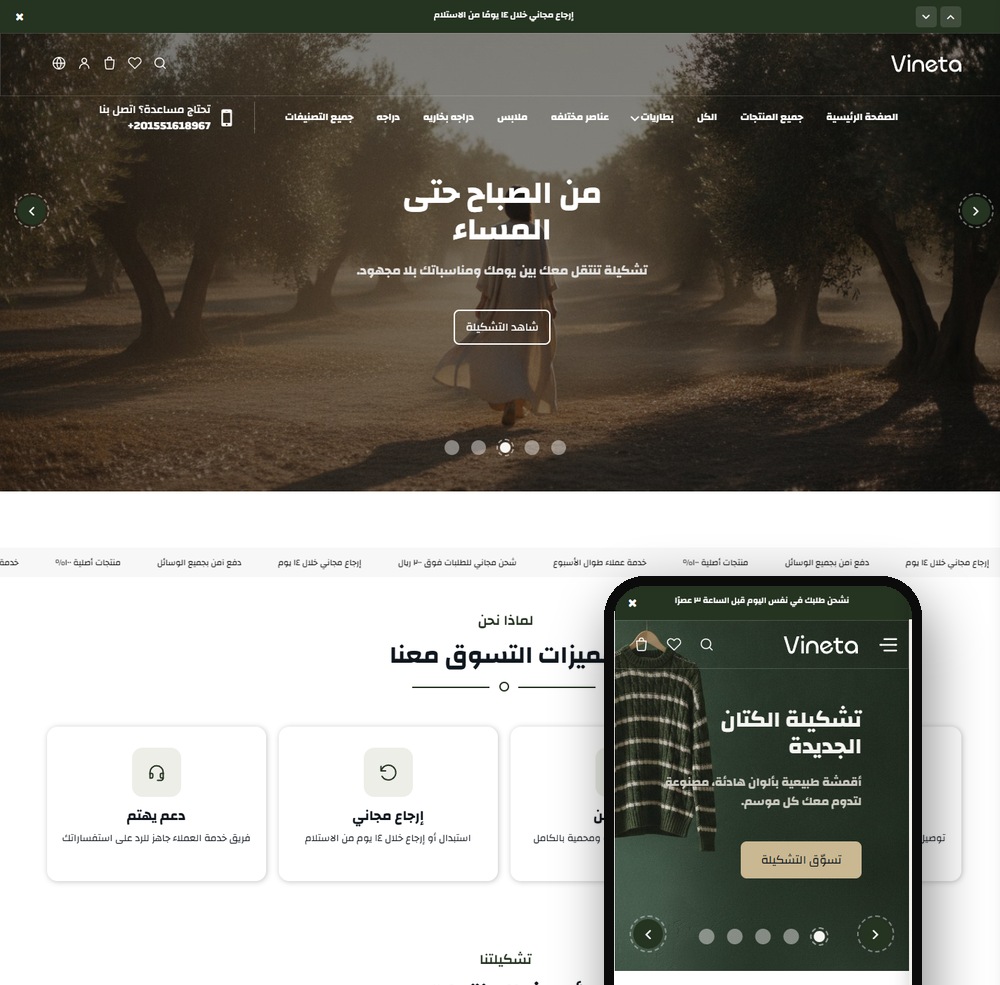
Understanding Abandoned Shopping Carts and Their Main Causes
Abandoned shopping carts refer to the percentage of customers who add products to their shopping cart in an online store but do not complete the purchase process. This phenomenon is very common, with global statistics indicating that the average cart abandonment rate ranges between 60% and 80%, posing a significant challenge for any online business. Recognizing that the majority of customers will not complete a purchase after adding products to their cart highlights the critical importance of analyzing these reasons and working to address them effectively to ensure visitors are converted into actual buyers and revenue is increased.
There are multiple reasons that drive customers to abandon their carts, ranging from technical and psychological to economic factors. The reason could be as simple as a sudden distraction, or as complex as a lack of trust in the store or unclear return policies. It is essential for store owners on platforms such as Zid, Salla, and Shopify to understand these diverse factors to design comprehensive and precisely targeted recovery and prevention strategies. This deep understanding is the cornerstone of any successful effort aimed at improving conversion rates and reducing losses.
Analyzing customer behavior and abandoned cart data provides valuable insights into the weaknesses in the purchase journey. By tracking these behaviors, store owners can identify recurring patterns and friction points that drive customers away. Whether it's due to unexpected costs, a complex checkout process, or security concerns, identifying the root cause is the first step towards developing sustainable solutions that ensure a smooth and reliable shopping experience from start to finish.
Cost and Shipping Related Reasons
Unexpected costs, especially those related to shipping and taxes, are among the main reasons that drive customers to abandon shopping carts. When a customer adds a product to the cart at a certain price, and then at the checkout page is surprised by significant unexpected additional fees, this often causes a feeling of disappointment and makes them reconsider their purchase decision. Transparency in displaying costs from the outset, or at least providing a clear estimate before reaching the final payment stage, can significantly reduce the abandonment rate. Stores on Zid, Salla, and Shopify can utilize advanced shipping calculation features to accurately display costs.
High shipping costs themselves, even if clearly stated, can also be a major reason for abandonment. Many online shoppers now expect affordable shipping options, or even free shipping, especially if their cart value exceeds a certain threshold. Failing to provide competitive shipping options, or not offering free shipping as an incentive, can lead customers to search for the same product from a competitor offering better shipping terms. Therefore, reviewing shipping policies and seeking economical shipping solutions is a crucial step to reduce abandonment rates.
Lack of diverse shipping options or long estimated delivery times can be another reason. Some customers may be willing to pay more for faster shipping, while others may prefer an economical option even if it's slower. Providing flexibility in shipping options ensures meeting the needs of a wider segment of customers. Salla, Zid, and Shopify stores can review our shipping companies comparison guide to ensure they offer the best options for their customers and reduce shipping-related cart abandonment rates.
Complex Checkout Process
A complex or lengthy checkout process is one of the most significant obstacles customers face, driving them to abandon their carts. Modern shoppers expect a fast and easy payment experience that requires the fewest possible steps and data. If a customer finds themselves having to fill out long forms, being forced to create a new account, or navigating through multiple pages, they are likely to lose patience and decide to abandon the purchase. The checkout process should be as smooth and straightforward as possible, with a progress bar indicating the remaining steps.
Furthermore, the unavailability of a customer's preferred payment options can be a critical reason for abandonment. In the Arab region, for example, many prefer cash on delivery, using local payment gateways, or installment payment options like Tabby and Tamara. If the store does not offer these options, the customer may prefer to look for another store that meets their preferences. Therefore, store owners on Zid, Salla, and Shopify must ensure they integrate a wide range of payment gateways that cater to their target audience's needs.
Technical issues, such as slow page loading, frequent errors in the payment form, or unresponsive mobile site design, can also frustrate customers and lead them to leave. It is essential to conduct extensive testing of the checkout process across various devices and browsers to ensure an error-free experience. Investing in an optimized user interface and a seamless user experience is a direct investment in increasing conversion rates and reducing abandoned carts.
Trust and Security Issues
Trust and security are fundamental pillars of e-commerce, and any customer doubts regarding them can immediately lead to cart abandonment. Many customers hesitate to enter their personal and financial information on a store that does not appear trustworthy or secure. Visible signs of security, such as logos of well-known payment gateways (Visa, MasterCard, Mada), security badges (SSL certificates), and logos of trusted shipping companies, play a crucial role in building this trust. These signs should be clear and present on every payment page.
Moreover, unclear store policies, such as return, exchange, and warranty policies, can raise doubts among customers. Shoppers want to feel secure when making a purchase, knowing they have options in case the product is not satisfactory. Clearly displaying these policies in easily accessible locations, such as the website footer or an FAQ page, helps reassure customers. Zid, Salla, and Shopify stores can use dedicated sections to display this information clearly.
Customer reviews and testimonials provide strong social proof that enhances trust in the store. When potential customers see that others have purchased from the store and had positive experiences, it increases their confidence and encourages them to complete the purchase. The absence of reviews, or the presence of negative ones, can be a strong reason for abandonment. Therefore, store owners should encourage customers to leave reviews and display them prominently on product pages and, if possible, on the checkout page, which boosts credibility and increases the likelihood of completing a purchase. You can also refer to the importance of product descriptions in building trust.
Effective Strategies for Abandoned Cart Recovery
After understanding the main reasons for cart abandonment, the most important step is to implement effective strategies to recover these lost sales. Recovering an abandoned cart is often significantly less expensive than acquiring a new customer, and therefore, it should be an integral part of any e-commerce store's marketing strategy. These strategies are not limited to merely reminding the customer of the products they left behind, but extend to include compelling incentives and a personalized communication experience that re-engages the customer to complete the purchase.
The effectiveness of recovery strategies depends on combining multiple communication channels and a precise understanding of customer behavior. What works for one customer may not work for another, and what convinces some may not convince everyone. Therefore, strategies must be flexible and adaptable, with the ability to customize based on customer data and their history with the store. This integrated approach ensures reaching the largest possible number of potential customers and re-engaging them effectively.
Providing well-thought-out incentives and offering solutions to potential problems that led the customer to abandon the cart is at the core of the recovery process. For example, if the reason was shipping cost, offering a shipping discount or free shipping might be sufficient. If the reason was uncertainty, reminding the customer of clear return policies or providing quick technical support might do the trick. The goal is to remove obstacles faced by the customer and encourage them to return to complete the purchase with confidence and peace of mind.
Targeted Email Campaigns
Abandoned cart email campaigns are among the most powerful and effective tools in the digital marketing arsenal of any e-commerce store. These campaigns allow you to communicate directly with customers who have shown interest in your products, remind them of what they left in their shopping cart, and offer an incentive to complete the purchase. These messages must be meticulously designed, from an engaging subject line to the message content itself, to ensure the highest open and click-through rates. Platforms like Zid, Salla, and Shopify typically offer integrations or built-in features to manage these campaigns.
To maximize the benefits of email campaigns, the first email should be sent within one to three hours of cart abandonment, as the product is still fresh in the customer's mind. This can be followed by a second email after 24 hours, and perhaps a final email after 48-72 hours, offering an escalating incentive in each message (e.g., a small discount, then free shipping, then a larger discount). The email should contain clear images of the products the customer left behind, and a clear, direct call-to-action (CTA) button that takes them back to their shopping cart.
Personalization is key to the success of these campaigns. The email should feel personally addressed to the customer, using their name and including the products they were interested in. You can also include recommendations for related or complementary products to increase the cart value. Don't forget to mention available payment options, and perhaps highlight installment payment options like Tabby and Tamara, which you can learn more about in our article Tabby and Tamara: How to Increase Your Store's Sales. These small details make a significant difference in convincing the customer to return and complete their purchase.
Retargeting Ads
Retargeting ads are another indispensable and powerful tool in the abandoned shopping cart recovery strategy. While email targets customers who have provided their email address, retargeting ads allow you to reach all visitors who have interacted with your store in some way, including those who did not provide their contact information. These ads rely on tracking user behavior via cookies, then displaying customized ads to them on various platforms such as Facebook, Instagram, Google, and other advertising networks.
The secret to retargeting's success lies in its ability to remind customers of the products they were interested in while browsing other websites or social media. These ads can be designed to display the specific products that were in the customer's cart, similar products, or even offer a special incentive (such as a discount or free shipping) to encourage them to return. The message should be engaging and concise, with a clear call to action that leads the customer directly to their shopping cart or product page.
To achieve maximum effectiveness, the target audience for retargeting ads should be segmented based on their level of interest and behavior. For example, you can create a retargeting audience for customers who added products to the cart but did not purchase, and another audience for those who only visited specific product pages. This allows for greater customization of the ad message and increases the likelihood of conversion. Investing in retargeting campaigns can yield a very high return on investment, as it targets an audience that has already shown interest in your products.
SMS and Web Notifications
Short Message Service (SMS) and Web Push Notifications are fast and direct communication channels that can be highly effective in recovering abandoned shopping carts, especially when used judiciously. SMS messages boast very high open rates compared to email, making them a powerful tool for quick customer reach. Web notifications, on the other hand, appear directly on the customer's screen (whether on a computer or phone) even if they are not browsing your site, providing an instant reminder.
When using SMS messages, the message should be short, direct, and contain a direct link to the shopping cart. A small incentive such as "10% off your remaining cart!" can also be included to increase the response rate. It is crucial to obtain the customer's explicit consent before sending text messages to avoid annoying them and to comply with privacy regulations. Zid, Salla, and Shopify platforms typically support integration with SMS services to enable this feature.
Web notifications, on the other hand, do not require collecting the customer's phone number, but they do require their consent to receive notifications when they first visit your store. They can be used to remind the customer of their abandoned cart, to inform them that a certain offer is about to expire, or even to offer a special incentive. These notifications should be concise and engaging, with a clear call to action. Combining these channels with email and retargeting creates a broad network for recovering potential customers and ensuring no sales opportunity is missed.
Preventing Abandoned Carts: Enhancing Customer Experience
Despite the importance of abandoned cart recovery strategies, the most effective approach is to work on preventing cart abandonment in the first place, by fundamentally improving the customer experience. Focusing on providing a smooth, enjoyable, and transparent shopping journey significantly reduces the reasons that drive customers to abandon their purchases. This requires a deep understanding of customer needs and expectations, and an investment in designing an intuitive and reliable store.
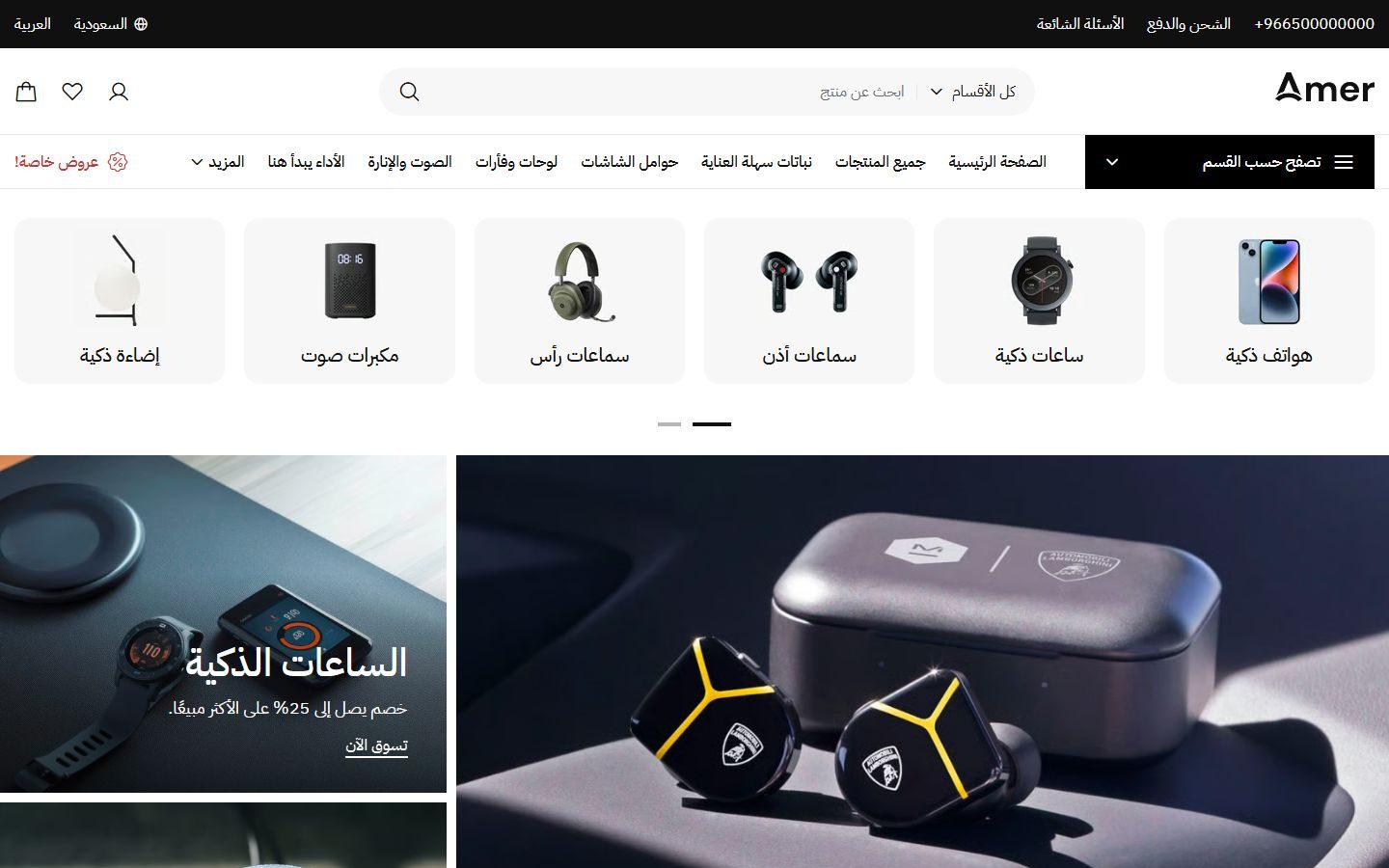

Improving the customer experience is not limited to one aspect of the store but encompasses every touchpoint the customer goes through, from browsing products to completing the payment process. This includes attention to user interface design, website loading speed, clarity of information, ease of navigation, and providing diverse payment and shipping options. The smoother and more trustworthy the customer experience, the less likely cart abandonment will occur, and conversion rates will increase.
This preventive approach is a long-term investment that contributes to building customer loyalty and increasing their lifetime value. When customers feel comfortable and confident in your store, they not only complete current purchases but also become more likely to return for future purchases and recommend your store to others. Therefore, store owners on Zid, Salla, and Shopify should pay special attention to improving every aspect of the customer experience to prevent cart abandonment from the source.
Streamlining the Checkout Process
A simplified and uncomplicated checkout process is the cornerstone of preventing abandoned carts. The customer's journey from the shopping cart to the thank-you page should be as short as possible, requiring minimal effort. Avoid forcing customers to create new accounts; instead, offer a guest checkout option, or use quick login options via social media or Google accounts. If account creation is necessary, make it easy and fast after completing the purchase, not before.
Reduce the number of checkout steps to a minimum, preferably a single page if possible, or two pages at most. Use a progress bar to show the customer which stage of the payment process they are in, and how much is left to complete the process. This gives the customer a sense of control and reduces anxiety. Ensure all form fields are clear and necessary, and use the autofill feature if possible to reduce the effort required from the customer.
The checkout page should be free of any distracting elements, such as pop-ups or sidebar ads. Focus on displaying the products in the cart, the total cost, and payment options. Also, ensure your store is fully mobile-responsive, as a significant portion of purchases are now made via smartphones. Providing a seamless checkout experience across all devices is key to the success of any e-commerce store. To determine the most suitable platform that offers this fluidity, you can review the article Salla, Zid, and Shopify: Which is Best for Your Store?.
- Guest Checkout: Allow customers to complete their purchase without needing to create an account.
- Fewer Checkout Steps: Shorten the checkout process to the fewest possible steps, ideally a single page.
- Progress Bar: Show the customer what stage of the payment process they are in.
- Multiple Payment Options: Provide diverse and reliable payment gateways (Mada, Visa, Tabby, Tamara, Apple Pay).
- Responsive Design: Ensure the checkout page looks and functions perfectly on all devices.
- Remove Distractions: Keep the checkout page clean and focused on completing the transaction.
Transparency in Costs and Shipping
Absolute transparency in all costs, especially shipping fees, is one of the most important factors in preventing cart abandonment. The customer should see the total cost of their order, including shipping fees and taxes, as early as possible in the purchase journey, preferably before reaching the final checkout page. This can be achieved by displaying an estimated shipping calculator on the shopping cart page, or even on product pages, based on the customer's location.
If there is a free shipping threshold, it should be clearly displayed, and customers should be encouraged to add more products to reach it. For example, you can display a message like "Add another 50 Riyals to your order to get free shipping!". This strategy not only reduces the cart abandonment rate due to shipping costs but also contributes to increasing the average order value (AOV). These messages should be clear and visually appealing.
Providing multiple shipping options, with clear display of costs and delivery times for each option, gives the customer greater control and helps them make an informed decision. Some customers may be willing to pay more for faster shipping, while others may prefer an economical option. Flexibility and clarity are key. Zid, Salla, and Shopify platforms typically offer advanced settings for managing shipping rules and costs, making it easier for store owners to implement this transparency. You can benefit from our shipping companies comparison guide to ensure the best options.
Building Trust and Credibility
Building trust and credibility with the customer is the foundation of any successful e-commerce business, and it plays a crucial role in preventing cart abandonment. Customers feel comfortable completing a purchase from a store they trust, knowing their information is secure and they will receive the product as described. Trust begins with a professional, modern, and user-friendly website design, and continues through every customer touchpoint.
Displaying security badges (such as SSL, Verified by Visa, MasterCard SecureCode) and trusted payment gateways prominently throughout the site, especially on checkout pages, reassures customers that their data is protected. Providing clear contact information (phone number, email, physical address if applicable) and transparent store policies (returns, exchanges, warranty, privacy) further solidifies this trust. These policies should be easily accessible and understandable.
Customer reviews and testimonials are invaluable social proof. Encourage satisfied customers to leave reviews for products and services, and display them prominently on product pages and, if possible, on the checkout page. Hundreds or thousands of positive reviews can significantly reassure new customers. Investing in excellent and responsive customer service also enhances trust, as customers know there's someone they can contact to resolve any issues. All these factors combined contribute to building a secure and reliable shopping environment that significantly reduces the cart abandonment rate.
Continuous Analysis and Optimization of Abandoned Carts
Addressing the issue of abandoned shopping carts is not a one-time process; it is an ongoing cycle of analysis, experimentation, and optimization. E-commerce store owners, whether using Zid, Salla, or Shopify, must adopt a mindset of continuous improvement to understand why customers abandon their carts, experiment with different solutions, and then measure the impact of these solutions. This data-driven approach is the only way to sustainably reduce the abandonment rate and increase revenue in the long run.
Continuous improvement requires regularly collecting and analyzing data to identify trends and patterns. Which pages do customers abandon their carts from most frequently? Which products appear most often in abandoned carts? Are there specific times of day or days of the week when the abandonment rate increases? Answering these questions provides valuable insights that can be used to guide improvement efforts and focus resources on the most impactful aspects of the customer experience.
Moreover, listening to customer feedback, whether through surveys or direct conversations with the support team, can reveal weaknesses that were not apparent through digital data alone. Combining quantitative analysis (numbers and statistics) with qualitative analysis (customer feedback) provides a complete and comprehensive picture of the cart abandonment phenomenon, enabling stores to make informed decisions that lead to tangible improvements in conversion rates and overall sales growth.
Tracking Key Performance Indicators (KPIs)
For your efforts in recovering and preventing abandoned shopping carts to be effective, you must regularly track and measure Key Performance Indicators (KPIs). The most important metric is the Cart Abandonment Rate, calculated by dividing the number of abandoned carts by the total number of carts created, then multiplying the result by 100. Monitoring this rate over time will give you a clear idea of the success of your strategies.
Another important metric is the Cart Recovery Rate, which measures the percentage of abandoned carts successfully recovered after implementing recovery campaigns (such as email or SMS messages). This metric shows you the effectiveness of your marketing efforts aimed at recovering lost sales. You should also track the Average Order Value (AOV) for both completed and recovered carts, to compare the value of sales that have been recouped.
Furthermore, it is essential to monitor your store's Overall Conversion Rate, which reflects the percentage of visitors who complete a purchase. Improving the cart abandonment rate should positively impact the overall conversion rate. Platforms like Zid, Salla, and Shopify provide dashboards and built-in analytics tools that help you track these metrics easily, enabling you to make informed decisions based on accurate and reliable data.
Utilizing Platform Analytics Tools
Modern e-commerce platforms like Zid, Salla, and Shopify offer a powerful suite of built-in analytics tools that store owners can leverage to gain deep insights into customer behavior, including abandoned shopping carts. These tools allow you to identify weaknesses in the purchase path, pinpoint potential reasons for abandonment, and measure the effectiveness of your improvement strategies. Every store owner should invest time in understanding and effectively using these tools.
For example, in Shopify, you can access detailed abandoned cart reports, which show you the products that were in the carts, the value of these carts, and any contact information collected from customers before abandonment. In Zid and Salla, the dashboards also provide similar data, in addition to the ability to integrate with external analytics tools like Google Analytics for deeper user behavior analysis and to identify pages where customers frequently leave.
Through these tools, you can determine if certain products appear in abandoned carts more often than others (which might indicate a problem with the product description or price), or if certain stages in the checkout process experience a higher abandonment rate (which might indicate form complexity or a technical issue). Using this data to guide your decisions will ensure that your improvement efforts are focused and impactful, leading to better results in reducing abandoned carts and increasing sales.
A/B Testing and UX Improvements
A/B testing is an indispensable tool for improving user experience and reducing the cart abandonment rate. This test allows you to compare two different versions of a page or specific element (such as a call-to-action button, checkout page design, or email subject line) to see which performs better. Instead of guessing, you can make decisions based on real data about what your customers prefer and what motivates them to complete a purchase.
For example, you can conduct an A/B test on the checkout page design to see if reducing the number of form fields or changing their order leads to an increase in the conversion rate. You can also test different subject lines for abandoned cart emails to see which achieves the highest open rate, or experiment with different incentives (such as a 10% discount versus free shipping) to see which motivates customers to return more effectively. Platforms like Zid, Salla, and Shopify, or through integrations with external tools, provide the ability to implement these tests.
Continuous user experience (UX) improvement is an ongoing process. You should always be looking for ways to make the customer journey smoother, clearer, and more enjoyable. Listen to customer feedback, observe their behavior, and regularly test changes. Even small changes can have a significant impact on the cart abandonment rate and your store's overall conversion rate. By adopting a culture of testing and optimization, you will be able to build an e-commerce store that not only reduces abandoned carts but also increases customer loyalty and thrives in the long term.
In conclusion, abandoned shopping carts are a global challenge in e-commerce, but at the same time, they represent an invaluable opportunity to increase sales and enhance the customer experience. By understanding the root causes of this phenomenon and implementing effective recovery strategies such as email campaigns, retargeting, and SMS messages, store owners on platforms like Zid, Salla, and Shopify can reclaim a significant portion of lost revenue. More importantly, focusing on preventing cart abandonment in the first place, by simplifying the checkout process, providing full transparency in costs, and building trust and credibility, is key to achieving sustainable success.
Success in reducing abandoned shopping carts and increasing conversion rates does not happen by chance; rather, it is the result of continuous effort, precise analysis, and flexible adaptation to changing customer behaviors. Store owners must adopt a mindset of continuous improvement, utilizing the analytics tools available to them, and regularly conducting A/B tests to understand what works and what doesn't. Every step taken to simplify the customer journey or reassure them is a direct investment in the store's future and growth.
Therefore, do not let abandoned carts become a burden on your store. Start implementing these strategies today, carefully monitor the results, and do not hesitate to experiment and adapt. Remember that every abandoned cart represents a customer who showed interest in your products, and with a little effort and good planning, this interest can be converted into real sales that contribute to the growth and prosperity of your e-commerce store.