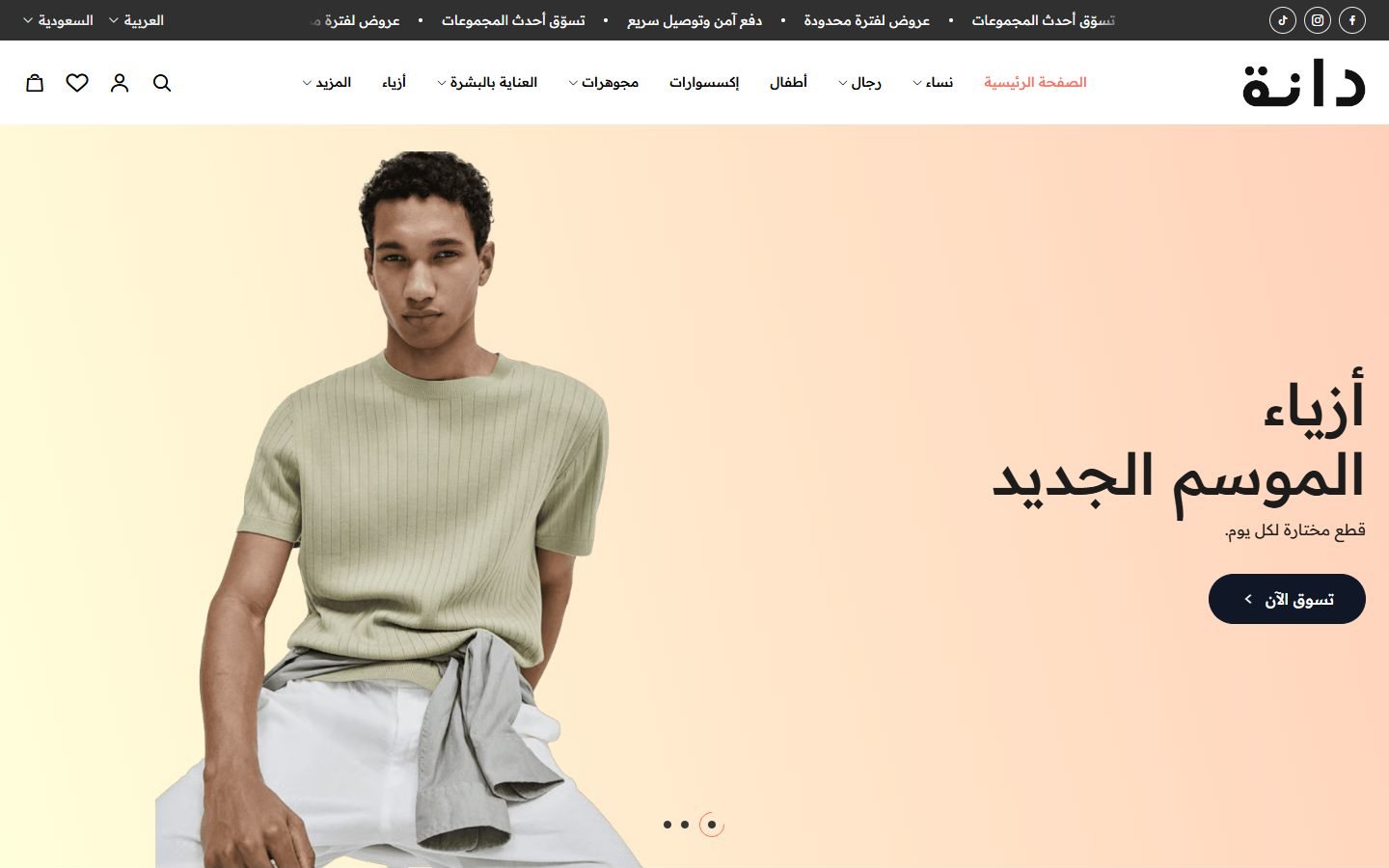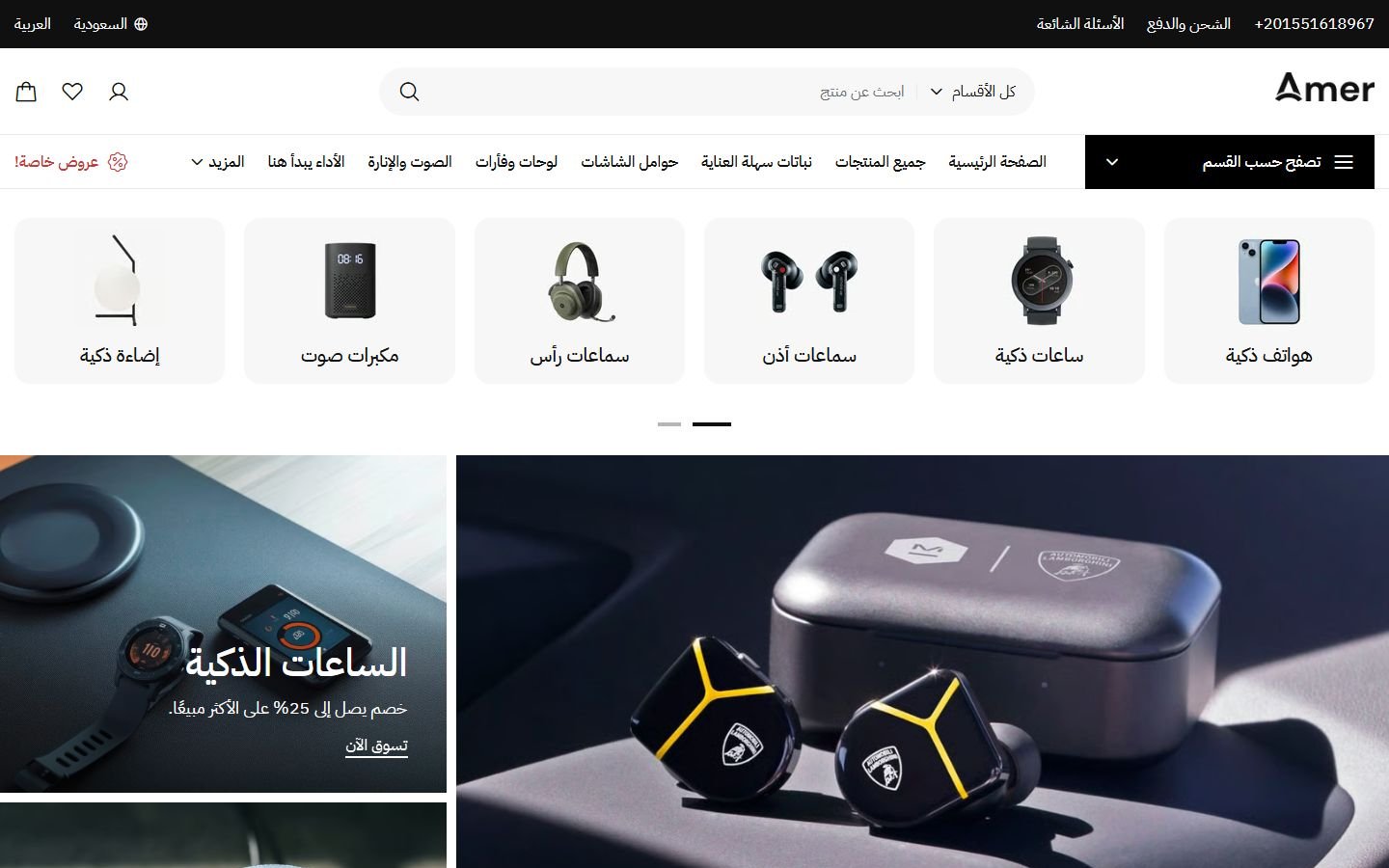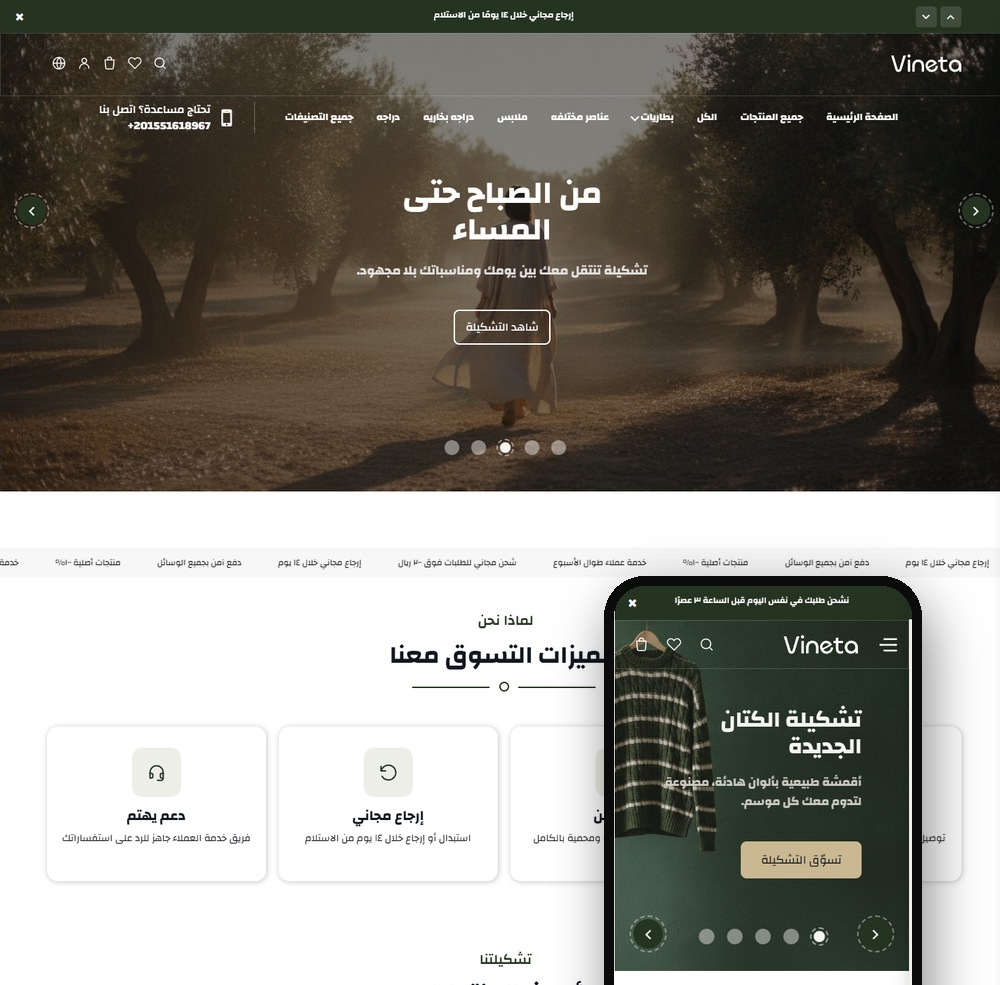



Product Images: Attracting Customers and Boosting Sales in Salla and Zid
In the fast-paced world of e-commerce, where thousands of online stores compete to capture consumer attention, product images stand out as a crucial and indispensable factor. They are not merely photographs; they are the silent language that speaks on behalf of your store, showcases the value of your products, and builds bridges of trust with potential customers. On platforms like Salla, Zid, and Shopify, where customers rely entirely on what they see, image quality becomes the decisive factor between a successful purchase and an abandoned shopping cart. Today's consumer seeks a rich and compelling visual experience before making a purchase decision, making investment in professional product photography a necessity, not a luxury.
Imagine browsing an online store that displays its products with low-quality images, poor lighting, or unclear angles. What would be your first impression? It would likely be a negative one, affecting the store's credibility and the perceived quality of its products, even if the products themselves are excellent. In contrast, professional images that clearly and attractively display the product from multiple angles, with precise details, significantly contribute to building trust and stimulating purchasing desire. They enable the customer to visualize the product in their life, providing an experience as close as possible to touching and seeing the product in person, which directly reflects on conversion rates and increased sales in your online store.
The Importance of Product Images in E-commerce
Product images are the cornerstone of any successful e-commerce store's strategy, representing the visual interface with which the customer first interacts. In the absence of the ability to physically touch or try the product, the image becomes the primary reference upon which the customer bases their decision. A good image not only captures attention but also tells a story about the product, highlights its unique features, and enhances its perceived value. It is the most effective tool for building a first impression, which is often critical in determining whether a visitor will convert into a buyer, and this applies particularly to competitive platforms like Salla, Zid, and Shopify, which heavily rely on visual appeal to attract customers.
High-quality images also contribute to reducing return rates by providing customers with realistic and accurate expectations of what they will receive. When a customer sees clear and comprehensive images of a product from all angles, highlighting important details, they gain a better understanding of the product, which reduces the likelihood of disappointment upon receipt. This not only saves the store shipping and return costs but also enhances customer satisfaction and loyalty in the long run, leading to a good reputation for the store and increased repeat sales.
Furthermore, product images are a vital element in enhancing your store's brand. Consistent image style and quality reflect the store's professionalism and attention to detail, contributing to building a strong and distinctive visual identity. This visual identity helps differentiate your store from competitors and solidifies its image in customers' minds, making them easily remember your store when similar products are needed. It's not just a display of a product; it's a presentation of your brand's values and message.
Building Trust and Credibility
Trust and credibility are among the most valuable assets an e-commerce store can possess, and product images play a pivotal role in building them. When a customer sees professional and clear images, they feel confident that the store is serious about its business and offers high-quality products. Images that display the product authentically and honestly, without falsification or exaggeration, enhance the store's transparency and reduce any doubts a customer might have about the product's quality or its conformity to the description. This level of transparency is essential for building a long-term relationship with customers, especially in competitive environments like Salla, Zid, and Shopify.
Professional images not only reflect the quality of the product but also the professionalism of the store itself. Stores that invest in carefully photographing their products send a clear message to customers that they care about every detail, from product quality to its presentation. This attention translates into a sense of trust in the customer that the store provides excellent customer service and reliable products. For example, if your store specializes in selling handmade products, images that show the precision of craftsmanship and the materials used, along with shots of the production process if possible, will significantly enhance the product's value and credibility in the customer's eyes.
Moreover, images contribute to building trust by showcasing customer reviews and experiences. When customers are allowed to upload their own photos of purchased products, or when professional product images are displayed alongside customer ratings, this significantly boosts credibility. User-Generated Content (UGC) is considered a powerful social proof that encourages potential customers to buy, as they see the product in its real context and from the perspective of other users. This combination of professional and customer images provides a comprehensive and trustworthy impression of the product and the store.
Impact on Purchasing Decisions
Product images are the primary visual stimulus that drives a customer towards a purchasing decision. The human brain processes visual information faster and more effectively than text, making images a very powerful tool in influencing emotions and desires. When a customer sees an attractive image of a product, they begin to imagine themselves owning or using that product, which ignites their purchasing desire. This emotional impact is often stronger than any textual description, no matter how detailed, and directly contributes to increasing conversion rates on e-commerce platforms like Salla, Zid, and Shopify.
Multiple images showing the product from different angles, highlighting its fine details, and offering lifestyle shots, enable the customer to gain a comprehensive understanding of the product. This understanding reduces their uncertainty and answers many questions they might have without needing to read every detail of the description. For instance, an image showing the size of the product relative to a person's hand or another object provides a clearer sense of scale compared to written dimensions. These visual details make it easier for the customer to make a purchase decision with greater confidence.
Additionally, images contribute to building an enjoyable and engaging shopping experience. Stores that use high-quality and consistent images offer customers a pleasant visual journey through product pages, encouraging them to spend more time browsing and exploring more products. The more time a customer spends in your store, the higher the chances of converting them into a buyer. It's an experience that stimulates the senses and satisfies curiosity, making the purchasing process more enjoyable and enticing.
Essentials of Professional Product Photography
To maximize the benefits of product images, it's essential to adhere to professional photography basics that help highlight the product's beauty and quality. This doesn't necessarily require expensive cameras or professional studios; excellent results can be achieved with simple equipment and a good understanding of photography and lighting techniques. The most important aspect is to focus on details that make the image clear, attractive, and expressive of the product. These fundamentals are the cornerstone to ensure your product images on platforms like Salla, Zid, and Shopify are competitive and effectively attract customers.
The process begins with choosing the right camera, which can be a smartphone with a good camera, or a digital camera (DSLR/Mirrorless). More important than the camera type is understanding how to use it and leverage its settings. Next comes lighting, the most critical element in photography, as good lighting is the difference between a dull image and a vibrant one. Then, the background should be simple and uncluttered, to put the spotlight on the product. Finally, multiple shooting angles and detailed shots show the product from every side and highlight its unique features.
Post-processing is also an essential and indispensable step. After taking the photos, they must be edited to improve colors, contrast, and sharpness, as well as to remove any minor imperfections. These adjustments contribute to giving the photos a professional touch and enhancing their appeal. These adjustments should be precise and not alter the product's realism but rather showcase it in the best possible light. Adhering to these fundamentals ensures that your product images convey a strong and clear message to your customers.
Lighting: The Secret to Attractive Photos
Lighting is the most influential element in the quality of product images; it highlights product details, determines its true colors, and gives it depth and appeal. Poor lighting can spoil even the most beautiful products, while good lighting can transform an ordinary product into an attractive work of art. Understanding how to use natural and artificial lighting is key to producing professional images that attract customers to your store on Salla, Zid, or Shopify. Lighting should be balanced and not harsh to avoid strong shadows that might hide important product details.
The best type of lighting for products is soft, diffused light, which can be achieved using strong natural light sources like sunlight coming from a large window, with a diffuser to soften the light. If natural light is unavailable or insufficient, artificial lighting such as studio lights (softboxes) can be used to provide soft, controlled light. It is preferable to use at least two light sources; one main (key light) to illuminate the product from the front or side, and another secondary (fill light) to soften the shadows created by the main light.
When dealing with lighting, attention must be paid to color temperature to ensure that colors appear true to life. It is also advisable to use a small reflector to bounce light back into the shaded areas of the product, which helps bring out more details and avoid overly dark areas. Continuous experimentation with different lighting positions and angles will enable you to discover the optimal setup that showcases your product in the best possible way and enhances its visual appeal.
Background: Focusing on the Product
The background plays a crucial role in product images; it either highlights and emphasizes the product or distracts from it and diminishes its appeal. The primary goal of the background is to be simple, clean, and unobtrusive, so that the product remains the sole star of the image. Choosing the right background helps the customer focus on the product's details and quality without any distracting elements, which increases the chances of completing a purchase on e-commerce platforms like Salla, Zid, and Shopify.
White or neutral backgrounds (light gray, beige) are the most common and effective choice for most products. They provide a clean and professional look, help bring out the product's true colors, and simplify the post-processing of images. They also fit with any product page design and give a consistent look to all products in your store. These backgrounds can be easily achieved using a white cloth, cardboard, or even a small photo table.
In addition to neutral backgrounds, contextual backgrounds or lifestyle shots can be used to show the product in its natural environment or during use. For example, if you sell clothes, they can be photographed on a model or in an appropriate setting. If you sell kitchen tools, they can be photographed in a stylish kitchen. These backgrounds help customers imagine the product in their lives, adding a touch of realism and appeal. However, these backgrounds should also be simple and uncluttered, so they do not overshadow the main product.
Multiple Angles and Shots
To provide a comprehensive and clear view of a product, taking just one photo is insufficient. Instead, a variety of angles and shots should be presented, showcasing the product from all sides and highlighting its intricate details. This diversity allows the customer to fully examine the product as if they were holding it in their hands, thereby enhancing their confidence and facilitating their purchasing decision. In an e-commerce environment, where physical touch or trial is not possible, multiple shots become absolutely essential to compensate for this deficiency.
Your image collection should include a clear front shot of the product as the main image, followed by side and back shots showing the product from different angles. Don't forget top and bottom shots if they add important information about the product. Then, focus on close-ups that highlight specific details, product materials, or any unique features. For example, if you are selling a watch, take close-up photos of the dial, hands, strap, or any engravings on it.
In addition to these shots, contextual or lifestyle shots are very important. These images show the product in use, helping the customer imagine themselves using the product and how it will fit into their lifestyle. If you sell a handbag, you can photograph it with a model wearing it on a specific occasion. These shots add emotional value to the product and greatly stimulate purchasing desire. These strategies can also help you effectively improve Product SEO: Topping Search Results in Salla and Zid.
Optimizing Product Images for Salla, Zid, and Shopify Platforms
After capturing professional images, the next stage is optimizing them for display on e-commerce platforms like Salla, Zid, and Shopify. This step is just as important as the photography itself, as unoptimized images can significantly hinder your store's performance, even if they are of high quality. Optimization includes aspects such as image size, resolution, format, and how they are displayed on different devices, aiming to ensure a smooth and fast user experience and improve your store's search engine ranking.
The optimization process begins by reducing the image file size without affecting its visual quality. Overly large images slow down product page loading, which frustrates customers and increases the bounce rate. A balance must be struck between image quality and loading speed. Typically, a resolution of 72 DPI (dots per inch) is sufficient for web display, and dimensions between 1000 and 2000 pixels on the longest side are most suitable for most platforms. Using file formats like WebP (if supported by the platform) or optimized JPEG is an excellent choice for reducing file sizes.
Furthermore, it is crucial to ensure that images are responsive, meaning they automatically adapt to different screen sizes, whether smartphones, tablets, or desktop computers. This ensures that customers see clear and beautiful images regardless of the device they use, enhancing their experience and reducing frustration. Investing in image optimization is a direct investment in your e-commerce store's performance and increased sales.

Optimizing Speed and Performance
Page load speed is a critical factor in the success of any e-commerce store, and product images are often the largest contributor to page size and thus to load time. Modern consumers are impatient and expect pages to load extremely quickly. Even a slight delay can lead to the loss of potential customers, negatively impacting sales. Therefore, optimizing product images to ensure maximum speed and performance is indispensable, especially on platforms like Salla, Zid, and Shopify where stores compete fiercely for attention.
To improve loading speed, images must first be compressed. Many tools and software, both free and paid, allow you to compress images while maintaining their visual quality. It is crucial to choose the compression level that achieves the optimal balance between file size and image quality. It is also preferable to use modern and efficient file formats like WebP, which offer excellent image quality with a much smaller file size compared to JPEG or PNG. If your platform does not support WebP, optimized JPEG remains a good option.
In addition to compression, lazy loading techniques can be leveraged, which only load images when they appear in the user's viewport, rather than loading all images at once when the page opens. This reduces initial load time and significantly improves the user experience. It is also advisable to use Content Delivery Networks (CDNs) to speed up image delivery to customers in different geographical regions. All these measures contribute to accelerating your store and improving Salla and Zid Templates: Choosing the Best for Your Store's Appeal.
Using Alt Text
Alt text (alternative text) is a descriptive text added to product images in the HTML code, and it is considered a vital part of Search Engine Optimization (SEO) and enhancing user experience, especially for users with visual impairments or those using screen readers. Although it is not visible to customers under normal circumstances, search engines use it to understand image content, which helps improve the ranking of your product pages in search results, a crucial aspect on platforms like Salla, Zid, and Shopify.
When writing alt text, it should be descriptive and accurate to the visual content of the image. It should include the product name and any relevant keywords, but in a natural and non-stuffed manner. For example, instead of writing "red shoe," you could write "men's red leather athletic shoe with white sole." This description provides more information to search engines and to users whose images may fail to load.
In addition to SEO benefits, alt text improves the overall user experience. If an image fails to load for any reason (such as poor internet connection), the alt text appears instead of the image, giving the customer an idea of the image's content rather than leaving a blank space. This helps maintain browsing continuity and reduces frustration. Therefore, do not neglect this simple but important step in optimizing your product images.
User Experience Across Different Devices
In the era of smartphones, it has become essential for product images to be optimized and adapt perfectly to the user experience across different devices. A large percentage of online shoppers use their smartphones to browse e-commerce stores, and if images do not display correctly or are slow to load on these devices, customers are likely to leave the store without completing a purchase. This applies to all platforms, including Salla, Zid, and Shopify, where a responsive user experience is a critical success factor.
To achieve an optimal user experience across different devices, it is crucial to ensure that product images are responsive. This means that the image should automatically resize and adjust its dimensions to fit the screen size it is displayed on, without losing quality or becoming distorted. Most modern e-commerce platforms offer built-in features to handle responsive images, but it is important to check how your images are displayed on various devices after uploading them.
It is always recommended to test product pages on a variety of devices and browsers to ensure that images are displayed correctly and quickly. You can use website speed test tools provided by Google or other companies to analyze the performance of your images on mobile devices and get recommendations for improvement. Focusing on user experience across different devices not only enhances customer satisfaction but also contributes to improving your store's ranking in search results, as search engines favor websites that provide an excellent mobile experience.
Advanced Strategies for Product Images to Boost Sales
After mastering the basics of photography and optimization, e-commerce stores can move on to more advanced product image strategies aimed at attracting more customers and increasing sales. These strategies go beyond simply showcasing the product well, extending to creating an interactive and rich experience that encourages customers to purchase and strengthens their loyalty to the store. Implementing these advanced techniques can give your store a significant competitive edge on platforms like Salla, Zid, and Shopify, enabling you to reach wider customer segments.
Among these strategies are the use of 360-degree images and short videos that provide a comprehensive view of the product from all angles. This gives the customer the feeling of holding the product in their hands and exploring it freely, which reduces doubts and increases confidence. Integrating user-generated content (UGC) into product pages, such as customer photos and reviews, is also a powerful tool for building credibility and social proof, as customers trust the opinions and experiences of their peers more than traditional advertisements.
Furthermore, A/B testing product images is an effective strategy for understanding which types of images perform best. By testing different images for the same product (e.g., images with different backgrounds, different angles, or with different models), you can identify the images that achieve the highest conversion rates, and then apply these insights to the rest of your products. This continuous process of optimization and innovation in image presentation directly contributes to increasing sales and achieving sustainable growth for your e-commerce store. Understanding Store Analytics: Understanding Your Store's Performance in Salla and Zid can help you evaluate these strategies.
Product Images in Context (Lifestyle Shots)
Product images in context, also known as Lifestyle Shots, are among the most powerful visual tools for stimulating customer desire and persuading them to buy. Instead of merely displaying the product on a white background, these images show it being used in a real environment or with people, helping the customer imagine the product in their daily life and how it will add value to it. This strategy makes a significant difference in how customers perceive the product and increases the likelihood of a purchase decision, and it is of particular importance on platforms like Salla, Zid, and Shopify.
For example, if you sell clothes, photographing them on models in attractive locations (such as a café, park, or bustling street) gives customers an idea of how to style the clothes and how they look when worn. If you sell home furniture, photographing the piece in an elegant living room or a tidy bedroom allows the customer to imagine how it would look in their home. These images tell a story and evoke emotions, and they are much more effective than static images in building an emotional connection with the product.
To create effective lifestyle shots, you should think about the scenarios in which the product will be used and how its benefits can be highlighted in those scenarios. These images should be high-quality, well-lit, and clearly display the product within its context. It is also preferable to show people using the product happily and satisfied, which reinforces a positive impression. Integrating these shots with traditional white-background images provides the customer with a comprehensive and attractive view of the product.
Showcasing Fine Details and Added Value
Often, the true value of a product lies in its fine details, the high quality of materials used, or the craftsmanship. Therefore, clearly showcasing these details in product images is a crucial strategy to differentiate your products from competitors and convince customers of their quality and added value. It is not enough to generally display the product; rather, it is essential to delve into the minutest details that highlight its uniqueness and justify its price, thereby enhancing trust and increasing the likelihood of purchase on platforms like Salla, Zid, and Shopify.
Effectively use close-ups to show materials, texture, embroidery, engravings, or any small artistic details. For instance, if you sell jewelry, images that show the precision of craftsmanship and the sparkle of gemstones will make a significant difference. If you sell electronic products, images that highlight the quality of ports and buttons or the internal circuit design (if appropriate) will give an impression of high quality and attention to detail.
In addition to close-ups, infographics or images containing explanatory texts can be used to highlight key features, dimensions, or complex components of the product. These images simplify information and present it in an appealing, easy-to-understand visual manner. Comparison shots can also be used if your product offers a clear advantage over others. The goal is to provide the customer with all the visual information they need to appreciate the product's value and make an informed purchasing decision.
Using Product Images in Marketing
The importance of product images extends beyond merely displaying them on store pages; they are a powerful marketing tool that can be used across multiple channels to raise awareness of the store and attract more customers. Attractive images act as a visual magnet that captures attention in a content-saturated world, significantly contributing to the success of marketing campaigns on platforms like Salla, Zid, and Shopify and beyond.
On social media, high-quality images are essential for creating engaging content that encourages sharing and interaction. Whether they are images of individual products, lifestyle shots, or product collections, eye-catching visuals help build a community around your brand and increase followers. These images can be used in Facebook, Instagram, and Twitter ads to achieve maximum reach and target the right audience.
In email marketing campaigns, images help make messages more attractive and persuasive. Instead of a text-only list of products, incorporating professional images of featured or new products encourages recipients to click on links and visit the store. Product images are also effectively used in Google Shopping Ads, where products are displayed directly in search results with their images and prices, significantly increasing click-through rates and conversions.
Conclusion
In conclusion, it is abundantly clear that product images are not merely aesthetic elements in your online store; they are a fundamental pillar for its success and growth. They are the silent tool that makes the difference between an ordinary store and an exceptional one, between a passing visitor and a loyal customer. From building trust and credibility, through directly influencing purchasing decisions, to enhancing brand identity and expanding marketing reach, product images play a pivotal role that no ambitious store on platforms like Salla, Zid, and Shopify can afford to ignore. Investing in professional photography and continuous image optimization is a direct investment in the future of your store.
To achieve maximum benefit, e-commerce store owners must adopt a comprehensive approach that begins with selecting the right equipment, understanding the basics of lighting and background, and providing multiple angles and shots that showcase the product from all sides. This approach then moves to the technical optimization of images, including compressing them for faster loading, using alt text for SEO and accessibility, and ensuring image responsiveness across all devices. These technical steps are essential for ensuring a smooth and effective user experience.
Finally, don't stop at the basics. Explore advanced strategies such as 360-degree images, videos, lifestyle shots, and user-generated content. Continuously analyze your image performance using Store Analytics and conduct A/B tests to understand what best inspires your customers. Make your product images tell a story, evoke emotions, and provide an unforgettable visual experience. Ultimately, a picture is worth a thousand words, and in e-commerce, a good picture means more sales and greater success for your store.