



Affiliate Marketing: Boosting Your Store's Sales on Salla and Zid
In the rapidly evolving world of e-commerce, store owners are constantly seeking innovative and effective strategies to boost their sales and expand their customer base. Affiliate marketing represents one of the most powerful of these strategies, offering a lucrative model that benefits all parties involved. Simply put, it's a performance-based partnership where the store pays a commission to partners (affiliates) for every sale or lead generated through their marketing efforts. This strategy has proven particularly effective for stores operating on platforms like Salla, Zid, and Shopify, which aim to grow in competitive markets such as the Arab and Gulf regions.
The power of affiliate marketing lies in its ability to reach a wide and diverse audience without the need for large upfront marketing investments. Instead of spending significant amounts on traditional advertising that may not yield the desired return, affiliate marketing focuses on tangible results. You only pay when a specific goal is achieved, whether it's a direct sale, a signup, or even a click. This makes it an ideal choice for small and medium-sized businesses looking to maximize their marketing budget, contributing to sustainable and profitable long-term growth.
This comprehensive article aims to provide you with a detailed guide on how to build and manage a successful affiliate marketing program for your online store on Salla, Zid, and Shopify platforms. We will cover all aspects, from understanding the basics to implementing advanced strategies, and offer practical tips to ensure you get the most out of this powerful marketing channel. We will explore how this strategy can be a cornerstone of your store's growth plan, helping you overcome common challenges and achieve your business objectives.
What is Affiliate Marketing? And Why is it Essential for Your Online Store?
Affiliate marketing is a dynamic marketing model based on the principle of partnership between the store owner (merchant) and the affiliates (partners). In this model, the affiliate promotes the store's products or services through their own channels, such as blogs, social media, email campaigns, or even product review websites. When a customer clicks on the affiliate's link and makes a purchase or completes a specific action (like signing up for a mailing list), the affiliate receives a pre-agreed commission. This system creates a win-win environment: the store increases its sales, the affiliate earns money by promoting products they believe in, and the customer discovers new products that may meet their needs.
One of the main reasons affiliate marketing is essential for your online store, whether it operates on Salla, Zid, or Shopify, is its cost-effectiveness. Unlike traditional paid advertising that requires a significant upfront investment and may not guarantee a return, affiliate marketing operates on a pay-per-performance model. This means you only pay a commission when an actual sale or specific action is achieved, significantly reducing financial risks and improving your return on investment (ROI). You can use this strategy to complement your other marketing efforts, such as Google Ads, to create a broader and more diverse marketing network.
Furthermore, affiliate marketing gives you the ability to reach new and vast audiences that you might not otherwise reach through your own means. Affiliates often have loyal followers and a niche audience who trust their recommendations. When an affiliate promotes your products, they leverage this trust to introduce your products to an engaged audience already interested in what the affiliate offers. This not only increases sales opportunities but also enhances your brand awareness and adds credibility through a trusted third-party recommendation. It's an organic and effective way to expand your store's reach in the market.
Building a Successful Affiliate Marketing Program for Your Store on Salla, Zid, and Shopify
Building a successful affiliate marketing program requires careful planning and strategic execution. You should start by defining clear goals for your program, such as targeted sales numbers, average order value, or increased brand awareness. Next, you need to consider the suitability of your products for affiliate marketing. Unique products or those that solve a specific problem are often more attractive to affiliates. It's also crucial to ensure that your store's platform, whether Salla, Zid, or Shopify, supports the necessary tools and features for efficient affiliate program management, or that you can integrate it with specialized external solutions. The legal aspects are equally important, such as setting clear terms and conditions for affiliates to maintain transparency and accountability.
When designing your affiliate program, you must pay special attention to the commission structure. It should be attractive enough to motivate affiliates, yet sustainable and profitable for your store. Common options include a percentage commission on the sale value or a fixed commission per sale. Some stores opt for tiered commission models, where the percentage increases with the volume of sales achieved by the affiliate. It's also important to define the cookie duration, which is the timeframe during which a sale is attributed to the affiliate after a customer clicks their link. This structure must be clear and specified in the affiliate agreement to avoid any ambiguity between the parties.
The ability to accurately track sales and commissions is vital for your program's success. Fortunately, platforms like Shopify offer many dedicated apps and plugins for affiliate marketing, while Salla and Zid often provide integration options with popular third-party tracking systems or may have built-in features in their advanced plans. Choose the tool that suits your store's size and budget, and ensure it provides detailed reports that allow you to monitor each affiliate's performance individually, helping you make informed decisions to improve the program. This precise tracking is key to conversion optimization in your affiliate program and ensuring fair distribution.
Defining the Right Commission Structure
Defining the commission structure is one of the most crucial decisions you will make when launching your affiliate marketing program. This structure must be appealing to potential affiliates, motivating them to actively promote your products, while also being sustainable and profitable for your store in the long run. Common options include a percentage commission on the sale value, where the affiliate earns a specific percentage of the total order value. This model is popular and flexible, especially for stores with a wide range of products at different price points, ensuring that the commission always aligns with the actual sale value.
Alternatively to a percentage commission, some stores might opt for a fixed commission per sale. This option can be suitable for products with a consistent price or services that do not vary in value. For example, if you sell a product for 100 SAR and offer a fixed commission of 10 SAR per sale, this provides clarity for affiliates on exactly what they will earn. It is crucial to carefully study your product profit margins before deciding on either of these structures, as it's not reasonable to offer a commission so high that it exceeds your net profit from the product, or so low that it fails to motivate affiliates.
In addition to percentage or fixed rates, more advanced stores can explore tiered commission models. In this model, the commission percentage or value increases as the affiliate achieves higher sales volumes. For instance, you might start with 10%, then increase to 12% after 100 sales, and further to 15% after 500 sales. This incentivizes affiliates to exert more effort and achieve better results, benefiting both the store and the affiliate. Extra bonuses can also be offered for top-performing affiliates or for reaching specific targets, which you might consider when choosing between Salla, Zid, and Shopify: Which is Best for Your Store? as each platform might offer different tools to support such flexibility.
Choosing the Right Affiliate Partners
Equally important to defining the right commission structure is selecting the affiliate partners who will represent your brand. You should look for affiliates whose values align with your store's values and who have a target audience that matches yours. These partners can include social media influencers, specialized bloggers, product reviewers, or even coupon and deal websites. It is essential to conduct thorough research on potential affiliates, evaluating their influence, audience engagement level, and the quality of content they provide. Partnering with the wrong affiliate could harm your brand's reputation rather than enhance it.
When evaluating potential partners, look at metrics such as follower count (but don't rely solely on it), engagement rate on their posts, and their specialization in your product niche. For example, if you sell beauty products, partnering with a well-known beauty blogger would be more effective than partnering with a general influencer. You can find these affiliates through direct searches on social media platforms, by joining affiliate networks that connect merchants with affiliates, or even by inviting existing customers who are enthusiastic about your products to join your program as affiliates.
Once you have identified a list of potential partners, approach them professionally and present the details of your affiliate program, clearly outlining the benefits they will receive. Be prepared to answer their questions and provide necessary support. Remember that building strong, sustainable relationships with affiliates is key to long-term success. Choose those who show genuine interest in your products and have the ability to convey your message to their audience in an authentic and convincing way. These partnerships are what will effectively drive your store's growth across various platforms like Salla, Zid, and Shopify.
Tools and Technologies for Tracking and Managing Commissions
The right tools and technologies are fundamental for running an efficient and transparent affiliate marketing program. Without an accurate tracking system, it would be virtually impossible to know which affiliates are generating sales and which links are driving conversions. Fortunately, e-commerce platforms like Shopify offer a wide array of dedicated apps and plugins for affiliate marketing, such as Refersion or LeadDyno, which provide affiliate dashboards, commission tracking, and payment management. These applications simplify the process of setting up your program and allow you to monitor performance efficiently.
For stores on Salla and Zid, options may vary. While Salla and Zid might not have the same number of dedicated apps as Shopify, they often provide integration options with popular third-party affiliate tracking platforms. This integration allows you to leverage the robust tracking features of these platforms while keeping your store on Salla or Zid. It's important to ensure that any tool you choose offers precise tracking of clicks and conversions, supports your chosen commission models, and provides detailed reports to help you analyze performance.
When selecting a tool for commission tracking and management, you should consider ease of use, level of technical support, and cost. The tool should be able to track both clicks and sales, accurately attribute the source of each conversion. It should also allow you to manage payments to affiliates effectively, whether manually or automatically. Remember that the goal is to provide a transparent and fair system for all parties, which fosters trust and encourages affiliates to continue promoting your products. Accurate tracking is the backbone of an affiliate program, directly contributing to your ability to optimize conversions and boost your store's sales.
Effective Strategies for Boosting Sales Through Affiliate Marketing
To get the most out of your affiliate marketing program, merely launching it is not enough. You must adopt effective strategies to empower and motivate affiliates to achieve maximum performance. One of the most important strategies is to provide your partners with high-quality, ready-to-use marketing materials. This includes professional product images, engaging videos, compelling ad copy, and any other visual or textual assets they can use to effectively promote your products. The better and more readily available the marketing materials you provide, the easier it will be for affiliates to start promoting your store.
Another powerful strategy is to offer exclusive deals and special discounts to the affiliate audience. This could be a unique discount code for a specific affiliate, or a limited-time offer available only through their links. These exclusive offers not only incentivize potential customers to purchase but also give affiliates a competitive edge and make them feel like they are providing added value to their audience. This, in turn, boosts audience trust in the affiliate and the products they promote.
Finally, consider organizing contests or offering additional bonuses for top-performing affiliates. These rewards could be in the form of extra commissions, free products, or even cash prizes. This creates a healthy competitive environment among affiliates and motivates them to put in more effort to achieve higher sales. Remember that the relationship with affiliates is a partnership, and the more you invest in motivating and supporting them, the more likely you are to achieve outstanding results from your program, regardless of whether your store operates on Salla, Zid, or Shopify.
Providing Attractive Marketing Content to Partners
To ensure affiliates succeed in their promotional efforts, you must provide them with high-quality, attractive, and easy-to-use marketing content. It's not enough to just give them product links; they need a comprehensive suite of marketing assets that they can seamlessly integrate into their own channels. This includes high-resolution product images from multiple angles, explanatory videos showcasing the product in use, and ready-to-use ad copy that highlights key selling points and product benefits. This content should be consistent with your brand identity to ensure a unified and strong message.
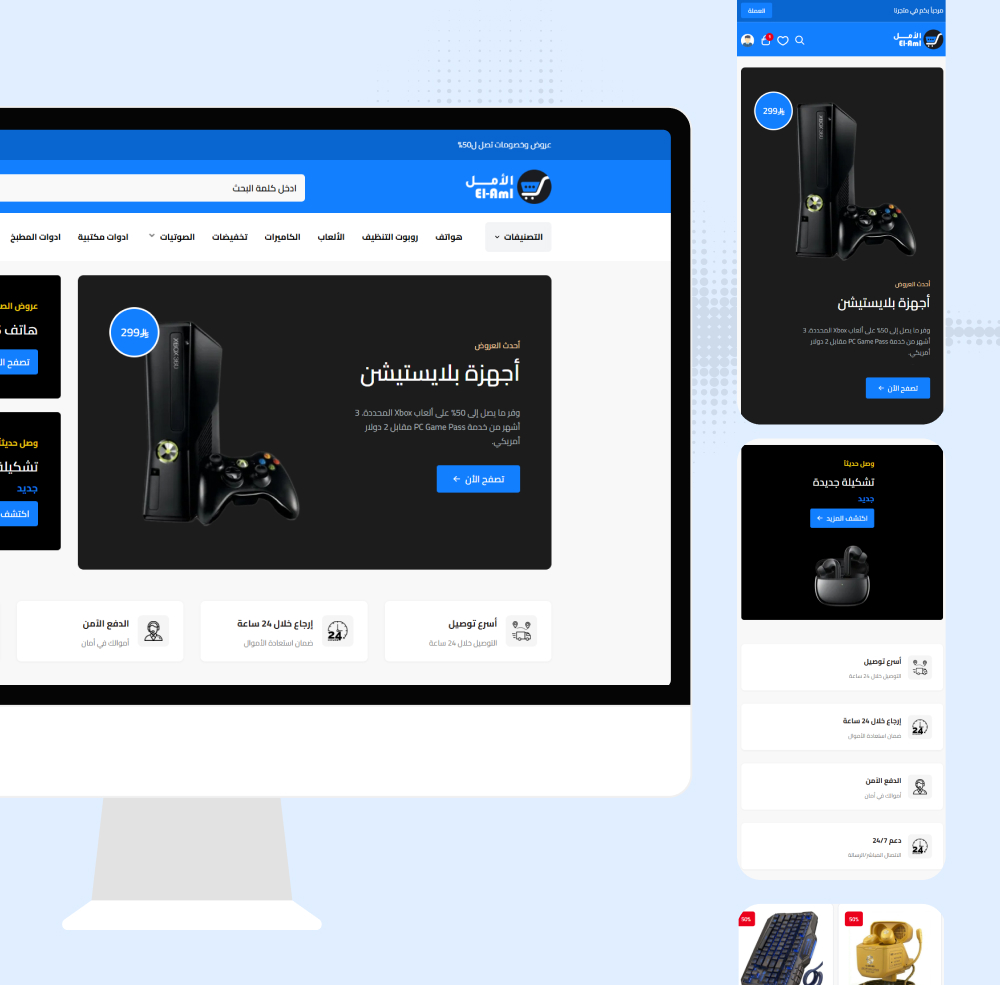
In addition to visual assets, you should provide affiliates with detailed product information, such as accurate descriptions, features, FAQs, and customer success stories or testimonials. The more information an affiliate has, the better equipped they will be to create authentic and compelling content for their audience. You can create a dedicated affiliate page on your website containing all these marketing materials, or use a Digital Asset Management (DAM) tool to facilitate their access. Ensure these materials are updated regularly, especially when launching new products or running promotions.
Marketing content should also focus on your products' unique selling points and the solutions they offer to common problems. For example, if your store sells eco-friendly products, the marketing materials should highlight this feature. Encourage affiliates to customize the content to suit their style and audience, but ensure they adhere to your brand's general guidelines. Providing valuable, ready-to-use content not only saves affiliates time and effort but also ensures that your marketing message is delivered effectively and accurately, boosting your store's sales on Salla, Zid, and Shopify.
Building Strong Relationships with Affiliate Partners
Affiliate marketing is not just about exchanging links and commissions; it's a partnership that requires building strong and sustainable relationships with affiliates. You should treat affiliates as an integral part of your marketing team. Start with regular and transparent communication. Send them newsletters with updates on new products, upcoming promotions, and tips to improve their performance. Listen to their feedback and suggestions, as they may have valuable insights into their audience and market needs.
Providing continuous support is crucial. Ensure there is a clear channel for affiliates to contact you if they encounter any questions or issues. This could be via a dedicated affiliate email, a private social media group, or even a dedicated account manager for top affiliates. The more supported and valued affiliates feel, the more committed they will be to effectively promoting your products. This reciprocal relationship is what transforms short-term partnerships into long-term, fruitful relationships for both parties.
Consider building personal relationships with your most active affiliates. You can invite them to try new products before the public launch, host them at special events, or even conduct interviews with them on your blog or your store's social media channels. These gestures not only make them feel appreciated but also provide them with unique content for their audience. Remember that building trust and loyalty takes time and effort, but it pays off in increased sales and stable marketing relationships for your store, whether you use Salla, Zid, or Shopify platforms.
Continuously Analyzing and Optimizing Performance
To ensure the continued success of your affiliate marketing program, you must constantly monitor and analyze its performance. This means tracking a range of key metrics to identify what works and what doesn't, and then making data-driven decisions to improve the program. Among the most important metrics to track are the number of clicks on affiliate links, the number of conversions (sales or desired actions), the conversion rate (the percentage of clicks that led to a conversion), the Average Order Value (AOV), and, of course, the Return on Investment (ROI) for the entire affiliate program.
Use the tracking tools available on platforms like Shopify or integrated solutions with Salla and Zid to generate regular reports. Analyze each affiliate's performance individually to identify who are the top performers and who might need additional support or a strategy adjustment. You might find that some affiliates excel at promoting specific products, while others are better at attracting certain types of customers. These insights can help you tailor offers and marketing materials for each affiliate, increasing their chances of success.
Don't hesitate to conduct A/B tests on your marketing materials or even on the commission structure itself. For example, you can test different ad copies or various product images to see which generate the best response. Optimize the landing pages that affiliates direct visitors to, ensuring a smooth and purchase-encouraging user experience. Remember that continuous optimization is key to maintaining an effective and profitable affiliate program. You can also benefit from articles like Product SEO: Increasing Visibility for Your Salla and Zid Store to improve your product visibility, making it easier for affiliates to achieve better results.
Common Challenges and How to Overcome Them in Affiliate Marketing
Despite the significant benefits of affiliate marketing, it is not without challenges that store owners must be aware of and know how to overcome. One of the biggest challenges is affiliate fraud, which can include click fraud, fake sales, or using unethical methods to circumvent the tracking system. This can lead to paying commissions on unreal or unqualified sales, wasting your marketing budget and reducing your confidence in the program. You must have robust systems in place to detect and prevent fraud.
Another challenge is maintaining the quality and reputation of your brand. When you give affiliates the freedom to promote your products, you are entrusting a part of your brand's reputation to them. Some affiliates may use promotional tactics that do not align with your brand's values, or they may provide misleading information about your products. This can harm your store's reputation and negatively affect customer trust. Therefore, it is essential to set clear guidelines for permissible content and marketing methods and to regularly monitor affiliate activities.
Finally, you may face the challenge of competition for top affiliates. Successful affiliates often have many options regarding the products they promote. To attract and retain the best affiliates, you must offer an attractive affiliate program, excellent support, and a transparent and profitable relationship. Your store on Salla, Zid, or Shopify can overcome these challenges through careful planning, investing in the right tools, and building strong relationships with trusted partners.
Ensuring the Quality of Traffic and Sales
To overcome fraud challenges and ensure the quality of traffic and sales in your affiliate marketing program, you must implement multiple strategies. First, invest in a robust and reliable tracking system that can accurately identify the source of each click and conversion, and it should be capable of detecting any suspicious activities. Many affiliate apps available on Shopify, or integrated systems with Salla and Zid, offer advanced fraud detection features, such as IP tracking or detecting repetitive clicks from the same source.
Second, establish clear and strict terms and conditions for your affiliate program. These terms should explicitly define permissible and prohibited marketing methods, how to handle fraud cases, and what criteria must be met for a sale to qualify for commission. For example, you might prohibit affiliates from using paid ads on your brand's keyword terms, or require them to disclose that they are affiliates. These conditions protect your store and provide a legal framework for addressing any violations.
Third, conduct regular manual reviews of large or suspicious sales. These reviews might include contacting customers to verify order authenticity or comparing sales data with normal commission patterns. Joining reputable affiliate networks can also help reduce the risk of fraud, as these networks often have their own mechanisms for fraud detection and affiliate quality management. Through these measures, you can build a safer and more effective affiliate program for your store on any e-commerce platform you use.
Managing Expectations and Building Trust
To ensure the success and sustainability of your affiliate marketing program, it is essential to manage expectations realistically and build mutual trust between you and your affiliates. You must be transparent and forthright about what they can expect from your program, whether it's in terms of potential earnings, payment schedules, or the level of support they will receive. Do not make unrealistic promises that could lead to disappointment later. It is better to set moderate expectations and exceed them, rather than setting overly high expectations and failing to meet them.
Transparency in the payment process plays a vital role in building trust. Pay affiliates on time and according to the agreed-upon terms. Any delay or lack of clarity in payments can quickly erode trust and lead to the loss of good affiliates. Use a clear tracking system that allows affiliates to see their performance and accrued commissions in real-time or near real-time, giving them a sense of control and transparency. This is especially important for stores operating on platforms like Salla, Zid, or Shopify, where the payment management process must be smooth and efficient.
In addition to payments, building trust requires continuous and open communication. Listen to affiliates' concerns and provide solutions. Be available to answer their questions and offer the assistance they need to succeed. This could include providing product training, marketing tips, or even helping them create content. When affiliates feel that you are invested in their success and that you are a reliable partner, they will be more loyal and committed to your program, leading to increased promotions and higher sales for your store.
Conclusion
In conclusion, affiliate marketing represents a powerful and effective marketing strategy for any online store seeking to boost its sales and expand its reach. By adopting a performance-based model, stores on platforms like Salla, Zid, and Shopify can achieve sustainable growth without incurring significant financial risks. We have seen how establishing an appropriate commission structure, choosing the right affiliate partners, providing the necessary tools and content, and building strong relationships with them are all essential factors for the success of such marketing programs.
The challenges you might face in affiliate marketing, such as fraud or maintaining brand reputation, can be overcome through careful planning, implementing robust tracking systems, and setting clear terms and conditions. Most importantly, success in affiliate marketing relies on building trust and transparency with your partners, and providing them with continuous support. When affiliates feel appreciated and empowered, they become loyal ambassadors for your brand, driving more traffic and sales to your store.
Therefore, if you are looking to grow your online store on Salla, Zid, or Shopify, investing in a well-thought-out affiliate marketing program can be one of the best decisions you make. Start today by defining your goals, carefully building your program, and remember that continuous optimization and learning from data are key to maintaining a profitable and effective affiliate program in the long run. Embrace the power of partnership, and watch your store thrive in the competitive world of e-commerce.