



Expanding Your Store: Salla vs. Shopify – Which is Better for Growth?
In the rapidly evolving world of e-commerce, entrepreneurs and online store owners face a pivotal challenge: choosing the right platform that not only meets their current needs but also supports their future ambitions for growth and expansion. With increasing competition, the decision to select a robust, flexible, and scalable platform has become paramount. It forms the cornerstone upon which business, marketing, and operational strategies are built, and its ability to adapt to changing market demands and growing customer expectations is crucial. Sustainable growth doesn't just depend on product quality or effective marketing campaigns; it is intricately linked to the digital infrastructure underpinning the store and its capacity to evolve.
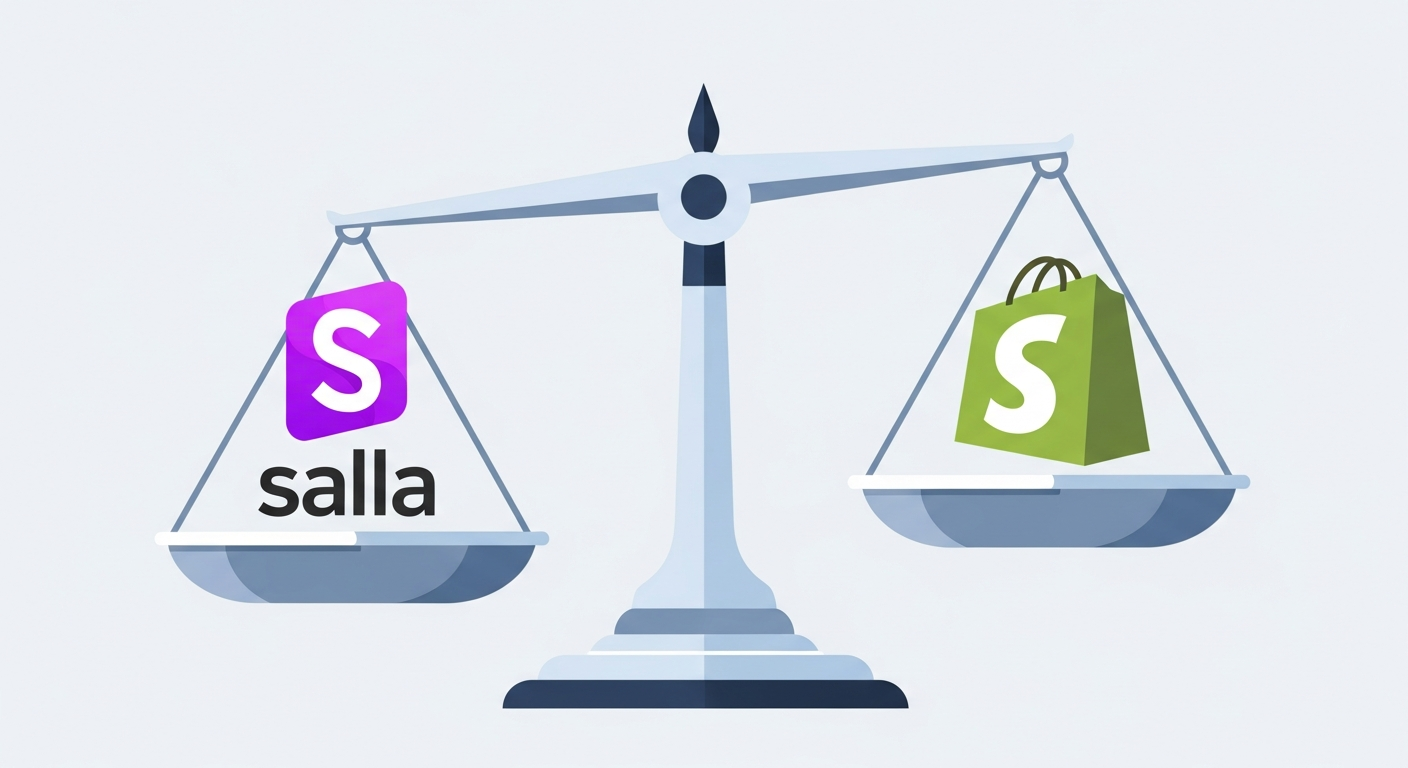
Platforms like Salla and Shopify sit at the forefront of options for store owners in the Arab region and globally, each offering a unique set of features and services that attract different segments of merchants. While Salla distinguishes itself with a strong focus on the local market and providing integrated solutions tailored to regional needs, Shopify emerges as a global giant, offering unparalleled flexibility and international expansion capabilities with a vast array of apps and functionalities. This comprehensive article will delve into a detailed comparison of these two platforms, examining their strengths and weaknesses from a growth and expansion perspective, to help you make an informed decision that serves your business vision and ensures a prosperous future for your online store, while also mentioning Zid as another local option worth considering.
Understanding the Fundamentals of Salla and Shopify for Growth
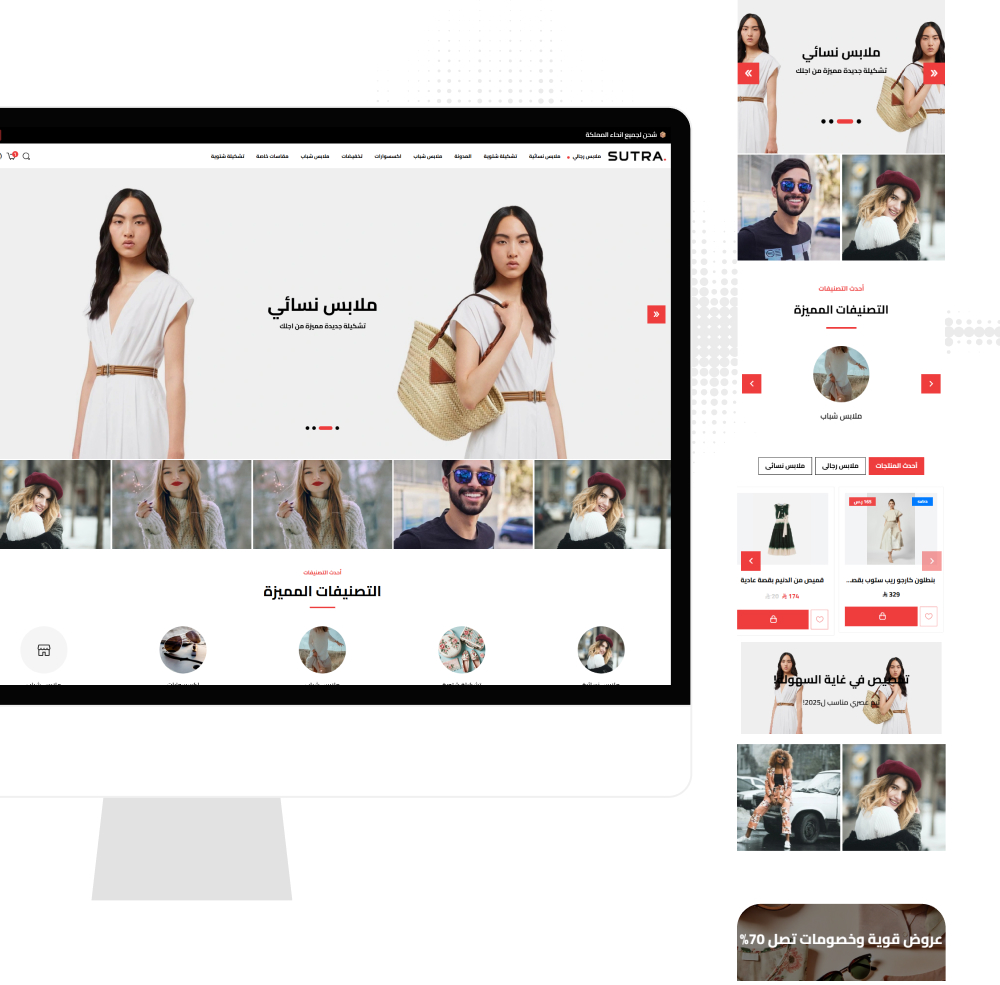
To achieve sustainable growth in the e-commerce world, it is essential to understand the core philosophy behind each platform and how it aligns with your store's objectives. Salla, for instance, is designed to be merchant-friendly for the Arab entrepreneur, offering integrated solutions focused on ease of use and quick launch, with strong support for the Arabic language and local integrations for shipping and payment. This approach makes it an excellent choice for stores primarily targeting the GCC and local markets, seeking to build a strong and effective presence in this region without the need for significant technical complexities. Salla provides a simplified work environment that helps focus on the product and the customer, reducing the learning curve and allowing for rapid market entry.
In contrast, Shopify is known as a versatile global platform, serving millions of stores worldwide, and offering a tremendous array of features and capabilities that go beyond just selling online. Shopify is designed to accommodate growth on a large scale, from small startups to large brands, providing powerful tools for customization, international expansion, inventory management, and marketing. Its flexibility and ability to integrate with thousands of applications make it an ideal choice for stores with global ambitions or those requiring complex and customized solutions to support their diverse operations. The fundamental difference lies in the scope of expansion and the ability to adapt to advanced and complex business requirements, where Shopify excels in providing deeper and more specialized solutions.
While Salla and Shopify stand out as key players, we cannot overlook Zid, which also offers powerful solutions tailored to the Saudi and GCC markets, competing strongly with Salla in providing an integrated experience for local merchants. When deciding on the best platform for growth, merchants must carefully weigh between ease of use and initial costs versus flexibility, future scalability, and the ability to meet new market challenges. This assessment requires a deep look at current and future business needs, as well as available budget and the technical expertise of the team, as each platform shines in its own context, and there is no one-size-fits-all solution. To determine which is best for your store, you can refer to our detailed article on Salla, Zid, and Shopify: Which is Best for Your Store?.
Salla: The Power of Starting and Local Growth
Salla is an excellent choice for merchants embarking on their e-commerce journey or those primarily focusing on the local and GCC markets. Salla features an intuitive and user-friendly interface, significantly reducing the time and effort required to launch a store. Merchants can start selling their products within a few hours, thanks to ready-made templates and a simplified setup process. This emphasis on simplification allows new business owners to concentrate on their core business: products and customers, rather than getting bogged down in complex technical details.
In addition to ease of use, Salla offers robust integrations with local payment gateways and leading shipping companies in the region, such as SMSA and Aramex, ensuring a seamless experience for customers in terms of payment and delivery. This direct integration reduces the need for merchants to seek out and manually integrate external solutions, saving them considerable time and effort. Arabic language support at the platform level and customer service is also a key strength, ensuring that merchants in the region can manage their stores and communicate with technical support in their native language, a crucial factor for many entrepreneurs.
From a growth perspective, Salla offers various plans that accommodate growing business sizes, with additional features that open new horizons for expansion within the local market. These features include basic marketing tools, sales reports, inventory management, and the ability to add a large number of products. However, merchants aspiring to global expansion or requiring very deep customization and advanced features might find Salla somewhat limited in this regard compared to global options. But for growth within a specific environment, Salla provides a solid and effective foundation. For more details on making this decision, you can check out the article Shopify or Salla: Your Guide to Choosing Your Store Platform.
Shopify: Global Reach and Customization Power
Shopify is a leading choice for store owners who aspire to global reach and seek unlimited flexibility in customizing their stores. What sets Shopify apart is its extensive ecosystem, which includes a vast app store featuring thousands of applications and extensions covering every aspect of e-commerce, from marketing and inventory management to customer service and advanced analytics. This flexibility allows merchants to build a unique store that accurately reflects their brand identity and provides a personalized shopping experience for their customers, regardless of the complexity of their requirements.
One of Shopify's most prominent strengths is its ability to support international expansion with ease. It supports multi-currency selling, multiple languages, and offers integrations with global payment gateways and international shipping companies. This means that a store can serve customers from all over the world without the need to create separate stores for each region. Shopify also provides advanced tools for search engine optimization (SEO) and marketing, helping stores reach a wider audience and increase brand awareness on a global scale. These features make it the ideal choice for businesses with a global vision seeking to penetrate new markets beyond their local borders.
However, Shopify's power comes with some considerations. The cost of apps and extensions can become expensive over time, especially for stores requiring many custom features. Also, the learning curve might be slightly higher compared to simpler platforms like Salla, especially if the merchant wants to utilize all the advanced customization and control capabilities. But for stores aiming for long-term growth and requiring robust, scalable solutions, Shopify provides a solid foundation that can support any business size and ambition. It is an investment in the future that requires a commitment to understanding and fully leveraging its capabilities.
Comparing Key Aspects for Growth
When considering expanding your store, it's essential to analyze the fundamental aspects that directly impact your ability to grow and adapt to market changes. These aspects include ease of use, customization flexibility, availability of advanced features, and the platform's scalability. Each platform, Salla and Shopify, offers a different approach in these areas, and understanding these differences will help you determine the option that best aligns with your business strategy. It's crucial to look at these aspects not only from the perspective of the initial store launch but from its ability to support you through every stage of growth, from a small store to a major brand.
These aspects directly affect the efficiency of operational processes, the store's ability to provide a distinctive customer experience, and the effectiveness of marketing campaigns. For example, if the platform offers user-friendly tools, your team can manage the store more efficiently without requiring deep technical expertise, saving time, effort, and resources. Conversely, if the platform lacks customization flexibility, you might find yourself limited in designing your store or adding new functionalities essential for differentiating yourself from competitors. Therefore, the comparison in these aspects is not about finding the 'best' platform in absolute terms, but about finding the platform 'most suitable' for your needs and vision.
It must also be considered that e-commerce is constantly evolving, and features considered advanced today may become essential tomorrow. Therefore, choosing a platform with continuous development and the ability to keep pace with these changes is paramount. Whether you choose Salla for its local focus or Shopify for its global flexibility, adaptability and scalability are key to long-term success. This requires you to evaluate each platform based on its ability to provide the solutions you need today and those you might need in the future as your business grows.
Ease of Use and Setup
In the e-commerce realm, ease of use and setup are critical factors that determine the speed of store launch and the merchant's ability to manage it efficiently. Salla excels in this aspect thanks to its intuitive Arabic interface and simplified setup process that requires no prior technical experience. Anyone with basic computer knowledge can launch their store on Salla within a few hours, making it an ideal choice for beginners and small to medium-sized businesses looking to enter the market quickly. Ready-made templates and drag-and-drop options make store design and product entry extremely easy.
Shopify is also considered largely user-friendly, especially for basic tasks like adding products and managing orders. Its clean and organized interface makes navigation comfortable. However, when it comes to advanced customizations or integrating complex applications, it might require some learning time or even the help of specialized developers. Beginners might find a slight learning curve to fully utilize all of Shopify's features, but it is still generally considered a user-friendly platform. The fundamental difference here is that Salla focuses on simplification even for advanced features, while Shopify offers greater depth that requires a deeper understanding.
For growth, ease of use means your team can focus on core sales and marketing tasks rather than spending time troubleshooting technical issues. This reduces operational costs and increases productivity. If your priority is a quick launch and focusing on the local market, Salla offers a clear advantage. However, if you plan complex customizations and global expansion in the long term, Shopify provides the necessary tools, albeit requiring a greater investment in time and learning. Both platforms allow digital stores in the Arab region, including those using Zid, multiple options for a fast and strong launch.
Customization and Flexibility
When it comes to customization and flexibility, the fundamental differences between Salla and Shopify become clear, and these are crucial factors for stores aiming for distinction and innovation in their design and functionalities. Salla provides good customization options within the scope of its ready-made templates and designs, allowing merchants to easily change colors, fonts, element arrangement, and add a store logo. These options are sufficient for most small and medium-sized stores that want a professional look without the need for complex programming. However, the ability to modify at the code level or add highly custom functionalities may be relatively limited, confined to what the platform allows through its internal apps or approved partnerships.
In contrast, Shopify excels with its immense flexibility in customization. It provides developers with access to the store's core code (using Liquid language), allowing for customization of every aspect of design and functionality. Additionally, Shopify has a vast app store featuring thousands of applications that can add almost any feature to the store, from advanced marketing tools to complex inventory management systems. This flexibility makes Shopify the ideal choice for stores with unique design requirements, or those needing custom functionalities to support their specific business model, or planning to integrate complex external software solutions. The ability to control every detail gives merchants unparalleled power in building a distinctive brand.
For growth, customization flexibility means the ability to adapt quickly to changes in customer preferences and market trends. A store that can easily modify its design or add new features will be more capable of attracting and retaining customers. While Salla provides enough flexibility for effective growth within the local market, Shopify opens doors to limitless innovation and expansion into new markets with different requirements. The platform choice here depends on the importance of unique customization for your brand and your future vision for your store; if you have complex requirements or wish to build something truly unique, Shopify is the better option.
Advanced Features and Scalability
Advanced features and a platform's ability to support expansion are crucial factors for the long-term success of any e-commerce store aiming for growth. Here, fundamental differences emerge between Salla and Shopify. Salla, despite its continuous development, still focuses on providing a comprehensive and efficient package for stores in the region. Salla offers essential tools for product, inventory, and order management, along with simple reporting options and integrated marketing tools like coupons and offers. These features are sufficient for stores operating on a moderate scale, focusing on a single market or a few regional markets, and supporting gradual, stable growth.
In contrast, Shopify stands out with its vast array of advanced features that support expansion on all fronts. This includes sophisticated analytics tools, multi-channel selling options (such as selling through social media and other marketplaces), multi-language and multi-currency support, and advanced marketing capabilities (such as marketing automation, lead management). Most importantly, Shopify's app ecosystem allows for the integration of highly specialized solutions that meet almost any business need, from Enterprise Resource Planning (ERP) systems to augmented reality solutions. This unlimited scalability makes Shopify the preferred choice for businesses with global ambitions or those requiring high processing capabilities for large volumes of orders and data. You can enhance your store's visibility through Product SEO: Top Your Store in Salla and Zid.
To achieve sustainable growth, store owners must evaluate not only currently available features but also the platform's development roadmap and its ability to add new features in the future. Shopify, with its global user base and immense resources, continues to innovate and add new features regularly, ensuring it remains at the forefront of technology. Salla is also committed to development, but the scope of evolution might be slower or more focused on local market needs. The decision to choose a platform depends on your need for advanced features, your willingness to invest in additional tools (Shopify apps are often paid), and the complexity of your business model. Ultimately, the platform must support your growth vision and provide you with the necessary tools to achieve it effectively.
Costs and Pricing Plans
Costs and pricing plans are a critical factor in choosing an e-commerce platform, especially for stores looking to grow and needing to manage their budget effectively. It's not just about monthly subscription fees; it also includes hidden fees such as transaction fees, app and extension costs, design and development costs, and even technical support costs. Understanding these financial aspects of both Salla and Shopify will help you estimate the total cost of ownership (TCO) and make an informed financial decision that aligns with your current and future budget.
Pricing structures vary significantly between platforms, and each offers a model that may be more suitable for certain types of businesses or different growth stages. For example, one platform might seem cheaper initially, but costs increase significantly with expansion or the need for advanced features. Another platform might have a higher upfront cost but offers greater long-term value in terms of built-in features and flexibility. Therefore, cost analysis must be comprehensive and forward-looking, considering not only what you will pay today but what you might pay when your store grows and requires more capabilities. This accurate financial planning is key to sustainability and growth.
In addition to direct costs, we must not overlook indirect costs such as the time spent learning and managing the platform, or the need to hire specialists. If the platform is complex and requires significant time and effort to manage, it can affect your team's efficiency and increase operational costs in the long run. Therefore, cost evaluation must balance the purely financial aspect with the operational aspect, to ensure the selection of a platform that offers the best value for money and supports your growth efficiently and effectively. Remember that investing in the right platform is an investment in the future of your business.
Salla Pricing Structure
Salla's pricing structure is clear and straightforward, designed to suit various business sizes in the local market. Salla typically offers several monthly or annual subscription plans, starting from free or low-cost plans for beginners, and escalating to advanced plans that provide more features and support. Basic plans usually include a limited number of products, a specific storage space, and essential store management features. As you move to higher plans, more features become available, such as advanced marketing tools, detailed reports, the ability to link a custom domain, and priority technical support. This tiered plan structure allows merchants to choose what suits them at a certain stage of growth and upgrade later when needed.
One important aspect of Salla's pricing is transaction fees. In some plans, Salla may charge a small percentage on each sale made through the store, while these fees may not apply in higher plans or under specific offers. These fees must be taken into account when calculating the total cost, especially for stores with high sales volumes. However, Salla is distinguished by its local payment gateway integrations, which often have competitive fees compared to international gateways. Overall, Salla's pricing model is transparent and easy to understand, making it attractive to many entrepreneurs in the region.
Generally, Salla is an excellent economic option for stores starting or focusing on growth within the Saudi and GCC markets. Initial costs are often lower compared to other global platforms, and app and extension costs are limited as most essential features are built-in. This makes it an attractive choice for startups and small to medium-sized businesses that want to control their expenses while benefiting from a powerful platform. However, it is always important to carefully read the terms and conditions of each plan to understand all potential costs, including transaction fees and any additional fees that may arise from using certain services.
Shopify Pricing Structure
Shopify's pricing structure is based on a monthly subscription model with additional transaction fees, designed to accommodate businesses of all sizes, from small businesses to large enterprises. Shopify typically offers three main plans: Basic Shopify, Shopify, and Advanced Shopify, in addition to Shopify Lite for selling across other websites, and Shopify Plus for enterprises. Each plan provides an increasing set of features, starting from basics like product and order management, up to advanced reports, third-party calculated shipping rates, and multi-staff support.
Transaction fees are a core part of Shopify's pricing model. If you use external payment gateways (other than Shopify Payments), Shopify will charge a fee, typically ranging from 0.5% to 2% on each transaction, depending on your subscription plan. However, if you choose to use Shopify Payments – Shopify's own payment gateway – these additional fees will be waived. This encourages merchants to use the platform's own payment solutions, which are often competitive and provide a seamless experience. It should also be considered that the costs of apps and extensions from the Shopify App Store can quickly add up, as many of the more powerful and specialized apps require additional monthly subscriptions.
Although the initial cost of Shopify plans may seem higher than Salla, the value it offers in terms of flexibility, customization, and global scalability often justifies this investment for stores with big ambitions. Merchants should carefully evaluate their needs and calculate the total cost, which includes subscription fees, transaction fees (if Shopify Payments is not used), and the cost of essential apps for their business. For stores planning rapid growth and expansion into multiple markets, Shopify provides the robust infrastructure that is worth investing in, even if the total monthly costs are higher in some cases.
Hidden Costs and Future Growth
When evaluating e-commerce platforms, it's essential to look beyond monthly subscription fees and consider the hidden costs that can significantly impact a store's budget, especially with future growth. These costs can accumulate and become a financial burden if not planned for in advance. For example, on Shopify, you might start with a basic subscription plan, but as your store grows, you may need to upgrade your plan to access certain features like advanced reports or calculated shipping rates. Additionally, heavy reliance on the Shopify App Store means you might need to pay multiple monthly subscriptions for different apps (such as marketing apps, inventory management, or customer experience enhancement apps), which can significantly increase the overall cost.
For Salla, hidden costs might be relatively lower initially, as many essential features are built-in and do not require additional apps. However, as the store grows and sales volume increases, transaction fees (if applicable to your plan) can become a significant factor. Also, any advanced customization requirements that go beyond Salla's built-in features might necessitate external solutions or custom development, which could increase costs. It is crucial to estimate your projected growth, product count, and order volume in the future, to assess whether the current plans of each platform will be sufficient or if expensive upgrades will be needed.
To plan for future growth and avoid financial surprises, it is advisable to conduct a comprehensive analysis of potential long-term costs (3-5 years). This analysis should include an estimate of: 1) the cost of subscribing to the appropriate plan, 2) estimated transaction fees based on sales volume, 3) the cost of essential apps and extensions for your business, 4) design and development costs (if you plan advanced customizations), and 5) marketing and technical support costs. Investing in the right platform from the outset, with a full understanding of hidden costs and future growth, will set your store on the right path to success and prosperity without unexpected financial obstacles.
Marketing and Global Sales
In an era characterized by intense competition, merely having an online store is no longer enough for success; effective marketing and the ability to reach broader, potentially global, markets have become the keys to growth and distinction. When it comes to expanding your store, the marketing tools integrated into the platform, and its ability to support international sales strategies, play a crucial role in determining your success in achieving your goals. Salla and Shopify platforms offer different approaches in this regard, necessitating a careful evaluation based on your marketing and geographical ambitions.
Digital marketing strategies such as search engine optimization (SEO), email marketing, content marketing, and paid advertising are essential components for any e-commerce store seeking growth. The platform you choose must provide the necessary tools or integrations to implement these strategies efficiently. Furthermore, if your vision includes expanding beyond local borders, you will need a platform that supports handling different currencies, multiple languages, offers flexible international shipping options, and adapts to the legal and tax regulations of your target markets. These capabilities are what distinguish platforms that support global growth from those focused on local markets.
The decision to choose a platform based on its marketing capabilities and flexibility for global expansion must stem from a clear business plan. Are you targeting a local audience only, or do you have ambitions to reach customers in other countries? Is your marketing budget limited and reliant on built-in tools, or are you prepared to invest in advanced marketing applications? Answering these questions will help you determine which of Salla or Shopify (or even Zid) provides you with the most suitable marketing infrastructure to achieve your sales goals and sustainable growth.
Integrated Marketing Tools
Integrated marketing tools differ significantly between Salla and Shopify, impacting the ease and effectiveness of implementing your marketing strategies. Salla provides a set of basic and useful marketing tools for local stores. These tools include the ability to create discount coupons and promotional offers, activate loyalty programs, manage basic email campaigns, and integrate with analytics tools like Google Analytics and Facebook Pixel. Salla also supports search engine optimization (SEO) through the ability to edit titles and meta descriptions for products and pages, helping stores appear better in local search results. These tools are sufficient for stores focusing on the local market and relying on direct and simple marketing strategies.
In contrast, Shopify offers a more comprehensive and advanced set of integrated marketing tools, in addition to a vast ecosystem of marketing apps in its store. Shopify includes powerful SEO tools, an advanced system for creating coupons and offers, abandoned cart recovery features, and deep integrations with social media platforms and email marketing tools (such as Shopify Email). Shopify also provides more detailed sales and marketing analytics, helping merchants better understand the performance of their campaigns and make data-driven decisions. These capabilities make it suitable for stores adopting complex, multi-channel marketing strategies that require greater control and flexibility. You can benefit from Email Marketing: Increase Your Sales in Salla and Zid.
When deciding on a platform, you should consider the complexity of your marketing strategy. If you rely on basic marketing and focus on the local market, Salla's tools may be sufficient and cost-effective. However, if you plan sophisticated marketing campaigns, target a global audience, and rely on accurate data analysis, Shopify provides the necessary tools and infrastructure to achieve this, even if it requires additional investment in apps. In both cases, marketing success depends on a deep understanding of your target audience and your ability to effectively use the available tools, whether built-in or through extensions.
Reaching International Markets
Access to international markets is one of the most significant drivers behind store expansion, and here the fundamental difference between Salla and Shopify becomes unequivocally clear. Salla, with its strong focus on the Saudi and GCC markets, offers excellent solutions for selling within this region. It provides integrations with local shipping companies, popular payment gateways in the region, and Arabic language support that makes it easier for merchants and customers to interact with the store. However, its ability to support selling in international markets outside the region is relatively limited. Merchants may find it challenging to deal with multiple currencies, different tax regulations, and complex international shipping options using Salla, making it a less suitable choice for stores with broad global ambitions.
In stark contrast, Shopify is designed to be a truly global platform. It supports selling in any country worldwide and offers powerful features for handling multiple currencies and languages, allowing customers from different countries to shop in their preferred language and currency. Shopify provides integrations with countless international payment gateways and global shipping companies, making it easier for merchants to manage international logistics. Additionally, Shopify offers advanced tools for handling international taxes and complying with local regulations in various markets, reducing the legal and administrative complexities faced by merchants when expanding globally. These capabilities make Shopify the best choice for stores that wish to build a global brand.
To achieve successful global growth, merchants must choose a platform that provides the necessary infrastructure to support these ambitions. If your vision is limited to the local or regional market, Salla may be more than sufficient and offer you a simplified and effective experience. However, if you plan to target customers on different continents and need flexibility in dealing with the diverse requirements of international markets, Shopify is the option that will give you the power and adaptability. The decision here primarily depends on the scope of your geographical ambition and your readiness to invest in a platform that provides all the necessary tools to reach a wide global audience.
Conclusion: Choosing the Right Platform for Your Store's Growth
In conclusion of this comprehensive comparison between Salla and Shopify (with a reference to Zid) from the perspective of growth and expansion, it is clear that choosing the right platform is not a one-size-fits-all decision, but a strategic evaluation based on a set of interrelated factors. We have reviewed the key aspects of each platform, starting from ease of use and customization, through advanced features and costs, up to marketing capabilities and the potential for international market access. Each platform has its unique strengths that make it the optimal choice for specific segments of merchants, and determining which is best for your store depends directly on your business goals, budget, and technical expertise.
If your goal is to build a strong and effective presence in the local or GCC market, with a focus on ease of launch and management and cost savings, then Salla (or Zid) might be the most suitable option for you. It provides a simplified work environment, strong local integrations, and excellent Arabic language support, which reduces complexities and accelerates market entry. Salla enables you to focus on the core of your business – products and customers – without getting bogged down in complex technical details, and offers a clear path for growth within its regionally focused scope. It is an ideal solution for beginners and small to medium-sized businesses looking to establish a local foothold.
However, if your ambitions extend beyond local borders, and you aspire to global expansion, requiring limitless flexibility in customization, and advanced features to support complex operations, then Shopify stands out as an unparalleled solution. With its vast app store, multi-language and multi-currency support, and ability to accommodate any scale of growth, Shopify provides the necessary infrastructure to build a powerful global brand. Although its costs may be higher and it may require a longer learning curve, investing in Shopify is an investment in your store's long-term future, giving you the tools needed to compete in any global market. Ultimately, your decision should be based on a clear vision for your store's future and your ability to leverage the capabilities of your chosen platform to their fullest extent.