




Activating Payment Gateways: Your Salla, Zid, & Shopify Store Guide
In the fast-paced world of e-commerce, payment gateways are the lifeblood of any successful online store, serving as the bridge between the product you offer and the customer who wishes to purchase it. They are not merely tools for completing financial transactions but crucial elements in building customer trust, enhancing the shopping experience, and increasing conversion rates. Imagine a customer adding products to their cart, reaching the checkout page, and then finding limited or complicated payment options; at this critical moment, they might decide to abandon the purchase entirely, leading to potential loss of revenue and marketing effort. Therefore, selecting and activating the right payment gateways for your store on platforms like Salla, Zid, and Shopify is not a luxury but a strategic necessity that cannot be overlooked.
This comprehensive guide aims to highlight the importance of payment gateways and how to effectively activate them in your online store, with a particular focus on the leading platforms in the Arab market: Salla and Zid, in addition to Shopify, which has a strong global and local presence. We will explore the different types of payment gateways, the essential requirements for their activation, detailed steps for each platform, and practical tips for optimizing the payment experience for your customers. Whether you are a novice merchant or an experienced store owner, understanding these aspects will help you build a robust and reliable payment system, ensuring smooth financial operations and fostering the growth of your digital business.
The Importance of Payment Gateways in Your E-commerce Success
Payment gateways are the cornerstone of any e-commerce operation, serving not just as a channel for collecting money, but as a pivotal factor directly influencing customer experience, conversion rates, and consumer trust. When a store offers diverse, secure, and user-friendly payment options, it sends a clear message to customers that the store is professional and reliable, encouraging them to complete their purchase without hesitation. Conversely, a lack of preferred payment options or a complex and confusing checkout process can lead to increased shopping cart abandonment rates, representing a significant loss for the store.
Payment gateways play a vital role in enhancing reliability and security. Online financial transactions demand the highest levels of protection for sensitive customer data, such as credit card numbers and personal information. Reputable payment gateways provide multiple layers of encryption and fraud protection, reassuring customers that their information is in safe hands. This security aspect not only protects customers but also safeguards the store from fraud risks and potential financial losses, contributing to building a strong reputation for the store in the market.
Furthermore, payment gateways contribute to expanding the customer base and reaching new markets. Amidst cultural and economic diversity, payment preferences vary from region to region and from customer to customer. While some prefer international credit cards, others might prefer local cards like Mada in Saudi Arabia, installment payment services like Tabby and Tamara, or even cash on delivery. Providing a wide range of these options ensures that every customer can find a suitable method to complete their payment, removing potential barriers to purchase. You can refer to our article on Tabby and Tamara: How to Boost Your Sales in Salla and Zid for more details on installment payment options.
Common Payment Gateway Types and Their Features
When it comes to payment gateways, there are many available options, each with different features and characteristics suitable for specific types of stores and customers. Understanding these types helps you make an informed decision about what is most appropriate for your store on Salla, Zid, or Shopify. Payment gateways can generally be divided into direct and indirect payment gateways, in addition to the local and international payment methods these gateways provide.
First, direct payment gateways (Integrated Payment Gateways) are those where the entire payment process occurs within the online store's website without redirecting the customer to an external page. This type offers a seamless and integrated user experience, as the customer feels they never leave the store, which builds trust and reduces cart abandonment rates. Examples of these gateways include Stripe, Shopify Payments (in supported regions), and some integrated PayTabs and HyperPay solutions. These gateways usually require an SSL certificate and robust security measures to ensure customer data protection, but they offer greater control over checkout page design and user experience.
Second, indirect payment gateways (Redirect Payment Gateways) are those where the customer is redirected to an external payment page (belonging to the payment service provider) to complete the transaction, then returns to the store after payment. Examples of these gateways include PayPal and some PayTabs, HyperPay, and STC Pay options. Although they may add an extra step for the customer, they provide a high level of security because sensitive data processing occurs on the payment provider's servers, reducing the security responsibility on the store owner. They are often easier to set up for new stores but may slightly impact user experience due to page navigation. Understanding the differences between these platforms can be beneficial for choosing the most suitable for your store, and you can read more about it in our article Salla, Zid, and Shopify: Which is Best for Your Store?.
In addition to these types, there are also local and international payment methods. Local methods include options such as Mada in Saudi Arabia, which is essential for any store targeting the Saudi market, as well as installment payment solutions like Tabby and Tamara, and e-wallets like STC Pay. International methods include major credit cards like Visa, MasterCard, and American Express, as well as Apple Pay and Google Pay. Providing a mix of these options caters to the preferences of a wide range of customers and ensures no potential sales are lost due to the unavailability of a preferred payment method. Our article on Mada Payment: Activating it in Salla and Zid for Increased Conversion provides deeper insights into one of the most important local payment options.
Steps to Activate Payment Gateways in Salla
Salla is one of the leading platforms in the Arab region, offering an easy experience for store owners to activate various payment gateways. To start the activation process in your Salla store, you must first log in to your store's control panel. From the side menu, look for the “Settings” section, then “Payment Methods.” There, you will find a list of many available payment gateways, including credit card options, Mada, Apple Pay, in addition to Tabby and Tamara, and cash on delivery services. The first step is to select the gateway you wish to activate based on your customers' needs and your target market.
After selecting the gateway, for example, PayTabs or HyperPay to cover credit cards and Mada, you will need to click on its “Activate” or “Setup” button. Salla will then direct you to a page requiring you to enter your account credentials with the payment service provider. These credentials typically include the Merchant ID, Access Key, Secret Key, or any other API data requested by the payment provider. You obtain this information after creating an official account with the payment service provider and completing their registration and verification procedures, which often require submitting official documents such as a commercial registration or national ID.
After entering all required data, you must save the changes. It is crucial to perform a test payment to ensure that the gateway is working correctly. You can usually place a very small order (e.g., 1 SAR) and use a real credit card or a test card (if the payment provider offers one) to complete the transaction. If the transaction is successful, the order will appear in your orders list in the Salla control panel, and the amount will be collected. You should also ensure that other payment settings, such as cash on delivery or bank transfer, are enabled if you wish to provide them to your customers, as diversifying payment options enhances sales completion opportunities.
Activating Payment Gateways in Zid
Zid is another popular choice for e-commerce store owners in the region, offering a wide array of payment gateway options to meet the needs of various merchants. To begin activating payment gateways in your Zid store, you will need to log in to your control panel. From the main menu, navigate to the “Settings” or “Apps and Services” section, then look for “Payment Methods.” Here, you will find a list of available gateways, often including options like PayTabs, HyperPay, STC Pay, Apple Pay, in addition to installment payment solutions like Tabby and Tamara, and Cash on Delivery. Choosing the right gateway depends on your target audience and the services you prefer.
After selecting the gateway you wish to activate, click on “Activate” or “Setup.” Similar to Salla, Zid will ask you to enter your account credentials with the payment service provider. These credentials typically include the Merchant ID, Secret Key, or other API codes. It is very important to ensure that this data is correct and accurate to avoid any problems in processing payments. You must have completed the registration and verification process with the payment service provider beforehand to obtain these keys, which may take time for document review and approvals.
After entering the credentials and saving the settings, the next and most important step is to test the payment process. Place a test order from your store using the gateway you just activated. Ensure that the payment process runs smoothly and that the amount is successfully collected. Check the order status in the Zid control panel to confirm that everything is working as expected. You may also need to adjust certain settings such as the minimum and maximum allowed amount for each payment method, or enable options like Cash on Delivery if that is part of your business strategy. Remember that optimizing your checkout page is paramount for increasing conversions.
Activating Payment Gateways in Shopify
Shopify is a massive global platform that offers great flexibility in activating payment gateways, supporting a huge number of providers worldwide. To start activating payment gateways in your Shopify store, log in to your store's admin panel. From the sidebar, navigate to “Settings” then “Payments.” Here, you will find the “Supported payment methods” or “Payment providers” section. Shopify has its own gateway, “Shopify Payments,” which is the ideal choice for stores in regions where it is supported, as it offers an integrated payment experience and competitive fees.
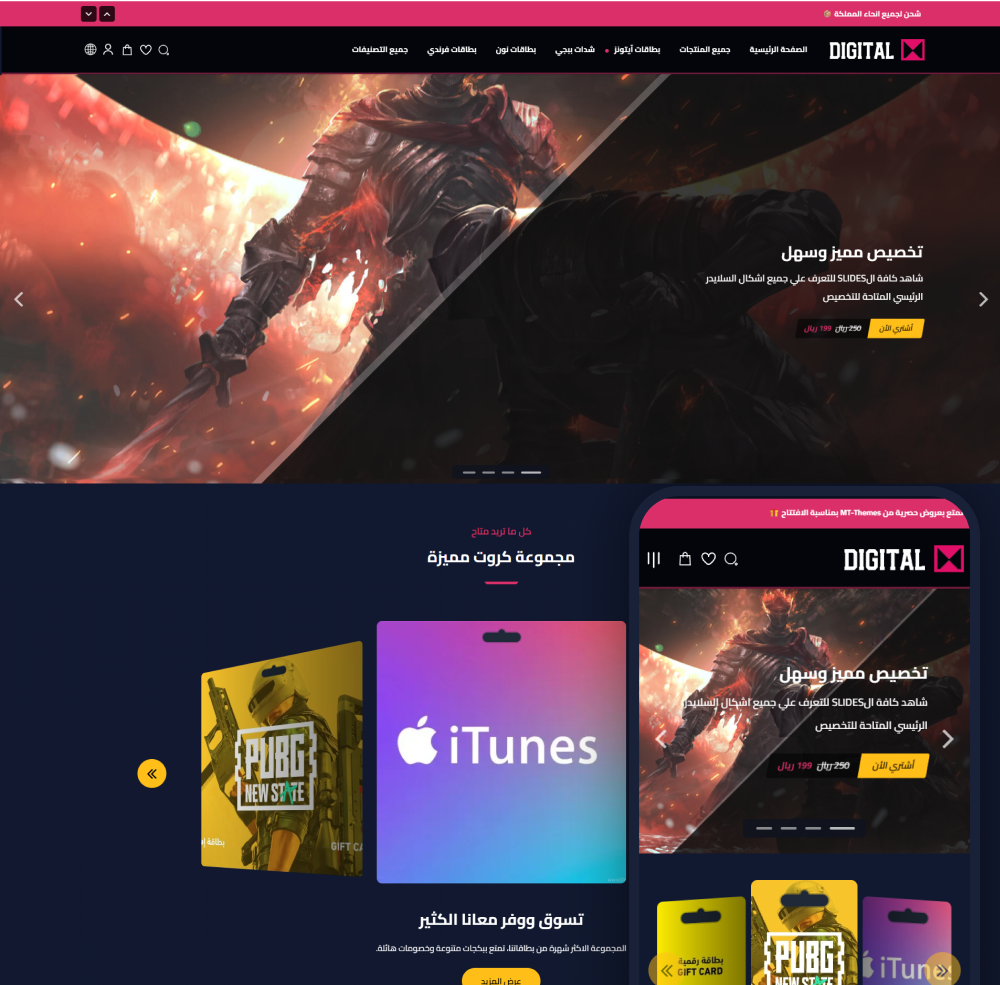
If Shopify Payments is not available in your region, or if you prefer to use another payment provider, you can click on “Add payment methods” or “Choose a provider.” A long list of international and local payment providers such as Stripe, PayPal, PayTabs, HyperPay, and many others will appear. Select the gateway you wish to activate, then follow the instructions to enter your account credentials with that provider. These credentials may include an API key, secret key, or other information provided to you by the payment provider after completing their registration and verification process.
After entering all required data and saving the settings, make sure to perform a test payment to check the gateway's functionality. Shopify provides an option to place test orders without actual fund collection, using dummy credit cards or by setting the store to test mode. This allows you to ensure that all settings are correct and that the payment process runs smoothly before activating it for real customers. Don't forget to also review the transaction fees for each payment gateway, as these fees vary between providers and can affect your profit margins. You can also enable additional payment options like Cash on Delivery or bank transfers if they are suitable for your business model.
Practical Tips for Optimizing the Payment Experience and Increasing Conversion
After activating the basic payment gateways in your store on Salla, Zid, or Shopify, the task doesn't end there. Continuously optimizing the payment experience is a crucial factor in increasing conversion rates and reducing shopping cart abandonment. There are many practical strategies and tips you can implement to ensure a smooth and convenient payment experience for your customers, encouraging them to complete purchases and return to your store again. These tips go beyond mere gateway activation to include aspects of security, diversity, and clarity in the payment process.
Provide Diverse and Reliable Payment Options
Diversifying payment options is one of the most important tips to ensure you cater to the preferences of the largest possible segment of customers. Do not rely on just one payment gateway; instead, try to provide a mix of popular options in your target market. For example, in Saudi Arabia, activating Mada and international credit cards like Visa and MasterCard is essential. Additionally, installment payment options like Tabby and Tamara can significantly boost your sales, especially for high-value products, by offering customers greater payment flexibility. Don't forget digital wallet options like Apple Pay and STC Pay, which are becoming increasingly popular due to their ease and speed. The more reliable and suitable options you offer, the higher the chance of a customer completing their purchase.
Ensure Security and Transparency in the Payment Process
Trust is the foundation of e-commerce. Your customers must feel completely secure when entering their financial information. Always ensure that your store uses an SSL certificate (which appears as a green lock in the address bar) and that all payment gateways you use comply with international security standards (PCI DSS). Displaying payment gateway logos and security badges (such as VeriSign or McAfee Secure) on the checkout page can enhance customer trust. Furthermore, be completely transparent about any additional fees that might be imposed on certain payment methods (if any), and clearly state your return and exchange policy before completing the payment. Transparency builds credibility and removes any doubts a customer might have.
Optimize User Experience for the Checkout Page
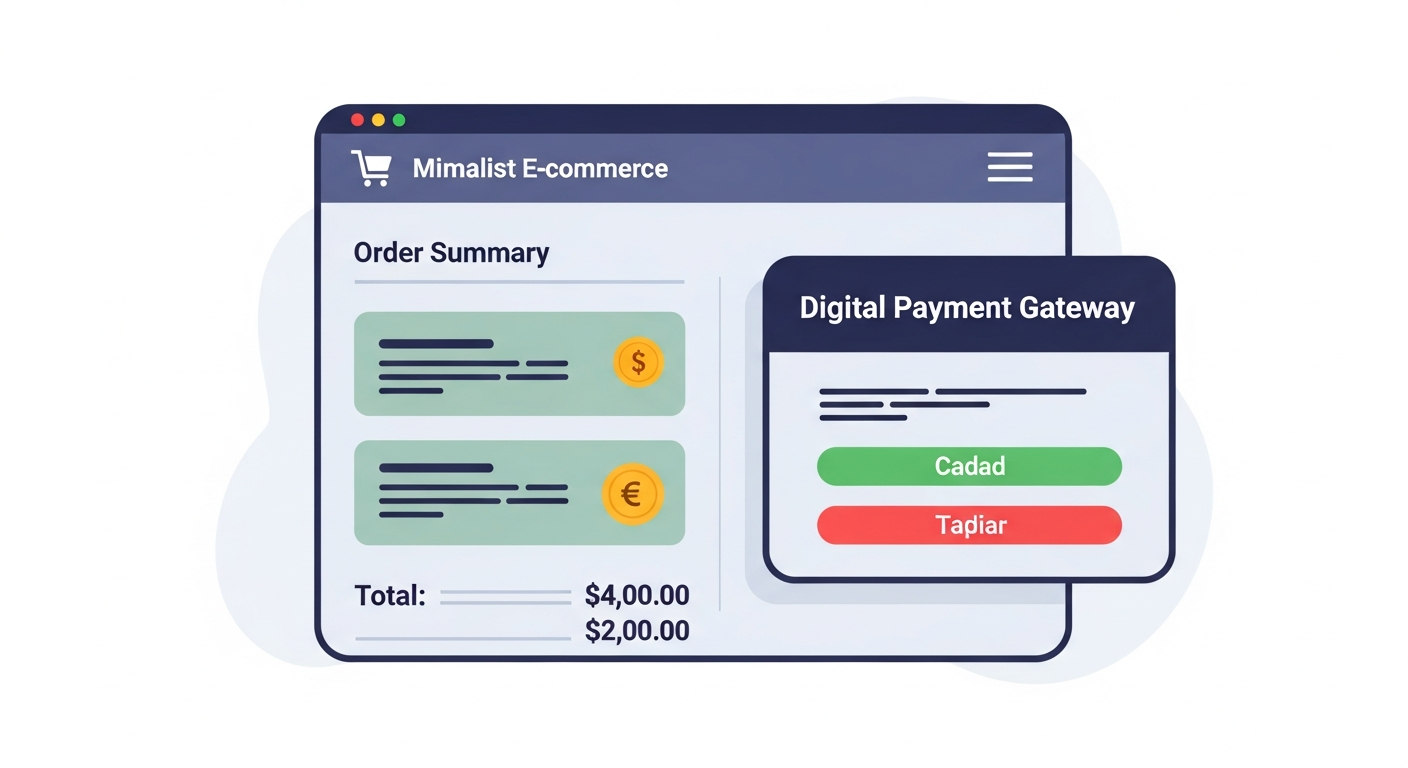
The checkout page should be simple, clear, and free of any distractions. Minimize the number of required fields as much as possible, and ensure that the data entry process is easy and clear on all devices, especially smartphones. Use clear progress indicators (e.g., “Step 1 of 3”) to help the customer know where they are in the payment process. Remove any distracting elements such as navigation links or promotional offers from the checkout page to keep the customer focused on completing the purchase. It is also preferable to display a clear order summary with product images and final prices, including shipping fees and taxes, before the final payment step. This helps the customer review their order and confirm its accuracy before confirming the purchase.
Monitor and Analyze Payment Gateway Performance
The optimization process doesn't stop at initial activation and setup. You should regularly monitor the performance of your payment gateways using your store's analytics tools. Track the success and failure rates for each payment gateway, and identify any patterns of payment issues. For example, if you notice a large number of failed payments through a specific gateway, you might need to review its settings or contact the service provider. You can also analyze customer behavior on the checkout page to understand where they might be encountering difficulties, and then make the necessary adjustments to improve the experience. This continuous monitoring ensures that your payment system operates at maximum efficiency and contributes to increasing your sales.
Common Challenges and How to Overcome Them
While activating payment gateways may seem like a straightforward process, store owners often face several challenges that can hinder the process or affect the efficiency of the payment system. Understanding these challenges and how to overcome them is crucial to ensuring a smooth and effective payment experience for both your customers and your store. Preparing for these potential issues will save you time and effort in the long run and prevent lost sales.
Strict Documentation and Compliance Requirements
One of the biggest challenges new merchants face is the strict documentation requirements imposed by payment gateways to obtain a merchant account. These requirements often involve submitting official documents such as commercial registration, national ID, proof of address, and bank statements. The process of reviewing and approving these documents can take some time, delaying payment gateway activation. To overcome this challenge: Start the registration process with your payment service provider as early as possible, even before fully launching your store. Ensure all your documents are ready, up-to-date, and comply with the requirements. Regularly communicate with the service provider to follow up on your application and inquire about any additional documents that may be needed. Some local payment gateways might be less stringent initially, which could be a good option for small or nascent businesses.
Varying Transaction Fees and Costs
Most payment gateways charge fees for each transaction, and these fees vary significantly among providers. They can be a percentage of the transaction value, a fixed fee per transaction, or a combination of both. These fees can impact your profit margins, especially if product values are low. To overcome this challenge: Conduct thorough research and compare different payment gateways available in your region. Obtain clear and detailed quotes for monthly and fixed transaction fees. Choose the gateway that offers the best balance between cost, services, and reliability. In some cases, it might be beneficial to negotiate with service providers, especially if you anticipate a high sales volume. Also, factor these fees into your product or service costs to ensure they don't negatively impact your final profits.
Technical Issues and Common Errors
You may sometimes encounter technical issues during payment gateway activation or after they are live, such as API connection errors, unexpected transaction failures, or problems receiving notifications. To overcome this challenge: Always ensure that API keys and credentials are entered correctly. Conduct multiple test payments using different cards (if possible) and from different browsers. Review error logs in your store's control panel or the payment provider's control panel to identify the root cause of the problem. If you cannot resolve the issue yourself, do not hesitate to contact the technical support team of your store platform (Salla, Zid, Shopify) and the support team of the payment service provider. They often have solutions for common problems and can guide you through the troubleshooting process.
Conclusion
Activating payment gateways is not merely a technical step in building your online store; it is a strategic investment in the success of your business. By understanding the different types of payment gateways, mastering the activation steps on platforms like Salla, Zid, and Shopify, and implementing best practices to optimize the payment experience, you lay the foundation for an e-commerce store that customers trust and that achieves sustainable sales. Always remember that a smooth and secure payment experience is key to converting visitors into loyal customers, and it directly contributes to building a strong reputation for your brand in the competitive digital market.
This guide has covered the essential aspects of activating payment gateways, starting from their paramount importance in e-commerce, moving through a review of common types, and reaching detailed steps for Salla, Zid, and Shopify. We also focused on practical tips that help improve the payment experience and increase conversion rates, in addition to how to deal with common challenges you might face. We hope this guide has provided you with the knowledge and tools necessary to activate and manage an effective payment system in your online store.
In conclusion, do not hesitate to regularly review and update your payment options. The market is constantly evolving, and new and innovative payment options emerge continuously. Stay informed about these developments, listen to your customers' feedback, and adapt your payment strategy to meet their changing needs. By doing so, you will ensure that your store remains at the forefront of e-commerce, always offering the best possible shopping experience to its valued customers.