




In the rapidly evolving world of e-commerce, merely showcasing products is no longer sufficient to guarantee success and achieve desired sales. Consumer focus has significantly shifted towards the overall experience they encounter when interacting with an online store. From the first moment a customer arrives at your site, through browsing products, to successfully completing a purchase, every step forms an integral part of their journey. Optimizing this experience, known as User Experience (UX), is no longer a luxury but a strategic necessity to increase conversion rates and foster customer loyalty on platforms like Salla, Zid, and Shopify.
An enhanced user experience is the driving force behind successful e-commerce stores. In a highly competitive environment, where customers have countless options available at the click of a button, the store that offers a seamless, enjoyable, and intuitive experience is the one that will win and retain customers. Investing in UX improvement directly translates into higher conversion rates, reduced bounce rates, increased average order value, and ultimately, sustainable growth for your business. This article will take you on a detailed journey to explore how to improve user experience in Salla and Zid stores, highlighting best practices that can be applied to boost conversions.
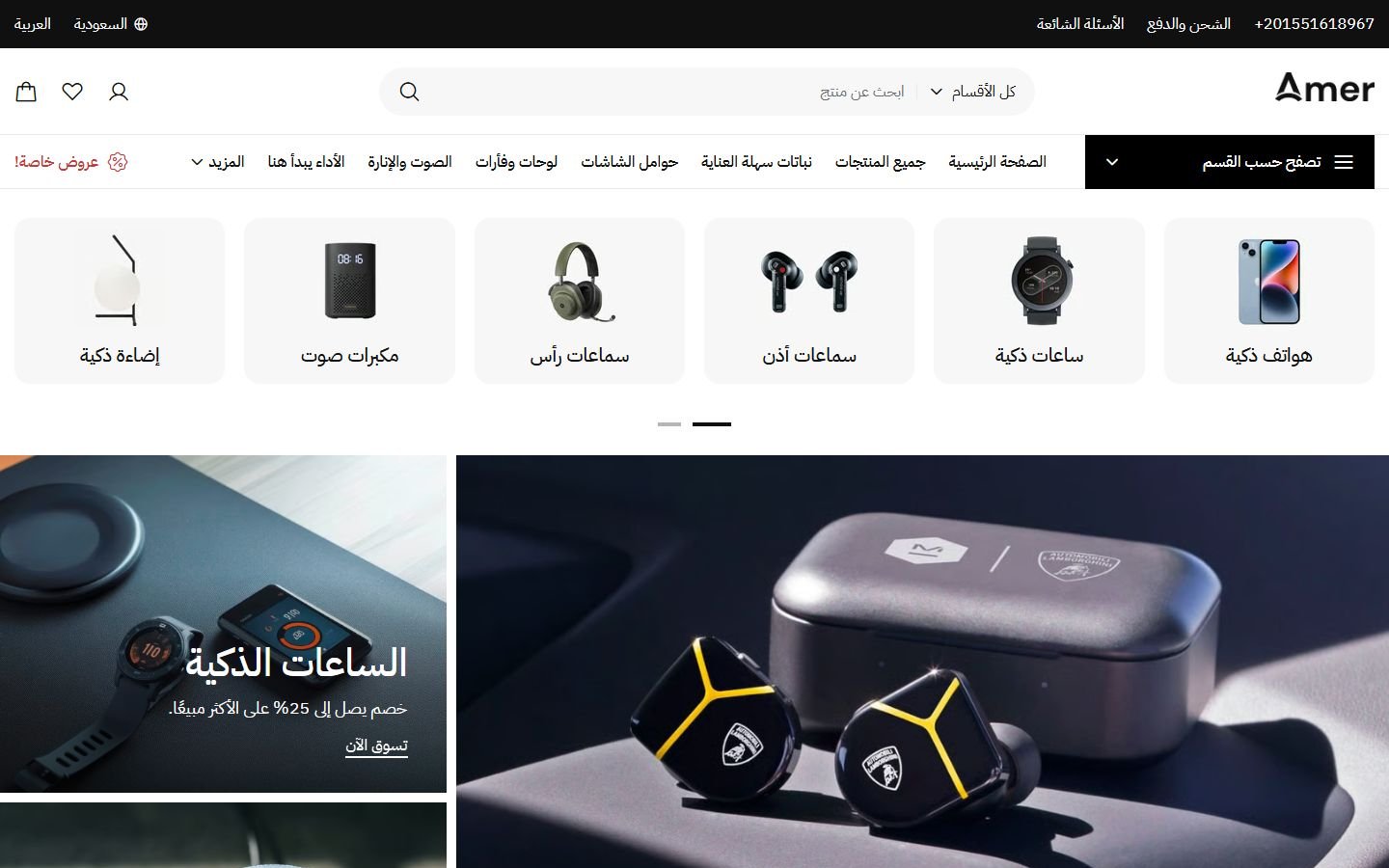
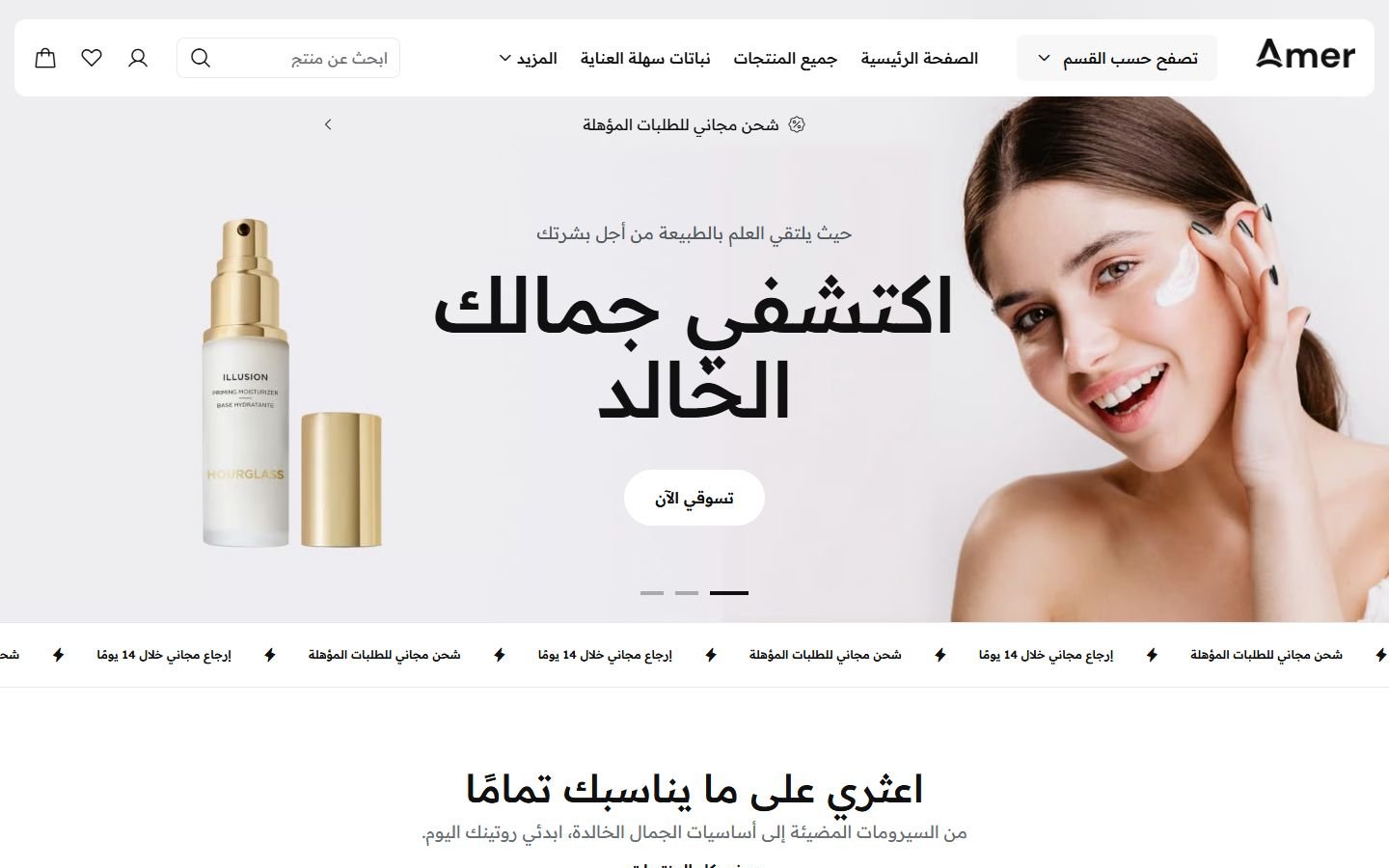
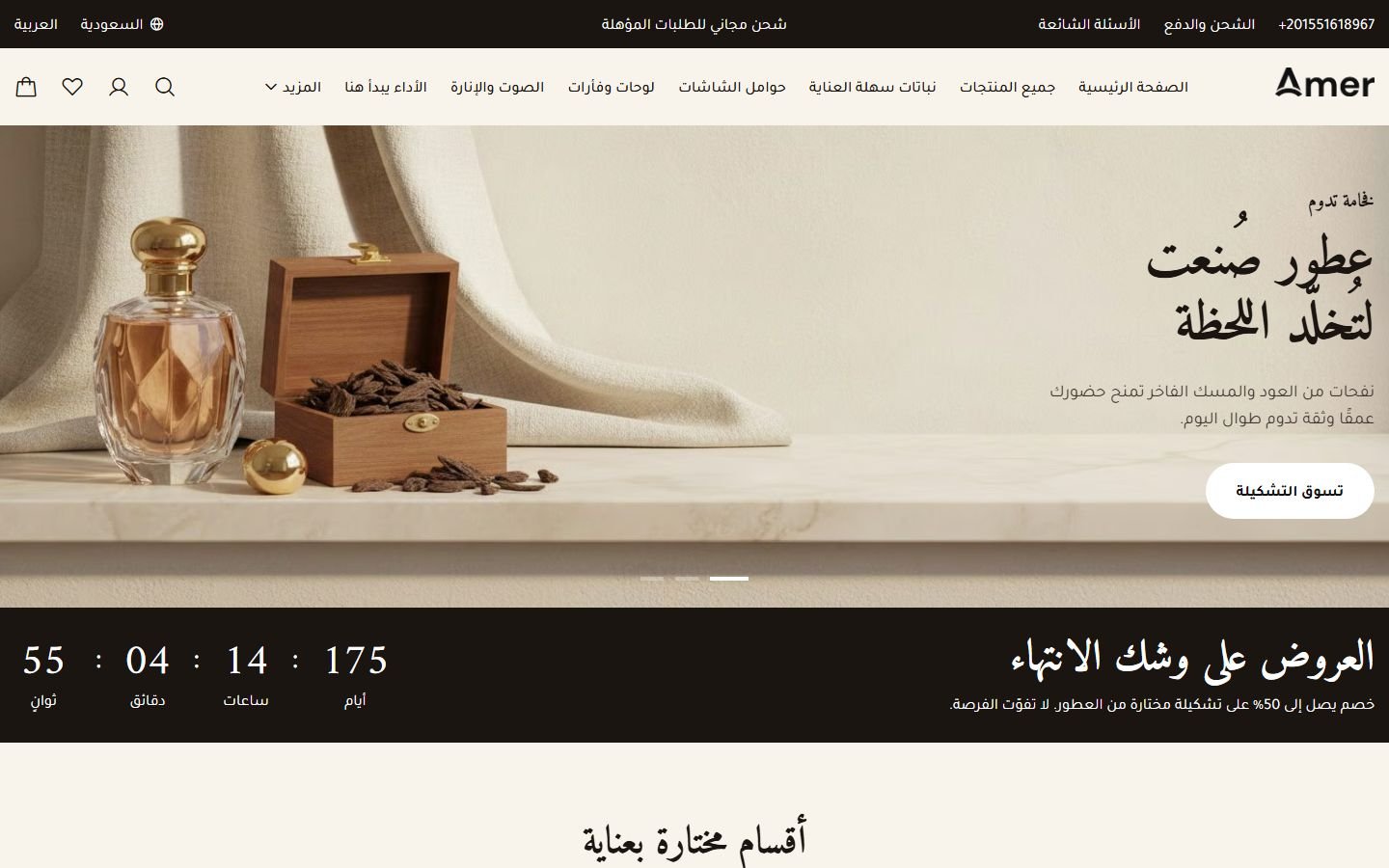
Understanding User Experience and Its Importance in E-commerce
User Experience (UX) encompasses everything related to a user's interaction with a particular product or service, and in the context of e-commerce, it's the sum of feelings and impressions a customer forms while browsing your online store. This experience includes various aspects such as ease of use, interface effectiveness, comfort, and overall satisfaction. It's not just about an attractive visual design; it's a comprehensive process aimed at making the customer's journey as smooth, efficient, and enjoyable as possible, from discovering the store to post-purchase interactions.
The importance of user experience lies in its role as a primary driver of purchasing decisions. If a customer struggles to find the product they want or finds the checkout process complicated, they are likely to leave the store without completing a purchase, even if your products are superior. Conversely, a store that offers an exceptional user experience leaves a positive impression that encourages the customer to return repeatedly and recommend it to others. This is particularly true for popular regional platforms like Salla, Zid, and Shopify, where competition intensifies daily.
Given the steady increase in the number of online stores, excellence in user experience has become the differentiating factor that sets your store apart from competitors. It's not just about attracting visitors; it's about converting them into loyal, repeat customers. Understanding customer needs and expectations, and then designing an experience that meets and exceeds those expectations, is the cornerstone of any successful e-commerce strategy.
A. What is User Experience (UX) and Why is it Crucial?
User Experience (UX) is a broad term that encompasses all aspects of a user's interaction with a product, service, or system. In the context of e-commerce stores on platforms like Salla, Zid, and Shopify, UX refers to how easy, simple, and effective the visitor's experience is when browsing the store, from the moment they enter until they complete a purchase. This experience includes factors such as page load speed, clarity of content, ease of navigation, user interface design, and how responsive the site is across different devices.
User experience is crucial for several key reasons. First, it directly impacts conversion rates. A store that offers a smooth and intuitive experience makes it easier for customers to find what they're looking for and complete purchases without obstacles, thereby increasing the chances of closing a sale. Second, a positive user experience contributes to building trust and brand loyalty. When customers feel comfortable and satisfied while browsing your store, they often return in the future and recommend it to others, which strengthens your store's reputation in the long run.
Furthermore, user experience plays a significant role in reducing bounce rates. If a store is difficult to use or slow, visitors are likely to leave quickly without exploring the content. In contrast, a well-designed store that offers an enjoyable experience encourages visitors to spend more time and explore more products. In the competitive e-commerce landscape, where customers can easily switch to another store with a single click, a superior experience is what distinguishes your store and gives it an invaluable competitive advantage.
B. The Relationship Between User Experience and Conversion Rate
There is a strong and direct relationship between User Experience (UX) and Conversion Rate, where improving the former inevitably leads to an increase in the latter. Conversion rate is the percentage of visitors who complete a desired action in your store, such as making a purchase, subscribing to a mailing list, or adding a product to their cart. When the user experience in your Salla, Zid, or Shopify store is excellent, it removes obstacles and makes the customer journey smoother, encouraging them to complete the desired actions.
Consider it from the customer's perspective: if browsing your store is difficult, information is unclear, or the checkout process is complicated and lengthy, the customer will feel frustrated and likely abandon their cart. This means a lost sales opportunity. Conversely, if the interface is intuitive, information is readily available, and the checkout process is fast and simplified, the customer will be more inclined to complete their purchase. Studies show that even minor improvements in UX can lead to significant increases in conversion rates, positively impacting revenue.
To maximize this relationship, store owners should continuously analyze user behavior and identify friction points that might hinder conversion. Whether it's a problem with site speed, a complex registration form, or unclear shipping costs, addressing and improving these points will directly lead to an increase in the number of visitors who convert from mere browsers to paying customers. You can also refer to our article on which platforms are best for your store to choose the platform that supports the best user experience.
Designing an Attractive and Effective User Interface (UI)
User Interface (UI) design is the visual and interactive aspect of an online store, representing the interface with which the user directly interacts. It includes colors, fonts, icons, buttons, the overall page layout, and how information is organized. On platforms like Salla, Zid, and Shopify, an attractive and effective UI design plays a pivotal role in grabbing customer attention, guiding them through the purchase journey, and ultimately influencing their buying decision. A well-designed interface not only looks good but is also easy to use and provides a smooth and enjoyable experience.
Investing in a professional user interface design reflects your store's credibility and attention to detail, which builds trust with customers. When a customer finds a well-organized store with a modern design and easy navigation, they feel comfortable and secure while browsing and entering their data. Conversely, a cluttered or outdated design can raise doubts and reduce the customer's desire to continue browsing or complete a purchase. The goal should always be to strike a balance between aesthetics and functionality, to deliver a comprehensive and enhanced user experience.
Effective UI design is fundamental to a successful user experience, playing a significant role in highlighting your brand and attracting your target audience. The design should be consistent across all store pages and clearly reflect the brand's identity. Interactive elements such as buttons and links should be clear, easy to click, and provide visual feedback to the user upon interaction. All these small details come together to form a significant and impactful user experience, enhancing conversion opportunities and strengthening customer relationships.
A. The Importance of Visual Design and Clear Text
The visual design of your online store is the first impression a customer receives, and it plays a crucial role in attracting attention and building trust. Harmonious colors, readable fonts, high-quality images, and organized white space all contribute to creating a comfortable and appealing visual experience. On platforms like Salla, Zid, and Shopify, you can leverage ready-made templates and customize them to fit your brand identity, ensuring that the design reflects professionalism and quality. Good design is not limited to aesthetics; it smoothly guides the user through the site.
In addition to visual design, clear and concise text is essential for your store's success. Product titles, descriptions, instructions, and terms and conditions of purchase should be easy to understand and free from ambiguity. Use simple, direct language and avoid complex jargon. Customers should be able to understand what you offer, how it works, and what the next step is with complete ease. Clear text reduces the likelihood of confusion and increases customer confidence in making a purchase decision, directly contributing to higher conversion rates.
Always remember that customers are looking for quick and clear information. Use bullet points and lists to break down dense information and make it easier to read and scan. Ensure that all buttons and links have clear text indicating their destination or function (e.g., "Add to Cart" or "Proceed to Checkout"). This focus on clarity in visual design and text ensures that users will not encounter any cognitive or visual obstacles preventing them from exploring your store and successfully completing a purchase.
B. Easy Navigation and Logical Store Structure
Easy navigation and a logical store structure are among the most crucial pillars of an excellent user experience. Customers should be able to find any product or information they are looking for within a few seconds, with the fewest possible clicks. Designing a clear and logical navigation menu, with organized subcategories, reduces customer frustration and increases the likelihood of them staying in your store and exploring more. On platforms like Salla, Zid, and Shopify, these platforms offer powerful tools to organize products and categories, making it easier for store owners to build a clear structure.
Utilize advanced search tools, filters, and sorting options to help customers narrow down their choices and find suitable products quickly. The search function should be prominent and easily accessible from all store pages. It is also advisable to include a "breadcrumbs" feature that shows the customer their current location within the store's hierarchy, giving them a sense of control and helping them return to previous categories easily. All these elements work together to create a smooth and enjoyable browsing journey.
Furthermore, ensure that all links work correctly and lead the user to the correct page. Avoid broken links or non-existent pages (404 Not Found), as they harm the user experience and negatively impact your store's credibility. The transition process between pages should be fast and seamless. A logical structure and easy navigation not only make it easier for customers to find what they are looking for but also contribute to improving your store's SEO, increasing its visibility in search engine results.
C. Responsive Design Across Devices (Mobile-First)
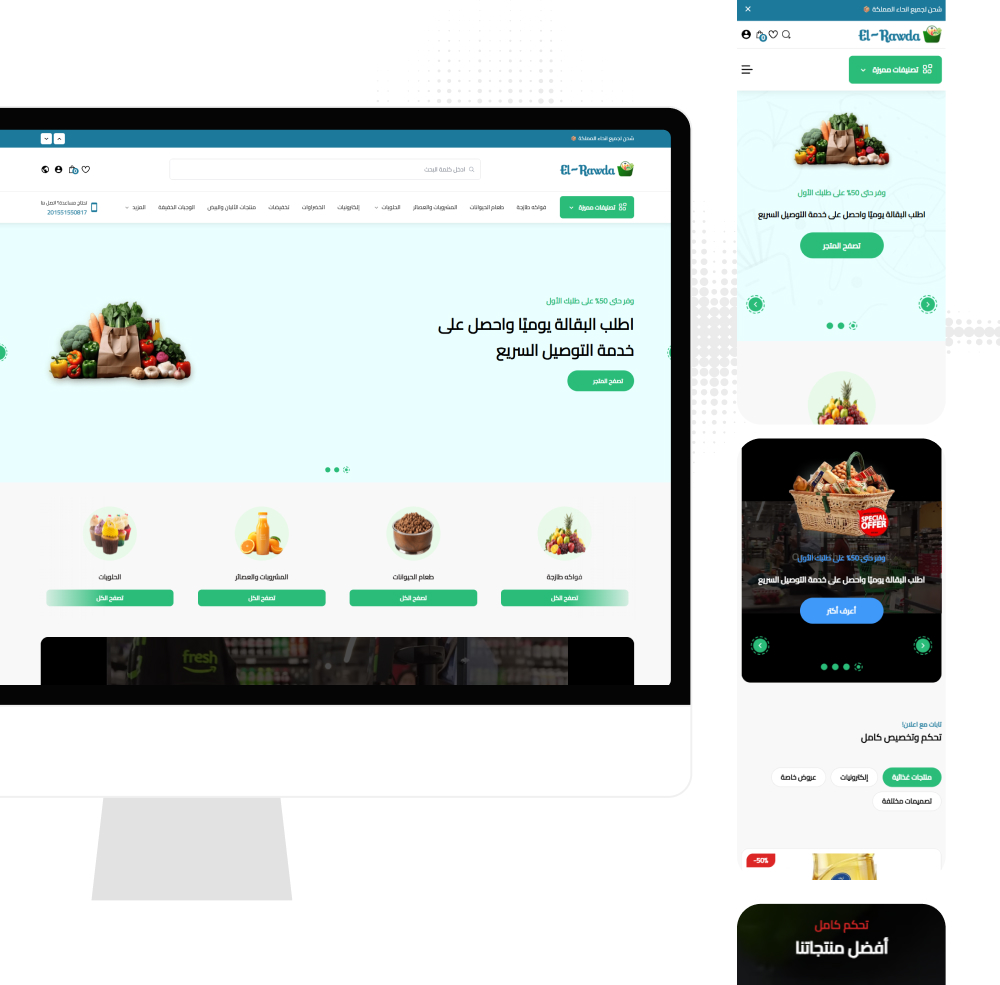
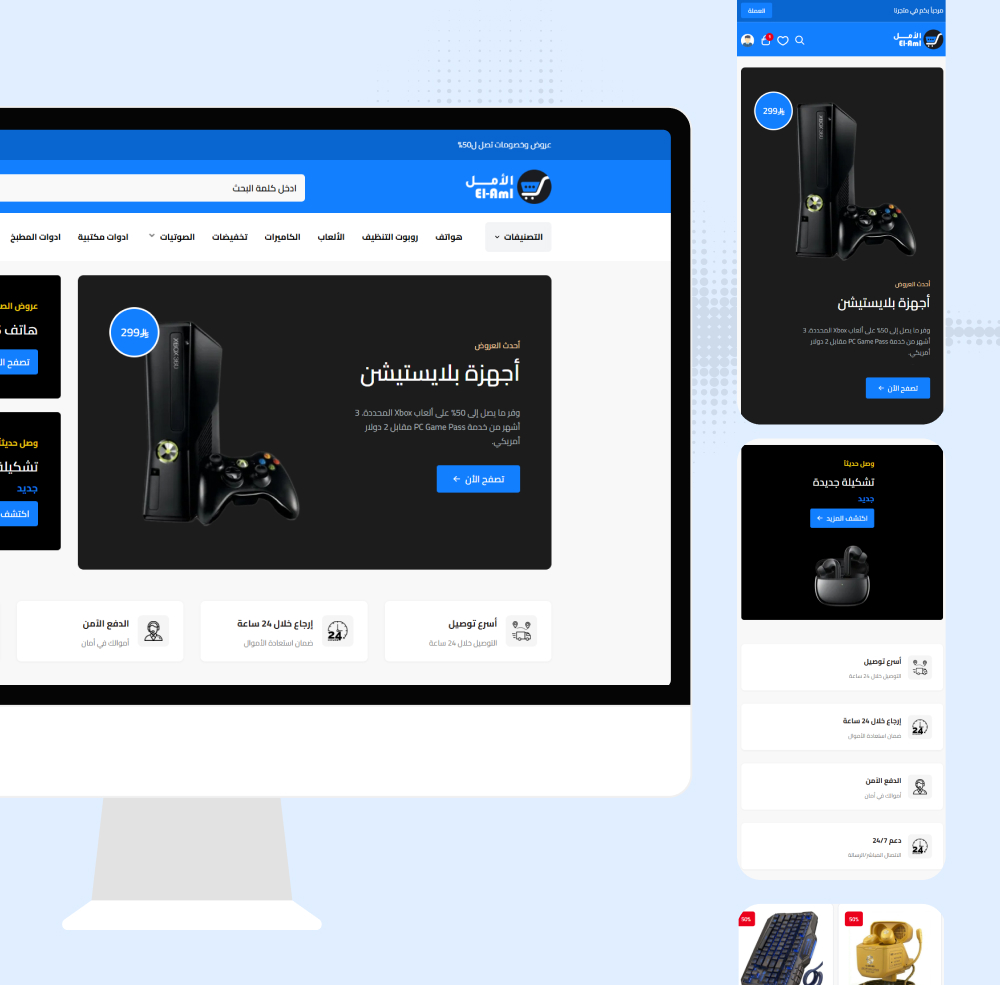
In our current era, the number of shoppers using their smartphones to make online purchases is rapidly increasing. This makes responsive design extremely critical, and a "mobile-first" approach should be fundamental when designing your store on platforms like Salla, Zid, and Shopify. Responsive design means that your store automatically adapts to the screen size and device type used by the customer, whether it's a smartphone, tablet, or desktop computer, to provide the best possible viewing and interaction experience.
Neglecting responsive design can lead to a poor user experience on mobile devices, such as text that is too small to read, buttons that are difficult to tap, or images that don't fit the screen. All these issues frustrate customers and drive them away from your store, negatively impacting conversion rates. Conversely, a "mobile-first" designed store ensures that customers browsing from their phones will have a smooth and enjoyable experience, just as if they were using a desktop computer.
When designing your store, start by thinking about how content appears and interacts on a small screen, then expand the design to larger screens. Focus on simplicity and clarity, use large and clear icons, readable text, and easy-to-tap buttons. Testing your store on a variety of devices is vital to ensure a consistent and high-quality experience for all users. This approach not only satisfies customers but also improves your store's ranking in search engine results, as search engines favor responsive websites.
Optimizing the Customer Journey from Browsing to Purchase
The customer journey in an online store is a series of steps a visitor takes from discovering the store to completing a purchase and beyond. Optimizing this journey means removing any obstacles or friction points that might hinder the customer from moving forward, and making each step smooth, clear, and enjoyable. Whether you are using Salla, Zid, or Shopify, focusing on simplifying this journey is key to increasing conversion rates, as a customer who finds it easy to browse, locate products, and complete payment is a happy customer and likely to become a repeat customer.
To achieve this, every stage of the customer journey must be analyzed with extreme care. From the moment they arrive at a product page, do they find all the information they need to make a decision? When they add a product to their cart, are they presented with clear options to continue or checkout? Is the checkout process itself easy, fast, and requiring minimal data? Answering these questions and implementing the necessary improvements is at the heart of optimizing the customer journey. Understanding the "customer path" allows you to identify weak points and turn them into strengths for your store.
Every customer interaction with your store is an opportunity to enhance or spoil their experience. By simplifying the entire process, providing clear information, and offering multiple reliable payment options, you can build a bridge of trust with your customers. This not only increases the likelihood of completing a purchase but also enhances overall customer satisfaction and encourages them to return. Making the purchasing process easy and convenient is an investment that pays off in the long run.
A. Product Pages: Attractive Offers and Comprehensive Information
Product pages are the heart of an online store, and they are where the customer makes the final purchase decision. Therefore, these pages must be designed to be visually appealing and rich in information to dispel any customer doubts. Start with high-quality images from multiple angles of the product, and if possible, add explanatory videos. These images should be zoomable to allow the customer to examine fine details. On platforms like Salla, Zid, and Shopify, it's easy to upload and manage these images and videos efficiently.
In addition to images, product descriptions should be comprehensive and compelling. Don't just list features; focus on the benefits the customer will gain from using the product. Use clear and concise language, with bullet points for easy readability. Include all important details such as dimensions, materials, warranty, and usage instructions. Customer reviews can also contribute to building trust. It's also important to include clear pricing and shipping options, and you can explore smart product pricing strategies to ensure you offer the best value.
Ensure that the "Add to Cart" or "Buy Now" button is prominent, clear, and easy to click. Related or complementary products (cross-selling/up-selling) should also be displayed on product pages to increase the average order value. Providing product customization options (like colors or sizes) in a clear and easy-to-select manner also enhances the user experience. The goal is to provide everything the customer needs to make an informed and comfortable decision without having to leave the page.
B. Shopping Cart and Checkout Process: Simplification and Friction Reduction
The shopping cart and checkout process are among the most critical stages in the customer journey, and any complexity within them can lead to cart abandonment. The shopping cart should be clear, showing the customer the products they have added with their images, quantities, and total and sub-prices. Allow the customer to easily adjust quantities or remove products from the cart. The "Proceed to Checkout" or "Complete Order" button should be clear and prominent to guide the customer directly to the next step.
As for the checkout process, it should be as simplified as possible, requiring the fewest steps. Avoid asking for unnecessary information or forcing customers to create an account before purchasing; offer a guest checkout option. Break down the checkout process into clear, interconnected steps, with a progress indicator showing the customer their current stage. Data entry fields should be clear and offer auto-suggestions if possible. Most importantly, provide multiple reliable payment options (such as card payment, Mada, Apple Pay, Cash on Delivery, or installment services like Tabby and Tamara) to ensure every customer finds their preferred payment method.
Don't forget to clearly display the final order summary, including shipping costs and taxes, before confirming payment. Ensure all security and privacy information is prominently displayed to build trust. Simplifying this stage and reducing any potential friction significantly decreases cart abandonment rates and markedly increases conversion rates. Investing in a seamless checkout experience is a direct investment in your Salla, Zid, or Shopify store's revenue.
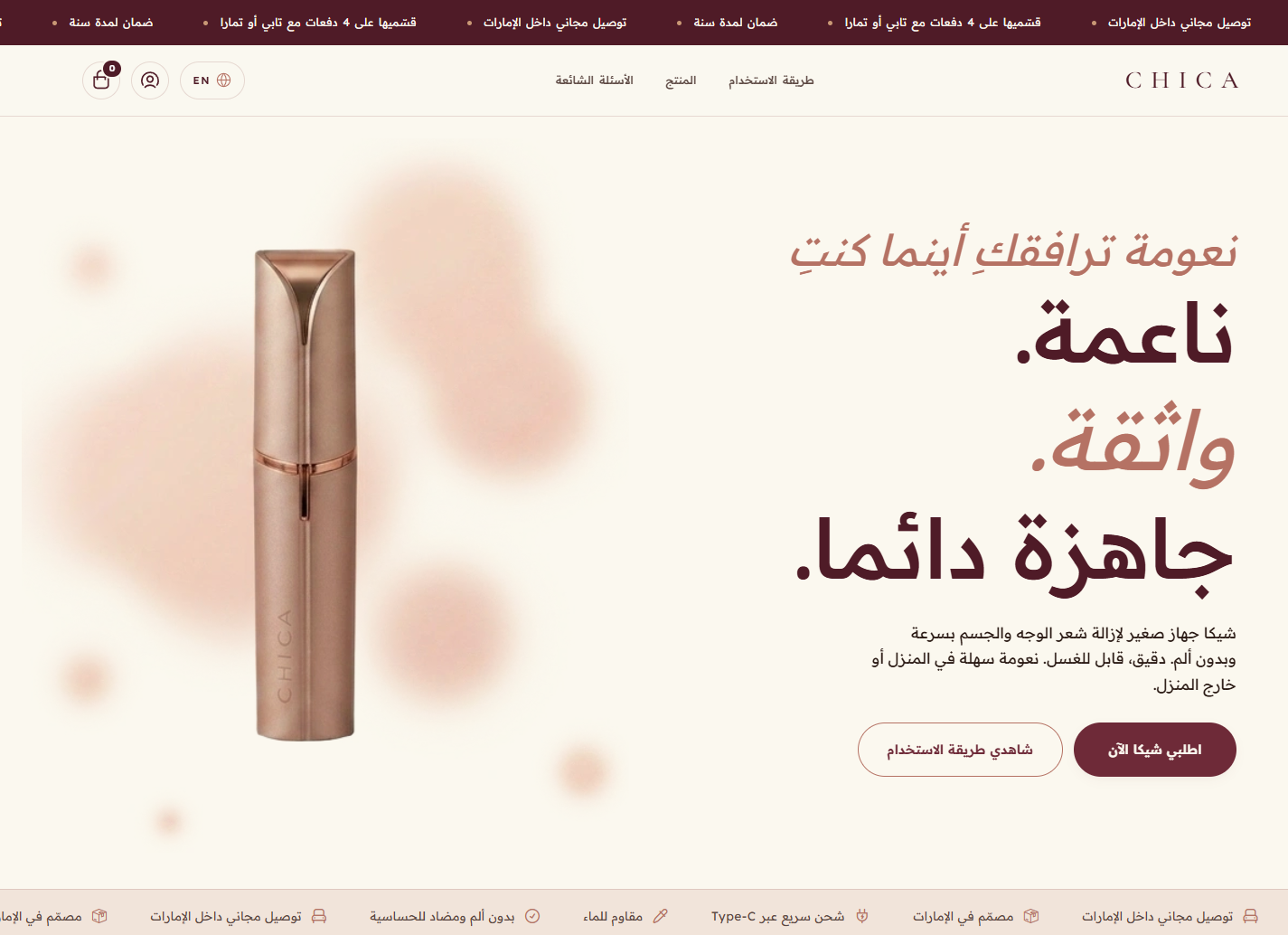
C. Strategies for Attracting Customers and Increasing Conversion
To attract customers and increase conversion rates, e-commerce store owners on Salla, Zid, and Shopify must adopt effective marketing and experiential strategies. One of the most powerful strategies is offering attractive incentives. These incentives can include discount coupons, free shipping offers, free gifts with orders, or loyalty programs that reward frequent customers. These offers not only attract new customers but also encourage existing customers to increase their purchases and revisit the store. You can delve deeper into this topic through our guide to discount coupon strategies.
Personalization is another powerful strategy. Use customer data to provide customized product recommendations based on their browsing history and previous purchases. Advanced e-commerce platforms can help implement this. When a customer feels that the store understands their needs and offers relevant deals, they become more likely to interact and purchase. Also, creating valuable and helpful content around your products, such as user guides or product comparisons, can attract customers and establish your expertise in the field.
Finally, do not overlook the importance of retargeting customers who abandoned their shopping carts without completing a purchase. This can be done through reminder emails or targeted ads that remind them of the products they left in their cart. Offering an additional incentive in these messages, such as a small discount, can be highly effective in bringing them back and converting them into buyers. Consistency in communication and value delivery ensures your store remains top-of-mind for customers and increases conversion opportunities.
Enhancing Trust and Credibility
In the world of e-commerce, where there is no direct physical interaction between seller and buyer, trust and credibility are among the most important factors influencing a customer's decision to purchase. Customers need to feel secure and confident when browsing your store and entering their personal and financial information. Building this trust requires continuous effort and complete transparency in all aspects of the store's operation, from product display to shipping and return policies and customer support. On platforms like Salla, Zid, and Shopify, store owners can use many tools and features to enhance these aspects.
Trust is the cornerstone of any successful business relationship, and in the digital environment, it gains amplified importance. When customers trust your store, they not only hesitate to complete a purchase but also become loyal customers who may return repeatedly and recommend your store to their friends and family. Conversely, any sign of non-transparency or unprofessionalism can drive customers away and damage your store's reputation, negatively impacting conversion rates and revenue in the long run. Therefore, enhancing trust and credibility must be a top priority.
Building trust is not just about adding security badges; it's a comprehensive process that includes providing an excellent user experience, clear and honest communication, and fulfilling promises. When customers see that your store cares about their experience, provides accurate information, and responds to their inquiries effectively, it builds a sense of trust and security. This feeling is what transforms casual visitors into loyal customers and advocates for your brand.
A. Customer Reviews and Social Proof
Customer reviews and social proof are among the most powerful tools for building trust and credibility in e-commerce. When potential customers see that others have purchased a product and were satisfied, it gives them confidence to make the same decision. On platforms like Salla, Zid, and Shopify, it's easy to integrate tools and features that allow customers to leave reviews and ratings for products. Encourage your customers to leave honest reviews through post-purchase emails or by offering small incentives.
Display reviews prominently on product pages, and don't be afraid to show negative reviews as long as you respond to them professionally and explain how you addressed the issue. This demonstrates transparency and enhances your credibility. You can also compile prominent positive testimonials and display them on a dedicated page or in prominent sections of the store. Using customer photos or names (with their consent) adds a personal touch and reinforces the impact of the testimonial.
In addition to on-site reviews, encourage customers to share their positive experiences on social media. User-Generated Content (UGC) has a tremendous impact on trust, as it is considered more honest and credible than traditional advertising. Responding to these posts and interacting with them strengthens your store's community and shows your care for your customers. Building this social proof is a long-term investment in your store's reputation and its ability to attract and convert customers.
B. Clear Privacy, Shipping, and Return Policies
Transparency in policies is fundamental to building trust in your online store. Privacy, shipping, and return/exchange policies should be clear, detailed, and easily accessible from all store pages, preferably linked in the footer. When customers find this information easily, they feel reassured knowing their rights and obligations, which reduces anxiety and encourages them to complete a purchase. Ambiguity in these policies is a major factor in customer cart abandonment.
For the privacy policy, clearly explain how you collect customer data, how you use it, with whom you share it, and how you protect it. Ensure your store complies with local and international data protection regulations. As for the shipping policy, it should clarify costs, estimated delivery times, countries you ship to, and available shipping carrier options. Transparency in shipping costs is vital, as unexpected costs at the end of the checkout process are a primary reason for cart abandonment.
Finally, the return and exchange policy should be fair, clear, and easy to implement. Explain the steps customers need to follow to return a product, the required conditions, and the specified timeframe. A flexible return policy enhances customer confidence and removes any concerns they might have about dissatisfaction with the product. Providing this information clearly not only builds trust but also reduces the number of inquiries and complaints that might reach customer support, saving time and effort in the long run.
C. Effective and Accessible Customer Support
Effective and easily accessible customer support is a cornerstone for enhancing trust and credibility in any online store, whether on Salla, Zid, or Shopify. When a customer encounters a problem or has a query, their ability to receive quick and professional assistance can turn a potentially negative experience into a positive one. Providing multiple channels for customer support, such as live chat, email, a direct phone number, and FAQ pages, ensures that customers can communicate in their preferred way.
Live chat should be available during business hours, and preferably outside them too, using smart chatbots to answer frequently asked questions. Ensure your customer support team is well-trained, friendly, and capable of resolving issues quickly and efficiently. Prompt responses to email inquiries are also a critical factor. In the FAQ pages, include clear and detailed answers to the most common questions about products, shipping, payment, and returns; this reduces the need for direct communication and empowers customers to resolve their issues independently.
Following up after resolving an issue demonstrates your commitment to customer satisfaction and leaves a positive impression. Every interaction with customer support is an opportunity to strengthen the relationship and build loyalty. Customer support is not just a problem-solving service; it's a powerful marketing tool that enhances your store's reputation and increases customer trust, ultimately translating into increased conversion rates and repeat sales.
Continuous Analysis and Improvement of User Experience
Launching an e-commerce store with an excellent user experience is just the beginning. To ensure sustained success and increased conversion rates in the long term on platforms like Salla, Zid, and Shopify, store owners must adopt a continuous analysis and improvement methodology for user experience. Customer expectations and preferences are constantly evolving, as are technology and market trends. Therefore, monitoring your store's performance, collecting data on user behavior, and then implementing improvements based on this data is vital to staying ahead of the competition.
Continuous analysis allows you to identify friction points customers may encounter, understand the reasons behind cart abandonment, and pinpoint pages that perform well versus those needing improvement. Effective improvements cannot be made without a deep understanding of what is actually happening within your store. Through available analytics tools, store owners can gain valuable insights into how visitors interact with their store, enabling them to make informed decisions to enhance the experience and increase conversions.
The continuous improvement process is an ongoing cycle: analyze, plan, implement, then measure results and start again. This iterative approach ensures that your store always adapts to changing customer needs and remains effective in achieving its business goals. Investing in analytics tools and dedicated time for data analysis is an investment that yields significant benefits in the form of increased sales and customer satisfaction.
A. Behavior Analytics Tools and Heatmaps
Behavior analytics tools and heatmaps are powerful instruments that provide store owners with deep insights into how visitors interact with their online store. These tools offer visual data on where users click, where they scroll, the time they spend on specific parts of a page, and even their mouse movements. Through heatmaps, you can identify the most engaging elements on product pages, buttons that are overlooked, or areas that cause customer frustration.
For example, if a heatmap shows that visitors stop scrolling before seeing the "Add to Cart" button, it indicates that the button should be higher on the page. If they are clicking on a non-clickable element, it means the design implies it's a button and should be adjusted. Tools like Hotjar and Crazy Egg can be easily integrated with platforms like Shopify and provide valuable insights that can be used to improve interface design and user flow.
In addition to heatmaps, some of these tools record user sessions, allowing you to watch the customer's entire journey within your store. These recordings are invaluable in identifying friction points, errors, or confusion customers may experience. Regularly analyzing this data can uncover improvement opportunities you might not have discovered otherwise, leading to targeted and effective improvements in user experience and an increase in conversion rates.
B. A/B Testing and Usability Testing
To ensure that the improvements you make to your online store achieve the desired results, A/B testing and usability testing are indispensable tools. A/B testing, also known as split testing, involves creating two different versions (A and B) of a specific page or element (such as a button, headline, or image) and showing each version to a different group of visitors. Then, it's analyzed which version performs better in terms of conversion rates or any other important metric. This helps you make data-driven decisions rather than relying on guesswork.
For example, you can test the color of the "Add to Cart" button, the wording of a product title, or the placement of checkout form fields. Platforms like Shopify can be integrated with A/B testing tools, while on Salla and Zid, you might need external solutions or use analytics tools to monitor changes manually. A/B testing ensures that every change you make positively impacts user experience and conversion rates.
Usability testing, on the other hand, involves observing a small group of actual users as they interact with your store and attempt to complete specific tasks. During these tests, you can gather their direct feedback and identify problems they encounter or areas where they feel confused. These tests can be guided (e.g., "Try to find product X and purchase it") or unguided. The insights gained from these tests are invaluable in understanding how users perceive and interact with your store, leading to fundamental improvements in user experience.
C. The Role of Artificial Intelligence in Personalizing the Experience
Artificial Intelligence (AI) has revolutionized the e-commerce sector, especially in its ability to personalize the user experience like never before. By analyzing vast amounts of customer data (such as browsing history, past purchases, viewed products), AI systems on platforms like Shopify, Salla, and Zid can provide highly customized product recommendations for each visitor. These recommendations appear on product pages, the homepage, or even in marketing emails, making the customer feel that the store is designed specifically for them.
In addition to product recommendations, AI can enhance in-store search experience by understanding the underlying intent behind search queries and providing more accurate and relevant results. AI-powered chatbots can also offer instant and personalized customer support, answering their queries, helping them find products, and even guiding them through the checkout process. This reduces the need for human intervention and provides 24/7 support experience. You can learn more about how AI enhances your store.
AI also plays a role in dynamic pricing, demand forecasting, and inventory management optimization, all factors that indirectly affect user experience by ensuring product availability at competitive prices. Investing in AI technologies is not just about keeping up with technological advancements; it's a powerful strategy to enhance user experience, increase conversions, and build long-term relationships with customers in the evolving e-commerce market.
Conclusion
In conclusion, optimizing user experience (UX) in Salla, Zid, and Shopify stores is the cornerstone for achieving sustained success and increasing conversion rates in today's e-commerce world. We have demonstrated how every aspect of the store, from visual design and clear text, through easy navigation and product structure, to simplifying the checkout process and enhancing trust through clear policies and effective customer support, plays a crucial role in shaping the customer's overall impression and their final purchasing decision. Neglecting user experience is no longer an option in a highly competitive market with increasing customer expectations.
Investing in understanding the customer journey, identifying friction points, and then implementing targeted improvements based on data from analytics tools, heatmaps, and A/B tests is what distinguishes successful stores. It's not just about attracting visitors, but about converting them into loyal customers who return repeatedly and recommend your store to others. Remember that user experience is not a one-time project; it's an ongoing process that requires continuous monitoring and improvement to keep pace with changes in consumer behavior and technological advancements, including leveraging AI to personalize the experience.
Therefore, we invite you to adopt these principles and apply them to your online store on any of the Salla, Zid, or Shopify platforms. Make the customer the focus of your attention, and always strive to provide a smooth, enjoyable, and intuitive experience. By focusing on these aspects, you will not only increase your conversion rates but also build a strong and reliable brand that enjoys customer loyalty and ensures continuous growth in the expanding e-commerce market. Start today by reviewing your store and implementing improvements that will make a real difference in your business performance.