



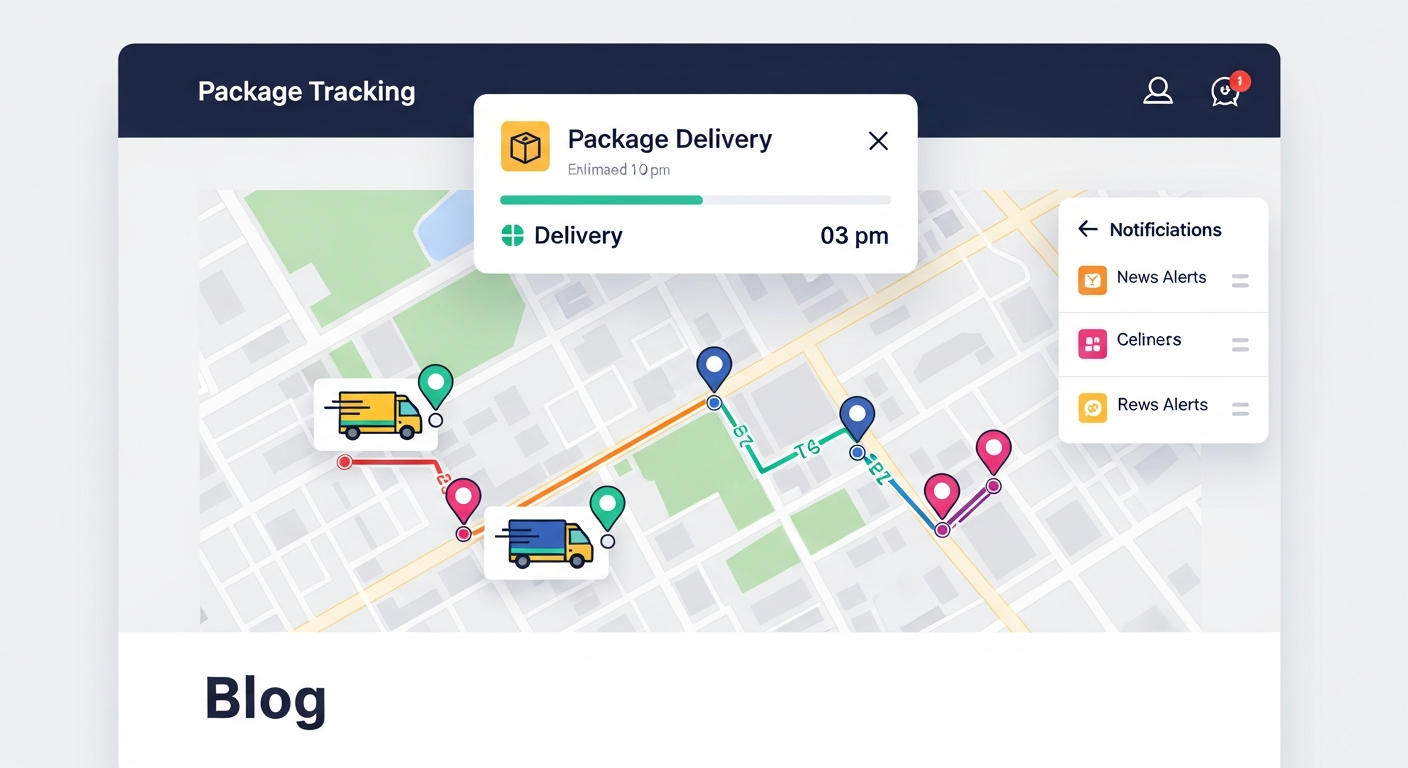
Shipment Tracking: Enhancing Customer Service in Salla and Zid
In the rapidly evolving world of e-commerce, product quality and competitive pricing alone are no longer sufficient to secure customer loyalty and store success. The overall customer experience has become the decisive factor, and one of its most critical components is transparency and clarity regarding the shipping process and order tracking. Today's customers expect to be constantly informed about the location of their shipments, from the moment an order is confirmed until it arrives at their doorstep. This increasing expectation places a significant burden on store owners to provide a seamless and reliable tracking experience.
Providing an effective shipment tracking service is not just an added feature; it has become an absolute necessity for building trust and enhancing customer satisfaction. When a customer can follow the path of their package step-by-step, it reduces anxiety and stress, creating a sense of control and reassurance. This, in turn, positively reflects on the store's image and reputation, and minimizes repetitive customer service inquiries, saving the store time and effort and allowing it to focus on other aspects of growth and development. In this article, we will delve into how to leverage this vital tool to transform the shipping experience into an opportunity to enhance customer service on platforms like Salla, Zid, and Shopify.

Shipment Tracking: A Cornerstone of E-commerce Success
The shipment tracking process serves as the backbone of the post-purchase experience in modern e-commerce. Previously, customers would simply confirm an order and await its arrival without much detail, but with technological advancements and increased competition, customer expectations have evolved significantly. Today's consumers expect absolute transparency and the ability to monitor their package's journey at every stage, from the warehouse to final delivery. These new expectations make shipment tracking not just an additional service but an indispensable component for any e-commerce store aspiring to grow and excel in a highly competitive market, especially in the Arab region where many rely on fast and reliable shipping.
The psychological impact of transparency in the shipping process cannot be underestimated. When a customer sees that a store provides clear tools to track their shipment, they feel reassured and confident. This transparency removes the barrier of anxiety regarding the fate of the order and its arrival date, significantly reducing the feeling of uncertainty. The sense of control and constant knowledge of the shipment's location enhances the positive customer experience, making it smoother and more enjoyable, which directly reflects on the customer's overall satisfaction with the store and their willingness to make repeat purchases in the future. This psychological aspect is what distinguishes successful stores from others in the market.
The shift from reactive to proactive customer service is one of the most significant benefits of effective shipment tracking. Instead of waiting for a customer to call with an inquiry about their shipment, the store can take proactive steps to inform them of any updates or potential delays. This proactive approach not only reduces the workload on the customer service team but also enhances customer trust in the store and its ability to manage challenges professionally. On platforms like Salla, Zid, and Shopify, available tools allow stores to easily adopt this proactive approach, contributing to building strong, lasting relationships with customers and ensuring a shopping experience that is as hassle-free as possible.
Why is Shipment Tracking Crucial for Your Zid, Salla, and Shopify Store?
Shipment tracking directly contributes to building and strengthening trust and credibility for your e-commerce store. When customers know they can track their shipment at any time, they feel confident that your store is organized, transparent, and committed to delivering products. This transparency creates a strong bond between the store and the customer, making the customer feel secure during the purchase process, which is crucial in e-commerce where customers lack physical interaction with the product or store. A store that provides excellent tracking service sends a clear message that customer satisfaction is a top priority.
One of the most significant practical benefits of shipment tracking is the reduction of customer anxiety and repetitive customer service inquiries. When customers have easy and direct access to their shipment tracking information, they do not need to contact the store to inquire about the status of their orders. This significantly reduces the pressure on the customer service team, allowing them to focus on resolving more complex issues or providing better support in other areas. Reducing these routine inquiries saves valuable time and resources for the store and significantly improves the efficiency of internal operations.
The impact of shipment tracking is not limited to customer satisfaction; it extends to improving the overall operational efficiency of the store. By monitoring shipment progress, store owners can identify any potential issues in the supply chain or with shipping companies early on and address them before they escalate. The availability of tracking data also helps analyze the performance of different shipping companies and identify the best ones, leading to improved future shipping operations. Stores can also use this data to refine delivery time estimates and provide more accurate information to customers, resulting in a better experience for everyone. To reduce operational costs, stores can refer to our guide on shipping costs: how to reduce them in your Salla and Zid store, which offers valuable tips in this regard.
Challenges of Shipment Tracking and How to Overcome Them
Despite the paramount importance of shipment tracking, there are several challenges that store owners may face in achieving a smooth and effective tracking experience. Among the most prominent challenges is the varying quality of services among different shipping companies, where some may provide accurate and real-time updates, while others may delay providing information or have unclear data. This disparity creates confusion for customers and can negatively impact their trust in the store. Additionally, stores may find it difficult to integrate multiple tracking systems from different shipping companies into a single platform, making the management process complex and time-consuming.
The complexities of integration with multiple shipping carriers pose a significant challenge, especially for stores that deal with more than one carrier to cover different geographical areas or to offer diverse shipping options. Each shipping company has its own tracking system, and these systems may not be easily compatible with e-commerce platforms like Salla, Zid, and Shopify without the use of third-party applications or intermediary solutions. This requires technical and programming efforts to ensure a seamless flow of information from shipping companies to the store and then to the customer, which can be an additional burden for small and medium-sized store owners who lack sufficient technical resources.
Managing customer expectations during delays or unexpected issues is another challenge that requires finesse and skill. Even with the best tracking systems, unforeseen delays can occur due to circumstances beyond control, such as bad weather, customs issues, or technical malfunctions at shipping companies. In such cases, transparent and proactive communication with the customer becomes paramount. The store must immediately inform the customer of the delay, provide information about the steps being taken to resolve the issue, and offer a new estimated delivery date if possible. This approach helps contain customer frustration and turns a potentially negative experience into an opportunity to strengthen trust.
Choosing the Right Logistics Partner for E-commerce Platforms
Choosing the right logistics partner is a critical decision that directly impacts the quality of shipment tracking service and overall customer satisfaction. The selection criteria should be based on several essential factors, most importantly the shipping company's reliability in timely delivery, the accuracy and transparency of its tracking system, and its ability to provide real-time updates. Consideration should also be given to the company's geographical coverage, available shipping options (such as express or economy shipping), and ease of technical integration with your e-commerce platform. Companies that offer good technical support and deal flexibly with issues are also a preferred choice, as logistics problems are inevitable, and the ability to resolve them effectively is what distinguishes a good partner.
Fortunately, leading e-commerce platforms like Salla, Zid, and Shopify provide significant facilities for integrating various shipping companies. Salla, for example, has direct integration with many popular local and international shipping companies in the region, allowing stores to easily link their accounts and automatically receive tracking numbers. Similarly, Zid offers integrated shipping solutions that suit the needs of the Saudi and Gulf markets, allowing the store to connect with partner shipping companies. Shopify, on the other hand, provides a vast marketplace of apps and add-ons that allow integration with almost any shipping company worldwide, offering advanced solutions for shipping and tracking management. Before making a decision, it is important to compare shipping companies: prices and services for Salla and Zid to ensure the best agreement that suits your store's needs.
After selecting logistics partners, the next stage is negotiating prices and service levels. Do not hesitate to negotiate for the best possible prices, especially if your shipping volume is high. But more important than price is the level of service. Ensure that the agreement includes clear clauses regarding estimated delivery times, mechanisms for handling lost or damaged shipments, return policies, and customer support. It is also essential to ensure that the shipping company provides robust Application Programming Interfaces (APIs) or integration tools that allow seamless transfer of tracking data to your store and your tracking platform. These details ensure that you have complete control and clear visibility over shipping operations, enhancing your ability to provide excellent customer service.
Advanced Strategies for Enhancing the Shipment Tracking Experience
Going beyond simply providing a tracking number is key to delivering an exceptional shipment tracking experience. While a tracking number is the starting point, the customer experience can transform from merely knowing where the package is to an interactive and reassuring journey. Advanced strategies involve integrating tracking with the overall brand experience, providing more detailed and easy-to-understand information, and leveraging technology to add real value to the customer. The goal is to make the tracking process an integral part of an enjoyable shopping experience, not just a formality after purchase. This requires an investment in tools and systems that go far beyond the basics, offering true competitive advantages.
Personalized communications and continuous updates are the backbone of any advanced tracking strategy. Instead of sending generic automated messages, stores can customize messages to include the customer's name, specific order details, and even recommendations for other relevant products. More importantly, it involves providing regular updates at every major stage of shipping: order confirmation, preparation, shipment, arrival at the customer's city, and delivery attempt. These proactive updates reduce customer anxiety and make them feel part of the process, strengthening trust and loyalty to the store. This can be easily achieved through automation tools available in Salla, Zid, and Shopify.
Leveraging modern technology to provide proactive notifications is a highly effective strategy. Stores can use third-party applications or services that integrate with e-commerce platforms to send automatic notifications via email, SMS, or even instant messaging apps like WhatsApp. These notifications are not limited to shipping status updates but can also include alerts about any potential delays, offering customers options to contact support if necessary. This proactive approach not only reduces the workload on the customer service team but also significantly enhances customer satisfaction by providing valuable information in a timely manner.
Best Practices for Creating a Professional Tracking Page
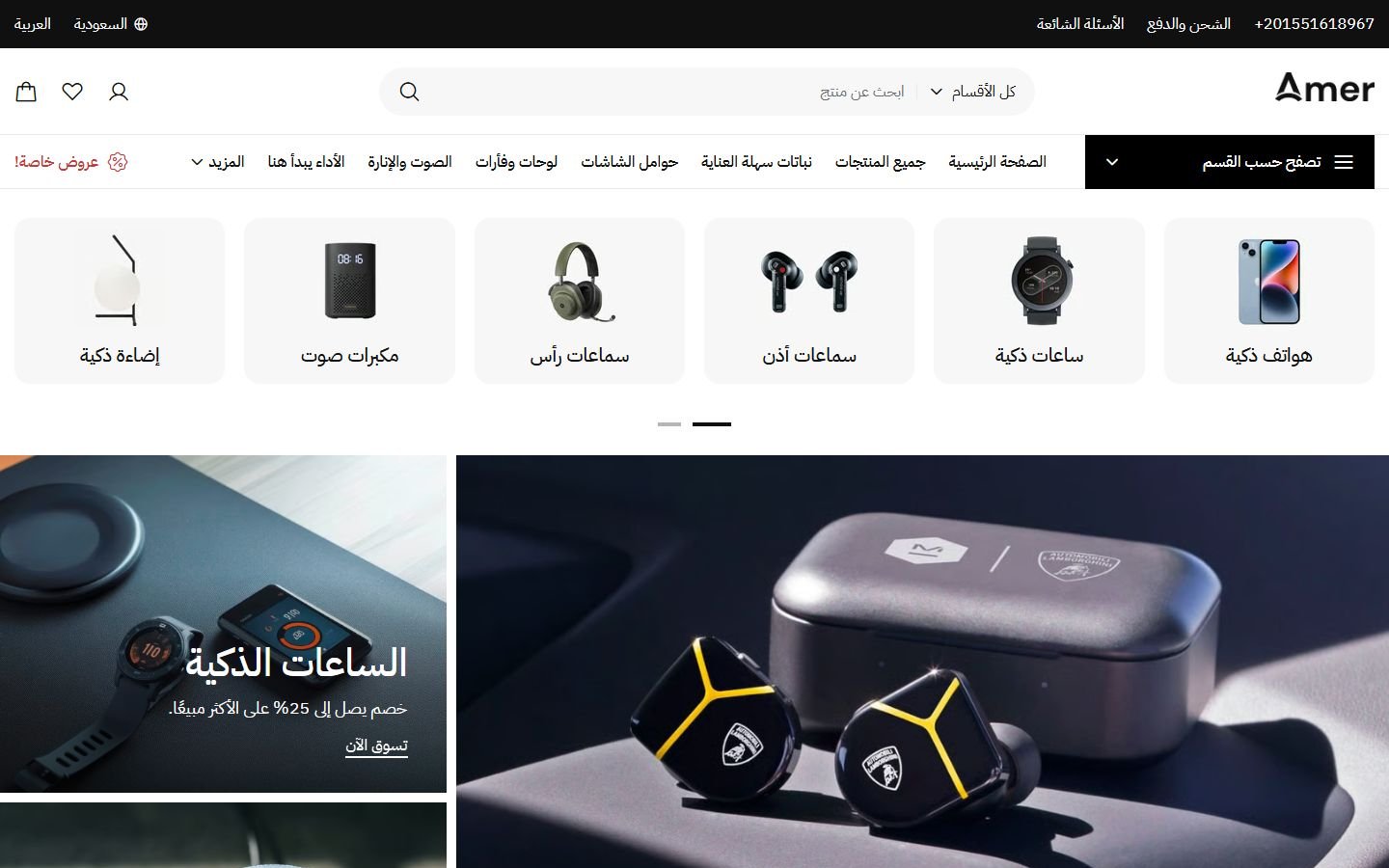
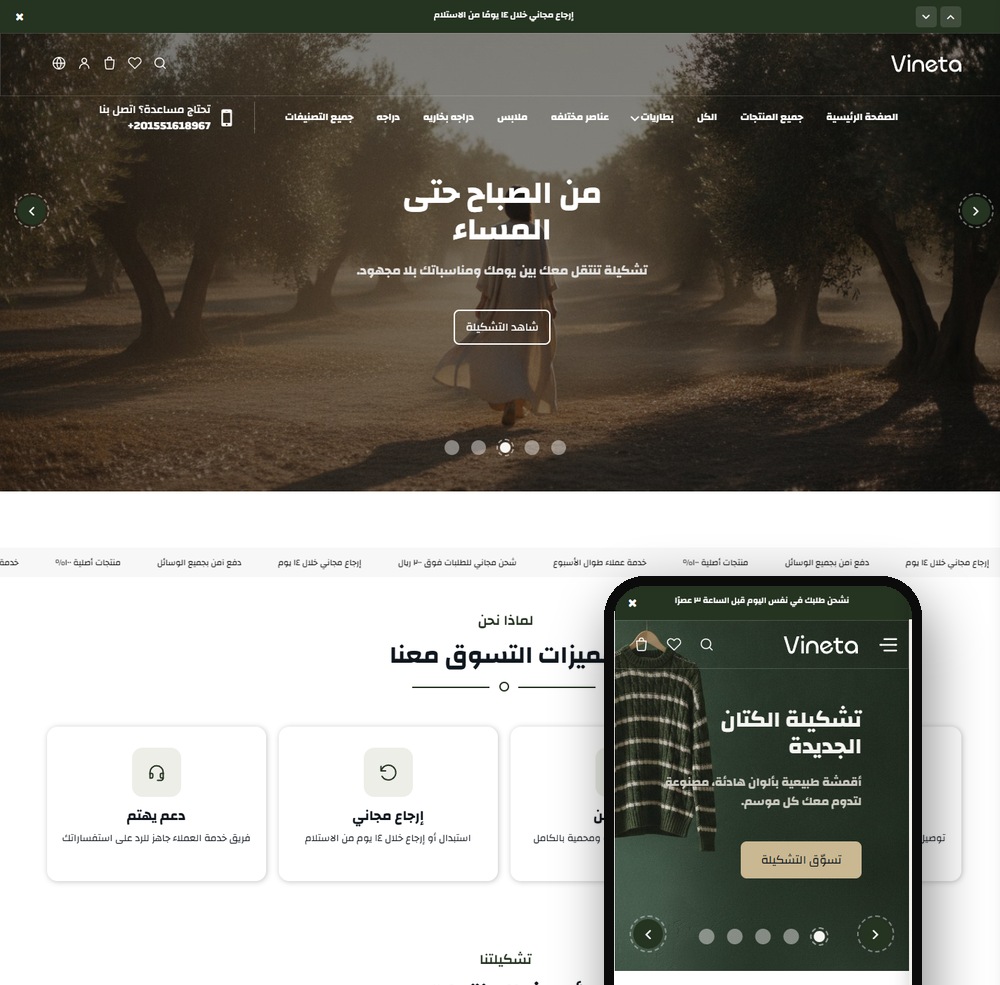
Your store's dedicated shipment tracking page is an extension of your brand identity and should reflect the same professionalism and attractive design as your main store. Instead of directing the customer directly to the shipping company's website, where they might see ads or irrelevant content, creating a customized tracking page within your site ensures a seamless and consistent brand experience. This page gives you the opportunity to reinforce your brand, provide additional information, and even promote other products, all while maintaining customer loyalty within your store's environment. It's a small investment that can yield significant long-term returns in terms of customer satisfaction and repeat purchases.
An effective tracking page should be rich in information and user-friendly. It should clearly display the shipment tracking number and its current status, along with the estimated delivery date. If possible, integrating a visual tracking map showing the current location of the shipment can add significant value and enhance the page's appeal. It is also essential to prominently provide customer service contact information, so customers can easily reach out with any inquiries or issues. Furthermore, this page can be utilized to display suggested products or special offers, turning the tracking experience into a smart marketing opportunity that increases the average order value.
E-commerce platforms like Salla, Zid, and Shopify facilitate the creation and customization of professional tracking pages. In Salla and Zid, you can use available apps in their marketplaces or customize templates to create pages that match your store's design. In Shopify, the scope is much broader, with countless dedicated shipment tracking apps that offer fully customizable tracking pages, with the ability to add your store's logo, colors, and even integrate product recommendations. Using these tools ensures that the tracking page is not just a functional tool, but an integral part of the overall brand experience. Here are some key elements an effective tracking page should include:
- Tracking Number: Clear and prominent for easy input and follow-up.
- Shipment Status: Real-time updates like 'Shipped', 'In Transit', 'Out for Delivery'.
- Estimated Delivery Date: An accurate estimate of when the shipment will arrive.
- Tracking Map (if possible): A visual representation of the shipment's location on a map.
- Support Contact Information: Easy access to customer service for assistance.
- Links to Other Products: An opportunity to increase sales and display related items.
Automating Shipment Tracking Notifications
Automating shipment tracking notifications is one of the most powerful tools for improving customer experience and reducing the workload on the customer service team. Instead of relying on manual updates or leaving customers to search for their shipment information, automation allows for the automatic and continuous sending of updates at every important stage of shipping. These notifications ensure that customers are always informed, reducing their anxiety and increasing their sense of trust in the store. It is a proactive step that demonstrates to the customer that the store cares about their experience and strives to provide the best possible service, which fosters long-term brand loyalty.
The effective use of email and SMS for sending shipment tracking updates is indispensable in modern e-commerce. Stores can set up automated messages to be sent when the shipment status changes, such as "Your order has been shipped!" or "Your shipment is out for delivery." These messages should include the tracking number and a direct link to the store's dedicated tracking page. These channels can also be used to send notifications in exceptional circumstances, such as unexpected delays, offering an apology and an explanation of the situation. This proactive communication reflects the store's professionalism and reduces the likelihood of customer frustration.
Platforms like Salla, Zid, and Shopify offer a wide range of tools and applications that facilitate the automation of shipment tracking notifications. In Shopify, for example, there are many third-party apps specializing in shipment tracking that integrate seamlessly with the store and allow rules to be set up for sending notifications based on changes in shipment status. In Salla and Zid, both platforms offer built-in options or apps from their marketplaces to connect the store with shipping companies and send automatic email or SMS notifications. These tools make it easy for any store owner, regardless of size, to implement an effective automation strategy. Here are the most important shipment stages that should trigger a notification:
- Order Confirmation: An immediate notification after a successful purchase.
- Shipment Preparation: A notification that the order is being prepared and packed.
- Order Shipped: A notification once the shipping company receives the package(s), including the tracking number.
- Shipment Arrived in Customer's City: A notification that the shipment has reached the local distribution center.
- First Delivery Attempt: A notification before or during the delivery attempt, with rescheduling options if needed.
- Shipment Successfully Delivered: A notification confirming successful delivery of the order.
- Return Status (if applicable): A notification regarding the status of returned or exchanged orders.
Integrating Shipment Tracking with Customer Service to Boost Loyalty
Seamlessly integrating shipment tracking data with the customer service system is key to transforming logistical challenges into opportunities to enhance customer loyalty. When customer service agents have immediate and comprehensive access to shipment tracking information, they can provide more effective and faster support. Instead of spending time searching for tracking numbers or contacting shipping companies, they can focus on understanding the customer's issue and providing concrete solutions. This integrated approach not only reduces problem resolution time but also increases customer satisfaction with the quality of support received, thereby strengthening their trust in the store.
The ability to turn logistical problems into opportunities to enhance customer service is an invaluable skill. For instance, if a shipment is delayed, a customer service agent, armed with available tracking data, can proactively contact the customer, offer a sincere apology, and propose solutions such as a partial refund of shipping fees or a discount on a future purchase. This professional handling of issues shows the customer that the store cares about their experience even in difficult circumstances, fostering loyalty and turning a potentially negative experience into an opportunity to build a stronger relationship. It's a chance to demonstrate empathy and commitment to customer satisfaction.
The ultimate goal of integrating shipment tracking with customer service is to build long-term relationships with customers. When customers feel that the store values them and strives to provide a hassle-free experience, they are more likely to make repeat purchases and recommend the store to others. Tracking data can be utilized to understand shipping patterns, identify customers who might be prone to issues, and offer proactive support to them. This focus on the overall customer experience, from browsing to delivery and beyond, is what distinguishes successful stores in today's competitive market. To make the most of customer data, stores can refer to our guide to customer segmentation: increasing sales in Salla and Zid, which helps in understanding different customer behaviors.
How to Handle Delayed or Lost Shipments
Delayed or lost shipments are among the most frustrating scenarios for customers and require a prompt and transparent response from the store. Effective response begins with proactive communication. As soon as the store discovers an unexpected delay or that a shipment might be lost, it must inform the customer immediately, even before the customer begins to inquire. This approach reduces customer anxiety and demonstrates that the store is responsible and caring. Communication should include a brief explanation of the situation (without excessive complex details) and what next steps the store will take to address the issue.
Following initial communication, the store must take practical steps to resolve the problem. This includes immediately contacting the shipping company for accurate updates or opening an investigation in the case of a lost shipment. Based on the investigation's outcome, the store must be prepared to offer solutions to the customer, such as reshipping the product (if available), a full refund, or providing store credit as compensation. It is important to present these options clearly and empower the customer to choose the most suitable solution, enhancing their sense of control and reducing frustration.
Even under difficult circumstances, a store can turn a negative experience into a positive one through professional and empathetic handling. Offering a sincere apology, taking responsibility, and providing satisfactory solutions can leave a lasting positive impression on the customer. In some cases, a well-handled shipping issue can enhance customer loyalty more than a completely smooth shipping experience. It's an opportunity to show that your store stands by its customers even when things go wrong, and this builds trust that is difficult to earn in any other way. Always remember that empathy and transparency are key to success in these situations.
Conclusion
In conclusion, it is clear that shipment tracking is not just a simple logistical function, but an integral part of a comprehensive customer service strategy in today's e-commerce world. Providing a transparent, reliable, and proactive tracking experience enhances trust and credibility, reduces customer anxiety, and improves the store's operational efficiency. Customer expectations have shifted towards greater transparency and control, and stores that fail to meet these expectations will find it difficult to compete and sustain themselves in an ever-changing market.
Throughout this article, we have explored many advanced strategies for improving the shipment tracking experience, from choosing the right logistics partner to creating a professional, brand-enhancing tracking page, and automating notifications and integrating them with customer service. Most importantly, it is understanding that every touchpoint with the customer, including shipping updates, is an opportunity to strengthen the relationship and build long-term loyalty. Investing in effective tracking tools and systems on platforms like Salla, Zid, and Shopify is not a luxury, but a strategic necessity for success.
Therefore, we urge e-commerce store owners on Salla, Zid, and Shopify to re-evaluate their current shipment tracking strategies and consider how to continuously improve them. The goal should be to go beyond simply meeting expectations, and to deliver an experience that exceeds them to create brand ambassadors for your business. By adopting a proactive and customer-centric approach, shipment tracking can become a true competitive advantage that drives your store towards growth and prosperity. If you are still unsure about the most suitable platform for your store, you can review our guide: Salla, Zid, and Shopify: Which is best for your store? to make an informed decision.