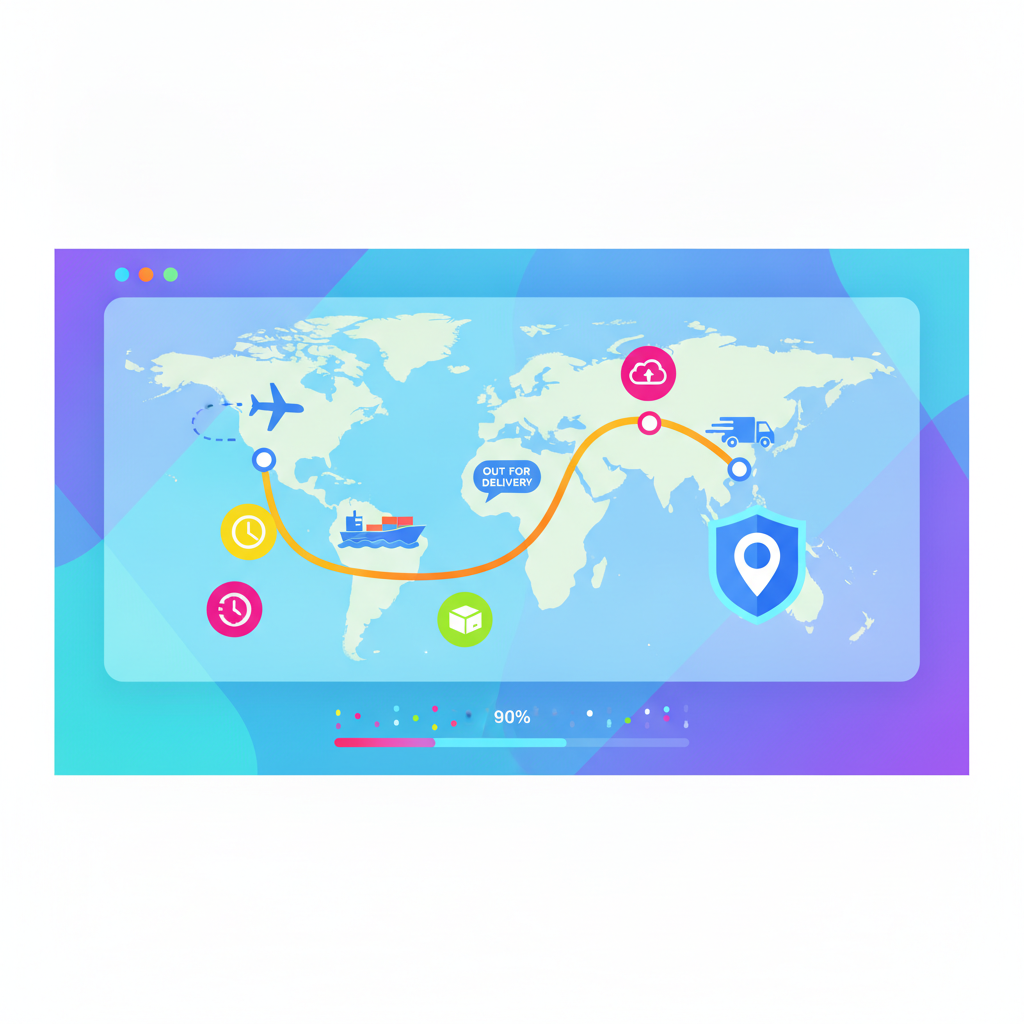





في عالم التجارة الإلكترونية سريع التطور، حيث تتزايد المنافسة يومًا بعد يوم، يواجه أصحاب المتاجر الإلكترونية تحديات متعددة للحفاظ على الربحية وجذب العملاء. من بين هذه التحديات، تبرز تكاليف الشحن كعنصر حاسم يؤثر بشكل مباشر على هامش الربح النهائي ورضا العملاء. فتكاليف الشحن المرتفعة قد تدفع العملاء المحتملين للتخلي عن سلة التسوق، بينما الشحن المجاني أو المخفّض يمكن أن يكون محفزًا قويًا لإتمام عملية الشراء. إن فهم كيفية إدارة وتخفيض هذه التكاليف ليس مجرد ميزة تنافسية، بل هو ضرورة استراتيجية لأي متجر يسعى للنمو والاستدامة، سواء كان يعمل على منصات مثل سلة، زد، أو شوبيفاي.
تُعد تكاليف الشحن واحدة من أكبر النفقات التشغيلية التي تتكبدها المتاجر الإلكترونية، خاصة تلك التي تتعامل مع حجم كبير من الطلبات أو المنتجات ذات الأحجام والأوزان المختلفة. لا تقتصر هذه التكاليف على رسوم شركات الشحن فحسب، بل تمتد لتشمل تكاليف التعبئة والتغليف، والتأمين، وحتى تكاليف معالجة المرتجعات. لذا، فإن تطوير استراتيجيات فعالة لتقليل هذه التكاليف دون المساس بجودة الخدمة أو سرعة التسليم يعد أمرًا بالغ الأهمية. سيستعرض هذا المقال مجموعة من الاستراتيجيات والنصائح العملية التي يمكن لأصحاب المتاجر الإلكترونية في سلة وزد وشوبيفاي تطبيقها لخفض نفقات الشحن وتعزيز هوامش أرباحهم، مع الحفاظ على تجربة عملاء ممتازة.
فهم هيكلة تكاليف الشحن
قبل الشروع في أي محاولة لخفض تكاليف الشحن، من الضروري أولاً فهم كيفية حساب هذه التكاليف والعوامل التي تؤثر فيها بشكل مباشر. تتأثر تكاليف الشحن بعدة عوامل رئيسية، تشمل وزن الطرد وأبعاده، المسافة التي سيقطعها الشحن، نوع الخدمة المطلوبة (عادية، سريعة، في نفس اليوم)، وأيضًا الوجهة النهائية (مناطق نائية قد تكون تكلفتها أعلى). غالبًا ما تعتمد شركات الشحن على الوزن الحجمي (Dimensional Weight) إذا كان أكبر من الوزن الفعلي، وهو ما يتم حسابه بناءً على أبعاد الطرد، لذا فإن تحسين حجم العبوة يعد خطوة أولية حاسمة لتقليل التكاليف.
لا تقتصر تكاليف الشحن على الرسوم الأساسية التي تفرضها شركات النقل، بل تشمل أيضًا رسومًا إضافية قد لا تكون واضحة في البداية. من هذه الرسوم، رسوم الوقود المتغيرة، رسوم التوصيل للمناطق السكنية أو النائية، رسوم المناولة الخاصة، وتكاليف التأمين على الشحنات القيمة. بالإضافة إلى ذلك، يجب على أصحاب المتاجر أن يأخذوا في الاعتبار تكلفة مواد التعبئة والتغليف مثل الصناديق، مواد الحشو، الأشرطة اللاصقة، وملصقات الشحن. هذه التكاليف المتنوعة تتجمع لتشكل عبئًا كبيرًا على المتجر، وتقليلها يتطلب نظرة شاملة وتحليلًا دقيقًا لكل مكون.
فهم هذه الهيكلة المعقدة يمنحك القدرة على تحديد أين تكمن الفرص الحقيقية للتوفير. على سبيل المثال، إذا كانت منتجاتك خفيفة ولكنها كبيرة الحجم، فستركز على تقليل الأبعاد لتجنب رسوم الوزن الحجمي. وإذا كنت تشحن بكميات كبيرة، فإن التفاوض على أسعار أفضل مع شركات الشحن يصبح أولوية قصوى. من المهم أيضًا مراجعة فواتير الشحن بانتظام لتحديد أي أخطاء أو رسوم غير مبررة قد تكون قد فرضتها شركة الشحن. للتعمق أكثر في هذا الجانب، يمكنك الاطلاع على دليلنا لاختيار أفضل شركات الشحن في سلة وزد، والذي يقدم رؤى قيمة حول كيفية تقييم واختيار الشريك اللوجستي المناسب لمتجرك.
استراتيجيات التفاوض مع شركات الشحن
تُعد القدرة على التفاوض الفعال مع شركات الشحن إحدى أقوى الأدوات المتاحة لأصحاب المتاجر الإلكترونية لخفض تكاليف الشحن بشكل ملحوظ. غالبًا ما تقدم شركات الشحن خصومات خاصة للمتاجر التي تشحن بكميات كبيرة أو التي تلتزم بعقود طويلة الأجل. لذا، بدلاً من التعامل مع شركة شحن واحدة، حاول الحصول على عروض أسعار من عدة شركات مختلفة، مثل أرامكس، سمسا، DHL، فيديكس، وغيرها من الشركات المحلية والدولية، لمقارنة الخدمات والأسعار المتاحة. منصات مثل سلة وزد وشوبيفاي توفر غالبًا تكاملات مع شركات شحن متعددة، مما يسهل عملية المقارنة والاختيار.
عند التفاوض، لا تركز فقط على السعر الأساسي لكل شحنة، بل ناقش أيضًا الرسوم الإضافية والتأمين وسياسات المرتجعات. قد تتمكن من الحصول على خصومات على رسوم الوقود، أو أسعار أفضل للشحن إلى المناطق النائية. من المهم أن تكون مستعدًا ببيانات دقيقة عن حجم الشحنات الشهرية أو السنوية المتوقعة، متوسط وزن وأبعاد الطرود، والمناطق الجغرافية الرئيسية التي تشحن إليها. هذه البيانات تمنحك قوة تفاوضية أكبر وتساعد شركة الشحن على تقديم عرض أكثر دقة وملاءمة لاحتياجاتك. لا تخف من طلب تجربة مجانية أو فترة تجريبية بأسعار مخفضة قبل الالتزام بعقد طويل الأجل.
بالإضافة إلى التفاوض المباشر، يمكنك الاستفادة من منصات تجميع الشحن (Shipping Aggregators) التي تعمل كوسيط بين المتاجر الإلكترونية وشركات الشحن المتعددة. هذه المنصات، مثل "مرسول" أو "شيبا"، تجمع حجم شحنات العديد من المتاجر الصغيرة والمتوسطة، مما يمنحها قوة تفاوضية أكبر للحصول على أسعار مخفضة من شركات الشحن الكبرى، ثم تمرر هذه الخصومات إلى المتاجر. هذا يقلل من عبء التفاوض المباشر ويوفر لك الوقت والجهد. اختيار المنصة المناسبة لمتجرك يعتمد على حجم عملياتك وطبيعة منتجاتك. يمكن أن يساعدك فهم الفروقات بين المنصات مثل سلة وزد وشوبيفاي في اتخاذ قرار مستنير حول أيها الأنسب لتلبية احتياجات متجرك من حيث التكاملات والخدمات المتاحة.
تحسين التعبئة والتغليف
تُعد التعبئة والتغليف عنصرًا أساسيًا في معادلة تكاليف الشحن، حيث تؤثر بشكل مباشر على وزن وحجم الطرد، وبالتالي على رسوم الشحن. استخدام مواد تعبئة وتغليف خفيفة الوزن ومتينة يمكن أن يحدث فرقًا كبيرًا. على سبيل المثال، استبدال الصناديق الكرتونية الثقيلة بأخرى أخف وزنًا، أو استخدام الأكياس البريدية المبطنة للمنتجات غير القابلة للكسر، يمكن أن يقلل من الوزن الكلي للشحنة. كما أن اختيار الحجم المناسب للعبوة أمر بالغ الأهمية؛ فالصندوق الكبير جدًا لمنتج صغير لا يؤدي فقط إلى زيادة الوزن الحجمي، بل يتطلب أيضًا المزيد من مواد الحشو الواقية، مما يزيد التكلفة والوزن.
استغلال المساحة داخل العبوة بكفاءة هو مفتاح آخر لخفض التكاليف. تجنب ترك مساحات فارغة كبيرة داخل الصندوق، واستخدم مواد حشو خفيفة الوزن مثل الفول السوداني للتعبئة (Packing Peanuts) أو ورق الكرافت المجعد لملء الفراغات وحماية المنتج. قد يبدو هذا تفصيلاً بسيطًا، لكنه يتراكم ليحدث تأثيرًا كبيرًا على المدى الطويل، خاصة بالنسبة للمتاجر التي تشحن عددًا كبيرًا من المنتجات يوميًا. يمكنك أيضًا التفكير في تصميم عبوات مخصصة لمنتجاتك الأكثر مبيعًا، بحيث تكون مصممة خصيصًا لتناسب أبعادها بأقل قدر ممكن من الهدر.
تُعد إعادة استخدام مواد التعبئة والتغليف، مثل الصناديق النظيفة ومواد الحشو التي تتلقاها من مورديك، طريقة ممتازة لخفض التكاليف وتقليل الهدر البيئي. ومع ذلك، تأكد دائمًا من أن هذه المواد في حالة جيدة وتوفر حماية كافية للمنتجات التي تشحنها. قد تبدو فكرة التعبئة والتغليف المخصصة مكلفة في البداية، ولكنها يمكن أن توفر على المدى الطويل من خلال تقليل الأوزان والأبعاد غير الضرورية. كما أنها تعزز صورة علامتك التجارية وتجربة فك المنتج (Unboxing Experience) للعملاء، مما يضيف قيمة تتجاوز مجرد التوفير في التكاليف. الاستثمار في التعبئة والتغليف الذكية هو استثمار في كفاءة الشحن ورضا العملاء.
استخدام استراتيجيات التسعير الذكية للشحن
تُعد استراتيجيات تسعير الشحن جزءًا لا يتجزأ من نموذج عمل أي متجر إلكتروني، ويمكن أن تؤثر بشكل كبير على قرارات الشراء لدى العملاء وعلى ربحية المتجر. من أهم هذه الاستراتيجيات هو تقديم الشحن المجاني، والذي يعتبر محفزًا قويًا للعملاء لإتمام الشراء. ومع ذلك، لكي يكون الشحن المجاني مربحًا، يجب تطبيقه بذكاء. يمكنك تقديمه للطلبات التي تتجاوز قيمة معينة، مما يشجع العملاء على زيادة حجم سلتهم لتحقيق الحد الأدنى. بهذه الطريقة، يتم تغطية تكلفة الشحن من هامش الربح الإضافي للمنتجات المشتراة. هذه الاستراتيجية فعالة جدًا في زيادة متوسط قيمة الطلب (AOV).
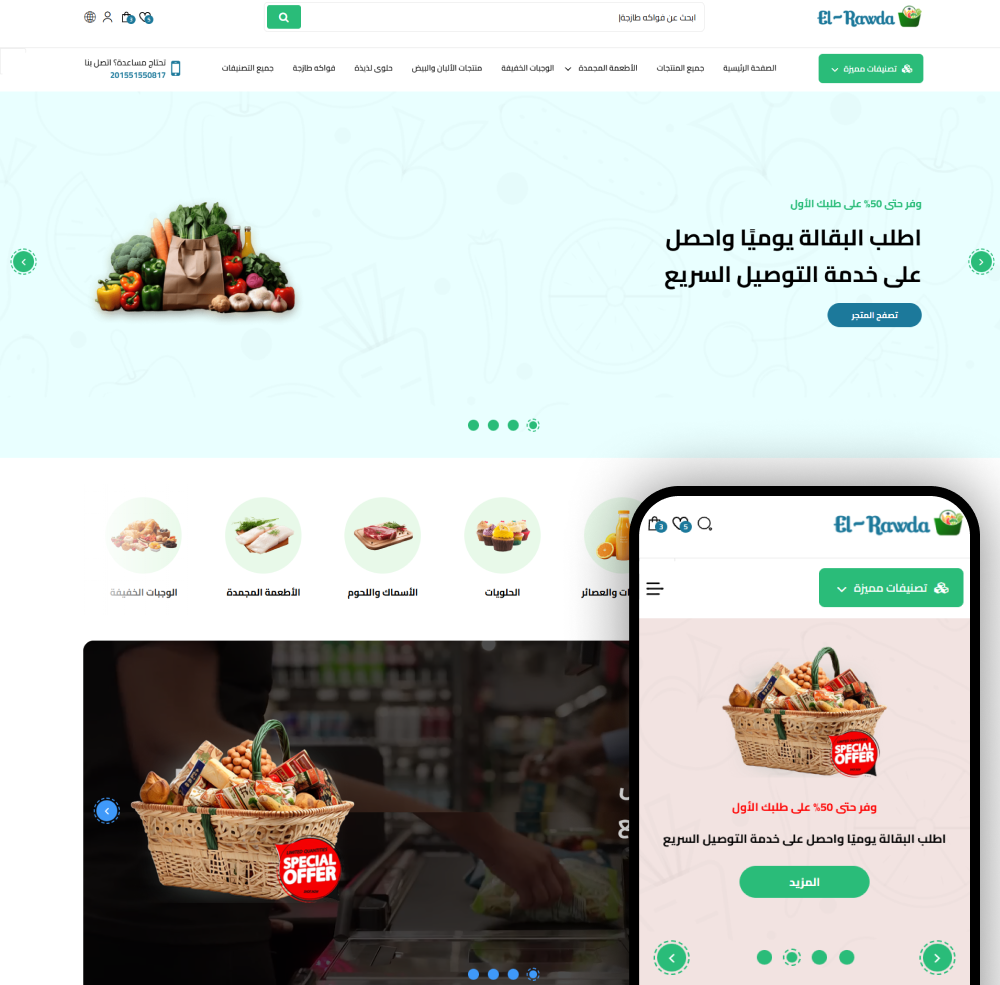
بدلاً من الشحن المجاني الكامل، يمكن للمتاجر اعتماد استراتيجيات أخرى مثل الشحن بسعر ثابت (Flat-Rate Shipping) أو الشحن المتدرج. الشحن بسعر ثابت يعني فرض رسوم شحن موحدة على جميع الطلبات، بغض النظر عن الوزن أو الحجم، وهو خيار جيد للمتاجر التي تبيع منتجات ذات أحجام وأوزان متقاربة. أما الشحن المتدرج، فيعني تحديد مستويات مختلفة لرسوم الشحن بناءً على وزن الطلب، قيمته، أو سرعة التسليم المطلوبة. على سبيل المثال، شحن اقتصادي بتكلفة منخفضة، وشحن سريع بتكلفة أعلى. هذه المرونة تمنح العميل خيارات وتساعد المتجر على تغطية التكاليف بشكل أكثر دقة.
لا تقتصر استراتيجيات التسعير على مجرد تغطية تكاليف الشحن، بل تمتد لتشمل تحسين تجربة العملاء وزيادة المبيعات. يمكن للمتاجر أيضًا تقديم خيار الاستلام من المتجر أو من نقاط التجميع (Pick-up Points) إذا كانت متاحة، مما يزيل تكلفة الشحن تمامًا للعميل ويشجعه على الزيارة الفعلية للمتجر أو النقطة. من خلال دمج تكلفة الشحن جزئيًا في سعر المنتج نفسه ثم تقديم شحن بسعر منخفض أو مجاني، يمكن للمتاجر أن تجعل العرض أكثر جاذبية للعملاء دون المساس بربحيتها. لفهم أعمق حول كيفية تحديد أفضل استراتيجيات التسعير لمنتجاتك بشكل عام، لا تتردد في قراءة دليلنا الشامل لاستراتيجيات التسعير وزيادة الأرباح في سلة وزد.
الاستفادة من التقنية والأتمتة
في عصر التجارة الإلكترونية، تلعب التقنية والأتمتة دورًا محوريًا في تبسيط العمليات وتخفيض التكاليف، بما في ذلك تكاليف الشحن. يمكن للمتاجر الإلكترونية، سواء كانت على سلة أو زد أو شوبيفاي، الاستفادة من العديد من الأدوات والحلول التكنولوجية لأتمتة عمليات الشحن وتحسين كفاءتها. على سبيل المثال، تسمح أنظمة إدارة الطلبات (Order Management Systems) وأدوات طباعة ملصقات الشحن الآلية بإنشاء ملصقات الشحن وتتبعها بسهولة، مما يقلل من الأخطاء اليدوية ويوفر الوقت الذي يمكن استغلاله في مهام أخرى.
تُعد برامج إدارة المخزون (Inventory Management Systems) أدوات لا غنى عنها لضمان دقة المخزون وتجنب مشاكل الشحن المتعددة. فإذا كان المنتج متوفرًا في مستودعات مختلفة، قد يؤدي ذلك إلى شحن نفس الطلب في طرود متعددة، مما يزيد من تكاليف الشحن. برامج إدارة المخزون تساعد في تجميع الطلبات وشحنها بكفاءة أكبر من مستودع واحد قدر الإمكان، أو على الأقل تحسين التوزيع اللوجستي. كما أن التكامل مع برامج المحاسبة يساعد في تتبع نفقات الشحن بدقة، مما يسهل عملية التحليل وتحديد مجالات التحسين.
علاوة على ذلك، توفر العديد من منصات التجارة الإلكترونية مثل شوبيفاي، سلة، وزد، تطبيقات وإضافات (Apps/Plugins) مخصصة لتحسين عملية الشحن. هذه التطبيقات يمكن أن تساعد في مقارنة أسعار الشحن في الوقت الفعلي من شركات مختلفة، أتمتة اختيار أفضل خيار شحن بناءً على قواعد محددة مسبقًا (مثل الوجهة، الوزن، القيمة)، وتوفير تتبع متقدم للشحنات للعملاء. استخدام هذه الأدوات لا يقلل فقط من التكاليف المباشرة للشحن، بل يحسن أيضًا من كفاءة العمليات ويقلل من الأخطاء، مما ينعكس إيجابًا على رضا العملاء وولائهم. لمقارنة منصات سلة وزد وشوبيفاي، وكيف يمكن لكل منها أن تدعم متجرك، يمكنك زيارة مقالنا المفصل.
الاستفادة من الشحن المجمع والدروبشيبنج
تُعد استراتيجية الشحن المجمع (Consolidated Shipping) إحدى الطرق الفعالة لتقليل تكاليف الشحن، خاصة للمتاجر التي تتعامل مع عدة موردين أو مستودعات. بدلاً من شحن كل منتج على حدة من مورد مختلف، يمكن تجميع المنتجات في مستودع مركزي واحد ثم شحنها معًا في طرد واحد إلى العميل. هذا يقلل من عدد الشحنات الفردية وبالتالي يقلل من التكاليف الإجمالية للشحن، بالإضافة إلى تبسيط عملية التتبع والمناولة. هذه الاستراتيجية تتطلب تنسيقًا جيدًا مع الموردين وإدارة مخزون فعالة لضمان تجميع المنتجات في الوقت المناسب.
أما الدروبشيبنج (Dropshipping)، فهو نموذج عمل يمكن أن يقلل بشكل كبير من أعباء وتكاليف الشحن على المتجر الإلكتروني. في هذا النموذج، لا يقوم المتجر بتخزين المنتجات فعليًا، بل يقوم المورد بشحن المنتجات مباشرة إلى العميل نيابة عن المتجر. هذا يلغي الحاجة إلى إدارة المخزون، التعبئة والتغليف، والتفاوض مع شركات الشحن، مما يقلل من التكاليف التشغيلية بشكل كبير. ومع ذلك، من المهم اختيار موردين موثوقين يقدمون خدمات شحن سريعة وفعالة للحفاظ على رضا العملاء وسمعة المتجر. منصات مثل سلة وزد وشوبيفاي تدعم نماذج الدروبشيبنج وتوفر أدوات للتكامل مع الموردين.
عند تطبيق استراتيجية الشحن المجمع أو الدروبشيبنج، يجب الانتباه إلى بعض التحديات المحتملة. في الشحن المجمع، قد يتطلب الأمر وقتًا إضافيًا لتجميع المنتجات، مما قد يؤثر على سرعة التسليم. أما في الدروبشيبنج، فإن المتجر يعتمد بشكل كبير على أداء المورد، وأي تأخير أو مشكلة في الشحن تنعكس مباشرة على المتجر. لذا، يجب إجراء بحث دقيق واختيار شركاء لوجستيين وموردين موثوقين لضمان تجربة سلسة للعملاء. هذه الاستراتيجيات، عند تطبيقها بذكاء، يمكن أن توفر وفورات كبيرة في تكاليف الشحن وتحرر المتجر للتركيز على التسويق وتطوير المنتجات.
الخاتمة
في الختام، تُعد تكاليف الشحن من أهم العوامل التي تؤثر على ربحية ونجاح المتاجر الإلكترونية، سواء كانت تعمل على منصات مثل سلة، زد، أو شوبيفاي. من خلال تطبيق مجموعة من الاستراتيجيات الذكية والمدروسة، يمكن لأصحاب المتاجر تقليل هذه التكاليف بشكل فعال دون التضحية بجودة الخدمة أو رضا العملاء. بدءًا من الفهم العميق لهيكلة التكاليف، مرورًا بالتفاوض الفعال مع شركات الشحن، وتحسين عمليات التعبئة والتغليف، وصولاً إلى استخدام استراتيجيات التسعير الذكية للشحن والاستفادة من التقنية والأتمتة، كل خطوة تساهم في تحقيق وفورات كبيرة.
إن مفتاح النجاح في إدارة تكاليف الشحن يكمن في المراجعة الدورية والتحليل المستمر لجميع جوانب العملية اللوجستية. لا تتردد في تجربة استراتيجيات مختلفة ومراقبة تأثيرها على هوامش الربح ورضا العملاء. قد لا تكون هناك حلول سحرية تناسب الجميع، ولكن التكيّف والمرونة في تطبيق هذه النصائح سيساعدك على إيجاد التوازن الأمثل بين التكلفة والكفاءة. تذكر دائمًا أن تجربة الشحن هي جزء لا يتجزأ من تجربة التسوق الكلية لعميلك، والاستثمار في تحسينها يعود بالنفع على المدى الطويل.
في نهاية المطاف، كل ريال يتم توفيره في تكاليف الشحن هو ريال إضافي يضاف إلى صافي أرباح متجرك. لذا، اجعل من تحسين عمليات الشحن أولوية قصوى في استراتيجية عملك، واستفد من الأدوات والموارد المتاحة على منصات التجارة الإلكترونية لتبسيط هذه العملية. بالجهد والمثابرة، ستتمكن من بناء متجر إلكتروني ناجح ومربح، قادر على المنافسة بقوة في السوق مع تقديم قيمة استثنائية لعملائك.