





In the fast-paced world of e-commerce, selling products is no longer the sole challenge faced by store owners. Instead, managing the comprehensive customer experience, from browsing to post-purchase, has become the true benchmark for sustained success and growth. Among the most critical aspects often overlooked or inefficiently handled, returns management emerges as a crucial element directly impacting store reputation, customer loyalty, and ultimately, net profits.
Some may view returns as merely an additional cost or an unavoidable nuisance, but the reality is far more complex. In light of the intense competition in the digital marketplace, especially with the proliferation of stores on platforms like Salla, Zid, and Shopify, providing a seamless and satisfactory return experience has become a powerful competitive advantage. A store that masters the art of returns management not only minimizes losses but also transforms potentially negative situations into opportunities to build trust and foster long-term relationships with its customers, ensuring they return for future purchases.
What is Returns Management and Why is it Crucial for Your Online Store?
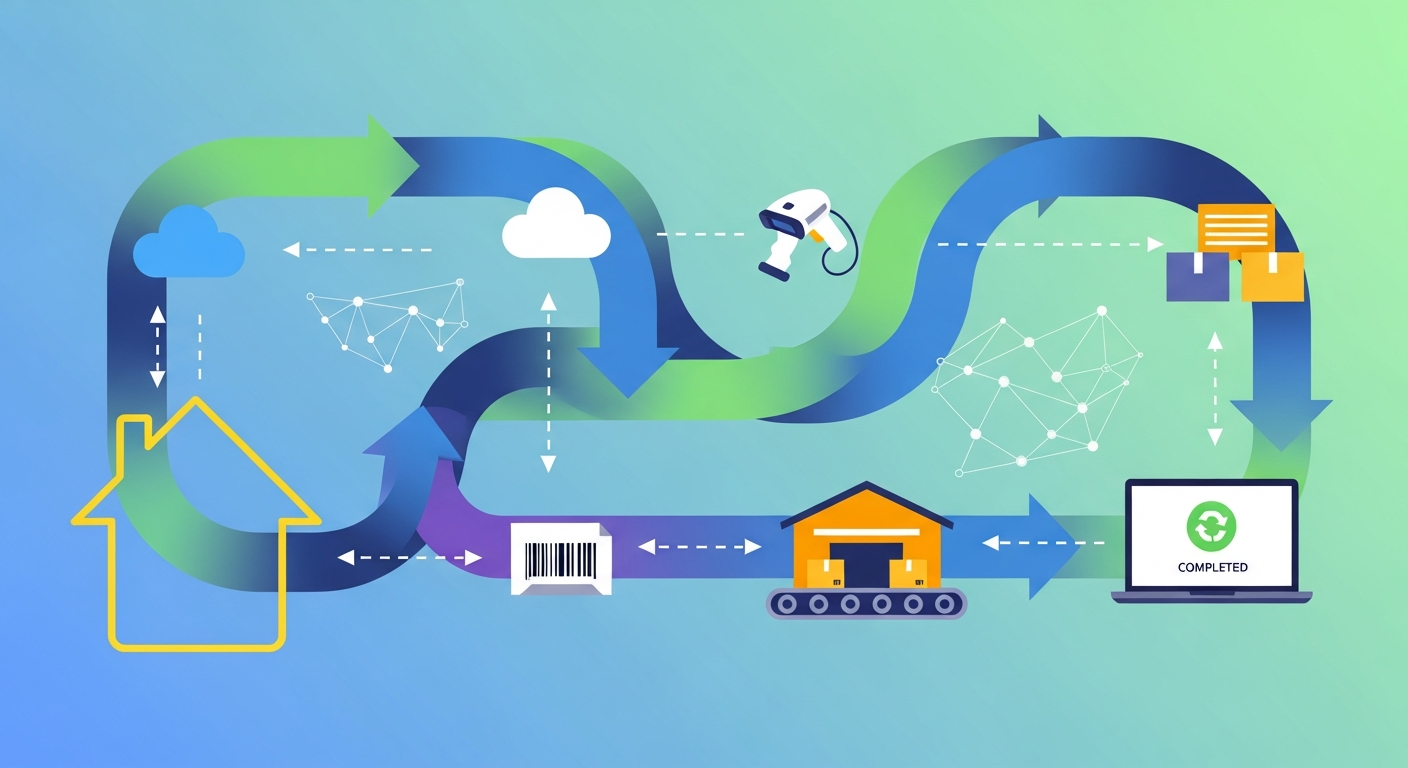
Returns management, also known as reverse logistics, encompasses all activities related to receiving products returned by customers to a store, from the moment a return request is submitted until the returned product is processed, whether by resale, repair, or disposal. This process is not limited to purely logistical aspects; it intertwines with customer service, inventory management, and even marketing, forming an integrated system aimed at handling returns efficiently and effectively while maintaining customer satisfaction.
At its core, returns management aims to minimize costs associated with returned products, maximize the value of products that can be resold, and most importantly, preserve the store's reputation and customer relationships. This process involves establishing clear return policies, providing easy channels for customers to submit return requests, organizing reverse shipping, inspecting returned items, and finally, processing refunds or product exchanges. Every step in this chain requires meticulous planning and precise execution to ensure a positive customer experience.
Understanding returns management goes beyond merely grasping procedural steps; it extends to recognizing the profound impact of this process on the overall performance of an e-commerce store. Stores that adopt robust and effective returns management strategies are distinguished by their ability to transform potential challenges into real opportunities to enhance their market position. This comprehensive approach helps build customer trust and increase their loyalty, which are among the most important pillars upon which successful businesses are built in the digital age.
Its Critical Importance for E-commerce Stores
Returns management is of paramount importance in the e-commerce sector, where customers cannot physically touch or try a product before purchasing it. This reality increases the likelihood of returns due to unmet expectations or defects. Therefore, having an effective returns management system is not a luxury but an absolute necessity to maintain customer trust and ensure business continuity. A seamless return experience can turn a dissatisfied customer into a loyal one, and vice versa.
Furthermore, good returns management helps reduce financial losses resulting from unsold or damaged products. When returns are handled efficiently, resellable products can be quickly re-circulated, reducing storage costs and improving inventory flow. Analyzing return data also provides valuable insights into product quality, description accuracy, and even shipping issues, helping the store make continuous improvements to reduce return rates in the future. These insights can be crucial in making strategic decisions to enhance customer experience and reduce operational costs.
A platform like Salla, Zid, or Shopify offers tools and features that help streamline this process, but real success depends on how store owners utilize these tools and develop a comprehensive strategy that suits the nature of their products and audience. The easier and more transparent the return process, the greater customer confidence in purchasing from the store again, even if they encountered an issue with a previous product. This reflects the store's commitment to customer satisfaction, which distinguishes leading brands in today's competitive market.
Key Challenges in Returns Management
Despite the significant importance of returns management, it involves a set of complex challenges that e-commerce store owners may face, especially small and medium-sized stores operating on platforms like Salla, Zid, and Shopify. These challenges are not limited to the logistical aspect but extend to financial, operational, and even customer service-related issues. Understanding these challenges is the first step towards developing effective strategies to overcome them and transform them from obstacles into opportunities to improve the store's overall performance.
One of the most prominent challenges is the high cost associated with the return process, which far exceeds merely refunding the product value to the customer. These costs include reverse shipping fees, inspection and repackaging costs, and sometimes storage costs for returned products or even their disposal if they are not resellable. These accumulated expenses can significantly impact profit margins, especially if the return rate is high, necessitating careful monitoring and continuous analysis of these costs to ensure business sustainability.
In addition to costs, maintaining a high level of customer satisfaction during the return process represents another challenge. Customers expect a fast, easy, and hassle-free return process. Any delay in refunds, difficulty understanding the return policy, or a poor customer service experience can lead to permanent customer loss and damage the store's reputation through negative reviews. Therefore, the return experience must be carefully designed to be as seamless and transparent as possible, reflecting the store's dedication to its customers.
Logistical Complexities and Costs
Logistical complexities in the return process are among the main challenges facing e-commerce stores. While forward shipping is relatively simple (shipping from one point to multiple points), reverse shipping (returns) is more complex; it involves shipping from multiple points (customer locations) to a single point (store warehouse) or multiple points (repair centers, recycling). This requires precise coordination with shipping companies, continuous tracking of returned shipments, and efficient management of returned inventory.
Logistical costs accumulate rapidly at this stage. In addition to the cost of reverse shipping itself, there are costs for sorting, inspecting, and categorizing returned products to determine their condition (new, used, damaged, in need of repair). Then come repackaging and storage costs, and in some cases, shipping costs to replace the product or redirect it elsewhere. These costs, if not managed effectively, can eat into a significant portion of the store's profits. You can read more about how to reduce shipping costs in your Salla and Zid store for a deeper understanding of logistical challenges.
On platforms like Salla, Zid, and Shopify, there can be different options for handling reverse shipping, whether through shipping companies directly contracted by the store or through integration tools provided by these platforms. Store owners should carefully study these options and choose the most suitable to reduce costs and streamline the process. Furthermore, training employees to handle these complex logistical operations is crucial to ensure efficiency and minimize errors that could cost the store significant time and money.
Customer Expectations and Their Impact on Reputation
In the age of e-commerce, customer expectations regarding the return process are extremely high. Customers expect the return process to be easy, fast, and clear, just as easy as the purchase process itself. Any complexity, delay, or lack of transparency can lead to a negative customer experience, which directly reflects on the store's reputation. A dissatisfied customer will not only refrain from purchasing again but will also share their negative experience with others through social media and reviews, which can significantly harm the store.
The impact of the return experience on a store's reputation is not limited to negative reviews; it extends to loss of trust and, consequently, loss of potential customers. Conversely, a store that provides an exceptional return experience can turn a dissatisfied customer into a brand ambassador. The ability to transform a negative situation into an opportunity to build loyalty is an invaluable skill in today's e-commerce world. This requires investment in customer service, establishing flexible policies, and using technology to simplify the process as much as possible.
Therefore, store owners on platforms like Salla, Zid, and Shopify must realize that return policies and procedures are not just legal clauses but an essential part of the overall customer experience. Designing a customer-centric return process that exceeds expectations is a long-term investment that benefits the store by increasing customer loyalty and improving brand reputation. Treating returns as an integral part of the customer journey, rather than an isolated event, is key to achieving success in this critical aspect.
Core Pillars for Effective Returns Management
To achieve effective returns management, e-commerce stores, regardless of the platform they use—be it Salla, Zid, or Shopify—must rely on a set of core pillars that ensure the process runs smoothly and efficiently. These pillars are not limited to technical or logistical aspects but also include policy-related issues, customer service, and even product presentation. Building a robust returns management system requires a comprehensive and integrated approach that places the customer at the heart of every decision, while considering operational efficiency and economic viability.
These pillars revolve around transparency, simplicity, and efficiency. The return policy must be clear and easy to understand, and the return process itself should be seamless and straightforward, supported by technological tools that facilitate tracking every step for both the customer and the store. Investing in training the customer service team to handle return inquiries effectively and professionally is also essential. Well-trained employees can transform a potentially negative return experience into an opportunity to enhance customer satisfaction and loyalty to the store.
Ultimately, these pillars aim to build a bridge of trust between the store and the customer, encouraging repeat purchases and reducing the anxiety associated with online shopping. When customers know that the store stands behind its products and offers strong support in case of any issue, they feel comfortable and secure in making a purchase decision. This sense of security is one of the strongest motivators for increasing conversions and sales in the long run. For more tips on increasing sales, you can read Optimizing Conversions: Increase Sales in Your Salla and Zid Store.
Transparent and Clear Returns Policy
A clear and transparent returns policy is the cornerstone of any effective returns management system. This policy must be easy to understand, written in simple and direct language, and readily available to customers on the store's pages (usually in the footer or FAQ page). The policy should outline all terms and conditions related to returns, such as the allowed return period, the required condition of the product for return, who bears shipping costs, and how refunds or exchanges are processed.
When drafting a returns policy, it is important to be as fair and flexible as possible, while safeguarding the store's interests. For example, a reasonable return period can be set (such as 7-14 days from the date of receipt), and it should be clarified that products must be in their original condition with all accessories and packaging. Exceptions should also be clearly addressed, such as products that cannot be returned for hygienic reasons or those made to order. Transparency in these details reduces misunderstandings and avoids potential disputes with customers.
A clear policy not only guides customers but also provides a practical framework for the customer service team to handle return requests with confidence and consistency. When the team has a clear reference, they can provide accurate information to customers and apply the policy fairly, enhancing the store's professionalism. The policy should be reviewed and updated regularly to reflect any changes in laws or best practices and to ensure it remains relevant and effective as the store evolves.
It is also important to consider local regulations, especially in Gulf markets. In some countries, consumer protection laws may impose a minimum return period or specific conditions. Therefore, store owners must ensure that their policy complies with these regulations to ensure legal compliance and avoid any legal issues. This legal aspect is no less important than the commercial aspect in building a strong and reliable returns policy.
Streamlining the Returns Process
After establishing a clear policy, the second step is to simplify the return process itself as much as possible. The return request submission process should be easy and intuitive for the customer, without the need for complex steps or repeated contact with customer service. This can be achieved by providing a self-service return portal on the store's website, where customers can enter their order number and email to initiate the return process and select the products they wish to return.
Platforms like Salla, Zid, and Shopify offer solutions or helper applications that can be integrated to provide these portals, reducing the burden on the customer service team and increasing customer satisfaction. The portal should offer clear options for the reason for return (e.g., damaged product, wrong size, not liked), as well as options for processing the return (cash refund, exchange, store credit). The clearer and more direct the options, the better the customer experience.
In addition to the portal, streamlining should include providing the customer with clear instructions on how to prepare the product for reverse shipping, and whether the store will provide a prepaid shipping label. Continuous updates should also be provided to the customer on the status of their return request, from the moment the request is received until the refund is processed or the replacement product is sent. This continuous communication reduces customer anxiety and enhances their trust in the store, making the return experience, even if initially negative, end positively.
The goal of streamlining the process is to make it as frictionless as possible, reducing the chances of customer frustration. When customers feel that the store values their time and effort, they are more willing to give the store another chance. This simplification not only benefits the customer but also benefits the store by reducing the time and effort employees spend processing return requests, allowing them to focus on more important tasks.
Leveraging Technology and Available Tools
In the digital age, technology plays a pivotal role in enhancing the efficiency of returns management. Many tools and software are available, whether integrated into e-commerce platforms like Salla, Zid, and Shopify, or as external solutions that can be linked, which help automate and simplify most aspects of the return process. These tools not only reduce human errors but also provide valuable insights that can be leveraged to improve the store's overall performance.
For example, some of these tools provide dedicated return portals that allow customers to initiate the return process themselves, generate shipping labels, and track the return status. These systems can integrate with inventory management systems (IMS) and enterprise resource planning (ERP) systems to automatically update inventory upon receipt of returned products, and to facilitate the refund process or send replacements. This integration ensures data accuracy and reduces the need for manual intervention, saving significant time and effort.
In addition to automation, technological tools provide detailed reports and analytics on return patterns, such as most returned products, common return reasons, and return rates by category or supplier. This data is invaluable in identifying root causes leading to returns, whether related to product quality, description accuracy, or shipping issues. By analyzing this data, store owners can make informed decisions to improve product quality, refine descriptions, or even change suppliers to reduce return rates in the future. This data-driven approach is key to continuous improvement.

Whether you use Salla, Zid, or Shopify, looking for applications and add-ons that support returns management can make a significant difference. For example, on Shopify, there are many dedicated returns management apps that offer advanced features. On Salla and Zid, you might find built-in solutions or third-party apps that can serve the same purpose. Choosing the right tool depends on your store's size, budget, and specific needs, but investing in this technology is a wise investment that yields many long-term benefits.
Best Practices for Optimizing Returns Management in Salla, Zid, and Shopify Stores
To achieve excellence in returns management, e-commerce store owners must adopt a set of best practices that go beyond merely responding to return requests. These practices include a proactive approach to reducing returns from the outset, enhancing the customer experience during the return process, and improving back-end logistical operations. These strategies, when effectively implemented, can transform returns management from a burden into an opportunity to enhance store reputation and increase customer loyalty.
Focusing on prevention over cure is a fundamental principle here. The more a store can reduce the number of returns in the first place, the more time, effort, and costs it saves. This requires a deep understanding of the reasons for returns and taking proactive steps to address them. For example, if returns are frequent due to inaccurate product descriptions, improving descriptions and images will significantly mitigate this problem. This approach contributes to building customer trust and reduces frustration that may arise from receiving a product that does not match expectations.
Furthermore, the customer experience during the return process should be as smooth and convenient as possible. Often, this is the store's last chance to leave a positive impression on a customer who may be dissatisfied with the product. Prompt response, effective communication, and offering flexible return options are all elements that contribute to transforming a potentially negative experience into an opportunity to strengthen customer loyalty. Stores that master these practices stand out from their competitors and gain a clear competitive advantage in the market.
Proactive Steps to Reduce Return Rates
The best way to manage returns is to reduce them from the outset. Store owners on platforms like Salla, Zid, and Shopify can take several proactive steps to achieve this. First and foremost, provide accurate, detailed product descriptions and high-quality images. Descriptions should include all necessary information about the product, such as materials, dimensions, weight, color, and special features. Images and videos should display the product from multiple angles and in different contexts to give the customer a complete understanding of what they are purchasing.
Secondly, provide clear and accurate sizing guides for products that depend on measurements, such as clothing and footwear. These guides should include international size conversion charts and easy methods for measuring the body or product to ensure the correct size is chosen. Customer reviews can also be utilized, as they often contain valuable information about how well advertised sizes match reality. Investing in these details significantly reduces returns resulting from incorrect size selection.
Thirdly, encourage customer reviews and Q&A on product pages. Reviews allow potential customers to benefit from others' experiences and often contain tips on sizing or quality. Proactively and clearly answering customer questions reduces ambiguity and helps customers make informed purchasing decisions. These interactions build trust and reduce the likelihood of unmet expectations, ultimately translating into fewer returns.
Finally, optimize packaging to ensure products arrive safely and undamaged. Damage during shipping is a common cause of returns and can be avoided by using strong and appropriate packaging materials for the product type. Adding a small thank-you note or a simple gift can also add a personal touch and increase customer satisfaction, even if the product cost is minimal. These preventive measures not only reduce returns but also enhance the overall customer experience with the store.
Optimizing the Customer Experience during Returns
Even with the best efforts to reduce returns, they will still occur. Therefore, it is essential to transform the return process itself into as positive an experience as possible. First, offer multiple and flexible return options. Some customers may prefer a refund, while others may prefer a product exchange or store credit. Providing these options gives the customer a sense of control and increases their satisfaction. These options should be clear and easy to select through the return portal.
Secondly, streamline reverse shipping procedures. The store can provide prepaid shipping labels, schedule a pickup from the customer's home, or direct the customer to the nearest shipping carrier drop-off point. The easier this process is for the customer, the better their experience will be. Instructions should be clear and direct, with customer support readily available to answer any inquiries that may arise during this process.
Thirdly, maintain effective and continuous communication with the customer throughout all stages of the return process. Automatic confirmations should be sent upon receipt of the return request, upon receipt of the product at the warehouse, and upon processing the refund or sending the replacement product. This communication reassures the customer and reduces their anxiety. Using email or SMS for these updates ensures that information reaches the customer quickly and effectively.
Finally, handle customer inquiries regarding returns with professionalism and empathy. The customer service team should be well-trained to deal with difficult situations and turn complaints into satisfactory solutions. Listening to the customer, understanding their problem, and providing fair and effective solutions enhances their trust in the store. Remember that a good return experience can be an excellent opportunity to turn a dissatisfied customer into a loyal one, and excellent customer service is key to achieving this. Platforms like Salla, Zid, and Shopify can provide tools to support this process, such as ticketing systems or CRM integrations.
Logistics and Backend Operations
Efficient logistics and backend operations are essential to ensure the smooth running of the returns management process after the product reaches the store. First, establish a clear pathway for returned products within the warehouse. There should be a dedicated area for receiving and inspecting returned products, where they are registered and classified based on their condition (resellable, damaged, in need of repair). This helps speed up the inspection process and prevents returned products from mixing with new ones.
Secondly, implement strict inspection standards for returned products. Each product should be carefully inspected to verify its condition, packaging quality, and the presence of all accessories. Based on the inspection result, a decision is made regarding the product: can it be resold, does it need repair, or should it be disposed of? This decision directly impacts the value of the returned product and the store's costs. Documenting the inspection process with photos or videos can be useful in case of future disputes.
Thirdly, effectively manage inventory for returned products. The inventory management system must be updated immediately after the product inspection to avoid any errors in available-for-sale inventory. Resellable products should be returned to stock as soon as possible, while products needing repair should be sent to the maintenance department, and damaged products should be handled according to the disposal policy. This proper management ensures that the store does not lose money due to unused returned products.
Finally, regularly analyze returns data. Store owners should use the data collected from the return process to identify patterns and trends. Which products are frequently returned? What are the most common reasons for returns? This information can be crucial in improving product quality, description accuracy, or even adjusting shipping policies. By leveraging these insights, the store can make continuous improvements that reduce return rates and increase customer satisfaction in the long run, leading to sustainable growth. Platforms like Salla, Zid, and Shopify can provide detailed reports to assist with these analytics.
Measuring and Improving Returns Performance
To maximize the benefits of your store's returns management system, it's not enough to simply implement policies and procedures; you must regularly measure its performance and look for opportunities for continuous improvement. This requires identifying key metrics that reflect the efficiency of the process and its impact on the store and customers. By closely monitoring these metrics, store owners on platforms like Salla, Zid, and Shopify can identify weaknesses, assess the effectiveness of changes made, and make informed decisions to enhance the overall customer experience and reduce costs.
The process of measurement and improvement is not merely a statistical task; it is an integral part of the store's overall growth strategy. The more you understand when and why customers return products, the more you can take proactive steps to reduce these returns in the future. For example, if data shows that a significant percentage of returns are related to a specific product due to a manufacturing defect, the store can contact the supplier to resolve the issue or even stop selling that product. This data-driven approach helps improve the quality of products offered and reduce customer frustration.
Furthermore, continuous improvement in returns management contributes to enhancing the store's reputation as a brand that cares about its customers and provides a reliable shopping experience. Today's customers are looking for stores that not only sell products but also provide strong after-sales support. Therefore, investing in measuring and improving returns management performance is an investment in building customer loyalty and increasing repeat purchase opportunities, leading to sustainable growth in sales and profits in the long run. This is what distinguishes successful stores in the competitive market.
Key Metrics to Monitor
To evaluate returns management performance, there are several key metrics that store owners should regularly track. First, the Overall Return Rate, calculated as the ratio of returned products to total products sold over a specific period. This metric provides an overview of how well the store meets customer expectations. It can be analyzed by product, category, or even customer to identify patterns.
Secondly, Return Processing Time, which is the average time taken from the moment the customer submits a return request until the refund is completed or the replacement product is sent. The shorter this time, the better the customer experience. This metric can be broken down into sub-stages, such as product receipt time, inspection time, and refund processing time, to identify any bottlenecks in the process.
Thirdly, the Cost Per Return, which includes all costs associated with processing a single product return, such as reverse shipping costs, inspection, repackaging, and refund processing fees. Monitoring this metric helps determine the financial efficiency of the process and look for ways to reduce these costs. Platforms like Salla, Zid, and Shopify can provide data to help calculate these metrics.
Fourthly, Customer Satisfaction with Returns, which can be measured through short surveys after the return process is complete. Questions can include the ease of the process, clarity of communication, and speed of response. This direct feedback from customers is invaluable in identifying areas for improvement to enhance the overall customer experience.
The Role of Feedback and Continuous Improvement
Customer feedback and continuous improvement are vital components in building an effective returns management system. After measuring key metrics, the store should regularly collect feedback from customers, whether through surveys, reviews, or even direct conversations with the customer service team. This feedback is a rich source of information about what is working well and what needs improvement in the return process.
Once feedback is collected and returns data is analyzed, the store should identify areas that need improvement. Are customers complaining about the difficulty of filling out the return form? Are there delays in refunds? Are product descriptions inaccurate? Based on this information, clear action plans can be developed to implement the necessary changes. This may include adjusting the return policy, improving the return portal interface, training the customer service team, or even improving the quality of the products themselves.
Continuous improvement is an ongoing cyclical process. After implementing changes, the store should monitor metrics again to assess the impact of these changes. Has the return rate decreased? Has processing time improved? Has customer satisfaction increased? This cycle of measurement, analysis, implementation, and evaluation ensures that the returns management system constantly evolves to meet customer needs and align with industry best practices. This commitment to continuous improvement is what distinguishes leading stores and ensures their sustainable long-term growth.
Conclusion
In conclusion, returns management in the e-commerce world transcends being merely an operational process; it is a critical strategic element that directly impacts your store's reputation, customer loyalty, and ultimately, its sustainability and profitability. By adopting a comprehensive approach centered on transparency in policies, streamlining procedures, and making the most of available technology on platforms like Salla, Zid, and Shopify, store owners can transform what might seem like a challenge into a powerful competitive advantage.
Investing in building an effective returns management system is not limited to reducing financial losses; it extends to building trust with customers and turning a potentially negative experience into an opportunity to strengthen the relationship with them. Remember that a customer who goes through a smooth and satisfactory return experience is a customer likely to return for future purchases and even recommend your store to others. Therefore, paying attention to every detail of the return process, from accurate product descriptions to prompt refund processing, is a wise investment in your store's future.
We urge store owners to review their current returns management policies and procedures. Look for opportunities to improve descriptions, simplify the return process, and provide flexible options for customers. Do not hesitate to leverage the tools and applications available on e-commerce platforms to streamline and automate this process. By committing to continuous improvement and placing the customer at the heart of your strategy, you can build an online store that not only sells products but also fosters strong, lasting relationships with its customers, ensuring its success and growth in the ever-evolving digital marketplace.