


Payment Gateways: Effortless Activation in Salla and Zid
In the rapidly evolving world of e-commerce, owning an online store is no longer a mere recreational option but has become an imperative for anyone aspiring to reach a wider customer base and achieve sustainable growth. With this digital transformation, the importance of systems that support this growth emerges, foremost among them being electronic payment gateways. These gateways are not just tools for collecting money; they are the vital artery that ensures the continuous flow of financial transactions, enhances customer trust, and provides a smooth and efficient shopping experience. Choosing the right payment gateway and activating it correctly is the cornerstone of building a successful and reliable online store, capable of meeting ever-increasing customer expectations.
Many novice entrepreneurs may be apprehensive about the complexities of activating payment gateways, assuming it requires deep technical expertise or intricate procedures. However, the truth is that modern e-commerce platforms, such as Salla, Zid, and Shopify, have made significant efforts to simplify this process as much as possible, allowing any store owner, even without a technical background, to activate these gateways with ease. This article aims to demystify these complexities, providing a comprehensive, detailed, step-by-step guide on how to activate payment gateways in both Salla and Zid, while highlighting best practices and tips to ensure a seamless and secure payment experience for your customers.

The Importance of Electronic Payment Gateways for Your Store
The pivotal role played by electronic payment gateways in the success of any online store cannot be overstated. They are not merely intermediaries for transferring funds; they are essential components that contribute to building a bridge of trust between the store and the customer, and enhance the professionalism of business operations. Imagine an online store offering great products and excellent customer service, but with a complex or insecure payment process; this would inevitably lead to losing potential customers and abandoned shopping carts. Therefore, providing multiple and reliable payment options is an indispensable condition in today's competitive market, where customers expect flexibility and ease at every step of the purchase journey.
Payment gateways enable your store to expand globally and reach customers beyond your geographical scope, as they can pay in different currencies and through various methods that suit them. This diversity and inclusivity in payment options are not limited to traditional credit cards but extend to modern digital payment solutions such as Apple Pay and Google Pay, in addition to buy-now-pay-later (BNPL) options like Tabby and Tamara, which have become very popular in the Gulf region. This payment flexibility boosts conversion rates, as customers always find an option that suits their preferences, reducing shopping cart abandonment and increasing the chances of successful purchase completion.
Furthermore, electronic payment gateways offer strong protection for both the merchant and the customer against fraud and data theft. They utilize the latest encryption technologies and global security standards, such as the Payment Card Industry Data Security Standard (PCI DSS), to ensure the confidentiality of sensitive financial information. This level of security reassures customers when entering their card details, enhancing the store's reputation as a trustworthy and secure entity for financial transactions. Investing in secure and reliable payment gateways is an investment in the future and long-term success of your online store, which should be a top priority for every store owner.
Their Role in Building Customer Trust
Trust is the cornerstone of any successful business relationship, and in the world of e-commerce, this trust directly translates into the customer's decision to purchase from your store. When a customer sees that your store offers well-known and reliable payment gateways, they feel assured that their financial information is secure and that the purchase process will be smooth and trouble-free. This sense of security enhances the store's reputation and encourages them to return for future purchases, and even recommend it to their friends and acquaintances. Displaying logos of trusted payment gateways on the checkout page and in the footer is not just decoration; it is a strong signal to the customer that your store is serious and committed to global security standards.
Payment gateways also contribute to providing a professional user experience that builds trust. When the payment process is fast, clear, and free of technical errors, the customer feels comfortable and professional dealing with your store. Conversely, any delay or error in the payment process can raise doubts and make the customer lose trust, even if the rest of the shopping experience was excellent. Therefore, choosing a payment gateway with an easy and simple user interface, and strong technical support, is crucial for maintaining a high level of customer satisfaction and trust in your online store.
Store owners must realize that trust is not built overnight; it is the result of accumulating positive experiences. Payment gateways form a significant part of this experience. Providing diverse payment options, including credit cards, bank transfers, cash on delivery (if applicable), and BNPL options like Tabby and Tamara, gives the customer a sense of control and choice, increasing their comfort and trust in the store. Merchants can refer to the article Tabby and Tamara: How to Boost Your Sales in Salla and Zid for a deeper understanding of how to leverage these options to increase sales and build trust.
Understanding Payment Gateways: Types and Features
Before proceeding with payment gateway activation, it is essential to understand what they are, their different types, and the features they offer. Simply put, a payment gateway is a service that facilitates electronic payment between a buyer and a merchant by processing credit card data or other payment methods and transferring funds from the customer's account to the merchant's account. These gateways act as a secure bridge connecting the online store, the card-issuing bank, and the merchant's bank. There are main types of payment gateways, differing in how they integrate with the store, the fees they charge, and the additional features they provide, making the choice of the most suitable one for your store a critical strategic decision.
Payment gateways are generally categorized into two main types: direct (integrated) payment gateways and hosted payment gateways. In direct payment gateways, the entire payment process occurs within the online store's website without redirecting the customer to an external page, providing a seamless and integrated customer experience. Hosted payment gateways, on the other hand, redirect the customer to a secure external payment page belonging to the payment service provider to complete the payment, after which the customer returns to the store. Each of these types has its advantages and disadvantages; direct gateways offer a better user experience but require greater responsibility from the merchant regarding data security (or rely on the platform to provide it), while hosted gateways provide a higher level of security for the merchant as the service provider assumes responsibility for data protection.
When choosing a payment gateway, several key features should be considered. First, security: the gateway must be PCI DSS compliant and provide strong fraud protection. Second, ease of use: the user interface should be easy for customers and the administration interface easy for merchants. Third, cost: transaction fees, setup fees, and monthly maintenance fees should be compared. Fourth, technical support: the gateway should offer fast and available technical support. Fifth, integration: the gateway must integrate seamlessly with your e-commerce platform (Salla, Zid, Shopify). Sixth, supported payment methods: does it support local and international cards, BNPL options, digital wallets? For a detailed comparison of these aspects, merchants can refer to Electronic Payment Gateways: Comparing Fees and Choosing the Best.
Popular Payment Methods in the Region
Payment method preferences vary from one region to another, and in the Middle East and North Africa, especially in Saudi Arabia and the Gulf countries, certain payment methods are widely popular and should be considered by e-commerce store owners. Mada cards are the most common in Saudi Arabia; these are direct debit cards linked to local bank accounts. Activating Mada card support is crucial for any store targeting the Saudi market, to ensure it reaches the largest segment of customers.
In addition to Mada, international credit and debit cards such as Visa and Mastercard are essential global options indispensable for any online store. These cards allow customers of various nationalities to complete purchases easily. With technological advancements, digital wallets like Apple Pay and Google Pay have become very popular, offering a fast and secure one-touch or face/fingerprint recognition payment experience, which reduces friction in the payment process and increases conversion rates.
The buy-now-pay-later (BNPL) solutions that have gained significant momentum in recent years, such as Tabby and Tamara, cannot be overlooked. These services enable customers to split the purchase amount into monthly installments or pay later, which reduces the immediate financial burden on the customer and encourages them to complete higher-value purchases. Integrating these options into your online store, whether on Salla or Zid, is an effective strategy to increase sales and improve customer experience, especially for higher-priced products. Providing these diverse options shows the customer that the store cares about their preferences and offers them maximum flexibility.
Activating Payment Gateways in Salla and Zid (Practical Steps)
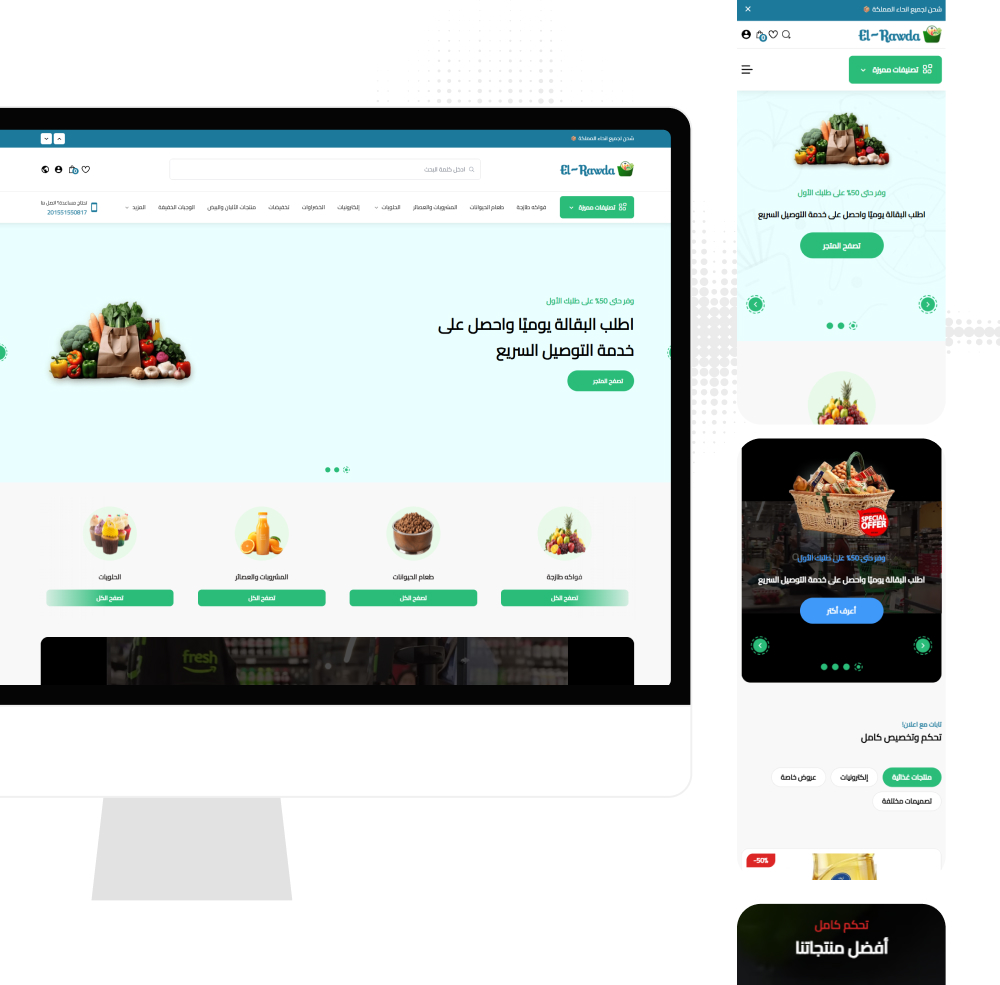
Salla and Zid are among the leading e-commerce platforms in the Arab world, characterized by providing an easy and simplified experience for store owners, including the process of activating payment gateways. Whether you use Salla or Zid, the basic steps for activating payment gateways are largely similar, focusing on registering with a payment service provider, obtaining integration data (such as API keys), and then entering this data into your store's control panel. These platforms offer pre-integration with many popular payment gateways, reducing the need for any complex programming knowledge and making the process accessible to everyone.
The beauty of Salla and Zid is their focus on the local market, which means that most popular payment gateways in the region (such as Mada, PayTabs, HyperPay, MyFatoorah) are often pre-integrated and ready for activation with a few clicks. This saves the merchant the hassle of searching for payment gateways that support local currencies and popular payment methods in Saudi Arabia and the Gulf. Additionally, both platforms offer intuitive user interfaces that guide the merchant through the activation process step-by-step, providing educational resources and technical support to assist when needed. This comprehensive support reduces the likelihood of errors and ensures a smooth and effective activation of payment gateways.
Before starting the activation steps, make sure you meet all legal and regulatory requirements to operate your online store, such as having a commercial registration or a freelance work document if required in your country, as most payment gateways require these documents to open a merchant account. After confirming your readiness, you can proceed to the detailed steps for activating payment gateways in your store, keeping in mind that each payment gateway may have its specific requirements, but the general framework of the process remains constant. This prior preparation greatly facilitates the process and avoids any unnecessary delays in launching your store or updating its payment options.

General Steps for Activating Any Payment Gateway
- Register with the Payment Service Provider: Start by visiting the website of your chosen payment gateway (e.g., PayTabs, MyFatoorah, HyperPay, Stripe) and create a merchant account. This usually requires providing information about your business, such as the legal name, commercial registration number (or freelance work document), contact information, and bank account details where funds will be transferred. You may also be asked for additional documents to verify your identity and business.
- Complete the Verification and Approval Process: After registration, the payment gateway will review your application and submitted documents. This process may take a few days or weeks depending on the service provider and your country. Make sure to provide all information accurately to avoid any delays. Once approved, you will receive confirmation that your account is ready for use.
- Obtain API Keys and Credentials: This is the most important technical step. After approval, you will be able to access the payment gateway's merchant control panel. Look for a section like “API Keys,” “Integration Settings,” or “Developer Settings.” You will need at least two main keys: a Publishable Key and a Secret Key. These keys securely link your store to the payment gateway. You may also need a Merchant ID or Store ID depending on the gateway.
- Activate the Gateway in Your Store's Control Panel (Salla/Zid): Navigate to your store's control panel in Salla or Zid. Look for the “Settings” or “Apps and Services” or “Payment Gateways” section. You will find a list of available payment gateways. Select the gateway you registered with, then enter the API keys and credentials you obtained in the previous step. Make sure to save the changes.
- Test the Payment Process: This step is crucial to ensure everything is working correctly. After activation, perform a test order on your store using the payment option you just enabled. Use a Test Card if the payment gateway provides one, or use a real card with a small amount and then cancel the order after confirming the success of the transaction. Verify that the order appears in your store's control panel and that funds have been transferred correctly (or that the test transaction was successful).
Activating Payment Gateways in Salla
Salla is known for its flexibility and ease of use, and it offers a very simplified experience for activating payment gateways. To begin, log in to your Salla store's control panel. From the sidebar menu, navigate to the “Apps and Services” section, then choose “Salla Apps”. In this section, you will find a wide range of pre-integrated payment gateways, as well as other payment options such as cash on delivery or bank transfer. Search for the payment gateway you wish to activate, such as PayTabs, MyFatoorah, or HyperPay, and click on it.
After clicking on the selected payment gateway, you will be directed to its specific settings page. Here, you will need to enter the API keys and Merchant IDs or any other credentials you obtained from the payment service provider. There are usually clear fields for the public key and secret key. Make sure to accurately paste the data into the designated fields. In some cases, you may need to activate the gateway by clicking “Activate” or “Install” first before entering the data. Do not forget to save the changes after entering all the required information. Salla's support team provides detailed explanations for each payment gateway, making the process even easier.
After entering and saving the data, it is always recommended to perform a test order to ensure that the payment gateway is working correctly and that funds are being transferred successfully. You can also customize the appearance of the payment gateway on the checkout page, such as changing its displayed name for customers or arranging its order among other payment options. This flexibility in Salla enables you to provide a personalized and professional payment experience for your customers, enhancing their satisfaction and increasing the likelihood of purchase completion. Feel free to explore all available options in the Salla control panel to make the most of the available payment gateways.
Activating Payment Gateways in Zid
The Zid platform resembles Salla in its ease of use and offers seamless integration with popular payment gateways in the region. To activate a payment gateway in your Zid store, start by logging in to your Zid store's control panel. From the right sidebar, navigate to the “Settings” section, then choose “Payment Methods”. In this section, you will find a list of all available payment gateways that you can activate, in addition to traditional payment methods.
When you select the payment gateway you wish to activate, for example, PayTabs or Mada (through one of the service providers), a page will open containing the required fields for entering credentials. These credentials often include API keys (public key and secret key) and a merchant ID, which you would have obtained previously from the payment service provider after completing the registration and verification process. Make sure to enter this data with extreme accuracy to avoid any integration errors. After entering all the information, click the “Save” or “Activate” button to activate the gateway in your store.
Like Salla, Zid emphasizes the importance of testing payment gateways after activation. It is recommended to perform a small test purchase to ensure that all steps run smoothly, from adding the product to the cart to the checkout page and successfully completing the transaction. Verify that the order status changes correctly in the Zid control panel and that any confirmation messages reach the customer. Zid also provides a detailed user guide and technical support to assist you with any step of the activation process, ensuring that you can set up an effective and secure payment system for your customers.
An Overview of Shopify
While this article primarily focuses on Salla and Zid, it is important to note that Shopify also offers a robust and flexible experience regarding payment gateways, though it differs in some aspects. Shopify is a global platform, providing integration with hundreds of payment gateways worldwide, in addition to its own "Shopify Payments" option, which significantly simplifies the payment process and reduces fees. Shopify Payments is available in many countries, but it may not be available in all Middle Eastern countries, leading merchants in this region to rely on third-party payment gateways.
To activate payment gateways in Shopify, merchants navigate to the "Settings" section, then "Payments" in their store's control panel. There, they can activate "Shopify Payments" if it is available in their country, or choose "Third-party payment providers" to activate other payment gateways such as Stripe, PayPal, PayTabs, or any local payment gateway that integrates with Shopify via dedicated apps. This process also requires obtaining API keys and credentials from the external service provider and entering them into Shopify's settings.
Shopify also features a rich app store with numerous applications that enable merchants to add payment gateways that do not integrate directly, or offer advanced payment features such as cryptocurrency payment solutions or installment payment options. Stores considering Shopify as their primary platform can benefit from this flexibility and diversity in payment options. To learn more about comparisons between these platforms, you can read Salla, Zid, and Shopify: Which is Best for Your Store? for a deeper understanding of choosing the most suitable platform for your needs.
Tips and Tricks to Maximize Payment Gateway Efficiency
Activating payment gateways is only the first step; to ensure maximum efficiency and achieve the best results, there are several tips and practices that store owners should follow. The goal is not just to enable customers to pay, but to make the payment process smooth, secure, and encouraging for purchase completion. Starting by optimizing the user experience on the checkout page is crucial; the page should be clear, fast-loading, and free of any elements that might distract the customer or cause concern. This includes a simple design, clear steps, and displaying logos of trusted payment gateways.
It is very important to offer a variety of payment options to cater to all customer preferences. Do not settle for one or two options; the more options available (Mada cards, Visa, Mastercard, Apple Pay, Google Pay, Tabby, Tamara, bank transfer), the higher the chance that the customer will find their preferred payment method, which reduces the shopping cart abandonment rate. You should also ensure that all payment gateways work efficiently on all devices, especially smartphones, as mobile payments constitute a large percentage of e-commerce transactions today. A mobile-responsive payment experience is essential to ensure that customers are not lost due to technical issues.
Do not stop at initial activation; regularly monitor the performance of your payment gateways. Review transaction reports, track any technical issues or errors that occur during payment, and stay up-to-date with any new updates or features offered by payment gateways. Fees or terms may change, so periodically reviewing these aspects is important to keep costs under control and improve profits. It is also advisable to display clear security messages on the payment page to reassure customers that their data is protected, such as SSL logos or security certificates, which enhances trust and increases conversion rates.
Remember that customer service is not limited to pre-sales and post-sales but extends to the payment process itself. If a customer encounters a payment issue, there should be available support to assist them immediately. This could be through providing a phone number, email, or even a live chat window on the payment page. Quick response to payment issues can save potential sales and turn a negative experience into an opportunity to build customer loyalty. These small details make a big difference in the overall shopping experience and contribute to the long-term success of your online store.
Conclusion
In conclusion of this comprehensive guide, it is clear that electronic payment gateways are not just a technical addition to your store, but an essential pillar for its success and sustainability in the evolving world of e-commerce. We have seen how platforms like Salla and Zid, and even Shopify, have significantly simplified the process of activating these gateways, thereby removing many barriers that entrepreneurs faced in the past. The challenge is no longer how to activate, but how to choose the most suitable gateway for your store, and how to effectively utilize it to provide the best possible payment experience for your customers.
Investing in a robust, secure, and diverse payment system is a direct investment in customer trust, increased conversion rates, and sales growth. By offering multiple payment options that suit local and international market preferences, adhering to the highest security standards, and continuously monitoring gateway performance, store owners can build a strong reputation and a thriving online store. Do not hesitate to explore different payment gateways, experiment with the options most suitable for your target audience, and always remember that a seamless payment experience is key to recurring customer visits.
Finally, remember that the world of e-commerce is constantly evolving, and with this evolution, new and innovative payment solutions emerge. Therefore, be flexible, and stay up-to-date with the latest technologies and trends in electronic payments. Platforms like Salla and Zid provide you with the necessary tools, and it is up to you to use them wisely to ensure your store remains at the forefront of innovation and excellence, offering an unforgettable shopping experience to all your customers.