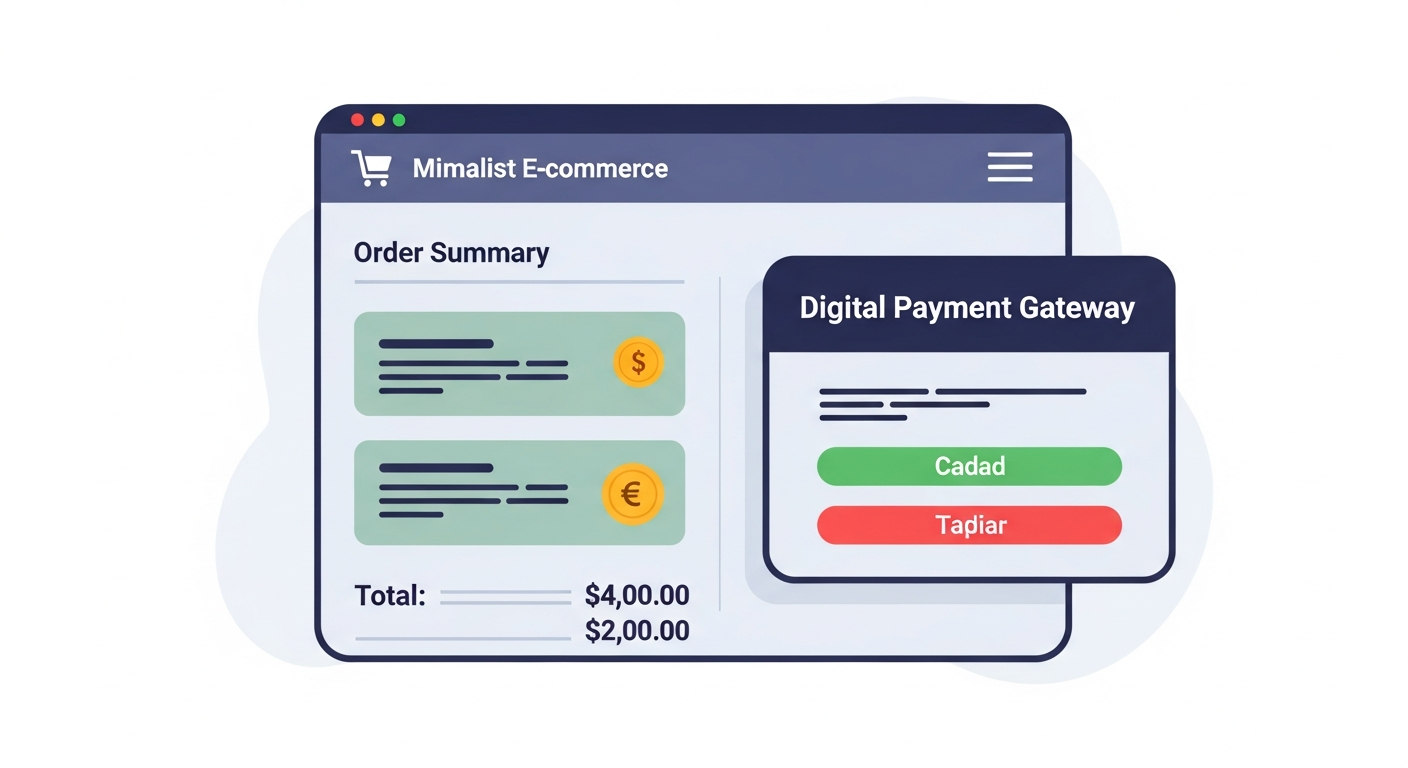




In the rapidly evolving world of e-commerce, dropshipping stands out as a revolutionary business model that has allowed thousands of entrepreneurs worldwide to enter this field without the need for significant capital or the complexities of inventory management. This model opens vast horizons, especially in the booming Arab market, where demand for diverse products and fast access to them is growing. The ability to launch an online store and sell products without prior inventory purchase or dealing with shipping makes dropshipping an attractive and viable option for many aspiring individuals.
E-commerce platforms such as Salla and Shopify, along with Zid, are the cornerstones that support this model, making it more accessible and efficient. Thanks to their intuitive interfaces and extensive integrations with payment gateways and shipping companies, these platforms provide an ideal environment for building and operating a successful dropshipping store. This comprehensive guide will take you on a detailed journey to explore the world of dropshipping, focusing on how to maximize the use of Salla and Shopify to establish your own business, from understanding the basics to advanced marketing strategies and daily operations management.
Dropshipping Concept: Essentials You Must Know
Dropshipping is a retail fulfillment method where the seller doesn't keep the products it sells in stock. Instead, when a dropshipping store sells a product, it purchases the item from a third party (a supplier or manufacturer), and that third party ships the product directly to the customer. This means the seller never sees or handles the product, significantly reducing operational risks and costs associated with inventory management and storage. This model offers unparalleled flexibility, allowing entrepreneurs to focus on marketing and customer service rather than logistics.
The dropshipping process revolves around three main parties: the customer who buys the product, the retailer (you) who manages the online store and drives sales, and the supplier who owns the inventory and handles shipping. When a customer places an order on your e-commerce store, you forward the order and shipping details to the supplier, who then prepares and ships the product directly to the customer on your behalf. The difference between the selling price you set in your store and the purchase price from the supplier is your profit margin, which makes this model highly appealing.
One of the primary advantages of dropshipping is its low startup costs, as you don't need to invest a large sum in inventory, significantly reducing financial risks. It also offers great flexibility in choosing the products you sell, allowing you to easily test new products and expand your store's range without inventory constraints. Additionally, dropshipping enables you to work from anywhere in the world, as long as you have an internet connection, making it an ideal model for entrepreneurs seeking geographical freedom.
Why Salla and Shopify Are the Ideal Choices for Dropshipping?
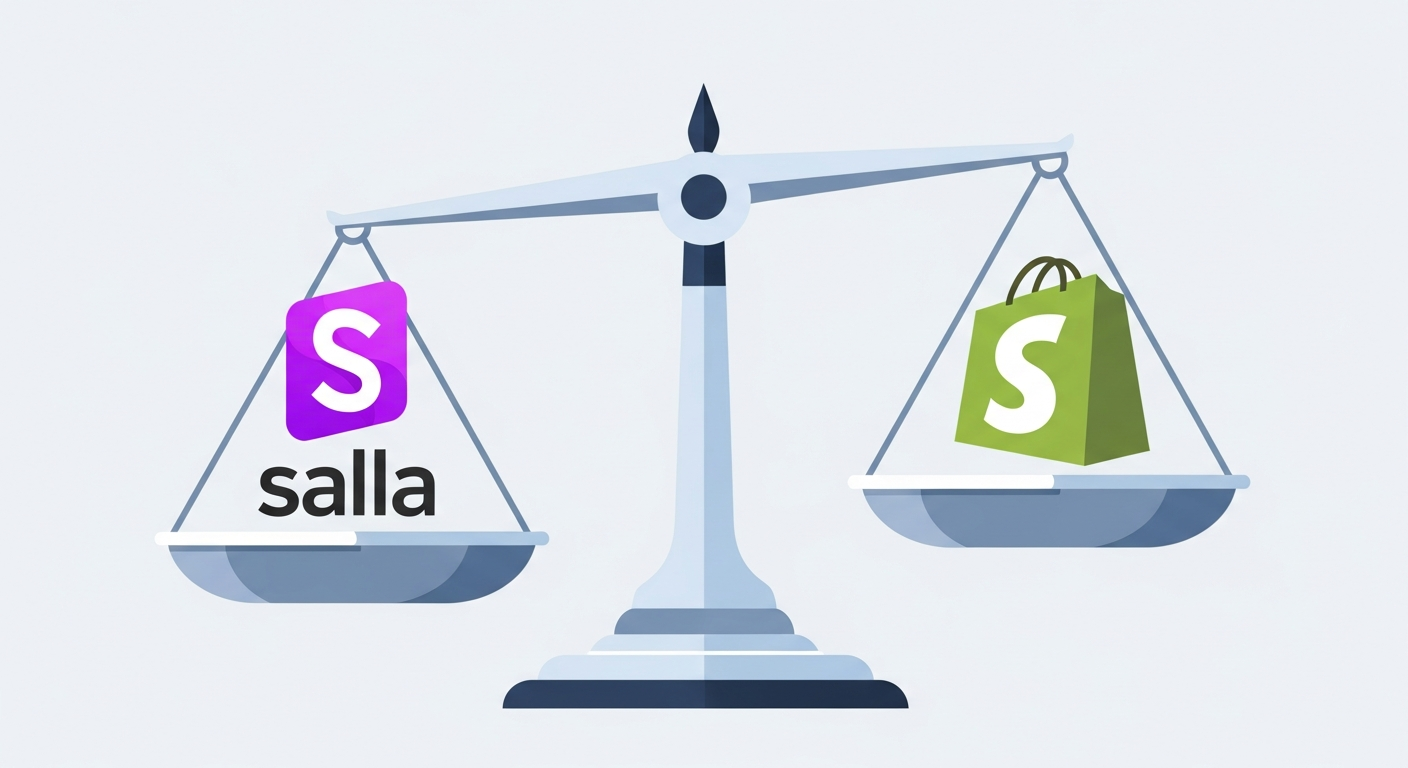
When it comes to setting up and running a dropshipping store, choosing the right platform plays a crucial role in the success of your venture. In the Arab market, platforms like Salla and Shopify stand out as leading choices, each offering a unique set of features that cater to different needs. Both provide a robust and customizable environment, allowing you to build a professional and attractive store that can compete in the digital marketplace.
The combination of ease of use, extensive integration capabilities, and scalability makes Salla and Shopify indispensable platforms for dropshipping entrepreneurs. Whether you are primarily targeting the local market or aiming for global reach, understanding the differences and advantages of each platform will help you make the best decision for your business. Furthermore, Zid should not be overlooked as another strong local contender, offering integrated e-commerce solutions in the region, providing multiple options for sellers.
Salla: Local Power for a Growing Arab Market
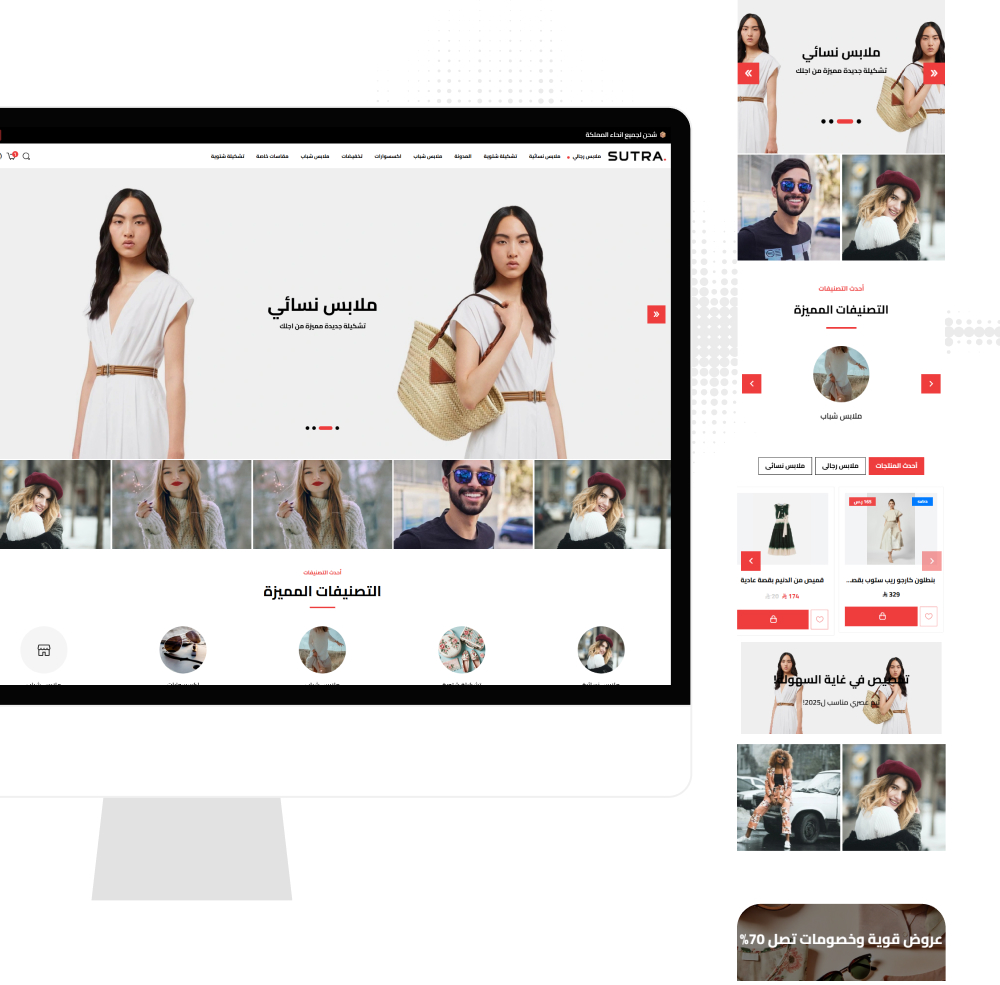
Salla is a Saudi-born e-commerce platform that has gained immense popularity in the Arab market due to its focus on meeting the needs of local merchants. Salla provides a fully Arabic user interface and excellent technical support in the same language, making it an ideal choice for beginners who might find foreign platforms challenging. It also seamlessly integrates with local payment gateways and leading shipping companies in the region, such as Aramex and SMSA, facilitating the shipping and delivery process for your customers within Saudi Arabia and other Gulf countries.
Salla also boasts a rich app store that includes many add-ons to enhance your store's capabilities, from marketing tools to inventory management applications (although dropshipping significantly reduces the need for the latter). Salla also offers ready-to-use, responsive design templates that suit various product types and stores, allowing you to launch your store quickly with a professional look without requiring programming expertise. These features, along with its active community, make Salla a strong and reliable option for creating a dropshipping store targeting the Arab market.
Salla platform also offers various subscription packages to suit different business sizes, from free plans for beginners to paid plans that provide advanced features for larger stores. This pricing flexibility makes Salla an economical choice to start a dropshipping business, as you can gradually expand as your profits grow. Moreover, Salla's focus on ease of use and reducing technical complexities means you can spend more time concentrating on product selection and marketing, which are key aspects of any successful dropshipping store.
Shopify: The Global Platform with Unmatched Flexibility
Shopify is a global e-commerce giant and is the preferred choice for millions of merchants worldwide, including a large number of dropshipping store owners. What sets Shopify apart is its extensive app store, which features thousands of apps and add-ons that significantly expand your store's functionality. For example, apps like Oberlo and DSers are specifically designed for dropshipping, simplifying the process of importing products from AliExpress and automating order management. These applications provide comprehensive solutions from product research to shipment tracking.
Shopify also boasts tremendous design flexibility, offering a wide range of professional paid and free themes that can be fully customized to match your brand identity. You can modify every aspect of your store, from colors and fonts to page layouts, without needing advanced coding knowledge. Furthermore, Shopify supports countless global payment gateways and provides integrations with international shipping companies, opening doors to global markets and allowing you to sell your products to customers anywhere.
Although Shopify is not originally an Arabic platform, it provides Arabic language support for the storefront, allowing you to create a store targeting Arabic speakers. Shopify's massive community also offers countless educational resources and active support forums, ensuring you get help whenever you need it. Shopify's strength in global expansion and access to advanced tools makes it a strategic choice for anyone aspiring to build a dropshipping empire that transcends local boundaries.
Steps to Start a Successful Dropshipping Business
Starting a dropshipping business requires meticulous planning and strategic execution to ensure success in a highly competitive market. While startup costs are low, the effort invested in research, planning, and marketing determines the fate of your store. From choosing the right products to building an attractive and effective store, every step contributes to building a strong foundation for your business.
Remember that dropshipping is not just about selling products; it's about building a brand and providing an exceptional customer experience. Therefore, invest your time and effort in understanding each stage of this guide to ensure maximum profits and sustainable growth. These steps are designed to guide you through the entire process, from initial idea to launch and beyond, with a focus on best practices at each stage.
1. Niche Selection
The process of niche selection is the first and most crucial step in your dropshipping journey. Instead of trying to sell everything to everyone, it's better to focus on a specific target market and a product range that meets the needs and desires of that market. This approach helps you build a strong brand, reduce competition, and direct your marketing efforts more effectively. Look for gaps in the market or problems that your products can solve, as these are the foundation of winning products.
When researching a niche product, start by analyzing your personal interests and passions, as this can be a good starting point. Then move on to researching products with high demand and good profit margins. Use tools like Google Trends, Amazon Best Sellers, and Facebook Audience Insights to identify popular products and growing markets. Look for products that are difficult to find in traditional local stores or that offer a unique solution to a common problem. Avoid major brand-name products that are difficult to compete with.
Focus on choosing reasonably priced products, typically ranging between $20 and $100, where customers are more willing to make impulse purchases. Ensure that the selected products do not cause shipping or storage problems (even if the supplier manages it, large or fragile products can increase shipping issues). Remember that the goal is to build a store that provides real value to its customers, not just to sell anything. The more specialized and specific the product, the easier it will be to target the right customers and achieve profitable sales.
2. Finding Reliable Suppliers
After identifying your niche products, the next crucial step is finding reliable suppliers to ensure product quality, fast shipping, and customer satisfaction. Your supplier is your primary partner in dropshipping, so their selection must be based on strict criteria. Start by searching popular dropshipping platforms like AliExpress, which is a common choice for beginners due to its product variety and competitive prices. You can also explore other platforms like SaleHoo and Doba, which provide lists of reliable and pre-vetted suppliers.
When evaluating suppliers, consider several key factors: First, product quality: Ensure the supplier offers high-quality products by reading customer reviews and requesting samples if possible. Second, shipping speed: Look for suppliers who offer fast and reliable shipping options and provide tracking numbers for orders. Third, customer service: The supplier should be responsive and effective in communication to resolve any issues that may arise. Fourth, return and exchange policies: Make sure the supplier's policies are clear, fair, and consistent with your store's policies.
Do not hesitate to contact potential suppliers and ask questions. Building a good relationship with your suppliers can lead to better terms and priority in handling. Avoid suppliers with low ratings or a history of problems. Remember that the quality of your supplier directly reflects on your store's reputation and customer satisfaction, so invest enough time in this stage to ensure you choose the right partner who will contribute to your project's long-term success.

3. Building Your E-commerce Store on Salla or Shopify
After selecting products and suppliers, it's time to build your e-commerce store, which is your primary interface with customers. Whether you choose Salla or Shopify, the goal is to create an attractive, user-friendly store that professionally reflects your brand identity. Start by selecting a design template that suits your product type and target audience. Both platforms offer a wide range of free and paid templates that can be easily customized to match your brand colors and logo.
The next step is to add products to your store. Import products from suppliers using dedicated apps (like Oberlo for Shopify) or manually. The most important thing is to write Product Description: Secrets to Writing an Attractive Description in Zid and Salla, which should be detailed, compelling, and highlight the product's features and benefits to the customer. Use high-quality, clear images of the products, as this is the customer's only opportunity to see the product before purchase. Be sure to price strategically to ensure a good profit margin while maintaining competitiveness.
Don't forget to set up your store's essential pages, such as "About Us," "Privacy Policy," "Return and Exchange Policy," and "Terms of Service." These pages build trust with customers and provide transparency. Link your store to payment gateways that suit your audience (e.g., Mada, Visa, and Mastercard in Salla, or PayPal and Stripe in Shopify). Finally, thoroughly test the entire store before launch, from the purchase process to order tracking, to ensure a smooth and error-free experience for customers.
4. Marketing and Sales Strategies
Once your store is ready, the next crucial step is to attract visitors and convert them into customers. Marketing is the primary driver for a dropshipping store; it's not enough to have great products if no one knows they exist. Start with Search Engine Optimization: How to Rank on Google in Zid and Salla (SEO) strategies to ensure your store appears in organic search results when customers look for your products. Use relevant keywords in product descriptions, titles, and overall store content.
Social media is a powerful tool for promoting your products. Create professional pages for your store on major platforms like Instagram, Facebook, and TikTok, and share engaging, high-quality content about your products. Consider launching paid advertising campaigns on these platforms to target a specific audience based on their interests and purchasing behavior. Paid ads can deliver quick results and help you reach a large number of potential customers in a short time.
Email marketing is just as important. Collect visitors' email addresses through subscription forms and offer them exclusive deals or updates on new products. Optimize the user experience in your store to increase conversion rates; you can benefit from Increasing Conversion: 5 Secrets for Your E-commerce Store. Also, consider content marketing, such as writing blog articles related to your products or niche, as this builds trust and attracts interested visitors. Diversifying your marketing strategies ensures you reach the widest possible customer segment and achieve maximum sales.
Effectively Managing Dropshipping Operations
After launching your store and starting to receive orders, you move into a critical phase: managing daily dropshipping operations. This stage requires attention to detail to ensure a smooth and exceptional customer experience, which directly impacts your store's reputation and customer loyalty. Effective management is not limited to processing orders but extends to tracking shipments, providing excellent customer service, and analyzing performance for continuous improvement.
The ability to handle logistical challenges, resolve issues quickly, and respond to customer needs is what distinguishes a successful dropshipping store from others. Remember that building trust is key, and this is achieved through transparency and professionalism at every step. Invest in tools and systems that help you automate repetitive tasks and provide valuable insights into your store's performance, enabling you to make informed decisions for sustainable growth.
1. Order Tracking and Shipping
Order tracking and shipping are vital components of any successful dropshipping store, directly impacting customer satisfaction and trust in your store. Once a customer places an order, you must immediately forward it to the supplier. Most dropshipping platforms and their apps (like Oberlo) provide mechanisms to automate this process, reducing errors and ensuring quick processing. After the supplier ships the product, you must obtain the tracking number and provide it to the customer as soon as possible.
Use shipping tracking tools that integrate with your store to keep customers updated on the status of their orders. These tools can help you send automated updates via email or text messages, reducing the number of customer service inquiries and increasing process transparency. It is very important to be aware of the estimated shipping times from your suppliers and clearly communicate them to your customers on product pages and in your store's shipping policy. Transparency in this aspect builds trust and avoids misunderstandings.
In case of any unexpected delays or shipping issues, you must immediately communicate with both the supplier and the customer to inform them of the situation and offer alternative solutions if necessary. You can benefit from our guide on Shipping Companies: Your Guide to Choosing the Best in Zid and Salla to ensure you select reliable logistics partners. Remember that the expectations you set for your customers are key to their satisfaction, so always be realistic and honest about potential delivery times, and be prepared to handle any emergency effectively and professionally.
2. Customer Service and Problem Resolution
Excellent customer service is the cornerstone of any successful business, and in dropshipping, it can be the differentiating factor that sets your store apart from competitors. Since you don't directly handle products or shipping, the ability to resolve customer issues effectively and quickly becomes even more crucial. Invest in building a robust and responsive customer support system, whether through email, live chat, or phone.
Be prepared to handle a variety of inquiries and problems, such as shipping delays, damaged products, products not matching the description, or return and exchange requests. You should have clear and published policies regarding these matters, and be flexible in applying them to ensure customer satisfaction. Remember that a customer who faces a problem and has it successfully resolved may become more loyal to your store than a customer who never encountered any issues at all.
Effective communication with both customers and suppliers is key to problem resolution. When a customer inquires about an issue, gather all necessary details and then communicate with the supplier for a solution. Inform the customer about the steps you are taking and the estimated resolution time. Even if the problem is beyond your control (such as a shipping delay by the supplier), how you handle it determines the customer's impression. Providing quick and satisfactory solutions, such as partial refunds, reshipments, or offering discounts on future purchases, can turn a negative experience into an opportunity to build lasting loyalty.
3. Performance Analysis and Continuous Improvement
To ensure the continued success of your dropshipping store, it is essential to regularly analyze performance and look for opportunities for continuous improvement. Platforms like Salla and Shopify provide dashboards with detailed reports on sales, visits, conversion rates, and customer behavior. Use this data to understand what works and what doesn't in your store. Monitor key metrics such as Average Order Value (AOV), Conversion Rate, Customer Acquisition Cost (CAC), and Customer Lifetime Value (LTV).
Data analysis will help you identify best-selling products and underperforming ones, enabling you to adjust your marketing strategies or even remove unprofitable products. It will also reveal customer behavior patterns, such as which pages they visit most, or at which stages they abandon their shopping cart. Data Analysis: How to Read Your Store Reports in Salla and Zid can provide valuable insights to assist you in this aspect.
Don't stop at just reading the numbers; use them to make informed decisions. Conduct A/B tests on product pages, marketing offers, or even store layout to see what yields the best results. Listen to customer feedback and continuously strive to improve their experience. The digital world changes rapidly, so your store must be adaptable and ready to evolve. Your commitment to continuous analysis and improvement is key to maintaining your competitiveness and ensuring your profits grow in the long run.
In conclusion, dropshipping represents a golden opportunity to enter the world of e-commerce with minimal risk and maximum flexibility, especially in the thriving Arab market. We have shown you how platforms like Salla and Shopify, in addition to Zid, can be powerful tools for setting up and running a successful dropshipping store, from niche product selection to daily operations management and performance analysis. The key lies not only in understanding the concept but in the meticulous application of steps and continuous improvement strategies.
Remember that success in dropshipping is not just a matter of luck; it is the result of thorough research, strategic planning, effective marketing, and, most importantly, a commitment to providing excellent customer service. Challenges will inevitably arise, but the ability to adapt and learn from mistakes is what will set you apart and ensure your continued growth. Invest in building strong relationships with your suppliers, maintain complete transparency with your customers, and always be ready to evolve and innovate in your products and marketing methods.
Now that you are armed with this comprehensive guide, it's time to turn knowledge into action. Embark on your dropshipping journey with confidence, and leverage the power of e-commerce platforms to unleash your entrepreneurial potential. The digital world awaits you, and with the right determination and sound strategy, you can build a thriving dropshipping business that brings you the financial independence and success you aspire to.