



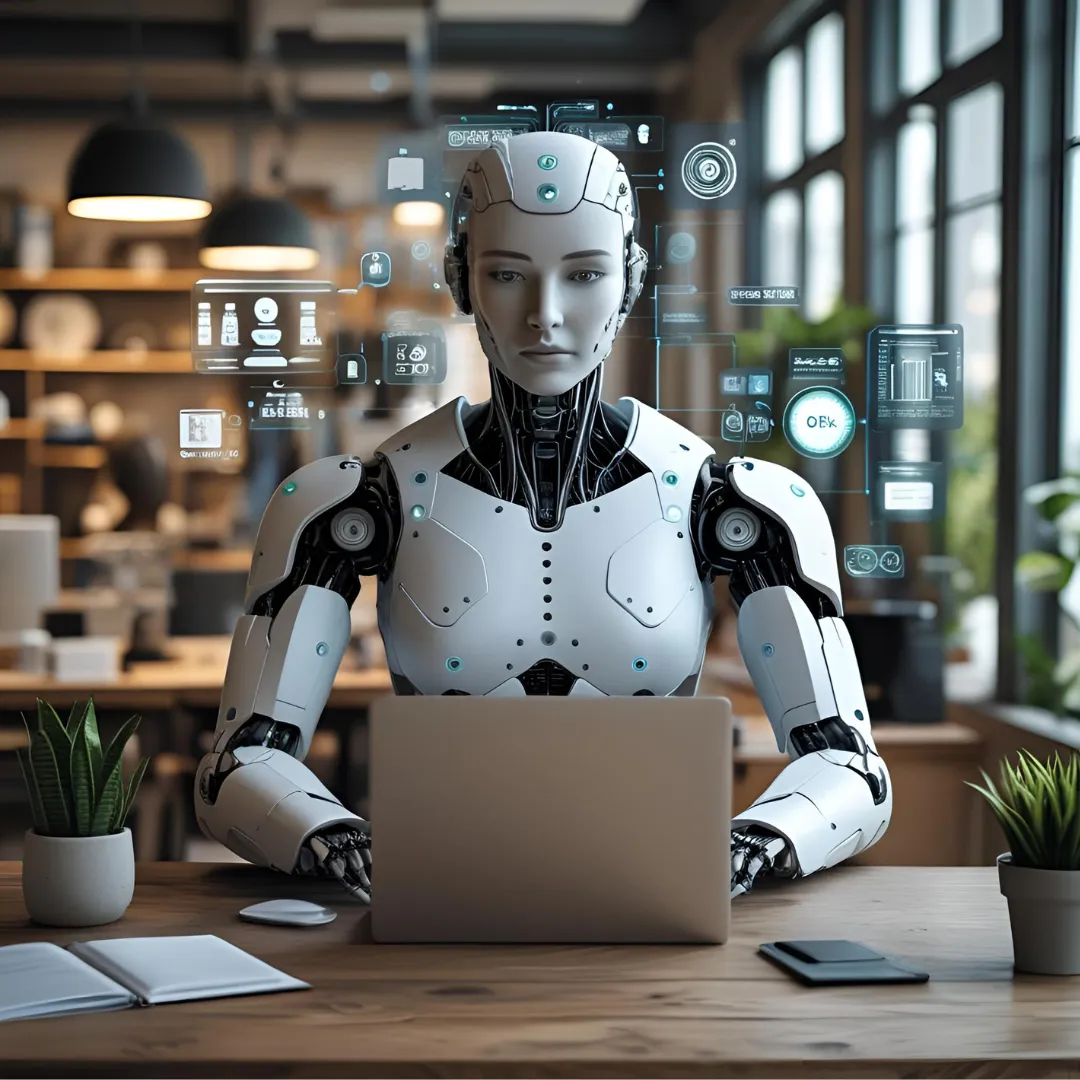
Artificial intelligence has revolutionized the world of e-commerce, playing a pivotal role in transforming the shopping experience, improving operational efficiency, and increasing sales. In 2025, the use of AI technologies is no longer just a competitive advantage, but a fundamental necessity for online stores that want to survive and grow.
In this article, we will explore the most important uses of artificial intelligence in e-commerce and how store owners can leverage them to grow their businesses.
Personalizing the User Experience
One of the most important applications of AI in e-commerce is the ability to provide a personalized shopping experience for each user:
1. Smart Product Recommendations
AI can analyze shopper behavior, purchase history, and preferences to provide accurate recommendations for products that might interest them:
- Recommendations based on previously viewed or purchased products.
- "Frequently bought together" suggestions based on purchasing patterns.
- Recommendations based on seasonal trends and occasions.
2. User Interface Personalization
The store interface can be dynamically adapted to suit each shopper:
- Ordering categories and products based on user interests.
- Displaying relevant offers and discounts for each customer.
- Customizing the homepage based on previous user behavior.
3. Dynamic Pricing Optimization
AI can analyze the market, competitor behavior, and customer behavior to determine the optimal price for products:
- Adjusting prices based on supply and demand.
- Offering personalized discounts based on customer behavior.
- Determining the best time to launch promotional offers.
AI transforms online stores from mere storefronts into personal shopping consultants who understand the needs of every customer.
Enhancing the Shopping Experience
1. Smart Search Engines
AI-powered search engines are more accurate and intelligent than traditional ones:
- Understanding the intent behind the search, not just the keywords.
- Correcting spelling mistakes and suggesting search alternatives.
- Visual search, which allows customers to search using images.
- Voice search for shopping using voice commands.
2. Virtual Assistants and Chatbots
AI-powered chatbots enable 24/7 instant customer support:
- Answering common inquiries about products and orders.
- Helping customers find the right products.
- Providing personalized recommendations during the conversation.
- Processing return and exchange requests.
3. Analyzing Reviews and Feedback
AI can analyze customer reviews and feedback to extract valuable insights:
- Identifying product strengths and weaknesses.
- Discovering trends and recurring themes in feedback.
- Evaluating overall sentiment towards products and services.
Optimizing Logistics and Inventory Management
1. Demand Forecasting
AI can forecast future product demand with high accuracy:
- Analyzing past sales data and market trends.
- Factoring in seasonal elements and special events.
- Adjusting forecasts in real-time based on new variables.
2. Smart Inventory Management
AI systems help optimize inventory management:
- Determining optimal inventory levels for each product.
- Automated alerts when stock drops to critical levels.
- Suggesting the most efficient reordering strategies.
3. Optimizing Shipping and Delivery
AI can optimize shipping and delivery operations:
- Identifying the best delivery routes to reduce time and cost.
- Predicting delivery times with higher accuracy.
- Optimizing order batching to increase efficiency.
Improving Marketing and Sales
1. Enhancing Customer Targeting
AI can identify potential customers with greater precision:
- Segmenting customers more accurately based on their behavior and preferences.
- Identifying customers most likely to purchase (Look-alike Audiences).
- Determining the best marketing channels for each customer segment.
2. Optimizing Marketing Content
AI can assist in creating and optimizing marketing content:
- Generating engaging and personalized product descriptions.
- Optimizing email subject lines to increase open rates.
- Analyzing and improving blog and marketing content.
3. Advanced Sales Analytics
AI provides deep sales analytics that go beyond traditional statistics:
- Identifying factors that influence purchasing decisions.
- Discovering recurring purchasing patterns.
- Providing accurate forecasts for future sales.
Fraud Prevention and Security Enhancement
AI plays a crucial role in enhancing the security of online stores:
- Detecting fraud and suspicious transactions in real-time.
- Identifying and adapting to new fraud patterns.
- Protecting customer data and transactions.
How to Implement AI in Your Store on Zid and Salla Platforms
1. Start with Available Apps
Zid and Salla platforms offer a range of built-in AI applications:
- Smart product recommendation apps.
- Chatbot applications.
- Internal search engine optimization tools.
2. Utilize External Services
External AI services can be integrated with your store:
- AI-powered marketing services like Google AI and Facebook AI.
- Advanced data analytics tools.
- Machine translation services for multilingual stores.
3. Develop Custom Solutions
For large stores, custom AI solutions can be developed:
- Training AI models on the store's proprietary data.
- Developing advanced recommendation systems tailored to your industry.
- Creating custom analytical dashboards to monitor store performance.
Challenges of Implementing AI
Despite the many benefits of AI, there are some challenges to consider:
- Privacy: Ensuring customer data is protected and used ethically.
- Data Quality: AI requires accurate and sufficient data to function effectively.
- Cost: Some advanced AI solutions can be expensive for small stores.
- Integration: Ensuring AI solutions are compatible with existing store systems.
In conclusion, artificial intelligence represents a massive opportunity for e-commerce store owners to improve the customer experience, increase efficiency, and boost sales. With more user-friendly and easily integrated solutions becoming available, stores of all sizes can now benefit from these advanced technologies. The key is to start gradually and focus on the areas that offer the greatest value to your business and your customers.