


Introduction: Platform Costs and Their Role in Your E-commerce Store's Success
In the rapidly evolving world of e-commerce, choosing the right platform for your store is the cornerstone upon which hopes for success and sustainable growth are built. With a diversity of available options, ranging from specialized local platforms like Salla and Zid to global giants like Shopify, the decision-making process becomes more complex. Each platform offers a unique set of features and services, but the most crucial factor often determining the path is the total cost of ownership. This extends beyond merely monthly subscription fees to encompass a wide array of expenses that can significantly impact your business budget and long-term profitability.
Understanding the hidden and visible costs of each platform is paramount for any entrepreneur looking to enter this field or expand their existing operations. Costs are not just about the initial investment; they also include transaction fees, app and plugin costs, payment gateways, and even logistics and shipping services. Without a precise and comprehensive analysis of these aspects, store owners may find themselves facing unpleasant financial surprises that could hinder their progress. This article aims to provide a detailed and transparent comparison of the costs associated with the three most prominent platforms in the Arab market: Salla, Zid, and Shopify, to help you make an informed decision that serves your store's objectives efficiently and effectively.
Understanding the E-commerce Platform Cost Structure
Before delving into the specifics of each platform, it is essential to understand the fundamental components of establishing and operating an e-commerce store. These components extend beyond just monthly or annual subscription fees, encompassing multiple elements that collectively impact the Total Cost of Ownership (TCO). Recognizing these aspects helps store owners set a realistic budget and avoid unexpected financial surprises that may arise later. By analyzing each element, one can assess the true value each platform offers for the price paid, ensuring a choice that aligns with the business size and product nature.
These components typically include the platform's basic subscription fees, which vary depending on the service packages and features available. Additionally, there are transaction fees that the platform may impose on every sale made through the store, representing a percentage of the order value. We also cannot overlook payment gateway costs imposed by electronic payment companies for processing payments, which are often another percentage of the transaction value. All these factors must be considered when evaluating the economic feasibility of any platform. You can refer to our comprehensive guide titled Salla, Zid, and Shopify: Which is Best for Your Store? for a broader comparison of these platforms.
Beyond the direct costs mentioned, there are also indirect or additional costs that may be necessary for running a successful e-commerce store. These costs include, for example, purchasing premium themes or templates that offer professional design and advanced features. Moreover, many stores require third-party apps and integrations to enhance specific functionalities, such as marketing tools, inventory management, or customer experience optimization, and these apps often come with a monthly subscription fee. Finally, development and maintenance costs may arise if specific programmatic customizations or advanced technical support are needed, especially for large and complex stores requiring bespoke solutions.
Basic Subscription Fees
Basic subscription fees represent the first and most obvious cost when choosing an e-commerce platform. These fees vary significantly between platforms and often depend on the level of services and features offered by the chosen package. For instance, platforms like Salla and Zid offer various packages, starting from free or low-cost options, escalating to advanced packages that provide more comprehensive features for larger stores. While Shopify may start with basic plans, its costs tend to rise with the need for more specialized features or with increased sales volume, as some of its plans are linked to lower transaction fees.
Store owners must accurately assess their current and future needs when selecting the appropriate package. Lower-cost packages may be sufficient for nascent stores with limited products and small order volumes. However, with expansion and an increase in products and sales volume, upgrading to a higher package may become necessary to leverage features such as advanced reporting, comprehensive inventory management, or dedicated customer support. Investing in the right package from the outset can save time and effort in the long run, reducing the need for constant package migration.
In addition to standard packages, some platforms offer annual subscription options with significant discounts compared to monthly subscriptions. These options are often attractive to stores planning long-term operations and enjoying business stability. For example, Salla, Zid, and Shopify might offer discounts ranging from 10% to 25% for annual upfront payments, representing significant savings in operational costs. Store owners should carefully consider these options and utilize them if they align with their financial and operational plans, reflecting a smart strategy in budget management.
Transaction Fees and Payment Gateways
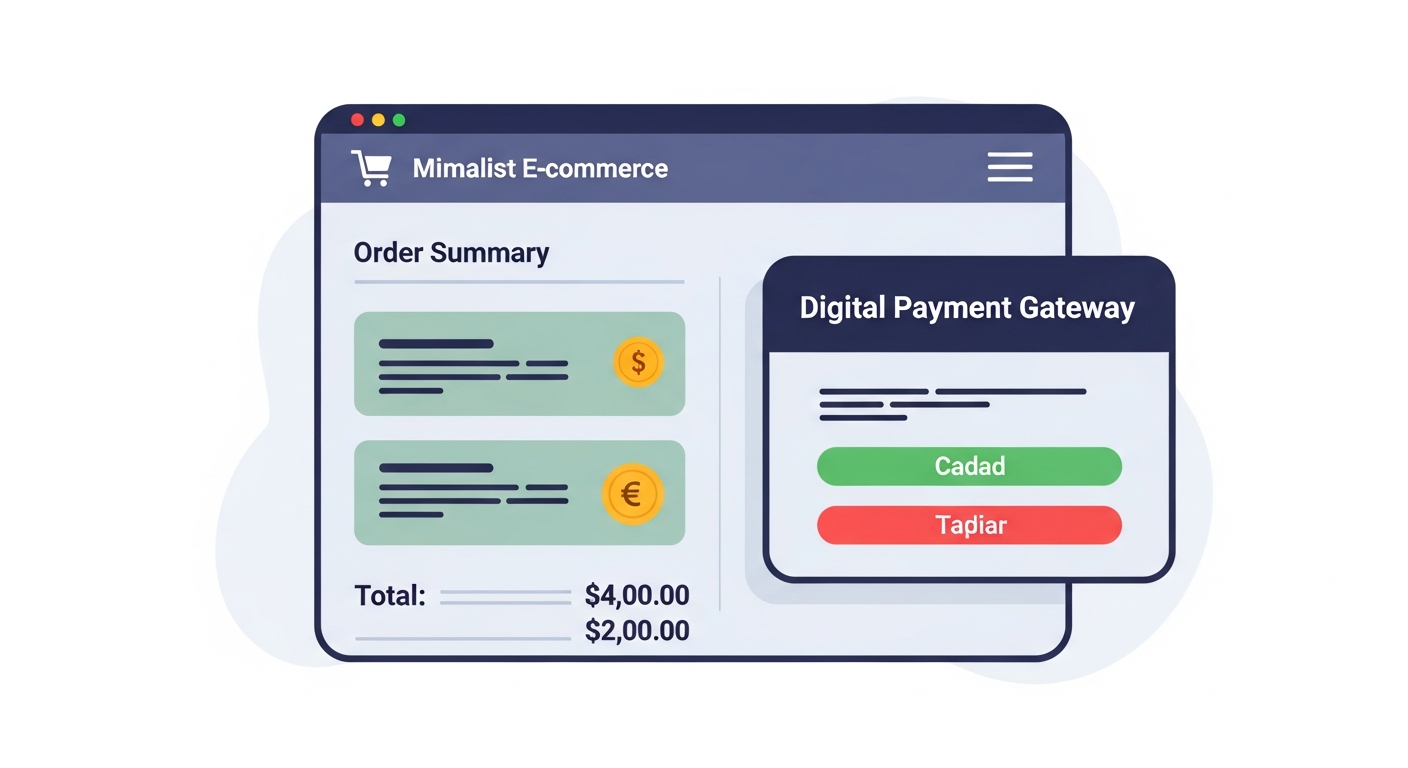
Transaction fees and payment gateways are costs that might not be immediately apparent, but they significantly impact profit margins, especially for stores with high sales volumes. Some platforms charge a fee on every sale made through the store, which is a percentage of the order value. These fees are in addition to the payment gateway fees imposed by payment processing companies like Mada, Visa, MasterCard, or even local payment services such as Tabby and Tamara. These fees can vary widely, and it's essential to understand them accurately when financially planning for your store.
In the context of payment gateways, platforms like Salla and Zid integrate with a wide range of payment service providers to facilitate the purchasing process for customers. For example, payment processing fees for credit cards or electronic payments are often in the range of 2.2% to 2.75% + a small fixed fee per transaction in the Saudi market. While some global platforms like Shopify might impose additional transaction fees of their own if you don't use their proprietary payment gateway (Shopify Payments), which increases the overall transaction cost. Store owners must carefully compare these fees, as a slight difference in percentage can impact annual profitability by significant amounts.
To reduce these costs, larger stores can negotiate with payment gateways for better rates based on transaction volume. Also, choosing a higher subscription plan on some platforms might lead to a reduction or elimination of transaction fees imposed by the platform itself. It's also important to consider alternative payment options that might be less costly, such as direct bank transfers for some products, or cash on delivery, although the latter comes with its own operational costs. Understanding smart product pricing strategies can help integrate these costs into the overall pricing structure to ensure profitability.
App and Theme Costs
App and theme costs are an integral part of the modern e-commerce experience, contributing significantly to store customization and functionality enhancement. Each platform, whether Salla, Zid, or Shopify, provides its own marketplace for apps and integrations that can boost a store's capabilities in areas like marketing, inventory management, customer service, and more. While some apps are free, the vast majority of advanced and essential applications come with monthly subscriptions or one-time fees, adding to the overall cost of operation. For example, you might need an app for email campaign management, an SEO tool, or an advanced loyalty program system.
As for themes, they define your store's visual design and user experience. Platforms typically offer a selection of free themes, but these might be limited in customization or features. To achieve a professional, unique, and attractive design that aligns with your brand identity and provides an excellent user experience, you might need to purchase a paid theme. Paid theme prices range from hundreds to thousands of riyals or dollars, and some may require ongoing maintenance or updates. Store owners should evaluate the value a paid theme adds to their store versus its cost, ensuring its compatibility with various devices and loading speed.
When selecting apps and themes, it is crucial to prioritize. A nascent store should not invest in numerous apps all at once; instead, it should focus on the essentials that support the core business objectives. As the store grows, more apps can be added to meet increasing needs. Attention should also be paid to the compatibility between apps and the chosen theme to avoid any technical conflicts that could affect store performance. Smart investment in apps and themes can enhance operational efficiency and improve customer experience, ultimately leading to increased sales and profitability.
Cost Comparison: Salla, Zid, and Shopify
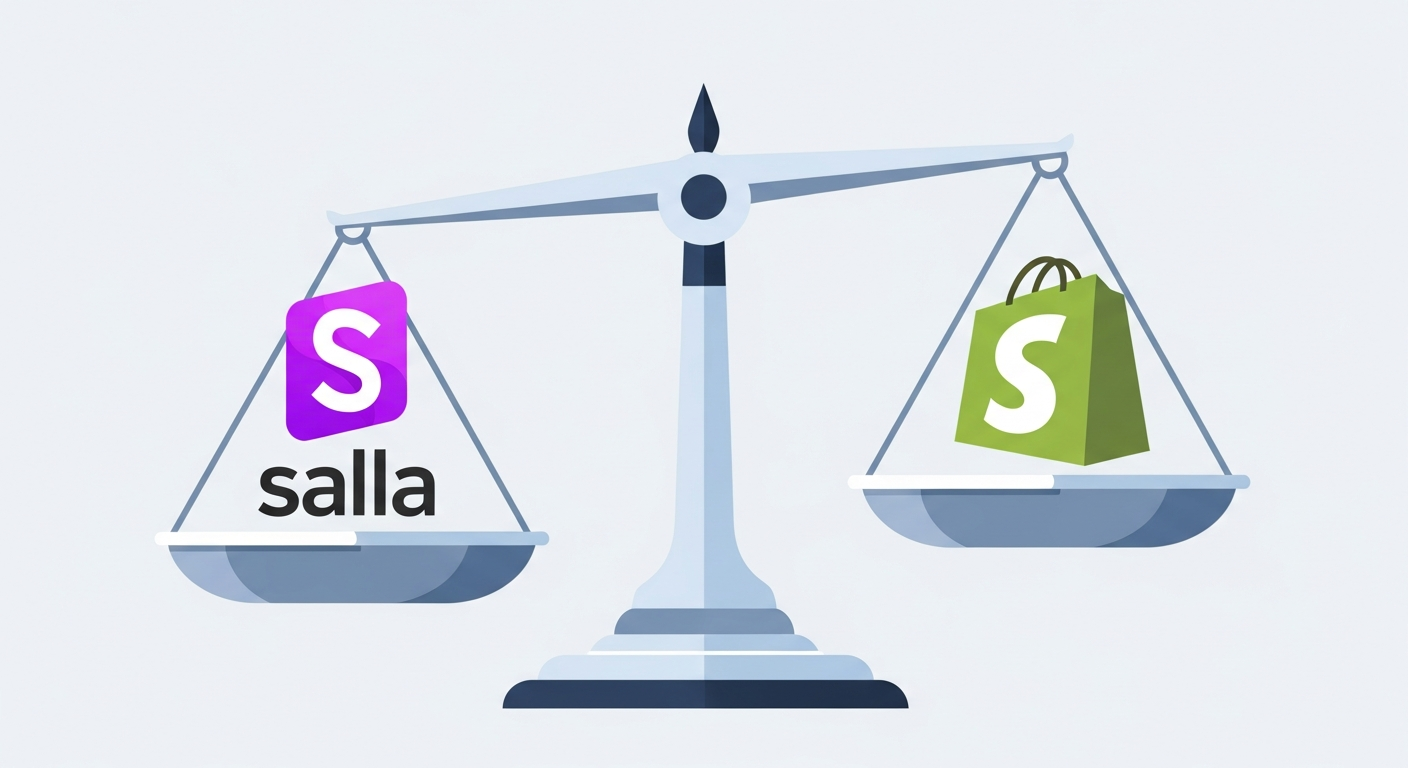
Salla and Zid are leading platforms in the Saudi and GCC markets, specifically designed to meet the needs of local merchants. Both platforms are characterized by offering integrated solutions in Arabic, supporting local currencies, and integrating with local payment gateways and shipping companies, making them an attractive choice for many entrepreneurs. On the other hand, Shopify stands out as a global giant providing immense flexibility and scalability, with a wide range of apps and features suitable for stores of all sizes worldwide. When comparing the costs of these platforms, we must consider not only subscription fees but also ease of use, technical support, and scalability.
In this section, we will detail the cost structure of each platform, focusing on aspects that directly impact the budget. We will examine different packages, transaction fees, app and theme costs, as well as any hidden fees that may arise. The goal is to provide a clear and comprehensive picture that helps store owners balance features and cost, choosing the platform that offers the best value for money. It is also important to consider the future needs of the store; what might be economical initially may not be so in the long run as the business grows and evolves. For more details on regional selection, you can read our article Shopify, Salla, or Zid: Which is Best for Your Gulf Store?.
The comparison process also includes an analysis of the quality of technical support and available educational resources, as good support can save a lot of time and money in solving technical issues or improving store performance. Furthermore, the ease of managing the store without requiring deep programming expertise is a crucial factor in the total cost, as relying on external developers can significantly increase costs. We will provide practical examples illustrating how these costs can accumulate and how store owners can make smart decisions to reduce expenses without sacrificing quality or efficiency.
1. Salla Platform Costs
Salla is an extremely popular choice in Saudi Arabia and the Gulf countries, thanks to its focus on the local market and offering integrated solutions in Arabic. Salla stands out for providing diverse packages starting from a free plan, making it an attractive option for nascent stores with limited budgets. The free plan offers the basics for creating a store, but it comes with limitations on the number of products and available features. As the store grows, business owners can upgrade to paid packages like 'Salla Plus' or 'Salla Pro' which offer more advanced features and greater sales support.
Regarding subscription fees, Salla offers three main packages: Basic (free), Plus (monthly cost), and Pro (higher monthly cost). These packages differ in the allowed number of products, staff, available reports, and marketing and automation features. For example, the Plus package offers features like connecting multiple shipping companies and advanced reports, while the Pro package adds features like abandoned carts and dedicated technical support. It is worth noting that Salla does not impose transaction fees on sales made through the store, which is a significant competitive advantage compared to some other platforms and contributes to increased profit margins for merchants.
As for payment gateway costs, Salla integrates with many local and international payment gateways, and applies standard processing fees imposed by service providers (e.g., Mada, Visa, MasterCard, Tabby, Tamara). These fees are usually a percentage of the transaction value plus a small fixed amount. Salla's app marketplace also offers a wide range of free and paid apps to enhance store functionalities, with prices varying depending on the app and its features. Store owners should consider these costs when planning their budget, keeping in mind that choosing annual packages usually provides a significant discount on the total cost.
2. Zid Platform Costs
Zid is another strong player in the Saudi and Gulf markets, offering solutions specifically designed to meet the needs of local merchants, with a strong focus on providing an easy user experience and excellent technical support in Arabic. Like Salla, Zid offers various subscription packages suitable for different store sizes, from basic plans to advanced plans that meet growth and expansion requirements. Zid is characterized by its deep integration with local shipping and payment systems, in addition to offering advanced marketing tools that help merchants reach their audience more effectively.
Zid's cost structure consists of monthly or annual subscription fees that vary depending on the chosen package. Zid offers packages such as 'Growth Plan', 'Professional Plan', and 'Business Plan', with each package providing a different set of features and limits on products and orders. For example, advanced plans offer a larger number of products, more comprehensive marketing features, priority technical support, and advanced integrations with inventory management or point-of-sale systems. Like Salla, Zid does not impose transaction fees on sales made through the store, making it an attractive economic choice for merchants expecting a large sales volume.
Regarding payment gateways, Zid integrates with all major payment gateways in the region, and transactions are subject to standard processing fees imposed by these gateways (e.g., Mada, Visa, MasterCard, Apple Pay). Zid's app marketplace also includes a variety of free and paid apps that can extend store functionalities, such as advanced inventory management tools, loyalty apps, or email marketing solutions. Store owners should carefully evaluate the apps they need, as the costs of these apps can add to the total cost. Choosing annual packages in Zid also provides a discount on subscription fees, helping to reduce operational costs in the long run.
3. Shopify Platform Costs
Shopify is one of the largest and most renowned e-commerce platforms globally, offering robust and scalable solutions suitable for all types of stores, from small businesses to large enterprises. What distinguishes Shopify is its immense flexibility, its vast app marketplace comprising thousands of integrations, and its ability to easily support international trade. However, these features often come with a more complex cost structure compared to local platforms like Salla and Zid, especially regarding transaction fees and app costs. Shopify remains an excellent choice for stores looking to expand globally or those requiring deep customizations.
Shopify offers several main subscription plans: Basic Shopify, Shopify, and Advanced Shopify. Each plan varies in its monthly price and available features. For example, higher plans offer features such as advanced reporting, third-party calculated shipping rates, and greater discounts on shipping fees. The most notable point in Shopify's cost structure is its transaction fees. If you do not use their proprietary payment gateway (Shopify Payments), Shopify charges additional transaction fees on every sale (ranging from 0.5% to 2% depending on the plan). These fees are added to the payment gateway fees imposed by the service provider (e.g., Visa, MasterCard, PayPal), which can significantly increase the total cost per sale.
Shopify's app marketplace is the largest and most diverse, offering solutions for every need you can imagine. However, the vast majority of these apps come with monthly subscriptions, and these costs can accumulate quickly if you need many add-ons. Also, paid themes on Shopify tend to be more expensive compared to other platforms. Although Shopify provides powerful customization tools, complex customizations may require hiring a developer, adding to the cost. Therefore, when choosing Shopify, store owners must be fully aware of these additional costs and plan their budget very carefully to ensure maximum utilization of the platform without exceeding the specified budget.
Practical Tips for Cost Reduction and Profitability Increase
After reviewing the different cost structures of Salla, Zid, and Shopify platforms, it becomes clear that smart expense management is key to the success of any e-commerce store. It is not just about choosing the cheapest platform, but also about adopting effective strategies to reduce long-term operating costs and increase profit margins. Every riyal saved in direct and indirect expenses can translate into increased profits or reinvestment in store growth, enhancing its competitive capability in the market. These practical tips will help you make the most of your budget.
Cost management requires a proactive approach and regular review of all expenditure items. It is essential to have a clear vision of everything you spend and be prepared to make necessary adjustments. For example, you might find that you are paying for apps or features you no longer use, or that there are free or lower-cost alternatives to meet the same need. Also, negotiating with suppliers and service providers and taking advantage of available discounts can make a significant difference. These strategies are not limited to the platforms themselves but extend to all aspects of e-commerce store operations, from shipping and marketing to customer service.
It is also important to remember that investing in certain aspects can lead to cost savings in the long run. For example, investing in a professional theme or an SEO app might seem expensive initially, but it can increase conversion rates and reduce the need for extensive paid advertising. The goal should be to strike a balance between cost and value, ensuring that every expense directly contributes to achieving business objectives. By implementing these tips, store owners can build sustainable and profitable e-commerce businesses.
1. Choosing the Right Package and Avoiding Unnecessary Features
The first and most crucial step in managing your e-commerce store's costs is to choose the appropriate platform subscription package from the outset. Store owners often tend to subscribe to higher-tier packages that offer a large number of features, believing they will provide greater flexibility. However, many of these features might be unnecessary for nascent or small stores, contributing only to increased monthly costs without adding real value in the initial stages. You should accurately assess your current and near-future store needs and start with the package that meets only these essential requirements.
For instance, if your store offers a limited number of products, there's no need to subscribe to a package that supports thousands of products. And if you don't plan to hire multiple staff members to manage the store, a package offering a large number of staff accounts will be a waste of money. With Salla and Zid, you can start with basic or even free packages in some cases, then gradually upgrade as your store grows and its needs increase. This flexibility allows you to keep initial costs low and focus resources on other more critical aspects like marketing and product development. The package selection process should be dynamic and subject to periodic review.
Remember that the goal is not just to reduce costs but to get the best value for money. Carefully compare the features offered by each package with its price, and consider how each feature contributes to your business goals. Do not hesitate to use the trial periods offered by some platforms to test different features before committing to a subscription. It is also important to take advantage of discounts offered by platforms for annual payments instead of monthly, as this can save you a significant percentage of the total cost over the year, enhancing the efficiency of your investment and supporting the sustainability of your store.
2. Leveraging Free Apps and Open-Source Alternatives
In the world of e-commerce, there are always alternative solutions that might not necessarily be paid. Instead of rushing to purchase every paid app that appears in the app marketplace, store owners should look for free apps that offer similar functionalities or open-source alternatives (if the platform allows) that can provide the same value at a lower cost or no cost at all. Many free apps, while they might not be as powerful as their paid counterparts, can be perfectly sufficient for small and medium-sized stores, helping to save significant amounts in the long run.
For example, instead of using a paid app for email campaign management, you can search for email marketing services that offer free plans for new users or for stores with small email lists. Similarly, some free analytics tools like Google Analytics can provide valuable insights into your store's performance without the need to subscribe to expensive paid analytics tools. The key here is to identify the core functionalities your store needs, then search for the most cost-effective solutions to meet those needs.
When evaluating apps, don't just look at the price, but also at the value the app provides and how easy it is to use and integrate with your platform. A free app might be more complex to set up, but it could save you money that you can invest in other aspects of your business. You should also be wary of accumulating monthly app subscriptions; regularly review all installed apps and ensure that each app adds real value to your store and justifies its cost. Canceling unused or unnecessary apps can lead to significant savings in monthly expenses.
3. Negotiating with Service Providers and Leveraging Discounts
Cost-saving opportunities do not stop at choosing the platform or applications but extend to all service providers associated with your e-commerce store. Smart negotiation with shipping companies, payment gateways, and even marketing service providers can make a significant difference in the total cost of your operations. Especially for stores with a large sales volume or expecting rapid growth, negotiating for better prices or more favorable terms can lead to substantial savings over the year.
For example, for shipping companies, you can negotiate for reduced shipping rates once your shipment volume reaches a certain threshold. Some companies offer special discounts for e-commerce stores that deal with them in large quantities. Similarly, payment gateways can offer you lower processing fees if you achieve a large monthly transaction volume. Do not hesitate to contact sales representatives of these companies and discuss the options available to you as a valuable customer. This process may require some effort and time, but the return on investment is often significant and rewarding.
In addition to negotiation, you should always look for discounts and promotional offers. Many platforms and service providers offer special deals for new subscribers or during certain seasons. Subscribing to their newsletters and following their social media pages can keep you informed of the latest offers. Also, paying annually instead of monthly for subscriptions often provides a significant discount. Do not hesitate to compare prices among several providers for the same service to get the best possible deal, ensuring maximum financial efficiency for your store.
Conclusion: Smart Investment for Your Store's Future
In conclusion, choosing the right e-commerce platform and smartly managing its costs is a pivotal decision that determines the success trajectory of your online store. In this article, we have reviewed the different cost structures of Salla, Zid, and Shopify platforms, focusing on subscription fees, transaction fees, app and theme costs, and other expenses that store owners must consider. Each platform has its strengths and weaknesses in terms of cost, and what suits one store may not suit another; the optimal choice heavily depends on your business size, product nature, target market, and future growth plans.
Investing in an e-commerce platform is not just about purchasing a service; it's an investment in your business's future. Therefore, the decision should be based on a comprehensive understanding of both visible and hidden costs, in addition to the value each platform offers in terms of features, support, and scalability. Do not hesitate to spend enough time researching and comparing, and perhaps trying free plans or trial periods before committing. And remember that initial cost is not the only factor; long-term operational costs and the platform's efficiency in supporting your sales growth are what determine the true return on your investment.
By applying the practical tips we've provided, such as choosing the right package, leveraging free apps, and negotiating with service providers, you can significantly reduce your operational expenses and improve your store's profitability. Remember that the goal is to achieve the optimal balance between cost and value, ensuring that every riyal you spend contributes to achieving your business objectives. With careful planning and prudent financial management, you can build a successful and sustainable e-commerce store that thrives in today's competitive digital landscape.