


Introduction: The Key to Dropshipping Success in the Arab Market
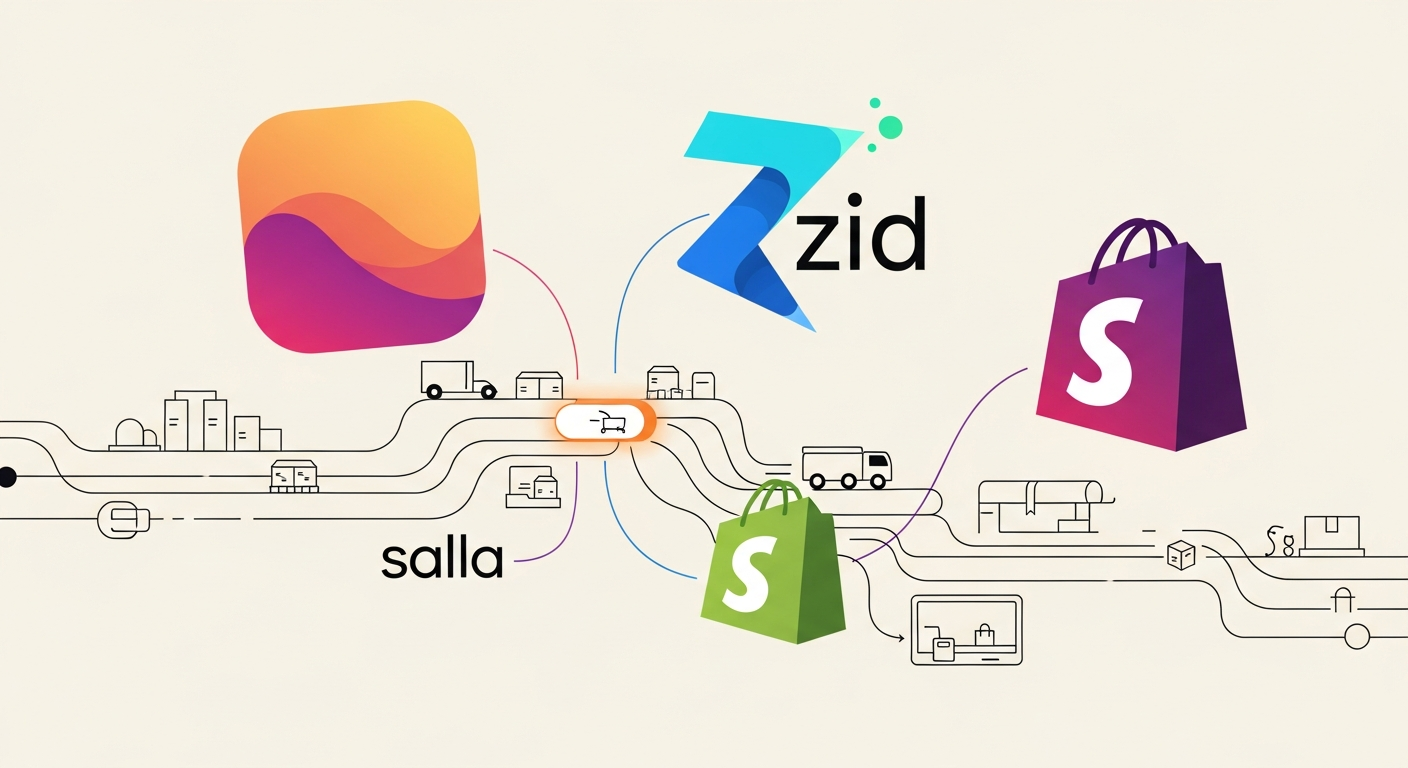
In the rapidly evolving world of e-commerce, dropshipping stands out as an attractive business model that allows entrepreneurs to launch their online stores with minimal capital, without the need for inventory management or complex shipping operations. As this model gains popularity in the Arab market, especially with the emergence of powerful platforms like Salla, Zid, and Shopify that facilitate the creation of digital stores, choosing the right suppliers has become the backbone of any successful dropshipping venture. Failure to select a reliable supplier can lead to severe consequences, ranging from shipping delays and damaged products to a poor customer experience, thereby undermining the store's reputation and its chances for long-term growth and profitability.
The role of a good supplier is not limited to merely providing products; it extends to other vital aspects such as product quality, responsiveness, packaging accuracy, and shipping efficiency. In a competitive environment like the Saudi and GCC markets, where consumer awareness and expectations are growing, excelling in these aspects becomes indispensable. Therefore, this article serves as a comprehensive guide for store owners on Salla, Zid, and Shopify platforms, reviewing the most important criteria and practical tips for selecting the best dropshipping suppliers who can support their business growth and ensure customer satisfaction, thus overcoming common challenges and capitalizing on opportunities in this vital sector.
What is Dropshipping and Why is Supplier Selection Critical?
Dropshipping is a retail fulfillment method where a store doesn't keep the products it sells in stock. Instead, when a customer places an order, the retailer purchases the item from a third-party supplier (the dropshipper), who then ships the product directly to the customer. This model eliminates the need for significant inventory investment, reduces the risks associated with unsold products, and allows store owners to offer a wide range of products without bearing substantial logistical burdens. It provides immense flexibility and lowers the barriers to entry into the e-commerce world, making it an attractive option for many aspiring entrepreneurs.
The critical importance of supplier selection lies in the fact that they represent the backend of your store and are directly responsible for every stage of order fulfillment after the sale. Product quality, shipping speed, packaging accuracy, and even after-sales service are all factors that heavily depend on the supplier's efficiency and reliability. If a supplier is slow in shipping, provides low-quality products, or delays processing returns, these issues directly reflect negatively on your store and reputation. Customers will not differentiate between your store and the supplier; any problem will be attributed directly to you, impacting their trust and loyalty to your brand.
Furthermore, the supplier determines the profit margin you will make from each sale. Obtaining competitive prices from the supplier allows you to set attractive selling prices for customers while maintaining a healthy profit margin. A good supplier also provides accurate inventory information and real-time updates, preventing you from selling out-of-stock products and improving the customer experience. Ultimately, the supplier is a strategic partner in the success of your dropshipping business, and choosing the right partner can be the difference between a thriving store and one plagued with constant issues. You can delve deeper into this topic by reading our comprehensive guide to dropshipping on Salla and Zid.
Dropshipping Challenges in the Arab Market
Dropshipping in the Arab market faces a unique set of challenges that require store owners to understand and address them intelligently, especially when selecting suppliers. Among the most prominent challenges are shipping and logistics issues; the shipping infrastructure may not be as efficient in all parts of the Middle East and North Africa compared to Western markets, which can lead to delivery delays and higher shipping costs. Additionally, customs regulations and taxes vary between Arab countries, requiring both local and international suppliers to understand these differences to avoid any obstacles that may affect the final customer experience and increase product costs.
Another challenge is the prevalence of Cash on Delivery (COD) culture in many Arab countries, where consumers prefer to inspect the product before payment. This method adds complexity to dropshipping and requires suppliers to be able to handle this process efficiently, including managing returns if the customer refuses to accept the product. This demands high coordination between the store, supplier, and shipping company to ensure smooth operations and minimize losses. Furthermore, Arabic language customer support is a crucial factor; if the supplier is foreign, there might be a language and cultural barrier in communication and problem-solving, negatively impacting the speed and efficiency of the customer service your store provides.
To overcome these challenges, selecting suppliers with experience in the Arab market, or those with a strong logistics network and partnerships with local shipping companies, becomes paramount. The supplier must be able to offer diverse payment options, including COD if appropriate for your target audience. Also, seeking out suppliers who provide Arabic-speaking customer service or have a dedicated support team in the region can save you a lot of effort and trouble. This attention to detail ensures that your store on platforms like Salla, Zid, and Shopify can offer a seamless and reliable shopping experience to its customers in the Arab market, enhancing its chances of success and growth in this promising market.
Product Quality and Reliability
Product quality is the foundation upon which your store's reputation and customer loyalty are built. In the dropshipping model, where you do not physically handle products before they reach the customer, reliance on the supplier in this aspect becomes critical. You must ensure that the products provided by the supplier match the description and images displayed in your store, and that they are free from manufacturing defects or damage due to poor storage or shipping. High-quality products not only reduce return and exchange rates but also contribute to building customer trust and encouraging repeat purchases and recommendations to others, thereby enhancing your competitive position in the market and ensuring sustainable growth for your business.
To assess product quality and supplier reliability, it is always recommended to request samples of your best-selling products or those you plan to sell. Carefully inspect these samples to ensure they match the advertised specifications and overall quality. You can also research other suppliers' online reviews and read customer feedback for the products they sell. A supplier with a good reputation for providing high-quality products and offering guarantees on their products is a supplier worthy of your trust. Remember that investing in quality is an investment in the future of your store on platforms like Salla, Zid, and Shopify, as quality-related issues can cost you a lot of time, money, and effort in resolving customer complaints.
In addition to the product quality itself, reliability includes the supplier's ability to maintain adequate inventory levels and update them regularly to avoid unexpected stockouts. The supplier must be able to fulfill large and small orders efficiently and without delay, and have a robust quality management system that includes inspecting products before shipment. A supplier who provides full transparency regarding their quality operations and responds quickly to any quality-related inquiries or problems is a valuable partner. Building a long-term relationship with a reliable supplier ensures the continuous provision of good products and peace of mind, allowing you to focus on marketing and growing your business.
Shipping Speed and Delivery
Shipping speed and delivery are among the most crucial factors affecting customer satisfaction in e-commerce, especially in the dropshipping model. In today's world, customers expect to receive their orders as quickly as possible, and any delay can lead to frustration and possibly order cancellation or failure to return to the store. Therefore, the supplier must be able to process and ship orders quickly and efficiently. This includes not only the actual shipping time but also the time taken to prepare and package the order after receiving it from your store. A supplier with organized and well-controlled logistics operations can provide a significant competitive advantage for your store, ensuring products reach customers on or before time.
When choosing a supplier, look for those who offer multiple shipping options that suit your customers' needs and budget. This can include express shipping and economy shipping, with clear differences in cost and time for each option. It is very important for the supplier to provide tracking numbers for orders, so that you and your customers can monitor the shipment status in real-time. Transparency in the shipping process builds trust and reduces the number of inquiries related to order status. In the Arab market, where delivery times can vary significantly between cities and regions, it is preferable to deal with suppliers who have experience in shipping to these areas and have strong partnerships with reliable local shipping companies. You can benefit from our shipping companies guide to choose the best for your store on Salla, Zid, and Shopify.
Furthermore, shipping speed is not limited to transit time only, but also includes the supplier's efficiency in dealing with any issues that may arise during the shipping process, such as lost or damaged products. A supplier who responds quickly to these issues and provides effective solutions minimizes the negative impact on your customers. Carefully evaluate the supplier's shipping and return policies before committing to them, and ensure they align with your store's policies. Remember that customers value speed and reliability, and providing an excellent shipping experience can be a decisive factor in distinguishing your store on platforms like Salla, Zid, and Shopify and attracting more satisfied customers.
Customer Support and Communication
Effective customer support and clear, consistent communication with your supplier are cornerstones of any successful dropshipping relationship. In this business model, the supplier acts as a fundamental partner, and your ability to provide excellent customer service to your own customers largely depends on your supplier's responsiveness and support. The supplier must be available to answer your inquiries regarding products, inventory, shipping, or any other issues that may arise, and provide quick and effective solutions. A supplier who delays responses or ignores inquiries can hinder your ability to resolve customer issues in a timely manner, negatively impacting your store's reputation and leading to customer loss.
Look for a supplier who offers multiple communication channels, such as email, phone, or live chat, and has a dedicated support team for businesses. It is also important that their support team is fully knowledgeable about their products and processes and is capable of providing assistance in your preferred language (such as Arabic in the Arab market). Before committing to a supplier, test their response speed and quality of support by sending some test inquiries. Note how quickly they respond and how clear and comprehensive their answers are. This simple test can give you a good idea of the level of support you will receive when needed.
In addition to problem-solving, good communication plays a significant role in building a strong and long-term relationship with your supplier. A supplier who proactively provides updates about inventory, new products, or any changes in shipping policies helps you make informed decisions and update your store regularly. Be clear about your expectations and needs, and maintain open and honest communication channels. A relationship built on trust and effective communication with your supplier will positively reflect on your store's operational efficiency and contribute to providing an excellent experience for your customers on platforms like Salla, Zid, and Shopify, enhancing your chances of success and growth in the e-commerce market.
Pricing and Profitability
Pricing and profitability are among the most critical considerations when choosing a dropshipping supplier, as they directly impact the sustainability and success of your business. You must balance obtaining competitive product prices from the supplier with maintaining product quality and shipping speed. Prices that are too low may sometimes indicate poor quality, while prices that are too high may make it difficult to achieve a good profit margin or compete in the market. Your goal is to find a supplier who offers prices that allow you to set an attractive selling price for customers while maintaining a healthy profit margin after covering product costs, shipping, and any other platform-related fees for Salla, Zid, and Shopify.
When evaluating supplier pricing, do not focus solely on the basic product price. You must consider all potential hidden costs, such as shipping fees (which may vary by weight, size, and destination), packaging fees, processing fees, and any taxes or customs duties. Some suppliers may offer low product prices but charge high shipping fees, ultimately reducing your profitability. Always request a detailed quote that includes all costs so you can accurately calculate your gross profit margin. Compare quotes from several different suppliers to get the best deal, but do not compromise on quality or reliability solely for a lower price.
In addition to fixed prices, inquire about the possibility of obtaining bulk discounts or loyalty programs for frequent buyers. You may be able to negotiate better terms with suppliers as your business grows and your order volume increases. Remember that building a good relationship with a supplier can open doors to better pricing opportunities in the future. It is also essential to be aware of the average market prices for the products you sell to ensure your prices are competitive. Achieving the right balance between pricing, quality, and supplier support is key to ensuring sustainable profitability for your store on e-commerce platforms like Salla, Zid, and Shopify.
Supplier Integration with E-commerce Platforms (Salla, Zid, Shopify)
In the digital commerce era, seamless integration between your dropshipping supplier and your e-commerce platform (Salla, Zid, Shopify) is a crucial factor for achieving operational efficiency and saving time and effort. Good integration allows for the automation of many routine tasks, such as importing products, updating inventory levels, synchronizing orders, and tracking shipments. When a supplier is effectively integrated with your store's platform, orders can automatically transfer from your store to the supplier as soon as they are placed by the customer, significantly reducing manual errors and accelerating the fulfillment process. This type of integration is essential for stores aiming for growth and expansion without increasing administrative burdens.
Look for suppliers who offer ready-made integration solutions (APIs) or have dedicated applications that can be directly linked to platforms like Shopify, which is known for its flexibility and ability to accommodate numerous add-on applications. For platforms like Salla and Zid, these integrations might sometimes require custom solutions or the use of intermediate tools, so it's important to inquire with the supplier about their experience integrating with these specific platforms. A supplier who provides product data feeds that can be easily updated on your store, or allows for real-time inventory synchronization, will give you a significant competitive advantage and prevent you from selling out-of-stock products, thereby improving the customer experience.
If direct integration is not available, assess the ease of manual management. Does the supplier provide a user-friendly interface for order management? Can products be easily imported and exported via CSV or Excel files? Even if you start with manual management, considering future automation possibilities as your store grows is crucial. A supplier who invests in technology and provides tools that make it easier for merchants to manage their businesses is a partner worth considering. To determine the most suitable platform for your store, it might be beneficial to review the article Salla, Zid, and Shopify: Which is Best for Your Store?, which can help you better understand the available integration options.
Local Suppliers (within Saudi Arabia/GCC)
Partnering with local suppliers within Saudi Arabia or other GCC countries is an excellent strategic choice for dropshipping store owners on Salla, Zid, and Shopify platforms, for several fundamental reasons. First, collaboration with a local supplier ensures unparalleled shipping and delivery speed, with customers often receiving their orders within a few days, or even the same day in major cities. This speed meets consumer expectations in the region and significantly contributes to enhancing customer satisfaction and building strong loyalty for your store. Additionally, local suppliers often have a deeper understanding of the local culture and consumer preferences, enabling them to provide products that better suit the target market.
Second, communication with local suppliers is significantly easier. They typically speak Arabic and are available in the same time zone, which reduces language and cultural barriers and speeds up the resolution of any issues that may arise. This effective communication contributes to building strong and productive working relationships. Furthermore, returns and exchanges are often smoother with local suppliers, as logistics costs are lower and procedures are simpler compared to dealing with international suppliers. This reduces financial risks for your store and improves the customer experience if a product needs to be returned or exchanged.
To find local suppliers, you can search local business directories, attend industry exhibitions, or directly contact manufacturers and wholesalers in the region. Many local suppliers may not have a significant online presence, so it might require some research and initiative. Platforms like Salla and Zid, which focus on the local market, may also provide tools or lists of integrated local suppliers. When choosing a local supplier, be sure to evaluate their capacity to handle order volume, product quality, and responsiveness. Investing in a relationship with a reliable local supplier can be key to significant success for your store in the Arab market.
International Suppliers (e.g., AliExpress, CJ Dropshipping)
International suppliers, such as AliExpress and CJ Dropshipping, are a popular option for dropshipping store owners on Salla, Zid, and Shopify platforms, especially for beginners or those seeking a wide variety of products and competitive prices. These platforms offer millions of products across various categories, giving you immense flexibility in choosing the products you want to sell and expanding your store's range to include diverse interests. Prices are often very low, allowing you to achieve good profit margins if you can efficiently manage shipping costs. This advantage makes them very attractive to store owners who want to test new markets and products with minimal risk.
However, dealing with international suppliers comes with a set of challenges that store owners must consider. The biggest challenge is long shipping times, which can range from two weeks to several weeks, especially when shipping from Asia to GCC countries. This can negatively impact customer satisfaction, as customers expect fast delivery. Additionally, you may encounter quality issues, as quality standards can vary among suppliers, and it may be difficult to inspect products before shipment. Dealing with customs regulations and taxes in the customer's country can also be complex and requires a good understanding of local laws, potentially leading to delays or additional costs.
To overcome these challenges, store owners must be strategic in their product and supplier selection. Choose products that do not have an easy local alternative or offer unique value. Look for suppliers on these platforms who have high ratings and a proven track record of positive dealings. Use ePacket shipping options if available, or opt for faster shipping companies even if they are more expensive, and offer these options to your customers transparently. Establish clear return and refund policies, and be prepared to handle customer complaints due to delays or quality. Despite the challenges, international suppliers can open doors to profitable markets and products if managed wisely and strategically on Salla, Zid, and Shopify platforms.
Research and Initial Evaluation
The journey of selecting the optimal dropshipping supplier begins with comprehensive research and initial evaluation of available options. Don't settle for just one supplier; explore several potential suppliers through search engines, specialized dropshipping supplier directories, e-commerce forums and groups, and even social networks. Look for suppliers who specialize in the products you intend to sell and ensure they have experience shipping to your target regions, especially GCC countries if you are using platforms like Salla and Zid. Create a shortlist of suppliers who seem promising based on product availability, initial pricing, and stated shipping terms.
After compiling your initial list, move to a deeper evaluation phase. Visit the suppliers' websites, examine their product catalogs, and review their shipping and return policies. Look for any information regarding minimum order quantity (MOQ), shipping costs, and payment options. It is essential to read customer reviews and ratings for suppliers on platforms they deal with, such as Shopify or major dropshipping marketplaces. Pay close attention to comments regarding product quality, shipping speed, and customer service efficiency. These reviews can provide valuable insights into other merchants' experiences and help you narrow down your choices.
Next, directly contact the suppliers who have passed these stages. Send them detailed inquiries about products, pricing terms, shipping processes, and customer support. Note their response speed, clarity of answers, and professionalism in handling your queries. A supplier who responds quickly and provides clear, transparent information is a good indicator of the quality of customer service you will receive. This step is crucial for building trust and ensuring you are dealing with a reliable partner for your store on Salla, Zid, or Shopify.
Requesting Samples and Quality Testing
After narrowing down your options and selecting a few promising potential suppliers, the most critical step comes: requesting product samples and testing their quality. This step is indispensable in the dropshipping model, as you cannot see or touch the products before they reach your customers. Requesting samples gives you the opportunity to evaluate the product yourself, ensuring it matches the description and images displayed in your store, and that it meets your expectations in terms of quality and durability. This direct experience significantly reduces the risks of selling low-quality or non-conforming products, which can lead to customer complaints and high return rates.
Upon receiving the samples, inspect them thoroughly. Pay attention to small details such as the quality of materials used, manufacturing precision, packaging, and any additional accessories. Does the product function as expected? Are there any obvious defects? In addition to the product quality itself, evaluate the shipping experience from the supplier. Did the sample arrive within the expected time? Was the packaging secure enough to protect the product during transit? This experience mimics what your customers will go through and will give you valuable insights into the supplier's efficiency in handling orders and shipping. You might also want to test several products from the same supplier to ensure consistency in quality across their range.
Do not hesitate to request samples from more than one supplier for the same or similar products for comparison. This will help you make an informed decision based on actual experience. If the samples do not meet your expectations, do not be afraid to look for another supplier. Remember that product quality is a reflection of your brand, and investing in this preventive step will save you a lot of trouble in the long run. Once you find a supplier who offers satisfactory samples, you will have laid a strong foundation for your store on platforms like Salla, Zid, and Shopify, ensuring that the products you sell will delight your customers and enhance your store's reputation.
Building a Strong Relationship with the Supplier
After choosing the most suitable supplier for your store on Salla, Zid, and Shopify platforms, the task doesn't end there. Instead, the stage of building a strong and sustainable relationship with them begins, which is crucial for the long-term success of your dropshipping business. A supplier is not just a product provider; they are a strategic partner in your success. A good relationship with a supplier means effective and transparent communication, where you can discuss challenges, seek solutions, and even negotiate better terms as your business volume grows. Be clear about your expectations, provide constructive feedback on products and services, and ensure timely payments to build trust and credibility.
A supplier who feels valued and collaborated with will be more willing to offer you additional support, whether through providing new products before their public release, offering special discounts, or even helping resolve complex issues more quickly. Maintain open and regular lines of communication, and be proactive in expressing any concerns or changes in your store's needs. In some cases, the supplier may provide you with valuable information about market trends or best-selling products, helping you make better marketing and inventory decisions. Efficient inventory management is one aspect that requires close coordination with the supplier, and you can learn more about this topic through our guide to improving inventory management in your Salla and Zid store.
Consider your supplier as part of your team, and strive for a win-win situation. This means not only focusing on what you can get from them but also how you can be a good partner. For example, if there is a shipping delay due to circumstances beyond the supplier's control, be understanding and cooperate with them in informing customers and mitigating the situation. Building strong relationships with suppliers takes time and effort, but it is an investment that yields significant benefits for your store in terms of efficiency, problem reduction, and increased profitability. This excellent relationship can be a real competitive advantage for your store in the crowded dropshipping market.
Conclusion: Successful Dropshipping Starts with the Right Supplier
In conclusion, it is clear that choosing a dropshipping supplier is not merely a procedural step, but a pivotal strategic decision that determines the success trajectory of your e-commerce store on platforms like Salla, Zid, and Shopify. Throughout this article, we have reviewed the most important criteria to consider, starting from product quality and supplier reliability, moving through shipping speed and delivery, and concluding with effective customer support and communication. All these factors combine to shape the final customer experience, which is the primary driver for the growth of any business in today's e-commerce world. Failure to appreciate the importance of these criteria can lead to wasted time, effort, and money, while the right choice opens wide doors to profitability and sustainable growth.
Remember that the Arab market, with its unique specificities and challenges, requires a thoughtful approach when selecting suppliers. Whether you choose to deal with local suppliers to ensure speed and cultural understanding, or international suppliers to benefit from variety and competitive prices, the key lies in thorough research, comprehensive evaluation, and not hesitating to test the quality yourself before committing. Building a strong and open relationship with your suppliers, and treating them as partners, will ensure you receive the best possible support and help you overcome any obstacles that may arise along the way, enhancing your store's ability to compete effectively.
Therefore, invest your time and effort in this crucial stage. Do not rush into making a decision, and be prepared to adjust and adapt as your business grows. Reliable suppliers are the cornerstone upon which customer trust is built, and it is this trust that drives them to return again and recommend your store to others. By achieving the right balance between quality, price, and service, you will be able to build a thriving dropshipping store on Salla, Zid, and Shopify, capable of achieving its goals and succeeding in this promising field.