


E-commerce has witnessed tremendous growth in recent years, and dropshipping has emerged as one of the most attractive and profitable business models for many, especially in the Middle East and North Africa region. This model allows beginners and entrepreneurs alike to launch their online businesses with minimal capital and limited risk, as it does not require them to hold any inventory or manage shipping operations themselves. This liberation from traditional logistical burdens opens doors for greater focus on marketing and customer service, which are crucial elements for building a successful brand in the rapidly expanding e-commerce world.
As dropshipping gains popularity, the biggest challenge for entrepreneurs is choosing the right platform to host their online store and provide them with the necessary tools for success. In the Arab market, two main platforms stand out, competing to attract merchants: Salla and Shopify. Both offer robust solutions for creating stores, but they differ in their features, costs, and suitability for local market needs. This comprehensive article will delve into the details of each platform, providing a detailed comparison to help you make the best decision for your dropshipping store, considering the specifics and requirements of the Arab market.
What is Dropshipping? The Product's Journey from Supplier to Customer
Dropshipping is a business model that allows you to sell products to your customers without having to hold inventory yourself. When a customer places an order from your online store, you purchase the product from a third party (usually a supplier, manufacturer, or wholesaler), and then that third party ships the product directly to the customer. Simply put, you act as a middleman between the customer and the supplier, earning the difference between the selling price you set in your store and the purchase price from the supplier.
This method is ideal for small and startup businesses, as it significantly reduces the financial risks associated with purchasing large quantities of inventory that may not sell. It also offers tremendous flexibility to experiment with a wide range of products and niches without committing significant capital. The core idea is to focus on marketing and attracting customers, while other parties handle storage and shipping responsibilities, freeing you to concentrate on growth strategies and reaching a broader segment of shoppers.
Success in dropshipping requires a deep understanding of the target market, selecting high-demand products, and building strong relationships with reliable suppliers. It also demands effective marketing strategies to attract customers to your online store and providing excellent customer service to build trust and loyalty. In this context, the platform you choose to build your store plays a crucial role in simplifying these processes and providing the necessary tools to achieve your business goals, whether it's a local platform like Zid and Salla or a global one like Shopify.
Dropshipping in the Arab World: Opportunities and Challenges
The Arab world is experiencing an unprecedented digital boom, with a steadily increasing number of internet and smartphone users, creating a fertile environment for e-commerce to flourish, including the dropshipping model. Arab youth represent a large segment of consumers who are turning to online shopping for its convenience and the variety of available products. This cultural shift in purchasing habits, along with developments in logistics infrastructure and electronic payment gateways, opens wide horizons for Arab entrepreneurs wishing to enter this field.
The Arab region has unique characteristics that dropshipping merchants must consider, such as the importance of the Arabic language in marketing and customer service, the preference for cash-on-delivery in some markets, and logistical challenges related to shipping to remote areas or across borders. Building trust with Arab consumers often requires providing high-quality content and a professional store design, in addition to meeting expectations regarding product quality and delivery speed. Therefore, choosing a platform that supports these characteristics and provides solutions compatible with the local environment is a crucial success factor.
In this environment, platforms like Salla and Zid stand out as local solutions specifically designed to meet the needs of the Saudi and Gulf markets in general, with strong support for the Arabic language, local payment options, and shipping. In contrast, Shopify offers world-class solutions that can be adapted to suit the Arab market, but it may require additional effort to fully customize it to meet local needs. Understanding these nuances is key to making an informed decision that ensures your online store's ability to compete and grow in this promising market. You can refer to our guide to increasing conversion for more secrets for your online store.
Platform Evaluation: Salla and Shopify for Dropshipping
When it comes to starting a dropshipping store, choosing the right platform is one of the most important decisions you will make. Both Salla and Shopify offer powerful solutions, but each has strengths and weaknesses that vary depending on the merchant's needs and target market. Here, we will evaluate each platform individually, focusing on the pros and cons that concern dropshipping entrepreneurs in the Arab world.
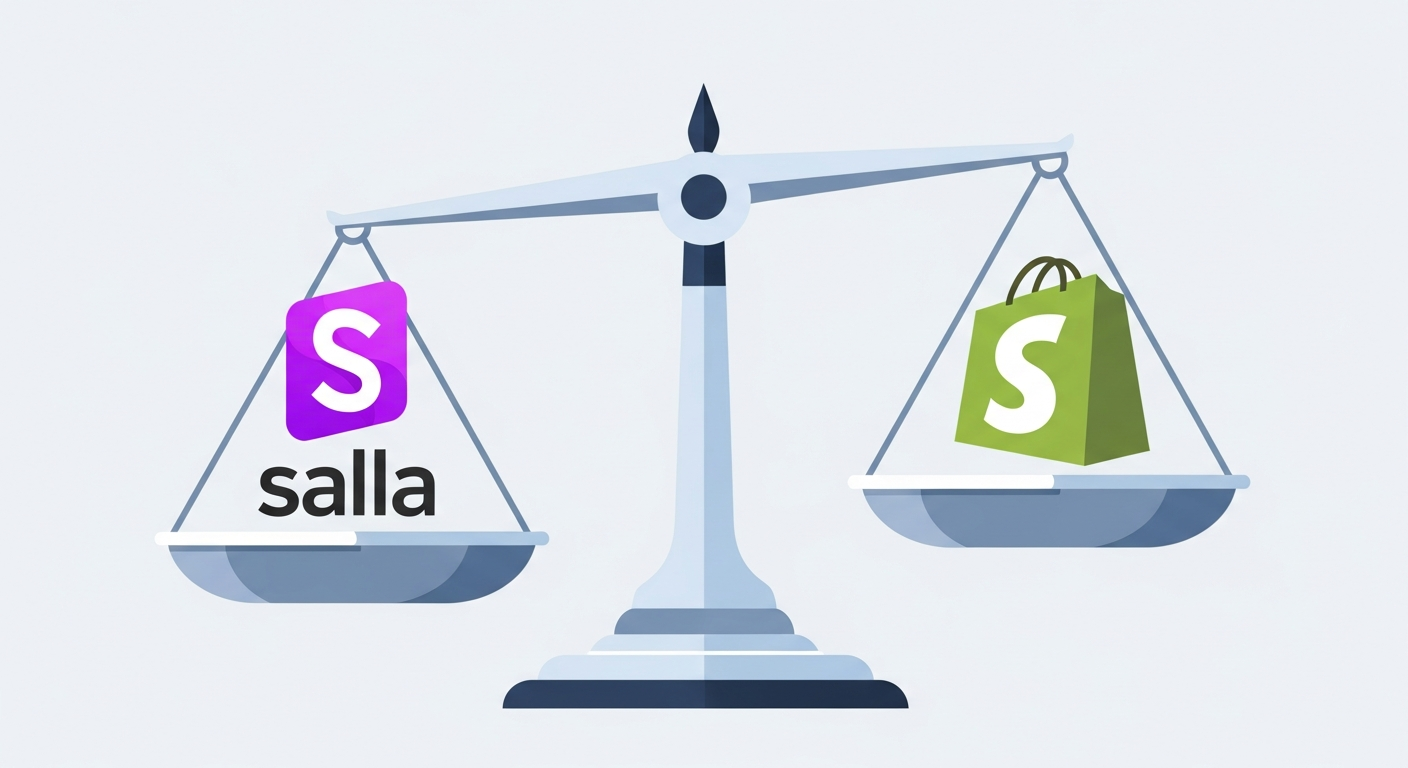
Salla is a particularly popular choice among merchants in Saudi Arabia and Gulf countries, thanks to its strong focus on meeting local market requirements. On the other hand, Shopify remains the global giant in e-commerce, offering unparalleled flexibility and scalability, making it an attractive option for those aspiring to expand globally. Understanding the fundamental differences between these two platforms will help you determine which one aligns best with your vision and business goals in dropshipping.
Regardless of the platform you choose, the success of a dropshipping store largely depends on other factors such as product selection, marketing strategies, and customer service. However, the right platform can greatly simplify these processes and provide you with the necessary tools for growth. Therefore, it is essential to carefully evaluate each platform based on your specific business plan, budget, and target audience. You might find that combining some platform features or using them complementarily could also be a successful strategy.
Advantages of Salla for Dropshipping
Salla boasts a set of advantages that make it an excellent choice for dropshipping merchants in the Arab region. First and foremost, Salla is specifically designed to meet the needs of the Saudi and Gulf markets. This means it offers full support for the Arabic language, whether in the user interface, control panel, or even in store templates. This linguistic customization makes it easier for Arab merchants to manage their stores and allows them to communicate effectively with their customers in their native language, enhancing the user experience and increasing conversion probability.
Secondly, Salla features seamless integration with local payment and shipping solutions. The platform supports a wide range of popular payment gateways in the region such as Mada, Apple Pay, and several cash-on-delivery options, which is a preferred choice for many Arab shoppers. Regarding shipping, Salla provides ready-made integrations with leading local shipping companies like Aramex, SMSA, and Saudi Post, making it easier for dropshipping merchants to manage delivery operations efficiently and at reasonable costs. These integrations reduce logistical complexities and provide reliable solutions that meet local customer expectations.
Thirdly, Salla is known for its extreme ease of use. Beginners with no prior e-commerce experience can set up a professional store in a very short time without needing coding skills. Its intuitive interface and simplified control panel make the process of adding products, managing orders, and customizing the store easy and straightforward. Additionally, Salla offers technical support in Arabic, comprehensive educational materials, and community forums that help merchants solve problems and make the most of the platform, reducing the learning curve and accelerating the launch process.
Disadvantages of Salla for Dropshipping
Despite its many advantages, Salla has some drawbacks that may affect some dropshipping merchants, especially those who aspire to expand beyond the local market. One of the most prominent disadvantages is the limited customization compared to global platforms like Shopify. While Salla provides ready-made templates and design flexibility, the available options may not always meet the needs of brands that require a highly unique design or very advanced functionalities. This limitation may restrict the store's ability to stand out visually or add custom features not available within the platform's default settings.
Secondly, Salla may be less flexible regarding integration with global dropshipping applications and international suppliers. While the platform offers some dropshipping solutions, the number of available applications in Salla's app store might be less diverse compared to Shopify, especially concerning applications that help automate dropshipping operations with suppliers from outside the region. This might require the merchant to seek alternative solutions or perform some tasks manually, which could increase the effort and time required to manage the store, especially as operations grow.
Thirdly, although it is an excellent choice for the local market, Salla's focus on the Arab market might make it less suitable for global expansion. If your future plan involves targeting customers outside the MENA region, you might find that Salla does not provide the same level of support for multiple languages, international currencies, or global payment gateways that other platforms offer. This does not mean expansion is impossible, but it may require greater effort to adapt the store to international requirements, which might lead some merchants to consider other options that offer greater flexibility for global expansion from the outset.
Advantages of Shopify for Dropshipping
Shopify is undoubtedly one of the most powerful and popular e-commerce platforms globally, offering tremendous advantages for dropshipping merchants. First, Shopify features a massive and diverse app store with thousands of apps and extensions covering every aspect of e-commerce, including dropshipping. Apps like Oberlo, DSers, and Spocket significantly facilitate product research, import to the store, and automated order processing with global suppliers. This vast variety of apps gives merchants unparalleled ability to customize their stores and extend their functionalities to suit any business model or need.
Secondly, Shopify offers unlimited flexibility in design and customization. Dropshipping merchants can choose from a wide range of professional paid and free templates, and fully customize them to match their brand identity. Additionally, the platform allows developers access to the store's code, opening the door for highly advanced customizations and unique designs. This flexibility makes Shopify ideal for brands seeking to build a distinctive and memorable shopping experience for their customers, which is vital in the competitive dropshipping market.
Thirdly, Shopify is known for its exceptional scalability. Whether you are starting a small store or planning to grow your business into a global brand, Shopify can adapt to your needs. The platform supports millions of products and orders, and provides a robust and reliable infrastructure that ensures your store's stability even during peak times. It also supports multiple languages, international currencies, and global payment gateways, making it easier for dropshipping merchants to target multiple markets around the world without having to change platforms. This makes Shopify a strategic choice for businesses with global ambitions.
Disadvantages of Shopify for Dropshipping
Despite its strength and numerous advantages, Shopify has some drawbacks that may be significant for dropshipping merchants, especially in the context of the Arab market. First, Shopify's cost is generally higher compared to local platforms like Salla. In addition to monthly subscription fees, Shopify imposes transaction fees on every sale if you don't use Shopify Payments, which may not be available in all Arab countries or support all preferred local payment methods. Furthermore, many essential dropshipping apps and extensions in the app store are paid, which increases the total operational costs of the store.
Secondly, some Arab merchants may find it challenging to fully adapt Shopify to the specificities of the local market. While Shopify supports Arabic, some templates may not be fully optimized for right-to-left (RTL) display, and it may require some coding adjustments to ensure a smooth user experience in Arabic. Additionally, integration with local shipping companies or local payment gateways may not be as easy and comprehensive as provided by platforms specifically designed for the region, which may require seeking external solutions or additional applications.
Thirdly, Shopify's learning curve may be steeper for beginners without a background in e-commerce or design. With so many options and customizations available, some may feel overwhelmed initially. Although excellent technical support is available, Arabic language support may not be as readily available or immediate as it is with local platforms. This requires the merchant to be prepared to invest time and effort in learning how to use the platform effectively, or to hire developers for help with advanced setup and customizations.
In-depth Comparison: Choosing the Right Platform for Your Business
After reviewing the advantages and disadvantages of both Salla and Shopify, it's time for an in-depth comparison to help you make an informed decision. Choosing the most suitable platform for your dropshipping store heavily depends on your business goals, budget, technical expertise, and target audience. There isn't a one-size-fits-all answer; what works for one store may not be suitable for another. Let's cover some crucial points to consider.
It's important to look at the big picture and not just focus on initial costs. Hidden costs, such as additional app fees or unexpected shipping expenses, can significantly impact your profit margin. Additionally, you should consider the platform's scalability as your business grows, and whether it will provide you with the necessary tools to handle increased orders or expand into new markets. These questions will help you evaluate the true value of each platform in the long run.
Remember that choosing a platform is not a final, irreversible decision; some merchants start with one platform and then switch to another as their business evolves. However, starting with the right platform can save you a lot of time, effort, and costs in the future. So, invest enough time in research and planning, and try out free trial versions of the platforms if possible, to see which one fits your working style and achieves the best results. You can read our SEO guide to rank higher on Google with either platform.
Ease of Use and Setup
Ease of use is a critical factor, especially for beginners in the world of e-commerce and dropshipping. Here, Salla clearly excels due to its intuitive interface specifically designed for Arab users. The process of creating a store, adding products, and customizing the design is done with simple, clear steps and does not require any coding expertise. You can launch your store within a few hours, which lowers the barrier to entry for beginners and allows them to focus on other business aspects such as marketing and product selection.
In contrast, Shopify also offers a user-friendly interface, but it can be slightly more complex due to the sheer number of options and features it provides. It might take a little longer for beginners to get accustomed to the control panel and explore all available settings and apps. However, Shopify provides comprehensive guides and detailed explanations that help users successfully navigate this stage. If you are looking for a quick and straightforward solution to start in the Arab market, Salla might be the easier choice. But if you are willing to invest some time in learning for greater flexibility, Shopify is worth considering.
The takeaway here is that Salla is designed to be "extremely easy" for the Arab user, while Shopify is "powerful and flexible" with a slightly higher learning curve. The choice depends on your willingness to invest in learning and the level of control you desire. If simplicity and speed are your top priorities, Salla is the best. If you want to set up a comprehensive store with limitless customization options, Shopify is the ideal choice, even if it requires some extra effort initially.
Costs and Fees
Costs are a major factor in platform selection, especially for a dropshipping store starting with a limited budget. Salla features competitive pricing plans tailored to the local market, often starting at lower prices compared to Shopify, and does not impose additional transaction fees on sales (other than payment gateway fees themselves). This makes it an attractive economic option, especially for stores in their early stages or operating on small profit margins. Additionally, local integrations in Salla are often free or at lower costs, reducing fixed monthly expenses.
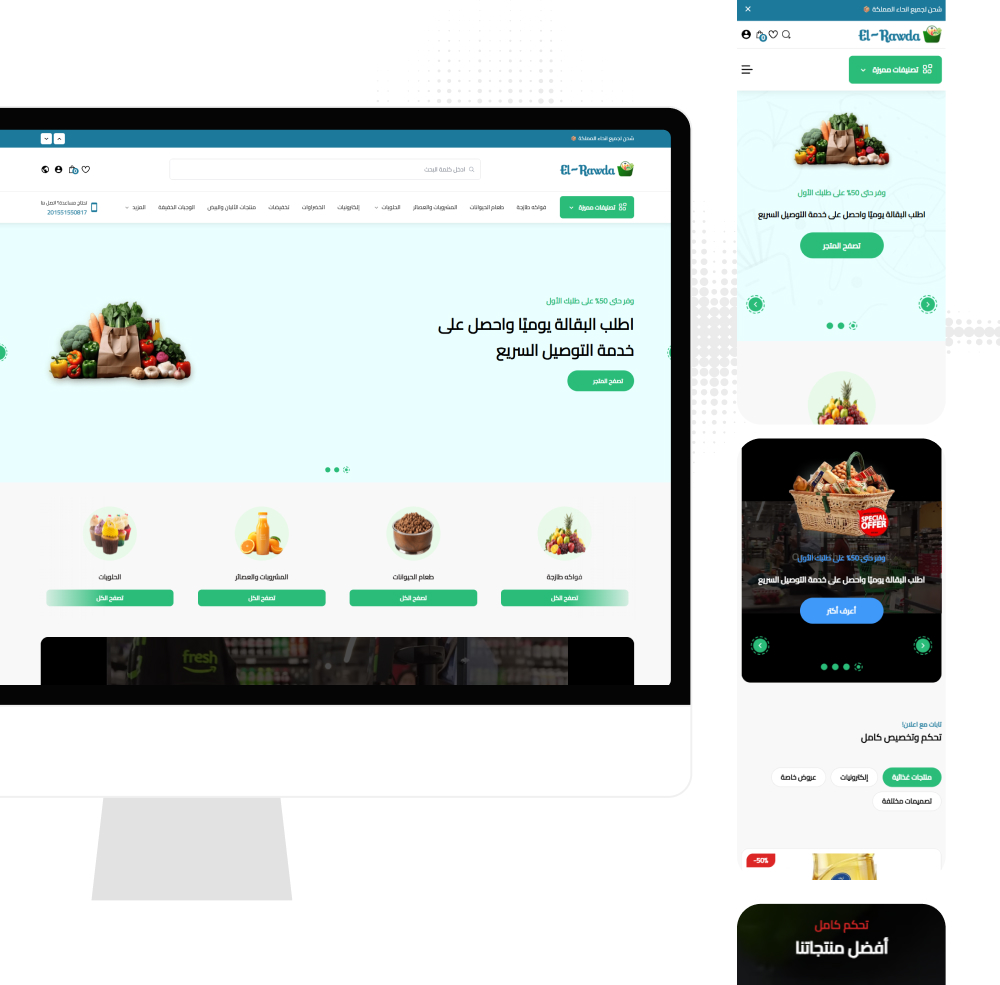
On the other hand, Shopify has a more complex cost structure. Its plans start at slightly higher prices than Salla, and it imposes transaction fees on every sale if you don't use Shopify Payments. These fees can range from 0.5% to 2% of the order value, in addition to payment gateway fees. Furthermore, Shopify relies heavily on its app store, which includes many paid applications essential for an effective dropshipping store, such as dropshipping apps themselves, marketing apps, and store optimization tools. These cumulative costs can significantly increase overall monthly expenses, requiring a larger budget for setup and operation.
In summary, if your budget is limited and you want to start with the lowest possible costs while focusing on the local market, Salla offers a more economical and transparent solution in terms of fees. However, if you are willing to invest more money in exchange for greater flexibility, wider customization options, and the potential for global expansion, Shopify offers excellent value in the long run, but with the need to consider additional app costs and transaction fees. Don't forget that payment gateways have their own fees that must be taken into account.
Scalability and Customization
Scalability and customization are vital factors for the long-term success of any online store, especially in dropshipping where products and markets constantly change. In this regard, Shopify significantly excels. Its ability to handle millions of products and orders, coupled with its robust infrastructure, makes it ideal for stores aspiring to rapid growth and global expansion. Shopify's massive app store allows merchants to add almost any functionality they can imagine, from advanced marketing tools to complex supplier integrations, giving them unparalleled ability to adapt their store to changing needs.
As for Salla, although it is constantly evolving, its scalability and customization may be limited compared to Shopify. It is very suitable for small to medium-sized stores focusing on the local market, but it may face some challenges if you plan to expand very significantly or require highly custom features not available in its default settings or limited app store. This does not mean it is not scalable, but rather that the level of customization and additional functionalities available may not match what Shopify offers.
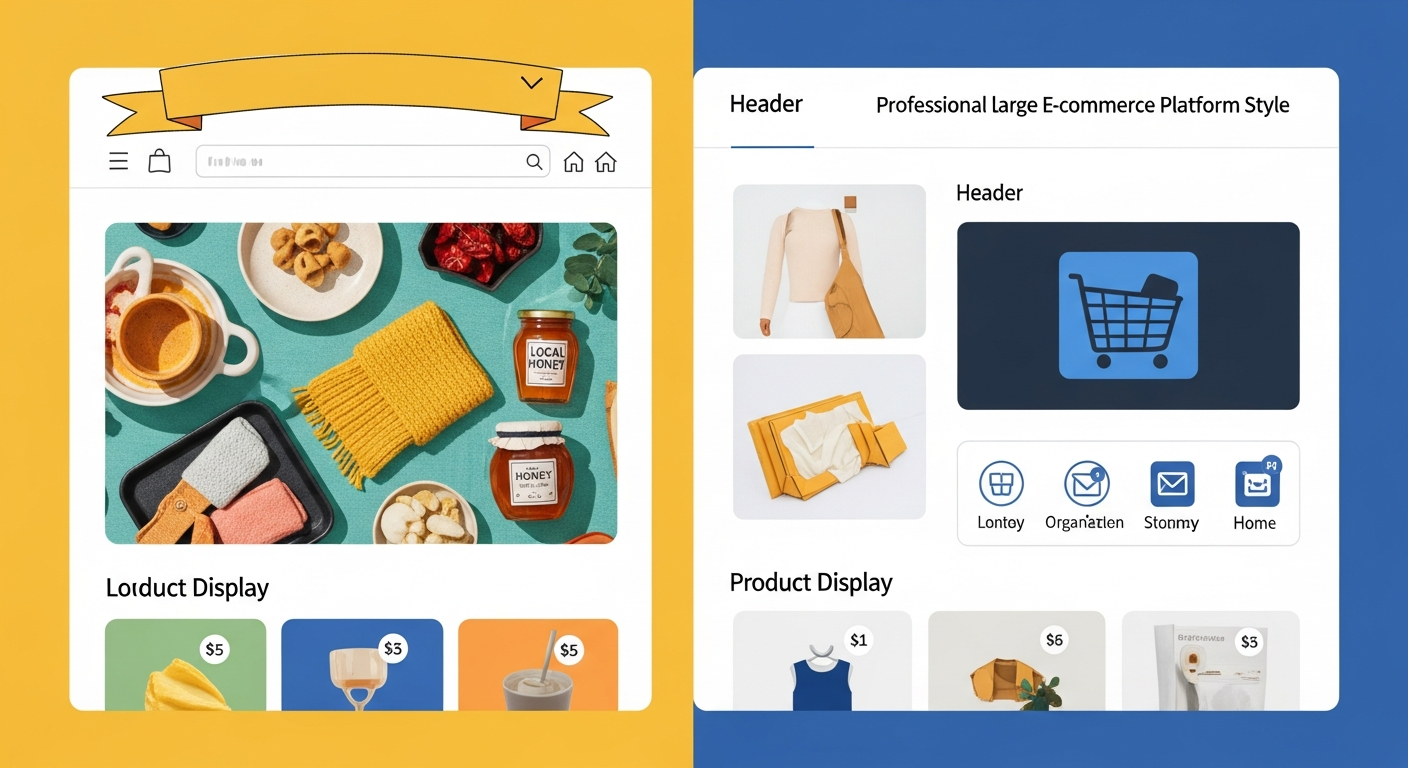
For visual customization, both platforms offer attractive templates, but Shopify grants greater flexibility for developers to access and modify the code, allowing for the creation of truly unique user experiences. If your brand requires a unique design and complex functionalities, Shopify is the better choice. However, if you are looking for a ready-made and modern solution with some modification options without needing to delve into coding details, Salla effectively provides what you need. The bottom line is that Shopify offers limitless flexibility for ambitious entrepreneurs with sufficient budget, while Salla provides a practical and reliable solution for brands focused on simplicity and the local market.
Integrations and Logistics
Integrations with suppliers, payment gateways, and shipping companies are among the most important factors for the success of a dropshipping store. In this regard, Shopify shines due to its rich ecosystem of applications that integrate with major global dropshipping suppliers like AliExpress (via apps like DSers) and Spocket, among others. This gives Shopify merchants access to millions of products from all over the world, simplifying product import and automating order processing. It also has extensive integrations with major international payment gateways and global shipping services, facilitating cross-border operations.
Salla, on the other hand, is designed to meet the needs of the local market, and therefore features strong and direct integrations with the most popular local payment gateways in Saudi Arabia and the Gulf countries, as well as leading local shipping companies such as Aramex, SMSA, and Saudi Post. This provides a smooth and efficient experience for merchants targeting customers within the region, ensuring fast delivery and the availability of locally preferred payment options. However, options for integration with international dropshipping suppliers or global shipping services may be less diverse compared to Shopify, which could limit the store's ability to efficiently source products from outside the region.
Overall, if your goal is to work with global suppliers and target an international audience, Shopify provides the necessary tools and integrations to achieve this effectively. However, if your primary focus is on the Arab market, and you prefer to deal with local or regional suppliers and have specific local shipping and payment needs, Salla offers integrated solutions optimized for these requirements. The choice here depends on your dropshipping product source and the markets you plan to serve, as the platform you choose must fully support your store's supply chain.
Local vs. Global Focus
Defining your geographical scope of operations is a crucial factor in choosing the right platform for your dropshipping store. Here, the fundamental differences between Salla and Shopify are clearly evident. Salla, with its strong focus on the Saudi and Gulf markets, offers ideal solutions for merchants targeting this region. Its support for the Arabic language, integrations with local payment gateways (such as Mada and Apple Pay), and partnerships with regional shipping companies make it the best choice for anyone wanting to build a strong local brand and communicate effectively with Arab consumers. It is designed to simplify operations within the local environment and meet regional customer expectations.
In contrast, Shopify is a global platform par excellence. It is designed to serve merchants from all over the world, offering multi-language and multi-currency support, and extensive integrations with international payment gateways and global shipping services. If your vision includes expanding into multiple markets around the world, or selling your products to customers on different continents, Shopify provides you with the necessary infrastructure and tools to achieve this. It can be adapted to work in any market, but this may require greater effort to customize it to meet the specificities of each market, including the Arab market.
The conclusion is that Salla is the optimal choice if your focus is exclusively on the local market and you prefer a ready-made solution tailored to this region. However, if your ambitions extend beyond regional borders and you aspire to build a global dropshipping brand, Shopify provides the flexibility and scalability needed to achieve these goals, even if it requires some additional customization to meet the needs of the Arab market. Your choice should align with your long-term business strategy and your desire for geographical expansion.
Golden Tips for a Successful Dropshipping Store
Regardless of the platform you choose, the success of your dropshipping store depends on several fundamental factors that go beyond merely selecting the right tool. These practical tips will help you build a strong foundation for your business and maximize the benefits of the dropshipping model. Remember that e-commerce is constantly evolving, and success requires continuous learning and adaptation to changes in the market and customer preferences. Focusing on these points will put your store on the right track towards growth and prosperity.
Building a strong relationship with your customers and providing them with real value is the essence of any successful business. In dropshipping, where you don't directly control the product or shipping, focusing on customer service and professional marketing becomes even more critical. Invest in building a trustworthy brand and provide a seamless shopping experience from start to finish. These long-term strategies will help you differentiate yourself from competitors and build a loyal customer base, ensuring the sustainability of your business. Attractive product descriptions are one of the secrets to this success.
Don't be afraid to experiment and adjust your strategies based on data and analytics. The world of dropshipping is dynamic, and what works today might not work tomorrow. Be flexible, closely monitor your store's performance, and listen to your customers' feedback. Every challenge you face is an opportunity to learn and improve. With patience, perseverance, and continuous application of best practices, you can transform your dropshipping store into a thriving and profitable business, regardless of the platform you choose.
Choosing Winning Products
Choosing winning products is the cornerstone of any successful dropshipping store. Don't just pick popular products; instead, look for products that solve a specific customer problem or fulfill an unmet need in the market. Use product research tools like Google Trends, Amazon Bestsellers, and social media platforms to identify products with increasing demand and minimal competition. Focus on products that can be part of a specialized niche to target a specific audience, which makes marketing easier and increases conversion chances. Remember that product quality and supplier price are crucial factors, so choose reliable suppliers who offer high-quality products at competitive prices.
Additionally, consider products that have a good profit margin after deducting product, shipping, and marketing costs. Avoid very cheap products that are difficult to profit from, or very expensive products that may be challenging to sell via dropshipping. Look for products generally priced between $20 and $100, as these prices are often acceptable to consumers and yield good profit margins. Also, products that can be sold as upsells or cross-sells can increase the average order value, boosting your overall profits.
Don't overlook the importance of high-quality product images and videos. In dropshipping, customers heavily rely on visual content to make a purchase decision. So, ensure your product images are attractive, clear, and showcase the product from multiple angles. If possible, order samples from suppliers to assess product quality yourself and capture your own professional photos and videos; this will differentiate your store from competitors and enhance customer trust. Product descriptions should also be accurate, engaging, and highlight benefits rather than just features.
Building a Strong Brand
In the crowded dropshipping market, simply selling products is no longer enough; you must build a strong, distinctive brand that leaves a lasting impression on customers. Branding begins with creating a unique store name and logo that reflects your identity and values. Choose an attractive store design that aligns with the niche of products you sell, and ensure that the user experience is smooth and enjoyable across all devices. A strong brand helps build trust and loyalty among your customers, encouraging them to return for repeat purchases and increasing the likelihood of recommending your store to others.
Branding goes beyond aesthetics; it's about the story you tell, the value you provide, and the overall experience you offer your customers. Write engaging content for your store, including "About Us" and "Contact Us" pages, to introduce customers to your story and vision. Use a consistent tone of voice across all marketing channels, from social media ads to email newsletters. Make your store reflect professionalism and high quality, as this reassures customers that they are dealing with a trustworthy entity and not just a random seller.
Do not underestimate the importance of packaging, even if you are not directly handling it in dropshipping. If possible, work with suppliers who offer branded packaging options; this adds a professional touch and enhances the unboxing experience for the customer. Excellent customer service is also an integral part of brand building. Respond to customer inquiries quickly and professionally, and try to resolve any issues efficiently. A strong brand is a long-term investment that brings loyalty, repeat sales, and sustainable growth.
Focusing on Customer Experience
Customer experience is the core element that distinguishes successful stores from others, and its importance increases in the dropshipping model where customers do not physically touch the product before purchase. The customer experience begins the moment a customer visits your store. Ensure your store is fast-loading, easy to navigate, and responsive on all devices (mobile, tablet, desktop). Provide high-quality images and accurate, detailed product descriptions, and answer all potential questions a customer might have. Make the checkout process smooth and secure, and offer diverse payment options that suit local market preferences.
After an order is placed, continue to build trust through regular shipping updates and by providing a tracking number to the customer. Be transparent about expected shipping times, especially if they are longer than usual in dropshipping. In case of any delay or issue, communicate proactively with the customer and offer satisfactory solutions. Excellent customer service is key to resolving problems and building customer loyalty. Respond quickly to their inquiries through multiple channels (email, live chat, WhatsApp) and provide personalized, helpful support. Satisfied customers are the best ambassadors for your brand.
The customer experience doesn't end with product delivery. Ask customers for their feedback and product reviews, and use this information to improve your offerings and services. Encourage satisfied customers to share their positive experiences on social media. Provide clear and fair return and exchange policies, and adhere to them. Remember that every interaction with a customer is an opportunity to enhance your brand's reputation and build long-term relationships. Focusing on customer experience will turn one-time buyers into loyal customers for your store.
Data Analysis and Continuous Improvement
In the world of e-commerce, data is the fuel that drives growth and improvement. Every successful dropshipping merchant must pay close attention to analyzing their store's data to make informed decisions. Use the analytics tools available on your platform (Salla or Shopify) or external tools like Google Analytics to track key performance indicators (KPIs) such as conversion rate, average order value, best-selling products, traffic sources, and user behavior on your store. Understanding this data will help you identify strengths and weaknesses in your store and strategies.
Based on your analytics, make continuous adjustments and improvements. For example, if you find that the add-to-cart rate is high but the conversion rate is low, this may indicate an issue with the checkout process or shipping costs. If a particular product page is not generating good sales, you may need to improve the product description, images, or price. Conduct A/B testing on different elements of your store, such as button design, product titles, or promotions, to see which changes yield the best results. This iterative approach to continuous improvement is key to increasing profits and reducing waste.
Data analysis is not limited to store performance; it also extends to the performance of your marketing campaigns. Monitor the return on investment (ROI) of your ads and identify the most effective marketing channels. Analyze customer behavior after purchase, such as products they buy together, to be able to offer complementary or targeted promotions in the future. By regularly analyzing data and implementing informed changes, you will be able to optimize all aspects of your business, from product selection to marketing and customer service, ensuring a sustainable competitive advantage in the ever-changing dropshipping market.
Conclusion: Making the Right Decision for Your Store
In conclusion, after a comprehensive and detailed review of Salla and Shopify platforms and their roles in the dropshipping world, it is clear that both offer powerful solutions but each has strengths that serve different needs. Salla stands out as an ideal choice for dropshipping merchants primarily focused on the Saudi and Gulf markets, preferring an easy-to-use interface, strong local integrations, and full Arabic language support at reasonable costs. It simplifies the store launch process and suits beginners looking for a ready-made solution tailored to the local environment, with the understanding that it may be limited in customization or global expansion.
In contrast, Shopify shines as a global giant that offers unparalleled flexibility, robust scalability, and a massive app store that caters to the needs of any type of store, including dropshipping. It is the best choice for entrepreneurs who aspire to expand globally, seek high customization capabilities, access to international suppliers, and don't mind investing more time and effort in learning and additional costs. It can be adapted to suit the Arab market, but it may require additional effort to fully integrate local solutions.
Ultimately, the decision depends on your unique business goals, budget, technical expertise level, and target audience. No single platform is universally superior; rather, the best one is what perfectly aligns with your vision for your dropshipping store. We advise you to carefully evaluate these points, and perhaps try the free trial versions of both platforms if possible, before making your final decision. Remember that the platform is merely a tool; your true success will depend on the quality of your products, the effectiveness of your marketing, and the excellence of your customer service.