



Customer Reviews: Boosting Trust and Sales in Salla and Zid
In the rapidly evolving era of e-commerce, building customer trust is no longer just a competitive advantage; it has become an absolute necessity for the success of any online store. With the increasing number of options available to consumers and the ease of access to information, purchasing decisions are heavily influenced by what others say about products and services. This is where the importance of customer reviews emerges, serving as live and direct testimonials from actual users, playing a pivotal role in shaping a store's image and building its reputation.
Customer reviews act as a driving force for sales on e-commerce platforms like Salla, Zid, and Shopify. They are not merely about expressing an opinion but extend to building bridges of trust and credibility between the store and potential buyers. When a prospective customer sees positive feedback and successful experiences from other customers, their confidence increases, and their hesitation decreases, prompting them to make a purchase decision with greater assurance. This article will deeply explore how to leverage the power of customer reviews to enhance trustworthiness and boost sales in Salla and Zid stores, highlighting best practices and effective strategies.

The Importance of Customer Reviews in E-commerce
Customer reviews are a cornerstone of modern digital marketing strategies, representing the voice of the customer that resonates throughout the internet, directly and indirectly influencing purchasing decisions. In an increasingly competitive market, it is no longer enough to offer high-quality products at attractive prices. Online stores, whether on Salla, Zid, or Shopify platforms, must strive to build a strong and reliable reputation.
Positive reviews contribute to building a strong brand image, making it stand out among competitors. They serve as social proof that no paid advertisement can rival in impact, as consumers trust each other's opinions more than direct marketing messages from companies. This trust ultimately translates into increased conversion rates and sales, and strengthens the loyalty of existing customers.
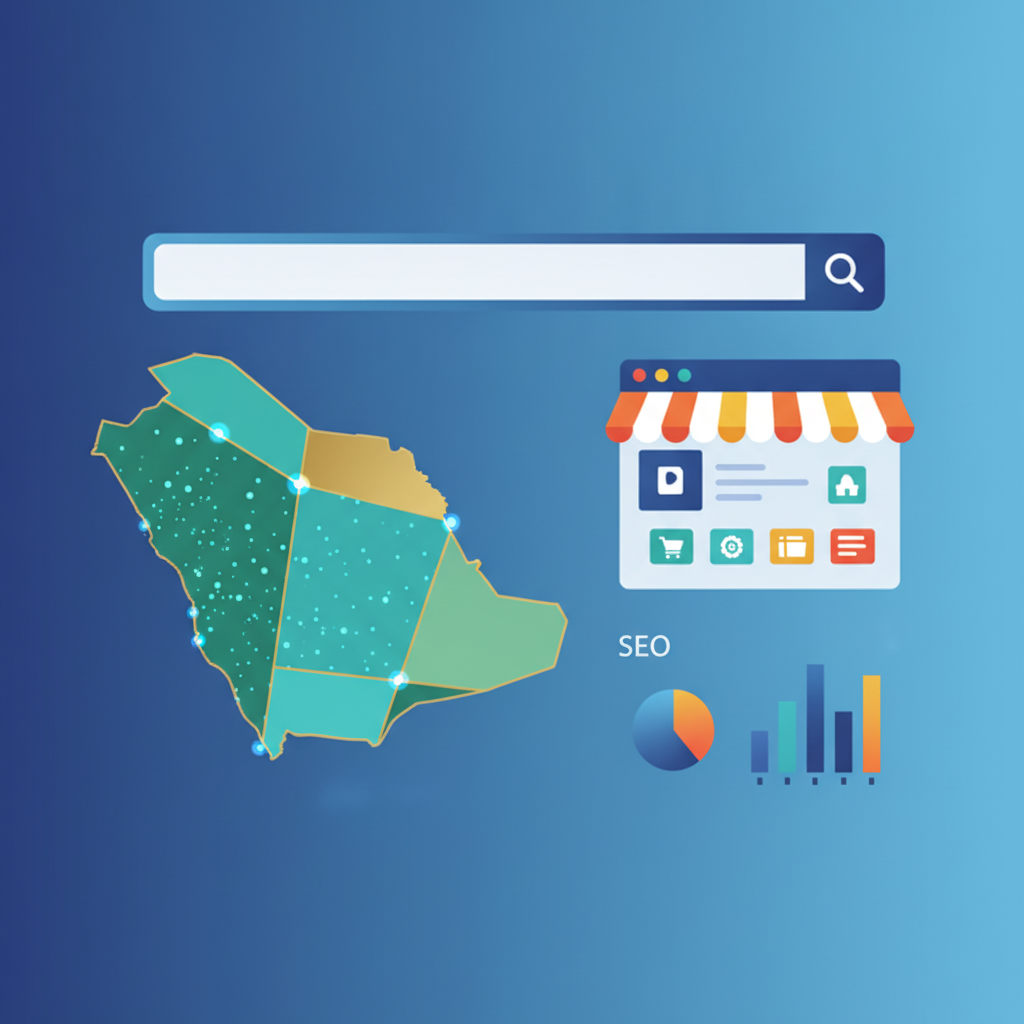
Furthermore, customer reviews play a vital role in improving a store's visibility in search engine results (SEO). User-generated content, such as keywords related to products and services, enriches store pages and makes them more appealing to search engines like Google. This leads to increased organic traffic to the store, and thus a greater opportunity to achieve sales without significant investment in paid advertising, which is crucial for small and medium-sized businesses.
How Reviews Build Trust
Trust is the fundamental currency in the world of e-commerce, and customer reviews are the most powerful source for building it. When a prospective customer sees hundreds or even thousands of satisfied customers who have shared their positive experiences, they feel assured that the store offers reliable products or services. This transparency in displaying customer opinions, whether positive or negative, shows that the store has nothing to hide, significantly enhancing its credibility in the eyes of visitors.
Reviews help overcome the natural doubts and concerns that online shoppers may have, especially when purchasing from a new or unfamiliar store. Customers often wonder about the true quality of the product, shipping speed, and efficiency of customer service. When they find answers to these questions in other customer reviews, it removes the barrier of hesitation and makes them more willing to complete the purchase, thereby reducing shopping cart abandonment rates.
Moreover, reviews contribute to building a community around your brand. When customers feel that their opinions are valued and their experiences are shared, they become part of the store's success story. This sense of belonging fosters brand loyalty and makes customers more inclined to return and purchase again, even recommending the store to friends and family, turning them into brand ambassadors at no additional cost to the store.
The Link Between Reviews and Sales
The impact of customer reviews is not limited to building trust; it extends to a direct and significant increase in sales figures. Numerous studies have shown that products with high ratings achieve significantly higher conversion rates compared to products that lack reviews or have low ratings. This direct correlation makes collecting and managing reviews an essential strategy for growth in any online store.
Positive reviews reduce the likelihood of a customer hesitating at the last minute before purchase, serving as a social guarantee that confirms their decision is sound. With so many options available, customers often tend to choose products that receive the most praise and acceptance from others. This strong psychological effect can turn mere product browsing into a successful purchase, especially in competitive environments like Salla, Zid, and Shopify platforms.
Additionally, customer reviews open doors for upselling and cross-selling opportunities. When a customer sees a product with excellent reviews, they may be more willing to explore other related products or higher-priced items from the same store, based on the trust they have gained. This strategy increases the average order value (AOV) per customer, effectively boosting the store's overall profits.
Effective Strategies for Collecting Customer Reviews in Salla, Zid, and Shopify
Collecting customer reviews is not a passive process where the store waits for customers to spontaneously leave feedback; rather, it requires a proactive and organized strategy to ensure a continuous flow of reviews. Store owners on Salla, Zid, and Shopify must be proactive in requesting reviews and make the process as easy as possible for customers to increase response rates. The simpler and clearer the process, the more likely the store is to receive the desired reviews.
The tools and methods available for collecting reviews vary by platform. While Shopify offers a wide range of dedicated review apps and extensions, Salla and Zid provide integrated and user-friendly solutions that meet the needs of most stores. The key is to choose the right tool that seamlessly integrates with the store and customer experience, ensuring that the review request arrives at the right time and place.
The optimal timing for requesting a review is crucial. Asking for a review before the customer receives the product, or long after they have received it, may not be effective. The review request should be an integral part of the customer's post-purchase journey and carefully planned to ensure the customer has a complete experience with the product before being asked for their opinion. This attention to detail makes a significant difference in the quality and quantity of reviews received.
Optimal Timing for Requesting Reviews
Timing is a critical factor in increasing customer response rates to review requests. The best time to ask for a review is after the customer has received and used the product for a sufficient period to form an honest and well-considered opinion. This ensures that the review will be based on a genuine experience, rather than just an initial impression, which increases the credibility and value of the review for other potential buyers.
Follow-up emails or SMS messages are typically the most effective way to request reviews. These messages can be scheduled to send automatically a certain number of days after delivery confirmation, giving the customer enough time to experience the product. The message should be short, clear, polite, and contain a direct, easy-to-use link to the review page, to minimize any barriers for the customer.
Most e-commerce platforms like Salla, Zid, and Shopify offer features to automate this process, saving store owners a lot of time and effort. These systems can be set up to send gentle reminder messages if the customer does not respond to the first request, but care must be taken not to over-send messages to avoid annoying customers. The goal is to remind in a friendly and effective way without the process seeming compulsory or bothersome.
Incentivizing Customers to Leave Reviews
While some customers may leave reviews automatically, incentivizing them can significantly increase the number and quality of reviews. Incentives do not have to be expensive; they just need to be valuable enough to the customer to encourage them to spend some time writing their feedback. These incentives could include small discounts on future purchases, additional loyalty points, or even entry into a prize draw.
The process of leaving a review should be as simple and easy as possible. Avoid long, complicated forms or multiple steps. The smoother the process, the more likely the customer is to complete it. Providing options for quick star ratings with an optional text box can encourage customers who do not wish to write a detailed review to at least leave a star rating. For more ideas on how to motivate customers, you can refer to our article on Loyalty Programs: Increasing Sales in Salla and Zid, which offers valuable strategies in this regard.
Personalizing review requests can also increase their effectiveness. Addressing the customer by name and referring specifically to the product they purchased makes the message more personal and less generic. This approach shows the customer that the store cares about their individual opinion, which enhances their desire to interact. This personalization can significantly boost response rates and the quality of feedback received, fostering a stronger customer-store relationship.
Leveraging Platform Tools (Salla, Zid, Shopify)
Major e-commerce platforms such as Salla, Zid, and Shopify offer a variety of tools and features to help stores effectively collect and manage customer reviews. These tools vary in complexity and functionality, but all aim to simplify the process and enhance the experience for both customers and merchants. Maximizing the use of these tools ensures an efficient and reliable review system.
Shopify stands out with its extensive Shopify App Store, which includes hundreds of dedicated product review apps like Judge.me, Loox, and Yotpo. These applications provide advanced options for collecting text and visual reviews (photos and videos), customizing review forms, and displaying them attractively on product pages, in addition to automation and analytics features. Store owners can choose the app that suits their budget and needs.
Salla and Zid platforms, on the other hand, come with built-in, user-friendly review systems, often eliminating the need for additional external applications for small and medium-sized stores. These systems allow customers to leave star ratings and write text comments directly on product pages, and provide store owners with a dashboard to manage and respond to these reviews. Stores can efficiently utilize these basic features to collect and display reviews without complexity.
Managing and Responding to Reviews: Enhancing Your Store's Reputation
The role of customer reviews extends beyond just collecting them; it includes managing and responding to them professionally and thoughtfully. The way a store handles reviews, whether positive or negative, directly reflects on its reputation and credibility. This effective management demonstrates to current and potential customers that the store values their opinions and constantly strives to improve its services, thereby fostering trust and loyalty.

Responding to all reviews, if possible, whether positive or negative, is a best practice. Polite and thoughtful responses demonstrate the store's professionalism and strengthen its relationship with customers. Handling negative reviews cleverly can turn a negative experience into an opportunity to showcase the store's commitment to customer satisfaction, and may even help regain the trust of an upset customer, turning them into a satisfied customer in the future.
Failure to manage or ignore reviews can lead to adverse outcomes, as customers may feel that their opinions are unimportant, negatively impacting the store's reputation. Therefore, a portion of the store management time should be dedicated to regularly reviewing and responding to feedback, making this process an integral part of the store's overall customer service strategy on platforms like Salla, Zid, and Shopify.
Handling Positive Reviews
Positive reviews are a golden opportunity to strengthen customer relationships and build a strong community around your brand. Responding to these reviews is just as important as responding to negative ones; it shows the customer that you appreciate their effort in writing the review and that you care about their experience. Responses should be genuine, polite, and as personalized as possible, avoiding generic replies that might seem impersonal.
Responding to positive reviews can include expressing thanks and gratitude to the customer for their time and valuable feedback. This opportunity can also be used to encourage the customer to make repeat purchases, or even invite them to explore new, related products that might interest them. This not only strengthens customer loyalty but can also lead to repeat purchases and increased customer lifetime value.
Furthermore, you can highlight the positive aspects mentioned by the customer in their review, reaffirming the store's commitment to providing the best possible experience. For example, if a customer praises fast shipping, you can mention that the store places great importance on delivery speed. This reinforces the store's strengths in the minds of other customers reading the reviews and contributes to building a positive and comprehensive brand image.
Handling Negative Reviews
Negative reviews are a challenge, but they are also an invaluable opportunity to demonstrate your store's professionalism and commitment to customer satisfaction. The key to handling negative reviews is a prompt, polite, and professional response. The reply should begin by acknowledging the customer's problem and expressing empathy, rather than taking a defensive stance, as this helps de-escalate the situation and build a bridge of understanding. For guidance on how to turn negative customer experiences into opportunities, you can read our article on Conversion Optimization: Boosting Your Store's Sales in Salla and Zid.
After acknowledging the issue, practical solutions or appropriate compensation should be offered, if possible. This might include offering a product replacement, a refund, or a discount on a future purchase. It's always best to try and move the conversation to a private channel (such as email or phone) to resolve the issue in more detail and privacy, away from public view. This shows other customers that the store takes their feedback seriously and strives to satisfy them.
Moreover, negative reviews are a valuable source of information that can be used to improve products and services. The store should regularly analyze these reviews to identify recurring patterns and issues, and then take necessary actions to address them. For example, if complaints about a specific product's quality are repeated, it might be time to review the supplier or seek better alternatives. Converting criticism into tangible improvements enhances the store's reputation in the long run.
Presenting Reviews Professionally
It's not enough to collect and manage reviews; they must be displayed professionally and attractively to maximize their impact on potential buyers. How reviews are presented on store pages plays a crucial role in how much they influence purchasing decisions. Reviews should be easily accessible, clear to read, and naturally integrated into the store's design.
Prominently displaying reviews on product pages, especially at the top near the product name and price, is a best practice. Star ratings can be used as a quick visual summary of product quality, followed by detailed text reviews. Some stores also use customer-shared photos or videos, which add an extra layer of credibility and authenticity, making the reviews even more impactful for prospective buyers.
Providing options to filter and sort reviews enhances the user experience and helps potential buyers quickly find the information they are looking for. Reviews can be sorted by newest, highest-rated, lowest-rated, or even filtered by specific keywords. This demonstrates the store's transparency and allows customers to form a comprehensive picture of the product based on a variety of opinions, thereby strengthening their trust in the store.
Analyzing Reviews and Using Them to Improve Products and Services
Customer reviews are a treasure trove of valuable data and information that goes beyond merely increasing sales. Systematically analyzing these reviews enables store owners to gain a deeper understanding of customer needs, identify strengths and weaknesses in their products and services, and thus make informed decisions to improve the store's overall performance. They serve as a continuous, free survey provided by the customers themselves.
By regularly reviewing feedback, stores can identify recurring trends in comments, whether positive or negative. For example, repeated praise for the quality of a specific product might be noticed, or recurring complaints about shipping speed or product description accuracy. These patterns provide clear indicators of what is working well and what needs improvement, allowing the store to focus its efforts and resources effectively.
Making decisions based on data extracted from customer reviews enhances the store's ability to adapt and grow in a changing market. Instead of relying on guesswork or assumptions, Salla, Zid, and Shopify stores can use this data to guide their marketing strategies, develop new products, or improve customer experience, leading to increased satisfaction and customer loyalty, and ultimately sustainable profits.
Turning Feedback into Improvements
The most crucial step after collecting and analyzing reviews is translating this feedback into tangible improvement actions. Reviews are not just numbers or words on a page; they are a direct guide to opportunities for growth and development. Store owners must view every comment, especially negative ones, as an opportunity for continuous learning and improvement in the quality of products and services offered.
For example, if there is recurring feedback about the difficulty of using a particular product, the store can revise the product design, or provide clearer user manuals or video tutorials. If complaints focus on customer service, the team can be better trained in communication and problem-solving skills. These direct improvements not only satisfy existing customers but also enhance the store's appeal to new buyers. For more details on leveraging data to improve store performance, we invite you to read our article on Store Analytics: Understanding Salla and Zid Performance to Boost Profits.
Reviews can also be used to guide marketing efforts. If reviews highlight a specific product feature that customers love, the store can focus on this feature in its advertising campaigns. This ensures that marketing messages resonate with real customer needs and desires, increasing their effectiveness. By actively incorporating customer insights, stores can create more targeted and impactful marketing strategies, driving better results.
Integrating Reviews into Marketing Strategies
Customer reviews are invaluable user-generated content (UGC) that can be effectively integrated into various marketing strategies to increase trustworthiness and sales. Using authentic testimonials from satisfied customers in your marketing campaigns adds a layer of credibility and authenticity that cannot be achieved with traditional advertisements. This approach strengthens your brand's power and attracts more potential customers.
Excerpts from positive reviews or product photos shared by customers can be used in social media posts, paid advertisements, and marketing emails. When potential buyers see that their peers are satisfied with the products, they become more inclined to trust the store and make a purchase decision. This strategy is particularly effective in building trust with a new or hesitant audience, providing them with compelling social proof.
Furthermore, reviews can be integrated into landing pages and product pages themselves, where they serve as direct social proof supporting the purchase process. Special sections can also be created on the store to showcase top reviews or customer success stories, creating a more engaging and persuasive shopping experience. Leveraging this rich content maximizes marketing ROI and contributes to the store's growth and sustained success.
Conclusion
In conclusion, customer reviews are a fundamental pillar for the success of any online store in today's competitive landscape, whether on Salla, Zid, or Shopify platforms. They are not merely fleeting opinions, but powerful testimonials upon which trust is built, sales are driven, and invaluable insights for improving products and services are provided. Through a comprehensive strategy of collecting, managing, and analyzing these reviews, any store can enhance its position in the digital market.
Store owners must adopt a proactive approach to handling customer reviews and consider them an integral part of their business model. From determining the optimal timing for requesting reviews, to incentivizing customers, leveraging various platform tools, and professionally responding to all types of feedback, all these steps contribute to building a strong and solid reputation. Remember that every review is an opportunity to strengthen your relationship with your customers and turn them into permanent ambassadors for your brand.
Investing in building an effective customer review system is not just a marketing tactic; it is a long-term investment in the store's credibility and future growth. Stores that listen to their customers and value their opinions are those that thrive and achieve sustainable success. Do not hesitate to start improving your review strategy today and see how this simple step can change the course of your business. You can also benefit from a deeper understanding of how to improve your product visibility in your Salla and Zid stores through our article on Product SEO: Boosting Your Product Visibility in Salla and Zid Stores.