




Introduction to Cross-Selling and Its Importance in E-commerce
In today's accelerating e-commerce world, store owners face major challenges represented in rising customer acquisition costs and increasing market competition. When you own a store on Salla or Zid, you exert great effort and spend huge budgets on advertising campaigns to bring visitors to your store. But what if you could double your profits from these same visitors without needing to increase the marketing budget? Here the Cross-Selling strategy emerges as one of the most important and powerful tools a smart merchant has to maximize return from every purchase taking place inside their online store.
Cross-selling is defined as the art of encouraging customers to buy additional products complementary or related to the main product they intend to buy. For example, if a customer is buying a smartphone from your store, offering a protective cover and screen protector at the same moment is considered cross-selling. This strategy not only increases the Average Order Value, it also contributes directly to improving customer experience by proactively meeting their needs even before they realize they need them, saving them the trouble of searching in other stores. To dive deeper into how to improve your store performance generally, you can review our article on Conversion Rate: How to Double Your Sales on Salla and Zid, which perfectly complements these strategies.
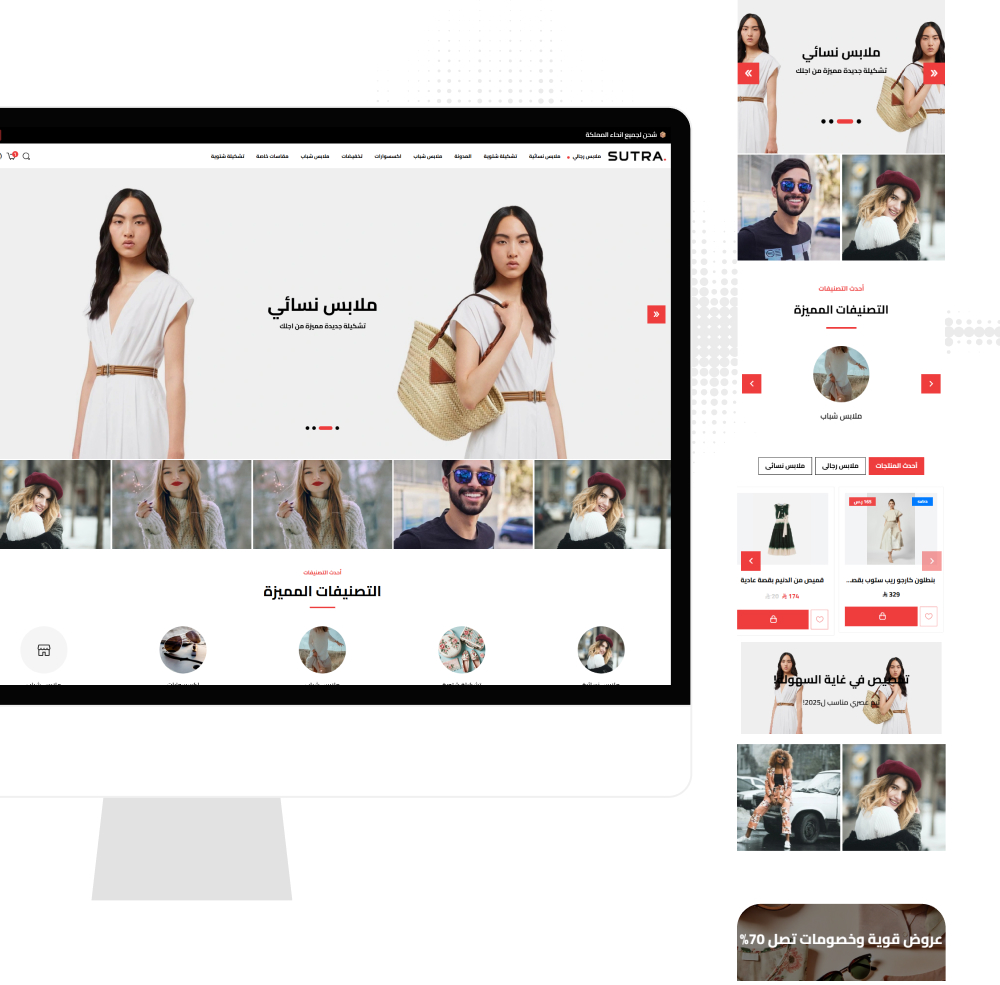
The fundamental difference between cross-selling and up-selling lies in the nature of the product offered. While up-selling aims to convince customers to buy a more expensive or newer version of the same product, cross-selling focuses on complementary products that add value to the basic product. On Salla and Zid platforms, many features and tools are available making this strategy extremely easy and effective to apply. Through deep understanding of consumer behavior and correct application of these techniques, any merchant can transform their store from a regular point of sale into an integrated sales machine suggesting to customers what they need at the right time in a smart, non-intrusive way.
Successful Cross-Selling Strategies on Salla and Zid
Applying cross-selling doesn't mean just showing random products to customers and hoping they'll buy them — it requires a thoughtful strategy based on relevance and proper timing. The first and most important rule in this strategy is that suggested products must be closely related to the main product. If a customer is buying a dress from your Salla or Zid store, suggesting a matching handbag or suitable shoes will seem like an excellent advisory service. However, suggesting a completely unrelated product like kitchen tools will distract the customer and may cancel the entire purchase due to feeling the store lacks professionalism.
Timing is the second decisive element in cross-selling success — you must choose the right moment to present your complementary products. Platforms like Salla and Zid offer multiple options for displaying these products, whether on the product page itself under a related products section, when adding the product to cart through a smart popup window, or even on the final checkout page. It's very important that the offer be smooth and not impede the basic purchase path. The goal is to make adding the complementary product happen with a single button click without forcing the customer to leave the checkout page or re-enter their data, ensuring a friction-free user experience.
Alongside relevance and timing, pricing plays a major psychological role in convincing customers. E-commerce experts always advise applying the 25% rule, meaning the complementary product's price should not exceed twenty-five percent of the main product's price. If a customer is buying a laptop worth four thousand riyals, they will be more receptive to adding a bag worth one hundred riyals, because the amount seems small compared to the basic purchase. Respecting this psychological rule in your Salla or Zid store will guarantee you very high conversion rates for cross-selling offers.
Analyzing Customer Behavior to Provide Smart Suggestions
You can't build a successful cross-selling strategy without relying on accurate data and analyzing customer behavior inside the store. Random guessing of what customers might like rarely leads to sustainable positive results. Fortunately, the dashboards in both Salla and Zid provide detailed reports about best-selling products and products that are purchased together in the same cart. Through periodic review of these reports, you can discover hidden purchase patterns you wouldn't have noticed, like the association of buying a certain type of coffee with specific cups or specific preparation tools, giving you the vision needed to create irresistible offers. To learn how to extract this data professionally, we recommend reading Data Analytics: Your Guide to Reading Salla and Zid Reports.
Customer segmentation is an advanced step that significantly increases the effectiveness of your suggestions. New customers visiting your store for the first time need general suggestions based on the most popular products or high ratings, while returning customers have a purchase history you can leverage to provide fully customized suggestions. For example, if you have a skincare store on Zid and a customer bought a face wash last month, suggesting a moisturizer from the same brand when they return to the store is considered an extremely smart cross-sell showing the customer that you understand their needs and track them precisely.
Activating AI tools and automatic recommendations can save you a lot of time and effort in this process. Some apps available in the apps stores analyze each visitor's behavior in real time, monitor the pages they visit and the products they look at longer, to dynamically change cross-sell suggestions to match their immediate interests. This level of customization tremendously raises purchase probability and makes your store appear as if it's designed specifically for each visitor individually, enhancing your brand position in the competitive market.
Using Product Bundles to Increase Average Order Value
Product bundles, or what's known as bundling, are among the strongest and most successful forms of cross-selling in e-commerce, and they are excellently supported in both Salla and Zid. The idea relies on grouping several complementary products and selling them together in one package, usually at a total price slightly lower than buying each product separately. This strategy significantly simplifies the decision-making process for customers by offering them an integrated solution instead of making them search for different parts themselves. For example, an electronics store could offer a Work From Home Bundle including a keyboard, mouse, and headphones.
When creating product bundles in your store, it's essential to focus on the customer's perceived value. The simple discount you offer on the bundle is the basic motivator pushing them to buy. If the value of individual products is three hundred riyals and you offer them as a bundle at two hundred and seventy-five riyals, customers feel they've made a winning deal and gotten extra value. At the same time, you as a merchant have increased average order value and cleared inventory faster, while maintaining an excellent profit margin because the shipping cost will be for one order instead of several separate orders.
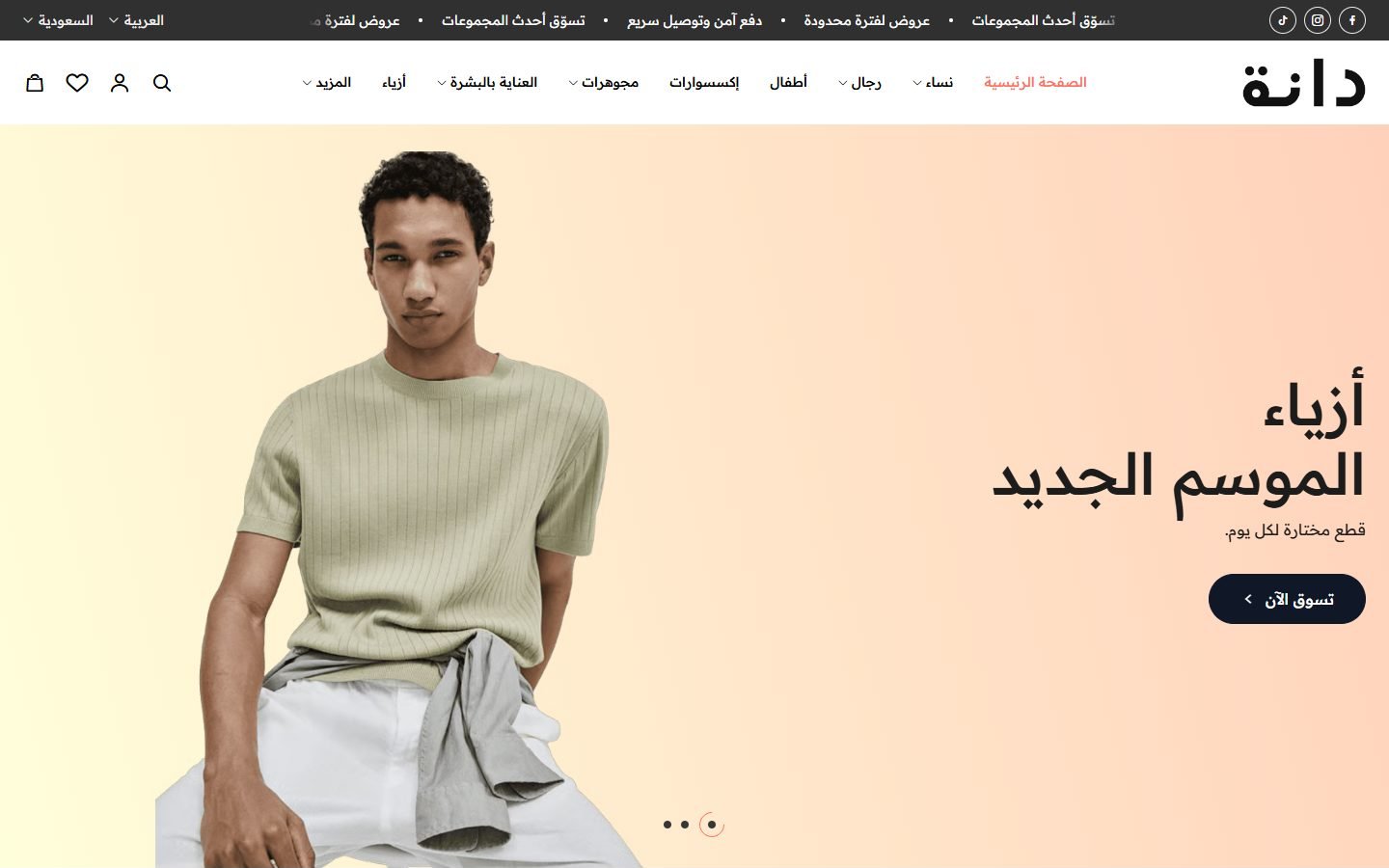
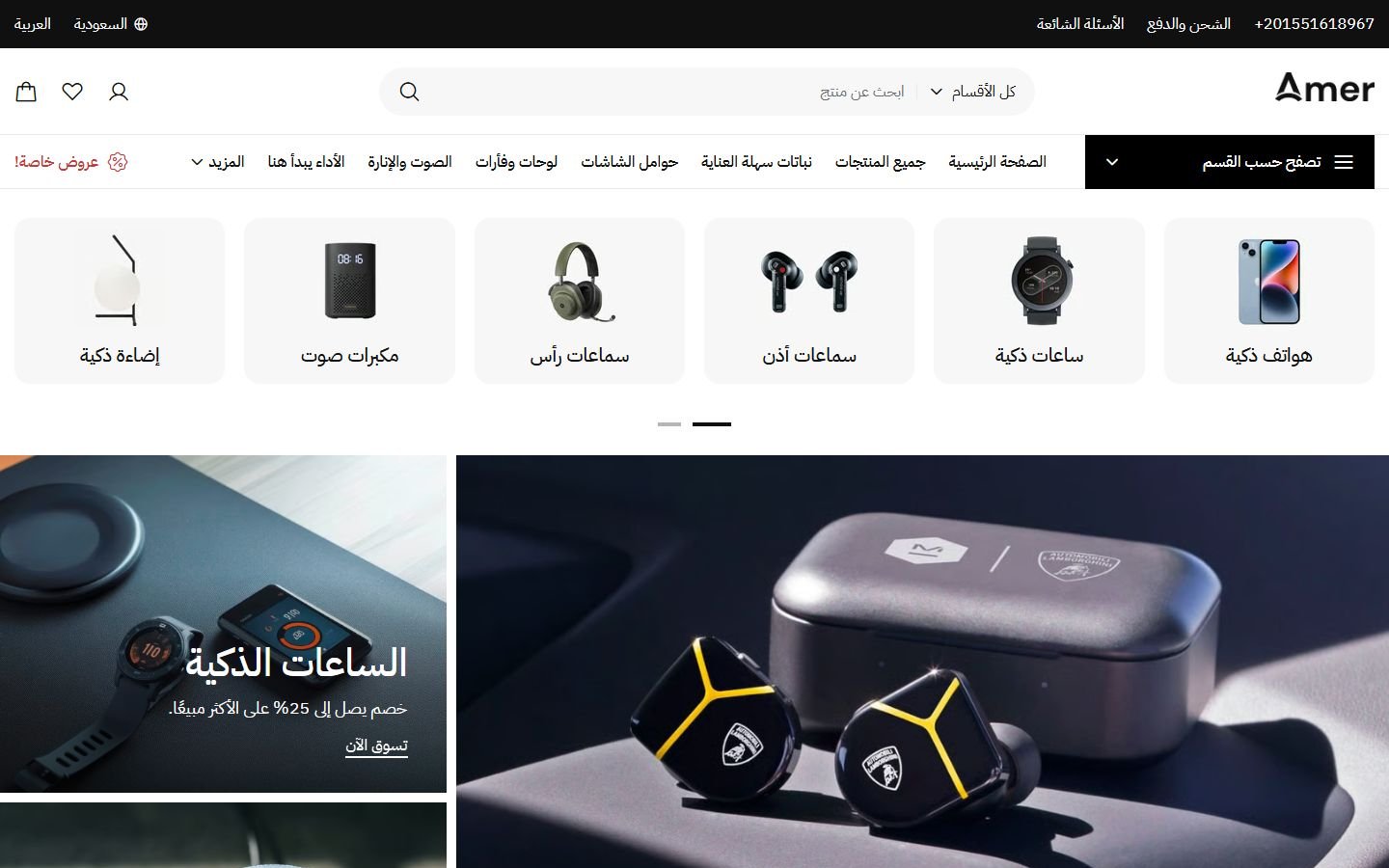
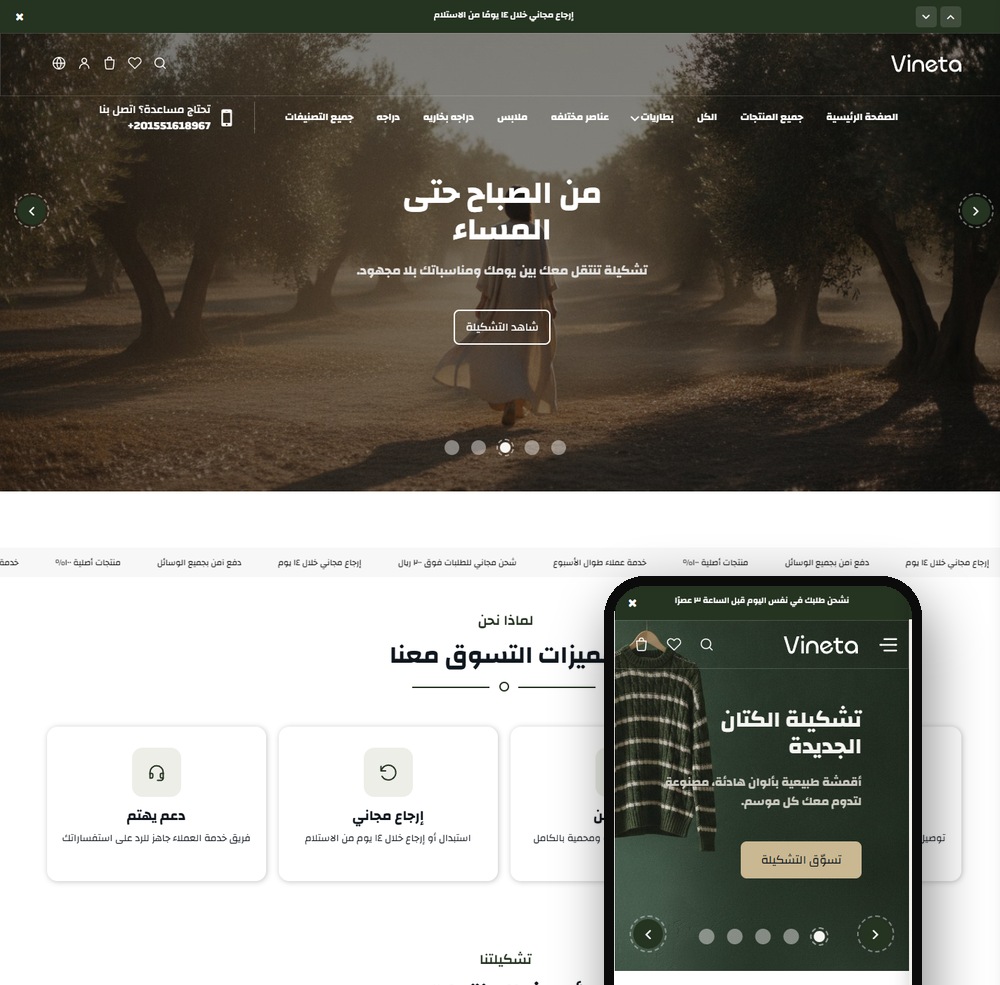
Ways to present bundles vary to suit different business areas. In fashion, you can offer the Complete Look bundle including the dress, shoes, and accessories. In personal care, a Daily Routine bundle consisting of a cleanser, toner, and moisturizer is an ideal choice. The beauty of platforms like Salla and Zid is the ease of setting up these bundles from the dashboard — you can link products together, set the discounted bundle price, and manage inventory automatically without any technical complications, allowing you to launch attractive promotional campaigns in just minutes.
Helper Tools and Apps in Salla and Zid to Activate Cross-Selling
To maximize benefit from the cross-selling strategy, you shouldn't rely on manual work alone — you should leverage the rich technical environment provided by Arabic e-commerce platforms. Both Salla and Zid have huge apps and add-ons stores designed specifically to help merchants automate marketing operations and increase sales. These apps allow you to add advanced features to your store with the click of a button, transforming your store into an interactive selling environment that suggests products smartly without daily intervention from you. To explore the best of these tools, you can review our guide on Salla and Zid Apps: Top Add-ons to Boost Your Sales.
Among the most important features to look for in cross-selling apps is the ability to display smart popup windows during purchase completion. These windows appear to customers the moment they click the Add to Cart button, telling them in an attractive style: "Customers who bought this product also preferred to buy these products." These apps should allow you to customize window shapes and colors to match your store's visual identity, and to be fully responsive with mobile screens, given that the vast majority of shoppers in the Arab region use their phones to complete purchases.
Setting up these apps requires balancing manual rules with AI. For new stores without sufficient data, it's better to set rules manually, like specifying that buying a camera should suggest a camera bag directly. Large stores with high orders can rely on app algorithms that learn from buyer behavior and update suggestions automatically. Regardless of the method used, investing in a powerful cross-selling app is one of the most profitable investments that will return many times its cost to your store in a very short time.
Common Mistakes to Avoid When Applying Cross-Selling
Despite the enormous benefits of cross-selling, applying it incorrectly may lead to counterproductive results harming your store and driving customers away. One of the most fatal mistakes is overwhelming customers with too many options. When you offer customers ten complementary products to choose from, you put them in a state known as decision paralysis. Hesitant customers often choose not to buy at all rather than make a wrong decision. The golden rule here is simplicity — suggesting one product or three strongly related products will be more effective than displaying a long, confusing list.
The second common mistake is presenting illogical or inappropriate suggestions for the customer's current needs. If a customer is buying food for cats, offering toys for dogs as a cross-sell product is a naive mistake reducing customer trust in your store and making them feel you don't care about their experience but are just looking to increase sales any way possible. Relationships between products in the Salla or Zid dashboard must be built with great care and reviewed periodically to confirm they are still logical and suitable for the season and current consumer trends.
The third and most annoying mistake to customers is excessive insistence and impeding the payment process. Some merchants use apps that display successive popup windows or hide the checkout button until the customer looks at additional offers. This aggressive approach leads to a sharp rise in shopping cart abandonment rates. You must always remember that the basic goal is completing the sale of the main product, and any cross-selling strategy should be a smooth optional addition that doesn't interrupt or delay customers from completing payment smoothly and quickly.
Conclusion: Your Future With Cross-Selling on Salla and Zid
In closing this comprehensive guide, we must emphasize that cross-selling isn't just a temporary marketing trick or a magic button you press to increase profits — it is a long-term strategy requiring deep understanding of your customers and their needs. By applying this strategy in your Salla or Zid store, you're not just doubling your profits and increasing average order value — you're providing real service to your customers by saving their time and effort and suggesting integrated solutions matching their lifestyle. Successful stores are those that build a relationship of trust with customers and make them feel the store personally understands their taste and needs.
We've reviewed throughout this article the most important practical steps to start, beginning with understanding purchase behaviors and analyzing data, through creating attractive product bundles that offer added value, all the way to choosing appropriate apps from Salla and Zid stores to fully automate this process. We've also spotlighted common mistakes to avoid to ensure a smooth user experience free of annoyance. Remember that continuous improvement and testing different offers is the key to reaching the best possible results, because what works today may need adjustment tomorrow based on changing consumer desires.
Finally, the success of cross-selling is closely tied to your customers' loyalty. Customers who find everything they need in your store and through a smart, comfortable presentation method are customers who will return again and again and won't think of going to competitors. Therefore, we recommend enhancing these efforts by building a strong loyalty program — you can read more on this topic in our article Loyalty Programs: How to Double Your Store Profits on Salla and Zid?. Start today by applying the cross-selling plan in your store and watch how your customers' usual visits transform into full shopping carts and multiplied profits boosting your e-commerce growth.