



Introduction: The Key to E-commerce Success
In the rapidly evolving world of e-commerce, merely launching an online store is no longer sufficient to achieve desired success. With the increasing number of stores and intense competition, the focus has shifted to converting visitors into actual customers. This is the essence of conversion optimization, a set of strategies and techniques aimed at increasing the percentage of visitors who perform a specific action on your store, such as completing a purchase or subscribing to an email list. Understanding and effectively implementing this concept is what distinguishes successful stores from those struggling to survive, whether you're using platforms like Salla, Zid, or Shopify.
Boosting your store's sales is not just a dream; it's an achievable goal through the application of a structured and continuous conversion optimization methodology. This requires a deep dive into the customer journey within your store, from their arrival to completing a purchase, and analyzing each step to identify weaknesses and opportunities for improvement. In this comprehensive article, we will delve into the world of conversion optimization, providing you with a detailed guide full of practical tips and effective strategies that you can apply immediately to your store on Salla and Zid, and even on global platforms like Shopify, to ensure you maximize every visitor's potential and boost your profits sustainably.
Understanding Conversion Optimization and Its Importance
Conversion Rate Optimization (CRO) is a systematic process of increasing the percentage of website visitors who take a desired action, whether it's purchasing a product, filling out a form, or clicking a specific button. It's not just about attracting more visitors to your store; it's about improving the experience for existing visitors to make them more likely to complete desired actions. This means you don't necessarily need to increase traffic, but you can achieve significant sales growth by enhancing your store's efficiency in converting current visitors.
Conversion optimization is a vital component for the success of any e-commerce store, as it directly impacts the return on investment (ROI) of your marketing efforts. Instead of spending more money attracting new visitors who might not buy, you can focus on improving your store's efficiency to convert a larger percentage of existing visitors into customers. This approach is not only more cost-effective but also builds a better customer experience, leading to increased loyalty and repeat purchases in the long run. Whether you manage a store on Salla, Zid, or Shopify, understanding and embracing the importance of conversion optimization is the first step towards achieving sustainable growth.
Neglecting conversion optimization means leaving many lost opportunities on the table. Imagine you have a store receiving 10,000 visitors monthly with a 1% conversion rate. This translates to 100 purchases. If you can raise the conversion rate to just 2%, you double your sales to 200 purchases without any increase in marketing costs to attract visitors. This significant revenue increase underscores the immense value of focusing on CRO as a core strategy for online business growth. It goes beyond mere sales; it's about refining every aspect of the user experience to make it as seamless and compelling as possible.
What is Conversion Rate?
Conversion rate is the percentage of visitors who complete a specific goal on your website. It's simply calculated by dividing the number of conversions by the total number of visitors, then multiplying the result by 100 to get a percentage. For example, if 1000 people visit your store and 20 of them make a purchase, the conversion rate is (20 ÷ 1000) × 100 = 2%. This concept can be applied to various goals, such as newsletter subscriptions, downloading a guide, or adding a product to the cart, not just completed purchases.
A good conversion rate varies depending on the industry, product, and store size. There is no single ideal percentage for everyone, but the primary goal is always to improve your current rate. Platforms like Salla, Zid, and Shopify provide access to data analytics tools that help you accurately track these metrics, giving you valuable insights into your store's performance. By monitoring conversion rates for different pages and campaigns, you can identify areas that need improvement and direct your efforts more effectively towards achieving your business objectives.
Understanding the conversion rate is not just about knowing a number; it's key to analyzing customer behavior and understanding what drives or hinders their decision-making. When you start tracking this number regularly, you'll be able to see the impact of any changes you make to your store, whether they are design adjustments, product description updates, or checkout process modifications. This deep understanding empowers you to make data-driven decisions to continuously enhance your store's performance, ultimately leading to increased profits and ROI.
Why is Conversion Optimization Crucial for Your Store?
Conversion optimization is crucial for your store because it allows you to maximize the value of your existing traffic without needing to invest more in advertising. Imagine spending a significant amount to attract visitors to your store, but a large portion of them leave without completing a purchase. In this scenario, you're losing money. Conversion optimization helps you bridge this gap and turn those hesitant visitors into paying customers, increasing the effectiveness of your marketing campaigns and reducing your customer acquisition cost.
Furthermore, conversion optimization contributes to building a better, smoother customer experience. When your store is optimized, it provides customers with an easy and enjoyable shopping journey, which enhances their satisfaction and encourages them to return. This not only increases the conversion rate but also helps build customer loyalty and increase customer lifetime value (LTV). Satisfied customers are your best marketers, sharing their positive experiences with others, which brings you more qualified visitors.
Conversion optimization also provides you with a significant competitive advantage in the crowded e-commerce market. While your competitors focus on attracting more visitors, you can achieve greater growth by improving your store's efficiency in converting existing visitors. This approach ensures business sustainability and the ability to grow even in challenging competitive environments. Investing in conversion optimization is an investment in your store's long-term future, ensuring that every dollar you spend on marketing achieves the maximum possible return.
Performance Analysis Tools in Salla, Zid, and Shopify
To effectively implement conversion optimization strategies, it's essential to understand how your current store performs. E-commerce platforms like Salla, Zid, and Shopify offer a range of built-in tools and external options for performance analysis. For instance, the dashboards in Salla and Zid provide access to sales reports, visitor counts, best-selling products, and even cart abandonment rates. This initial data is crucial for identifying where problems lie and where opportunities for improvement exist.
In addition to built-in reports, you can integrate more powerful external analytics tools like Google Analytics. Google Analytics provides deep insights into visitor behavior, such as the pages they visit, the time they spend on each page, and their path within the store. This tool can be easily linked with all three platforms, giving you a comprehensive view of your store's performance. There are also specialized user behavior analysis tools like Hotjar or Crazy Egg that record visitor sessions and provide heatmaps to show you exactly where visitors click and where they stop interacting.
It is very important to regularly review and understand these analytics. Don't just look at the numbers; try to understand the story behind them. Why are visitors leaving this page? Why aren't they adding this product to their cart? The answers to these questions will guide your conversion optimization efforts. You can delve deeper into this aspect by reading our article on Store Analytics: Understanding Salla and Zid Performance to Boost Profits, which offers a detailed guide on how to effectively use these tools.
UX Optimization Strategies to Boost Conversion
User experience (UX) is the cornerstone of conversion optimization. A store that offers a smooth and enjoyable browsing and shopping experience is a store that succeeds in converting visitors into customers. UX encompasses every aspect of the customer's interaction with your store, from the ease of finding products to the clarity of shipping information. It's not just about aesthetics; it's about functionality and effectiveness in helping the customer achieve their goal. When the user experience is excellent, customers do not hesitate to complete a purchase.
One of the most important aspects of UX optimization is simplicity and clarity. Your store's design should be intuitive, allowing customers to navigate easily between pages and find what they are looking for without effort. Buttons should be clear, text easy to read, and images high-quality. Avoid clutter or excessive information that might distract the customer. Remember, the goal is to make the purchasing journey as smooth and enjoyable as possible, and every small obstacle can cause a customer to leave your store and seek an alternative.
Platforms like Salla, Zid, and Shopify are flexible enough to allow you to continuously adjust and improve the user experience. You can utilize the ready-made design templates provided by these platforms, then customize them to fit your brand identity and customer needs. Always remember that user experience is not just an 'added feature' but an integral part of a comprehensive conversion optimization strategy, and investing in it yields abundant benefits for your store.
Attractive Store Interface Design and Easy Navigation
An attractive interface and easy navigation are the first things a customer notices when visiting your store, and they play a crucial role in forming the first impression. The design should be professional, clean, and reflect your brand identity. Use consistent colors and easy-to-read fonts, and avoid overusing visual elements that might distract. Platforms like Salla, Zid, and Shopify offer ready-made design templates that can be customized to suit your needs, but it's important to choose a template that supports simplicity and clarity.
Easy navigation means that the customer can find the products and pages they are looking for quickly and easily. The navigation bar should be clear and organized, including logical subcategories. Use effective search functionality and product filters that help customers narrow down their options. The easier the navigation, the more likely the customer will stay in your store and explore more products, which increases conversion opportunities. Remember that any complexity in navigation can lead to customer frustration and abandonment of the store.
Don't forget the importance of designing your store to be mobile-responsive. The majority of today's shoppers browse and buy via their smartphones. All your store pages should look and function perfectly on both small and large screens. Salla, Zid, and Shopify platforms provide responsive design templates automatically, but it's essential to verify this yourself and test the user experience on different devices to ensure the design's smoothness and effectiveness across all platforms.
Optimizing Product Pages: Images, Description, and Reviews
The product page is the heart of your online store, and it's where the customer makes the purchasing decision. Therefore, these pages must be highly optimized to provide all the information the customer needs to make an informed decision. Start with high-quality images: use professional, clear product photos from multiple angles, and short videos if possible. Images should show the product in its natural context and clearly highlight its details and features. Images are the first thing that catches a customer's eye and are a crucial element in building trust and desire to purchase.
A detailed and accurate product description is no less important than images. The description should be comprehensive, highlighting the product's benefits rather than just listing features. Use engaging and persuasive language, and answer any potential questions the customer might have. Mention the materials used, dimensions, how to use it, and any other relevant details. Breaking the description into short paragraphs and using bullet points can help make the content easy to read and understand, reducing customer distraction and increasing their comprehension of the product.
Reviews and ratings from previous customers are a huge trust factor that directly influences purchasing decisions. Encourage your customers to leave honest reviews for products. Displaying these reviews prominently on product pages can build significant credibility for your store and products. Even negative reviews, if handled professionally, can show your dedication to customer satisfaction. Salla, Zid, and Shopify platforms offer built-in features for managing reviews; utilize them to enhance customer trust and improve conversion rates.
Website Speed and Responsiveness Across Devices
In the age of high-speed internet, users' patience has become extremely limited. Any delay in loading your store's pages can lead to a visitor leaving before seeing any product. Studies have shown that every extra second in load time can significantly reduce the conversion rate. Therefore, optimizing website loading speed is not just a luxury, but an absolute necessity to ensure a positive user experience and increase conversion opportunities. This applies to all platforms, whether Salla, Zid, or Shopify.
To improve loading speed, you can start by optimizing image sizes by compressing them without compromising quality. Avoid using a large number of unnecessary plugins that might slow down your store. Use a Content Delivery Network (CDN) if your store receives visitors from different geographical regions, as a CDN helps deliver content faster from the nearest server to the visitor. Regularly monitor your store's speed using tools like Google PageSpeed Insights and GTmetrix, and take necessary actions based on their recommendations.
In addition to speed, your store must be fully responsive across all devices, especially smartphones and tablets. A significant percentage of purchases today are made via mobile devices. Responsive design means your store automatically adapts to the screen size it's being viewed on, ensuring an optimal browsing and viewing experience regardless of the device. Make sure to test your store on a variety of devices and browsers to ensure all elements appear and function correctly, reducing frustration and increasing the likelihood of completing a purchase.
Simplifying the Purchase Process and Reducing Cart Abandonment
The purchase process is the critical moment when a visitor turns into a customer. Any complexities or obstacles at this stage can lead to cart abandonment and lost potential sales. Statistics show that a significant percentage of shoppers abandon their carts due to factors such as complex checkout processes, unexpected shipping costs, or the unavailability of preferred payment options. Therefore, this process must be as smooth, clear, and direct as possible, regardless of the platform you use, whether Salla, Zid, or Shopify.
To simplify the purchase process, focus on minimizing the number of steps required to complete an order. The fewer clicks and data points required, the more likely the customer is to complete the transaction. Remove any distracting elements from the checkout page and ensure all necessary information (such as order summary and shipping costs) is visible and clear. The purchasing process should be like a direct highway to the goal, not a maze full of obstacles that can cause frustration and prompt the customer to turn back.
Reducing cart abandonment rate is one of the most important goals of conversion optimization. This requires careful monitoring of the customer's journey through the checkout process and identifying the points at which customers leave. The analytics tools mentioned earlier can help you pinpoint these areas. Once identified, you can begin testing changes to improve each step. Remember that every abandoned cart is a lost opportunity, and investing in improving this stage can lead to a significant increase in revenue.
Simplified and Clear Checkout Steps
Long and complex checkout steps are one of the main reasons for cart abandonment. The checkout process should be as simplified as possible, with a few clear and defined steps. Remove any unnecessary data fields from forms. For example, if you don't need a fax number, don't ask the customer to enter it. Use 'guest checkout' options to avoid forcing customers to create an account, which is preferred by many shoppers who want to complete their purchase quickly.
The checkout page should be absolutely clear about what the customer expects at each step. Use progress indicators to show the number of remaining steps. Always display an order summary, including products, quantities, prices, and shipping costs and taxes, so the customer is fully aware of the total amount they will pay. Transparency in pricing and costs builds trust and reduces unpleasant surprises that might prompt the customer to back out at the last minute.
Platforms like Salla, Zid, and Shopify generally offer optimized checkout experiences, but you can always look for ways to simplify them further. For example, use auto-fill for fields where possible, or offer quick payment options like Apple Pay or Google Pay that reduce the need to enter card details. All these small improvements can make a big difference in the completion rate of purchases and enhance the overall customer experience.
Diverse and Transparent Shipping Options
Unexpected or high shipping costs, along with limited shipping options, are major reasons for cart abandonment. To mitigate this, you should offer diverse shipping options that meet various customer needs and preferences. Some customers may desire fast shipping at a higher cost, while others prefer free or low-cost standard shipping even if it takes longer. Offering multiple options gives customers flexibility and control over their experience.
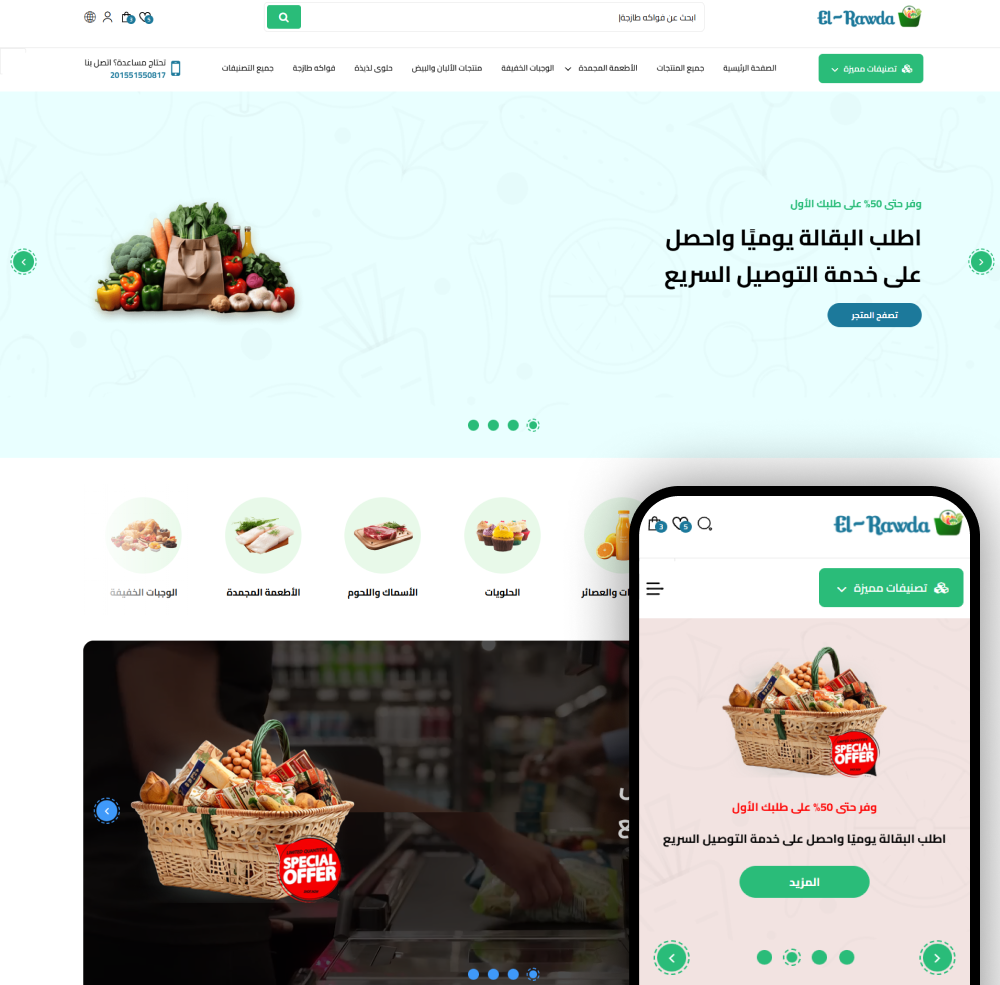
All shipping information should be transparent and clear from the outset. Display estimated shipping costs and expected delivery times on the product page or in the shopping cart before the customer reaches the checkout page. Avoid last-minute surprises, as these can be a primary reason for a customer to abandon their purchase. If you offer free shipping above a certain order threshold, state this clearly and incentivize customers to increase their cart value to take advantage of this benefit.
Platforms like Salla, Zid, and Shopify offer integrations with many shipping companies, making it easier for you to provide diverse options. Utilize these integrations to offer the best shipping experience for your customers. Remember that shipping is not just a logistical process; it's an essential part of the overall customer experience that influences purchasing decisions and customer satisfaction. For more information on how to recover customers who abandoned their shopping carts, you can check out our article on Cart Abandonment Strategies: Recovering Customers in Salla and Zid.
Flexible and Secure Payment Methods
Providing a wide range of flexible and secure payment methods is crucial for increasing conversion rates. Every customer prefers a specific payment method, and not offering their preferred option might cause them to leave your store. Payment options should include major credit and debit cards, popular e-payment services like Apple Pay and Google Pay, as well as installment payment options like Tabby and Tamara, which have become very popular in the Gulf region. This flexibility makes the purchase process easier and more convenient for customers.
Security is no less important than flexibility. Customers must feel confident and secure when entering their financial information on your store. Ensure your store uses an SSL certificate (HTTPS encryption) to protect customer data. Display trust and security badges on checkout pages, such as logos of the payment gateways you use or electronic security certificates. These visual cues build trust and reassure customers that their information is in safe hands, encouraging them to complete their purchase without hesitation.
Platforms like Salla, Zid, and Shopify offer easy integrations with many local and international payment gateways, including Tabby and Tamara. Utilize these integrations to provide the maximum number of options for your customers. You can read more about how to activate and boost your sales using these services in our dedicated article: Tabby and Tamara: How to Boost Your Sales in Salla and Zid. Remember that providing multiple and secure payment methods is a direct investment in increasing conversion rates and customer satisfaction.
Building Trust and Credibility to Attract Customers
Trust is the primary currency in e-commerce. In the absence of direct human interaction, customers rely heavily on visual and social cues to assess a store's credibility. Building trust is not just an added feature; it's an indispensable foundation for attracting and converting new customers, as well as retaining existing ones. When a customer trusts your store, they are more willing to provide their personal and financial information, complete a purchase, and even return to buy again.
Building trust requires continuous effort at all levels. This includes transparency in every detail, from product information to return policies. It also involves showcasing strong social proof that demonstrates real customers are satisfied with your products and services. Every element of your store, from design to content, should send a clear message of professionalism and reliability. Remember that small doubts can accumulate and lead to customer loss, even if the product is appealing.
Platforms like Salla, Zid, and Shopify offer features that help build trust, such as review sections and options to display security badges. But more importantly is how you use these tools and integrate them into a comprehensive strategy for building credibility. It's not enough to have great products; you must show your potential customers that your store is trustworthy and capable of delivering on its promises. This is key to converting visitors into loyal, long-term customers.
Showcasing Customer Testimonials and Positive Reviews
Nothing builds trust and credibility like real customer opinions. Customer testimonials and positive reviews act as powerful social proof, showing new visitors that others have tried your products and were satisfied. This reduces perceived risks for new shoppers and encourages them to trust your store. Display these reviews prominently on product pages, on a dedicated testimonials page, and in other strategic locations throughout your store.
Encourage your customers to leave reviews after completing a purchase. You can send an automated email requesting a review a few days after product receipt. Don't be afraid of negative reviews; instead, handle them professionally and promptly. Responding to reviews, whether positive or negative, shows that you care about your customers and are willing to resolve any issues, further enhancing trust. Reviews that appear genuine, even if they contain some constructive criticism, are more convincing than a perfectly ideal full rating.
You can also use reliable external review tools like Trustpilot or Google Reviews and display your ratings there. These independent platforms increase the credibility of reviews. Remember that the power of the spoken word, or written word in this case, is invaluable. Salla, Zid, and Shopify platforms provide built-in tools for managing reviews, making it easy to collect and display them. Utilize these features to create a rich library of social proof that drives customers to make a purchase decision with confidence.
Clear Return and Exchange Policies
Clear and fair return and exchange policies are a crucial element in building trust and reducing purchase hesitation. Customers know there's always a chance a product might not be right for them, or they might change their minds. Having an easy and transparent return policy reassures them that they won't lose their money if that happens. Conversely, vague or overly strict policies raise doubts and drive customers away.
Return and exchange policies should be easy to find on your store, preferably with a dedicated page accessible from the website footer or product pages. Clearly explain the terms and conditions, such as the allowed return period, the required product condition, and who bears the shipping costs for returns. Use simple and direct language to avoid any misunderstandings. Transparency in these policies builds a sense of security and reduces anxiety that might prevent a customer from completing a purchase.
Consider offering a relatively generous return policy, such as a longer return period or free return shipping if possible. Studies have shown that companies with flexible return policies often see an increase in sales, as it reduces the risk barrier for shoppers. Platforms like Salla, Zid, and Shopify allow you to easily create dedicated pages for these policies. Ensure these pages are up-to-date and accurate, and that they reflect your commitment to customer satisfaction and trust-building.
Effective and Responsive Customer Support
Effective and responsive customer support is a cornerstone of building and maintaining trust. Customers may have questions or issues at any stage of the purchase journey, from inquiring about a product to tracking an order. Providing multiple, responsive support channels ensures that customers feel valued and that their issues are resolved effectively, boosting their satisfaction and loyalty to your store.
Provide diverse contact channels, such as live chat, email, and a support phone number if possible. These channels should be visible and easily accessible on your store. Live chat is preferable during business hours, as it allows customers to get immediate answers to their questions, removing potential barriers to purchase completion. Responsiveness is key; the longer a customer waits, the more likely they are to become frustrated and leave your store.
In addition to direct support channels, create a comprehensive and detailed FAQ section that answers common inquiries related to products, shipping, payments, and return policies. This section can save customers the hassle of contacting support and save them time. Remember that every interaction with customer support is an opportunity to build a positive relationship with the customer and enhance their trust in your store. Salla, Zid, and Shopify platforms offer capabilities to integrate live chat tools and manage FAQs; utilize them to provide an excellent support experience.
Leveraging Content Marketing and Continuous Optimization
Content marketing is not just a tool for attracting visitors; it's also a powerful strategy for conversion optimization. By providing valuable and useful content, you can build your brand authority, educate your potential customers, and gently guide them towards making a purchase decision. Good content attracts qualified visitors who already have an interest in what you offer, increasing the likelihood of converting them into customers. This approach complements user experience and purchase process optimization efforts, enhancing trust and credibility.
For content marketing to be effective in conversion optimization, it must be geared towards solving customer problems or meeting their needs. Instead of just directly promoting products, focus on creating how-to articles, buying guides, product comparisons, or explanatory videos. This type of content not only attracts visitors but also builds a relationship with them and makes them trust your recommendations. When a customer feels you are providing real value, they will be more willing to buy from you.
Continuous optimization is the core of conversion optimization. There is no single magic formula that works forever. Your store's optimization process must be dynamic and ongoing, based on data collection, analysis, and testing. Use analytics tools to identify pages that need improvement, conduct A/B tests to evaluate the effectiveness of different changes, and be prepared to adapt and adjust based on the results. This iterative approach ensures you achieve the maximum growth potential for your store on Salla, Zid, and Shopify.
Content Marketing to Attract Qualified Visitors
Content marketing is an effective strategy for attracting qualified visitors with strong buying intent. Instead of relying entirely on paid advertising, you can create valuable content that answers customer questions, solves their problems, and educates them about the products you sell. This type of content attracts visitors who are actively searching for solutions, and thus are more ready to convert into customers. Consider writing blog posts, how-to guides, product comparisons, or educational videos.
When creating content, focus on the keywords your potential customers use in their searches. For example, if you sell beauty products, you could write an article about 'Best Skincare Routine for Oily Skin' or 'Comparison of Different Serum Types'. Within this content, you can refer to your products as solutions to their problems. This not only attracts visitors but also builds your brand's authority as an expert in your field, making customers more likely to buy from you.
Content is not limited to text only. It can also include high-quality images, explanatory infographics, and short videos. Distribute your content through various channels such as your blog, social media, and newsletters. Remember that the goal is to provide real value to potential customers before they decide to purchase. Platforms like Salla, Zid, and Shopify offer options to integrate blogs, making it easier for you to effectively implement this content marketing strategy.
A/B Testing and Continuous Improvement
A/B testing is an indispensable tool in conversion optimization. This test allows you to compare two different versions of a page (A and B) to see which performs better. You can test any element in your store: product title, product image, 'Add to Cart' button color, button placement, checkout page design, or even description wording. The goal is to identify small changes that can make a big difference in the conversion rate.
To effectively implement A/B testing, start by formulating a clear hypothesis. For example: 'Changing the 'Add to Cart' button color from blue to green will increase the click-through rate.' Then, create two versions of the page, one with the original design (A) and the other with the new design (B). Direct a portion of your traffic to version A and another portion to version B, then analyze the results to determine the winning version. Use data analytics tools to ensure the accuracy and statistical validity of your results.
Continuous improvement is an ongoing process. After identifying and implementing winning changes, don't stop there. Always look for other areas to optimize and repeat the testing process. E-commerce is constantly evolving, and customer preferences change, so your store must be adaptable. Platforms like Salla, Zid, and Shopify offer capabilities to integrate external A/B testing tools, making it easier for you to apply this scientific approach to increase your store's effectiveness.
Loyalty Programs and Rewards to Enhance Conversion
Conversion optimization isn't just about attracting new customers; it also involves encouraging existing customers to make repeat purchases and increase their order value. Loyalty and rewards programs are powerful tools for achieving this. By rewarding customers for their loyalty, you can build long-term relationships with them, increase customer retention rates, and thus boost long-term conversion. These programs make customers feel appreciated, encouraging them to return again and again.
There are different types of loyalty programs you can implement. The most common is a points system, where customers earn points for every purchase, which they can redeem for discounts or free products. You can also offer exclusive discounts to loyalty program members, early access to new products, or special birthday offers. The key is to provide genuine value to customers that makes them feel part of a special community within your store.
Promote your loyalty program clearly on your store and in your marketing campaigns. Make the joining process easy and clear. Track the performance of your loyalty program and adjust it based on customer response. Platforms like Salla, Zid, and Shopify offer plugins and integrations to easily create and manage loyalty programs. For more ideas on how to implement these programs, you can visit our article on Loyalty Programs: Boosting Sales in Salla and Zid. Investing in loyalty programs is an investment in your store's long-term growth.
Conclusion: An Endless Journey Towards Optimal Performance
In conclusion, conversion optimization is not merely a set of tactics, but a continuous mindset focused on understanding the customer and meeting their needs in the best possible way. In this comprehensive article, we have covered many essential strategies, including improving user experience, simplifying the purchase process, building trust and credibility, and leveraging the power of content marketing and continuous optimization. Remember that every small detail in your store, from image quality to page loading speed, can influence a customer's decision to buy or leave.
Do not expect immediate results or magical solutions. Conversion optimization is an ongoing journey that requires patience, meticulous data monitoring, and a willingness to experiment and adapt. Use the analytical tools available to you on platforms like Salla, Zid, and Shopify to track your performance, identify weaknesses, and then conduct A/B tests to evaluate the effectiveness of changes. By adopting this iterative approach, you will be able to convert more visitors into loyal customers, thus achieving sustainable growth for your business.
Always remember that the ultimate goal is not just to increase numbers, but to build strong relationships with your customers. When you provide an exceptional experience, you not only increase your conversion rate but also create happy customers who will become ambassadors for your brand. Start implementing these tips step by step, monitor the results, and never stop learning and improving. The future of e-commerce belongs to those who master the art of turning opportunities into real sales.