



في عالم التجارة الإلكترونية المتسارع، لم يعد النجاح يعتمد على الحدس أو التخمين أو مجرد عرض المنتجات بشكل جذاب على الإنترنت، بل أصبح يعتمد بشكل أساسي على القدرة على قراءة الأرقام وفهم ما تخبرنا به. إن إنشاء متجر إلكتروني هو مجرد الخطوة الأولى في رحلة طويلة، ولكن ما يضمن لك البقاء والمنافسة بقوة هو قدرتك على تحليل البيانات بدقة. كل زائر يدخل متجرك، وكل نقرة يقوم بها، وكل منتج يضيفه إلى السلة، يترك وراءه أثراً رقمياً قيماً يمكن أن يكون المفتاح لمضاعفة مبيعاتك وتحسين تجربة عملائك بشكل جذري.
لقد وفرت المنصات العربية الرائدة مثل منصتي سلة وزد أدوات تحليلية قوية وتقارير مفصلة تغني التاجر عن الحاجة إلى خبراء تقنيين معقدين، حيث تعرض هذه المنصات لوحات تحكم متكاملة تضع نبض المتجر بين يديك. ولكن التحدي الحقيقي لا يكمن في توفر هذه البيانات، بل في كيفية قراءتها وتفسيرها وتحويلها إلى قرارات استراتيجية قابلة للتنفيذ. الكثير من أصحاب المتاجر يكتفون بالنظر إلى إجمالي المبيعات نهاية الشهر، متجاهلين كنزاً من المعلومات التي قد تكشف لهم عن تسرب كبير في الأرباح أو فرص بيعية مهدرة لم يلتفتوا إليها.
في هذا الدليل الشامل، سنأخذك في رحلة مفصلة وعميقة لتعلم فن قراءة وتحليل تقارير متجرك الإلكتروني في سلة وزد. سنتعلم معاً كيف ننتقل من مجرد مشاهدة الأرقام الصامتة إلى فهم القصة الكاملة التي ترويها هذه الأرقام عن سلوك عملائك، وأداء منتجاتك، وفعالية حملاتك التسويقية. سنستعرض أهم المؤشرات التي يجب عليك مراقبتها يومياً وأسبوعياً وشهرياً، وكيف يمكنك استخدام هذه الرؤى لتصحيح مسار متجرك، وتقليل تكاليفك، وزيادة أرباحك بطرق علمية ومدروسة تضمن لك نمواً مستداماً في سوق شديد التنافسية.
أهمية تحليل البيانات في منصتي سلة وزد
إن الانتقال من الإدارة العشوائية إلى الإدارة المبنية على البيانات هو الفارق الجوهري بين المتاجر التي تنمو بسرعة وتلك التي تتعثر في خطواتها الأولى. في منصتي سلة وزد، تتيح لك تقارير الأداء فهم الصورة الكبرى والدقيقة لمتجرك في آن واحد. عندما تقوم بتحليل بيانات متجرك بانتظام، فإنك تتوقف عن إهدار ميزانيتك التسويقية على قنوات لا تجلب لك سوى زوار غير مهتمين، وتبدأ في توجيه استثماراتك نحو القنوات التي تحقق أعلى عائد على الاستثمار، مما يعني نمواً ذكياً ومستداماً لمشروعك التجاري دون تكاليف إضافية غير مبررة.
بالإضافة إلى تحسين الميزانيات، يلعب تحليل البيانات دوراً محورياً في فهم سلوك العميل وتفضيلاته المتغيرة. من خلال مراقبة المنتجات الأكثر زيارة وتلك التي يتم تجاهلها، يمكنك تعديل استراتيجية العرض والتسعير لتلائم رغبات جمهورك المستهدف. هذا الفهم العميق يساعدك بشكل مباشر في بناء علاقات طويلة الأمد مع المتسوقين، ويمكنك الاطلاع على برامج الولاء: كيف تحافظ على عملائك في سلة وزد لفهم كيف يمكن للبيانات أن تدعم استراتيجيات الاحتفاظ بالعملاء وتحويلهم من مشترين لمرة واحدة إلى سفراء لعلامتك التجارية.
علاوة على ذلك، توفر لك البيانات القدرة على التنبؤ بالمستقبل والاستعداد له بدلاً من مجرد التفاعل مع الأحداث بعد وقوعها. من خلال دراسة الأنماط التاريخية للمبيعات في متجرك على سلة أو زد، يمكنك التنبؤ بالمواسم التي يرتفع فيها الطلب، وبالتالي تجهيز المخزون الكافي لتلبية احتياجات العملاء دون التعرض لنقص في البضائع أو تكدس غير مبرر في المستودعات. هذه الاستباقية في الإدارة تقلل من المخاطر التشغيليلة وتضمن تدفقاً نقدياً مستقراً وصحياً لمتجرك الإلكتروني على مدار العام.
المؤشرات الرئيسية التي يجب مراقبتها باستمرار
المؤشر الأول والأهم الذي يجب ألا يغيب عن عينيك هو معدل التحويل، وهو يمثل النسبة المئوية للزوار الذين أتموا عملية الشراء بنجاح من إجمالي عدد زوار المتجر. إذا كان متجرك في زد أو سلة يستقبل آلاف الزوار يومياً ولكن المبيعات لا تتجاوز أصابع اليد الواحدة، فإن معدل التحويل يخبرك بوجود خلل جسيم. قد يكون هذا الخلل في تجربة المستخدم، أو صعوبة عملية الدفع، أو عدم وضوح وصف المنتجات، أو حتى ارتفاع أسعار الشحن مقارنة بالمنافسين، ويجب التدخل الفوري لتحسين هذا المعدل.
المؤشر الثاني الذي يحمل أهمية بالغة هو متوسط قيمة الطلب، والذي يعكس المبلغ المتوسط الذي يدفعه العميل في كل عملية شراء يقوم بها من متجرك. زيادة هذا المؤشر تعتبر من أسرع الطرق لمضاعفة أرباحك دون الحاجة لإنفاق المزيد من الأموال لجلب عملاء جدد، ويمكنك تحقيق ذلك من خلال استراتيجيات ذكية مدروسة، وننصحك بقراءة دليل البيع المتقاطع: ضاعف قيمة الطلب في سلة وزد لتتعلم كيف تقنع العميل بإضافة منتجات مكملة لسلته قبل إتمام الدفع، مما يرفع من إجمالي الفاتورة بشكل ملحوظ.
أما المؤشر الثالث فهو تكلفة الاستحواذ على العميل، وهو الرقم الذي يخبرك بدقة كم يكلفك جلب عميل واحد ليشتري من متجرك من خلال الحملات الإعلانية المدفوعة. من الضروري جداً مقارنة هذا الرقم مع متوسط قيمة الطلب وهامش الربح الخاص بك، فإذا كانت تكلفة الاستحواذ أعلى من الربح الذي تجنيه من العميل، فإن متجرك يستنزف أموالك وسينتهي بك المطاف بخسائر فادحة. تتيح لك لوحات التحكم في سلة وزد ربط بكسل التتبع لمعرفة مصدر كل عملية شراء وحساب هذه التكلفة بدقة متناهية.
كيف تقرأ تقارير المبيعات والأرباح بدقة
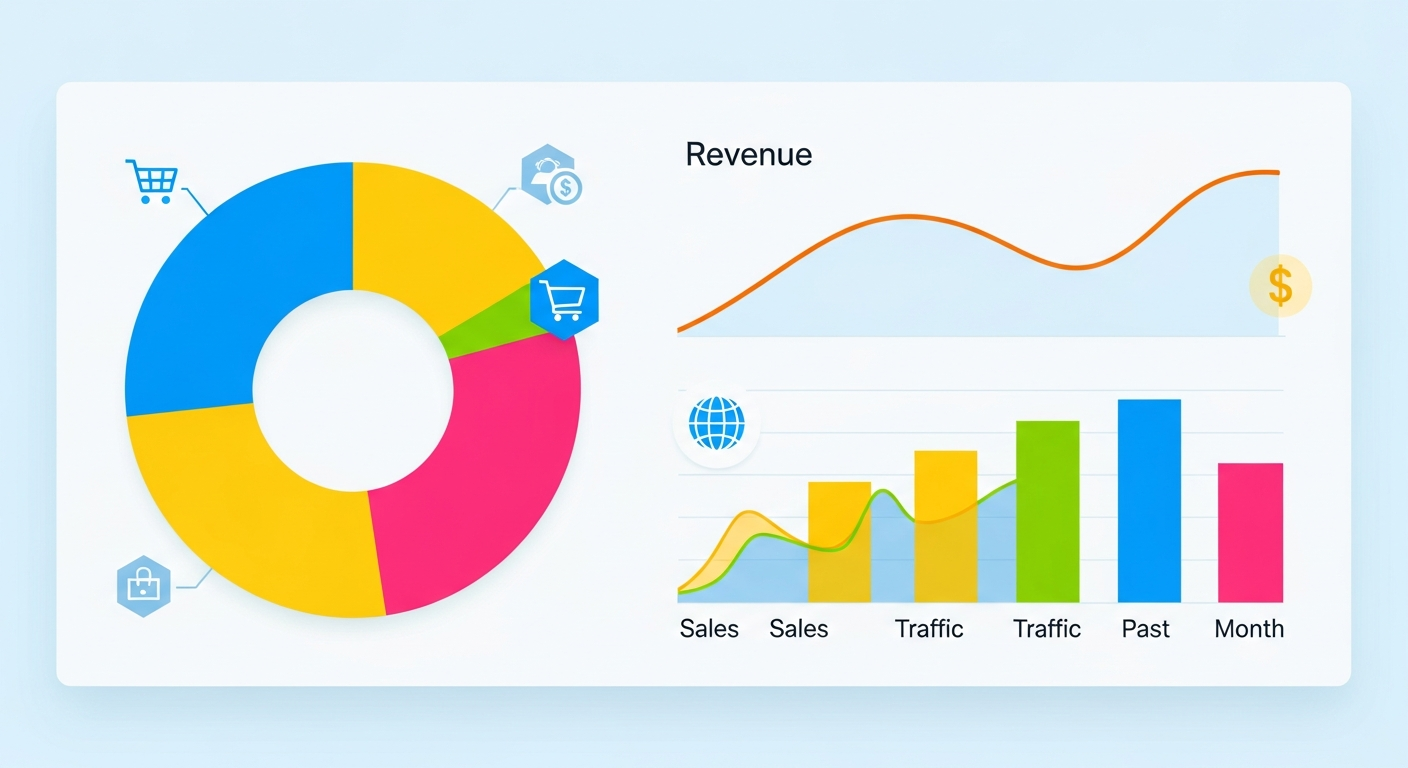
تعتبر لوحة المبيعات في منصتي سلة وزد هي القلب النابض لمتجرك الإلكتروني، ولكن قراءتها تتطلب نظرة ثاقبة تتجاوز إجمالي الإيرادات. عند استعراض تقارير المبيعات، يجب عليك التفرقة بوضوح بين إجمالي المبيعات وصافي الأرباح. قد تلاحظ ارتفاعاً كبيراً في المبيعات خلال فترة التخفيضات، ولكن بعد خصم تكاليف المنتجات، ورسوم بوابات الدفع، وتكاليف الشحن، والتغليف، وميزانية التسويق، قد تتفاجأ بأن صافي الربح ضئيل جداً أو حتى معدوم، وهذا يتطلب إعادة نظر شاملة في سياسة التسعير والعروض الترويجية التي تقدمها.
من الزوايا المهمة أيضاً في قراءة تقارير المبيعات هي تحليل أداء المنتجات بشكل فردي لمعرفة المنتجات النجوم وتلك التي تشكل عبئاً على المتجر. تقدم لك سلة وزد تقارير تفصيلية توضح المنتجات الأكثر مبيعاً والأكثر ربحية. قد تكتشف أن منتجاً معيناً لا يحقق مبيعات ضخمة من حيث العدد، ولكنه يمتلك هامش ربح ممتاز ويساهم بشكل كبير في إجمالي أرباحك، بينما منتج آخر يباع بكثرة ولكن هامش ربحه ضعيف ويستهلك جهداً كبيراً في التغليف والشحن وخدمة العملاء.
كما يجب عليك استخدام تقارير المبيعات لفهم الأنماط الزمنية والموسمية لمتجرك الإلكتروني. من خلال مقارنة مبيعات هذا الشهر بالشهر الماضي، أو مبيعات هذا العام بالعام الذي سبقه، يمكنك تحديد فترات الركود وفترات الذروة. هذه المعلومات حاسمة جداً في تخطيط السيولة النقدية وتحديد مواعيد إطلاق الحملات الإعلانية الكبرى. على سبيل المثال، إذا أظهرت البيانات أن مبيعاتك ترتفع بشكل ملحوظ في الأسبوع الأول من كل شهر ميلادي تزامناً مع نزول الرواتب، فيجب عليك تكثيف إعلاناتك وعروضك في هذه الفترة تحديداً لتعظيم الاستفادة.
التعامل مع تحديات المبيعات من خلال البيانات
أحد أكبر التحديات التي تواجه التجار وتظهر بوضوح في التقارير هو ظاهرة السلال المتروكة، حيث يقوم العميل بإضافة المنتجات ولكنه يغادر المتجر قبل إتمام الدفع. في سلة وزد، يمكنك استخراج تقرير مفصل بهذه السلال لمعرفة المنتجات التي تم التخلي عنها وقيمة هذه السلال المفقودة. لفهم كيفية التعامل مع هذه المشكلة الشائعة واسترداد هذه المبيعات الضائعة، يمكنك الاطلاع على مقالنا المتخصص حول السلال المتروكة: استراتيجيات استرجاعها في زد وسلة وتطبيق الحملات التلقائية لإعادتهم.
التحدي الثاني الذي تكشفه البيانات هو معدل استرجاع المنتجات، وهو مؤشر خطير إذا ارتفع عن الحد الطبيعي. من خلال تقارير المرتجعات، يمكنك تحديد المنتجات التي يتم إرجاعها بكثرة والبحث في أسباب ذلك. هل المشكلة في جودة المنتج نفسه؟ أم أن الوصف الموجود في المتجر مضلل ولا يعكس حقيقة المنتج؟ أم أن هناك مشكلة في المقاسات أو الألوان المعروضة؟ تحليل هذه البيانات يساعدك على إيقاف بيع المنتجات الرديئة التي تضر بسمعة متجرك وتكلفك رسوم شحن عكسية تقتطع من أرباحك الصافية.
التحدي الثالث هو إدارة المخزون الراكد أو بطيء الحركة، والذي يمثل أموالاً مجمدة تعيق نمو عملك. من خلال تقارير حركة المخزون في سلة وزد، يمكنك رصد المنتجات التي لم تحقق أي مبيعات خلال آخر تسعين يوماً. بناءً على هذه البيانات، يمكنك اتخاذ قرارات حاسمة مثل عمل تصفية شاملة على هذه المنتجات بأسعار مخفضة جداً لاسترداد رأس المال، أو دمجها كهدايا مجانية مع المنتجات الأكثر مبيعاً لتشجيع العملاء على زيادة حجم طلباتهم والتخلص من هذا المخزون بذكاء.
تحليل سلوك الزوار ومصادر الزيارات للمتجر
معرفة من أين يأتي زوار متجرك هي الخطوة الأولى لتحسين جهودك التسويقية وتوجيه ميزانيتك بشكل صحيح. توفر تقارير منصتي سلة وزد، خاصة عند ربطها بأدوات مثل جوجل أناليتكس، تفاصيل دقيقة عن مصادر الزيارات. ستتمكن من معرفة النسبة المئوية للزوار القادمين من محركات البحث العضوية، والزوار القادمين من منصات التواصل الاجتماعي مثل تيك توك وسناب شات وانستقرام، والزوار القادمين عبر الروابط المباشرة أو الحملات المدفوعة. هذا التحليل يمنعك من الصرف العشوائي ويجعلك تركز على المنصات التي تجلب زواراً ذوي جودة عالية.
إلى جانب معرفة المصدر، من الضروري جداً تحليل سلوك هؤلاء الزوار داخل المتجر لفهم مدى جودة تجربة المستخدم التي تقدمها. مؤشرات مثل متوسط وقت البقاء في المتجر ومعدل الارتداد تخبرك بالكثير. إذا كان الزائر يدخل المتجر ويخرج في غضون ثوانٍ معدودة، فهذا يعني أن هناك مشكلة في سرعة تحميل الصفحة، أو أن تصميم المتجر غير جذاب، أو أن الزائر لم يجد ما كان يتوقعه بناءً على الإعلان الذي نقر عليه، ولتحسين ظهورك العضوي وجذب زوار مستهدفين بدقة، راجع دليل سيو المتاجر: كيف تتصدر نتائج البحث في سلة وزد.
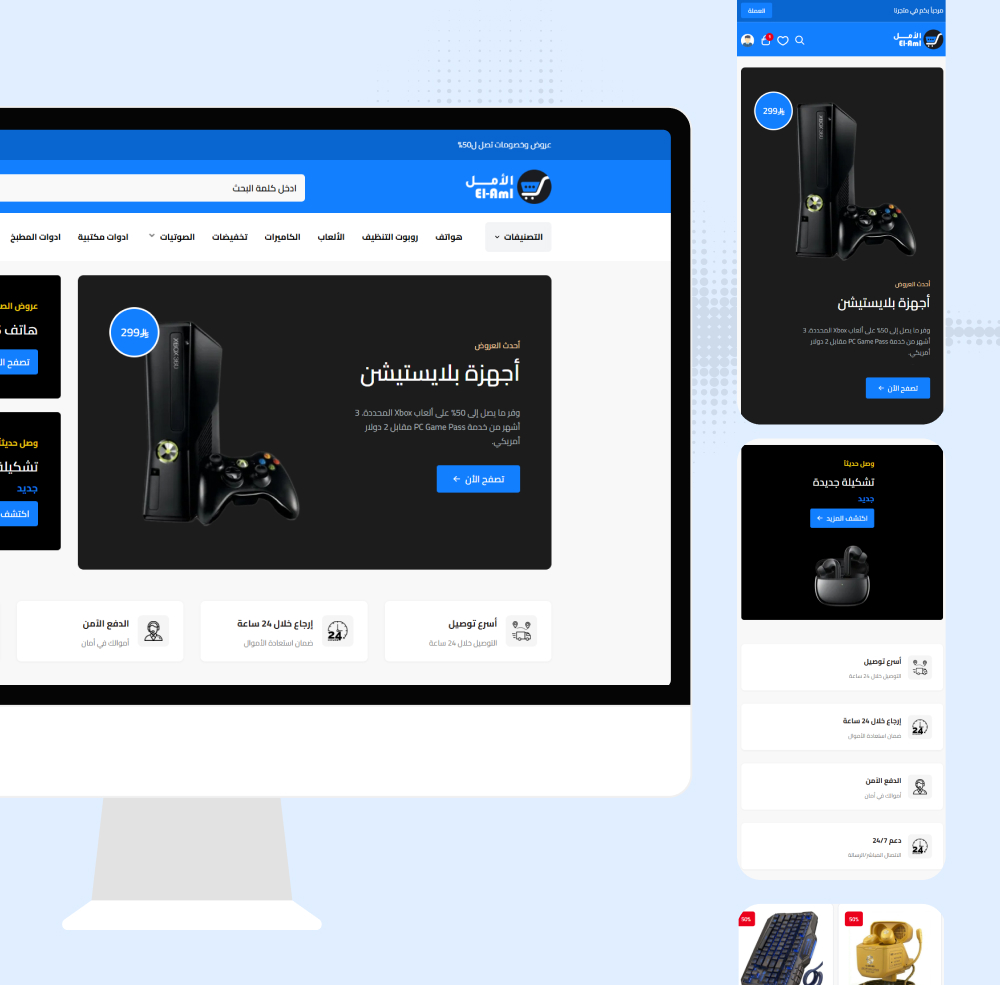
أخيراً في هذا القسم، يجب التركيز على تحليل الأجهزة التي يستخدمها الزوار لتصفح متجرك. في السوق العربي والخليجي تحديداً، تشير البيانات إلى أن أكثر من ثمانين بالمائة من عمليات التسوق الإلكتروني تتم عبر الهواتف الذكية. إذا أظهرت تقاريرك هذه النسبة، فيجب عليك التأكد تماماً من أن تصميم متجرك في سلة أو زد متجاوب بشكل مثالي مع شاشات الجوال، وأن أزرار الشراء واضحة، وعملية التصفح سلسة ومريحة للإبهام، لأن أي صعوبة في نسخة الجوال ستؤدي إلى خسارة فادحة في المبيعات المحتملة.
تحويل البيانات إلى قرارات وإجراءات تسويقية
البيانات بدون أفعال هي مجرد أرقام لا قيمة لها، والهدف النهائي من قراءة التقارير في سلة وزد هو اتخاذ قرارات تسويقية وتشغيلية تزيد من كفاءة المتجر. أول تطبيق عملي لذلك هو تقسيم العملاء بناءً على تاريخهم الشرائي. يمكنك استخراج قائمة بالعملاء المتميزين الذين يشترون باستمرار وبمبالغ كبيرة، وإرسال عروض حصرية لهم أو بطاقات شكر خاصة لتعزيز ولائهم. وفي المقابل، يمكنك استهداف العملاء الذين لم يشتروا منذ أكثر من ستة أشهر بحملة بريدية أو رسائل نصية تحتوي على كود خصم تحفيزي لإعادتهم للتسوق.
التطبيق الثاني يتعلق باستراتيجيات التسعير والعروض الترويجية. من خلال تحليل بيانات المنتجات التي يتم تصفحها بكثرة ولكن مبيعاتها قليلة، يمكنك استنتاج أن السعر قد يكون العائق الرئيسي. هنا يمكنك اتخاذ قرار مبني على البيانات بإجراء اختبار وتخفيض السعر بنسبة بسيطة ومراقبة التغير في معدل التحويل. كما يمكنك استخدام بيانات المنتجات التي تُشترى معاً عادةً لإنشاء عروض باقات مجمعة بأسعار تنافسية، مما يسهل على العميل اتخاذ قرار الشراء ويرفع من متوسط قيمة سلة المشتريات بشكل فعال.
التطبيق الثالث يركز على تحسين واجهة المتجر وتجربة المستخدم بشكل مستمر. إذا لاحظت من خلال البيانات أن قسماً معيناً من المنتجات لا يحظى بأي زيارات، فقد يكون السبب هو موقعه غير الواضح في القائمة الرئيسية للمتجر. بناءً على ذلك، يمكنك إعادة ترتيب القوائم، وتغيير البنرات الإعلانية في الصفحة الرئيسية، وإبراز المنتجات الأكثر طلباً في الجزء العلوي من المتجر لضمان رؤيتها فور دخول الزائر. إن منصتي زد وسلة تتيحان لك مرونة عالية في تعديل الواجهة، ويجب أن تكون هذه التعديلات مدفوعة دائماً بما تخبرك به الأرقام.
الخاتمة: الاستمرارية في قراءة البيانات هي مفتاح النجاح
في ختام هذا الدليل المفصل، يجب أن نؤكد على أن تحليل البيانات في التجارة الإلكترونية ليس مهمة تقوم بها لمرة واحدة ثم تنساها، بل هو التزام يومي وعادة أسبوعية يجب أن تتبناها كصاحب متجر طموح. إن السوق يتغير بسرعة، وتفضيلات العملاء تتبدل، والمنافسون يطورون من أساليبهم باستمرار، والبيانات هي بوصلتك الوحيدة التي تضمن لك البقاء على المسار الصحيح وتجنبك الانجراف خلف القرارات العاطفية التي قد تكلفك الكثير من الجهد والمال دون طائل.
إن منصتي سلة وزد تقدمان لك بنية تحتية تقنية متطورة جداً، وتعملان باستمرار على تحديث لوحات التحكم وإضافة تقارير جديدة أكثر دقة وتفصيلاً لمساعدتك في إدارة تجارتك باحترافية عالية. كتاجر ناجح، يجب عليك استثمار جزء من وقتك بشكل دوري لاستكشاف هذه الميزات الجديدة، وتدريب فريق عملك على قراءة هذه التقارير وفهمها، وتحويلها إلى خطط عمل أسبوعية وشهرية ترتقي بمستوى الخدمة التي تقدمونها للعملاء وتضاعف من العوائد المالية للمتجر.
ابدأ من اليوم بتغيير نظرتك للوحة التحكم في متجرك؛ لا تنظر إليها كشاشة تعرض أرقاماً صامتة، بل كخريطة كنز ترشدك إلى الفرص الضائعة ومكامن الخلل. خصص ساعة واحدة على الأقل كل أسبوع لمراجعة معدلات التحويل، وتكلفة الاستحواذ، وأداء المنتجات، وسلوك الزوار. اكتب ملاحظاتك، وضع فرضيات للتحسين، وقم باختبارها، ثم راجع البيانات مرة أخرى لترى النتائج. بهذه العقلية التحليلية المستمرة، ستضمن لمتجرك في سلة أو زد نمواً تصاعدياً ومكانة راسخة في صدارة التجارة الإلكترونية العربية.