




WhatsApp Marketing: Automating Your Store's Sales on Salla, Zid, and Shopify
In the rapidly evolving era of e-commerce, merely having an online store is no longer sufficient to achieve desired success. With increasing competition and changing customer expectations, there is an urgent need to adopt innovative and effective marketing strategies that ensure direct and personalized communication with customers. Platforms like Salla, Zid, and Shopify have enabled thousands of entrepreneurs in the Arab region to build their stores with ease, but the biggest challenge lies in how to convert visitors into loyal, repeat customers, and how to build lasting loyalty in a highly competitive market.
This is where WhatsApp marketing emerges as an undeniable driving force in the world of e-commerce, especially in our region, which sees a massive spread of this application. With message open rates exceeding 90% and the ability to deliver messages instantly and directly to the customer's pocket, WhatsApp becomes a golden marketing channel. But how can store owners on Salla, Zid, and Shopify leverage this immense power smartly and effectively? The answer lies in automation, which transforms WhatsApp from a mere chat tool into a highly efficient, 24/7 sales and marketing system.
The Power of WhatsApp in E-commerce
Today, WhatsApp represents one of the most powerful digital communication channels globally, and in the Middle East and North Africa region in particular, it is almost the default application for daily communication. This immense popularity gives it a unique advantage for e-commerce merchants, allowing them direct access to a wide and already engaged audience base on the platform. Unlike email, which can get lost in the clutter of spam, or SMS messages, which may seem dry and impersonal, WhatsApp offers a more intimate and interactive communication experience, increasing the chances of messages being read and engaged with.
WhatsApp's strength also lies in its somewhat personal and informal nature. Users tend to open WhatsApp messages faster and pay more attention to them than other messages, creating a golden opportunity for store owners to present their offers, send updates, or even answer customer inquiries in a direct and effective manner. Furthermore, features such as sending photos, videos, and audio files enhance the attractiveness of messages and help deliver marketing content in innovative and engaging ways, enriching the customer experience and bringing them closer to the store and its products.
Additionally, WhatsApp Business API provides powerful tools for businesses to enable large-scale communication with customers, while maintaining privacy and professionalism. This means that online stores, whether built on Salla, Zid, or Shopify, can utilize this platform not only for marketing but also for customer service, receiving orders, and even sending important notifications. The ability to integrate this channel into a comprehensive marketing strategy opens new horizons for increasing sales and building strong, lasting customer relationships.
Automating WhatsApp Marketing: The Key to Increased Sales
In the fast-paced world of e-commerce, merchants cannot rely on manual communication with every customer, especially with increasing order volumes and customer bases. This is where the importance of automating WhatsApp marketing emerges as a revolutionary solution that ensures efficiency and effectiveness. Automation means setting up and activating automated messages and actions that are triggered based on specific customer behaviors or events in the purchasing journey, such as abandoning a shopping cart or completing a purchase, saving time and effort and increasing response speed.
The benefits of WhatsApp automation are numerous and include increased productivity, as a large number of customers are handled simultaneously without the need for constant human intervention. It also ensures consistency in message quality and content, which enhances the professional image of the store. More importantly, automation allows stores to operate 24/7, meaning customers can get information or receive offers even outside official business hours, which is crucial in a global market that never stops.
Automation fundamentally transforms how stores interact with their customers. Instead of sending generic messages to everyone, WhatsApp automation can target each customer with a personalized message based on their purchase history, interests, or even their interaction with the store. This level of personalization not only increases the likelihood of purchase but also deepens the relationship between the customer and the store, making the shopping experience more enjoyable and personal. It is a smart strategy to boost sales and build customer loyalty simultaneously.
Customer Journey Stages and WhatsApp Automation
Understanding the customer journey is the cornerstone of any successful marketing strategy, and WhatsApp automation provides powerful tools to support this journey at every stage. The journey begins with awareness and interest, where the customer discovers your store and its products. Here, automated welcome messages can be used to introduce the store, highlight its strengths, and perhaps offer a special deal for new customers to encourage them to explore products. These initial messages leave a strong first impression and help build an early relationship with the potential customer.
The journey then moves to the evaluation and purchase stage, where the customer researches and compares before making a purchase decision. At this stage, WhatsApp automation can play a crucial role by sending additional information about products the customer has shown interest in, or answering frequently asked questions through a smart chatbot. More importantly, it can be used for abandoned cart recovery, where a reminder is sent to customers who added products to their cart but did not complete the purchase, with the possibility of offering an additional incentive to complete it. You can check our comprehensive guide to recovering abandoned carts to boost your store's sales on Salla, Zid, and Shopify.
Finally, there is the post-purchase and loyalty stage, which is no less important than the previous stages. At this stage, WhatsApp can be used to provide updates on order status and shipping, reducing customer anxiety and increasing their trust in the store. Thank-you messages, product review requests, or even recommendations for complementary products based on previous purchases can also be sent. These continuous and personalized interactions help build a long-term relationship with the customer and encourage them to return and purchase again, enhancing the lifetime value (LTV) for your store.
Automated WhatsApp Marketing Strategies for Your Store
To maximize the benefits of automated WhatsApp marketing, e-commerce store owners on platforms like Salla, Zid, and Shopify must adopt specific and well-thought-out strategies. These strategies are not limited to sending random messages but rely on a deep understanding of customer behavior and appropriate message timing. One of the most important strategies is abandoned cart recovery, as many customers add products to their carts and then leave the store for various reasons. Automated WhatsApp messages can remind them of their carts, and perhaps offer an additional incentive such as a small discount or free shipping, which significantly increases conversion rates.
Another crucial strategy is welcome messages for new customers. As soon as a new customer registers or makes their first purchase, an automated WhatsApp welcome message can be sent containing useful information about the store, featured products, or even a link to the FAQ page. This message not only breaks the initial barrier with the customer but also makes them feel appreciated and belonging, enhancing the chance of them becoming a repeat customer. These messages can also be used to offer exclusive discount codes for first-time buyers, encouraging repeat purchases and strengthening the relationship.
Order and shipping updates are an essential strategy to enhance customer trust and reduce customer service inquiries. After completing a purchase, automated WhatsApp messages can be sent to confirm the order, then updates on various shipping stages (e.g., order shipped, order on its way, order delivered). This transparency in communication makes the customer experience smoother and more comfortable, reassuring them that their orders are being processed. These updates can also be utilized to offer related product recommendations or invite customers to review their experience after receiving the product.
Integrating WhatsApp with Salla, Zid, and Shopify Platforms
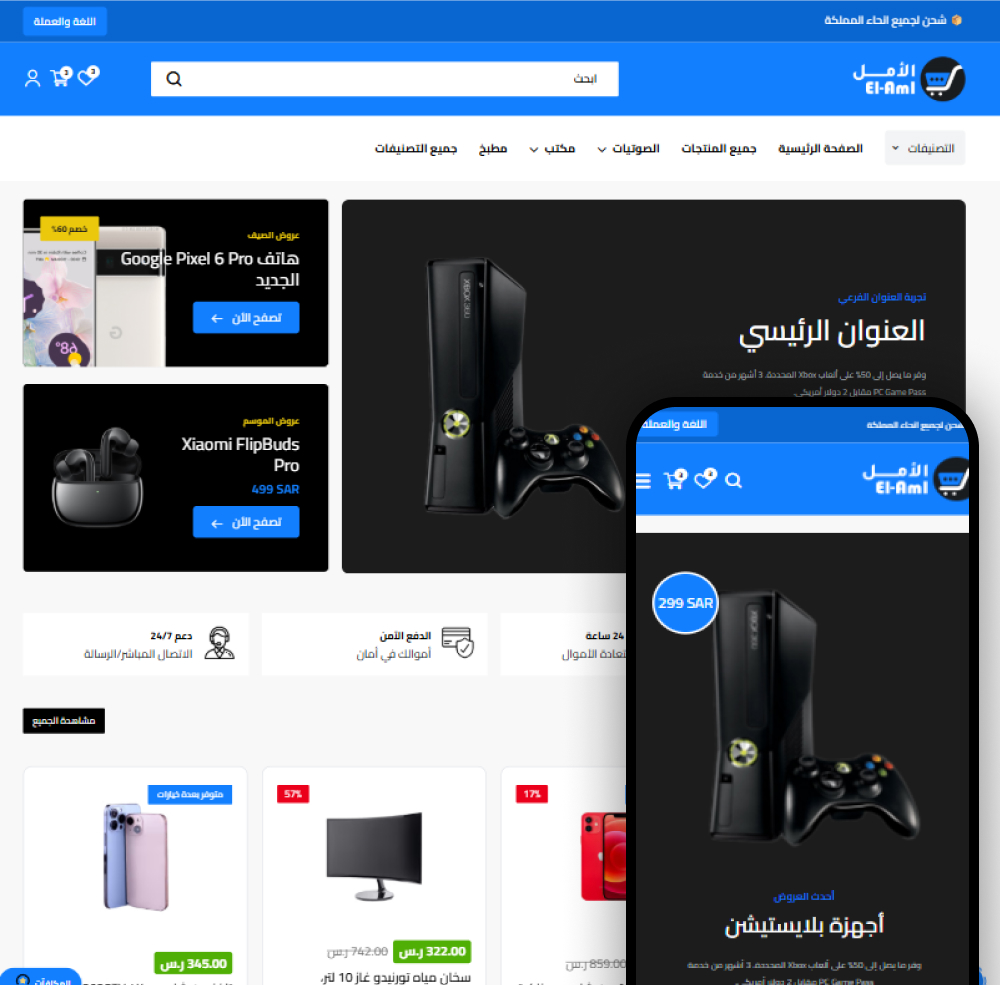
To achieve maximum efficiency from automated WhatsApp marketing, it is essential to effectively integrate this channel with your e-commerce store platform, whether it's Salla, Zid, or Shopify. These platforms, through their applications and add-ons, allow you to connect your store with WhatsApp Business, enabling seamless data flow and triggering automation based on store events. For example, specific applications on a Salla store can automatically trigger a WhatsApp message when a product is added to the cart or when a payment is completed. These capabilities reduce the need for manual intervention and ensure continuous communication with the customer at critical moments.
Each platform—Salla, Zid, and Shopify—offers different integration methods. Shopify, for instance, has a rich app store with dozens of specialized WhatsApp automation apps that seamlessly integrate with the store's dashboard and provide advanced features such as customer segmentation, broadcast campaigns, and smart chatbots. As for Salla and Zid, which specifically target the Arab market, they have seen significant development in this area, also providing a range of applications and solutions available in their respective app stores, enabling merchants to connect their WhatsApp Business accounts and automate messages based on various store events. You might find that choosing the most suitable platform for your store among Salla, Zid, and Shopify greatly impacts the available integration options.
When choosing the right integration tool or application, store owners must consider several factors, such as ease of use, cost, available features (e.g., customization capabilities, analytics, language support), and its compatibility with the store's specific needs. It is also important to ensure that the chosen tool complies with WhatsApp Business policies to ensure service continuity and avoid any potential issues. Investing in a robust and reliable integration tool can make a significant difference in the efficiency and effectiveness of your WhatsApp marketing campaigns and contribute to a remarkable increase in your store's sales.
Choosing the Right WhatsApp Automation Tool
The success of WhatsApp marketing automation is not limited to identifying the right strategies; it largely depends on choosing the appropriate tool that facilitates the effective execution of these strategies. Many tools and applications are available in the market, whether as standalone solutions or directly integrated applications with e-commerce platforms like Salla, Zid, and Shopify. When selecting a tool, you should look for essential features such as the ability to segment customers based on their behaviors (e.g., past purchases, viewed products, or message interaction) and the capability to send personalized mass messages (Broadcasts) to specific customer segments.
It is also crucial to ensure that the tool supports the creation of smart chatbots that can answer frequently asked questions, guide customers to suitable products, or even complete part of the purchase process. These chatbots should be customizable to fit your store's brand identity and capable of seamlessly transferring to a human customer service agent when needed. Furthermore, the tool should provide detailed reports and analytics on campaign performance, such as open rates, click-through rates, and conversion rates, allowing you to understand what works and what needs improvement.
Finally, the legal aspect and WhatsApp's terms of service must be considered. The chosen tool must ensure compliance with these policies, especially regarding obtaining customer consent (Opt-in) before sending marketing messages. Arabic language support, ease of use, and the availability of local or Arabic-speaking technical support are also significant advantages for store owners in the region. Investing in a comprehensive and reliable tool will ensure you build strong and sustainable WhatsApp marketing campaigns, contributing to increased customer loyalty and sales.
Best Practices for Successful WhatsApp Marketing
To achieve the maximum return on investment from automated WhatsApp marketing, e-commerce store owners must adhere to a set of best practices that ensure campaign effectiveness and avoid annoying customers. First and foremost, explicit customer consent (Opt-in Consent) must be obtained before sending any marketing messages. This can be achieved through registration forms on the store, upon completion of a purchase, or even via an initial WhatsApp message requesting permission. Respecting customer privacy is key to building trust and maintaining the store's reputation.
Secondly, message personalization is paramount. Instead of sending generic messages, messages should be as targeted and personal as possible, using the customer's name, referring to their past purchases, or products they have shown interest in. This personalization makes the customer feel valued and that the message is directed specifically to them, increasing the likelihood of interaction. For example, customer data can be used to offer dynamic pricing offers that align with their interests and budget.
Thirdly, the optimal timing for sending messages plays a crucial role in campaign success. Customer behavior should be studied to identify the times when they are most engaged and responsive. Sending messages at inappropriate times may lead to them being ignored or considered an annoyance. Fourthly, messages should always focus on providing value to the customer, whether through a special offer, a useful tip, or an important update. Avoid messages that focus solely on direct selling, and try to build an interactive relationship that offers real value to the customer every time they receive a message from you. Fifthly, responses must be quick, even if automated. Prompt responses enhance the customer experience and demonstrate the store's professionalism. Finally, campaign performance should be continuously analyzed and improved based on data. Track open rates, click-through rates, and conversion rates, and use this data to adjust your strategies and optimize your message content for the best possible results.
Conclusion
In conclusion, automated WhatsApp marketing represents a golden opportunity for e-commerce store owners on Salla, Zid, and Shopify platforms to boost their sales and build strong, lasting relationships with their customers. By leveraging the power of this direct and personal communication channel, and empowering it with smart automation, stores can transform the shopping experience into a seamless, enjoyable, and profitable journey for both parties. The ability to reach customers at the right moments with the right messages, whether to remind them of an abandoned cart, confirm an order, or offer a personalized deal, positions your store ahead of the competition and increases the chances of success in the growing digital market.
Success in WhatsApp marketing is not limited to merely sending messages; it requires an integrated strategy based on a deep understanding of the customer journey, selecting appropriate tools for integration with e-commerce platforms, and adhering to best practices that ensure real value is provided to customers while respecting their privacy. Through careful planning and continuous analysis, any online store, regardless of its size, can transform WhatsApp from a mere chat application into a powerful engine for sales growth and customer loyalty.
Therefore, we encourage store owners to explore the possibilities of automated WhatsApp marketing and invest in tools and solutions that enable them to integrate this vital channel into their marketing strategies. The future of e-commerce lies in personalization and direct communication, and WhatsApp represents the ideal tool to achieve this. Start building your store's WhatsApp strategy today and see how your marketing efforts translate into tangible sales and profits.