


Payment Gateways: Choose the Best for Your Shopify Store
In the rapidly evolving world of e-commerce, digital payment gateways are more than just a means of collecting money; they are the vital artery connecting the store and the customer. They play a pivotal role in building trust, enhancing the shopping experience, and increasing conversion rates. With the growing number of online stores in the Arab region, whether on global platforms like Shopify or leading local platforms such as Salla and Zid, choosing the right payment gateway has become a strategic decision that cannot be underestimated. It directly impacts your store's reputation and its ability to grow and prosper in a competitive market.
Imagine your customer spending a long time browsing your store's products, adding desired items to their cart, then reaching the checkout page only to find limited options, a complicated payment process, or a payment gateway they don't trust. At this crucial moment, the customer might decide to abandon the purchase, turning a potential sale into a virtual abandoned cart. Therefore, understanding the mechanics of payment gateways, carefully evaluating the available options, and selecting what suits your customers and your Shopify store is a fundamental key to ensuring a smooth and secure purchasing experience, ultimately translating into higher sales and greater brand loyalty.

What are Electronic Payment Gateways and Why Are They the Cornerstone of Your Store?
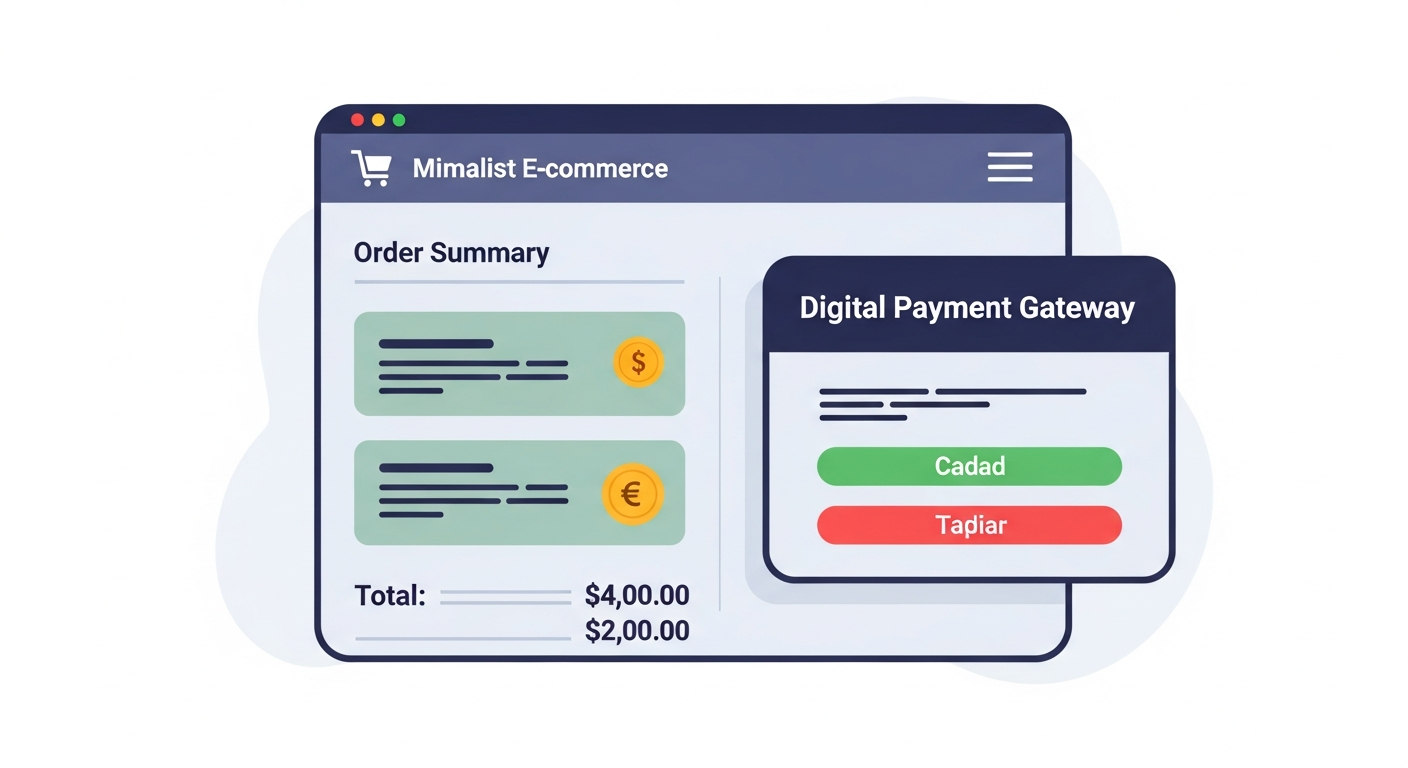
Electronic payment gateways are secure technological systems used to process financial transactions online. They act as an intermediary bridge between your e-commerce store (whether on Shopify, Zid, or Salla) and the banks and financial institutions it deals with. When a customer clicks the "Pay Now" button, the payment gateway encrypts credit card information or other payment data and securely sends it to the card-issuing bank for verification of validity and sufficient funds. It then receives an approval or rejection response and redirects the customer to an order confirmation page or an error message.
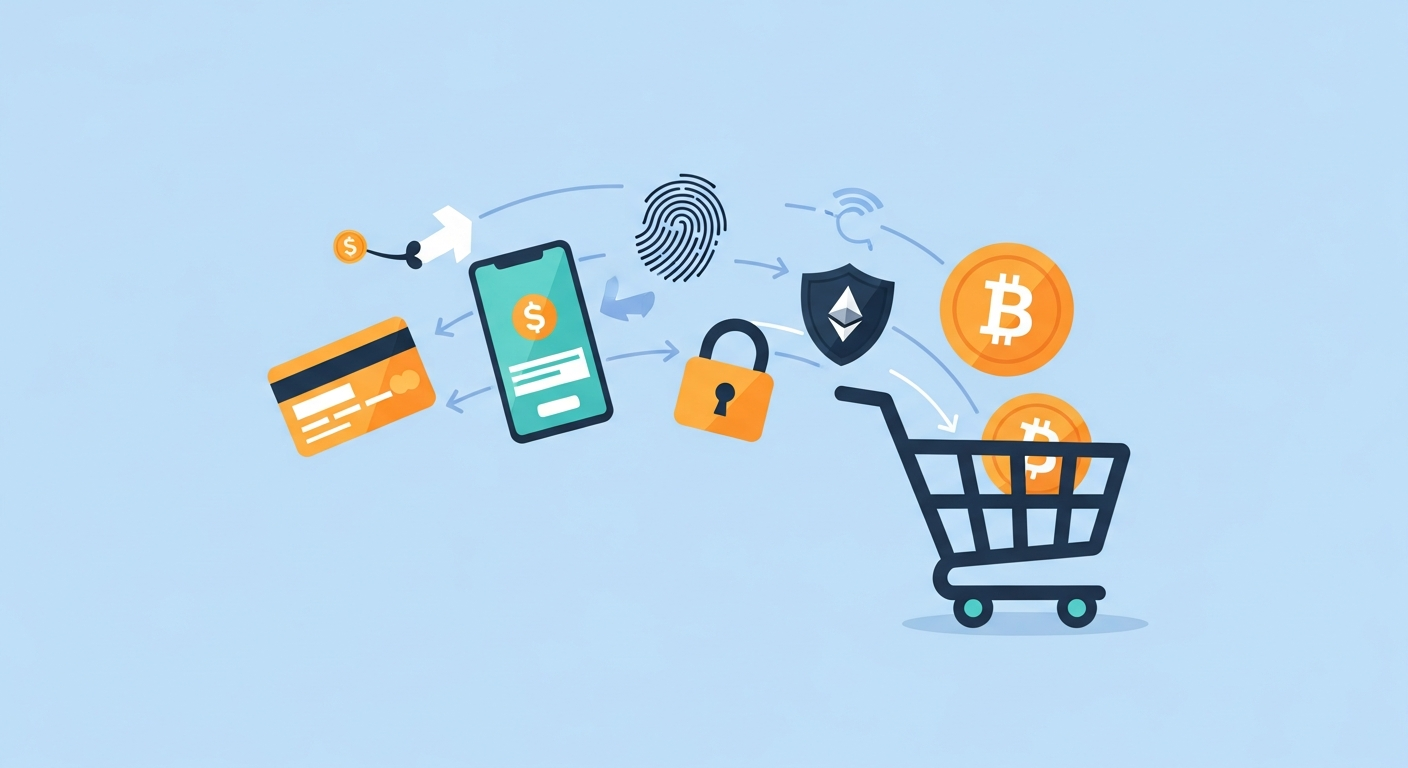
The paramount importance of payment gateways lies in their crucial role in providing a secure and reliable payment experience for both merchants and customers. They are not merely about transferring money but involve multiple layers of protection against fraud and data theft, ensuring that sensitive customer information remains encrypted and protected throughout the entire payment process. This level of security builds a bridge of trust between the shopper and your store, a critical factor in the online purchasing decision, especially in a sensitive region like the Middle East where concerns about information security are growing.
In addition to security, payment gateways directly impact the efficiency of your store's operations and its ability to scale. An effective gateway reduces operational errors, provides detailed transaction reports, and supports a wide range of preferred customer payment methods, contributing to improved conversion rates and increased revenue. Choosing a payment gateway that does not meet these criteria can lead to operational complexity, increased costs, and even loss of potential customers due to a poor or unreliable payment experience.
1. Supported Payment Methods and Geographic Reach
One of the most critical factors when choosing a payment gateway is knowing which payment methods it supports and how well it aligns with your target customers' preferences. In the Arab region, it's not enough to only support international credit cards like Visa and Mastercard; the gateway must also support popular local payment methods such as Mada cards in Saudi Arabia, Cash on Delivery (COD), which is still prevalent in some markets, and digital payment services like Apple Pay, STC Pay, and instant payment services. The wider and more convenient the payment options are for your audience, the higher the chances of completing a purchase and the lower the rate of abandoned carts.
You must also consider the geographical reach of your customers. If you are primarily targeting the Saudi market, a payment gateway that efficiently supports Mada will be essential. If you are targeting the wider GCC or MENA region, you will need a gateway that provides comprehensive support for local currencies and popular payment methods in those countries. Some global payment gateways may be powerful but lack adequate support for local methods, while regional gateways are distinguished by their deep understanding of these needs, making them an attractive option for both local and regional stores.
Providing multiple payment options not only meets customer needs but also reflects your store's professionalism and adaptability to diverse preferences. Some customers may prefer to pay with credit cards, while others prefer using digital wallets for their speed and security. Therefore, analyzing your customer data to identify their most used payment methods and comparing them with what different payment gateways offer will give you a competitive advantage and contribute to increasing customer satisfaction with the overall shopping experience in your Shopify store.
2. Associated Fees and Costs
Fees and costs are a vital aspect that must be evaluated with extreme care when selecting a payment gateway. Pricing structures vary significantly among different payment gateways and may include transaction fees, setup fees, monthly fees, chargeback fees, and withdrawal fees. It is essential to fully understand these fees and their impact on your profit margin. For example, some gateways may offer low transaction fees but impose high monthly fees, while the opposite may be true for others, so you must calculate the total cost based on your projected sales volume.
Do not just look at transaction fees as a percentage; also pay attention to fixed fees per transaction, as sometimes fixed fees can be very impactful on low-value transactions. Conduct a detailed comparison between several potential payment gateways and calculate the estimated costs based on your average order value and monthly transaction volume. Do not hesitate to negotiate with service providers if you anticipate a high sales volume, as some may offer special deals for high-volume stores, which can save you a significant amount in the long run and improve your store's profitability.
Furthermore, attention must be paid to hidden fees or those that may not be initially obvious, such as international transfer fees if you sell to customers outside your country, or currency conversion fees. Also, understanding chargeback policies and how they are handled can save you from many unexpected losses. Choosing a payment gateway with a transparent pricing structure that suits your business volume and profit model is a crucial step to ensure the sustainability of your Shopify e-commerce store.
3. Security and Fraud Protection
In an era of increasing cyber threats, security and fraud protection are among the most important aspects that should be at the forefront of your priorities when choosing a payment gateway. The gateway must be compliant with Payment Card Industry Data Security Standard (PCI DSS), a set of security standards designed to protect cardholder data. This compliance is not just an added feature; it is an absolute necessity for building customer trust and protecting your store from any security breaches that could lead to significant financial losses and damage to your brand's reputation in the market.
Look for payment gateways that offer advanced fraud detection tools, such as strong encryption technologies, real-time risk analysis systems, two-factor authentication (2FA), and suspicious transaction monitoring. These tools help reduce the risks of fraudulent transactions, which can cost you not only the value of the product but also exorbitant chargeback fees from banks. The more sophisticated the payment gateway's security features, the more comfortable you and your customers will feel when completing purchases, which enhances trust in your store.
You must also understand the responsibility of the payment gateway and your store in the event of any breaches or fraudulent activities. Some payment gateways may provide greater protection for the merchant against chargebacks and fraud, while others place the greater burden on the merchant. Therefore, carefully reading the terms and conditions and understanding the extent of protection offered by the gateway is of paramount importance. Ensure that the payment gateway you choose for your Shopify store provides the highest level of security for your customers' data and transactions, to ensure the continuity of your business and the safety of your reputation.
4. Ease of Integration and User Experience
The ease of integration with the Shopify platform is a critical factor in choosing a payment gateway, as it directly affects the time and effort required to set up your store for operation, in addition to the final experience your customers receive. Payment gateways that provide ready-made apps or plugins for Shopify make the installation and setup process quick and simple, often requiring no complex programming expertise. This ensures that your store can start receiving payments as quickly as possible, while minimizing the likelihood of technical errors.
It's not just about technical integration; it also extends to the final user experience (UX) on the checkout page. The payment process should be smooth, fast, and intuitive, whether the customer is using a desktop computer or a smartphone. Any unnecessary complexity or extra steps can lead to customer frustration and abandonment of the shopping cart. Look for payment gateways that offer a clean user interface, customization options for the checkout page to match your store's brand identity, and a mobile-responsive payment experience, which is vital given the high percentage of mobile shoppers in the Arab region.
Furthermore, you must ensure that the chosen payment gateway provides an easy-to-use dashboard for managing transactions, viewing reports, and processing refunds. These administrative features make it easier for you to monitor your store's performance and make decisions based on clear data. The payment experience should be an integral part of the overall shopping experience, reinforcing your store's image as a reliable and user-friendly destination, just like payment gateways on platforms such as Salla and Zid which focus on ease of use for emerging stores.
5. Customer Support and Reliability
This point might seem secondary to some, but in reality, it is no less important than other factors, as reliable and responsive technical support can save you from critical situations. Imagine the payment gateway facing a sudden technical issue during peak sales, or a customer having difficulty completing a payment; in these cases, you will need immediate assistance to resolve the problem and avoid losing sales. Look for payment gateways that offer multiple support channels (such as phone, email, live chat), provide Arabic language support, and respond quickly to inquiries and issues.
Reliability also means a proven track record of stability and high performance. A payment gateway that experiences frequent outages or slow transaction processing can significantly harm your store and erode customer trust. Check the gateway's reputation and other user reviews, and inquire about the Service Level Agreement (SLA) it offers, which defines its commitment to service availability. The gateway must be able to handle large volumes of transactions without any delays, especially during sales seasons and major promotions.
Also, ensure that the payment gateway provides educational resources and developer documentation if you plan to customize the payment process or integrate it with other systems. The more transparent and responsive the payment gateway provider is, the better it is for your store. Good technical support is not a luxury, but an investment in the continuity of your business and your peace of mind as an e-commerce store owner, whether you are on Shopify or any other platform like Salla or Zid, as technical problems are always possible.
1. Stripe
Stripe is one of the most popular and flexible global payment gateways, characterized by its powerful API that allows developers to customize the payment experience extensively. Although it is a global gateway, Stripe has significantly expanded in the Arab region and now supports many local currencies and popular payment methods in countries such as the UAE and Saudi Arabia. It is an excellent choice for stores looking for advanced payment solutions, detailed reports, and the ability to scale globally. It also provides robust fraud prevention tools, adding an extra layer of security to your Shopify store's transactions.
Stripe is also known for its ease of integration with Shopify, offering a dedicated app that makes the setup process simple and quick, allowing stores to start receiving payments in a short time. Stripe supports a wide range of credit and debit cards, as well as payment options like Apple Pay and Google Pay. However, merchants in the Arab region should verify the extent of Stripe's support for the most common local payment methods in their countries, such as Mada in Saudi Arabia, as its support may not be as comprehensive as specialized regional gateways.
One of Stripe's most notable features is its transparent fees, which are often on a pay-as-you-go basis with no setup or monthly fees for most accounts, making it attractive to stores of all sizes. Stripe's dashboard is also user-friendly and provides valuable insights into transactions and transfers. So, if your Shopify store is looking for a powerful global solution with increasing regional support, Stripe is worth serious consideration.
2. PayTabs
PayTabs is a leading regional payment gateway founded in Bahrain, with a strong presence in the Middle East and North Africa, making it an excellent choice for stores targeting these markets. PayTabs is distinguished by its comprehensive support for a wide range of local and international payment methods, including Saudi Mada cards, K-Net in Kuwait, OmanNet in Oman, in addition to major credit cards and digital payment services like Apple Pay and STC Pay. This diversity ensures that your customers in the region will always find their preferred payment option, reducing abandoned shopping carts.
PayTabs understands the specificities of the Arab market and offers customized solutions that meet the needs of merchants in the region, including Arabic language support. Ease of integration with Shopify, as well as with other platforms like Zid and Salla, is one of its strengths, as it provides ready-made plugins that make the linking process quick and efficient. PayTabs also features strong security measures, including PCI DSS compliance and advanced anti-fraud tools, providing peace of mind for both merchants and customers.
In addition, PayTabs provides a user-friendly dashboard that allows merchants to manage all their transactions, view reports, and control settings easily. It also offers flexible solutions to suit different business sizes, from startups to large enterprises. If your Shopify store focuses heavily on the Arab market and wants to benefit from strong support for local payment methods, PayTabs is definitely one of the best options to consider.
3. HyperPay
HyperPay is another powerful regional payment gateway, focusing on providing integrated and comprehensive payment solutions for e-commerce stores in the Middle East and North Africa. HyperPay is known for its ability to offer highly secure and reliable payment services, and it is particularly suitable for large stores that require customized payment solutions capable of handling massive transaction volumes. HyperPay supports a wide range of local and international payment methods, including major credit and debit cards, as well as many popular alternative payment methods in the region.
HyperPay features a robust anti-fraud engine that uses advanced technologies to analyze risks and detect suspicious transactions in real-time, providing excellent protection for your store against potential losses. It also adheres to the highest global security standards, including PCI DSS, to ensure the protection of customer data. Seamless integration with Shopify is available via dedicated plugins, allowing stores to integrate HyperPay services smoothly into their checkout process.
HyperPay also offers a sophisticated dashboard that allows detailed transaction tracking and financial reporting, helping merchants better understand their store's performance. Although HyperPay might be slightly more complex to set up compared to some other gateways due to its advanced features, the technical support it provides helps merchants overcome any challenges. If your Shopify store is growing rapidly and requires a powerful and flexible payment solution with a focus on security and fraud prevention, HyperPay is worth considering.

4. MyFatoorah
MyFatoorah is a Kuwaiti-originated payment gateway that has gained significant popularity in the GCC countries due to its ease of use and focus on meeting the needs of merchants in this region. MyFatoorah stands out with its simple interface that allows merchants to easily create and send payment invoices via email, SMS, or even social media, making it ideal for stores that use multiple sales channels or those looking for a quick and simple way to collect payments.
MyFatoorah supports a wide range of popular local payment methods in the Gulf countries, including K-Net in Kuwait, Mada in Saudi Arabia, and global Visa and Mastercard. It also provides mobile-responsive payment solutions, ensuring a seamless payment experience for customers shopping via their smartphones. Its ease of integration with Shopify and other platforms like Zid and Salla makes it an attractive option for startups and small to medium-sized businesses that want to start receiving payments quickly and without complex programming.
Among MyFatoorah's most prominent features are its competitive fees and transparent pricing structure, making it an economical choice for many merchants. It also provides an easy-to-use dashboard for transaction management and sales reports. If your Shopify store focuses on the GCC market and is looking for a simple, effective payment solution that strongly supports local payment methods, MyFatoorah offers excellent value and is worth trying.
5. Tamara & Tabby
Payment gateways are no longer limited to collecting payments in one go; "Buy Now, Pay Later" (BNPL) solutions like Tamara and Tabby have emerged to revolutionize the shopping experience in the Arab region. These two services offer customers the option to split their purchase value into interest-free installments, providing them with greater financial flexibility and encouraging them to complete higher-value purchases. These services have proven effective in increasing conversion rates and boosting the average order value for e-commerce stores.
Tamara and Tabby are essential partners for merchants in the region and integrate seamlessly with the Shopify platform, as well as with Zid and Salla platforms. When these services are activated in your store, the installment payment option appears on the product page and in the shopping cart, reassuring the customer and encouraging them to purchase. The merchant bears a small fee on each transaction, but in return, is guaranteed to receive the full amount from Tamara or Tabby, while the companies handle collecting installments from the customer, reducing the risk of non-payment for the merchant.
Integrating BNPL services has become a competitive necessity in the Arab market, as shoppers are increasingly looking for this flexibility. If your Shopify store sells relatively high-priced products, offering options like Tamara and Tabby can have a significant impact on your sales and customer base. It is a smart investment in customer experience that can yield significant benefits in the long run, especially with the growing popularity of these services among younger demographics in the region.
6. PayPal
PayPal is one of the oldest and most renowned global payment gateways, enjoying immense trust among millions of users worldwide. Although its penetration in the Arab region may not match local gateways in terms of supporting purely local payment methods, it remains a strong and reliable option, especially for stores targeting international customers or customers who prefer using PayPal accounts for security and speed. Integration with Shopify is simple and straightforward, allowing your store to accept payments from anyone with a PayPal account.
One of PayPal's most significant advantages is its buyer and seller protection system, which provides an extra layer of security for both parties in case of disputes. Furthermore, the PayPal checkout process is fast and familiar to many, reducing customer friction at checkout. However, attention should be paid to PayPal's fees, which can be slightly higher compared to some other gateways, in addition to currency conversion fees if you deal with different currencies. Also, some customers in the region may not prefer to create a PayPal account if they do not already have one.
Despite these points, PayPal remains a good option for enhancing trust and offering a globally recognized payment choice. It can be used as an additional payment option alongside a strong local payment gateway to ensure broader coverage of customer preferences, especially if you wish to expand beyond the local market. It adds credibility to your Shopify store and opens doors to global markets more easily.
7. Shopify Payments
Shopify Payments is Shopify's integrated payment gateway, designed to provide a seamless and direct payment experience for stores built on the platform. One of its most significant advantages is complete integration with your Shopify store, meaning no additional transaction fees are imposed by Shopify (only the payment gateway's own fees apply). This can save merchants significant amounts, especially with high sales volumes. It also simplifies the setup and management process, as you can manage all payments, orders, and reports directly from your Shopify admin panel.
Shopify Payments offers various payment options, including major credit and debit cards, and digital payment services like Apple Pay and Google Pay. However, the availability of Shopify Payments depends on the geographical region. Despite its expansion, the service is still not available in all Arab countries. Therefore, merchants in the region must check its availability in their country before relying on it as a primary option. If it is not available, the merchant will need to choose an external payment gateway.
If Shopify Payments is available in your country, it provides a highly streamlined user experience, with fast payouts and easy-to-understand financial reports. It is the most integrated and cost-effective option for stores that can utilize it. However, it may not offer the same level of support for specialized local payment methods in the region as some regional gateways, which may require combining it with another payment gateway to cover all potential customer needs.
1. Define Your Store's Needs and Target Audience
Before embarking on the search for payment gateways, you must first define the precise needs of your Shopify e-commerce store and your target audience. Are you selling physical products or digital services? Are you selling locally within a single country, or targeting several countries in the Arab region, or even globally? What is the age group and demographic of your customers? Answering these questions will help you narrow down the options and choose a payment gateway that aligns with your business model and your customers' expectations. For example, if your audience is young people in Saudi Arabia, supporting Apple Pay, STC Pay, and BNPL services like Tamara and Tabby will be paramount.
Analyzing your customers' behavior and payment preferences is crucial. Do they prefer credit card payments, digital wallets, or even cash on delivery? Some markets still heavily favor cash on delivery, and in this case, you will need a payment gateway that offers flexible options to process such orders, even if payment is made in cash. You should also consider your future growth and expansion plans; will you need a payment gateway that can adapt to new markets and different currencies? Choosing a flexible and scalable payment gateway will save you the need to change it later, saving you time, effort, and resources.
Also, don't forget to consider your projected sales volume. If you are a startup store with low sales volume, gateways that do not charge monthly or setup fees may be more suitable, even if transaction fees are slightly higher. If you expect a large sales volume, then looking for gateways that offer competitive pricing on transaction volume may be more important. Understanding these details will lead you to an informed decision that serves your Shopify store's interests in both the short and long term.
2. Carefully Compare Fees and Pricing Structures
After defining your needs, the next step is to conduct a precise and comprehensive comparison of fees and pricing structures among different payment gateways. Do not just look at the advertised transaction fee percentage; delve into all potential fees: setup fees, monthly fees, international transaction fees, chargeback fees, withdrawal fees, and any other hidden fees. Create a detailed comparison table showing all these fees for each payment gateway you are considering, and try to calculate the estimated total cost based on your projected sales volume and average order value.
For example, you might find a payment gateway that offers a lower percentage on transactions but imposes significant fixed monthly fees, making it unprofitable for stores with low sales. In contrast, another gateway with a higher percentage but no monthly fees might be a better option for startups. You should also ask about chargeback policies; some payment gateways impose exorbitant fees for each chargeback, which can significantly impact your profits if disputes with customers are frequent. Understanding these details will enable you to choose the most economical option for your store.
Don't be afraid to directly contact payment gateway representatives to get customized quotes, especially if you anticipate a large sales volume. Some gateways are flexible in offering special pricing packages for high-volume stores. Remember that cost is an ongoing factor affecting your store's profitability, so investing time in research and comparison now will pay off in the long run and ensure you are not overpaying for an essential service for your Shopify store's operations.
3. Test the Payment Experience Yourself
After narrowing down your options, don't just rely on features and fees; go through the payment process yourself on the payment gateways you are considering. If the gateway offers a demo account or test mode, use it to test every step of the payment process, from adding products to the cart to the order confirmation page. Pay attention to loading speed, ease of navigation, and clarity of instructions. Does the page look professional and trustworthy? Does it align with your store's visual identity? And does it provide a consistent experience across different devices, especially smartphones?
Put yourself in the customer's shoes and try to complete a real purchase (even if it's for a symbolic product or a free service) using the different payment methods you plan to offer. Test various scenarios: paying with a credit card, paying via Apple Pay, or using BNPL options like Tamara. Pay attention to any potential obstacles, such as unnecessary data fields, unclear error messages, or unwarranted redirections to external pages. The smoother and more intuitive the payment experience, the more likely the customer is to complete the purchase and the lower the cart abandonment rate.
You can also ask for feedback from existing customers or friends who regularly use e-commerce. External observations can highlight points you might not have noticed. Remember that the payment experience is the crucial moment when purchase intent turns into an actual sale, and any minor obstacle at this stage can cost you a customer. Therefore, invest the time to ensure that the payment gateway you choose for your Shopify store offers a flawless payment experience.
4. Leverage Alternative Payment Options (BNPL)
In the Arab market, the growing trend towards alternative payment options, especially "Buy Now, Pay Later" (BNPL) services like Tamara and Tabby, cannot be ignored. These services are no longer just an added feature; they have become a competitive necessity that significantly contributes to increasing sales and improving customer experience. It is very important to integrate at least one of these services, if not both, into your Shopify store, especially if you sell medium to high-value products.
BNPL services offer customers unprecedented flexibility in paying for their purchases in interest-free installments, removing the barrier of a large upfront cost and encouraging them to buy. For the merchant, this means an increase in average order value and higher conversion rates, as well as access to a broader segment of customers who might hesitate to make an immediate purchase. These services also bear the risk of non-payment, guaranteeing the merchant receives the full amount within a specified time.
When choosing your primary payment gateway, ensure that it integrates seamlessly with the BNPL services available in your target market. Some regional payment gateways offer native integration with Tamara and Tabby, making it easier for you to set them up and manage them. Do not view the small fees these services charge as a burden, but rather as an investment in increasing your sales and customer satisfaction. In today's competitive e-commerce environment, providing payment flexibility is a key to attracting and retaining customers, just as it is for stores on Zid and Salla platforms that strongly embrace these options.
Conclusion
Choosing the right payment gateway for your Shopify store is not merely a technical decision; it is a strategic one that profoundly impacts every aspect of your business, from customer experience and conversion rates to security and profitability. In the Arab market, which is characterized by its unique dynamism and diverse payment preferences, store owners must be fully aware of the available options and evaluate each one carefully based on their unique needs and target audience. From supporting local payment methods like Mada and Apple Pay, to transparent fees, robust security, and ease of integration, every factor plays a crucial role in building a successful and trustworthy e-commerce store.
Do not hesitate to invest time and effort in researching, comparing, and even testing different payment gateways before committing to one. Remember that security and trust are invaluable currencies in the world of e-commerce, and the payment gateway is your store's interface that reflects these values. By choosing a payment gateway that provides a seamless and secure experience, supports your customers' preferred payment methods, and offers valuable administrative insights, you are setting your store on the path to success and ensuring its ability to grow and expand in the thriving e-commerce market, whether you operate on Shopify or any other leading platforms like Zid and Salla.
Ultimately, your decision regarding the payment gateway will determine the ease and comfort of your customers when completing their purchases, and consequently, will directly impact their loyalty to your brand. Make this decision based on a deep understanding of your needs and your customers' needs, and do not hesitate to integrate multiple payment options to offer maximum flexibility. The future belongs to e-commerce that puts the customer at its core, providing them with all means to complete their purchase with confidence and ease.