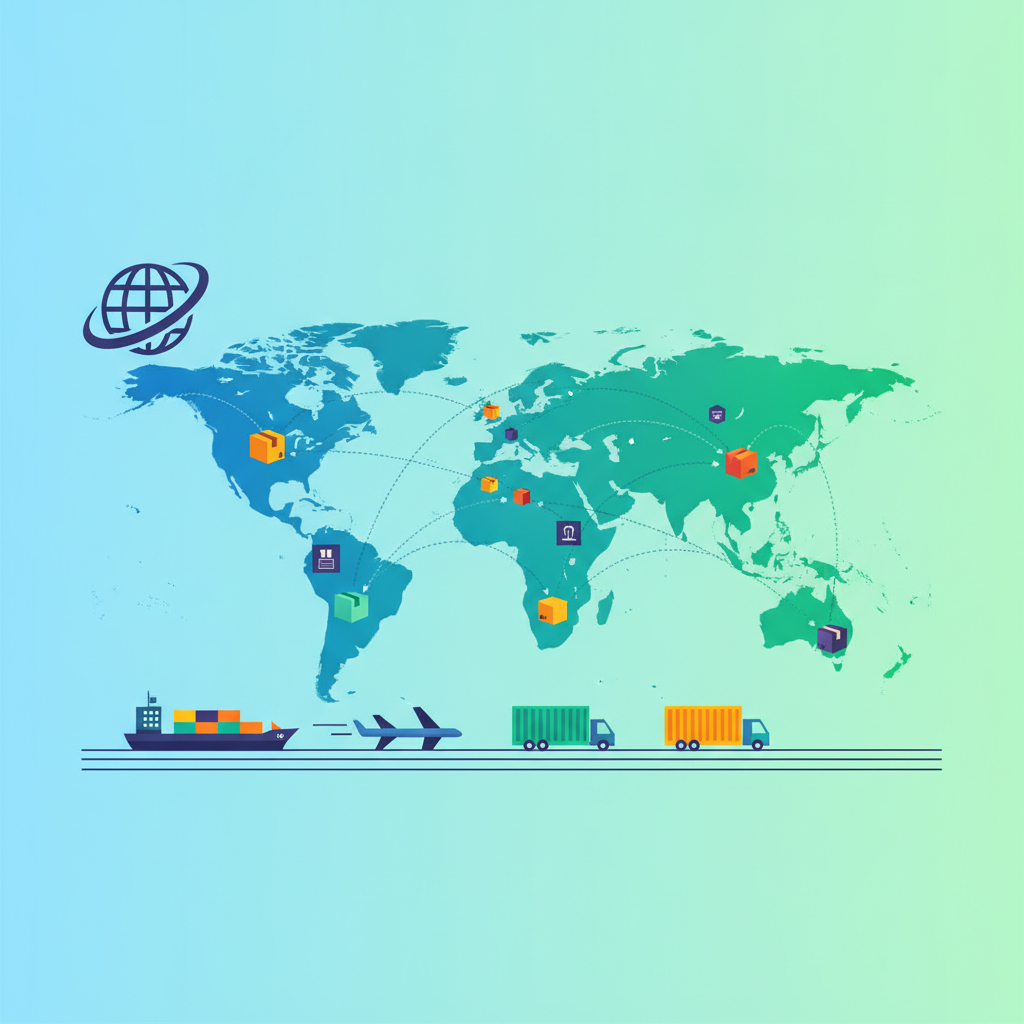





Introduction: A Cornerstone for E-commerce Success
In the fast-paced world of e-commerce, selling products is no longer a simple transaction; it has become a comprehensive experience that begins the moment a customer browses a store and ends when the product arrives at their doorstep. Within this experience, shipment tracking emerges as a crucial, indispensable element, not only to ensure order delivery but also to profoundly enhance customer loyalty and overall experience. The modern shopper is no longer content with just knowing their order has been shipped; they expect instant and accurate updates on their shipment's location and estimated delivery time. This expectation presents both a challenge and an opportunity for e-commerce store owners on platforms like Salla, Zid, and Shopify.
Investing in an effective and robust shipment tracking system is not a luxury; it is a strategic necessity that helps build bridges of trust between the store and its customers. When customers feel confident and informed about their order's journey, they are more likely to return and make repeat purchases, even becoming brand ambassadors who share their positive experience with their acquaintances. In this comprehensive article, we will delve into the importance of shipment tracking, how it impacts customer experience and loyalty, and provide practical strategies and actionable tips to improve this vital process, focusing on the features available and how to leverage them effectively on leading e-commerce platforms in the region.

The Importance of Shipment Tracking in Modern E-commerce
The importance of shipment tracking has significantly increased in recent years with the massive growth of the e-commerce sector and changing consumer behavior. Today's customers are no longer willing to wait in uncertainty about their orders; they expect absolute transparency and full control over the shipping journey. This high expectation pushes store owners, whether they use Salla, Zid, or Shopify, to adopt advanced tracking solutions that not only meet these expectations but exceed them to provide an exceptional customer experience. The ability to provide customers with accurate, real-time information about their shipment's status, from the moment it leaves the warehouse until it arrives at their doorstep, is a critical factor in building trust and loyalty.
In addition to meeting customer expectations, effective shipment tracking significantly reduces the number of customer service inquiries. When customers can track their shipments themselves via a dedicated tracking page or automated notifications, they often find the answers they are looking for without needing to contact the support team. This not only saves time and effort for the staff but also reduces the frustration customers might feel when having to wait for a response. Thus, shipment tracking transforms from a mere operational feature into a powerful tool for improving both operational efficiency and customer satisfaction simultaneously.
Furthermore, robust shipment tracking gives e-commerce stores a clear competitive advantage in a crowded market. In an environment where thousands of stores compete for customer attention and loyalty, a store that offers a transparent and reliable shipping experience stands out. Your store on Zid, Salla, or Shopify can enhance its reputation and attract more customers by emphasizing its commitment to an excellent shipping experience. Tracking is not just about delivering a product; it is an integral part of building the brand image as a reliable and professional entity that cares about the details of the entire customer journey, leading to increased conversion rates and repeat sales in the long run.
How Shipment Tracking Impacts Customer Experience and Loyalty
The importance of shipment tracking extends beyond merely providing logistical information; it directly influences the psychological and emotional aspects of the customer experience, thereby fostering brand loyalty. When customers receive regular and accurate updates on their order status, they feel reassured and at ease, reducing the anxiety associated with waiting for a shipment. This sense of transparency and control helps build a positive relationship between the customer and the store, as the customer feels that the store places their needs and concerns at the forefront of its priorities, which reinforces their confidence in the store's ability to fulfill its commitments and encourages them to return and purchase again.
Proactive communication plays a crucial role in shaping the customer's perception of the purchasing experience. Instead of customers having to search for their shipment information or contact the store, receiving automated notifications via email, SMS, or even WhatsApp represents a real added value. These notifications, informing customers that their order has been shipped, is out for delivery, or has been successfully delivered, demonstrate the store's professionalism and attention to detail. This continuous and intelligent communication reduces the likelihood of frustration and misunderstandings, and generally increases overall customer satisfaction, making them feel appreciated and cared for, which are essential emotions for building lasting loyalty.
The ability to effectively manage customer expectations through shipment tracking is a core skill for successful stores. For instance, if there is an unexpected shipping delay, informing the customer early, explaining the reasons, and providing a new timeline can turn a potentially negative experience into an opportunity to strengthen trust. Instead of the customer being surprised by the delay and feeling frustrated, they appreciate the transparency and honesty from the store. This type of proactive problem management not only reduces complaints but also enhances the store's image as a reliable and transparent entity, making customers more forgiving in the future and increasing the likelihood of repeat purchases. Furthermore, effective returns management after shipping is an integral part of the post-purchase experience, and you can refer to our article on Returns Management: Increasing Customer Loyalty in Salla and Zid for more details.
Key Challenges in Shipment Tracking and How to Overcome Them
Despite the significant importance of shipment tracking, e-commerce store owners face several challenges in implementing an effective system. One of the most prominent challenges is the complexity of integrating with multiple shipping carriers. A single store often deals with more than one shipping company to meet the needs of different geographical regions or to offer diverse shipping options to customers. Each shipping company may have its own tracking system and different Application Programming Interfaces (APIs), making the unification of the tracking process and its presentation to the customer in one place a complex task requiring significant technical effort. This complexity can lead to a fragmented customer experience, where customers are forced to search for their shipment across multiple websites, reducing the efficiency of the experience and increasing their frustration.
Another challenge is ensuring real-time updates and high accuracy of information. The effectiveness of shipment tracking heavily relies on the speed and accuracy of data provided by shipping carriers. Any delay in updating shipment status or inaccurate information can cause confusion for the customer and lead to a loss of trust. Often, there might be a time lag between updating the shipment status in the carrier's system and updating it in the store's system, creating conflicting information. This challenge becomes more acute during peak seasons or periods with massive shipping volumes, where tracking systems face increased pressure and become prone to errors or delays.
Additionally, international shipments pose a particular challenge in the tracking process. When a shipment crosses international borders, it may pass through several different shipping carriers and undergo complex customs procedures, making tracking more difficult. A shipment might be held in customs for an extended period without clear updates, or tracking numbers might change as it transitions from one carrier to another. This lack of transparency can cause significant anxiety for international customers and lead to an increase in customer service inquiries. Therefore, stores dealing with international shipping must invest in specialized tracking solutions capable of providing comprehensive visibility of cross-border shipments, requiring in-depth knowledge of logistics operations. You can benefit from our Comparison of Shipping Companies' Prices and Services for Salla and Zid to choose the most suitable one for your store.
1. Choose a Reliable and Integrated Shipping Partner
The foundation of an effective tracking system begins with selecting reliable shipping companies that have robust tracking systems easily integrable with e-commerce platforms like Salla, Zid, and Shopify. Store owners should focus on finding shipping carriers that not only offer competitive prices but also provide seamless and well-documented Application Programming Interfaces (APIs) that allow the store to pull real-time tracking data. Good integration means the store can display the shipment status directly on its website without needing to redirect the customer to the shipping company's site, providing a comprehensive and convenient experience. It is crucial to ensure that the chosen shipping carriers support frequent and accurate status updates and have a proven track record of adhering to delivery times to ensure overall service quality.
When evaluating potential shipping partners, the focus should not solely be on cost, but rather on prioritizing the quality of their tracking service and the technical support they offer. Inquire about how they handle exceptional cases, such as lost or delayed shipments, and how they communicate with stores under such circumstances. Shipping companies that invest in their technology and provide advanced tracking tools can make a significant difference in customer experience. For example, some companies provide automated notifications to stores and customers at each stage of shipping, reducing the need for manual follow-up and increasing transparency. These strategic partnerships with shipping carriers are the backbone of any successful tracking system and are an indispensable first step to ensuring customer satisfaction.
It is also important to consider the geographical coverage of the shipping company, especially if your store targets customers in multiple regions or different countries. Some companies may be strong in the local market, while others specialize in international shipping and offer global tracking solutions. To ensure a consistent and reliable tracking experience for all your customers, you may need to work with a combination of shipping carriers, but the most important thing is to ensure that each partner can provide accurate and integrable tracking data. You can refer to articles such as Shipping Companies: Choosing the Most Suitable for Your Store in Salla and Zid for detailed guidance on how to select the right partner that meets your store's tracking requirements and enhances the efficiency of your logistics operations.
2. Provide a Dedicated and User-Friendly Tracking Page
A dedicated tracking page on the e-commerce store's website is one of the most important tools for enhancing the shipment tracking experience for customers. Instead of directing the customer to the shipping company's website, which might be unfamiliar or lack the store's branding, stores on Salla, Zid, and Shopify can create an internal tracking page that carries their brand identity and provides all necessary information in one place. This page should be easily accessible through a clear link in order confirmation emails or via the store's menu. This page should display the current shipment status, approximate location, estimated delivery date, and preferably include a visual map of the shipment's route to increase transparency and the visual appeal of the customer's experience.
To maximize the benefits of a dedicated tracking page, it must be intuitively designed and easy to use on all devices, especially smartphones. The process of entering the tracking number should be simple and clear, and results should appear quickly and in an organized manner. Stores can also add useful additional information to this page, such as links to the return policy, customer service contact information, or even suggested products for the customer based on their previous purchases. These additions transform the tracking page from a mere functional tool into another touchpoint to enhance customer loyalty and increase upsell opportunities, making it an integral part of the store's overall marketing strategy.
It is crucial that this page avoids any annoying advertisements or unnecessary external links that might distract the customer or diminish their trust. The primary focus should be on providing a clean and efficient tracking experience that reflects the store's professionalism. Stores on platforms like Shopify can leverage available apps in the marketplace to create professional tracking pages, while Salla and Zid offer similar integration options that allow for customizing this experience. Investing in designing an attractive and useful tracking page not only reduces customer inquiries but also enhances the brand image as an entity committed to delivering a seamless and distinctive customer experience at every stage of the purchase.

3. Proactive and Smart Communication with Customers
Shipment tracking is not limited to providing a page that customers can visit; it extends to proactive and smart communication that keeps customers constantly informed about their order status without them having to search. The store should adopt an automated notification strategy that covers all key stages of the shipping journey. For example, a notification should be sent when the order is shipped, when it arrives at the destination city, when it is out for delivery, and when it is successfully delivered. These notifications can be sent through multiple channels such as email, SMS, or even WhatsApp messages, being careful not to over-notify to avoid annoying the customer.
To increase the effectiveness of this communication, messages should be personalized and targeted, containing clear and concise information, along with a direct link to the dedicated tracking page. Stores on platforms like Salla, Zid, and Shopify can use automation tools to schedule these notifications and send them automatically based on shipping status updates received from shipping carriers. This not only saves time and effort for the customer service team but also ensures that all customers receive the same level of accurate and timely information, enhancing process transparency and reducing the anxiety associated with waiting for shipments.
In cases of unexpected delays or logistical issues, proactive communication becomes even more critical. The store should immediately inform the customer of any potential delay, provide a brief and realistic explanation, and specify a new delivery date if possible. This type of transparency and honest handling of problems builds trust and reduces the frustration the customer might feel. A personal touch can also be added to these messages, such as apologizing for the inconvenience and offering a small discount on the next purchase as compensation, transforming a potentially negative experience into an opportunity to strengthen customer loyalty and demonstrate that the store values its customers and genuinely cares about their experience, thereby enhancing your image as a seller who cares about the post-purchase customer experience.
4. Utilizing Advanced Tracking Tools and Technologies
With continuous technological advancement, numerous advanced tools and technologies have become available for e-commerce stores to elevate their shipment tracking capabilities. These tools go beyond merely displaying a tracking number; they provide unified dashboards that consolidate tracking data from all engaged shipping carriers, giving the store a comprehensive and centralized view of all its shipments. This unification makes it easier for the team to monitor shipments, proactively identify any potential issues, and take necessary corrective actions before they impact the customer experience. These tools can also provide valuable analytics on shipping carrier performance, average delivery times, and successful delivery rates, helping the store make informed decisions about future shipping partners.
Advanced technologies also include the use of artificial intelligence (AI) and machine learning (ML) to predict Estimated Time of Arrival (ETA) with greater accuracy. These technologies can analyze past shipping patterns, weather conditions, traffic, and even local events to provide more realistic estimates for shipment arrival times. This precise prediction helps stores manage customer expectations more effectively and reduces inquiries related to delivery times. Such systems can also automatically identify shipments that might face delays or potential problems, allowing the store to intervene early and resolve the issue before the customer even realizes it, thereby enhancing the post-purchase experience and reducing complaints.
For stores using platforms like Shopify, a wide range of dedicated advanced shipment tracking apps is available, offering features such as custom tracking pages, automated notifications, and unified dashboards. As for stores on Salla and Zid, these platforms continuously improve their integrations with local and regional shipping carriers, allowing stores to easily link their accounts and activate built-in or third-party tracking features. Investing in these tools and technologies is not just about improving customer experience, but also about increasing the store's operational efficiency, reducing customer service-related costs, and transforming the shipment tracking process into a true competitive advantage that distinguishes the store in the market. These tools are essential to ensure a smooth and professional customer experience.
5. Integration with E-commerce Platforms (Salla, Zid, Shopify)
Effective integration between the shipment tracking system and the e-commerce platform (Salla, Zid, Shopify) is the cornerstone of building a seamless customer experience. The deeper and more efficient the integration, the more accurate and faster the data available to the customer. These platforms offer multiple integration options, ranging from native integrations that come built-in with the platform to third-party applications (Apps/Plugins) that extend tracking functionalities. Store owners must leverage these options to ensure a smooth flow of information between the store and shipping carriers, and subsequently to the customer.
For example, platforms like Shopify offer a rich marketplace of applications that provide integrated tracking solutions, such as AfterShip or Tracktor, which allow for creating custom tracking pages and sending automated notifications via email and SMS. These applications often support hundreds of shipping carriers worldwide, making it easier for stores to handle both international and domestic shipments. As for Salla and Zid platforms, they have significantly improved their integrations with local and regional shipping carriers, enabling stores to easily link their accounts and activate built-in tracking features. The store must ensure that the integration is done correctly to guarantee that tracking data is updated automatically without manual intervention.
Maximizing these integrations requires a good understanding of the options available for each platform. For instance, some integrations may allow customizing the messages customers receive based on shipping status, or they may enable the store to add its logo and branding to all notifications and tracking pages. This customization enhances brand identity and makes the tracking experience an integral part of the overall purchasing experience. By investing in the right integration and leveraging all the features provided by e-commerce platforms, stores can transform the shipment tracking process from a potential point of friction into a golden opportunity to enhance customer satisfaction and build long-term loyalty, which positively reflects on sales growth and the store's reputation in the competitive market.
Tangible Benefits of Improving Shipment Tracking for Your Store
Investing in improving the shipment tracking system not only benefits customers but also provides multiple tangible advantages for the e-commerce store itself. First and foremost, an enhanced tracking experience leads to a significant increase in customer satisfaction. When customers feel reassured and transparent about their shipment's location, their overall experience with the store improves significantly. Satisfied customers are more likely to make repeat purchases, provide positive reviews, and recommend the store to their friends and family, creating a positive cycle of growth and brand loyalty on platforms like Salla, Zid, and Shopify.
Secondly, an effective tracking system reduces the number of customer service inquiries related to shipments. When customers can easily obtain all the information they need through a dedicated tracking page or automated notifications, they will not need to contact the support team as frequently. This reduction in inquiry volume saves valuable time for the customer service team, allowing them to focus on more complex issues or provide personalized support to customers who truly need it. As a result, the store's operational efficiency improves, and costs associated with customer service decrease.
Thirdly, reliable shipment tracking enhances brand reputation and gives the store a competitive edge. In a crowded e-commerce market, providing an excellent shipping experience is a crucial factor that distinguishes a store from its competitors. A store that demonstrates professionalism and transparency at every stage of shipping builds a strong and trustworthy image among customers. This positive reputation not only attracts new customers but also helps retain existing ones, leading to increased conversion rates and sustainable sales growth. Furthermore, shipping transparency reflects the store's attention to the details of the customer experience, a value consumers attach great importance to in their purchasing decisions.
Conclusion: An Investment for Sustainable Growth
In conclusion, it is clear that shipment tracking is not merely an additional logistical step; it is a true strategic investment that directly impacts the overall success of any e-commerce store, whether operating on Salla, Zid, or Shopify. Providing a transparent, accurate, and proactive tracking experience for customers is key to building trust, fostering loyalty, and reducing friction in the purchasing journey. In a competitive market like the Arab e-commerce landscape, where customer expectations are constantly rising, the store that pays special attention to the details of the post-purchase experience, especially shipment tracking, is the store that will earn customer trust and achieve sustainable growth in the long run.
We have seen how adopting effective strategies, starting from choosing reliable shipping companies, moving through providing dedicated tracking pages, and extending to proactive communication and using advanced technologies, can transform the shipment tracking process from a challenge into an opportunity. The benefits of these efforts are not limited to increasing customer satisfaction; they also extend to reducing customer service costs, improving operational efficiency, and enhancing the overall brand reputation. Therefore, every e-commerce store owner must realize that investing in a robust and innovative shipment tracking system is an investment in the future of their business.
We urge store owners on Salla, Zid, and Shopify to re-evaluate their current shipment tracking systems and seek ways to continuously improve and develop them. Leverage the features available on your platforms and look for the best applications and solutions that suit your needs and operational volume. Always remember that a customer who feels confident and reassured about their shipment is a happy customer, and a happy customer is your greatest asset and best ambassador for your brand. Make shipment tracking an integral part of your identity as a brand that cares about delivering an exceptional experience from beginning to end.