



In the fast-paced world of e-commerce, many store owners believe that success is limited to just launching the store, adding products, and running a few ad campaigns. However, the truth that professionals realize is that data is the new oil. If you own a store on the Zid or Salla platforms, you are literally sitting on a goldmine of valuable data and information generated daily with every visit, click, and purchase your customers make. The real problem does not lie in a lack of data, but in the inability to read, interpret, and transform it into strategic decisions that contribute to the store's sustainable growth and increased profits.
Imagine driving a modern car on a dark road without using the dashboard; you wouldn't know how much fuel is left, the speed of the car, or even if there's an engine malfunction requiring immediate intervention. This is exactly the case for a merchant who ignores sales analysis and reading their store's reports. Platforms like Zid and Salla provide highly advanced dashboards specifically designed to give you a comprehensive and accurate view of everything happening inside your store. Through these reports, you can discover your best-selling products, the times your customers prefer to buy, and even the reasons why they abandon their checkout carts without completing the purchase.
In this comprehensive and detailed guide, we will dive deep into the sales reports available on the Zid and Salla platforms. We will learn step-by-step how to read these numbers smartly and how to connect different metrics to understand the bigger picture. We won't just explain the terminology; we will provide you with real-world examples and immediately actionable steps so you can turn these silent numbers into aggressive marketing plans and decisive management decisions that multiply your sales and put your store ahead of the competition.
The Importance of Sales Analysis on the Zid and Salla Platforms
Sales analysis is not merely a luxury or a secondary task that can be postponed; it is the main nerve that keeps your online store alive and ensures its growth in a highly competitive market. When you regularly analyze your sales through the Salla or Zid dashboard, you transition from the phase of guesswork and relying on intuition to the phase of certainty and making decisions based on conclusive evidence. This radical shift in management style is what differentiates stores that achieve temporary success from those that build a strong, sustainable brand capable of expanding and scaling.
One of the most important benefits you reap from sales analysis is the ability to discover financial leaks in your store. Often, you might spend massive budgets on ad campaigns and drive thousands of visits, yet sales remain weak. By reading the reports, you will be able to pinpoint the exact flaw; is the problem with product pricing? High shipping costs? Or the user experience on the checkout page? When you put your finger on the wound thanks to data, the treatment becomes easy and direct, saving you a lot of time and money that was being wasted.
Furthermore, the Zid and Salla platforms give you a massive competitive advantage through comparative performance reports. You can compare this month's sales to last month's, or to the sales of the same period in the previous year. This historical performance tracking helps you understand your store's peak seasons, forecast future demand volume, and consequently prepare early by securing adequate inventory and setting up appropriate marketing campaigns. In other words, sales analysis keeps you always one step ahead, ready to seize opportunities and avoid crises before they occur.
Key Metrics to Monitor in Your Store's Reports
When opening your store's dashboard on Zid or Salla, you might feel overwhelmed by the sheer number of figures and charts in front of you. To avoid this distraction, you must focus on a specific set of Key Performance Indicators (KPIs) that reflect the overall health of your store. The first and most obvious metric is total revenue and sales, but you shouldn't stop there. This number must be analyzed to know its sources; did these sales come from a few large orders, or a large number of small orders? Understanding the composition of your total sales helps you direct your marketing strategy more accurately and effectively.
The second crucial metric is the Average Order Value (AOV). This number tells you the average amount a single customer spends per purchase. Increasing this number is considered one of the fastest ways to multiply your profits without needing to increase your ad budget to acquire new customers. To learn the best strategies for achieving this, you can check out our article on Cross-Selling: How to Increase Order Value on Salla and Zid? which explains in detail how to smartly convince the customer to add more products to their cart.
The third indispensable metric to monitor is the Conversion Rate. It represents the percentage of visitors who actually completed a purchase compared to the total number of store visitors. If your store receives 1,000 visitors daily and only 10 buy, your conversion rate is 1%. On platforms like Salla and Zid, if you notice a continuous drop in the conversion rate, this is an alarm bell requiring urgent intervention to improve product descriptions, speed up the site, or offer free shipping promotions, because driving traffic without converting it into sales is simply burning money.
How to Read Product and Inventory Reports Smartly
Product reports in the Salla and Zid dashboards are among the most important tools that help you optimize your product assortment. The first step is identifying the Best Sellers. These products are the heroes of your store, and you must ensure they never run out of stock and use them as bait to attract customers in your ad campaigns. On the flip side, you must identify stagnant products that generate no sales, consume storage space, and tie up your capital. These products need an urgent liquidation plan, whether through massive discounts or bundling them with successful products as irresistible offers.
The second step relates to monitoring inventory movement and forecasting demand. Historical data in your reports tells you how quickly each product sells out (Inventory Turnover). This analysis prevents the disaster of running out of successful products during peak times, which loses you sales and damages your store's reputation. For a deeper understanding of how to manage this process professionally, we recommend reading our comprehensive guide on Inventory Management: How to Avoid Stockouts on Zid and Salla?, where you will find practical mechanisms for linking sales reports with purchase orders from suppliers.
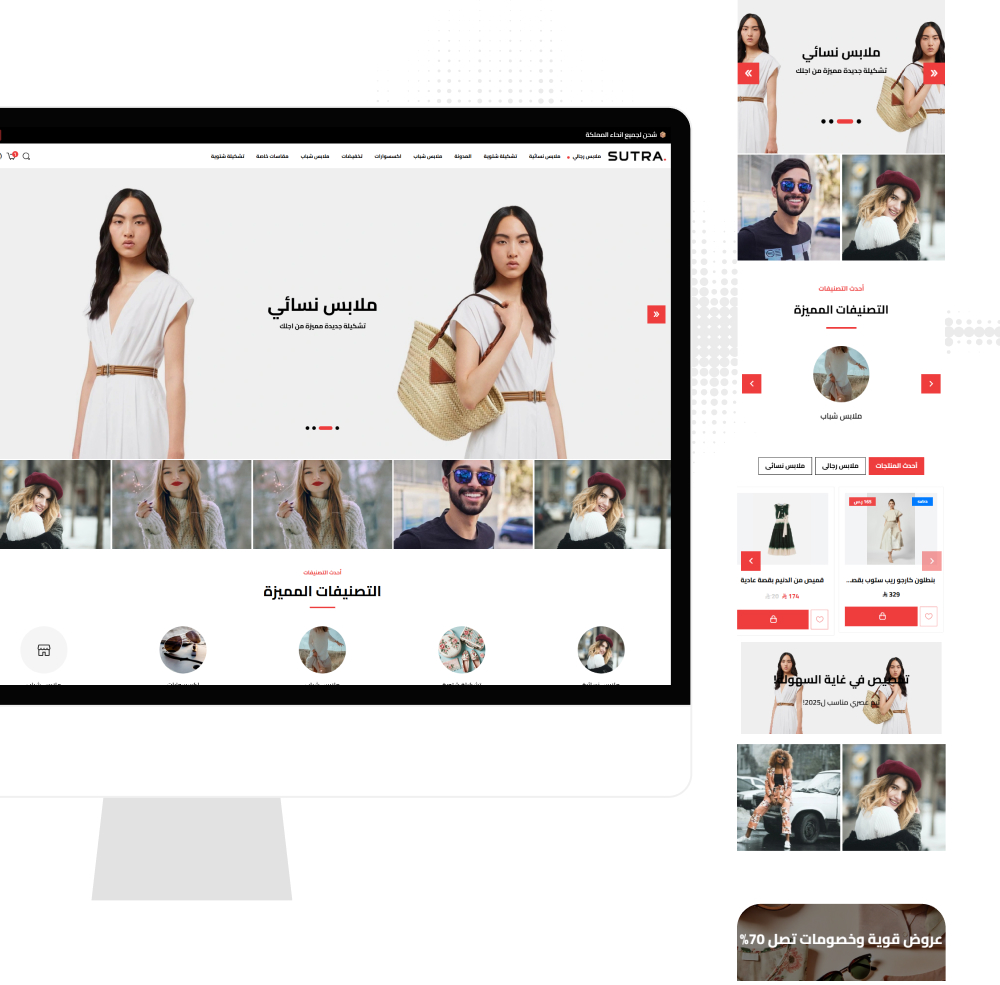
Finally, you shouldn't read product reports solely from the perspective of sales volume, but also from the perspective of Profit Margin. You might find a product that brings you hundreds of orders monthly, but its profit margin is very slim and barely covers packaging, shipping, and marketing costs. Conversely, you might find a product that sells less frequently but yields excellent net profits. The real focus should be on balancing the equation between high-volume products and high-margin products to ensure stable cash flow for your store.
Understanding Customer Behavior Through Salla and Zid Dashboards
Behind every number in your store's reports is a real human being, and understanding this person's behavior is the key to building a long-term relationship with them. Customer reports on the Zid and Salla platforms allow you to segment your audience into different categories based on their purchasing behavior. The most important segmentation is differentiating between new customers and returning customers. A new customer costs you a lot of marketing money to acquire, while a returning customer buys at a marketing cost of almost zero. If the percentage of returning customers in your store is low, it means there is a problem with product quality or after-sales service that must be addressed immediately.
To increase the percentage of returning customers and turn them into brand ambassadors, you must leverage data to personalize their experience. You can identify the highest-spending customers (VIP Customers) through the reports and pamper them with special offers. To achieve this automatically and systematically, you should consider building an effective rewards system. You can benefit from our article on Loyalty Programs: Your Guide to Retaining Zid and Salla Customers to learn how to make the customer always prefer buying from you instead of going to competitors.
Moreover, reports provide you with invaluable demographic and geographic data. Where do most of your customers buy from? Are they from Riyadh, Jeddah, or other regions? What devices do they use (mobile or desktop)? If you discover that 80% of your purchases come from a specific city, you can heavily direct your ad budget to that city, or even contract with a shipping company that offers faster and cheaper services in that specific region. Every small detail in customer behavior can be turned into a successful marketing tactic.
Actionable Steps to Turn Data into Profitable Decisions
Now that you understand the numbers, it's time to act. The first practical step is using data to conduct A/B Testing. Suppose Salla or Zid reports show you that a product gets thousands of visits but its sales are almost non-existent. The decision here is not to delete the product immediately, but to change its main image, modify its description, or even change its price, and then monitor the reports the following week to notice any improvement. Continuous experimentation based on numbers is what refines your store's performance day after day.
The second practical step is optimizing the launch times for ad campaigns and discount offers. Review sales reports by days and hours. Do you notice your sales rising significantly on weekends or after paydays? Or are there specific times in the evening that witness higher engagement? Based on this data, schedule your promotional WhatsApp messages or launch Snapchat and Instagram ads at the times when your customers are in their highest state of psychological and financial readiness to buy, thereby multiplying your Return on Ad Spend (ROAS).
The third step is leveraging Abandoned Carts reports. This report is like a hidden treasure. These are people who selected products and reached the payment step but backed out at the last minute. Analyze this report daily and send them automated reminder messages via email or SMS with a simple discount code valid for 24 hours. This simple strategy, which relies on reading the report and acting upon it, is capable on its own of recovering a large percentage of sales that were considered completely lost.
Conclusion: Your Path to Sustainable Growth for Your E-commerce Store
Concluding this guide, we must emphasize that sales analysis and reading reports on the Zid and Salla platforms is not an activity you do once a month or at the end of the fiscal year; rather, it is a daily and weekly routine that must be integrated into the core of your e-commerce store management. Data constantly changes with shifts in consumer behavior, seasons, and even economic conditions. The successful merchant is the one who remains vigilant, monitors the analytics screens with a critical eye, and possesses enough flexibility to change their plans and strategies based on what the infallible language of numbers tells them.
Leading Arab e-commerce platforms like Salla and Zid have provided you with a highly advanced technical infrastructure and dashboards that rival major global platforms in power. These tools put in your hands the ability to know the finest details of the customer journey, from the first click on your ad until they receive the product. But always remember that no matter how powerful the tool is, it needs a mastermind to use it well. Numbers in themselves will not increase your sales; rather, your conclusions and courageous decisions based on those numbers are what will make the difference.
Start today by dedicating half an hour daily to browse your store's reports. Monitor total sales, inspect abandoned carts, review product performance, and understand who your loyal customers are. Over time, you will develop a commercial sixth sense that enables you to read between the lines, and you will notice how this dry data gradually transforms into clear action plans, successful marketing campaigns, and ultimately, accelerated and sustainable growth in your online store's profits, placing you among the ranks of leading brands.