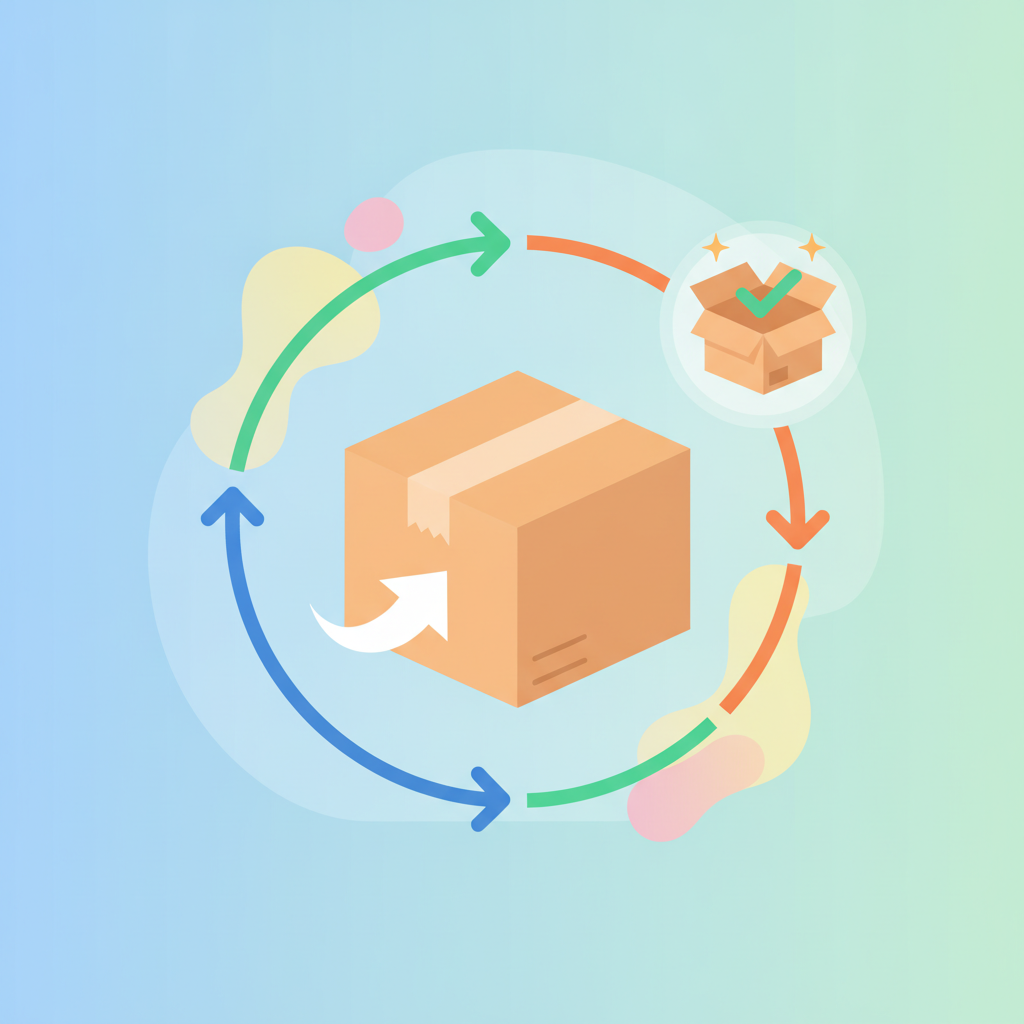




Returns management stands as one of the most significant challenges facing e-commerce store owners in the Arab world, particularly those who rely on platforms like Zid, Salla, and Shopify. While returns are often viewed as an inevitable loss, the right approach to managing them can transform them from a burden into an opportunity to enhance customer loyalty and reduce long-term costs. Understanding the root causes of returns and implementing effective strategies to handle them is not merely a luxury but an absolute necessity for maintaining store profitability and sustainability in a highly competitive market.
Neglecting the returns management process can lead to a substantial erosion of profit margins. The cost of each return is not limited to the product's price alone; it extends to include shipping costs both ways, restocking fees, lost sales opportunities to another customer, in addition to the negative impact on the store's reputation and customer trust. Therefore, the aim of this article is to provide a comprehensive and detailed guide to help you, as an e-commerce store owner on Salla, Zid, or Shopify platforms, reduce your return rates and efficiently manage those that do occur, thereby minimizing losses and turning challenges into growth opportunities.
Understanding the Nature of Returns and Their Impact on Your E-commerce Store
Before embarking on any strategies to reduce returns, it is essential first to understand their multifaceted nature and impact on your business. Returns are not merely figures in sales reports; they reflect the customer's experience with your products and services and can be a strong indicator of weaknesses that need improvement. The causes of returns vary widely, and by analyzing these reasons, store owners can identify areas that require immediate attention to enhance customer satisfaction and minimize waste.
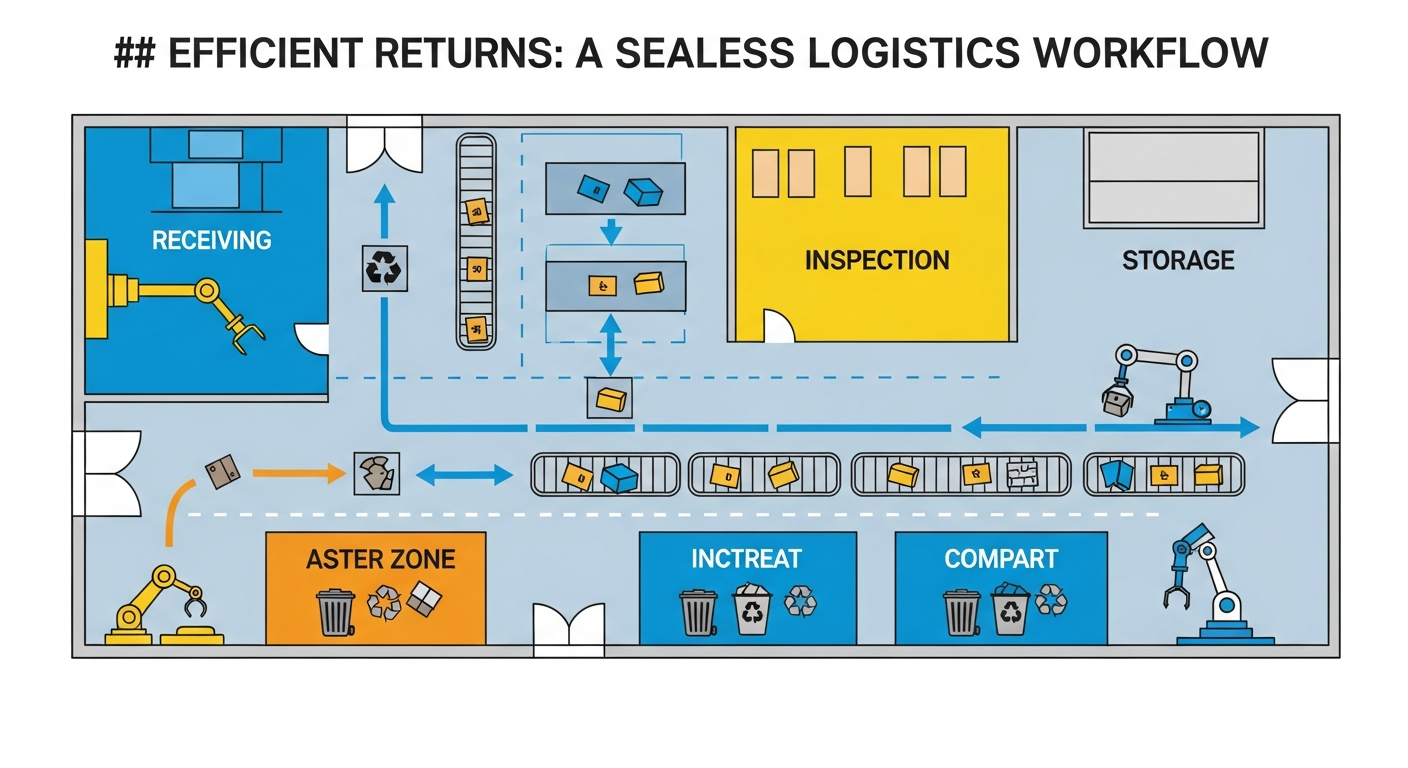
The impact of returns extends beyond the direct cost of the returned product. It includes logistical costs such as refunded shipping fees and return shipping costs, in addition to labor costs for managing the return process itself, from product inspection to repackaging and storage. Furthermore, there is the cost of lost opportunity; a returned product could have been sold to another customer, and a lengthy or complicated return process might deter a customer from making future purchases from your store, negatively affecting their Customer Lifetime Value.
The impact is not limited to financial and logistical aspects but also extends to the store's reputation and customer trust. A customer who faces difficulty in the return process or feels unfairly treated may resort to sharing their negative experience via social media or product reviews, affecting the store's reputation and reducing its chances of attracting new customers. Conversely, an easy and transparent return policy can build trust and make customers feel comfortable and secure when purchasing from your store, even if they later need to make a return.
Common Types of Returns and Their Causes
The types of returns are numerous and their causes varied, and understanding these causes is the first step towards effectively addressing them. Returns can be categorized into several main types, each requiring a different approach in processing and prevention. For example, returns might stem from manufacturing defects, shipping errors, or simply customer dissatisfaction with the product after receiving it, which necessitates a meticulous analysis of each case to ensure continuous improvement.
Among the most prominent types of returns are those related to "product flaws" or "defects," where the product arrives damaged or unusable. This type of return often indicates issues with quality control at the supplier's end or during the packaging process. Another common type is "wrong product" or "shipping error," where the customer receives a product different from what they ordered, whether due to a picking error from inventory or a shipping address mistake. Implementing effective inventory management systems can help reduce these errors.
The third and often most challenging type is "customer dissatisfaction," where the product is intact and matches the description, but the customer still wishes to return it because it did not meet their expectations or suit their needs as they had imagined. This type of return highlights the importance of accurately and realistically describing products and providing high-quality, clear images, as well as detailed size guides for clothing and footwear, to ensure that customer expectations align with reality as much as possible before completing the purchase. For more insights on this, you can check our article on Product Descriptions: Secrets to Writing Engaging Descriptions in Zid and Salla, which offers valuable guidance in this regard.
Building a Clear and Effective Return Policy: The Cornerstone of Trust and Profitability
A clear and understandable return policy is the cornerstone of any successful e-commerce store; it not only protects the store from potential losses but also builds trust with customers. When a customer knows exactly what to expect if they wish to return a product, they feel reassured and comfortable completing the purchase. This transparency reduces hesitation and increases conversion rates, making it a true investment in customer experience and long-term store success.
Crafting an effective return policy requires a delicate balance between protecting the store's interests and meeting customer expectations. The policy should be easy to understand, free of complex legal jargon, and readily accessible on the store's pages, such as the FAQ page or a dedicated policy page. Platforms like Zid, Salla, and Shopify provide built-in tools to create and display these policies, making it easier for store owners to implement and regularly update them to align with changes in business nature or customer preferences.
The importance of the policy is not limited to clarifying procedures; it also extends to being a powerful marketing tool. A store that offers a flexible and easy return policy gives the impression that it trusts the quality of its products and cares about customer satisfaction. This positive impression can be a crucial factor in the purchase decision, especially for new customers who might have some hesitation. A well-thought-out return policy can turn a hesitant shopper into a loyal customer, even if they never need to use it; its mere existence provides a sense of security.
Elements of an Ideal Return Policy
To ensure the effectiveness of a return policy, it must include several essential elements that cover all aspects of the return and exchange process. These elements ensure transparency and fairness for both the store and the customer, and help simplify procedures and reduce disputes. It is important that these elements are clear and specific so as not to leave any room for interpretation or misunderstanding by either party, contributing to a smooth and satisfying shopping experience.
- Return and Exchange Period: Clearly defining a timeframe (e.g., 7 or 14 days) during which the customer can request a return or exchange. This period should be realistic and compatible with the nature of the products.
- Conditions for Returned Products: Specifying the required condition of the product for return (e.g., in its original state, unused, with original tags). These conditions must be logical and applicable to ensure the store does not incur losses due to misuse of the policy.
- Return Request Procedures: Explaining the steps a customer must follow to submit a return request, whether through an online form, email, or customer service. The simpler and clearer the process, the better.
- Return Shipping Costs: Determining who bears the return shipping costs (customer, store, or shared costs) based on the reason for the return. For example, if the error is the store's, it should bear all costs.
- Compensation Options: Clarifying available compensation methods (cash refund, store credit, exchange for another product). Options should be clear and predefined.
- Non-Returnable Products: Clearly identifying any products excluded from the return policy (e.g., digital products, underwear, customized items, or clearance items), stating reasons where possible.
- Handling Damaged or Wrong Products: Establishing special procedures for handling products that arrive damaged or do not match the order, with an emphasis on quick and effective compensation for the customer.
It is crucial that these elements are written in clear and direct language and prominently displayed on the e-commerce store. On platforms like Zid, Salla, and Shopify, you can create a dedicated return policy page and link to it from the store's footer or main navigation menu. Remember, the goal is to eliminate any ambiguity or confusion a customer might face, which reduces the need for frequent communication with customer service regarding these matters and saves time and effort for both parties.
Practical Strategies to Reduce Your Store's Return Rate
While a good return policy is essential, the ultimate goal for any e-commerce store is to minimize the need for returns in the first place. There are many proactive strategies that store owners can implement to significantly lower return rates, saving costs and increasing customer satisfaction. These strategies focus on enhancing the shopping experience from start to finish, from product display to delivery to the customer.
Implementing these strategies requires a comprehensive view of all stages of your product's lifecycle in your store. It is important to examine every customer touchpoint, starting from how the product is displayed on the store's pages, to the quality of packaging, the accuracy of the shipping process, and even how the customer service team handles potential inquiries. Every improved step in this chain can contribute to reducing the chances of returns and enhancing the overall customer experience.
By investing in improving these aspects, it's not just about reducing financial and logistical losses; it also extends to building a strong store reputation and increasing customer loyalty. A customer who receives the correct product, with the expected quality, and in a timely manner, is a happy customer who is likely to make repeat purchases and recommend the store to others. Therefore, these strategies must be an integral part of your operational and marketing plan on platforms such as Zid, Salla, and Shopify.
Enhancing Product Descriptions and Images
One of the primary reasons for returns is that the actual product does not match customer expectations, often stemming from inaccurate product descriptions or unclear images. To reduce this type of return, you should invest time and effort in providing comprehensive and realistic information about each product. Use clear and detailed language that highlights features and benefits, but also any limitations or important details that might influence the customer's decision, such as materials, exact dimensions, or usage instructions.
In addition to textual descriptions, high-quality images and videos are absolutely essential. Images should show the product from multiple angles, in different environments, and with people if possible to convey an idea of its size and use. Avoid using overly processed images that might hide defects or alter the product's true colors. The more accurately a customer can visualize the product before purchase, the less likely they are to feel disappointed after receipt. For additional tips on crafting engaging product descriptions, you can refer to our article on Product Descriptions: Secrets to Writing Engaging Descriptions in Zid and Salla, which offers valuable guidance in this regard.
Don't stop at static images; products with intricate details benefit greatly from short videos that showcase the product in motion or demonstrate its use. Providing helpful tools such as detailed "size guides" for clothing and footwear, which include precise measurements and correct measuring methods, can significantly reduce returns related to incorrect sizing. Investing in these small details makes a big difference in the customer experience and minimizes the need for returns.
Ensuring Product Quality and Packaging
It doesn't matter how well you describe a product if the product itself does not meet the required quality standards or arrives damaged. Ensuring the quality of the products you sell is the first line of defense against returns. Work with reliable suppliers and conduct regular quality checks on products before shipping them. This reduces returns resulting from manufacturing defects or products that do not meet specifications.
In addition to the product's quality itself, the quality of packaging plays a crucial role in protecting the product during shipping. Use strong and appropriate packaging materials for the type of product you are shipping. Fragile products should be especially protected with sufficient cushioning materials to prevent breakage or damage. Good packaging not only protects the product but also reflects your store's professionalism and attention to detail, enhancing a positive unboxing experience for the customer and reducing the likelihood of the product arriving damaged, thereby avoiding returns.
Do not underestimate the importance of professionally and attractively packaging products. Good packaging can enhance the perceived value of the product in the customer's eyes and contribute to building a positive image for the store. Consider using branded packaging that not only protects the product but also enhances the customer experience and makes them feel valued. This attention to detail helps reduce returns associated with damaged or unprofessional-looking products upon arrival.
Order Accuracy and Shipping Operations
Human errors in order fulfillment or shipping can be a major source of returns. Ensuring that the customer receives the correct product in a timely manner is paramount. Invest in inventory management systems that help you accurately track products and reduce errors in order picking. On platforms like Zid, Salla, and Shopify, you can leverage built-in inventory management features or integrate with external systems for maximum accuracy. For more information on this aspect, you can read our detailed article on Inventory Management: Your Guide to Organizing Products in Zid and Salla.
The shipping process itself requires special attention. Choose reliable Shipping Companies: Your Guide to Choosing the Best in Zid and Salla known for careful handling of packages and fast delivery. Providing order tracking options for customers helps build trust and reduces their inquiries about the status of their orders. Ensure that shipping addresses are correct and that the delivery process is smooth. Any unjustified delay or damage during shipping can lead to customer disappointment and a desire to return, even if the product itself is intact.
To ensure the highest levels of accuracy, you can implement a double-check system for orders before shipping. This might involve two different people reviewing the order contents against the invoice, or using barcode scanning systems to confirm product matching. These procedures, though seemingly simple, can make a significant difference in reducing errors and avoiding returns caused by shipping wrong or incomplete products, saving time and money and maintaining customer satisfaction.
Effective Customer Communication
Good communication with customers before, during, and after the purchase can significantly reduce return rates. Before purchase, ensure product information is clear and accessible. After purchase, send order confirmations and shipping updates regularly. If there's any potential delay, proactively inform the customer. This builds trust, reduces anxiety, and makes the customer feel valued and cared for.
In case of any issue, your customer service team should be ready to handle it quickly and effectively. Promptly responding to inquiries and complaints and offering satisfactory solutions can prevent a minor issue from escalating into a return request. Training your customer service team on empathy and flexibility in dealing with customers is crucial. Remember that a positive customer service experience can turn a dissatisfied customer into a loyal one. For further guidance, you can visit our article on Customer Service: How to Win Shopper Loyalty in Zid and Salla.
Proactive communication can also play a preventive role. For instance, if you sell a product that requires some prior knowledge or assembly, you can send an instructional guide or tutorial video with the order confirmation. This helps customers use the product correctly from the start and reduces the chances of returns due to difficulty of use or misunderstanding. Platforms like Zid, Salla, and Shopify offer tools to automate these communications, making them easy to implement.
Leveraging Returns to Transform Them into Growth Opportunities
While returns may seem like a financial and operational burden, they inherently carry hidden opportunities to enhance customer loyalty and improve your store's overall performance. Instead of merely treating them as a loss, smart store owners can transform these challenges into strengths by adopting a proactive and customer-centric mindset. The way you manage returns can be a critical factor in building strong, lasting relationships with your customers, turning a potentially negative experience into an opportunity to deepen trust.
The return process can be a golden opportunity to rebuild trust with the customer. When a customer feels that the store values their satisfaction and strives to resolve their issue effectively and easily, even if it means returning the product, they are often more willing to give the store another chance. This approach not only recovers the customer but can also turn them into a brand ambassador, spreading their positive experience to others, contributing to invaluable word-of-mouth marketing.
Furthermore, returns provide a rich source of data that can be leveraged for continuous improvement. By analyzing the root causes of returns, the store can identify weaknesses in products, descriptions, shipping processes, or customer service. These insights help in making informed decisions to improve quality, adjust policies, or even re-evaluate products offered, leading to reduced future return rates and increased operational efficiency and profitability in the long run.
Turning Dissatisfied Customers into Loyal Ones
Even after a customer decides to return a product, there is still an opportunity to turn this potentially negative experience into a chance to strengthen their loyalty. The key is to handle the return process with the utmost professionalism and empathy. When a customer feels their voice is heard and their issue is being addressed seriously and respectfully, they tend to appreciate this effort, even if the process concludes with a product return and refund.
Offering alternative options to cash refunds can be very effective in retaining customers. For example, instead of just a cash refund, you could offer store credit slightly higher than the original product value, or a discount voucher for a future purchase. This encourages the customer to make repeat purchases from your store, turning a potential loss into an opportunity for future sales. These offers must be attractive and convincing for the customer to prefer them over cash refunds.
Additionally, post-return follow-up can be used to show your care. Send a friendly email after the return and refund process is complete, thanking the customer for their understanding and expressing hope that they will give your store another chance. These simple gestures can make a significant difference in building a positive relationship with the customer and turning the return experience into a strength for your store on platforms like Zid, Salla, and Shopify.
Analyzing Return Data for Continuous Improvement
As mentioned earlier, return data is a goldmine of information that can help you improve your store. Don't just record the number of returns; analyze the underlying reasons behind each one. Use the analytical tools available on your platforms or external tools to generate detailed reports on return rates by product, category, return reason, and even geographical region.
Once you have collected this data, look for patterns and trends. Is there a specific product that is consistently returned due to a manufacturing defect? Is there a particular product category that is returned because customers find it difficult to use? Is there a spike in returns during certain seasons? Answering these questions will enable you to identify root problems and take targeted corrective actions, such as improving product quality from the supplier, rephrasing product descriptions, or providing more customer support.
Continuous improvement based on return data analysis is not just a way to reduce losses; it is a comprehensive growth strategy. By addressing the root causes of returns, you not only reduce operational costs but also enhance customer satisfaction, improve the quality of your products and services, and build a strong reputation for your store. This proactive approach ensures that your store continuously evolves and adapts to customer needs, guaranteeing its success in the rapidly changing e-commerce market.
Conclusion
In conclusion, returns management is an integral aspect of any e-commerce store's success, especially in the growing and increasingly competitive Arab e-commerce landscape across platforms like Zid, Salla, and Shopify. Instead of viewing returns as an inevitable loss, they should be seen as a strategic opportunity to enhance customer loyalty, improve internal operations, and ultimately increase profitability. Investing in a clear return policy, adopting proactive strategies to reduce returns, and efficiently managing the return process are indispensable keys to transforming this challenge into a competitive advantage.
We have seen how meticulous details, from the quality of product descriptions and images, to the accuracy of the shipping and packaging process, and the effectiveness of customer service, play a pivotal role in preventing returns in the first place. And when returns do occur, simplifying procedures, tracking them effectively, and leveraging the data they provide can turn a dissatisfied customer into a loyal one. These strategies not only reduce the direct and indirect costs of returns but also enhance your store's reputation and build lasting trust with customers.
Therefore, we urge all e-commerce store owners to adopt a comprehensive and proactive approach to returns management. Start by analyzing your data, listen to your customer feedback, and continuously adapt your policies and operations. Remember that every return is an opportunity to learn and grow. By applying the tips and strategies outlined in this article, you will be able to significantly reduce your store's losses, enhance customer satisfaction, and ensure a prosperous future for your business in the fast-evolving world of e-commerce.