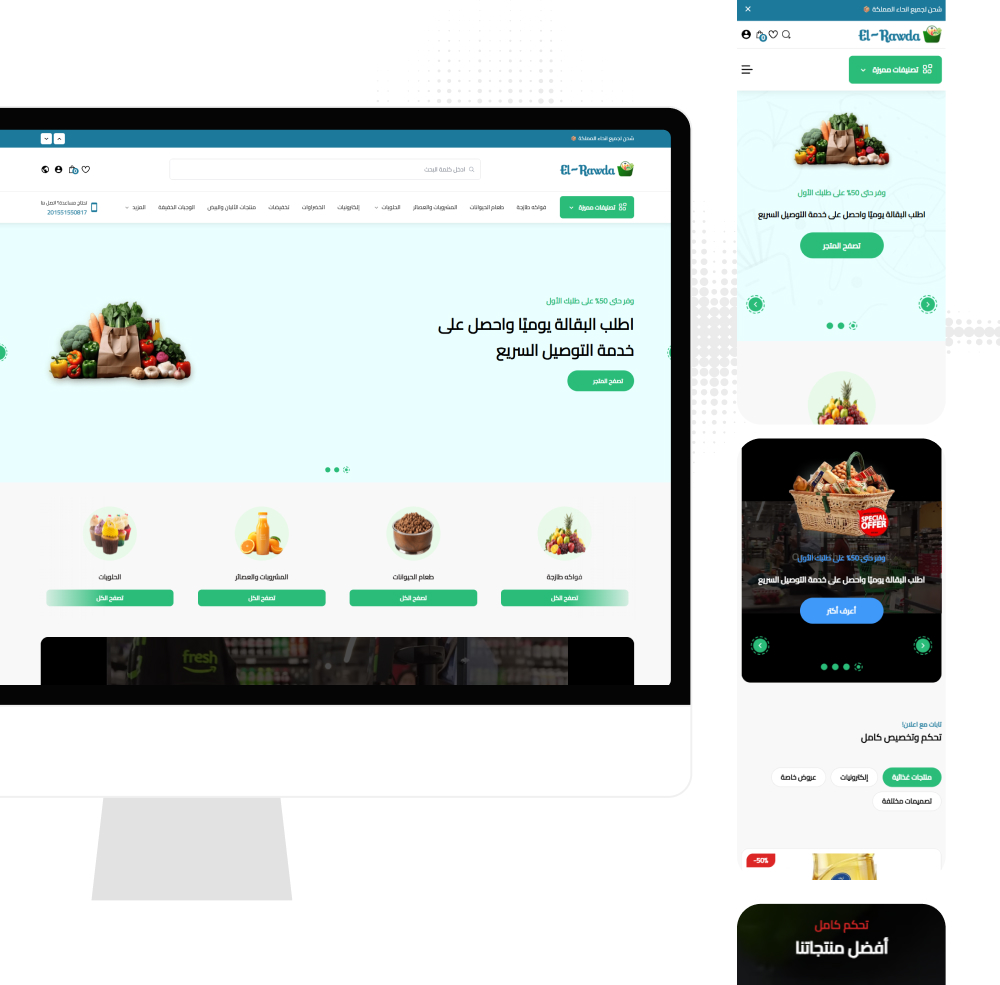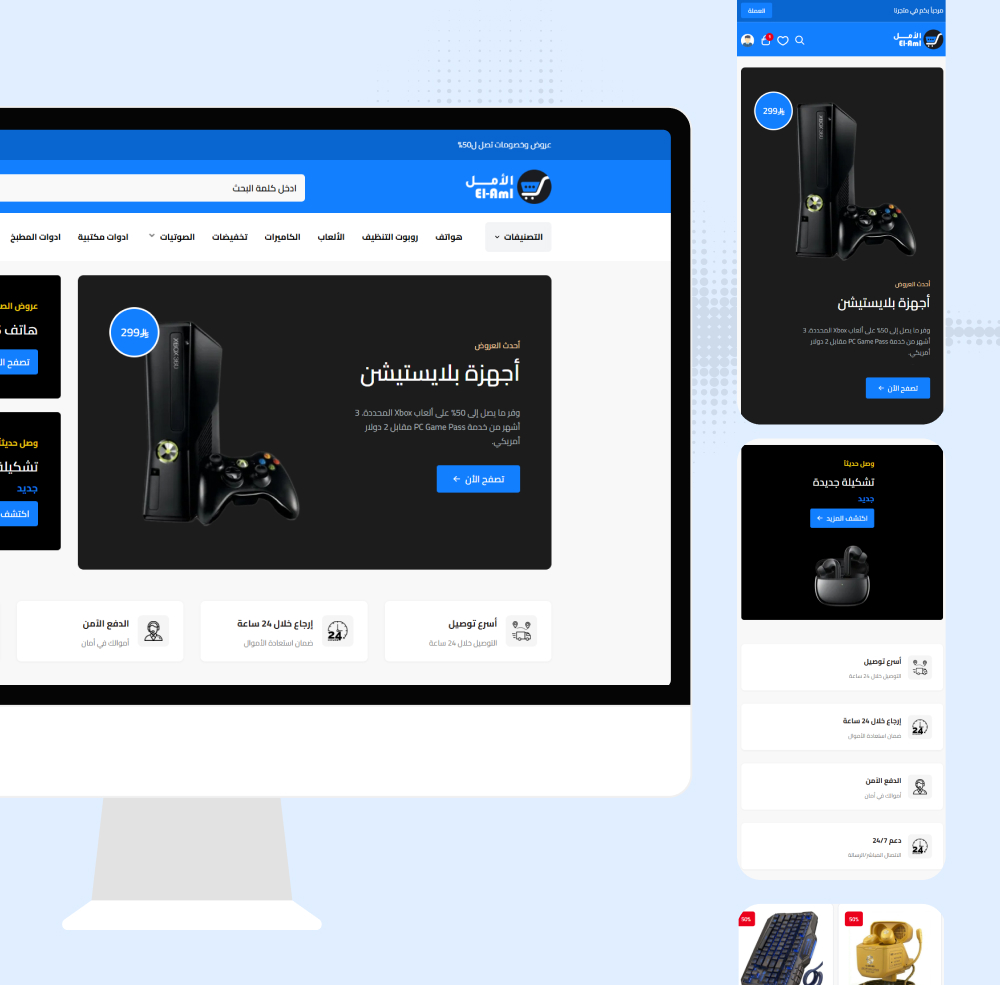





Product pricing is one of the most important and complex strategic decisions facing any online merchant when launching their project or trying to expand it. It isn't just a random number placed beneath the product image, but is a real reflection of your brand's value, and a basic determinant of the sales volume and amount of profits you will achieve. In the fast-paced world of e-commerce, especially when using leading and advanced platforms like Zid and Salla, pricing becomes an art and science that requires a deep understanding of consumer behavior, accurate cost analysis, and continuous monitoring of market and competitor movement to ensure staying in the competitive circle and achieving sustainable growth.
Many beginner online store owners fall into the trap of random pricing, either by setting very low prices with the aim of attracting as many customers as possible, which ultimately leads to erosion of profit margins and exposure to severe losses when calculating operational costs, or by setting very high prices without providing added value that justifies this rise, which alienates potential customers and pushes them toward competitors. Smart pricing requires finding that golden point where the customer feels they got an excellent deal and real value for their money, while at the same time guaranteeing you as a merchant covering all your costs and achieving an excellent profit margin that allows your store to grow and develop.
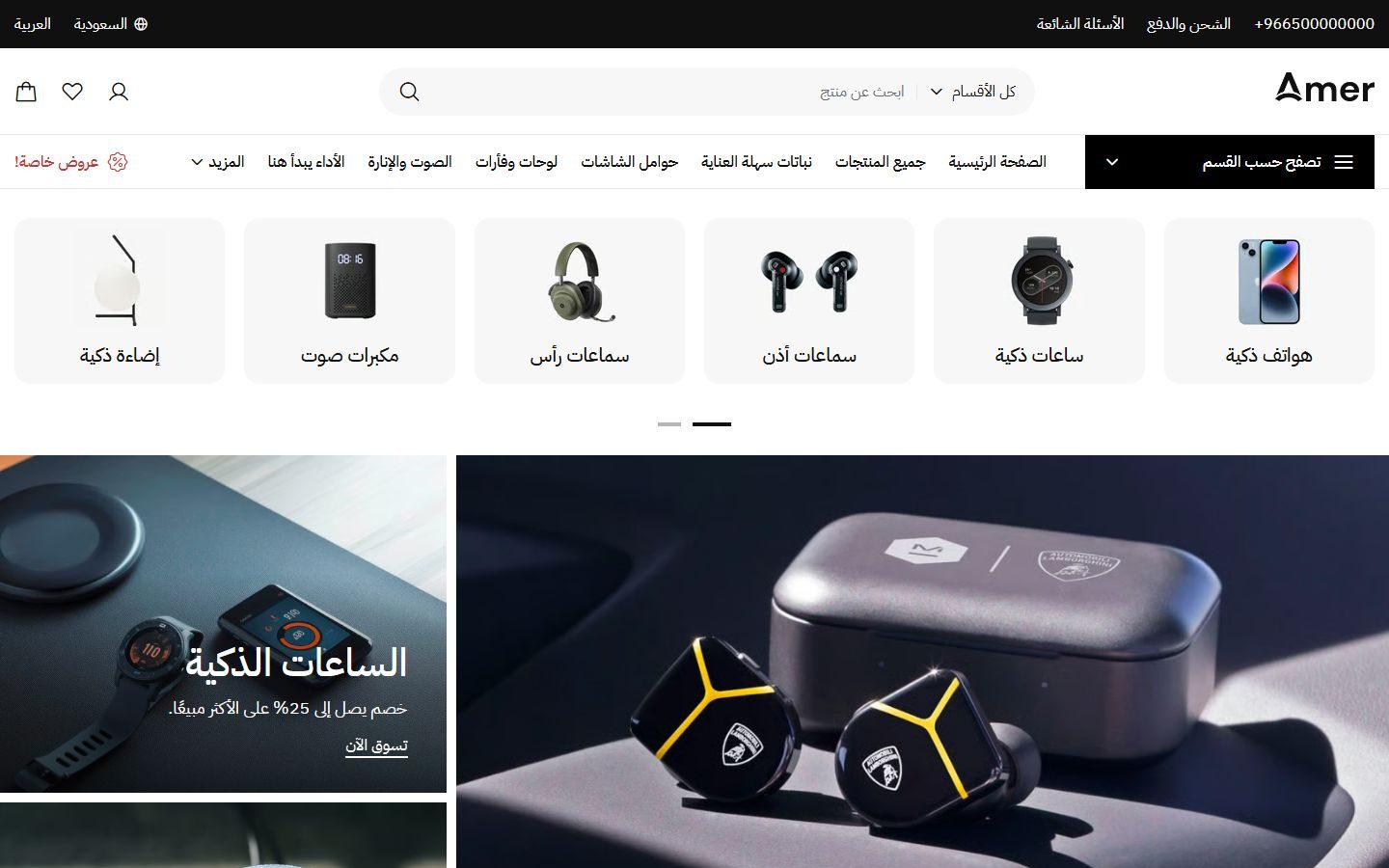
In this comprehensive and detailed guide, we will dive into the depths of product pricing strategies specifically designed to suit the Arab e-commerce environment, particularly for users of Zid and Salla platforms. We will learn how to calculate the hidden costs that many ignore, and how to use psychology to influence the customer's purchase decisions, in addition to innovative ways to increase the average order value. Whether you sell tangible products, or digital services, applying these strategies correctly will form a fundamental turning point in the profit path of your online store and move you from the stage of random fumbling to the stage of professionalism and high profitability.
Understanding Basic Costs Before Setting Prices in Your Store
The first and most important step in the product pricing journey is the comprehensive and accurate understanding of all costs associated with your online store, as you cannot determine a profitable price if you don't know exactly how much the product costs you until it reaches the customer's hand. These costs are divided into several main sections, the first being the cost of goods sold which includes the purchase price of the product from the supplier, international or local shipping costs to bring the goods to your warehouse, and customs duties and taxes imposed on them. Ignoring any part of these costs will inevitably lead to a wrong calculation of the profit margin, which may make you sell at a loss without realizing it until it's too late and debts pile up.
The second section of costs relates to operational and marketing expenses that keep your store alive and bring you sales. This includes monthly or annual subscription fees on platforms like Zid or Salla, the costs of additional apps, the salaries of employees or freelancers who help you manage the store, in addition to the budget allocated to advertising campaigns on social media platforms. To be able to accurately track these numbers, we recommend reviewing the guide Data Analysis: How to Read Your Store Reports on Salla and Zid, where this guide will help you understand the numbers and extract cost reports clearly to integrate them into your pricing equation.
As for the third section, which many beginners overlook, it is the costs associated with payment processing, order packaging, and shipping to the final customer. Every electronic payment gateway deducts a percentage and fixed fees from every purchase, and these fees must be calculated within the product price. You can learn more about this topic by reading our article on Payment Gateways: Your Guide to Choosing the Most Suitable on Zid and Salla. Moreover, the cost of packaging materials from boxes, tape, and protection materials must be calculated, in addition to shipping waybill fees if you offer free shipping to customers, as every halala you pay in these stages must be recovered through a tight and thoughtful pricing strategy.
- Calculating the total cost of the product (purchase + shipping to warehouse + customs).
- Calculating fixed operational expenses and dividing them by the average expected sales.
- Adding payment gateway fees and packaging costs for each order individually.
- Determining the targeted net profit margin after deducting all the mentioned costs.
Effective Psychological Pricing Strategies for E-commerce
Pricing isn't limited to dry calculations and covering costs only, but extends to include the psychological and behavioral aspect of the consumer, as how the price is displayed can be as important as the number itself. One of the most famous psychological pricing strategies and the most effective is the charm pricing strategy or what is known as nine-number pricing. This strategy depends on ending the product price with the number 9 or 99, such as pricing a product at 99 riyals instead of 100 riyals. The human brain tends to read numbers from left to right, making it perceive the price in the nineties category instead of the hundreds, and this simple difference in halalas creates an illusion in the customer's mind that they are getting a much more economical deal than it actually is.
Another very powerful strategy in the world of psychological pricing is the price anchoring strategy, which depends on displaying a high price first as a reference, then displaying the current discounted price next to it. In Zid and Salla platforms, you can easily activate the price before discount and price after discount feature. When the customer sees that the product was priced at 300 riyals and is now 199 riyals, the first price becomes the anchor on which they build their evaluation of the value, making the new price seem like an irreplaceable opportunity that must be seized immediately before the offer ends, and this noticeably increases conversion rates in online stores.
Also, the bundle or package pricing strategy is one of the smartest ways to psychologically influence customers and increase the average order value at the same time. Instead of selling one product at a certain price, you can group three integrated products and sell them at a total price slightly less than the sum of their individual prices. This method doesn't just increase your sales volume, but gives the customer a feeling of satisfaction because they saved money by buying the bundle. To learn how to apply this strategy professionally to increase your sales, you can visit our detailed article on Cross-Selling: How to Increase Your Profits on Salla and Zid which explains the mechanisms of effectively linking products with each other.
Applying Dynamic Pricing and Flash Sale Offers
The dynamic pricing strategy is one of the advanced strategies that depend on flexibly changing product prices based on market variables, demand seasons, inventory levels, and even user behavior. In times of seasons and holidays like the blessed month of Ramadan or White Friday, demand greatly increases on certain categories of products. The smart merchant on platforms like Zid and Salla adjusts their prices to maximize profits during these periods, whether by offering thoughtful discounts to increase total sales volume, or by gradually raising prices for products with high demand and limited inventory to maximize the net profit margin.
One of the strong applications of dynamic pricing is flash sale offers. These offers depend on providing a very large discount on a specific product or group of products for a very short and specific time period, with a countdown timer displayed on the store interface. Arab e-commerce platforms provide excellent tools to easily create these offers. The goal here isn't just to achieve profits from the discounted product, but to create a state of urgency and fear of missing the opportunity in the customer, pushing them to make an immediate purchase decision, and often they add other non-discounted products to the shopping cart to justify the shipping cost.
However, you must be very cautious when applying continuous offers and dynamic pricing, as excessive reliance on discounts may harm your brand image in the long term, where customers will begin to associate your products with cheapness, and won't buy except during sale times. Dynamic pricing must be based on a clear strategy that aims to dispose of stagnant inventory, attract new customers, or reward loyal customers, while maintaining the perceived value of basic products that represent the store's identity and main source of profit.
Analyzing Competitors and Determining Your Store's Competitive Advantage
No online store can operate in a vacuum, as the market is full of competitors who offer similar or alternative products to your products. Therefore, analyzing competitor prices is an imperative step to build a successful pricing strategy. You must monitor stores similar to yours on Zid and Salla platforms, and know the prices they offer, the discounts they present, and their shipping policies. But beware of the trap of engaging in a price war with competitors, as trying to always be the cheapest is a destructive strategy that will ultimately lead to destroying your profit margins and reducing the quality of your services, and giant companies that have the ability to bear losses for long periods usually win in price wars.
Instead of competing on the lowest price, your strategy must focus on value-based pricing and competitive advantage. Ask yourself what makes your store special and worth the customer paying a slightly higher price for? Is it exceptional packaging quality? Or super fast delivery? Or customer service that works around the clock to solve any problem? When you can clearly highlight these features in the product description and store interface, the customer will be willing to pay a higher price in exchange for getting this added value and feeling of comfort, security, and reliability.
To enhance the perceived value of your products and justify your prices, you must benefit from reviews and opinions of previous customers. The Arab customer always looks for social proof before making the purchase decision. When the customer sees positive reviews, realistic product images from other customers, and rich content explaining the product's benefits in detail, their price sensitivity decreases significantly. You can use Zid and Salla platforms' tools to highlight these reviews, and build a story for your brand that makes the customer connect with it emotionally, making the price a secondary factor compared to the overall experience you provide them.
- Identify a list of the most important five direct competitors in your store's specialty.
- Analyze their pricing structure and promotional offers and their shipping policies.
- Identify their weaknesses and turn them into strengths and added value in your store.
- Price your products based on the overall service quality and not just on the product cost.
Conclusion: Your Next Steps Toward Pricing That Achieves Sustainable Profits
At the end of this comprehensive guide, we emphasize that product pricing in online stores isn't a process done once and forgotten, but is a continuous and dynamic process requiring continuous monitoring, analysis, and modification. We have reviewed the importance of the accurate understanding of all direct and indirect costs, and how ignoring simple fees like payment gateway fees or packaging costs can accumulate to eat your profit margins completely. Building a solid pricing foundation begins with accurate calculations that guarantee you sustainability and the ability to cover operating and marketing expenses with all comfort.
We also touched on the tremendous power of psychological pricing strategies and how simple methods like charm pricing, price anchoring, and offering product packages can radically change consumer behavior and increase conversion rates and the average shopping cart value. In addition, we discussed the importance of staying away from destructive price wars and focusing instead on building real added value for your brand through improving the overall customer experience, providing distinguished after-sales services, and building strong trust that makes the customer choose your store even if your price is higher than competitors.
Your next step now as an ambitious merchant using Zid or Salla platform is to start auditing your current prices based on what you learned in this article. Review your costs, test psychological pricing strategies on a specific group of products, and monitor customer interaction and sales. Use the analysis tools available in your store dashboard to make data-driven decisions, not guesses. Always remember that the price is a message you send to your customers about the value of what you offer, so make sure that this message is strong, clear, and reflects the quality and professionalism your online store deserves.