




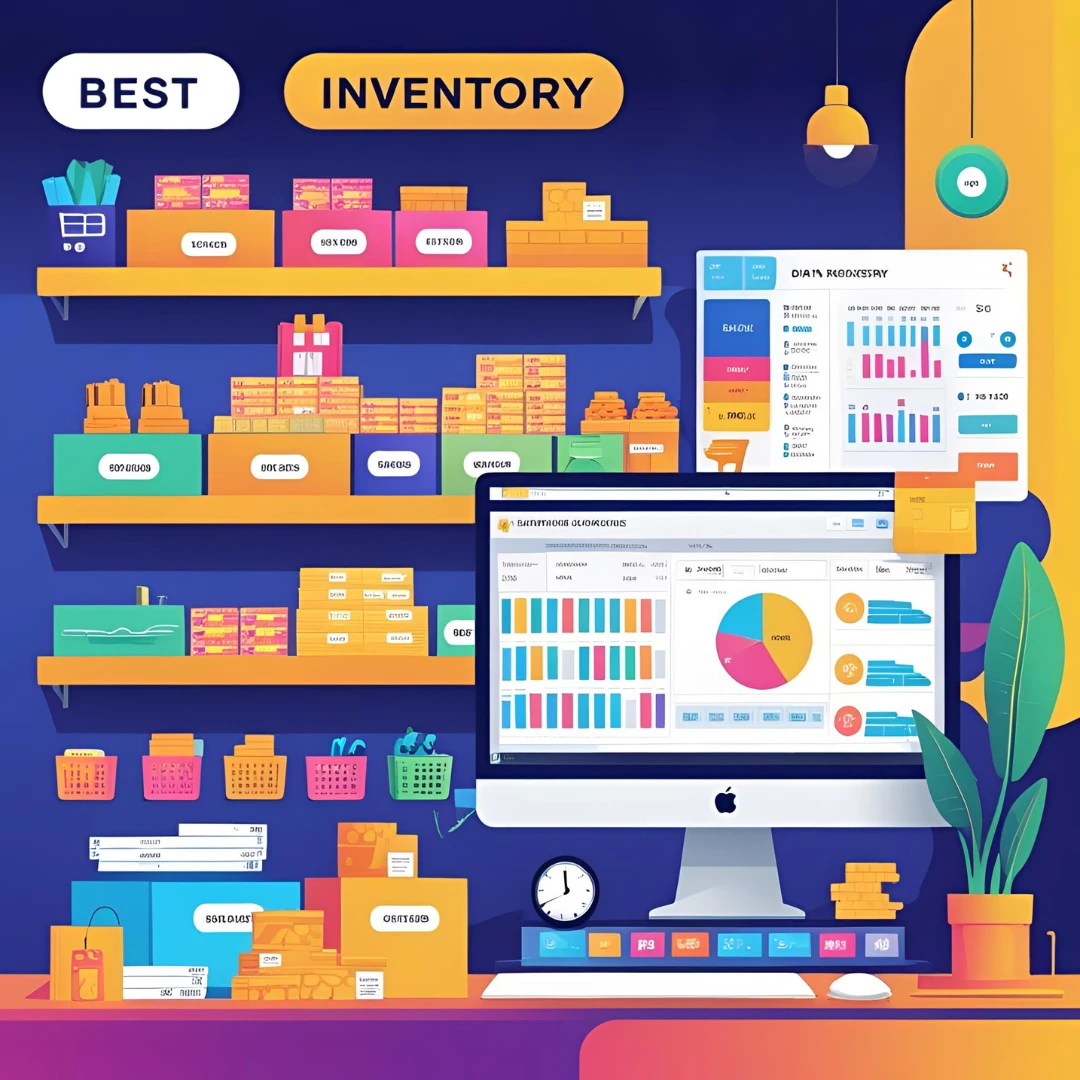
Effective inventory management is the backbone of any successful online store. While excess inventory can tie up capital and lead to losses, insufficient inventory can result in lost sales and disappointed customers. To strike the right balance and ensure business continuity, e-commerce store owners must adopt best practices in inventory management.
Inventory management is not just about counting products in a warehouse. It is a comprehensive process that involves planning, organizing, and controlling the flow of products from suppliers to customers.
1. Accurately Forecasting Demand
Anticipating future demand for your products is the first and most crucial step in inventory management. Use historical sales data, seasonal trends, promotional events, and even economic data to forecast demand accurately. Good forecasting prevents overstocking or understocking.
2. Using an Inventory Management System (IMS)
Invest in a robust inventory management system. These systems help you track inventory levels in real-time, monitor product movement, and manage orders. Many e-commerce platforms offer built-in inventory management features, or you can integrate with third-party solutions.
3. Setting a Reorder Point
The reorder point is a specific inventory level at which you must reorder a product. This point takes into account the lead time from suppliers and your daily sales rate to ensure you don't run out of stock before the new shipment arrives.
4. Applying the Pareto Principle (The 80/20 Rule)
The Pareto Principle states that 80% of your sales come from 20% of your products. Focus your inventory management and monitoring efforts on these top-selling products. Always ensure they are available in sufficient quantities, and be more cautious in managing less popular items.
5. Conducting Regular Inventory Audits
Whether it's a full physical count or cycle counting, regular audits help reconcile actual stock with the data in your system. This uncovers errors, theft, or damage, and ensures data accuracy to improve future forecasts.
"Healthy inventory is the key to sustainable sales and happy customers."
Inventory management is a complex but essential process for the success of your online store. By implementing these practices, you can reduce costs, avoid stockouts or overstocking, and enhance the customer experience, leading to sustainable growth for your business.