


Introduction: Why Customer Retention is the Lifeline of Your E-commerce Store?
In the rapidly evolving world of e-commerce, where thousands of stores compete for consumer attention, the primary focus often lies on new customer acquisition strategies. Stores invest significant budgets in paid advertisements, digital marketing campaigns, and search engine optimization (SEO) to attract new visitors and convert them into first-time buyers. While acquiring new customers is a vital element for growth, the keen insight that truly distinguishes successful stores lies in their profound understanding of the importance of retaining existing customers. A satisfied customer who returns to purchase repeatedly is not just a source of recurring revenue; they also become an ambassador for your brand, spreading positive word-of-mouth and attracting new customers at a much lower cost. This shift in focus from mere acquisition to retention is the key to sustainable success and long-term profitability for any e-commerce store, whether it relies on platforms like Salla, Zid, or Shopify.
The idea that acquiring a new customer costs five times more than retaining an existing one is not just a passing marketing adage; it is a well-established economic truth supported by research and statistics. The more loyal customers your store has, the less dependent you become on continuous advertising spending, the higher your profit margins, and the more stable and robust your customer base becomes in the face of market fluctuations. In this comprehensive article, we will delve into the most effective customer retention strategies and how they can be successfully implemented in Salla, Zid, and Shopify stores, focusing on practical and actionable tips that will help you build deep brand loyalty and transform casual shoppers into permanent fans. We will cover all aspects, from optimizing customer experience to innovative loyalty programs and continuous communication, to ensure your store not only acquires customers but retains them and fosters long-term relationships.
The Importance of Customer Retention in E-commerce
Customer retention strategies are the cornerstone of building a sustainable and profitable e-commerce business. In today's competitive market, where customers can easily switch between stores with a single click, the ability to retain existing customers becomes an invaluable competitive advantage. A store that solely focuses on attracting new customers without caring for its current customer base risks resource depletion and unsustainable growth. In contrast, a store that masters the art of customer retention sees higher returns on investment, deeper brand loyalty, and organic growth driven by positive word-of-mouth. This section will highlight the different dimensions of customer retention's importance and how it directly impacts the health and growth of your e-commerce store.
A returning customer is not just a number in the sales ledger; they are a valuable asset that contributes to the continuous growth of your store. When a customer trusts your brand and finds the value they seek, they are often less price-sensitive, more willing to try new products from your store, and even increase their average cart value over time. This repeat behavior reduces the marketing cost per sale and improves the store's cash flow, allowing profits to be reinvested in improving products and services. Moreover, loyal customers provide valuable feedback that can be used to enhance the store's experience and develop products, creating a positive cycle of continuous improvement and increased customer satisfaction.
The benefits of customer retention are not limited to financial aspects alone but extend to building a strong brand reputation and increasing market share. When customers feel appreciated and valued, they become devoted advocates for your store, sharing their positive experiences with friends, family, and across social media, providing you with invaluable word-of-mouth marketing. These organic referrals are the most effective and low-cost, bringing in new customers who already have a certain level of trust in your store thanks to a recommendation from someone they trust. Statistics show that increasing customer retention rates by just 5% can boost profits by 25% to 95%, underscoring that investing time and effort in customer retention is one of the best business decisions an e-commerce store owner can make.
Reducing Costs and Increasing Profitability
As previously mentioned, the cost of acquiring a new customer is significantly higher than retaining an existing one. The less you rely on paid ads to attract first-time buyers, the lower your overall marketing expenses. Returning customers do not require the same level of persuasion or intensive advertising campaigns to purchase again; they already know and trust your store. This directly translates into increased net profits. Additionally, loyal customers tend to spend more over time and increase their order value, known as Customer Lifetime Value (CLTV). When the average CLTV rises, your store becomes more stable and resilient in the face of economic challenges and market fluctuations. Smart pricing strategies can play a role in achieving this; in addition to product quality and excellent service, your prices must be competitive and suitable for the target market. You can refer to our article on Product Pricing: Smart Strategies for Salla and Zid Stores to learn more.
The ability to reduce marketing costs while maintaining a strong customer base is crucial for any business seeking sustainable growth. When a store focuses on retaining its customers, it benefits from a phenomenon called "viral marketing" or "word-of-mouth." Satisfied customers do not just return to purchase; they become natural promoters of your brand, sharing their positive experiences with friends and family through social media and personal encounters. This type of marketing is invaluable because it carries very high credibility, reducing the need for spending on traditional advertising. Consequently, the store can allocate these budgets to other aspects of the business, such as product development, improving customer service, or investing in infrastructure, which enhances the overall value of the store.
Furthermore, loyal customers tend to provide more constructive and positive feedback than new customers. This feedback is a real treasure for store owners, as they can use it to identify strengths and weaknesses in their products or services, thereby making necessary improvements. For example, if a particular product is very popular among loyal customers, the store can focus on promoting it or developing complementary products. If customers frequently encounter a recurring problem, it can be addressed quickly and effectively before it escalates. This interactive process not only increases the satisfaction of current customers but also contributes to attracting new customers who perceive that the store cares about its customers' opinions and listens to them, fostering long-term trust and loyalty.
Boosting Brand Loyalty
Brand loyalty goes beyond repeated purchases; it means the customer prefers your store over competitors, even if slightly better offers exist elsewhere. This loyalty is built on trust, perceived value, and a consistently positive experience. When customers feel an emotional connection to your store, they are less likely to switch to another brand. This connection makes them willing to tolerate minor mistakes that might occur, as they trust you will resolve them satisfactorily. Building this loyalty requires continuous effort and delivering value that extends beyond the product itself, whether through exceptional customer service, rewarding loyalty programs, or valuable content that enriches the customer experience. Influencer marketing can contribute to boosting this loyalty by building a community around your brand.
To enhance brand loyalty, e-commerce stores, whether on Salla, Zid, or Shopify, must adopt strategies that focus on building a strong relationship with their customers. This includes understanding their needs, preferences, and expectations, then delivering a personalized experience that meets those needs. For example, a store can send personalized emails with product recommendations based on the customer's previous purchases or offer special discounts on their birthdays. Transparency in dealings, honesty in product descriptions, and commitment to shipping and delivery promises are all factors that contribute to building trust and strengthening the relationship between the customer and the store. The more trust a customer has, the greater their loyalty, and the higher the likelihood of them becoming a repeat customer.
Valuable content plays a pivotal role in fostering brand loyalty. Instead of solely focusing on direct sales, stores can provide content that enriches customers' lives or solves their problems. For instance, a store selling kitchen tools can offer recipes or cooking tips, and a store selling cosmetics can provide makeup tutorials or skincare advice. This type of content not only attracts customers but also builds the brand's image as an expert in its field, increasing its value in the eyes of customers. When a customer sees that the store offers them value beyond just the product, they feel more appreciated, become more loyal to the brand, and are less likely to seek alternatives from competitors.
Word-of-Mouth Marketing and Referrals
Satisfied customers are your best marketers. When a customer has a positive experience, they often share it with their network, whether through direct conversation or online reviews and testimonials. This Word-of-Mouth Marketing is the most impactful and credible, as people generally trust recommendations from friends and family more than traditional advertisements. Referrals can lead to a steady stream of new customers at a very low or zero acquisition cost. Encouraging this type of marketing can be done through simple referral programs that offer rewards to both the referring customer and the new customer, creating an incentive for customers to spread the word about your store.
To maximize the benefits of word-of-mouth marketing and referrals, e-commerce store owners must design an unforgettable customer experience. This goes beyond merely offering high-quality products to encompass every touchpoint between the customer and the store, from the ease of browsing the website to the speed of the checkout process, and all the way to the quality of packaging and after-sales service. When customers feel that every detail of their experience with the store has been attended to, they feel completely satisfied and are more willing to share this positive experience. Furthermore, providing exceptional customer service and resolving issues effectively and quickly leaves a strong impression that prompts customers to praise your store.
Platforms like Salla, Zid, and Shopify can provide tools and features that facilitate word-of-mouth marketing and referrals. For example, stores can use product review apps to collect and publish positive testimonials, which increases the store's credibility in the eyes of potential customers. They can also integrate direct referral programs within their platforms, where customers receive discount codes to share with friends and earn rewards when a purchase is completed. These tools not only make the referral process easy and rewarding for customers but also provide the store with valuable data on successful referral sources, helping to optimize future marketing strategies.
Building an Exceptional Customer Experience
Customer Experience (CX) is the primary driver of customer retention and loyalty. In the e-commerce environment, it's not just about product quality; it encompasses every interaction a customer has with your store, from the moment they discover your brand to well after the purchase. A store that offers a seamless, enjoyable, and personalized experience is the one that succeeds in building long-term relationships with its customers. This section will cover the essential elements of building an exceptional customer experience and how stores on platforms like Salla, Zid, and Shopify can apply these principles to ensure customer satisfaction and encourage repeat business.
Investing in improving customer experience is not a luxury but a strategic necessity for success in e-commerce. Today's customers expect more than just a good product; they seek an enjoyable, easy, and hassle-free shopping experience. This means that every detail, from website loading speed and intuitive design to clarity of product information, ease of checkout, and efficiency of customer service, plays a crucial role in shaping a customer's impression. When customers feel that the store understands their needs and prioritizes their comfort, they are more willing to trust the store and return to it again. Therefore, store owners must put themselves in the customer's shoes and evaluate every step of the purchasing journey from their perspective.
On platforms like Salla, Zid, and Shopify, there are many tools and features that can be leveraged to significantly enhance customer experience. For instance, these platforms offer flexible and responsive design templates that ensure an excellent browsing experience across all devices. They also support the integration of various payment gateways to provide multiple payment options that suit all customers. Additionally, stores can utilize third-party apps that offer extra features such as real-time shipment tracking or live chat tools for instant support. All these elements combined contribute to building a comprehensive and outstanding customer experience, which boosts customer satisfaction and fosters loyalty to your store.
Ease of Navigation and Purchase
Your e-commerce store's website must be user-friendly and intuitive. A complex purchasing process or difficulty finding products will frustrate customers and lead them to abandon your site. Ensure your store's design is clean and organized, categories are clear, and the search function works efficiently. Use high-quality product images and accurate, detailed descriptions. The checkout process should be simple and quick, with as few steps as possible. Offering multiple payment options (such as cash on delivery, credit cards, and services like Tabby and Tamara) increases customer convenience. Platforms like Salla, Zid, and Shopify provide ready-made templates and features that allow you to customize these aspects to ensure a seamless experience. Remember, any friction in the customer journey can cost you a sale and a potential long-term customer.
To achieve maximum ease of navigation and purchase, e-commerce stores should conduct continuous user experience (UX) testing. These tests can include customer surveys, monitoring visitor behavior on the site using analytics tools, and conducting A/B tests to compare the performance of different designs. The goal is to identify any friction points or difficulties customers encounter while browsing products or completing a purchase. For example, if customers abandon their shopping carts at a certain stage, it may indicate an issue with the payment process or unclear shipping costs. Proactively addressing these issues improves conversion rates and increases customer satisfaction, encouraging them to return.
Website loading speed is crucial for ease of navigation. Slow websites not only frustrate customers but also negatively impact your store's search engine ranking. Therefore, store owners must ensure that product images are optimized and that the website's code is clean and efficient. Providing clear and detailed product information, including specifications, dimensions, materials used, and reviews from other customers, helps customers make informed purchasing decisions and reduces the likelihood of returns or dissatisfaction. All these factors combined contribute to building an enjoyable and efficient shopping experience, which fosters loyalty and encourages repeat purchases.
Shipping Speed and Packaging Quality
After a purchase is made, shipping speed and packaging quality become critical factors shaping the customer experience. Today's customers expect fast and reliable shipping. Shipping delays or damaged products due to poor packaging can destroy the trust you've built. Invest in reliable shipping companies that offer clear tracking options, and ensure your products are securely and attractively packaged. Beautiful and thoughtful packaging not only protects the product but also adds a personal touch and enhances the unboxing experience, making the customer feel valued. You can compare shipping company options available for your store in Salla and Zid by checking our article on Shipping Companies: Price and Service Comparison for Salla and Zid to find the most suitable one for you.
To ensure shipping speed and packaging quality, e-commerce store owners must establish strong partnerships with reliable and reputable logistics companies. The right choice of shipping company can make a significant difference in customer satisfaction. Stores should look for companies that offer diverse shipping options (such as standard shipping and express shipping), wide coverage of target areas, and an effective shipment tracking system that allows customers to know the location of their orders at any time. The store must also provide clear information about shipping policies, including estimated costs and delivery times, to avoid any unpleasant surprises for customers.
As for packaging quality, it is not limited to protecting the product during transit but is also an opportunity to leave a lasting impression on the customer. Stores can use eco-friendly packaging materials, add a handwritten thank-you note, include a small sample of another product, or even offer a discount on the next purchase. These small touches show the customer that the store cares about them and appreciates their purchase, which enhances their sense of loyalty and encourages them to share their positive experience with others. Professional packaging also reflects the professionalism of the store as a whole, increasing customer trust in the brand.
Professional Customer Service
Customer service is the backbone of any retention strategy. Providing prompt, efficient, and friendly support to your customers can turn a potentially negative experience into an opportunity to strengthen loyalty. Respond to inquiries and complaints quickly, whether via email, live chat, or phone. Train your customer service team to be empathetic, knowledgeable about products, and capable of resolving issues effectively. Platforms like Zid, Salla, and Shopify offer tools to integrate live chat systems and support tickets, making it easier to manage customer inquiries. Remember that a customer whose problem is resolved satisfactorily often becomes more loyal than a customer who never faced any issues at all, because their experience shows them you care.
To provide professional customer service, the store must be accessible through multiple channels that customers prefer. Some customers may prefer instant chat for quick answers, while others may prefer email for more complex issues, and some may want to speak over the phone. Providing multiple options enhances customer convenience and shows that the store is keen to meet their needs. The customer service team must also be well-trained on all product details and policies so they can provide accurate and helpful answers without needing to transfer the customer to other departments, which can frustrate them.
Active listening to customers and empathizing with their problems are essential parts of professional customer service. Even if the support team cannot resolve an issue immediately, simply listening to the customer and showing understanding of their problem can make a big difference in de-escalating the situation and maintaining customer satisfaction. Additionally, stores should establish clear and flexible policies for returns, exchanges, and complaints. Transparency in these policies and flexibility in their application when possible enhance customer trust in the store and encourage repeat purchases, even if a problem was encountered in the past.
Loyalty and Rewards Programs
Loyalty and rewards programs are highly effective strategies for encouraging repeat purchases and building a long-term relationship with your e-commerce store. These programs offer added value to loyal customers, making them feel appreciated and encouraging them to continue doing business with you rather than turning to competitors. Designing an effective loyalty program requires a deep understanding of customer behavior and preferences, and how rewards can translate into genuine incentives that prompt them to return. In this section, we will explore different types of loyalty programs and how Salla, Zid, and Shopify stores can implement them to increase customer retention.
The primary goal of loyalty programs is not just to boost short-term sales but to build a loyal customer base that forms the backbone of future store growth. When customers feel they are receiving special treatment or exclusive rewards for being repeat customers, their connection to the store deepens. This emotional connection reduces their price sensitivity and makes them more willing to try new products from the same store. Furthermore, loyalty programs can provide valuable data on customer behavior and preferences, which can be used to personalize future offers and communications, thereby increasing their effectiveness.
E-commerce platforms like Salla, Zid, and Shopify offer various tools and features for creating and managing loyalty programs. Some come with built-in features that allow for creating a points system or discounts for returning customers, while others can leverage third-party apps that provide more advanced and customized options. The most important thing is to choose the right type of loyalty program that suits the nature of your products and your target audience. Whether through a simple points system, exclusive discounts, or even offering unique experiences, the goal remains the same: to make the customer feel valued and motivated to continue their purchasing journey with your store.
Reward Points
Reward points programs are among the most common and effective types of loyalty programs. The idea is simple: customers earn points for every purchase they make, and they can later redeem these points for discounts, free products, free shipping, or even exclusive experiences. For example, a store on Salla or Zid could award one point for every SAR spent, and upon accumulating 100 points, the customer receives a SAR 10 discount on their next order. It's important that the points system is easy to understand and that rewards are attractive and achievable so that customers feel motivated to participate. Platforms like Shopify can integrate loyalty program apps that automatically manage the points system, making it easier for store owners to launch these programs.
To ensure the success of a reward points program, stores must define a clear value for the points and how they can be redeemed. The rewards must be sufficiently rewarding to motivate customers to return, but at the same time, they must be financially sustainable for the store. Stores can also offer extra points on special occasions, such as customer birthdays, when launching new products, or when referring new customers. These additional touches enhance the value of the program and make customers feel appreciated, increasing their loyalty to the store and encouraging repeat purchases.
In addition to monetary rewards, stores can offer non-monetary rewards that increase the attractiveness of the points program. For example, customers can redeem their points for early access to new products, exclusive invitations to workshops or events, or even priority customer service. These types of rewards add an extra dimension to the loyalty program and make customers feel like they are part of a special community. By offering a mix of monetary and non-monetary rewards, stores can create an attractive and comprehensive reward points program that meets the needs and preferences of a wide range of customers.
Exclusive Discounts and Special Offers
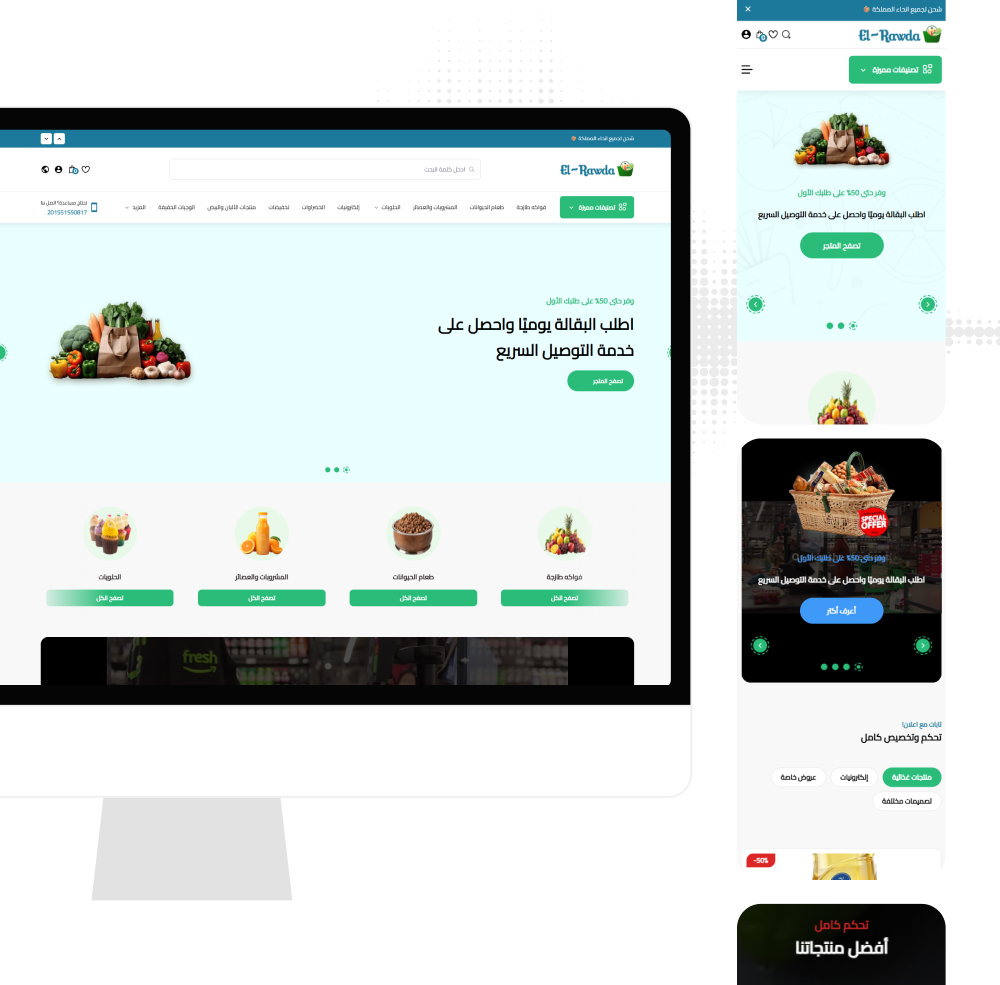
Exclusive discounts and special offers are powerful tools for retaining customers and encouraging repeat purchases. Instead of offering generic discounts to everyone, stores can target loyal customers with offers specifically tailored for them. These offers can include discounts on their favorite products, free shipping for a limited time, or early access to major sales. This personalization makes the customer feel special and valued, strengthening their loyalty to your store. These strategies can be easily implemented on Salla, Zid, and Shopify by using coupon creation tools and targeting customers based on their purchase history. You can refer to our guide on Discounts and Offers: Boosting Your Sales in Salla and Zid Stores for more detailed ideas.
For exclusive discounts and special offers to be effective, they must be relevant to customer interests and purchase history. For example, if a customer regularly buys skincare products, offering a discount on a new skincare product will be more appealing to them than a discount on a kitchen tool. Using available data from purchase records allows the store to precisely customize offers, increasing the likelihood of customer response. Stores can also use limited-time "windows" for offers to create a sense of urgency and encourage customers to make a purchase decision quickly, but without overusing this technique so that the offer does not lose its value.
Furthermore, stores can offer special deals to customers who haven't purchased for a certain period, with the aim of reactivating them. These offers might include a significant discount or a free product with their next purchase. This strategy, known as a "reactivation strategy," is effective in recovering customers who may have lost interest or switched to competitors. By combining exclusive discounts and special offers with smart personalization and timely execution, stores can significantly boost customer loyalty and repeat purchase rates, positively impacting the store's overall profitability.
Early Access to New Products
Granting loyal customers early access to new products before their general release is an excellent way to make them feel valued and exclusive. This feature not only gives them a sense of privilege but also creates a strong incentive for them to remain part of your community. Stores on platforms like Salla, Zid, and Shopify can set up special email lists for premium customers and send them exclusive purchase links before the official launch. This not only fosters loyalty but can also generate buzz around the new product through initial reviews from loyal customers, aiding in marketing during the general launch.
To maximize the benefits of the early access strategy for new products, the store must ensure that these products are of high quality and meet customer expectations. If new products do not meet the required standard, it could lead to counterproductive results and cause customers to lose trust in the brand. The store must also accompany this early access with a simple, personalized marketing campaign for premium customers, highlighting the unique features of the new products and encouraging them to provide valuable feedback. This feedback can be used to make any final adjustments before the general launch, ensuring the product's success in the market.
The early access feature is also an opportunity for stores to collect early testimonials and reviews from loyal customers. These customers are often more willing to provide constructive feedback and write positive reviews, which can be used as strong social proof during the product's general launch. This not only helps increase initial sales but also enhances the store's credibility and shows potential customers that there is a strong and satisfied customer base supporting the brand. By integrating early access as part of the loyalty program, stores can create a powerful incentive for customers to remain loyal and benefit from exclusive advantages.
Effective and Continuous Communication
Consistent and effective communication is key to building strong, lasting relationships with customers. It's not enough to sell a product and then disappear; you must stay in touch with your customers, offer them added value, and remind them of your presence. This communication shouldn't always be sales-focused; it can include educational content, useful tips, or updates about your brand. The goal is to build a community around your store and make customers feel they are part of something bigger. In this section, we'll explore effective communication channels and strategies that Salla, Zid, and Shopify stores can use to enhance customer retention.
Effective communication goes beyond merely sending automated emails; it requires a deep understanding of customer preferences and behavior. The more personalized and relevant the communication is to the customer's interests, the more effective it becomes. For example, sending product recommendations based on a customer's past purchases or offering tips on how to use a recently bought product shows the customer that the store cares about them and their needs. This type of communication strengthens trust and builds a deeper relationship, encouraging the customer to remain loyal to the store in the long term.
Modern e-commerce platforms, such as Salla, Zid, and Shopify, offer powerful tools for managing customer communication campaigns. From email management systems that allow sending personalized and scheduled messages to instant chat tools that provide immediate support, stores can leverage these technologies to stay in constant contact with their customers. The most important thing is to choose the right channels for your target audience and design engaging and valuable content that encourages customer interaction and strengthens their sense of belonging to your brand. Remember that continuous and thoughtful communication is an investment in your customer relationships, which ultimately benefits your store.
Personalized Email Marketing
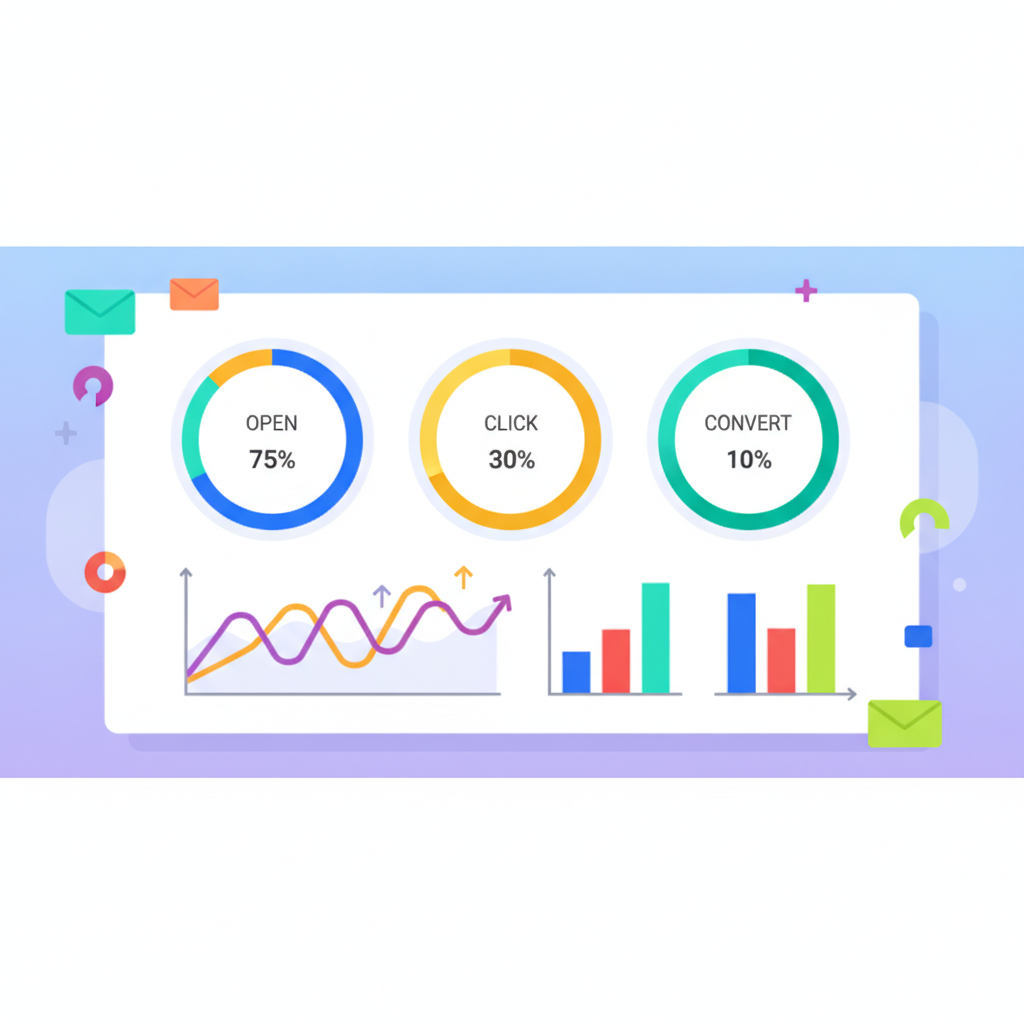
Email marketing is an indispensable tool for customer retention. Instead of sending generic emails, focus on personalization. Segment your email list based on purchase behavior, preferences, and interaction history. Send emails with personalized product recommendations, abandoned cart reminders, or exclusive offers for loyal customers. Use emails to congratulate them on their birthdays or special occasions, offering a small discount as a gift. This personalization makes customers feel valued and appreciated. Platforms like Salla, Zid, and Shopify allow you to integrate email marketing tools that help automate this process efficiently. You can delve deeper into this topic by reading our article on Email Marketing: Boosting Your Sales in Salla and Zid Stores.
To maximize the benefits of personalized email marketing, the store must start by collecting accurate data about its customers. This data can include demographic information, purchase history, product preferences, and browsing behavior on the site. Using this data, the store can create different customer segments and send targeted emails to each segment. For example, an email showcasing new products can be sent to customers who have purchased a specific product category in the past, or a reminder can be sent to customers who have placed products in their shopping cart but have not completed the purchase.
In addition to personalization, the content of emails must be engaging and valuable. This can include tips on how to use products, educational articles, or news about the store or brand. Stores should avoid sending purely sales-focused emails continuously, as this can lead to customer fatigue and unsubscribes. Instead, the goal should be to build a long-term relationship with customers by providing continuous value, which enhances their loyalty and encourages them to stay connected with the store. This strategic approach transforms email marketing from a mere sales tool into a powerful customer retention tool.
SMS and App Push Notifications
In today's increasingly mobile world, communication via SMS and app push notifications has become highly effective for reaching customers quickly. These channels can be used to send important order status updates, abandoned cart reminders, announcements of limited-time flash sales, or even personalized thank-you messages after a purchase. These messages should be concise, direct, and offer immediate value to the customer. However, they must be used carefully to avoid annoying customers, and always ensure you have their consent before sending marketing messages. E-commerce platforms provide tools to integrate SMS services, or additional apps can be used to achieve this efficiently.
To maximize the benefits of SMS and app push notifications, stores must determine the appropriate times to send these messages. Sending messages at inappropriate times can lead to customer annoyance and future disregard for the store's messages. The message content should also be clear and direct, containing a clear call to action, such as "Click here to redeem your discount" or "Track your order now." Stores can also use SMS to send reminders about loyalty points expiration dates or special offers, which creates a sense of urgency and encourages customers to take action.
App push notifications are particularly effective for stores that have their own mobile applications. They allow sending personalized and targeted messages based on user behavior within the app, their geographical location, or their preferences. For example, a notification can be sent about a specific product that the customer had previously browsed and is now back in stock. These notifications enhance the user experience and encourage them to return to the app and make a purchase. By integrating SMS and app push notifications into a comprehensive communication strategy, stores can build stronger relationships with their customers and significantly increase customer retention rates.
Leveraging Data and Analytics
In the age of big data, the ability to collect and analyze customer data is a critical competitive advantage for customer retention. Effective retention strategies cannot be built without a deep understanding of your customers' behavior, preferences, and pain points. Data provides you with valuable insights into what drives customers to purchase, what makes them return, and what might prompt them to leave. In this section, we will explore how to use the analytics available on platforms like Salla, Zid, and Shopify to transform raw data into actionable strategies that enhance customer loyalty and increase your store's profits.
The purpose of data analysis is not just to collect numbers, but to understand the story behind those numbers. By analyzing purchase history, website browsing behavior, email open rates, and customer service interactions, stores can identify patterns and trends that indicate customer satisfaction or dissatisfaction. For example, customers at risk of churning can be identified based on a decrease in their interaction rate or long periods of inactivity. These insights enable the store to take proactive measures to win back these customers before it's too late, whether through offering special promotions or direct communication.
E-commerce platforms like Salla, Zid, and Shopify offer built-in analytics tools that provide an overview of store performance and customer behavior. Additionally, stores can integrate external analytics tools such as Google Analytics to gain more detailed and in-depth insights. The most important thing is not just to collect data, but to dedicate time to analyze it regularly and apply the results to improve customer retention strategies. The more a store understands its customers, the more it can provide a personalized and valuable experience, which enhances customer loyalty and increases the chances of repeat purchases.
Analyzing Customer Behavior
Understanding customer behavior is fundamental to retention strategies. By analyzing purchase data, browsing history, viewed products, and time spent on specific pages, you can build an accurate picture of each customer's preferences. For example, if you notice a particular customer always buys products from a certain category, you can tailor offers and recommendations to that category. Use the built-in analytics tools in Salla, Zid, and Shopify, or external tools like Google Analytics, to track these patterns. Identifying your most valuable customers (those who spend more or purchase frequently) allows you to focus your efforts on them and provide them with a VIP experience, significantly strengthening their loyalty. Analyzing customer behavior is not limited to what they buy, but also how they interact with your store after purchase – do they open emails, leave reviews, etc.
To effectively analyze customer behavior, stores must look at the big picture rather than focusing on individual purchases. This can include analyzing the entire customer journey, from the first moment they become aware of the store until they become a loyal customer. What channels do they prefer? What types of content do they interact with? What factors drive them to complete a purchase, and what factors make them hesitate? Answering these questions provides valuable insights that can be used to improve every aspect of the customer experience, from marketing to customer service.
In addition to quantitative analysis, stores can also conduct qualitative analysis of customer behavior through satisfaction surveys and interviews. This type of analysis provides a deeper understanding of the underlying motivations and emotions behind customer behavior, which may not be apparent from numbers alone. For example, data analysis might show that customers abandon their shopping carts at a certain point, but surveys might reveal that the reason is unexpected shipping fees or the lack of preferred payment options. By combining quantitative and qualitative analysis, stores can build a comprehensive understanding of customer behavior and develop more effective retention strategies.
Customer Segmentation
Customer segmentation means dividing your customer base into smaller groups based on similar characteristics or behaviors. This can include demographic segmentation (age, gender, location), behavioral segmentation (purchase history, purchase frequency, average order value), or psychographic segmentation (interests, lifestyle). Once your customers are segmented, you can tailor your marketing messages, offers, and even website experience for each segment. For example, you can send exclusive offers for luxury products to high-value customers, while sending discounts on best-selling products to new customers. This personalization increases the relevance of the content to the customer, thereby increasing the effectiveness of retention efforts. Platforms like Shopify, Zid, and Salla provide tools for customer segmentation within their dashboards or through third-party apps.
To effectively segment customers, stores must identify the most important criteria for their business. Not all types of segmentation are suitable for every store. For example, segmentation by most purchased product category might be more beneficial for a clothing store than segmentation by geographic location, unless the store offers specific local shipping services. Segments should be measurable, targetable, and large enough to justify dedicating marketing efforts to them. The goal is to create segments that enable the store to better understand the needs of each group and develop customized strategies that meet those needs.
Customer segmentation is a crucial first step towards comprehensive personalization. Once segments are identified, stores can design different marketing campaigns, promotional offers, and even website experiences for each segment. For example, a store can display different products on the homepage for different visitors based on their segments. This level of personalization shows customers that the store understands and values them as individuals, which enhances their sense of loyalty and encourages them to continue doing business with the store. By leveraging customer segmentation, stores can transform their large customer base into smaller, more manageable groups, thereby increasing the effectiveness of customer retention strategies.
Personalization Based on Data
After analyzing and segmenting customer behavior, the personalization stage begins. Personalization is key to making customers feel valued and appreciated. Personalization can include customized product recommendations on the homepage or in emails, special offers based on purchase history, or even a slightly different website experience based on the customer segment. The more personalized the experience, the more likely the customer is to feel connected to your store and want to return. E-commerce platforms like Salla, Zid, and Shopify provide powerful tools to set up these personalization rules, whether built-in or through third-party apps that use AI algorithms to deliver accurate recommendations. Remember that personalization is not limited to products; it can also include content, communication, and even customer service experience.
To achieve effective personalization based on data, stores must adopt a multi-channel approach. Personalization should not be limited to email or the website alone, but should extend to all customer touchpoints, including social media, SMS, and even interactions with the customer service team. For example, if a customer has contacted customer service about a specific issue, the marketing team should be aware of this to avoid sending irrelevant offers or messages that might further frustrate the customer. This integrated approach enhances the overall customer experience and shows that the store cares about every aspect of their journey.
Continuous and improved personalization is crucial. Customer behavior and preferences change over time, so stores must constantly monitor these changes and adjust their personalization strategies accordingly. Using artificial intelligence and machine learning algorithms can help automate this process and provide more accurate and effective recommendations. By investing in advanced personalization tools and dedicating resources to data analysis and insight application, stores can transform the customer experience from generic to highly personal, significantly enhancing loyalty and increasing customer lifetime value.
Conclusion: Building Loyalty for a Thriving E-commerce Store
In conclusion of this comprehensive article on customer retention, it is clear that focusing on retaining existing shoppers is not merely a secondary strategy, but a fundamental pillar for the growth and prosperity of any e-commerce store in today's competitive landscape. We have discussed how customer retention reduces costs, increases profitability, and strengthens brand loyalty through word-of-mouth marketing and referrals. We also reviewed the importance of building an exceptional customer experience that includes ease of navigation and purchase, shipping speed and packaging quality, and professional customer service. We delved into how to design and implement effective loyalty and rewards programs, from reward points to exclusive discounts and early access to new products, in addition to the importance of continuous and personalized communication via email and SMS.
Success in customer retention does not come from a single effort or a fleeting marketing campaign; rather, it is the result of a continuous commitment to delivering exceptional value to customers at every touchpoint. It requires a deep understanding of your customers, intelligent use of data and analytics to personalize their experience, and meticulous attention to detail in every aspect of the purchase process and beyond. Whether you manage your store on Salla, Zid, or Shopify, the tools and features available to you are numerous and diverse, and the opportunity is ripe to transform casual shoppers into loyal customers and brand ambassadors. Remember that every customer your store retains is an investment that pays off in the long run, not just in direct sales, but in building a strong and sustainable reputation.
Therefore, we invite you to re-evaluate your current strategies and begin implementing the principles and tips outlined in this article. Start with small yet impactful steps, such as improving the shipping process, launching a simple loyalty program, or even sending personalized thank-you messages. Monitor the results, learn from interactions, and continue to improve. Ultimately, the customer relationship is the essence of successful e-commerce, and the stronger and deeper this relationship, the more prosperous and resilient your store will be in an ever-changing market. Invest in your customers, and they will invest in you.