




Upselling: Boosting Your Store's Profits on Salla, Zid, and Shopify
In the rapidly evolving world of e-commerce, merely attracting customers is no longer sufficient for sustainable growth; the art of increasing the value of each purchase has become vital for maximizing profits and fostering customer loyalty. Upselling is one of the most powerful strategies that e-commerce store owners, whether on platforms like Salla, Zid, or Shopify, can adopt to achieve this goal. It is not just a fleeting marketing tactic, but a comprehensive approach that focuses on understanding customer needs and offering them additional value, benefiting both the store and the customer.
Imagine a customer visiting your store to buy a smartphone. Instead of completing the purchase of their initial choice, they are presented with an option for a smartphone with greater storage capacity or a better camera at a slightly higher price, or perhaps a premium bundle that includes an extended warranty and additional services. This is the essence of upselling: encouraging the customer to buy a more expensive product or an upgraded version of the product they originally intended to purchase, by highlighting the added value and benefits they will receive. This strategy is not limited to electronic products; it can be effectively applied across a wide range of industries and products, from clothing and accessories to training courses and digital services.
What is Upselling and Why is it Crucial for Your Store?
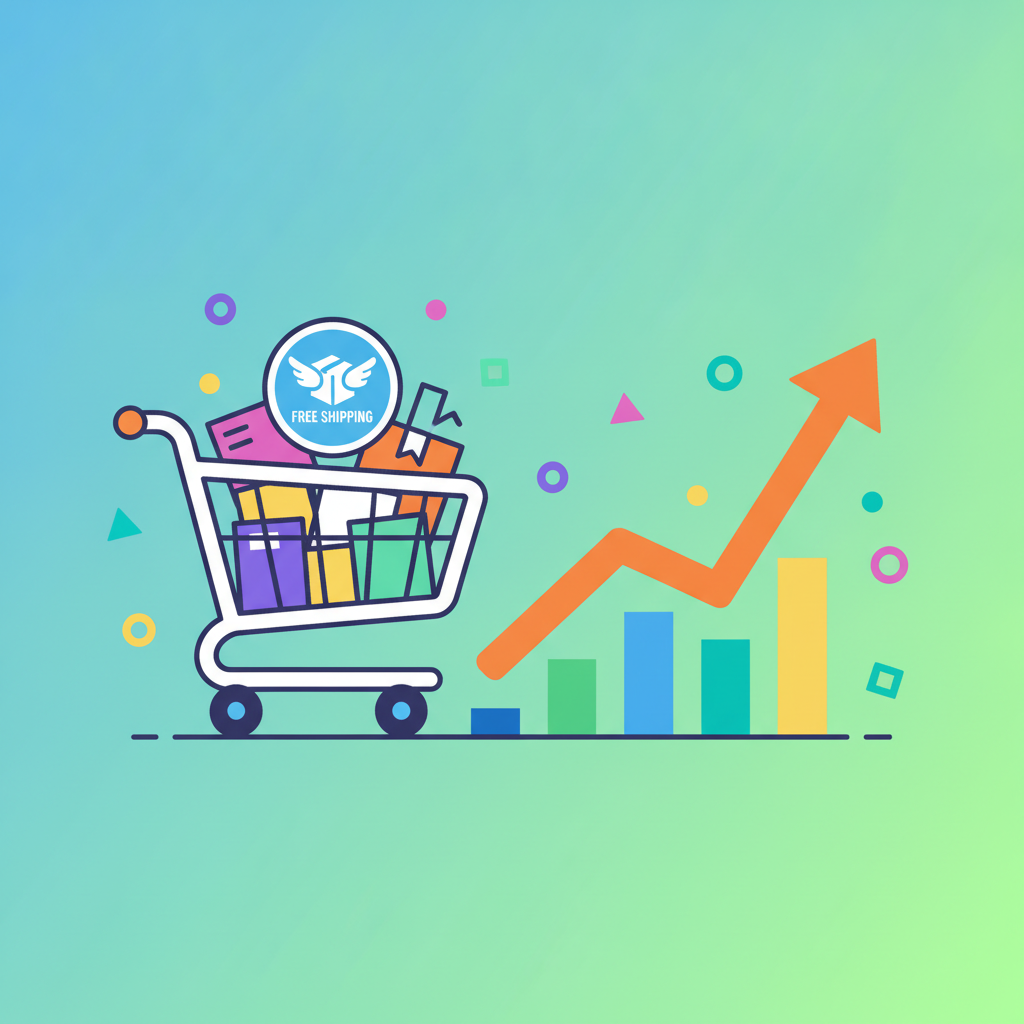
Upselling is a sales technique aimed at persuading customers to purchase a more expensive product, or an upgraded or enhanced version of the product they initially intended to buy. The fundamental idea behind this strategy is to maximize the value of a single order by presenting customers with higher-value options. Instead of buying the basic product, the customer is encouraged to invest in a product that offers greater benefits, higher quality, or a better user experience, thereby increasing the store's Average Order Value (AOV).
The importance of upselling lies in its effectiveness as a means to increase revenue without incurring significant additional costs to acquire new customers. The Customer Acquisition Cost (CAC) is often much higher than the cost of selling an additional or upgraded product to an existing customer or a customer who is about to make a purchase. By focusing on upselling, e-commerce stores on platforms like Salla, Zid, and Shopify can significantly improve profit margins, increase the return on investment for marketing efforts, and build stronger customer relationships by offering solutions that better meet their needs.
Upselling is not just about immediate sales; its impact extends to enhancing customer loyalty and satisfaction in the long run. When customers see that a store offers them improved and suitable options for their needs, they feel valued and trusted, which increases the likelihood of them returning for future purchases. For instance, if a customer is buying a monthly subscription for a software, offering an annual subscription option with a larger discount can save the customer money in the long term and secure stable revenue for the store for a longer period. This approach contributes to building a mutually beneficial relationship and transforms a casual shopper into a loyal, repeat customer.
Core Principles for Effective Upselling
Successful upselling requires more than just offering more expensive products; it demands a deep understanding of the customer, perfect timing, and value-driven offers. When these principles are applied, stores on platforms like Salla, Zid, and Shopify can significantly turn simple purchases into opportunities for increased profits. The goal should always be to provide genuine value to the customer, not just to inflate the invoice amount.
It is essential that upselling offers are relevant and beneficial to the customer. If the customer feels that the offer does not add real value or is merely an attempt to increase spending, it could lead to a loss of trust and even cart abandonment. Therefore, proposals must be well-thought-out and based on a precise analysis of customer behavior and interests. For example, if a customer is buying a camera, offering a professional lens or an extra battery is a logical and valuable upsell, whereas offering sports shoes might be completely irrelevant.
Honesty and transparency in presenting added value are key to success. The customer must clearly see how they will benefit from the higher-priced product or upgraded package. Whether it's about saving time, improving performance, gaining greater peace of mind, or highlighting these benefits convincingly will increase the likelihood of the offer being accepted. This principle applies to all types of e-commerce stores, regardless of the platform used.
Understanding Customer Needs and Behavior
To effectively implement upselling, store owners must be thoroughly aware of their customers' needs, preferences, and purchasing behavior. This requires a meticulous analysis of data, including the customer's previous purchase history, pages visited, products viewed, and even products added to the cart and then removed. All this information provides valuable insights that can be used to customize upselling offers, making them more appealing and relevant to the customer, thereby increasing the chances of closing a higher-value deal.
E-commerce platforms like Shopify, through their numerous apps, can provide advanced analytical tools that help track customer behavior and offer personalized recommendations. On platforms like Salla and Zid, it might initially require some manual effort or reliance on available features to categorize and link products based on common patterns. The key is to identify products that customers tend to buy together or products that can be considered a natural upgrade to another product, and then strategically present them.
Personalization is the cornerstone of successful upselling. When customers feel that an offer is tailored specifically for them, they are more willing to respond. Instead of presenting a generic list of products, focus on suggestions that reflect their preferences and purchase history. For example, if a customer consistently buys organic products, offering a premium organic option at a higher price for the same basic product will be more effective than offering a non-organic option. This approach builds trust and enhances the overall shopping experience.
The Right Timing for the Offer
Timing is a critical factor in the effectiveness of upselling strategies. Presenting the right offer at the right moment can make a significant difference between a successful upsell and annoying the customer, causing them to abandon their cart. There are several key touchpoints in the customer journey that can be smartly leveraged to present upselling offers, and each touchpoint requires a different approach to ensure maximum impact.
One of the best times to present upselling offers is on the product page itself. Here, the customer is still in the research and decision-making phase, and higher-value products can be highlighted as alternative options to the one they are viewing. For example, a 'pro version' or 'new model' can be displayed with a clear comparison of features and benefits. The cart page or checkout page can also be strong points, as the customer has already made the initial purchase decision and is more open to adding extra value before completing the order. Stores on Salla, Zid, and Shopify can cleverly utilize these pages to display related products or upgrades.
Upselling does not end with the completion of a purchase. Post-purchase strategies can also be effective. For example, sending automated emails shortly after a purchase, offering complementary products or upgrades to previously bought items, can open new revenue streams. This approach allows the customer to first enjoy their core product and then consider how to enhance their experience. Remember that dynamic pricing can play a role in optimizing these offers.
Value-Driven Upsell Offers
To make upsell offers compelling, they must primarily focus on the value the customer will receive, not just on increasing the price. The benefits should be clear and tangible, making the offer seem like an unmissable opportunity. This requires clever copywriting and highlighting advantages that outweigh the additional cost, making the customer feel they are getting a better deal or a more complete solution for their needs.
When presenting an upsell offer, focus on highlighting how the higher-priced product solves a bigger problem, saves more time, provides a better user experience, or even saves money in the long run. For example, if a customer is buying a printer, offer a faster, professional printer that uses less expensive ink over time, emphasizing future savings and higher productivity. This kind of value focus reduces customer resistance to a higher price and increases the attractiveness of the offer.
Upsell offers can be enhanced by using psychological marketing principles. For instance, the 'anchoring effect' can be used by presenting the higher-priced product first, then the lower-priced product, making the latter seem more attractive. Social proof, such as 'most popular product' or 'the choice most of our customers prefer,' can also be used to build confidence in the upsell offer. These tactics, when applied intelligently, can significantly increase the acceptance rates of upsell offers in your Salla, Zid, or Shopify store.
Practical Upselling Strategies for Salla, Zid, and Shopify Stores
There are numerous upselling strategies that e-commerce store owners can implement to increase their profits, each suitable for different contexts and products. The key is to choose the strategies most appropriate for your products and target audience, then apply them intelligently on e-commerce platforms like Salla, Zid, and Shopify. Remember that the goal is always to provide additional value to the customer in a way that doesn't seem opportunistic or excessive.
Combining several strategies can lead to better results. For example, you can use product bundling with offers on premium versions, and provide quantity discounts to encourage customers to increase their cart value. These strategies should be flexible and adjustable based on performance data and customer feedback. Continuous analysis of what works and what doesn't will help you refine your approach and get the most out of every upselling opportunity.
Each e-commerce platform, whether Salla, Zid, or Shopify, can provide different tools and features to support these strategies. By understanding how each platform works and leveraging its strengths, store owners can design seamless and compelling upselling experiences. Whether through available apps, built-in features, or even manual adjustments, the opportunities to increase order value are plentiful.
Product Bundles and Kits
Product Bundling is a highly effective upselling strategy, where several related products are offered together as a single package at an attractive price that might be slightly lower than if each product were purchased separately. This method not only increases the Average Order Value but also helps sell less popular products by combining them with high-demand items. These bundles can be designed to fully meet a specific need, making them an appealing option for customers.
On platforms like Salla, Zid, and Shopify, this strategy can be implemented relatively easily. On Shopify, there are many dedicated apps for creating bundles, allowing you to define grouped products, adjust prices, and display them attractively on product pages or in the shopping cart. For Salla and Zid, a new product representing the bundle can be created, or product options can be used to add bundle components, or even the description and images can be utilized to clarify the bundle's contents and the value it offers. It's crucial to emphasize the value and savings the customer receives when purchasing the bundle.
When designing bundles, consider common use scenarios for your products. For example, if you sell cameras, you could bundle them with an extra lens, a memory card, and a carrying case. If you sell skincare products, you could create a 'complete routine' bundle that includes a cleanser, moisturizer, and serum. These bundles save the customer the hassle of searching for accessories or complementary products and provide a comprehensive solution, increasing the likelihood of them buying the full set at a higher price. You can also link these bundles to smart product pricing strategies to maximize profits.
Premium Versions and Upgrades
Offering premium versions or upgrades to core products is a powerful upselling strategy, especially for products that feature different levels of features or quality. The goal is to convince the customer that paying a little extra will bring them significantly more value, whether through better performance, higher durability, additional features, or enhanced customer service. This strategy is particularly effective for electronics, software, and services.
For example, if your store sells headphones, you could offer three versions: the standard version, the enhanced version (with better sound quality and noise-canceling features), and the luxury version (with premium materials and unique design). When presenting these options on the product page, clearly highlight the differences in features and benefits, and how they justify the additional cost of each upgrade. Platforms like Shopify, Salla, and Zid can support this through multiple product options or by creating separate products with clear comparison links.
Upgrades can also include additional services such as extended warranties, expedited shipping, luxury packaging, or premium technical support. These additions, even if they incur a symbolic cost for the customer, can significantly increase the order value and make the purchase experience more appealing. These upgrades should be clearly displayed in the shopping cart or on the checkout page, presented as genuine added value rather than an additional burden. Focusing on the peace of mind or extra protection these upgrades provide can be a strong motivator for customers.
Quantity Discounts
Encouraging customers to buy larger quantities of a specific product in exchange for a per-unit discount is a classic and effective upselling technique. This strategy not only increases the Average Order Value but also helps reduce shipping and packaging costs per unit, benefiting the store. It is particularly useful for consumable products, groceries, or any items that customers tend to buy frequently or in bulk.
Store owners on Salla, Zid, and Shopify can easily implement this strategy by setting up quantity-based discount rules. For example, 'Buy 2, get 10% off,' or 'Buy 3, get 15% off.' These discounts can be prominently displayed on the product page or in the shopping cart to incentivize the customer to add more units to their order. Shopify offers many apps that facilitate setting up such dynamic discounts, while Salla and Zid can use available discount features or even create specific quantity-based discount codes.
In addition to increasing quantity, these discounts can be linked to motivating customers to reach a certain threshold for free shipping. For instance, 'Add an extra product worth 50 SAR to get free shipping.' This method not only increases the Average Order Value but also reduces the cart abandonment rate due to shipping costs. It's a win-win strategy, where the customer saves money and the store gets a higher-value order.
Personalized Recommendations
Personalized product recommendations are one of the most effective upselling techniques, leveraging available data on customer behavior to present relevant and enticing suggestions. When a customer sees a recommendation that feels tailored specifically for them, they are more willing to consider it and add the suggested product to their cart. This approach relies on artificial intelligence and data analysis to provide a unique and enhanced shopping experience.
On platforms like Shopify, many advanced apps are available that use AI algorithms to analyze customer behavior and provide personalized recommendations based on products they have viewed, added to their cart, or purchased. These recommendations can be displayed in strategic locations such as product pages, the shopping cart, and even on the homepage. On Salla and Zid, in addition to the available related products feature, store owners can use manual analytics to identify products that are frequently bought together and create manual links between them to offer semi-personalized recommendations.
To enhance the effectiveness of recommendations, they should be varied and appear in different contexts. For example, there can be recommendations for products 'customers who viewed this also viewed,' or 'complementary products,' or 'popular upgrades.' The goal is to provide multiple options to the customer without overwhelming them, allowing them to discover new or improved products that might better meet their needs. Remember that following up on abandoned carts can also benefit from personalized recommendations to increase recovery rates.
Implementing Upselling on Salla, Zid, and Shopify Platforms
The method of implementing upselling strategies differs slightly across various e-commerce platforms, but the core principle remains the same: providing additional value to the customer. Whether you are using Salla, Zid, or Shopify, there are tools and features available to help you execute these strategies effectively. Understanding how to leverage these tools will ensure you get the most out of every upselling opportunity.
It is important to review the features available on each platform and look for apps or add-ons that can enhance your upselling capabilities. Shopify, for example, is renowned for its rich app store that offers advanced upselling solutions. Salla and Zid, while providing built-in features, may require some creativity in their use to achieve maximum impact. Planning ahead and experimenting with different approaches are key to success.
Regardless of the platform, the focus should be on user experience. Upselling offers should be seamless and non-intrusive, appearing in a natural context that adds to the shopping experience rather than hindering it. Continuous testing and data analysis will help you determine the best placements and designs for offers to maximize conversion rates and increase profits.
Upselling on Zid Store
The Zid platform offers store owners many features that can be leveraged to effectively implement upselling strategies. While Zid may not have the same large number of dedicated upselling apps as Shopify, its core features, combined with some creative use, allow for excellent results. Merchants should focus on utilizing these built-in features to enhance order value.
On Zid, the 'Related Products' feature can be used to display higher-value products or upgraded versions. When adding a product, you can link it to other products that are considered a natural upgrade. For example, if a customer is viewing a sports shoe, a 'Pro' version of the same shoe with additional features can be displayed. The 'Product Options' feature can also be used to create different tiers of the same product (e.g., larger size, additional features) at a higher price, encouraging the customer to choose the more expensive and better option.
Additionally, Zid store owners can utilize discount and offer settings to create bundles or 'buy more, save more' deals. For instance, an automatic discount can be set up when a certain quantity of a product is purchased, or when two specific products are bought together. Product pages can also be used to display comparisons between standard and premium products, highlighting the additional benefits of each upgrade through descriptions and images. This integrated approach ensures that upsell offers are visible and compelling to customers.
Upselling on Salla Store
Salla is a leading platform in the region and also provides robust tools to support upselling strategies. Salla's design focuses on ease of use, making these strategies accessible even for beginners. Store owners on Salla can leverage built-in features to improve their Average Order Value and enhance the customer shopping experience.
Similar to Zid, Salla offers a 'Related Products' feature that can be used to display higher-value products or upgrades. Merchants can manually specify products they recommend as better alternatives or higher-value complements on product pages. Salla also allows for customizing product options, enabling the creation of multiple versions of a single product at different prices, encouraging customers to choose premium or feature-rich options. For example, for a coffee product, options like '250g bag,' '500g bag with discount,' or 'monthly subscription with discount' can be offered.
For offers and bundles, Salla store owners can use the advanced discount system to create conditional promotions, such as quantity discounts or discounts when purchasing specific products together. They can also utilize custom product page designs to highlight bundles and special upsell offers. It is essential to ensure these offers are clear, attractive, and appear in appropriate locations in the customer journey, such as the shopping cart page, to encourage customers to increase their order value. These strategies can help in choosing the most suitable shipping companies to offer free shipping on high-value orders.
Upselling on Shopify Store
Shopify is known for its flexibility and scalability, thanks to its extensive app store that provides thousands of upselling solutions. This makes Shopify an ideal platform for store owners looking for advanced and customized solutions to increase their Average Order Value. From AI-powered recommendations to dynamic bundles, Shopify offers a wide range of options.
Shopify store owners can leverage the upselling apps available in the App Store. There are specialized apps for displaying recommended products on product pages or in the shopping cart based on customer behavior. There are also apps that allow for creating dynamic product bundles, 'buy X get Y' offers, and even post-purchase upsells at the checkout page. These apps often come with built-in analytics to help you track the performance of your offers.
In addition to apps, Shopify also offers built-in features such as product options that support upgrades, and the ability to modify page templates to display upsell offers more prominently. The automatic discounts feature can be used to provide quantity discounts or discounts when certain products are purchased. The key is to experiment with different apps and features to find the most suitable ones for your store and products. The flexibility provided by Shopify allows you to design a unique and enhanced upselling experience that perfectly aligns with your brand and goals.
Measuring Success and Optimizing Upselling Efforts
To ensure that upselling strategies are effective and profitable, it is crucial to continuously measure their performance and optimize them based on data. It's not enough to simply implement these strategies; results must be tracked, and what works and what doesn't must be understood to achieve maximum return on investment. This requires an analytical and systematic approach.
Several key metrics should be tracked when evaluating upselling efforts: Average Order Value (AOV), Conversion Rate, profit margin on upsold products, and Return on Investment (ROI) from upselling efforts. Platforms like Salla, Zid, and Shopify can provide dashboards and reports to help you track these metrics. For example, Shopify reports can clearly show you the impact of upselling apps on your revenue.
Do not hesitate to conduct A/B tests for different upselling options. Experiment with various offers, different wording, and different placements of offers on product pages or in the shopping cart. For example, test whether offering a specific bundle yields better results than offering an individual upgrade product. Listen to customer feedback, and try to understand why they accept or reject upsell offers. Continuous improvement based on data and feedback will ensure that you transform upselling into a powerful and sustainable growth engine for your store.
Conclusion
In conclusion, upselling is an indispensable strategy for any e-commerce store aspiring to achieve sustainable growth and increased profits in today's competitive market. It goes beyond merely increasing invoice size to become a powerful tool for enhancing long-term customer value, improving the shopping experience, and building robust relationships based on trust and added value. By focusing on understanding customer needs and presenting valuable offers at the right time, store owners on platforms like Salla, Zid, and Shopify can transform every purchase into an opportunity for increased revenue.
Remember that success in upselling does not come by chance; it is the result of meticulous planning, intelligent implementation, and continuous optimization. Leverage the features available on your platform, whether built-in capabilities or third-party apps, to design a seamless and compelling upselling experience. Do not be afraid to experiment with different approaches, and closely monitor data to identify what works best for your products and customers. The goal is to make the customer feel they received a better deal or a more complete solution, rather than just having spent more money.
With strategic upselling, you will notice a significant improvement in your Average Order Value, an increase in profit margins, and enhanced customer loyalty. These are not just numbers; they are indicators of building a strong and resilient e-commerce business capable of competing and thriving in the ever-changing digital commerce landscape. Start today to explore how upselling can change the game for your store on Salla, Zid, or Shopify.