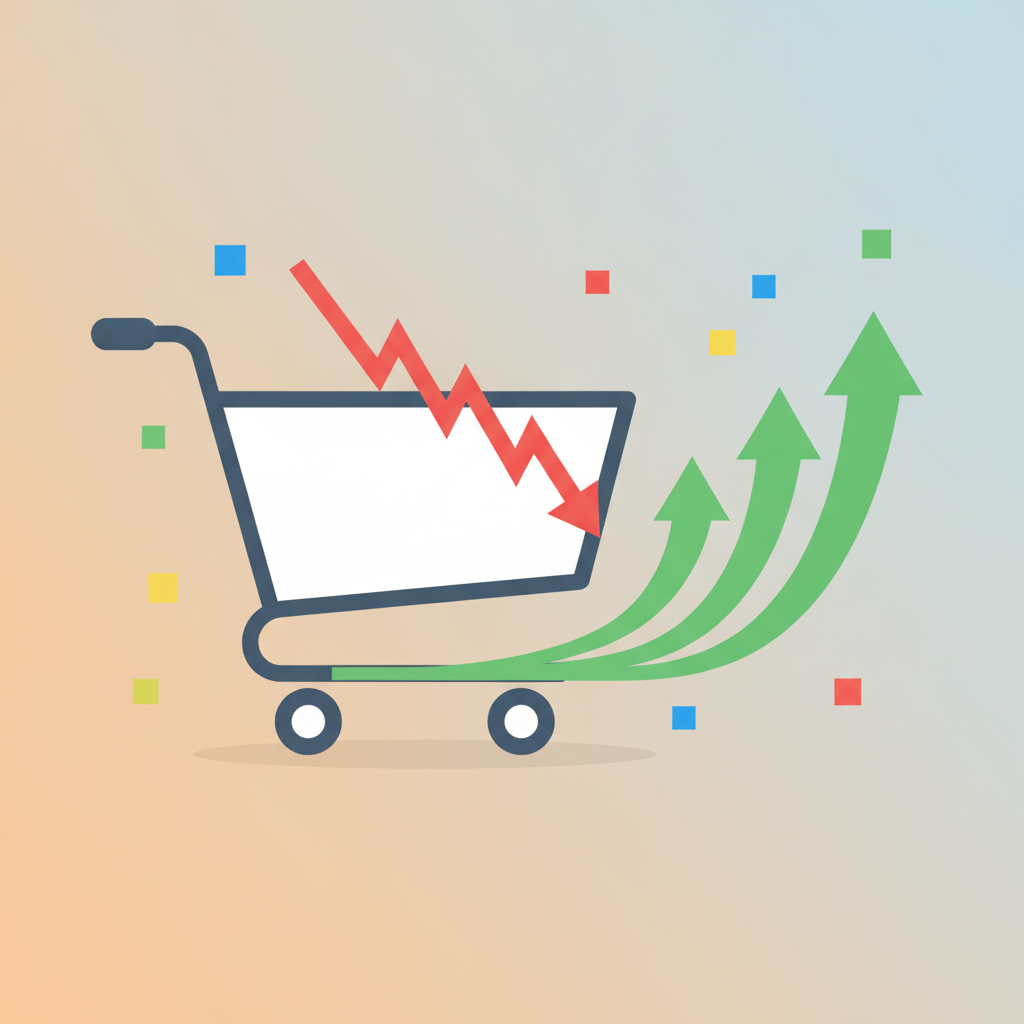





Free Shipping: Sales Boost Strategies for Salla and Zid
In the fiercely competitive world of e-commerce, customer expectations are constantly rising, and merely offering high-quality products is no longer enough to achieve remarkable success. The overall shopping experience has become the key to distinguishing an online store and attracting buyers. At the heart of this experience, the offer of free shipping stands out as a powerful and effective marketing tool. It is not just an added feature; it is a strong psychological motivator that directly influences purchasing decisions and can turn a hesitant shopper into a loyal customer, especially in emerging markets like the MENA region, where e-commerce is growing rapidly, and competition is intensifying among stores built on platforms like Salla, Zid, and Shopify.
Understanding the inherent power behind free shipping requires more than simply adding it as a checkout option; it demands a carefully considered strategy that balances attracting customers with maintaining profit margins. In this comprehensive article, we will delve into how online stores on Salla and Zid platforms, as well as Shopify, can intelligently leverage this strategy to increase conversion rates, raise average order value, and build long-term customer loyalty. We will explore the psychological aspects that make free shipping so appealing, and provide a variety of actionable strategies, focusing on how to overcome common challenges and ensure that free shipping is a driver of growth, not a burden on profits.
The Psychological Appeal of Free Shipping
The impact of free shipping is not limited to its material aspect; it extends to deep psychological dimensions that influence consumer behavior and purchasing decisions. Customers perceive immediate added value when they see a free shipping option, as they avoid what is known as 'loss aversion' – the human tendency to avoid losses more than to seek gains. High shipping fees are often seen as an unexpected loss that reduces the overall attractiveness of the deal, while free shipping is perceived as a gain, even if its cost is embedded in the product price, which makes the offer more acceptable and appealing.
Furthermore, free shipping fosters a sense of trust and transparency between the store and the customer. When there are no hidden or surprising fees at the checkout stage, customers feel that the store is honest and cares about their experience, which builds a strong foundation for a long-term relationship. This sense of trust encourages repeat purchases and increases the likelihood of the customer becoming a brand ambassador, recommending it to friends and acquaintances, thus contributing to the organic and sustainable growth of the store in the dynamic e-commerce environment.
This psychological appeal also contributes to stimulating impulse purchases. When a customer sees a free shipping offer, the psychological barriers to completing a purchase decrease, even if they do not urgently need the product at that moment. This feeling that the deal is 'better' due to the absence of additional fees can prompt customers to make quicker and more frequent purchasing decisions, which positively impacts the store's overall revenue and highlights the importance of intelligently integrating this strategy into the marketing and sales plans for stores on platforms like Salla, Zid, and Shopify.
Its Impact on Conversion Rates and Shopping Carts
Free shipping is one of the most powerful tools for improving conversion rates and reducing cart abandonment, a problem faced by many e-commerce stores. Statistics show that unexpected shipping fees are the primary reason customers abandon their shopping carts. When this barrier is removed, the likelihood of a customer completing the purchase increases significantly, leading to a notable rise in the conversion rate and, consequently, more sales for the store.
Moreover, free shipping can be a strong driver for increasing the average order value (AOV). When a store links free shipping to a minimum spend threshold, it encourages customers to add more products to their cart to reach that threshold and benefit from the offer. For example, if a customer plans to buy a product worth 90 SAR and the free shipping threshold is 100 SAR, they are likely to add another small product worth 10 SAR to make their total order 100 SAR and qualify for free shipping, thus increasing the total value of each order.
Finally, free shipping gives a store a clear competitive advantage in a crowded market. In the presence of a large number of stores selling similar products, free shipping can be the decisive factor that prompts a customer to choose your store over competitors. This advantage not only attracts new customers but also contributes to building loyalty among existing customers, who will prefer to purchase from a store that offers them added value and greater convenience, which can be effectively achieved on platforms like Salla, Zid, and Shopify that provide advanced tools for shipping management.
Conditional Free Shipping Based on Minimum Order Value
Conditional free shipping based on a minimum order value is one of the most effective ways to balance attracting customers and maintaining profit margins. The idea is to set a specific amount that the total shopping cart must reach for the customer to qualify for free shipping. This strategy not only encourages customers to make a purchase but also prompts them to increase their order value, leading to a higher average order value (AOV) for the store. It is recommended to set this threshold slightly above the store's current average order value, ensuring that the goal is achievable for customers and profitable for the store simultaneously.
To maximize the benefits of this strategy, store owners must carefully analyze their sales data to determine their current average order value. If your AOV is 80 SAR, setting a free shipping threshold at 100 or 120 SAR could be a strong incentive for customers to add more products to their cart. This threshold should be clear and visible to the customer at all stages of shopping, from the product page to the cart and even the checkout page, to maximize its motivational impact. Platforms like Salla, Zid, and Shopify provide easy settings to apply these conditions to shipping options.
This strategy also helps cover a portion of shipping costs by increasing sales volume. Instead of bearing the full shipping cost for every order, this cost is distributed across a larger number of products, or offset by increased sales revenue. Stores can use this opportunity to offer complementary products or small add-ons at reasonable prices to encourage customers to reach the minimum threshold more easily. To delve deeper into how to set prices that support these strategies, you can refer to our article on Product Pricing: Smart Strategies for Salla and Zid Stores, which offers valuable guidance in this regard.
Free Shipping for Specific Products or Special Offers
E-commerce stores can leverage free shipping to boost sales of specific products or to encourage promotional offers. This strategy is particularly effective for high-margin products, where the store can absorb the shipping cost without negatively impacting profits. It is also useful for products the store wishes to clear or sell quickly, such as old inventory or seasonal items nearing their end. By offering free shipping for these products, their appeal significantly increases, and customers are motivated to purchase them.
This strategy also provides an opportunity for stores to highlight new or exclusive products. When launching a new product, offering free shipping for it can be a strong incentive for initial trials, helping to build momentum for the product and increase its awareness. Stores on platforms like Salla, Zid, and Shopify can set up specific shipping rules that apply only to certain product collections or limited-time promotional offers, giving them great flexibility in managing their marketing campaigns.
Moreover, this strategy can be used to create 'buy one, get free shipping' offers or 'White Friday' deals that include free shipping for selected products. This type of offer creates a sense of urgency and limited opportunity, prompting customers to make a purchase decision quickly. It is essential to ensure that these offers are clearly promoted through in-store banners, email, and social media to ensure they reach the widest possible segment of targeted customers.
Free Shipping for Subscriptions or Loyalty Programs
Loyalty programs and monthly or annual subscriptions are excellent strategies for increasing customer loyalty and fostering repeat sales. Free shipping can be integrated as a key incentive to join these programs. Consider the 'Amazon Prime' model, where fast, free shipping is one of the primary benefits of membership. E-commerce stores, even small ones, can implement similar models on their own scale to provide added value to their most loyal customers or to subscribers of premium programs.
When offering free shipping as part of a loyalty program, the store is not just providing a service; it is enhancing the customer's sense of belonging and added value. This can include offering unlimited free shipping for all orders for subscribers, or free shipping on a certain number of orders per month, or even free shipping for orders above a certain value only for subscribers. This flexibility allows stores to design loyalty programs that suit their business nature and profit margins.
The goal of this strategy is to convert regular customers into repeat customers, providing them with a compelling reason to return and purchase from the store again and again. A customer who pays an annual subscription fee, or feels part of a loyalty program, will be more inclined to buy from your store to avoid paying shipping fees at other stores. This not only reduces customer acquisition costs in the long run but also increases customer lifetime value (CLV), a vital indicator of success for any e-commerce store on platforms like Salla, Zid, and Shopify.
Free Shipping During Specific Times or for Specific Regions
The strategy of offering free shipping during specific times or for designated geographical regions provides significant flexibility for e-commerce stores in managing shipping costs and achieving specific marketing goals. Stores can leverage holidays, special seasons, or major events such as Singles' Day or end-of-year sales to offer free shipping as a temporary incentive. This creates a sense of urgency and encourages customers to purchase within a defined timeframe, contributing to a significant increase in sales during these busy periods.
Additionally, stores can apply free shipping to specific geographical areas. This strategy is particularly effective if the store targets a particular region where it wishes to strengthen its presence, or if shipping costs to these areas are significantly lower than to others. For instance, a store in Riyadh might offer free shipping within Riyadh's city limits to reduce delivery costs and provide fast service to local buyers, while retaining shipping fees for other regions. This helps improve logistical efficiency and meet local customer expectations.
E-commerce platforms like Salla, Zid, and Shopify allow for detailed shipping rule configurations that enable free shipping based on geographical area, weight, or order value. This gives store owners precise control over free shipping offers and allows them to direct them effectively. It is essential to review the costs of different shipping companies to ensure that this strategy remains profitable. You can benefit from our article comparing Shipping Companies: Price and Service Comparison for Salla and Zid to make informed decisions about the most suitable logistics partners for your store.
Cost Management and Profit Margins
The biggest challenge in implementing a free shipping strategy is maintaining profit margins and effectively managing costs. While customers love free shipping, it is not free for the store. Stores incur shipping costs that can negatively impact their profits if not managed correctly. This requires a precise analysis of each product and its profit margin, and an evaluation of the average shipping cost per order. Neglecting these details can lead to unexpected losses, especially for stores selling low-priced products with slim profit margins.
To overcome this challenge, stores can employ several tactics. First, they can slightly increase product prices to cover a portion of the shipping cost. This increase should be imperceptible to the customer and should not reduce the product's appeal. Second, the store can negotiate with shipping companies for better rates, especially if the shipping volume is high. Third, product bundling can be used to increase the overall order value, making the shipping cost less impactful on the profit margin per individual product. These solutions should be part of a comprehensive and well-thought-out pricing strategy.
Additionally, stores can focus on selling high-margin products with free shipping, or use the minimum order threshold strategy mentioned earlier. Store owners on platforms like Salla, Zid, and Shopify should utilize their available analytics tools to track shipping costs versus generated revenue, and continuously adjust their strategies. A deep understanding of the numbers is key to ensuring that free shipping contributes to growth rather than eroding profits, requiring regular review of financial and operational data.
Transparent Communication with Customers
Clear and transparent communication with customers regarding free shipping policies is crucial to avoid misunderstandings and disappointment. Sometimes, a store might offer conditional free shipping (such as a minimum order threshold or for specific regions), but if these conditions are not clearly communicated, customers might feel misled or frustrated when they discover unexpected shipping fees at checkout. This can lead to cart abandonment, loss of trust, and negative reviews that could harm the store's reputation.
To ensure transparency, the store should clearly display free shipping terms in multiple prominent locations: on main banners on the homepage, on product pages, in the shopping cart, and on the FAQ page. For example, if free shipping requires a minimum order, a progress bar in the shopping cart should show the customer the remaining amount to qualify for free shipping. This not only reduces frustration but also encourages the customer to increase their order value.
Shipping policies should also be detailed and easy to understand. They should include information about covered regions, minimum order thresholds if applicable, and any other restrictions such as product weight or type. Stores on Salla, Zid, and Shopify can leverage page customization and banner settings to display this information clearly. Building trust through transparency is a long-term investment that enhances customer loyalty and reduces cart abandonment rates.
Data Analysis and Continuous Improvement
It is not enough to simply implement a free shipping strategy; its performance must be regularly monitored and relevant data analyzed to ensure its effectiveness and maximize return on investment. This involves tracking key performance indicators (KPIs) such as average order value (AOV), conversion rate, cart abandonment rate, gross profit margin, and actual shipping costs. Without this data, it would be difficult to determine if the free shipping strategy is achieving its desired goals or if it is costing the store more than it generates in profits.
E-commerce platforms like Salla, Zid, and Shopify provide powerful analytics tools that enable store owners to track these metrics. For example, the impact of changing a free shipping threshold on AOV and conversion rates can be monitored. A/B tests can also be conducted to compare the performance of different free shipping offers, such as free shipping for specific products versus conditional free shipping based on a minimum order. This data-driven approach allows for informed decision-making and continuous strategy optimization.
Continuous improvement also means regularly reviewing shipping costs and negotiating with shipping companies, and exploring new delivery options that might be more cost-efficient. For example, local shipping through a specialized delivery service might be cheaper than major shipping companies for certain areas. Additionally, attention should be paid to Abandoned Shopping Carts: Recovery and Sales Boost for Salla and Zid, as analyzing the reasons for cart abandonment can reveal issues related to free shipping or its lack of clarity, giving the store an opportunity to improve its experience and offers.
On the Salla Platform
Salla is one of the leading platforms in the Arab region, offering a wide range of options for shipping management, making the implementation of free shipping strategies smooth and effective. To create conditional free shipping based on a minimum order value in Salla, you can navigate to the shipping settings in your store's control panel. There, you can add a new shipping method and name it (e.g., "Free Shipping for Orders over 150 SAR"), then set its cost to zero. After that, you can enable the option "Apply free shipping after the order value reaches" and enter the required amount. Salla also allows you to specify certain geographical regions to apply this offer or exclude it from specific products.
To use free shipping as a promotional offer for specific products, you can create a discount code in Salla that grants free shipping. When creating the discount code, choose the discount type "Free Shipping," then select the products or categories to which this code applies. You can also specify the number of times the code can be used, and its start and end dates. This flexibility allows you to launch targeted promotional campaigns without affecting your store's general shipping policies.
Always remember to use banners and notifications within your Salla store to highlight free shipping offers. Salla can show the customer how close they are to getting free shipping in the shopping cart, which motivates them to add more products. Ensure that this information is clear and attractively designed to catch the customer's attention and encourage them to complete the purchase and take advantage of the offer.
On the Zid Platform
Zid also offers a comprehensive set of tools for customizing shipping options, making it easy for store owners to implement various free shipping strategies. In the Zid control panel, you can go to the "Settings" section, then "Shipping Methods" to add or modify shipping methods. Here, you can define a new shipping method named "Free Shipping" and set its cost to 0. To apply conditional free shipping, you can set a minimum order value for this shipping to be applied, in addition to specifying certain geographical regions or specific product weights.
To boost sales of specific products through free shipping on Zid, you can create special discount coupons that grant free shipping. When setting up the coupon, choose the type "Shipping Discount" and select "Free Shipping." You can then apply this coupon to specific products or to a shopping cart containing products from a specific category. These coupons can be distributed via email marketing campaigns or social media, increasing the reach of your promotional offers.
Zid emphasizes the importance of user experience, so ensure that your free shipping offers are clearly visible to customers. Use ad banners within your Zid store, and add clear messages on product pages and in the shopping cart to alert customers to available offers. Your Zid store can also display messages like "X SAR remaining to get free shipping" in the shopping cart, encouraging customers to increase their order value to maximize the benefit.
On the Shopify Platform
Shopify is a global platform that offers immense flexibility in setting up shipping rules, making it ideal for implementing complex and diverse free shipping strategies. In Shopify, you can set up free shipping by navigating to "Settings" then "Shipping and delivery." Here, you can create shipping zones and define different shipping rates for each zone. To create conditional free shipping based on a minimum order value, you can add a price-based or weight-based shipping rate, set the price to 0, and then define the minimum order value that must be met.
To achieve free shipping for specific products or special offers on Shopify, you can use discount codes. In the "Discounts" section, you can create a new discount and choose "Free shipping." After that, you can define the conditions under which these discounts apply, such as specific products, a minimum number of items, or a minimum order value. Shopify also allows you to set expiration dates for discount codes, enabling you to effectively manage seasonal offers.
To get the most out of free shipping on Shopify, consider using additional apps from the Shopify App Store that provide more advanced features for shipping management, such as dynamic shipping apps that allow you to define more complex shipping rules based on multiple factors. This enhances your ability to implement innovative pricing and shipping strategies. For more information on leveraging pricing flexibility, you can refer to our article on
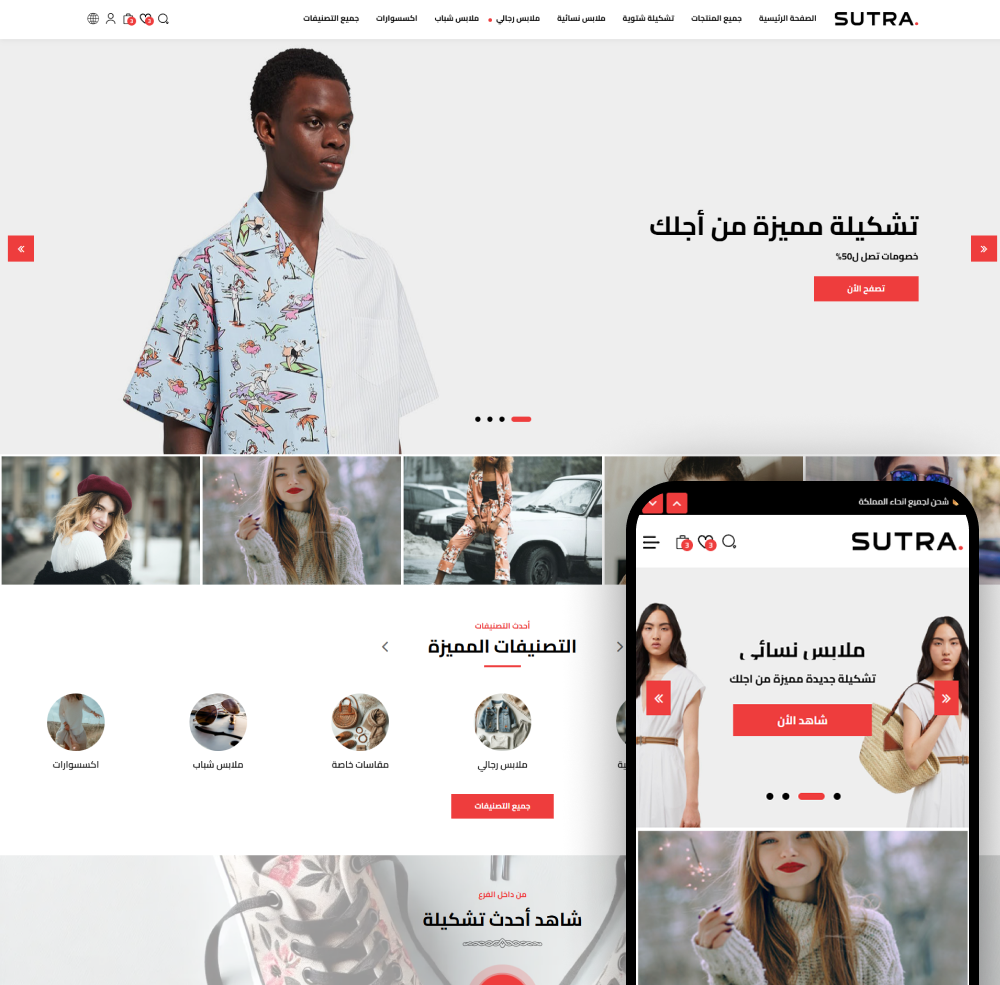
Zid themes
Ready-made themes for your Zid store
Professional designs for every niche, installed in minutes.
9 themesInstant installOngoing updates
Browse themes
 MT Themes