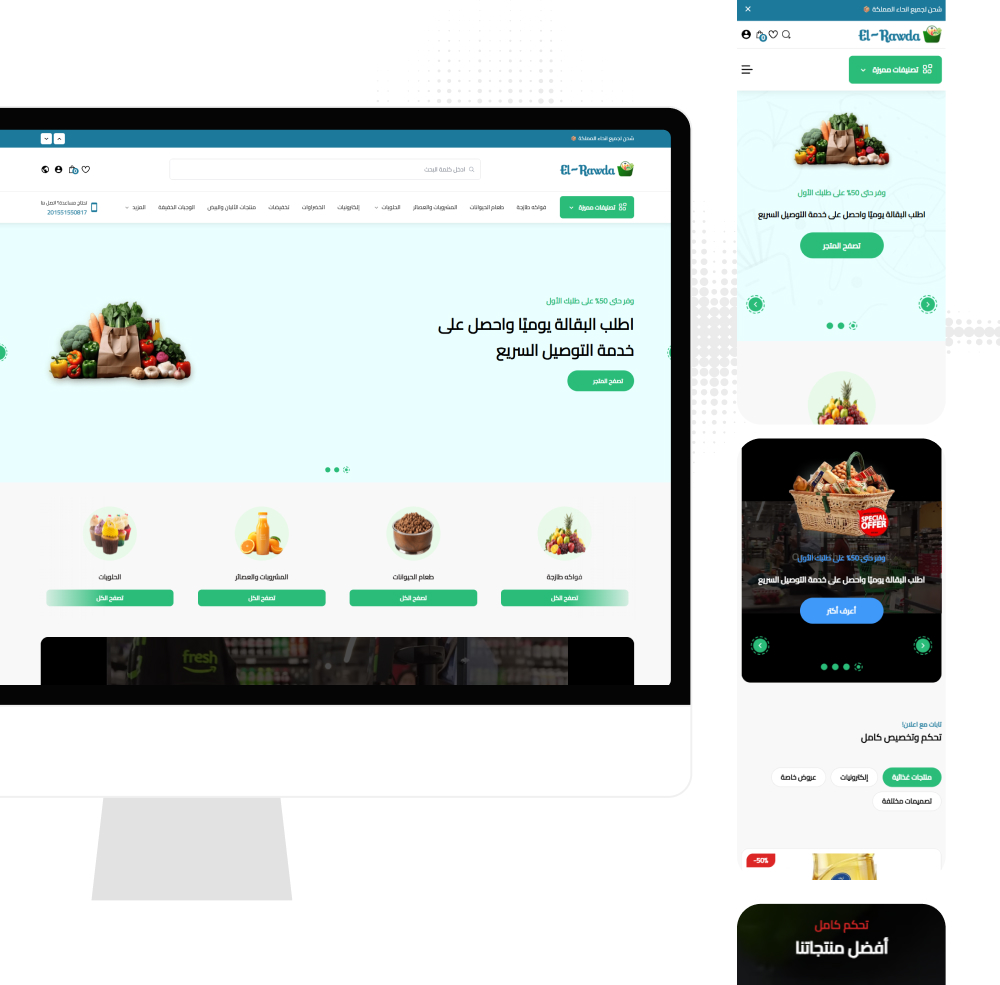






Salla and Zid Apps: Automate Your Store to Boost Profits
In the fast-paced world of e-commerce, success is no longer exclusive to capital size or store magnitude. Instead, the greatest wager is on smart management and operational efficiency. With increasing competition and escalating customer expectations, e-commerce store owners find themselves facing a significant challenge, requiring them to achieve more with less effort. This is where automation emerges as a magical solution, opening new horizons for growth and profitability, especially for stores relying on powerful and flexible platforms like Salla, Zid, and Shopify, which offer a rich environment of supporting applications.
Automation is the backbone of modern e-commerce stores; it is not merely a luxury but an urgent necessity to keep pace with developments and meet market demands. By automating repetitive and routine tasks, store owners can free up their valuable time to focus on more critical strategic aspects, such as product development, improving customer experience, and expanding market reach. Imagine a store operating with high efficiency around the clock, sending order confirmations, automatically updating inventory, and analyzing sales data without direct human intervention; this is the reality provided by automation applications on Salla, Zid, and Shopify platforms, directly contributing to reducing errors, increasing productivity, and consequently maximizing profits.
This article aims to be a comprehensive guide exploring how automation applications on Salla and Zid platforms (along with referring to Shopify as a leading platform) can transform your e-commerce store from a mere display interface into an efficient profit-generating machine. We will delve into the most important areas of automation and the prominent applications that help achieve this, offering practical tips and real-world examples to enable you to get the most out of these powerful tools. Whether you are a beginner seller or a seasoned professional, understanding and implementing automation strategies will give your store an invaluable competitive edge in the growing e-commerce market.
What is E-commerce Store Automation and Why is it Essential?
E-commerce store automation means using technology and software to automatically perform repetitive and routine tasks without the need for human intervention. These tasks include everything from order processing and inventory management to marketing, customer service, and analytics. The primary goal of automation is to streamline operations, save time, reduce human errors, and improve overall store efficiency, which positively impacts customer experience and profit margins.
In a fast-paced e-commerce environment, where customers expect instant responses and seamless services, automation becomes paramount. Instead of spending long hours manually updating spreadsheets or responding to repetitive inquiries, stores can use applications to perform these tasks efficiently and accurately. This allows store owners to focus on the creative and strategic aspects of their business, such as developing new products, building customer relationships, and planning innovative marketing campaigns that increase brand awareness and loyalty.
The urgent need for automation is also evident in its scalability. As a store grows and order volume increases, managing operations manually becomes impossible and extremely costly. Automation allows stores to expand without a significant increase in workforce, reducing operational costs and maintaining profitability. It also provides accurate data and real-time analytics that help in making informed and quick decisions, making it a fundamental pillar for any e-commerce store aspiring for growth and sustainability in a highly competitive market like the Saudi and GCC markets.
Key Automation Areas in Salla, Zid, and Shopify
There are numerous automation areas that e-commerce stores can benefit from, and platforms like Salla, Zid, and Shopify offer a wide range of applications that effectively cover these areas. Each area represents an opportunity to improve efficiency and customer experience, thereby increasing revenue and reducing costs. It is important for store owners to understand these areas to choose the most suitable applications for their needs and integrate them effectively into their daily workflow.
Marketing Automation
Marketing automation is one of the most important tools that help stores reach their target audience more effectively and with less effort. Through this automation, stores can set up marketing campaigns that run automatically based on customer behavior or specific timings. These tools not only save time but also increase the effectiveness of marketing campaigns by improving targeting and personalization.
- Email Automation: Automatic email sequences can be set up to welcome new customers, congratulate customers on their birthdays, remind customers about abandoned carts, or even send personalized product recommendations based on purchase history. These automated messages increase customer engagement and motivate them to make purchases. For example, apps like Mailchimp or Klaviyo, available for integration with Shopify and some as add-ons for Salla and Zid, can be used to send automated abandoned cart reminders one hour after a customer leaves the store.
- SMS Marketing: SMS messages are an excellent way to instantly communicate with customers regarding order status, special offers, or event reminders. Sending these messages can be automated to trigger upon specific events, such as order confirmation, product shipment, or delivery. Many Salla and Zid apps offer options to integrate SMS services to ensure important updates reach customers immediately. You can check our article on SMS Marketing: Boost Your Salla and Zid Store Sales for a deeper understanding of this strategy.
- Social Media Ad Management: Some applications allow for automating content publishing on social media platforms or managing paid advertising campaigns based on specific rules. This ensures your store remains visible and active without constant manual intervention, saving time and effort for your marketing team.
Store Operations Automation
Operations automation includes everything related to managing the store internally, from order processing to inventory management. These tasks are often repetitive and consume a lot of time and effort if done manually, but automating them ensures smooth and highly efficient workflow, reducing errors and improving responsiveness to customer demands.
- Order Processing: Order processing automation can include steps such as sending order confirmations to customers, generating shipping labels, and automatically updating the order status in the store's system. This saves significant time and reduces potential errors that may occur with manual processing, ensuring a seamless customer experience from the moment of purchase until product receipt.
- Inventory Management: Through automation applications, stores can track inventory levels in real-time, receive alerts when stock is low, or even automatically reorder products from suppliers when inventory reaches a certain threshold. This prevents out-of-stock issues and ensures product availability at all times, improving customer satisfaction and increasing sales.
- Shipping Tracking: Shipping tracking automation can send customers automatic updates about the status of their shipments, reducing the number of inquiries to customer service and increasing the transparency of the delivery process. Integrated shipping applications with Salla, Zid, and Shopify effectively provide this feature, making it easier for both merchants and customers to track their orders.
Customer Service Automation
Effective customer service is the cornerstone of building customer loyalty and a store's reputation. However, managing inquiries and complaints manually can be an exhausting and time-consuming task. Customer service automation applications provide innovative solutions to address these challenges, ensuring quick and efficient responses to customers.
- Responding to FAQs: Chatbots or advanced FAQ pages can be used to provide instant answers to common customer inquiries about shipping policies, returns, or product details. This reduces the burden on the customer service team and allows them to focus on more complex issues that require human intervention.
- Automated Ticketing System: Some applications offer an automated system to create support tickets for each inquiry or issue, routing them to the appropriate department or staff member. This ensures no support request is lost and helps track problem resolution effectively, enhancing positive customer experience and demonstrating the store's care for them.
- Collecting Reviews and Ratings: After a purchase is completed, the process of sending requests to customers to leave product and service reviews and ratings can be automated. These reviews are not only important social proof for potential buyers but also provide valuable insights for the store to improve its products and services. Our article on Customer Reviews: Building Trust and Boosting Salla and Zid Sales offers more details on this aspect.
Analytics and Reporting Automation
Data is the fuel that powers the growth of any e-commerce business. Analytics and reporting automation helps store owners better understand their store's performance and identify strengths and weaknesses, enabling them to make informed decisions based on facts and figures. Instead of spending hours manually compiling data, applications can fully automate this process.
- Sales and Performance Reports: Daily, weekly, or monthly sales reports can be set up to be sent automatically to your email, containing data on best-selling products, average order value, and conversion rates. This provides a quick overview of store performance and helps identify trends and opportunities.
- Customer Behavior Analysis: Some advanced applications can automate the analysis of customer behavior on the store, such as the pages they visit, the products they view, and their journey through the purchase process. This information is invaluable for personalizing offers and improving user experience. For a deeper understanding, we recommend checking out Store Analytics: Making Smart Decisions in Salla and Zid.
- Accounting Integration: Your e-commerce store can be linked to accounting applications like Xero or QuickBooks (commonly available for Shopify and some offering integration with Salla and Zid via APIs) to automate the process of recording revenues and expenses, facilitating financial reporting and ensuring its accuracy. This saves a lot of time and effort at the end of each financial period.
Practical Tips for Effective Automation Implementation
Implementing automation is not just about installing apps; it's a process that requires careful planning and strategic execution to ensure maximum benefit. To successfully automate your store on Salla, Zid, or Shopify, follow these practical tips that will help you build an efficient and sustainable system that enhances your profits.
- Start with the most repetitive and time-consuming tasks: Don't try to automate everything at once. Begin by identifying tasks that consume the most time and effort for you or your team daily or weekly. These tasks might include responding to frequent questions, updating inventory, or sending order confirmations. Focusing on these tasks first will give you the greatest return on your automation investment and show you results quickly.
- Choose applications carefully: Before installing any application, conduct thorough research. Read reviews, compare features, and ensure the app integrates seamlessly with your store platform (Salla, Zid, Shopify) and other applications you use. Look for apps that offer a free trial period to test them before committing to payment. Remember, the goal is to simplify operations, not complicate them with a bunch of incompatible tools.
- Customize automation for your store: There is no one-size-fits-all automation solution. Customize app settings to fit your store's unique needs, target audience, and workflow. For example, you might need to draft automated emails in a specific language or local dialect that resonates with your customers' culture. The more personalized the automation, the more effective it will be and the greater its impact on customers.
- Continuously monitor and analyze performance: Automation is not a set-it-and-forget-it process. You should regularly monitor the performance of your automation tools. Are automated emails achieving good open and click-through rates? Are chatbots effectively resolving customer issues? Use store analytics (built-in or external) to evaluate the effectiveness of automation and make necessary adjustments to improve it.
- Train your team: If you have a team, make sure they are well-trained on how to use the new automation applications and how to handle tasks that are no longer performed manually. Everyone should understand their role in the new system and how they can leverage the tools to improve their performance.
Conclusion
In conclusion of this comprehensive guide, it is clear that e-commerce store automation on platforms like Salla, Zid, and Shopify is no longer a luxury option, but has become a pivotal strategy for achieving sustainable growth and profitability in the competitive e-commerce market. By adopting automation applications in various aspects of your business—from marketing to operations, customer service, and analytics—you can transform your store into a highly efficient and accurate business entity, freeing up your time and effort to focus on what truly matters: innovation, business development, and building strong customer relationships.
Remember that automation is not just about using technology; it is a business philosophy aimed at improving efficiency and reducing routine burdens. Start with small steps, choose the applications that meet your most urgent needs, and do not hesitate to experiment and adjust based on the results you obtain. The more proficient you become in using automation tools, the greater your store's ability to expand and thrive without excessive increases in operational costs or workforce.
Investing in automating your store on Salla, Zid, or Shopify is an investment in your business future. It not only ensures smoother management but also opens doors to new opportunities for growth, improved customer experience, and increased profits in ways you might not have imagined. Don't let your store fall behind; instead, put it at the forefront of businesses that leverage the power of technology to achieve their full potential.