




International Shipping: Opportunities and Challenges for Your Salla and Zid Store
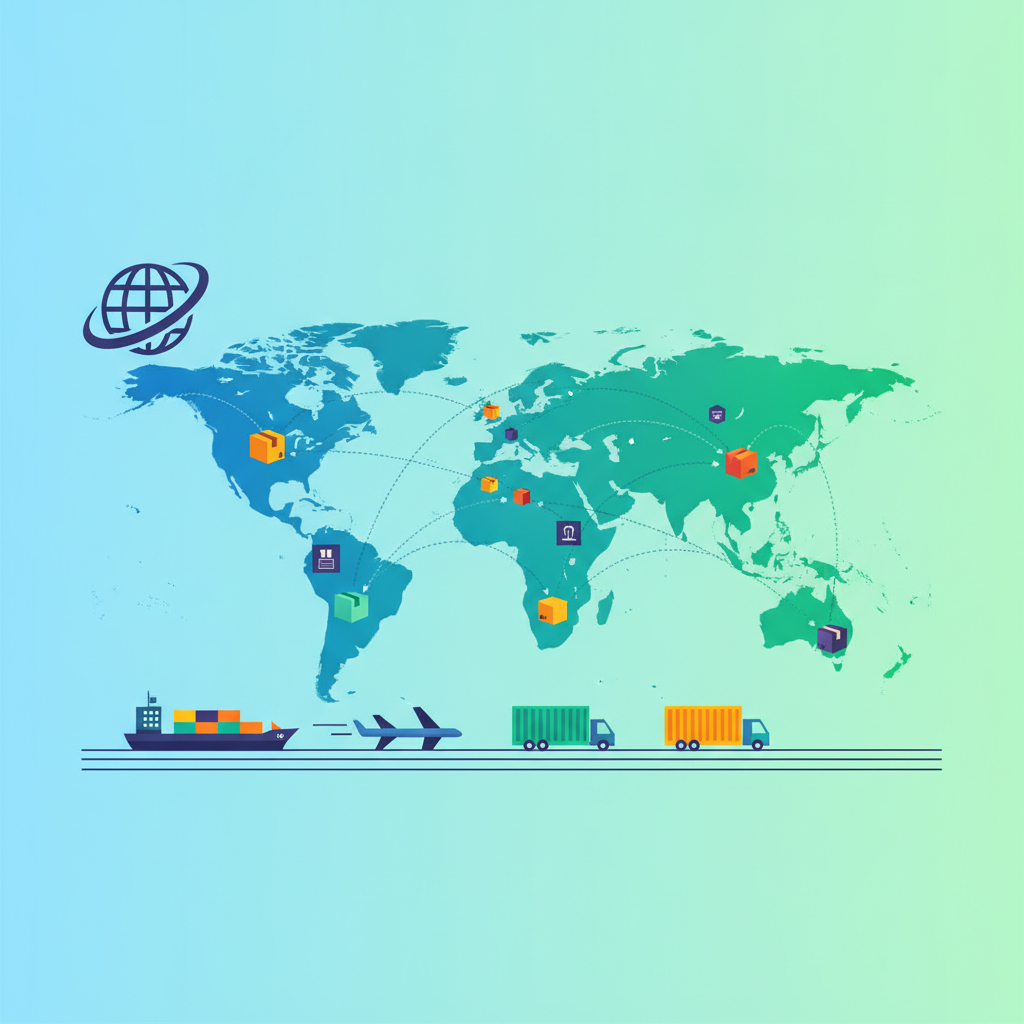
In the rapidly evolving world of e-commerce, geographical boundaries no longer pose a barrier to the ambitions of online store owners. International shipping has become a fundamental pillar for business growth and expanding customer bases, especially for stores operating on platforms like Salla, Zid, and Shopify. The ability to transcend the local market and deliver products to customers across the globe opens up vast opportunities, making international shipping an inevitable step for every merchant aspiring to global reach.
However, this expansion is not without its challenges, which require a deep understanding and robust strategies to overcome. From the complexities of customs and duties to logistical hurdles and high shipping costs, merchants often face a myriad of obstacles that can impact their profitability and store reputation. In this comprehensive article, we will delve into exploring the opportunities presented by international shipping, analyze the main challenges your Salla and Zid store might encounter, and provide practical solutions and actionable tips to ensure a smooth and successful international shipping journey.
Reaching New Markets and Increasing Sales
International shipping serves as a magical gateway for your online store to access new, previously untapped markets. Instead of being limited to a local customer segment, you can now target millions of consumers worldwide who might be interested in your unique or specialized products. This geographical expansion directly translates into a potential increase in sales volume and revenue, contributing to sustained growth for your business in the long run. Opening new markets means reducing dependence on a single market, thereby diversifying income sources.
Targeting markets with different purchasing power or specific cultural interests can unlock new horizons for your products. For example, handcrafted goods or traditional fashion items might find significant demand in countries where they are not readily available, or innovative tech products might find their audience in developed markets. Platforms like Salla, Zid, and Shopify provide the necessary tools to set up multiple shipping zones and define shipping rates for each region, simplifying the global expansion process and making it more manageable and controllable for store owners.
Many stores that started locally have discovered that a significant portion of their growth comes from unexpected international orders. This highlights the importance of conducting extensive market research to identify the most promising markets for your products and understanding customer needs in those markets. Thanks to the analytical tools provided by e-commerce platforms, stores can track order sources and identify the countries with the highest demand for their products, then focus their marketing efforts there to maximize the available opportunities.
Building a Global Brand and Enhancing Reputation
International shipping is not just about increasing sales; it also represents a golden opportunity to build a globally resonant brand and enhance your store's reputation. When your products reach customers in different countries and receive their approval, it significantly contributes to spreading your brand name and expanding its reach. Satisfied international customers become ambassadors for your brand, spreading the word among their acquaintances, which leads to increased awareness and trust in your store on a global scale.
A positive international shipping experience, from ease of ordering to fast delivery and product quality, helps establish a positive image for your brand. This good reputation can differentiate your store from local and international competitors, making it the preferred choice for customers seeking quality and reliability. Therefore, investing in improving the international shipping experience is not just a cost, but a long-term investment in your brand's value and its ability to grow and expand globally.
To achieve this, store owners must focus on providing excellent customer service and effective after-sales support, even for international customers. Prompt responses to their inquiries, addressing any issues that may arise during shipping, and offering clear return and exchange options all contribute to building trust and loyalty. These positive practices are reflected in customer ratings and reviews, which are now one of the most important marketing tools for enhancing the reputation of any online store, whether on Zid, Salla, or Shopify.
Diversifying Income Streams and Reducing Reliance on a Single Market
Diversifying income streams is one of the most crucial economic principles for ensuring the stability and growth of any business, and this principle applies strongly to e-commerce. By engaging in international shipping, your store can reduce its dependence on a single market that might be affected by local economic fluctuations, changes in consumer behavior, or even geopolitical events. When you have customers in several countries, any downturn in one market can be offset by growth in other markets, providing your store with a financial safety net.
Furthermore, international shipping allows you to capitalize on seasonal differences in demand. For example, sales of certain products might increase during holiday seasons in one country, while experiencing high demand in other seasons in different countries. This flexibility in distribution enables you to maintain a steady flow of revenue throughout the year and avoid periods of stagnation that stores limited to a single market might face. This gives you a significant competitive advantage and contributes to the sustainable growth of your store.
Diversifying markets can also help distribute risks related to the products themselves. If a particular product faces fierce competition or declining demand in your local market, it may still enjoy significant popularity in other international markets. This allows you to optimize inventory strategies and avoid product accumulation, thereby enhancing the efficiency of your store's operational processes. Building a strong international customer base is a wise strategy for the future of your online store, whether it operates on Zid, Salla, or Shopify.
Shipping and Logistics Complexities
The complexities of shipping and logistics are among the most significant challenges facing e-commerce stores when considering international shipping. The process is not merely about packaging and shipping; it involves a complex network of operations that require precision and meticulous planning. Prominent among these complexities are cost and time variations, which differ significantly between shipping companies and destinations, in addition to challenges related to effective tracking and ensuring safe and timely delivery of shipments. A store may face difficulty in choosing the most suitable logistics partner that balances efficiency and cost.
A critical aspect of shipping complexities is managing customs, duties, and taxes, such as VAT and import duties, which vary from country to country and can be extremely confusing. The merchant must clearly understand who will bear these costs (buyer or seller) and declare them transparently to the customer to avoid unpleasant surprises that could negatively impact the purchasing experience. This requires continuous research and staying abreast of changes in international customs laws.
To overcome these challenges, it is advisable to collaborate with experienced international shipping companies such as DHL, FedEx, Aramex, or UPS, which offer integrated solutions for international shipping and help simplify customs procedures. Store owners should also leverage the tools provided by platforms like Salla, Zid, and Shopify to integrate shipping carriers and track shipments. You can refer to our comparison of shipping companies, prices, and services for Salla and Zid to choose the best fit for your store.
Currency Differences and Payment Methods
Currency differences and payment methods present another challenge that international stores must effectively address. When selling to customers in different countries, you will encounter multiple currencies that require conversions and may be affected by exchange rate fluctuations, potentially impacting profit margins. Furthermore, customers in each region may prefer specific payment methods that differ from those common in your local market, necessitating the provision of diverse payment options to meet their needs and preferences.
To overcome this challenge, your store should support multiple currencies and display prices in the customer's local currency whenever possible, or at least provide a currency conversion tool. Platforms like Shopify offer this feature built-in, while Salla and Zid might require additional apps or custom solutions. It is also essential to offer a wide range of international payment gateways that accept major credit cards, services like PayPal, in addition to popular local payment methods in target markets.
Special attention must also be paid to international payment fraud issues. Cross-border transactions can be more susceptible to fraud, requiring the use of robust fraud detection and protection tools. Collaborating with secure and reputable payment gateways and implementing additional verification procedures for suspicious transactions can help protect your store from financial losses. These steps ensure a secure and reliable payment experience for your international customers, enhancing their trust in your store.
Customs Laws and Regulations
Customs laws and regulations are among the most complex and sensitive aspects of international shipping. Each country has a unique set of rules and restrictions on products that can be imported or exported, and these change constantly. These laws can include prohibitions on certain products (such as some chemicals, medicines, or even specific types of food) or requirements for special certificates (such as certificates of origin or health certificates for food products). Non-compliance with these regulations can lead to shipment delays, hefty fines, or even confiscation of goods, causing significant financial losses for your store.
To overcome this challenge, store owners must conduct extensive research on the customs laws of target countries before beginning to ship to them. It is essential to understand the documents required for each shipment, such as the commercial invoice, packing list, and bill of lading, and ensure they are accurately and clearly completed. Using correct Harmonized System (HS codes) for products is vital for proper classification and determination of applicable customs duties.
You can seek assistance from customs brokers or specialized international shipping companies that offer customs clearance services. These experts have the necessary knowledge and experience to handle complex procedures and ensure compliance with all regulations. Additionally, the store must be transparent with customers about potential customs duties and responsibility for payment, to avoid any misunderstandings or dissatisfaction that could affect the store's reputation. This proactive approach reduces risks and ensures a smooth international shipping experience.
Customer Service and After-Sales Support
Customer service and after-sales support gain amplified importance when it comes to international shipping. With customers in different time zones, a 24/7 support strategy or at least broad coverage of business hours is required. Language barriers can also pose a significant challenge, as not all customers may speak your native language, necessitating multilingual support or the use of effective translation tools to ensure clear and effective communication. These factors can directly impact customer satisfaction and loyalty to your store.
The international product return and exchange process is another logistical and financial challenge. Return shipping costs can be exorbitant, and customs procedures can complicate the process further. Therefore, the store must establish a clear and detailed return and exchange policy for international customers, taking these complexities into account. This may include options such as offering a partial refund, requiring the customer to bear the return shipping cost, or even waiving the product return in certain cases to reduce logistical costs.
To improve international customer service, stores can leverage live chat programs that support instant translation and provide multi-language FAQ sections covering all aspects of international shipping and store policies. Having diverse communication channels such as email and social media also gives customers multiple options for contact. Focusing on prompt and professional responses significantly contributes to building trust and enhancing the customer experience, regardless of their geographical location.
Choosing the Right Logistics Partner
Choosing the right logistics partner is the cornerstone of any successful international shipping operation. This selection should be based on several critical factors such as cost, speed, reliability, and the availability of tracking services. Options are not limited to major global shipping companies like DHL, FedEx, Aramex, and UPS; national postal services may also be considered, as they can offer more economical solutions for some destinations, especially for lightweight products. A comprehensive comparison of services and prices should be conducted to ensure the best value for money, while considering the company's reputation for handling international shipments.
It is of paramount importance to ensure that the chosen logistics partner integrates seamlessly with your store's e-commerce platform, whether it's Salla, Zid, or Shopify. Such integrations facilitate the creation of shipping labels, tracking orders, and automatically updating shipping statuses for customers, saving time and reducing manual errors. Some platforms offer apps and plugins that enable direct connection with shipping carriers, greatly simplifying logistics management and making it more efficient. You can refer to our guide on which platforms are best for your store (Salla, Zid, and Shopify) for more information on available integrations.
When evaluating logistics partners, do not focus solely on the initial cost. You must consider the quality of customer service they provide, their ability to handle complex customs procedures, and their geographical coverage of your target markets. Reading reviews from other merchants and seeking customer testimonials can provide valuable insights into a company's performance and reliability. A good logistics partner contributes to enhancing your store's reputation by providing an excellent shipping experience for international customers.
Defining Clear and Transparent Shipping Policies
Transparency in shipping policies is crucial for building trust with international customers and avoiding any misunderstandings. Your online store, whether on Salla, Zid, or Shopify, must clearly outline all details related to international shipping. This includes specifying shipping costs in detail, estimated delivery times for each destination, and who is responsible for paying customs duties and taxes (whether they are included in the product price or borne by the customer upon receipt). This information should be easily accessible and located on a dedicated shipping policy page, on product pages, and during the checkout process.
In addition to costs and times, policies should include clear information on how to track shipments. Providing customers with an effective tracking number and a link to a tracking page gives them peace of mind and reduces the number of inquiries about their order status. The store's policy regarding lost or damaged shipments during transit and how to handle such cases should also be clarified. These details build a bridge of trust between the store and the customer, showcasing the store's professionalism and commitment to the overall customer experience.
To simplify matters for customers, you can create a dedicated FAQ section for international shipping, where you answer the most common inquiries clearly and concisely. Also, consider offering multiple shipping options (e.g., economy shipping, express shipping) at different prices, giving the customer freedom to choose based on their priorities and budget. The clearer and more comprehensive your policies are, the more international customers will trust your store, and the less likely problems will arise.
Effective Inventory Management and Packaging
Effective inventory management and professional packaging are crucial factors for the success of international shipping. With an increasing number of destinations and products, maintaining accurate inventory becomes essential to avoid unexpected stockouts or overstocking, which can lead to lost sales or increased costs. Stores should utilize the inventory management tools available on platforms like Salla, Zid, and Shopify, or integrate with specialized external systems, to track current inventory levels and accurately forecast future demand. This ensures that desired products are available to international customers in a timely manner.
As for packaging, it is equally important, especially when shipping long distances and across international borders. Products must be securely packaged to protect them from damage during transit and handling at customs and sorting centers. Using high-quality packaging materials, such as durable boxes, protective padding (e.g., air bubbles or foam), and strong adhesive tapes, significantly reduces the risk of damage. The size and weight of the package should also be considered to minimize shipping costs as much as possible, as some shipping companies charge based on volumetric weight.
In addition to protection, packaging can contribute to enhancing the customer experience by providing a distinctive 'unboxing experience.' Personal touches, such as a thank-you card or small samples, can be added to leave a positive impression. For fragile products, clear labels indicating their delicate contents should be placed on the package. Investing in effective inventory management and packaging is not only about reducing losses but also about increasing customer satisfaction and building a good reputation for your store. You can benefit from the inventory management guide to improve efficiency in Salla and Zid to apply best practices.
Correct Product and Shipping Pricing
Correct pricing for products and shipping is a pivotal factor in ensuring profitability when expanding globally. When determining the price of a product for international shipping, all additional costs must be taken into account, including import duties, taxes, and higher international shipping costs compared to domestic shipping. This may require pricing products differently for international markets to offset these costs, or offering shipping options with varying prices that allow the customer to choose between speed and cost.
Stores can adopt several pricing strategies. One strategy is to include all shipping and customs costs in the final product price and offer 'free international shipping' as a way to attract customers, emphasizing that the advertised price is the final price the customer pays. Another strategy is to separate the product price from the shipping cost and customs duties, clearly itemizing each component at checkout, providing the customer with full transparency about what they are paying.
It is also important to monitor competitors' prices in your target international markets to ensure your prices are competitive. You may need to adjust your prices based on the purchasing power of customers in each region, or based on the cost of production and marketing in those markets. Providing multiple shipping options, from slower economy shipping to faster, more expensive express shipping, gives customers flexibility and helps them make a purchase decision. Smart pricing not only ensures profitability but also contributes to attracting more international customers.
Leveraging Technology and E-commerce Tools
In the era of digital transformation, maximizing the use of technology and e-commerce tools has become an imperative to streamline international shipping operations and enhance their efficiency. Platforms like Salla, Zid, and Shopify offer a wide range of features and integrations that can make a significant difference. For example, stores can use third-party applications available on these platforms to automate the creation of shipping labels, synchronize tracking information with customer orders, and even estimate customs duties and taxes.
Leveraging technology is not limited to shipping management; it also extends to improving the international customer experience. Stores can enable multi-currency display on their websites, allowing customers to see prices in their local currency, which builds trust and simplifies the purchasing process. Furthermore, using automatic translation tools or providing multilingual versions of the website helps remove language barriers and makes the store more appealing to a global audience.
Moreover, technology can assist in analyzing shipping data to identify patterns and opportunities for efficiency improvements. By tracking delivery times, error rates, and shipping costs for each destination, stores can make informed decisions about logistics partners, shipping methods, and even the most profitable products for international shipping. Adopting advanced technological solutions enables your store to effectively handle the complexities of international shipping and contributes to sustainable growth in global e-commerce markets.
Conclusion
International shipping undoubtedly represents a golden opportunity for e-commerce stores operating on platforms like Salla, Zid, and Shopify to expand their business reach and achieve unprecedented growth. Accessing new markets, building a global brand, and diversifying income streams are all gains that cannot be overlooked in today's interconnected world. However, these opportunities come with a set of complex challenges, from logistical and customs complexities to currency differences and cross-border customer service hurdles. Success in this field requires meticulous planning, flexibility, and a willingness to continuously learn and adapt.
To maximize the benefits of international shipping, store owners must adopt a comprehensive strategic approach. This begins with selecting the right logistics partner that offers a balance between cost, speed, and reliability, and continues with establishing clear and transparent shipping policies that eliminate ambiguity for customers. Efficient inventory management, thoroughly protective product packaging, and competitive pricing that considers all costs are all essential steps to ensure a successful and profitable international shipping experience.
Ultimately, technology remains the strongest ally in the international shipping journey. Utilizing the tools and features provided by e-commerce platforms, in addition to integrating with specialized external solutions, can simplify complex operations and increase store efficiency. By focusing on delivering an exceptional customer experience, from the moment of browsing to product delivery anywhere in the world, your store can transform the challenges of international shipping into real opportunities for growth and prosperity in the global e-commerce market.