




Introduction: Paid Ads - The Core Growth Engine for Your E-commerce Store
In the highly competitive and fast-paced world of e-commerce, merely having an online store is no longer sufficient to achieve desired success. With the daily increase in the number of stores on platforms like Zid, Salla, and Shopify, reaching potential customers has become a challenge that demands innovative and effective marketing strategies. This is where the importance of paid advertising emerges as an indispensable tool for any store aspiring for rapid growth, increased sales, and building a strong, sustainable brand in the market.
Paid ads serve as the bridge connecting your excellent products with the target audience actively seeking them. They are the most direct and effective way to place your store at the forefront of consumer interest, attracting qualified visitors with a genuine intent to purchase. Whether you own a nascent store or an established brand, understanding how to harness the power of paid ads and intelligently apply them on platforms like Salla and Zid is key to transforming your marketing efforts into tangible profits and a high return on investment.
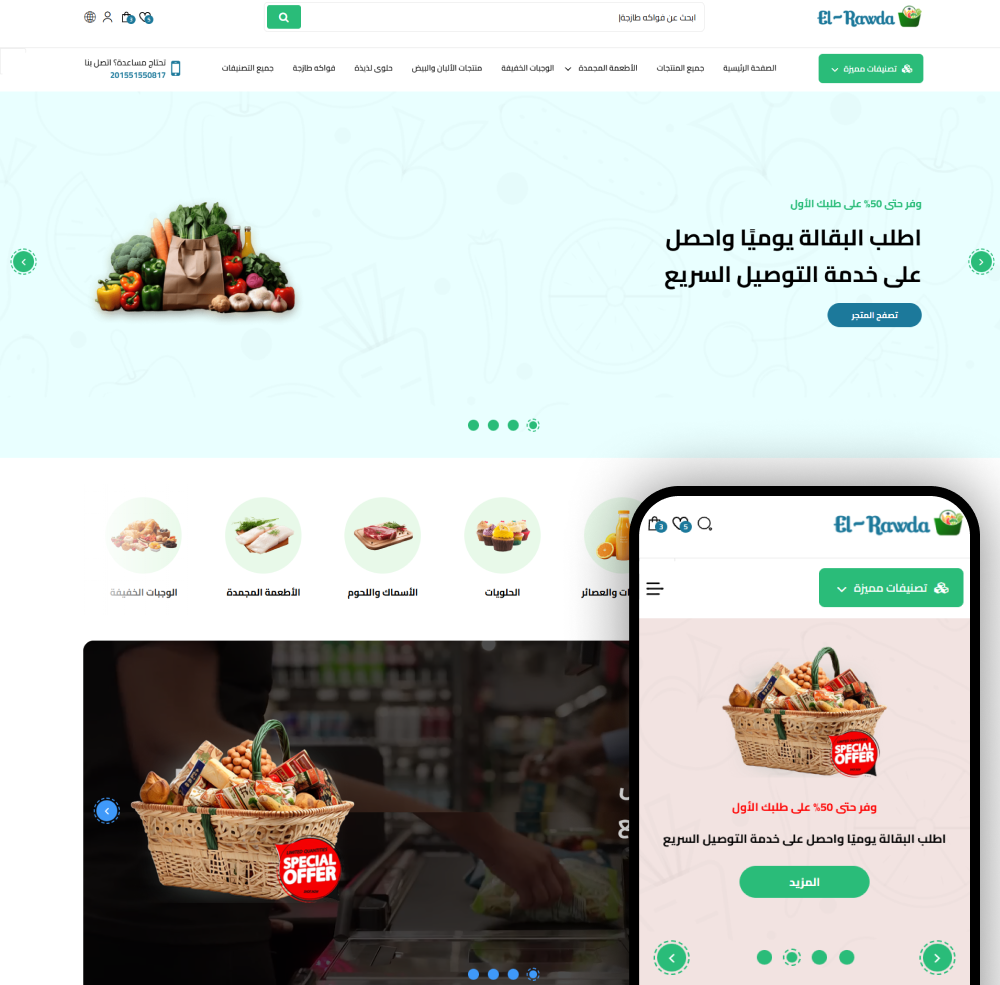
Understanding the Essence of Paid Ads and Their Importance for Salla, Zid, and Shopify Platforms
Paid ads are any form of marketing where an advertiser pays a publisher (such as Google or Facebook) to display their advertising message to a specific audience. Unlike organic marketing, which relies on natural growth and search engine rankings, paid ads offer immediate and targeted reach. This allows store owners on platforms like Salla, Zid, and Shopify to place their products in front of potential customers at the right moment, whether they are actively searching for a specific product or browsing social media.
The importance of paid ads is particularly amplified in the crowded e-commerce environment. New stores, or even those with a good customer base, need a way to cut through the marketing noise and reach new segments of the audience. Platforms like Salla and Zid, which simplify store creation, greatly benefit from these ads to direct targeted traffic to products, thereby enhancing conversion opportunities and expanding the base of potential customers who might not have discovered the store otherwise.
Paid ads directly contribute to increasing sales and building brand awareness, especially when effectively integrated with a robust and optimized storefront on one of these platforms. They empower your store to appear in search results pages or social media feeds, increasing engagement with your products and prompting customers to make a purchase decision. This thoughtful investment in advertising can yield returns beyond expectations if managed intelligently and with expertise.
Key Types of Paid Ads
The types of paid ads are numerous and their platforms varied, with each type offering different advantages suitable for specific marketing objectives. Among the most prominent are Search Engine Marketing (SEM) ads, such as Google Ads, which target users actively searching for specific products or services, making them highly effective for targeting direct purchase intent. These ads appear at the top of search results pages, ensuring maximum visibility for stores looking to attract customers in the solution-seeking phase.
In contrast, social media ads, which include platforms like Facebook, Instagram, TikTok, and Snapchat, focus on targeting audiences based on their interests, behaviors, and demographic information, even if they are not actively searching for a particular product at that moment. They are powerful tools for building brand awareness, fostering engagement, and driving sales through visually appealing ads that appear within users' daily content feeds.
Additionally, there are Display Ads that appear on websites and apps within the Google Display Network, Video Ads on YouTube and other platforms, and Shopping Ads that display products directly with their prices and images in search results. All these types can be effectively utilized for your store on Salla, Zid, or Shopify, contributing to expanding your reach and covering various touchpoints in the customer journey.
Why Paid Ads Are an Essential Investment for Your Store
Paid ads are an essential investment for any e-commerce store aiming for growth, due to several fundamental reasons. Firstly, they provide immediate access to the target audience, unlike Search Engine Optimization (SEO) strategies that require a long time to show results. This means your store on Salla, Zid, or Shopify can start attracting visitors and generating sales as soon as ad campaigns are launched, providing a strong initial boost for growth and helping to build momentum.
Secondly, paid ads are characterized by their superior precise targeting capabilities. You can define your audience based on demographic criteria, interests, behaviors, and even retarget previous visitors to your store. This meticulous targeting ensures that your advertising message reaches the people most likely to purchase, reducing wasted budget and increasing the effectiveness of your campaigns. This level of precision is difficult to achieve with the same efficiency through other marketing channels.
Thirdly, paid ads offer excellent measurability and a clear Return on Investment (ROI). You can track every click, every impression, and every purchase resulting from your ads, allowing you to accurately analyze performance and make data-driven decisions to continuously optimize your campaigns. This transparency in performance enables you to allocate your budget more intelligently, scale successful campaigns, and adjust or stop those that do not yield desired results, ensuring maximum return on your marketing investment.
Building a Comprehensive and Effective Advertising Strategy
To build a successful advertising strategy, it's not enough to simply launch ads randomly; the process must be well-thought-out and based on clear foundations. An effective strategy begins with clearly defined goals, a deep understanding of the target audience, and intelligent budget allocation—crucial steps for any store using e-commerce platforms. This systematic approach ensures that every dollar spent on advertising contributes to achieving tangible results aligned with your store's vision.
For stores on platforms like Salla and Zid, building a comprehensive advertising strategy requires integrating advertising efforts with the platform's features. Your ad campaigns must be harmonious with the in-store user experience, from the product page to the checkout page. This integration ensures that a customer arriving via a paid ad finds a seamless and stimulating purchasing experience, which boosts conversion rates and reduces bounce rates.
As for Shopify stores, they can leverage the platform's rich app ecosystem to enhance ad management and tracking. Dedicated advertising apps can help automate certain tasks, provide deeper analytics, and even assist in creating dynamic ads. This optimal use of available resources, whether core platform features or additional apps, is what distinguishes effective advertising strategies and leads to significantly better results.
Defining SMART Goals and Precise Targeting
Defining SMART Goals is the starting point for any successful advertising strategy. Your goals must be Specific, Measurable, Achievable, Relevant, and Time-bound. Instead of saying, 'I want to increase sales,' you might define, 'Increase sales by 20% over the next quarter through Facebook ad campaigns.' This clarity guides your advertising efforts and makes it easy to evaluate success and adjust course when needed.
After defining goals, precise audience targeting comes into play, which is the cornerstone of paid ads' effectiveness. This involves understanding who your ideal customer is, their interests, purchasing behaviors, geographical location, and even the language they speak. Advertising platforms like Google and Facebook offer advanced targeting tools that allow you to reach very precise segments of the audience, reducing ad waste and increasing the likelihood of customers interacting with your ads and purchasing from your Salla or Zid store.
Precise targeting also requires building Buyer Personas that represent your ideal customers. These personas help you understand their motivations and challenges, thereby formulating advertising messages that speak directly to them. The more accurate you are in defining your audience, the more effective your ads will be in achieving desired goals, and this applies whether you use Shopify or any other e-commerce platform.
Budget Management and Return on Investment (ROI) Analysis
Intelligent budget management and Return on Investment (ROI) analysis are among the most critical aspects of any paid advertising campaign. Determining the appropriate budget is not limited to allocating a specific amount; it requires an understanding of the pricing model for each advertising platform (such as Cost Per Click CPC or Cost Per Mille CPM) and how that can affect the cost of your campaigns. The budget should be flexible and adjustable based on campaign performance, allowing you to increase spending on successful ads and decrease it on less effective ones.
To get the most out of your budget, you must continuously focus on ROI analysis. This means measuring the profits generated by ads compared to their cost. For example, if you spend 1000 SAR on an ad and achieve 3000 SAR in sales, your ROI is 200%. This analysis helps you understand the feasibility of your campaigns and determine which ads are worth continued investment. You can also track metrics such as Customer Acquisition Cost (CAC) and Conversion Rate to evaluate the efficiency of your spending.
E-commerce platforms like Salla, Zid, and Shopify provide built-in analytical tools that help you track your store's performance, but integrating them with ad analysis tools (such as Google Analytics and Facebook Pixel) gives you a comprehensive view. This integration allows you to directly link revenues and sales to advertising campaigns, enabling you to make informed decisions on how to allocate and continuously optimize your ad budget for maximum possible returns. Remember that marketing investment should be incremental, based on positive and tangible results.
Optimizing Ad Campaigns for Maximum ROI
Optimizing ad campaigns is not a one-time process; it's an ongoing effort that requires continuous monitoring, analysis, and adjustments. The goal of optimization is to ensure that every element of your ad campaign is working at maximum efficiency to attract customers and convert them into buyers. This includes testing various elements such as ad copy, images, videos, and even targeting strategies, with the aim of identifying what is most effective for your audience.
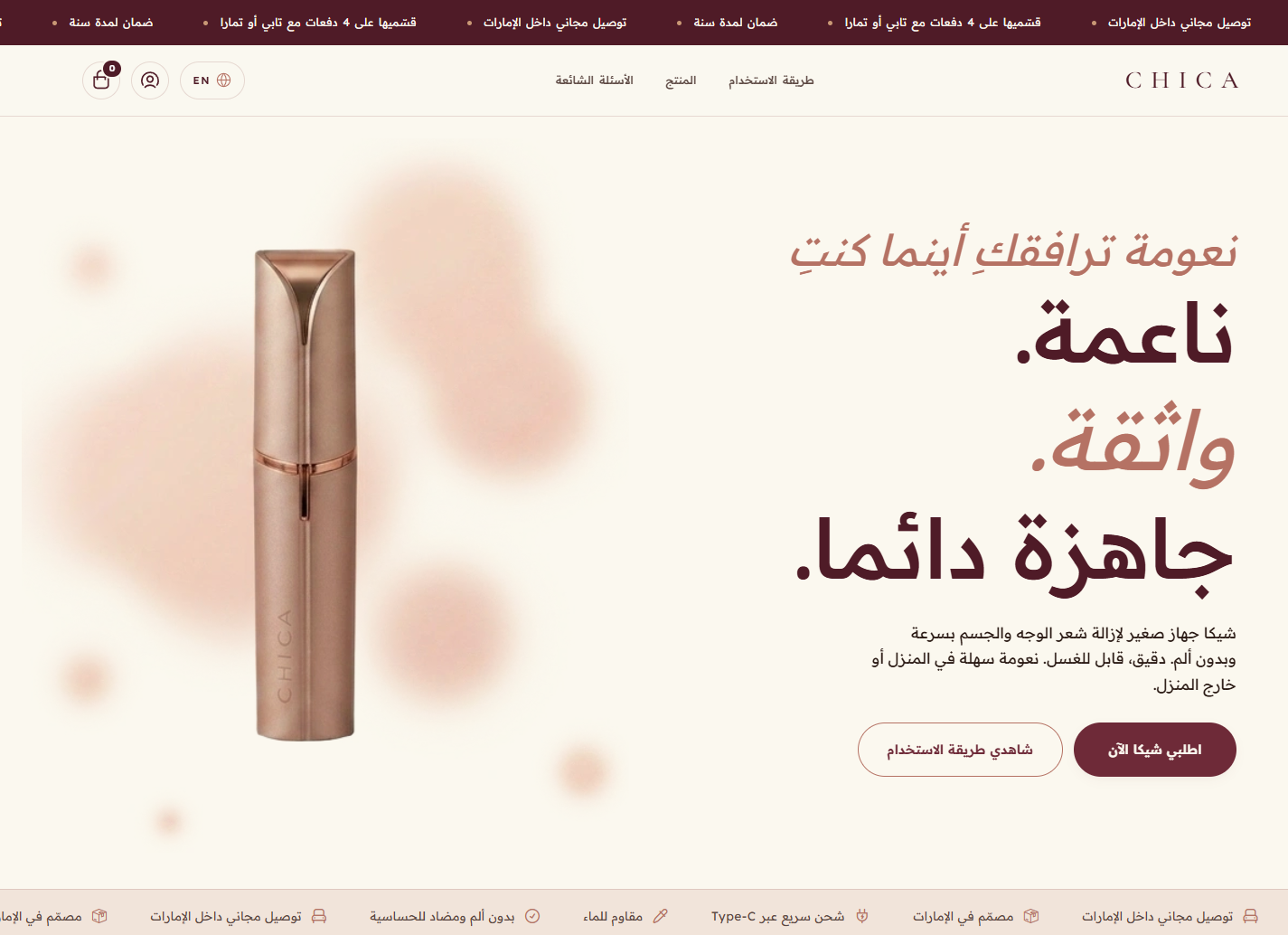
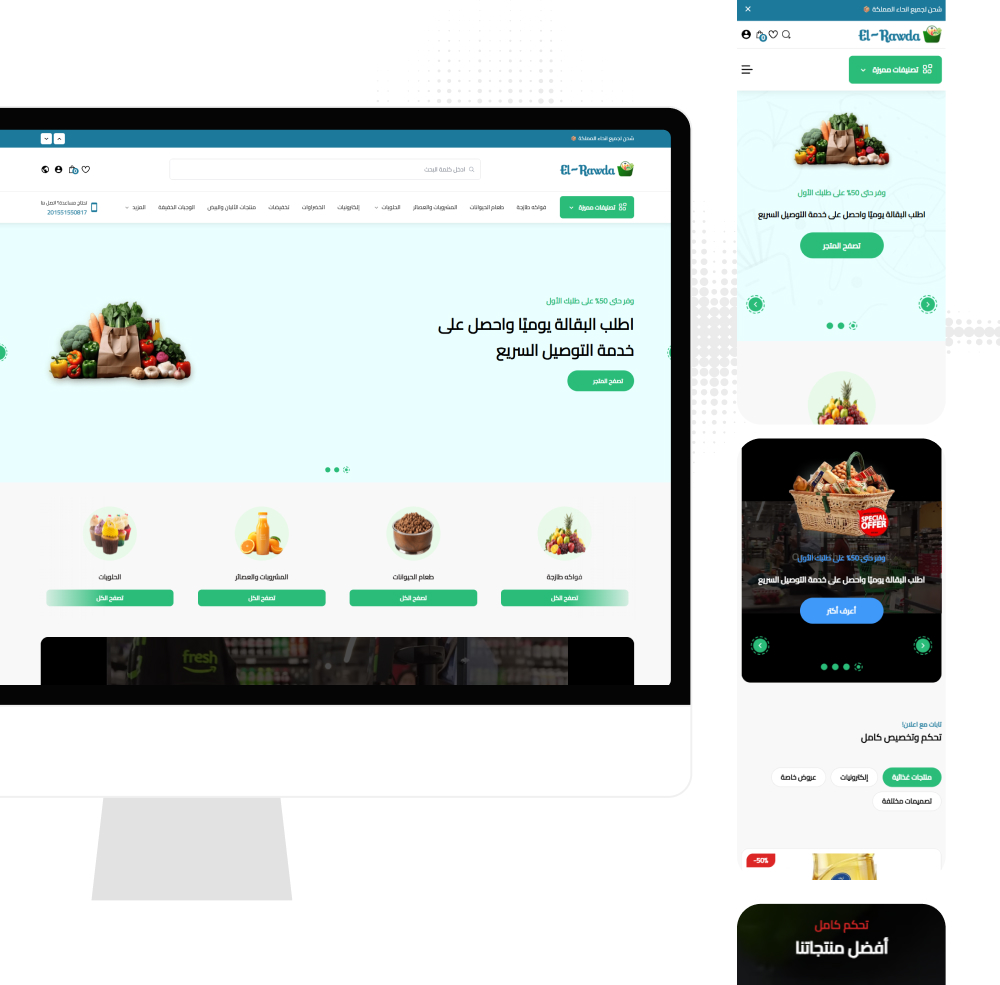
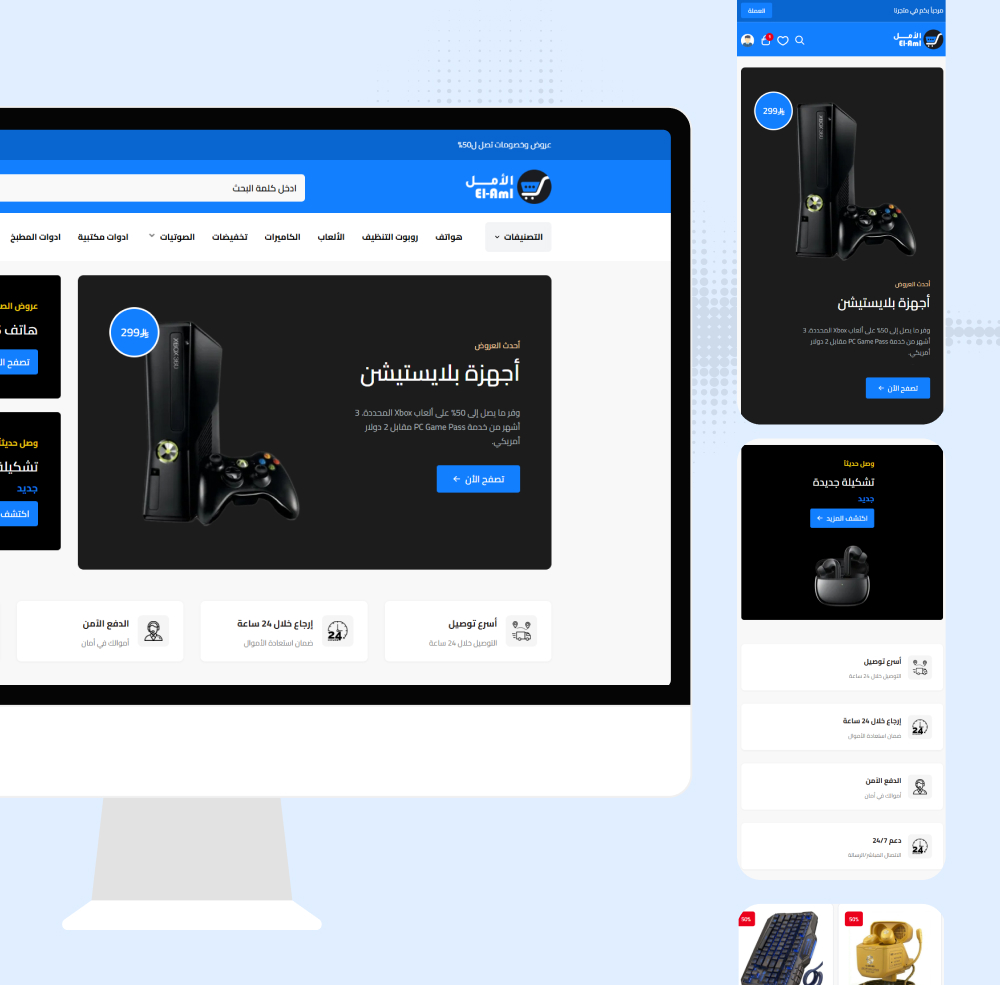
Landing pages and product pages play a crucial role in converting ad clicks into sales. No matter how attractive your ads are, if the page a customer lands on after clicking is poor or irrelevant, they are likely to leave the store without purchasing. Therefore, landing pages must be optimized for user experience, load quickly, and provide clear, compelling product information, along with a clear call to action.
Additionally, the ad content itself (text, images, and videos) must be engaging and persuasive, speaking directly to the needs and desires of the target audience. A good ad captures attention, sparks interest, creates desire, and drives action. Through continuous experimentation and repeated testing of different ad creatives, store owners on Salla, Zid, and Shopify can discover what resonates most with their audience and achieves the highest conversion rates.
Designing Engaging and Convincing Ad Content
Designing engaging and convincing ad content is key to capturing audience attention in the daily flood of advertisements. The process begins with a deep understanding of your audience and what interests them. Use high-quality images and videos that reflect the aesthetic of your products and your brand's values. For example, if you sell beauty products, focus on showcasing the amazing results of the product, or use real models interacting with it naturally.
Writing ad copy requires precision and creativity. Headlines should be attractive and eye-catching, and include the main keywords your audience is searching for. The main ad text should focus on the benefits the customer will gain from the product, not just its features. Use clear, direct, and motivating language, and ensure the message aligns with your brand's tone. Trial and error are essential here, as you can test different texts to see which achieves the best response.
Don't forget the importance of a clear and direct Call-to-Action (CTA). Phrases like 'Shop Now,' 'Discover More,' 'Browse Offers' should be prominent and encourage the user to take the next step. The CTA should be visible and easy to click, directing the user directly to the relevant product or offer page in your Salla, Zid, or Shopify store. Remember, the ultimate goal of an ad is to drive the user towards conversion.
Optimizing Landing Pages and the Conversion Funnel
After attracting a potential customer with an engaging ad, the responsibility for conversion falls on the landing page and the conversion funnel within your store. The landing page must be directly relevant to the ad content the customer clicked on; if the ad promised a discount on a specific product, the customer should easily find that discount and product immediately upon reaching the page. This mismatch leads to customer frustration and an increased bounce rate.
User Experience (UX) on the landing page is crucial. The page must load quickly, be responsive across various devices (especially mobile phones), and have a clean, clear design. Product information should be easy to read and understand, with high-quality images and videos, and customer reviews that build trust. Optimizing Store Speed: Increasing Conversions in Salla and Zid can make a significant difference in conversion rates.
As for the conversion funnel, it should be as simplified as possible. From adding a product to the cart, through the checkout page, to order confirmation. Reduce the number of required steps, display multiple reliable payment options, and offer a guest checkout option to avoid forcing customers to create an account. The smoother and more obstacle-free the funnel, the higher the likelihood of a customer successfully completing a purchase on your Salla, Zid, or Shopify store.
Advanced Strategies and Avoiding Common Mistakes
After mastering the basics, e-commerce store owners can move on to more advanced advertising strategies to maximize their results. These strategies help leverage data more deeply, increase campaign effectiveness, and expand reach in innovative ways. Furthermore, understanding and avoiding common mistakes is an integral part of any successful strategy, as it protects the budget from waste and ensures continuous growth.
Among the most prominent advanced strategies are retargeting and dynamic product ads. These two techniques target customers based on their previous interactions with the store, making ads more relevant and personalized, thereby increasing the likelihood of conversion. Utilizing these tools requires a good understanding of how to track user behavior on your store and then build customized ad campaigns for them.
Moreover, store owners on Salla, Zid, and Shopify platforms should be aware of common mistakes that can undermine their advertising efforts. These mistakes range from not setting clear goals to ignoring the importance of data analysis and continuous adjustment. Avoiding these pitfalls ensures that your investment in paid ads achieves maximum possible returns and contributes to building a loyal customer base and sustainable growth for your store.
Retargeting and Dynamic Product Ads
Retargeting is one of the most powerful strategies for increasing conversion rates. This strategy targets users who have already visited your store or interacted with your products but did not complete a purchase. Imagine a customer adding a product to their shopping cart and then leaving the store; you can show them an ad reminding them of the product, or offering a special discount to complete the purchase. This approach reduces the rate of Abandoned Carts: Strategies to Recover Them in Salla and Zid and increases the chances of recovering lost sales.
Dynamic Product Ads, on the other hand, go a step further in personalization. These ads allow you to display the exact products a visitor viewed on your store, or similar products, in ads that appear to them on social media platforms or other websites. These ads are highly effective for stores with a large number of products, as they automatically generate personalized ads for each user based on their interests and behavior on the store.
To implement these strategies on Salla, Zid, or Shopify, you will need to integrate the advertising platform's tracking pixel (such as Facebook Pixel or Google Ads Remarketing Tag) into your store. This pixel tracks visitor behavior, allowing you to build custom audiences for retargeting and run dynamic product campaigns. The results are often impressive, as statistics show that retargeted customers are more likely to convert.
Common Mistakes to Avoid for Success
To ensure the success of your advertising campaigns, it is crucial to avoid common mistakes that many store owners make. One such mistake is not setting clear and specific campaign goals. When you launch ads without knowing exactly what you want to achieve (increased sales, brand awareness, data collection), it becomes impossible to measure success or improve performance, leading to wasted budget and effort.
Another common mistake is ignoring the importance of optimizing ads and landing pages for mobile devices. With the increasing use of smartphones for online shopping, your ads and product pages on Salla, Zid, or Shopify must be fully responsive for mobile. Ads that do not display well on small screens, or slow, difficult-to-navigate landing pages, will result in the loss of a large number of potential customers.
Finally, failing to continuously analyze and adjust is a critical mistake. Paid ads are not a “set it and forget it” endeavor; they require continuous monitoring of key metrics such as Click-Through Rate (CTR), Cost Per Click (CPC), Customer Acquisition Cost (CAC), and Return on Ad Spend (ROAS). Based on this data, you must adjust your targeting, ad copy, offers, and even Product Pricing: Smart Strategies for Salla and Zid Stores to continuously improve performance. Ignoring this step means you are missing significant opportunities to enhance efficiency and increase profits.
Conclusion: Continuous Investment for Sustainable Growth
In conclusion, the role of paid advertising as a fundamental pillar for the growth of any successful e-commerce store on platforms like Salla, Zid, and Shopify cannot be overstated. It is not merely a means of attracting customers, but a strategic investment that enables you to build brand awareness, reach new audiences, and achieve sustainable sales. By understanding the types of ads, developing a clear strategy, and focusing on continuous optimization, your store can strongly establish its presence in the digital market.
Success in the world of paid advertising requires a commitment to continuous learning and adaptation to rapid changes in platform algorithms and consumer behavior. Do not be afraid to experiment, analyze data, and adjust your campaigns based on what you learn. Always explore new features and available tools, whether they are apps for Shopify stores, or innovative payment solutions like Tabby and Tamara: How to Increase Your Store's Sales in Salla and Zid, which can enhance the attractiveness of your offers and simplify the purchase process for your customers.
Remember that paid advertising is part of a larger marketing ecosystem. It must work hand-in-hand with an excellent in-store user experience, high-quality products, and exceptional customer service. When these elements are integrated with a strong advertising strategy, they pave the way for sustainable growth, enhanced brand loyalty, and achieving market leadership for your e-commerce store in the constantly evolving digital landscape.