




Loyalty Programs: Effective Strategies for Salla and Zid
In the rapidly evolving world of e-commerce, merely attracting new customers is no longer sufficient for achieving sustainable growth and long-term profitability. Instead, retaining existing customers and fostering their loyalty has become the cornerstone of building a thriving business capable of competing effectively. Today's consumer has countless options available at the click of a button, making a superior shopping experience and a relationship built on trust and appreciation the decisive factor in their decision to return to your store or move to a competitor.
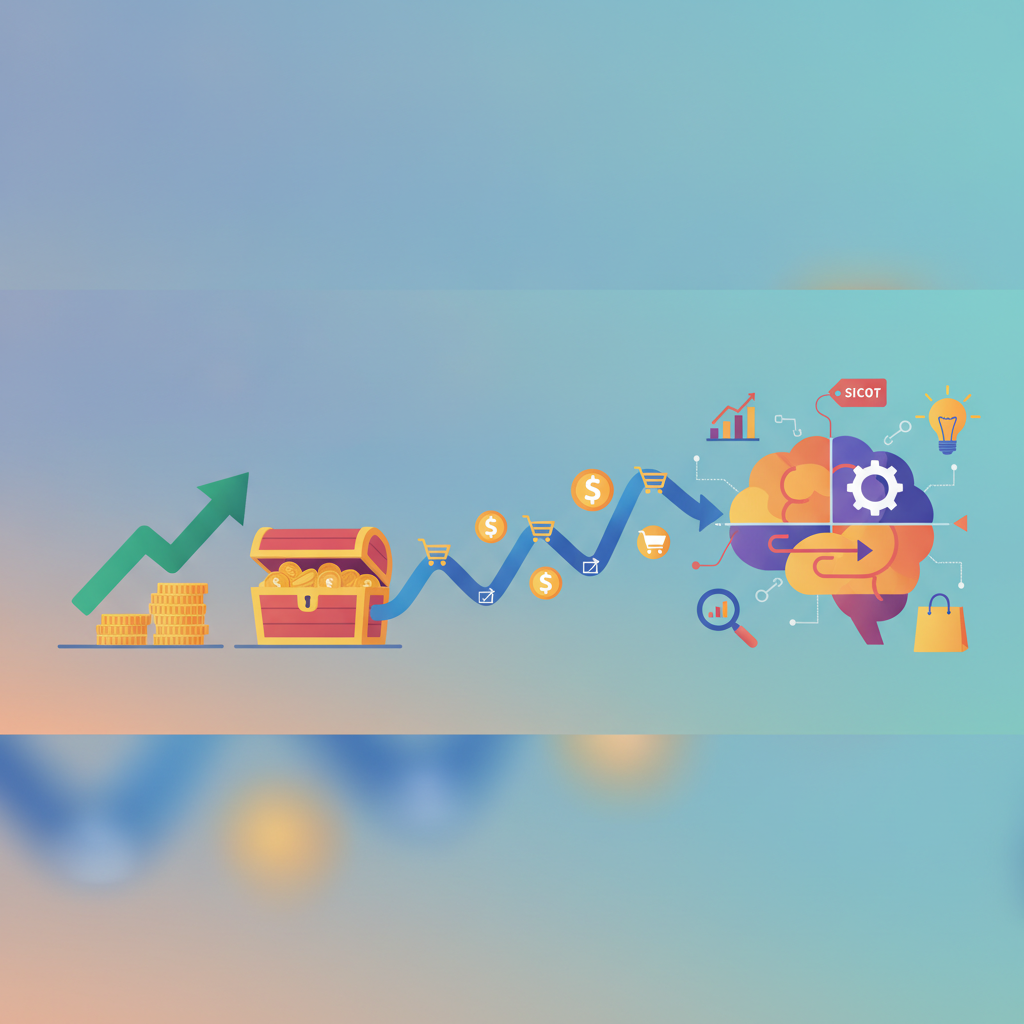
Loyalty programs are among the most powerful tools that e-commerce store owners, whether using platforms like Salla, Zid, or Shopify, can leverage to strengthen this relationship. They are not just random discounts or rewards; rather, they are an integrated strategy aimed at appreciating customers for their repeat purchases and encouraging them to remain part of your store's community. By designing and implementing an effective loyalty program, stores can transform casual buyers into brand ambassadors, leading to increased sales, improved Customer Lifetime Value (LTV), and the cultivation of a loyal customer base that speaks positively about your store.
The Concept of Loyalty Programs and Their Importance in E-commerce
Loyalty programs, at their core, are reward systems designed to incentivize customers to make repeated purchases from a specific store. These programs take various forms, ranging from accumulating points that can be redeemed for discounts or free products, to offering exclusive benefits to certain members. The primary goal is to build a long-term relationship with the customer that goes beyond a single transactional interaction, making them feel valued and part of a community. This fosters an emotional connection with the store, making it harder for them to switch to competitors.
Loyalty programs gain paramount importance in the current e-commerce landscape, where the cost of acquiring a new customer is often significantly higher than the cost of retaining an existing one. Loyal customers not only spend more, but they also tend to shop more frequently, are less price-sensitive, and, most importantly, become a valuable source of positive word-of-mouth marketing. This compounding effect makes investing in loyalty programs a wise decision that yields substantial benefits for e-commerce stores and contributes to stable revenue generation.
For stores operating on platforms such as Salla, Zid, and Shopify, these platforms provide flexible environments that allow for easy integration of loyalty programs, either through built-in features or via third-party applications available in their respective app marketplaces. This offers Arab store owners a golden opportunity to enhance their competitiveness in an increasingly crowded market, turning challenges into opportunities to build strong, lasting relationships with their customers, thereby ensuring a continuous flow of sales and growth. You can refer to our comprehensive guide to loyalty apps to deepen your understanding.
Points Programs
Points programs are among the most common and straightforward types of loyalty programs to understand and implement. These programs involve granting customers points for every purchase they make, or for specific actions such as signing up for the mailing list or writing a product review. Customers can then redeem these points for discounts on future purchases, free products, or even exclusive experiences. The ease of tracking and rewarding points makes them appealing to customers, as they clearly see the value they gain with each interaction with the store.
The strength of points programs lies in their high flexibility. Stores can customize the value of a single point and the number of points earned for each Riyal spent, as well as define redemption thresholds and available rewards. This flexibility allows stores to align the program with their brand identity and marketing objectives. For example, stores can focus on rewarding high-margin products or encouraging customers to try new products by offering extra points on them. They also give customers a sense of control over their rewards.
To effectively implement points programs on platforms like Salla, Zid, and Shopify, store owners can leverage dedicated loyalty applications available in the platforms' app marketplaces. These applications provide user-friendly interfaces for managing and tracking points, as well as setting up automated reward rules. It is crucial for point earning and redemption rules to be clear and transparent to customers to avoid any misunderstandings, and for the program to be effectively promoted to ensure maximum customer participation. Remember, the goal is to turn repeat purchases into a rewarding habit.
Tiered Programs
Tiered loyalty programs segment customers into different categories or levels based on their spending volume, purchase frequency, or engagement with the store. As a customer advances through the tiers, they gain access to more valuable and exclusive benefits and rewards. These programs typically start with a basic level offering simple perks, then progress to higher tiers such as 'Gold' or 'Platinum' which might offer free shipping, larger discounts, early access to new products, or invitations to special events. This type of program encourages customers to spend more to reach higher levels and enjoy their unique advantages.
The main appeal of tiered programs lies in their psychological aspect; they play on the human desire for status, recognition, and exclusivity. When a customer sees they are close to moving to a higher tier, they feel motivated to make more purchases. This creates a sense of deep loyalty and a desire to belong to an elite group of distinguished customers. Moreover, the tiered reward structure ensures that the most loyal customers receive the best benefits, thereby enhancing the value of these customers to the store and encouraging them to continue supporting the brand.
When designing a tiered program for your store on Salla, Zid, or Shopify, it is essential to define clear criteria for moving between tiers and to ensure that the rewards at each level are enticing enough to motivate customers. There must also be a balance between the value of the rewards and their cost to the store to ensure the program's sustainability. Stores can use available data on shopper behavior to identify different segments and set realistic and viable tiers. Consistent communication with customers, informing them of their program status and available benefits, is also vital for the success of this type of program.
Paid Memberships
Paid membership programs differ from other types of loyalty programs in that they require the customer to pay a subscription fee (annual or monthly) in exchange for a set of exclusive benefits. These programs represent an investment by the customer in their relationship with the store, indicating a high level of loyalty from the outset. Benefits typically include free shipping, ongoing product discounts, early access to sales and offers, or even special content and unique experiences not available to regular customers. The most famous example of this type is Amazon Prime.
Paid membership programs are characterized by their ability to build a strong and continuous relationship with customers. Once customers pay the subscription fee, they are more likely to shop frequently from the store to maximize their investment. This leads to a significant increase in repeat purchases and customer lifetime value. They also provide an additional revenue stream for the store from the subscription fees themselves, which can help cover the costs of the benefits offered and provide additional capital to invest in improving the customer experience.
To successfully implement a paid membership program on platforms like Salla, Zid, or Shopify, the value offered to the customer must be clear and enticing enough to justify the paid fees. The customer should feel that the benefits they receive far outweigh the cost of the subscription. It is also important to study the target market and its receptiveness to this type of program, especially in the Arab market where the concept might be relatively new for some sectors. These programs can be integrated using dedicated applications or through custom developments that allow for efficient management of subscriptions and associated benefits.
Cashback Programs
Cashback programs are an attractive type of loyalty program where customers receive a percentage of their purchase value as money returned to them or as credit that can be used for future purchases. The simplicity and transparency of the concept make it popular among many shoppers, as they see the direct and tangible value of the reward. Instead of points that may require value calculation, the customer sees a specific amount returned to them, making them feel instantly rewarded for their loyalty. These programs encourage repeat purchases because customers want to accumulate more cashback.
These programs are particularly effective in encouraging customers to increase their shopping cart size, as every increase in spending means an increase in the cashback amount. They also help build trust and loyalty by providing real and direct value to customers. Stores can use cashback programs to attract new customers as well, as the cashback percentage can be a strong incentive to try the store for the first time, and then convert them into loyal customers through the program's continuity. It's a win-win strategy that benefits both the store and the customer.
When implementing a cashback program on e-commerce platforms like Salla, Zid, and Shopify, it's important to ensure the refund process is easy and its conditions are clearly defined. Customers should be able to track their cashback amounts and use them without obstacles. Some loyalty applications available in the app marketplaces for these platforms offer features to support cashback programs, making it easier for store owners to set them up and manage them. Attention must be paid to profit margins when determining the cashback percentage to ensure the program remains profitable for the store in the long term.
Defining Goals and Target Audience
Defining goals and the target audience is the foundation for any successful loyalty program. Before starting to design the program's details, the store owner must ask pivotal questions: What do I want to achieve with this program? Is it to increase repeat purchases, raise the Average Order Value (AOV), reduce the churn rate, or encourage referrals? Setting clear, measurable goals will guide all subsequent decisions related to the program's design and help in measuring its future success. Without specific goals, a loyalty program might turn into a mere collection of random discounts that fail to achieve the desired impact.
After defining the goals, the next step is to understand the target audience. Who are your most valuable customers? What are their purchasing motivations? What encourages them to be loyal to a particular brand? Analyzing past customer data, such as purchase history, preferences, and demographics, can provide valuable insights. You can leverage shopper behavior analytics for a deeper understanding of your customers. This understanding will help design a program that meets their needs and expectations and offers them real value. A loyalty program designed for customers interested in luxury products differs from one designed for customers looking for the best deals and value for money. The program should resonate with customer values.
Based on the goals and audience, the store can begin to customize the program. If the goal is to increase the average order value, a points program that rewards higher spending might be more suitable. If the goal is to foster a sense of belonging and exclusivity, a tiered program or paid membership might be the ideal choice. Customizing the program to suit a specific customer segment or to achieve a specific goal significantly increases its chances of success and ensures that resources allocated to it are utilized with maximum efficiency. Flexibility in design is key to success.
Choosing the Program Type and Mechanisms
After defining the goals and target audience, the crucial step is to choose the most suitable loyalty program type for your store and determine its detailed mechanisms. Will you rely on a simple points system, or do you prefer the complexity of a tiered program that rewards the most loyal customers? Will you attract customers with a direct cashback program, or will you offer them exclusive benefits through a paid subscription? This choice largely depends on the nature of your products, your profit margin, and the value you can offer to customers. The program must be easy for customers to understand and track, and at the same time, easy for the store to manage.
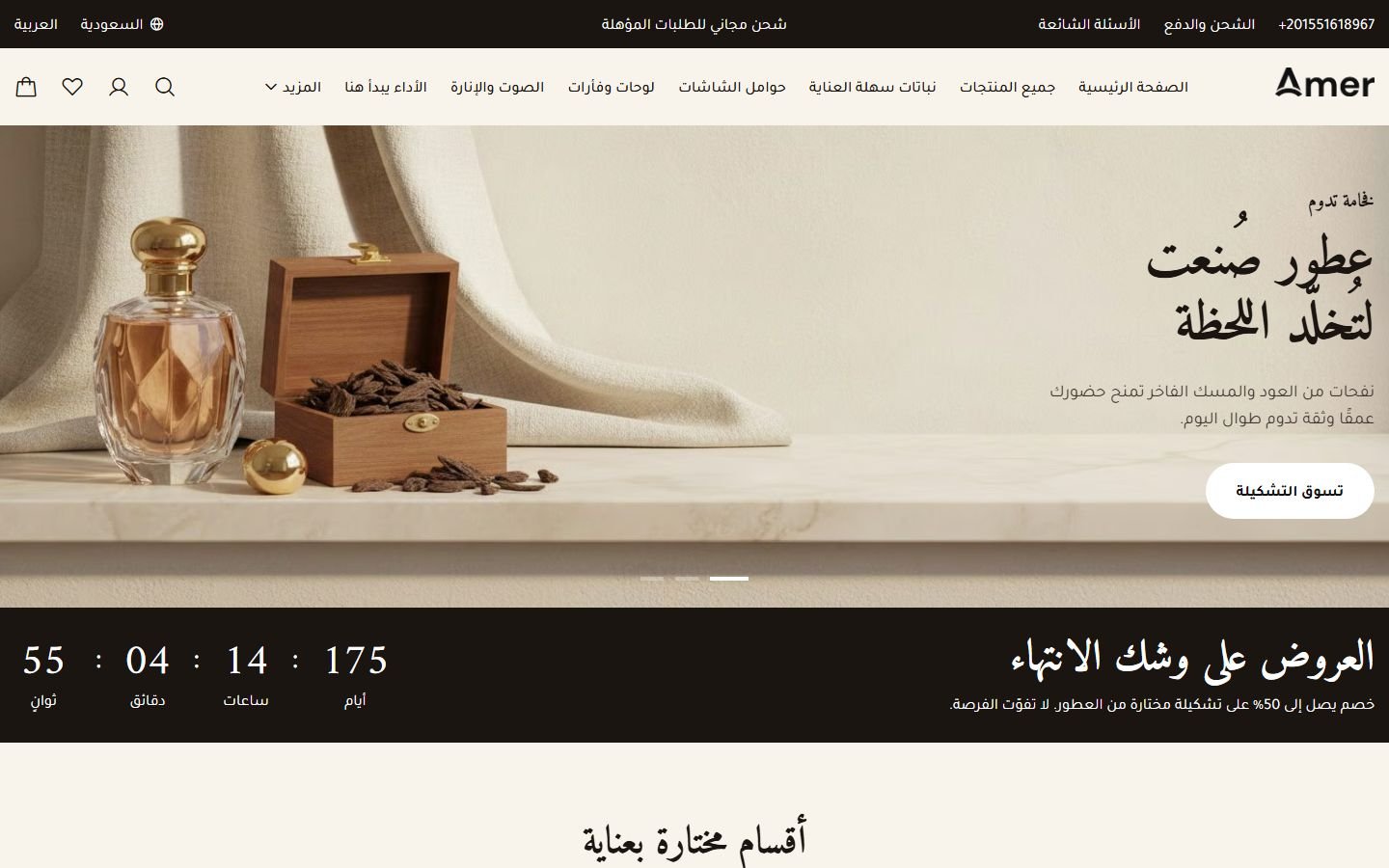
Once the program type is chosen, its mechanisms must be precisely defined. For example, in a points program: how many points will the customer receive for every Riyal spent? Which products or actions earn extra points? How many points does a customer need to redeem for a specific discount or a free product? These rules must be clear and economically viable for the store, while also being motivating for customers. In tiered programs, clear criteria must be defined for moving between levels, the specific benefits of each level, and how these benefits will be communicated to customers. The clearer and more specific the mechanisms, the greater the program's chance of success.
Platforms like Salla, Zid, and Shopify offer store owners multiple options for implementing loyalty programs. These platforms typically provide basic built-in features for customer management and discounts, but for more complex and customized loyalty programs, third-party applications available in their app marketplaces can be utilized. These applications provide advanced tools for tracking points, managing tiers, sending notifications, and analyzing performance. Choosing the right application is vital to ensure ease of management and provide a seamless customer experience. You can search for the best Salla and Zid apps that support loyalty programs.
Marketing the Loyalty Program
Designing a great loyalty program is not enough; it must also be effectively marketed to ensure that customers are aware of its existence, understand its value, and the benefits it offers. The marketing process begins the moment the program is launched, where it should be clearly announced on the store's homepage, product pages, and during the checkout process. Use clear and concise language to explain how to join the program, how to earn points or advance through tiers, and what rewards can be obtained. Make this information easily accessible and understandable for all visitors and customers.
Utilize your various marketing channels to promote the loyalty program. Send personalized emails to existing customers to inform them about the program and encourage them to sign up, reminding them of their earned points or loyalty status. Publish engaging content on social media that explains the program's benefits and highlights success stories of customers who have benefited from it. Information about the loyalty program can also be included in other marketing materials, such as invoices or packaging. The goal is to surround the customer with information in a way that doesn't annoy them, but rather motivates them to participate.
Marketing the loyalty program should be continuous, not just a one-time launch campaign. Regularly remind customers of their program status, available points, and the rewards they can redeem. Encourage them to reach higher tiers or accumulate more points through special promotions related to the loyalty program. For example, offering double points on certain purchases. Keeping the loyalty program top-of-mind for customers ensures their continued participation and benefit, thereby enhancing its effectiveness and value to your store.
Implementing Points Programs in Salla and Zid
Points programs are an excellent choice for stores on Salla and Zid due to their ease of setup and management through available applications. For instance, a perfume store on the Salla platform could offer one point for every 10 Riyals spent. Upon accumulating 100 points, the customer could redeem them for a 100 Riyal discount on their next purchase, or receive a free sample of a new fragrance. This model incentivizes customers to make repeat purchases to collect points, offering them a tangible reward. The store can also provide extra points for purchasing specific products or during special occasions to increase engagement.
For Zid stores, a men's clothing store could implement a points program where customers receive double points when purchasing complete outfits (e.g., a shirt, pants, and jacket), rather than just a single item. This not only encourages faster point accumulation but also increases the average order value. Such programs can be managed using applications like 'Walaa' or 'My Loyalty' available in the Salla and Zid app marketplaces, which provide user-friendly dashboards to define point earning rules, track customer balances, and manage reward redemption. These applications offer stores powerful tools to customize their programs.
To ensure the success of a points program in Salla and Zid, the point value must be clear and appealing, and the program should be continuously promoted via email, in-store notifications, and social media. Reminders can also be sent to customers whose points are about to expire or who have enough points to redeem for a specific reward. Measuring key performance indicators such as point redemption rate, repeat purchase rate by members, and average order value will help continuously optimize the program to ensure its maximum effectiveness.
Advanced Loyalty Programs on Shopify
While Salla and Zid offer excellent solutions for stores in the region, Shopify, with its vast app ecosystem, enables the creation of more complex and customized loyalty programs. Stores on Shopify can integrate loyalty programs with powerful marketing automation tools, such as Klaviyo or Omnisend, to create highly targeted marketing campaigns based on customer behavior within the loyalty program. For example, an automated email can be sent to customers who haven't purchased in a while, reminding them of their earned points and offering an additional incentive to complete a purchase.
A beauty product store on Shopify, for instance, could implement a multi-tiered loyalty program that combines points with exclusive rewards. The first tier might offer regular points, while the Gold tier offers double points, free shipping, early access to new products, and an invitation to exclusive beauty workshops. This complexity can be managed using specialized applications like LoyaltyLion or Yotpo Loyalty & Referrals, which provide advanced tools to customize every aspect of the program, from UI design to complex reward rules.
Furthermore, loyalty programs on Shopify can integrate with referral programs, rewarding customers for inviting their friends to shop from the store, thereby organically expanding the customer base. This integration provides a comprehensive view of customer behavior and allows for the creation of highly personalized loyalty experiences that strengthen the customer's connection with the store. The ability to deeply analyze data and rapidly implement adjustments makes Shopify a powerful platform for developing innovative and advanced loyalty programs that go beyond a basic points system, offering real value to customers.
Key Performance Indicators (KPIs)
To ensure the effectiveness of a loyalty program, it is essential to regularly measure its performance using a set of Key Performance Indicators (KPIs). These indicators provide valuable insights into how successfully the program is achieving its goals and identifying areas that need improvement. Among the most important KPIs are: Customer Lifetime Value (LTV), which measures the total revenue a customer is expected to generate for your store over their relationship with it. A loyalty program should aim to significantly increase this value for its members.
Another vital indicator is the Repeat Purchase Rate, which measures the percentage of customers who return to make another purchase after their first. This rate should be significantly higher among loyalty program members compared to non-members. Additionally, the Average Order Value (AOV) for program members should be tracked and compared to the AOV of regular customers, as loyalty programs often encourage greater spending per purchase. The Churn Rate is also an important indicator, measuring the percentage of customers who stop purchasing from your store, with the goal of reducing this rate among loyalty program members.
Store owners on Salla, Zid, and Shopify can track these indicators through their platform dashboards, using integrated loyalty app reports, or third-party analytics tools like Google Analytics. Setting clear goals for each indicator before launching the program, and regularly reviewing performance, will help assess the program's effectiveness and make data-driven decisions for improvement. Without accurate measurement, it is difficult to know whether the program is achieving its desired results, making continuous analysis an indispensable component.
Data Analysis and Corrective Actions
Once data from key performance indicators has been collected, the most crucial step follows: analyzing this data to extract actionable insights. For example, if you find that the point redemption rate is low, it might indicate that the rewards are not attractive enough, or that the redemption process is too complicated. If the average order value for loyalty program members does not significantly differ from regular customers, you might need to adjust the point earning rules or offer greater incentives for larger purchases. Analyzing customer behavior within the program can reveal unexpected patterns and help understand their motivations more deeply.
Improving loyalty programs relies on an iterative approach, where small changes are made, their impact is measured, and then adjustments are made based on the results. A/B tests can be conducted on different types of rewards, point levels, or even the wording of loyalty program marketing messages to determine what is most effective. For example, you might find that offering a direct discount works better than providing a free product for a specific category of items. The improvement process should be continuous, as customer preferences and market conditions change over time. You can use analytics such as shopper behavior analytics to deepen your insights.
Receiving direct feedback from customers is also a valuable source for improvement. Short surveys can be conducted among loyalty program members to gauge their opinions about the program, their preferred benefits, and what they would like to see in the future. Responding to this feedback and implementing changes based on it not only improves the program but also enhances customers' feeling of appreciation and that their opinions are taken seriously. This comprehensive, data-driven, and feedback-informed approach ensures that the loyalty program remains relevant and attractive to customers, and continues to achieve its strategic objectives for your store on Salla, Zid, and Shopify platforms.
Conclusion
In conclusion of this comprehensive article, it is clear that loyalty programs are not merely an additional feature in today's e-commerce world; rather, they are an essential business strategy indispensable for achieving sustainable growth and distinction in a highly competitive market. By understanding the different types of loyalty programs, carefully designing them to suit the store's objectives and target audience, and then effectively marketing them and regularly measuring their performance, stores on platforms like Salla, Zid, and Shopify can build deep and lasting relationships with their customers, transforming them from transient buyers into loyal brand ambassadors.
Always remember that the essence of loyalty programs lies in appreciating the customer and providing them with real value in exchange for their loyalty. When a customer feels that their investment in your store (whether financial or time-based) is being rewarded, they are more inclined to return, spend more, and recommend your store to their friends and family. This compounding effect not only boosts your revenue but also builds a strong reputation for your brand as a store that genuinely cares for and values its customers, placing you at the forefront of competition in the Arab digital market.
Therefore, whether you manage a small startup store or an established brand, investing in a well-thought-out and customized loyalty program is a wise step towards a prosperous future. Leverage the tools and features provided by e-commerce platforms, be creative in designing your rewards, and never stop analyzing data and continuously improving your program. The future of e-commerce belongs to those who place the customer at the heart of their strategies, and loyalty programs are the best embodiment of this principle.