


Influencer Marketing: Boosting Your Store's Sales on Salla, Zid, and Shopify
In the rapidly evolving era of e-commerce, merely having an online store is no longer enough to achieve desired success. Building bridges of trust with customers and reaching them through innovative methods has become crucial. With increasing competition and changing consumer behavior, e-commerce store owners, whether on platforms like Salla, Zid, or Shopify, are searching for effective marketing strategies that go beyond traditional advertisements, which have lost much of their impact. Here, influencer marketing emerges as a powerful driving force capable of converting views into sales and interest into lasting loyalty, leveraging the inherent trust audiences place in their favorite social media personalities.
Influencer marketing is no longer just a fleeting trend; it has become a cornerstone of any successful digital marketing strategy, especially for stores looking to expand in the opportunity-rich Arab market. The ability to reach wide and diverse segments of the target audience, in a personal and convincing manner, makes influencers indispensable partners in your store's growth journey. Whether you run a small store on Salla, a medium-sized enterprise on Zid, or a global brand on Shopify, understanding and harnessing the power of influencer marketing can put your store on the path to excellence and profitability, opening new avenues for growth you might not have anticipated, thereby strengthening your market position and securing a larger share of sales.
What is Influencer Marketing and Why is it Essential for Your E-commerce Store?
Influencer marketing is a marketing strategy that focuses on collaborating with individuals who have significant influence over a specific audience (influencers), with the aim of promoting your brand's products or services. Instead of traditional advertisements that speak directly from the brand to the customer, influencers act as trusted intermediaries who present products in an organic and personal way, making the marketing message more authentic and impactful. This type of marketing relies on the idea that people tend to trust recommendations from individuals they follow and value their opinions, more than explicit advertisements from companies.
The necessity of influencer marketing for your e-commerce store, whether on Salla, Zid, or Shopify, lies in several fundamental points. Firstly, it allows you to reach highly targeted audiences; each influencer has their own specific audience with shared interests, meaning you can target potential customers who are already interested in what you offer. Secondly, influencer marketing builds trust and credibility for your brand much faster than traditional methods, as customers see the product tested and recommended by someone they trust, which lowers their purchase barrier and encourages them to make a buying decision with greater confidence.
Furthermore, influencer marketing provides authentic and engaging content that brands often find challenging to produce themselves. Influencers are inherently creative and present your products in innovative ways that align with their style and content, ensuring your message is delivered effectively and subtly. This type of marketing also contributes to increasing brand awareness, improving search engine optimization (SEO) through mentions and links, and ultimately leads to a significant increase in sales and conversions. For stores seeking to expand and stand out in the competitive e-commerce market, influencer marketing is a wise investment that yields numerous benefits in both the short and long term. You can refer to our comprehensive guide to Search Engine Optimization (SEO) for more information on how to increase your store's visibility.
Defining Your Influencer Marketing Campaign Goals
Before embarking on any influencer marketing campaign, it is crucial to set clear, specific, and measurable (SMART) goals. Without clear objectives, your campaign will be like a ship without a compass, and you might find yourself investing time and money without achieving the desired results. Setting goals helps you choose the right influencers, design effective content, accurately measure performance, and ensure that every effort contributes to the growth of your online store on platforms like Salla, Zid, or Shopify.
Goals should be realistic and align with your store's overall business strategy. Are you looking to increase brand awareness? Is your goal to boost direct sales for a specific product? Or do you want to build a new email list or launch a new product? Answering these questions will form the foundation of your action plan with influencers. For example, if your goal is to increase awareness, you might focus on views and impressions, whereas if your goal is sales, you'll want to track conversion rates and the use of influencer-specific discount codes.
Remember that goals can vary and multiply, but it's best to focus on one or two main objectives for each campaign to ensure maximum effectiveness. Whether you use Salla, Zid, or Shopify, all these platforms provide robust analytical tools that can help you track sales-related goals, visits, and conversion rates, making it easier to measure the success of your campaigns and adjust them as needed. Defining precise goals is the first step towards a successful and fruitful influencer marketing campaign.
1. Increasing Brand Awareness
If your primary goal is to increase brand awareness, influencer marketing offers a golden opportunity to reach a wide audience that might not otherwise discover your store. This type of campaign focuses on increasing the number of impressions, reach, and mentions of your store's name or products across various social media platforms. Influencers with a large and engaged following can disseminate your brand's message to thousands or even millions of followers in a very short time, putting your store in the spotlight and increasing recognition opportunities.
To achieve this goal, influencers can create diverse content such as: reviews of new products, daily stories showcasing product use in real life, or even tutorial videos demonstrating how to get the most out of your products. The objective here is not direct sales as much as it is to introduce the audience to your presence and the value you offer. For instance, a Shopify clothing store might collaborate with a fashion influencer to create multiple outfits using the store's products, or a Salla handmade products store might ask a craft influencer to share the process of making a specific item, highlighting the quality and effort involved.
When focusing on increasing brand awareness, it is crucial to choose influencers whose values and style align with your store's identity. The content they provide must be engaging and compelling, and it should positively reflect your brand's image. Measuring success at this stage is typically done by tracking the number of views, the spread of content, the number of mentions of your store, and the increase in followers on your store's social media accounts, paving the way for achieving other goals in the future.
2. Boosting Sales and Conversions
Achieving a direct increase in sales and conversions is one of the primary goals e-commerce store owners pursue when turning to influencer marketing. This strategy focuses on converting followers into actual buyers by encouraging them to visit your store and make a purchase decision. To achieve this goal effectively, influencers are typically provided with special tracking tools that allow you to directly measure the impact of their campaign, such as unique discount codes or affiliate links.
When using discount codes, the influencer promotes your products and offers a special discount code to their followers, encouraging immediate purchase to avail the discount. The usage of these codes can be easily tracked through your store's dashboard on Salla, Zid, or Shopify, allowing you to know the number of sales generated by each influencer. As for affiliate links, these are unique links that direct customers straight to your product page or store, enabling you to track every click and every purchase made through them. This type of campaign is very common because it provides strong and directly measurable performance indicators.
To ensure maximum conversions, influencers must highlight the product's advantages and benefits in a convincing way, creating a sense of urgency among their followers. Content can include limited-time offers, product comparisons, or personal success stories with the product. It is also important that the purchase path on your e-commerce store is easy and clear. Choosing influencers with an engaged audience and a history of making online purchases is key to success here. This strategy not only increases sales but also enhances the influencer's value as an effective partner in your business growth. For more sales growth strategies, you can visit our article on this topic.
How to Find the Right Influencers for Your Store on Salla, Zid, and Shopify?
Choosing the right influencers is the cornerstone of any successful marketing campaign. Not every influencer yields equal results, and an error in selection can cost you a lot of time, effort, and money with little return. The influencers you collaborate with must align with your brand's identity, have an audience that matches your target segment, and demonstrate high levels of engagement and authenticity. This process requires thorough research and comprehensive evaluation, whether for a store on Salla, Zid, or Shopify, to ensure the investment pays off.
To begin the search process, you must first define the type of influencer you are looking for. Do you need nano-influencers with a smaller but more engaged and loyal audience, micro-influencers with a specific niche and high credibility, or macro-influencers or celebrities to reach a very wide audience? Each type has its advantages and costs, and the choice depends on your campaign goals and budget. Micro and nano-influencers are usually more cost-effective and provide a better return on investment for small and medium-sized stores.
Furthermore, it is important to focus on the influencer's audience engagement rate, not just the number of followers. An influencer with a million followers but low engagement might be less effective than an influencer with 50,000 followers who engage significantly with all their posts. Look for genuine comments, likes, and shares that indicate real interest. You should also verify the influencer's authenticity and transparency, ensuring their audience is real and not just fake accounts. These criteria will help you build fruitful partnerships that strongly support your store's growth.
1. Manual Search and Social Media Platforms
Manual search on social media platforms is one of the most effective ways to discover influencers who might be suitable for your e-commerce store, whether you sell on Salla, Zid, or Shopify. Start by identifying the platforms where your target audience is heavily present, such as Instagram, TikTok, YouTube, or Twitter. Then, use keywords related to your products or store's niche in the search bar. For example, if you sell beauty products, search for hashtags like #ArabMakeup, #Skincare, #BeautyBloggers, or popular product names.
Also, observe what your competitors are doing. Analyze their social media accounts to see which influencers they collaborate with and what type of content they publish. This doesn't mean imitating them, but rather drawing inspiration and identifying influencers who may have already worked in your audience's interest area. You can also search for influencers who talk about general topics related to lifestyle, fashion, or technology, whose daily content might have a natural connection to your products.
When you find potential influencers, don't just look at their follower count. Delve into analyzing their profiles: read comments, watch their videos, and track their audience's engagement with their posts. Are the comments genuine and relevant? Is there a sudden and unexplained surge in followers? These details will help you assess the influencer's authenticity and suitability for your brand before deciding to contact them, ensuring you choose the optimal partner who adds real value to your store.
2. Influencer Marketing Platforms
In addition to manual search, specialized influencer marketing platforms offer more efficient and organized solutions for finding influencers and managing campaigns. These platforms, such as Kolsquare, HypeAuditor, or even some local platforms in the Arab region, compile vast databases of influencers, provide advanced analytical tools to evaluate their performance, and facilitate the communication and negotiation process. Using these platforms can save you significant time and effort, especially if you manage a large store on Shopify or have an ambitious expansion plan on Salla or Zid.
These platforms are characterized by their ability to filter influencers based on precise criteria such as: follower count, engagement rate, audience demographics (age, gender, geographical location), interests, and even the keywords they use in their content. This ensures you find influencers who perfectly match your marketing campaign requirements and your store's target audience. Some of these platforms also provide tools to assess influencer authenticity and detect fake accounts or inauthentic followers, adding an extra layer of security and reliability to your selection.
Furthermore, influencer marketing platforms streamline the entire campaign management process, from sending invitations and negotiating contracts to tracking published content and measuring performance. Through them, you can monitor all the influencers you collaborate with in one place, review content before publication, and receive detailed reports on results. These comprehensive tools make influencer marketing more professional and effective, helping your store maximize its investments in this field, thereby enhancing its competitive edge in the market. For a comprehensive comparison between Salla, Zid, and Shopify, you can explore our dedicated article.
Building Relationships and Effective Communication with Influencers
Once you have identified potential influencers for your store on Salla, Zid, or Shopify, the crucial stage of building relationships and effective communication begins. Influencer marketing is not just a commercial transaction; it is a partnership that requires building a relationship based on mutual respect, transparency, and appreciation of each party's value. Professional and friendly communication is key to transforming potential influencers into genuine ambassadors for your brand, who will passionately and authentically present your products to their audience.
Avoid generic messages that make the influencer feel like just a number on a list. Instead, dedicate your time to sending personalized messages that show you have researched them and appreciate their specific content. Start by briefly introducing yourself and your store, then explain why you believe they are a good fit for your brand and why the collaboration would be mutually beneficial. Focus on the reciprocal value the influencer will gain from this partnership, whether through free products, commissions, or increased exposure to a new audience.
You should be clear about your expectations and goals from the outset, but at the same time, be open to influencers' creative ideas and suggestions. Influencers are experts in knowing what resonates with their audience. Building a strong relationship with influencers can lead to long-term partnerships, where they become an integral part of your marketing strategy, contributing to building genuine loyalty for your brand. These sustainable relationships are often more effective than one-off campaigns and provide a higher return on investment over time.
1. Crafting the First Message
The first message you send to an influencer is your sole opportunity to make a lasting first impression. This message must be concise, professional, and highly personalized. Avoid spelling or grammatical errors, and be sure to clearly state the influencer's real name and your e-commerce store's name. Start by expressing your admiration for their content or one of their recent posts, which indicates that you have spent time researching them and are not just sending a bulk message. This increases the likelihood of them reading your message in full.
At the core of the message, briefly explain who you are and what your store is (Salla, Zid, Shopify), then move directly to the reason for contact. Explain why you believe your products would be valuable to their audience and why they are the right influencer for collaboration. For example, you could say: "We noticed your interest in natural skincare products, and we believe our organic products would perfectly fit your content and audience." This shows you've done your homework and understand their work and followers' interests.
Conclude the message with a clear call to action for the next step, whether it's a video call to discuss details or sending a store and product profile. Be clear about what you're looking for, but leave room for the influencer to present their creative ideas. Remember, the goal is to open a dialogue, not to impose your terms from the outset. A good first message is the starting point for a successful and fruitful partnership that serves your store's interests and helps it grow in the digital market.
2. Negotiating Terms and Contracts
After sending the initial message and receiving a positive response, comes the crucial stage of negotiating terms and contracts, which is vital for ensuring a successful influencer marketing campaign for your store on Salla, Zid, or Shopify. This phase must be clear and transparent for all parties to avoid any future misunderstandings. It is essential to document all agreements in writing, even for small campaigns, to secure the rights and responsibilities of both the brand and the influencer.
Key terms to negotiate include: the nature of the required content (photos, videos, stories, live streams), the number of posts and their timings, the platforms on which the content will be published, the campaign duration, and how performance will be measured. Most importantly, the financial compensation for the influencer must be agreed upon, which can be a fixed fee, a percentage of sales (commission-based), free products, or a combination of these options. Be realistic in estimating your budget and expectations, but do not hesitate to negotiate for the best value for your investment.
The contract should also include clauses regarding content usage rights (can you repost the influencer's content on your store's accounts?), transparency requirements (the influencer must disclose that the post is sponsored), and cancellation or modification policies. You may also need to specify required reviews before publishing to ensure content aligns with your brand's identity. Using a ready-made contract template can save a lot of effort, but be sure to adapt it to fit your specific campaign details. Documenting these details ensures the campaign runs smoothly and protects your store from any potential issues.
Types of Influencer Marketing Campaigns for Your Store
Influencer marketing campaigns come in various types and forms to suit different objectives and budgets, allowing e-commerce store owners on platforms like Salla, Zid, and Shopify to choose what best fits their store. Understanding these types helps you design an integrated strategy that ensures maximum benefit from your collaboration with influencers, whether you aim to increase awareness, achieve immediate sales, or build a community around your brand. Each campaign type has its own specific nature that requires careful planning and appropriate influencer selection.
These types range from content that directly focuses on products to campaigns aimed at building a deeper relationship with the audience. The key here is diversity and not limiting yourself to just one type of campaign, as each type contributes in its own way to enhancing your brand's presence in the digital market. For example, you might start your campaign with new product reviews, then move on to contests to increase engagement, and then conclude with discount code-based campaigns to stimulate direct sales. This diversity ensures your message reaches wider segments through different and innovative methods.
It is crucial to adapt the campaign type to the influencer's nature and audience. An influencer specializing in tech reviews might be best suited to review your electronic products, while a fashion influencer might be best for showcasing clothing and accessory products. Do not hesitate to discuss ideas with influencers; they are experts in knowing what resonates with their followers. Choosing the right type of campaign ensures that your marketing message will be delivered effectively and achieve the desired goals for your e-commerce store.
1. Product Reviews and Unboxing
Product reviews and unboxing videos are among the most impactful content types in influencer marketing, especially for e-commerce stores on Salla, Zid, and Shopify that sell physical products. Consumers tend to place significant trust in genuine reviews from individuals who have personally tried the product. When a trusted influencer reviews your product, they provide strong social proof that enhances your store's credibility and encourages potential customers to make a purchase decision with confidence.
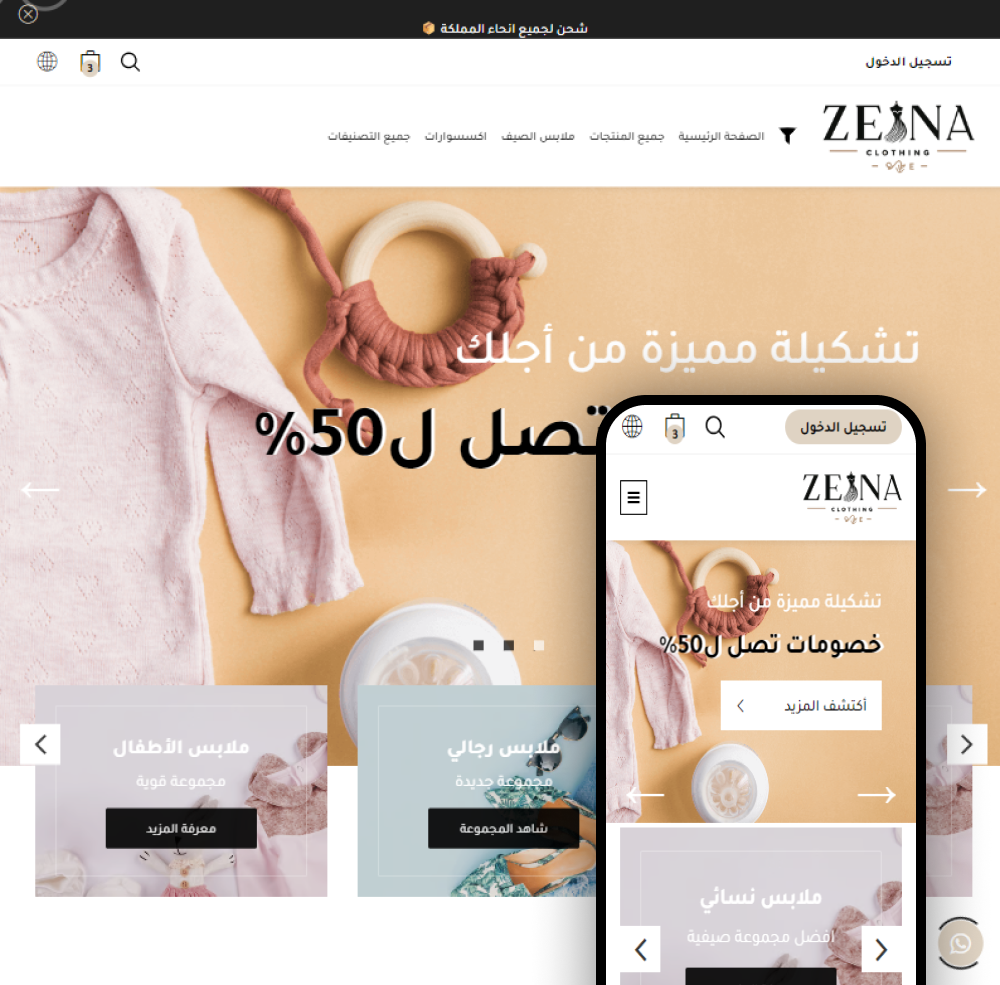
In unboxing videos, the influencer opens the product package for the first time on camera, commenting on the quality of the packaging, components, and overall appearance of the product, then demonstrates how to use it or shares their initial impressions. This type of content creates an enjoyable and convincing viewing experience, allowing viewers to see the product in a realistic context, which helps them imagine owning and using it. These videos can be particularly effective for new or unique products that require a visual explanation of their features.
To ensure the success of this type of campaign, you should choose influencers who have the ability to provide honest and detailed reviews, focusing on your product's strengths. Encourage influencers to be authentic and express their opinions truthfully, as credibility is key. Providing high-quality free product samples is essential here. You can also provide them with key talking points, but allow them creative freedom in their presentation. These reviews not only increase product awareness but also provide valuable content that your store can repurpose across its other marketing channels.
2. Discount Codes and Affiliate Links
Discount codes and affiliate links are among the most powerful tools in influencer marketing for achieving direct and measurable sales goals. This strategy is ideal for e-commerce stores on Salla, Zid, and Shopify that want to see a direct and clear return on investment from influencer campaigns. The concept is simple and effective: the influencer is provided with a unique discount code or an affiliate tracking link, and then the influencer promotes them to their audience, incentivizing them to purchase from your store.
The power of discount codes lies in creating a sense of urgency for consumers to take advantage of an offer before it expires, while affiliate links provide a seamless way for customers to navigate directly to your product page or store and make a purchase decision. Both methods allow you to track the performance of each influencer individually with extreme precision. You can see the number of sales generated by each discount code, or the number of clicks and conversions from each affiliate link, enabling you to objectively evaluate the effectiveness of influencers and identify those who are most efficient at driving sales to your store.
To maximize these campaigns, the discount offered must be attractive enough to stimulate purchase, and the influencer must be able to clearly communicate the value of the offer to their audience. You can also link these tools to a commission system, where the influencer earns a percentage of each sale made through their unique code or link, creating a strong incentive for them to promote more effectively. This strategy not only increases your store's sales but also helps build long-term relationships with the most successful influencers, encouraging them to continue working with you to increase their earnings. For more sales growth strategies, you can visit our article on this topic.
3. Giveaways and Contests
Giveaways and contests are effective and engaging methods to increase interaction, build brand awareness, and grow your e-commerce store's follower count on Salla, Zid, or Shopify, in collaboration with influencers. These campaigns create excitement and enthusiasm among the audience, encouraging them to actively participate for a chance to win valuable products from your store. They are a great way to generate buzz around your brand in a short period and attract the attention of a wide segment of potential customers.
These campaigns typically involve simple participation conditions, such as: following the store's and influencer's accounts, liking the post, tagging friends in the comments, or resharing the post in stories. These conditions are designed to increase content reach and exposure to as many people as possible. When an influencer promotes a contest, they leverage their credibility and their audience's trust to encourage participation, leading to a rapid increase in engagement with your store's social media accounts.
To ensure the success of the contest, the prize must be appealing and valuable to the influencer's audience, and the participation rules must be clear and easy to understand. The winner must also be announced transparently and on schedule. These campaigns can contribute to collecting customer data (if they are asked to subscribe to an email list, for example) and stimulating indirect sales as participants become familiar with your store and products. Giveaways and contests, when well-planned and executed, not only increase follower counts but also enhance brand loyalty and create a positive customer experience.
4. Social Media Takeovers
The "Social Media Takeovers" strategy is an innovative and effective way to create deep and direct engagement with your e-commerce store's audience, whether on Salla, Zid, or Shopify. In this campaign, an influencer is given temporary control of your store's account on a specific platform (such as Instagram or Snapchat) for a defined period, usually one day or a few hours. During this time, the influencer publishes their own content, interacts directly with your store's audience, and answers their questions, all in their unique style and personality.
The main advantage of this strategy is that it offers your store's audience new content from a different perspective, breaking routine and attracting attention. It also allows the influencer's audience to get to know your store more deeply and personally, as they see the brand through the eyes of someone they trust. During the takeover, the influencer can showcase products creatively, answer frequently asked questions about products, share behind-the-scenes glimpses, or even conduct a live stream to interact with the audience instantly.
To ensure a successful takeover, you must choose an influencer who perfectly aligns with your store's identity and has a proven track record of positively engaging with their audience. It is also essential to provide clear guidelines to the influencer regarding the type of content allowed, the brand's tone of voice, and any sensitive information to avoid. A successful takeover can lead to a significant increase in engagement with your store's accounts, attract new followers, enhance credibility, and ultimately drive sales by building a deeper, more trusting relationship with potential customers.
Measuring Influencer Campaign Performance and Analyzing Results
After launching an influencer marketing campaign for your store on Salla, Zid, or Shopify, the task doesn't end there. Instead, the crucial phase of measuring performance and analyzing results begins. Without accurate measurement, you won't be able to understand the effectiveness of your investments, and whether you've achieved your stated goals. Measurement and analysis allow you to identify what worked and what didn't, so you can improve your future campaigns and allocate your budget more efficiently, ensuring maximum return on investment.
Measurement should go beyond merely tracking the number of likes or new followers. These can be good indicators of awareness, but they don't necessarily reflect a direct impact on sales. Focus on Key Performance Indicators (KPIs) that directly relate to your campaign goals. For example, if your goal is to increase sales, you should focus on conversion rate, Return on Ad Spend (ROAS), and the number of new orders generated by influencers. These metrics provide deeper insights into the true value of each influencer.
Utilize the analytical tools available on your platforms (Salla, Zid, Shopify) in addition to third-party tools like Google Analytics, to track the customer journey from the moment they see the influencer's content to completing a purchase. Regularly analyzing data will help you identify the most effective influencers, the most engaging content types, and the channels that perform best. This comprehensive understanding will allow you to continuously optimize your strategy and transform influencer marketing into a powerful and sustainable growth engine for your store.
1. Key Performance Indicators (KPIs)
Identifying the right Key Performance Indicators (KPIs) is at the core of measuring the success of influencer marketing campaigns for your e-commerce store. These indicators must be quantitatively measurable and directly align with the goals you set at the beginning of your campaign. Here are some of the most important KPIs to monitor:
- Reach and Impressions: Measures the number of unique people who saw the influencer's content and the total number of times the content was displayed. This is important if your primary goal is brand awareness.
- Engagement Rate: Includes likes, comments, shares, and clicks relative to the number of followers. It indicates how appealing the content is and how much the audience interacts with it.
- Click-Through Rate (CTR): Measures the number of clicks on links provided by the influencer (such as your store's link or a specific product page) compared to the number of times the content was displayed. This is crucial for evaluating the effectiveness of the influencer's call to action.
- Conversion Rate: The percentage of followers who made a purchase or completed a specific action (e.g., signing up for an email list) after interacting with the influencer's content. This is the most important indicator if your goal is to increase sales.
- Customer Acquisition Cost (CAC): Measures the total cost of the campaign divided by the number of new customers acquired through it. It helps you understand the cost-efficiency of your campaigns.
- Return on Ad Spend (ROAS): Measures the revenue generated by the campaign divided by the total campaign cost. It provides a clear view of the direct profitability of the campaign.
By regularly tracking these indicators, you can gain a clear picture of the effectiveness of your influencer marketing campaigns, whether you are using Salla, Zid, or Shopify, and make informed decisions to improve your future strategy. Do not hesitate to adjust your specific KPIs based on the nature and specific goals of each campaign.
2. Analytics and Tracking Tools
To ensure accurate measurement of influencer marketing campaign performance, e-commerce store owners on Salla, Zid, and Shopify must leverage a variety of available analytics and tracking tools. These tools not only help in data collection but also in transforming it into actionable insights that enable you to refine your future strategies. Using a combination of built-in platform tools and external tools is key to getting a comprehensive picture.
E-commerce platforms like Salla, Zid, and Shopify offer powerful analytical dashboards that allow you to track sales, visits, and conversion rates. Through them, you can monitor the usage of influencer-specific discount codes and know which products were sold thanks to them. Additionally, you should use Google Analytics, an indispensable tool for tracking visitor behavior on your store. You can set up UTM parameters for links shared by influencers, allowing you to know the exact source of visits, the pages they visited, the duration they spent on your store, and whether they completed a purchase.
Furthermore, there are analytics tools specific to social media platforms themselves, such as Facebook Insights or Instagram Analytics, which provide data on content reach, engagement, and audience demographics. There are also influencer analytics platforms that help you track the performance of influencers themselves, measuring their impact on sales and brand awareness. Combining these tools gives you a comprehensive view of your campaign's performance, helps you identify the most effective influencers, the content that resonates, and the channels that deliver the best return on investment, ensuring sustainable growth for your store.
Advanced Tips for Successful Influencer Marketing Campaigns
To achieve maximum success in influencer marketing campaigns for your store on Salla, Zid, or Shopify, you must move beyond the basics and focus on some advanced tips that ensure excellence and long-term effectiveness. It's not just about choosing influencers and launching campaigns; it requires building a comprehensive strategy that considers authenticity, legal compliance, and fostering strong, sustainable relationships. These tips will help you transform influencers from mere marketing tools into true partners in your brand's growth.
Intense competition in the digital market demands a sophisticated strategic approach characterized by flexibility and innovation. You must be prepared to adapt to changes in social media algorithms, audience preferences, and market trends. Investing in influencers is not just a one-off deal; it's an investment in building trust and credibility for your brand. Therefore, focusing on quality over quantity, and deep relationships over superficial ones, is what will make a real difference in the results you achieve.
Remember that influencer marketing is both an art and a science. It requires creativity in crafting messages and content, precision in analysis and measurement, and flexibility in adaptation and development. By applying these advanced tips, you will be able to build influencer marketing campaigns that are not only successful but also sustainable and impactful, contributing significantly to achieving your store's goals and expanding your business in the e-commerce market.
1. Authenticity and Transparency
Authenticity and transparency are the fundamental pillars of success for any influencer marketing campaign in the digital age. Today's consumers are more aware and intelligent, and they can easily distinguish between authentic content and non-transparent paid advertisements. Building trust with the influencer's audience is key, and this can only be achieved when the influencer is honest and clear about their partnership with your brand.
To ensure authenticity, encourage influencers to express their honest opinions about your products, even if they have some constructive feedback. Do not impose a completely predefined script on them; instead, give them room to be creative and deliver content in their own style that resonates with their audience. When influencers feel free to express their genuine opinion, the content becomes more sincere and convincing, which positively reflects on your brand's credibility in the eyes of potential customers for your store on Salla, Zid, or Shopify.
Transparency, on the other hand, clearly means disclosing that the content is a paid advertisement or a commercial partnership. Influencers must use appropriate hashtags such as #ad or #sponsored, or clearly indicate the partnership in the content description. This is not just an ethical obligation; it is also a legal requirement in many countries. Transparency builds trust with the audience and protects your brand and the influencer from any accusations of deception or misinformation, ensuring the continuity of positive relationships and making your campaigns more effective in the long run.
2. Compliance with Laws and Regulations
In the rapidly evolving world of digital marketing, compliance with local and international laws and regulations has become paramount for the success and sustainability of influencer marketing campaigns for your store on Salla, Zid, or Shopify. Laws governing advertising and influencer marketing vary from country to country and may include strict requirements regarding the disclosure of paid partnerships, consumer data protection, and the truthfulness of marketing claims. Ignoring these laws can expose your store to hefty financial penalties or irreparable damage to your brand's reputation.
Before launching any campaign, you must research and understand the relevant regulations in your target markets, especially in the Arab region where legislation governing e-commerce and digital marketing is increasing. For example, many regulatory bodies require influencers to clearly disclose any paid content or gifts they received in exchange for promoting a product. You must ensure that the influencers you collaborate with are aware of these requirements and fully comply with them in all their posts.
It is also essential to include clear clauses in contracts with influencers obliging them to comply with all applicable laws and regulations. The contract should also include terms regarding the truthfulness of content, avoiding false or misleading claims, and protecting the brand from any content that could harm its reputation. Investing in legal advice when drafting major contracts can save you a lot of future trouble. Compliance with laws not only protects your store but also enhances its credibility and customer trust, contributing to its sustainable growth.
3. Building Long-Term Relationships
Influencer marketing often focuses on achieving quick results, but the true secret to sustainable success lies in building long-term relationships with influencers. When you can transform influencers from one-time partners into permanent ambassadors for your brand, you benefit much more from your investment. A long-term relationship builds mutual trust and increases the influencer's understanding of your products and brand values, which positively reflects on the quality of the content they produce.
Long-term relationships require continuous investment in communication and appreciation. Do not only contact influencers when you have a new campaign; instead, maintain open lines of communication, offer them support, and show appreciation for their efforts. You can send them new products to try, invite them to participate in special store events, or even ask for their opinions on products under development. This kind of attention enhances their sense of belonging and makes them more enthusiastic to promote your brand authentically and spontaneously.
Influencers who have strong relationships with your brand are more willing to provide authentic and compelling content because they genuinely believe in what you offer. This loyalty reflects on their audience, increasing the effectiveness of your campaigns and yielding a higher return on investment over time. Whether your store is on Salla, Zid, or Shopify, building a network of loyal brand ambassadors is a powerful strategy that ensures a continuous and trusted presence in the digital market and contributes to building a community of loyal customers for your store.
Conclusion
In conclusion, influencer marketing proves to be not just an additional marketing option, but a crucial strategy for boosting your e-commerce store's sales and awareness in the current digital landscape. Through thoughtful collaboration with trusted and influential personalities, store owners on platforms like Salla, Zid, and Shopify can build strong bridges of trust with their target audiences, overcoming the barriers of traditional advertising. In this article, we have explored the essential aspects of influencer marketing, from setting goals and selecting the right partners to executing campaigns and accurately measuring their effectiveness.
Success in this field is not limited to merely launching a single campaign; rather, it requires integrated strategic planning, flexibility in adapting to changes, and a commitment to building long-term relationships based on authenticity and transparency. Remember that an influencer's power lies in their ability to communicate personally and credibly with their audience, and this is what you should cleverly leverage. By using the tools available on your commercial platforms and following best practices, you can transform influencer marketing into a tremendous growth engine for your store, ensuring not only an increase in sales but also the establishment of a strong and beloved brand.
Therefore, we invite you to embrace this strategy with confidence and determination, and to prepare to observe the amazing results it can bring to your store. Invest your time and effort in understanding your audience, searching for influencers who share your values, and creating engaging and compelling content. The future belongs to e-commerce connected to communities, and influencer marketing is your key to unlocking the doors of this promising future and achieving your commercial ambitions in the continuously growing digital market.