



In the rapidly evolving world of e-commerce, owning an online store is no longer just an option but an imperative for any business aspiring to grow and reach a wider customer base. With increasing competition, the biggest challenge lies in how to attract and retain customers, and convert visitors into loyal buyers. This is where the design of the online store emerges as one of the most crucial pillars determining your success or failure. The first impression your store makes, its ease of navigation, and the overall user experience, are all factors that directly influence purchasing decisions.
Shopify stands as one of the leading platforms globally, empowering entrepreneurs to build professional online stores with remarkable ease, much like prominent Arabic platforms such as Zid and Salla, which excel at meeting local market needs. What distinguishes Shopify in particular is its vast and diverse library of ready-made templates known as Themes. These themes are not just aesthetic designs; they are the foundation upon which your store is built, defining its structure, functionalities, and even how customers interact with your products. Choosing the right theme is the first step towards building a successful store that achieves your goals and boosts your sales.
The Importance of Choosing the Right Theme for Your Online Store
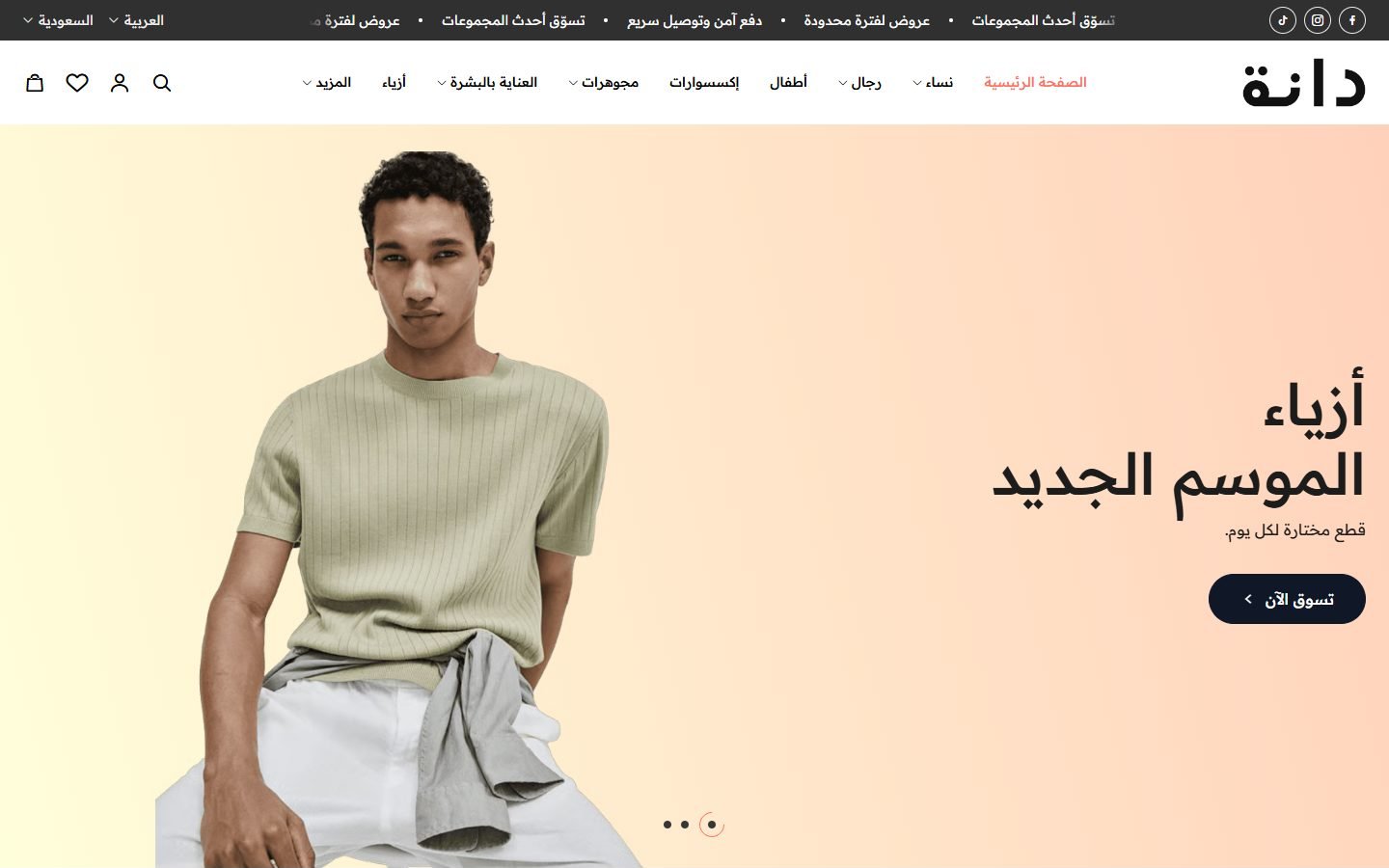
The selection of the appropriate theme for your Shopify online store is as vital as the quality of the products you sell or the marketing strategies you employ. The theme serves as the interface your customer sees, forming their initial impression of your brand. A store's theme is not merely a beautiful wrapper; it is a powerful business tool that directly contributes to enhancing user experience, improving your store's visibility in search engines, and building trust and credibility with your customers. This strategic choice marks the difference between a store that receives fleeting visits and one that achieves sustained sales and notable growth in the e-commerce market.
When we discuss e-commerce platforms such as Shopify, Zid, and Salla, ready-made themes offer a quick and effective solution for stores, especially those without a large budget for custom design. However, ease does not imply underestimating the decision. Theme selection must be based on a deep understanding of your business needs and target audience, considering both technical and aesthetic aspects. Every element within the theme, from fonts and colors to button arrangement and navigation menus, plays a crucial role in the customer's journey within your store.
Therefore, before being swayed by flashy designs, you must carefully consider the essential functionalities your store requires and how the theme will facilitate these functions for your customers. Does the theme provide a seamless shopping experience from start to finish? Does it support features that help highlight your products? These questions and others will help you narrow down the options and select a theme that meets your requirements and effectively contributes to achieving your business objectives.
Theme's Impact on User Experience (UX)
User Experience (UX) is the backbone of any successful online store, and the theme is the primary driver of this experience. If the theme offers easy and intuitive navigation, a simplified purchasing process, and an attractive design, customers will spend more time in your store and be more likely to complete a purchase. Conversely, a poor theme can frustrate customers and prompt them to leave the store quickly, leading to high bounce rates and reduced sales, even if your products are high-quality and competitively priced. A good theme focuses on making the customer's journey enjoyable and efficient.
The theme's impact on user experience encompasses multiple aspects, including page loading speed, which is a critical factor in retaining visitors. Furthermore, responsive design, which adapts to various screen sizes (mobile, tablets, desktops), has become an absolute necessity due to the increasing percentage of mobile shopping. These factors contribute to building a positive image for the store and enhance the customer's desire to return and shop again. Remember that a smooth user experience is key to Increasing Conversions: 5 Secrets for Your Online Store, and the theme plays the biggest role in achieving this.
Moreover, the theme contributes to how products are displayed, from large, high-quality images to customization options and Product Descriptions: Secrets to Writing Engaging Descriptions in Zid and Salla. All these elements form an integral part of the user experience. A theme that provides flexible product display options, allows customers to zoom in and view details easily, and highlights reviews and ratings, all enhance customer confidence and help them make purchasing decisions with greater assurance. Therefore, investing in a theme that improves user experience is an investment in your store's future.
Theme as an SEO Factor
The role of a theme is not limited to aesthetics and user experience; it extends to another vital aspect: Search Engine Optimization (SEO). A well-designed theme can significantly boost your store's visibility in search results, translating into more organic visitors and potential sales. Themes that adhere to best SEO practices, such as clean and lightweight code, high loading speed, and full mobile compatibility, are crucial factors for Google and other search engines when determining your site's ranking. This aspect should never be overlooked, especially in a competitive environment like today's e-commerce, whether on Shopify, Zid, or Salla.
You must ensure that the theme you choose supports the correct SEO structure, such as using appropriate meta tags, proper hierarchical headings (H1, H2, H3), and the ability to add alt text for images. Themes that offer features like sitemaps and automatic image optimization also greatly facilitate the process of your store being indexed by search bots. The more SEO-optimized your theme is, the higher your chances of reaching your target segment without having to spend huge amounts on paid advertising, giving you a significant competitive advantage.
Theme loading speed is also one of the key factors affecting SEO. Search engines favor fast websites and give them priority in rankings. A heavy theme with unoptimized code or too many unnecessary features can significantly slow down your store, negatively impacting your search ranking and reducing your chances of attracting new customers. Therefore, when choosing a theme, look for those that focus on performance and loading speed, and do not hesitate to consult Search Engine Optimization: How to Rank on Google in Zid and Salla for more in-depth advice.
Building Trust and Credibility
Building trust and credibility is the cornerstone of any successful business, and in the world of e-commerce, your store's design plays a pivotal role in achieving this. A professional and carefully designed theme conveys an impression that your store is reliable and trustworthy, encouraging customers to make purchases without hesitation. Conversely, a poorly designed or incomplete store can raise doubts and reduce customers' willingness to share their personal or financial information, even if your products are excellent. The external appearance is a reflection of internal quality in the minds of consumers.
A theme that clearly displays product information, shipping and return policies, and contact information significantly contributes to building this trust. Integrating customer testimonials and reviews, along with secure payment gateway logos, further enhances the store's credibility. The more comfortable and secure customers feel while browsing your store, the higher the likelihood of them completing a purchase and repeating the experience in the future. These small details, which a theme can effectively highlight, make a big difference in the customer's perception of your brand.
Furthermore, a theme can help establish a strong visual identity for your brand. Colors, fonts, and page layouts all contribute to creating a consistent and recognizable experience. When customers see a professional and cohesive design, they associate it with quality and professionalism, which enhances their loyalty to your brand. This loyalty is not only a result of product quality but also a product of excellent Customer Service: How to Win Customer Loyalty in Zid and Salla, and good design is an integral part of this comprehensive service.
Key Factors for Choosing the Ideal Shopify Theme
When you embark on the journey of finding the perfect theme for your Shopify store, you'll discover a myriad of options, which can be overwhelming. However, there are a set of key factors you must consider to ensure you select a theme that meets your needs and helps achieve your business goals. These factors extend beyond mere aesthetics, focusing on performance, functionality, and ease of use. Understanding these elements will enable you to make an informed decision that boosts your store's chances of success in the competitive e-commerce landscape.
Identifying your priorities before you begin your search is a crucial step. Is loading speed most important to you? Or design flexibility? Or support for a large number of products? Answering these questions will help you filter themes and narrow down your search. Remember that a theme suitable for a large clothing store might not be the best fit for a specialized digital product store. Therefore, your choice must be centered around the nature of your business and your target audience.
Do not hesitate to spend sufficient time exploring the features and functionalities offered by each theme. Read reviews, watch demos, and visualize how your store would look with that theme. All these steps will help you form a clear picture of the theme's suitability for your requirements. Choosing a theme is not a decision that can be easily reversed, so invest your time and effort to ensure you make the optimal choice from the outset.
Responsiveness and Mobile Compatibility
In our current era, smartphones have become the primary tool for most online shoppers. A large percentage of purchases are made via mobile devices, making mobile compatibility and responsiveness indispensable factors when choosing a Shopify theme for your store. A responsive theme automatically adapts to the screen size it's displayed on, providing a smooth and enjoyable browsing experience regardless of the device used. If your store doesn't perform well on mobile, you're losing a significant segment of potential customers.
You must ensure that the theme you choose is not only responsive but also offers a user experience specifically optimized for mobile. This means that navigation menus are easily accessible, buttons are large enough to be easily tapped, and images and text are clear and legible without the need for zooming. You can test a theme's mobile compatibility using free Google tools like the Mobile-Friendly Test, or simply by browsing the theme's demo from your smartphone. This practical test can reveal a lot about the theme's performance on mobile devices.
Responsiveness and mobile compatibility also affect your store's search engine ranking, as Google prioritizes mobile-optimized sites in mobile search results. Therefore, choosing a theme that meets these requirements is not just about improving customer experience but also about boosting your store's visibility in search results. Ensure your store provides an optimal experience for all users, regardless of the device they choose for shopping.
Loading Speed
Page loading speed is one of the most critical factors affecting user experience and conversion rates in your online store. Today's shoppers expect lightning-fast performance, and any delay in page loading can lead to frustration and abandonment of the store. Statistics indicate that even a fraction of a second in loading time can make a significant difference in bounce rates and sales. Therefore, choosing a lightweight and performance-optimized theme is a wise investment that contributes to increasing your profits in the long run.
When evaluating themes, look for those designed with loading speed in mind. Factors such as image size, the number of fonts used, and the efficiency of the theme's code can all impact your store's speed. Some themes may appear visually appealing but could be very heavy and packed with unnecessary features that slow down performance. Use tools like Google PageSpeed Insights or GTmetrix to test the speed of theme demos and compare results to determine which themes offer the best performance.
Remember that loading speed is not just a technical matter; it's also an integral part of the customer experience. A fast store conveys an impression of professionalism and efficiency, encouraging customers to browse deeper and complete purchases. Conversely, a slow store can harm your brand's reputation and cost you potential customers, even if your products and services are excellent. Therefore, make loading speed a top priority when choosing a Shopify theme for your store.
Required Features and Functionality
Shopify themes offer a wide array of features and functionalities that cater to the needs of diverse stores. Before selecting a theme, you must clearly define the essential features your store requires to achieve its goals. Do you need specific product display functions, such as zoom options, video displays, or product comparisons? Do you plan to integrate features like customer reviews, wish lists, or live chat? Defining these requirements will help you narrow down the options and choose a theme that contains the functionalities you need without having to install numerous additional apps.
Consider the type of products you sell and how the theme can best showcase them. A clothing store might need a theme that provides a large image gallery and multiple size and color options, while a digital product store might focus on a clean, simple design that facilitates the download process. Some themes also offer built-in features to enhance the shopping experience, such as a "Quick Buy" option or a "Sticky Cart" that helps speed up the checkout process and increase conversion rates. Carefully studying these features will enable you to choose the most suitable theme for your business model.
Remember that the additional functionalities offered by themes can save you time and money that you might otherwise spend on purchasing external applications. However, be wary of themes that offer an overwhelming number of unnecessary features, as these can slow down your store and complicate its management. Seek a balance between essential functionalities and optimal performance. Compare the features offered by Shopify themes with those available on other platforms like Zid and Salla, to ensure you get the best possible value for your store.
Design and Brand Aesthetics
An attractive design and harmonious aesthetics are the cornerstones of building a strong and distinctive brand in the world of e-commerce. The theme you choose for your Shopify store is a direct reflection of your brand's identity and values. The design must align with your brand's colors, fonts, and overall style to ensure a consistent and recognizable visual experience for customers. Aesthetics are not merely a matter of personal taste; they are a powerful tool for communicating with your target audience and building an emotional connection with them, which enhances their loyalty and encourages them to interact with your store.
When evaluating design, don't just focus on the overall appearance; consider minute details such as color contrast, readability of fonts, and the arrangement of elements on the page. The design should be elegant yet simple, so as not to distract the customer from the main products. Themes that offer extensive customization options are preferred, as they enable you to modify colors, fonts, and page layouts to perfectly match your brand's identity without requiring deep coding knowledge. This flexibility is a significant advantage offered by Shopify that helps you stand out.
Remember that your theme is an extension of your brand online. It expresses your professionalism and attention to detail. Choosing a theme that embodies the spirit of your brand helps create a unique and memorable shopping experience, and enhances the perceived value of your products. Invest time in selecting a design that makes you feel satisfied and expresses your vision, as good design is an investment that pays off in the form of customer loyalty and increased sales.
Customer Support and Updates
When choosing a theme for your Shopify store, it's not just about design and features; it also extends to the quality of technical support and regular updates provided by the theme developers. Problems can arise at any time, whether they are customization inquiries, technical errors, or conflicts with other applications. Having a technical support team ready to assist quickly and effectively can save you a lot of time and effort and prevent lengthy downtimes that could cost you sales. Therefore, be sure to review the theme developer's reputation and support ratings before making a purchase decision.
Regular theme updates are also a critical factor. E-commerce platforms like Shopify, Zid, and Salla continuously update their systems, and new technologies constantly emerge. A theme that does not receive regular updates can quickly become outdated and may become incompatible with the latest Shopify versions or suffer from security vulnerabilities. Updates ensure that the theme remains secure, operates efficiently, and benefits from the latest features and improvements, maintaining your store's performance and enhancing its security and longevity.
Before purchasing, check the theme's support and update policy. Do the developers offer free support for a certain period? Are updates free for life? Is there a user community you can benefit from? Answering these questions will give you a clear idea of the developers' commitment to their products and customers. Investing in a well-supported theme is an investment in your peace of mind and the continued successful operation of your online store.
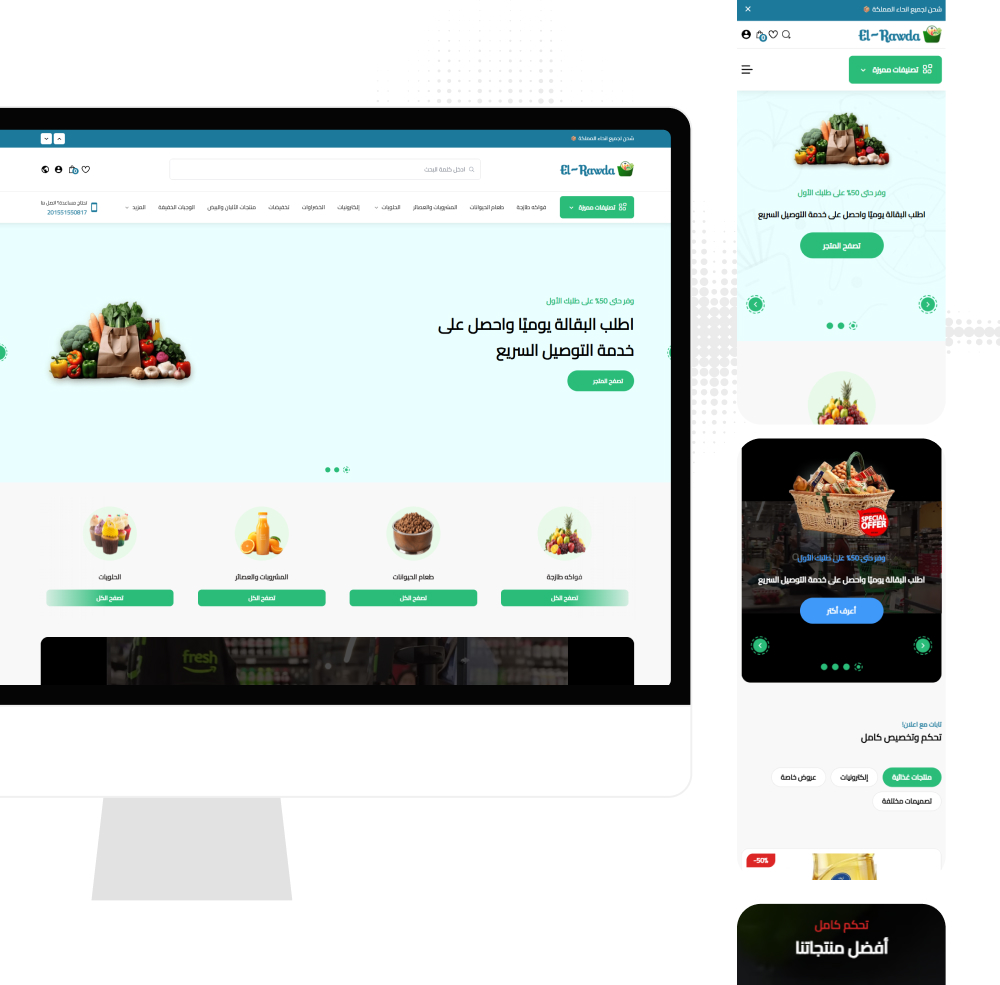
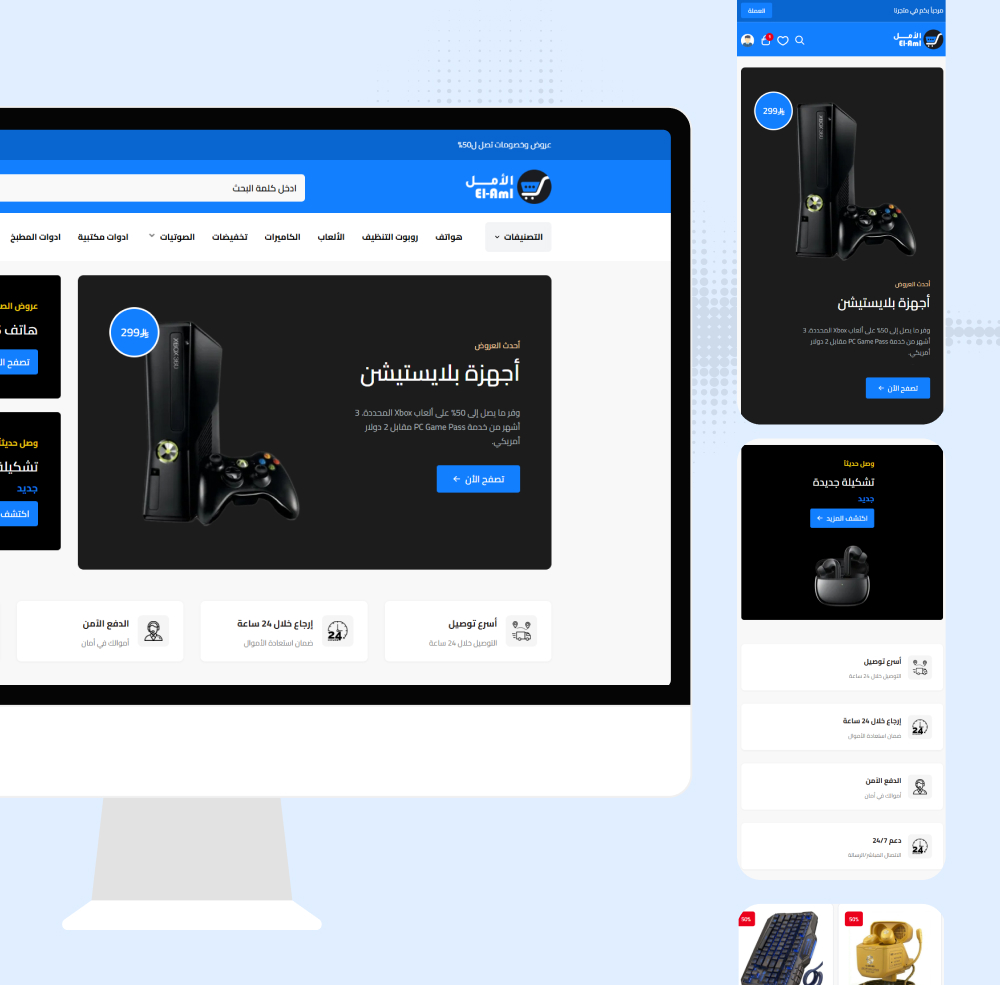
Free vs. Paid Themes: A Comprehensive Comparison
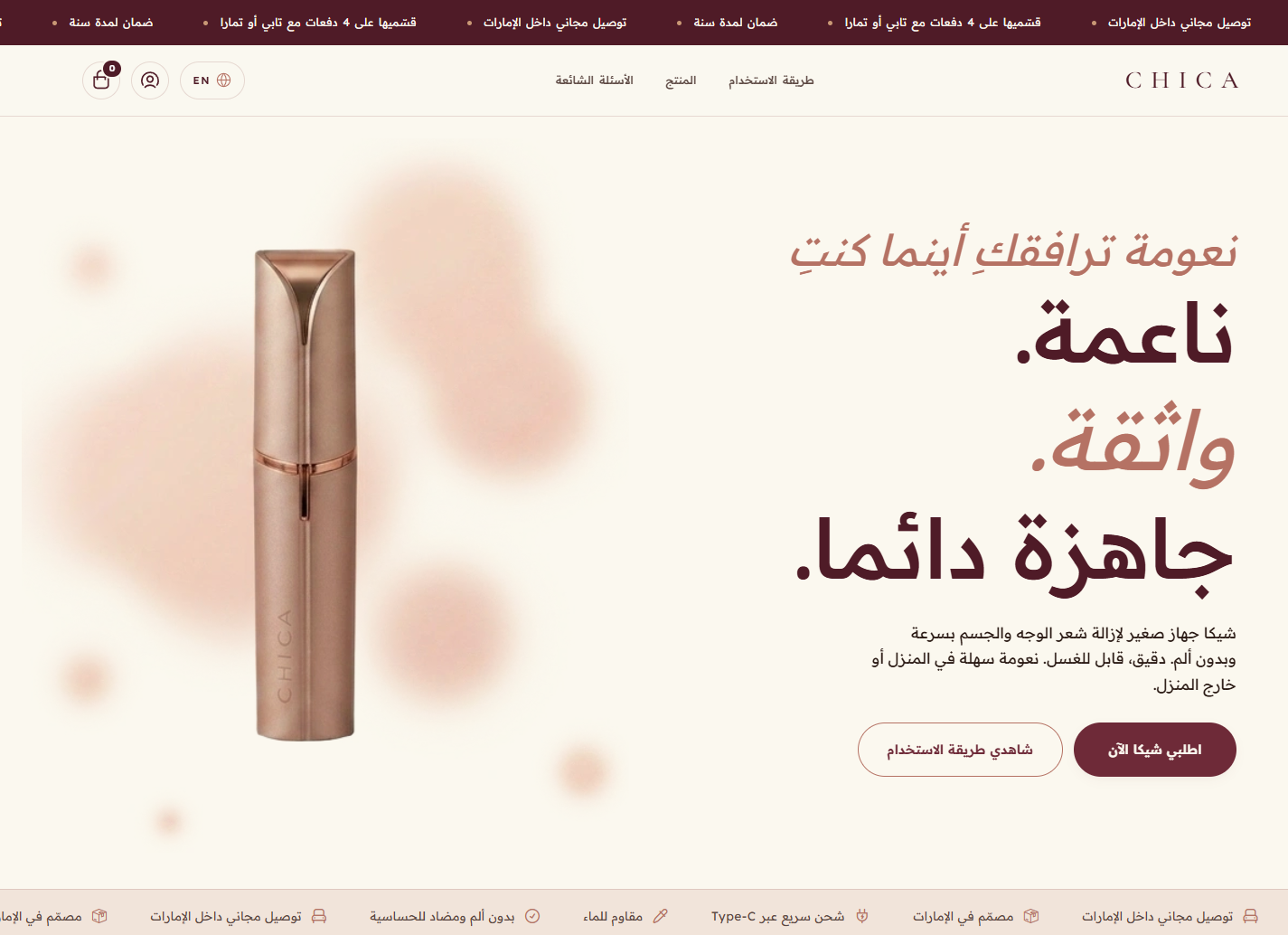
When browsing the Shopify theme store, you'll notice two main categories: free themes and paid themes. Both categories offer multiple options, and each has advantages and disadvantages that must be considered when making your decision. A deep understanding of the differences between them will help you determine the most suitable option for your store, based on your budget, functional needs, and future aspirations. There isn't a one-size-fits-all solution, as what suits a nascent store may not be appropriate for a large store with an extensive customer base.
Free themes are typically an excellent option for new stores or those with a limited budget, providing the necessary basics to launch a store without additional costs. Paid themes, on the other hand, offer a wider range of advanced features, more flexible customization options, and better technical support, making them a valuable investment for stores seeking growth and distinction. The challenge lies in evaluating these advantages and disadvantages within the context of your specific business goals.
You should view your theme as a long-term investment in your business. If you plan to significantly grow your store in the future, investing in a high-quality paid theme might be the best option. However, if you are starting with a limited budget and want to test your idea, a free theme can be an excellent starting point. The most important thing is that your choice is well-thought-out and based on a clear understanding of your current and future needs.
Advantages of Free Themes
Free themes on Shopify offer an excellent starting point for new store owners or those with limited budgets. The most significant advantage of these themes is that they require no upfront cost, allowing you to allocate your financial resources towards products or marketing. These themes provide the essential designs and necessary functionalities you need to launch a professional and functional online store. They are typically designed to be user-friendly, even for beginners with little design or coding experience, which speeds up the store setup process.
In addition to being free, Shopify's free themes are well-optimized by Shopify itself, ensuring full compatibility with the platform and reducing the chances of technical issues. They also offer a good user experience and are optimized for mobile devices, a crucial factor for the success of any online store today. These themes are an ideal choice for testing a new product idea or for a small store with a limited product range, as they provide everything you need to get started without complications.
However, you should be aware that free themes might have limited customization options and advanced features compared to paid themes. They may not offer the same flexibility in modifying the design to precisely match your brand identity, and you might have to rely on additional apps to compensate for some missing functionalities. But they remain a strong option for those who want to launch their store quickly and at a low cost, with the possibility of upgrading to a paid theme in the future as their business grows.
Advantages of Paid Themes
Paid themes are a valuable investment for stores seeking distinction and growth, offering a wide array of benefits that justify their cost. First, these themes typically provide more unique and professional designs, helping your store stand out from competitors and build a strong visual identity. They also offer significantly greater flexibility in customization, allowing you to modify every aspect of the design to perfectly match your brand, without the need for complex coding knowledge. This flexibility enables you to create a unique and personalized shopping experience for your customers, which can be challenging to achieve with free themes.
Second, paid themes often include advanced built-in features and functionalities that enhance user experience and contribute to increasing conversion rates. These features might include advanced product filters, multiple product display options, quick buy functionality, wish lists, and support for integrating videos on product pages. These functionalities help improve store performance and reduce the need to install numerous additional applications, which maintains store speed and reduces management complexity, unlike some limitations found on platforms like Zid and Salla.
Finally, excellent customer support and regular updates are among the most significant advantages of paid themes. The developers of these themes typically provide fast and effective support to help resolve any issues or inquiries, offering you peace of mind and ensuring the continuity of your store's operation. Regular updates also guarantee the theme's compatibility with the latest Shopify versions, add new features, and address any security vulnerabilities, keeping your store at the forefront of technological developments and enhancing its security and performance in the long term.
Practical Tips for Choosing and Customizing Your Shopify Theme
Now that you understand the importance of themes and the key factors for choosing one, it's time to apply this knowledge to the process of selecting and customizing a theme for your Shopify store. This process requires strategic thinking and thorough research to ensure you make the best decision for your business. A wrong choice can cost you time and money, while the right choice can accelerate your store's growth and boost your profits. Follow these practical tips to guide you through this important journey.
Remember that the ultimate goal is to create a seamless and engaging shopping experience for your customers, encouraging them to explore your products and complete purchases. Don't just settle for aesthetics; also consider functionality, performance, and ease of use. A well-designed store balances visual appeal with operational effectiveness. Therefore, be prepared to spend some time researching and experimenting before settling on the final theme that will become the face of your online store.
Don't be afraid to ask for help if needed, whether from theme developers, the Shopify community, or even e-commerce design specialists. Investing in the right consultation can save you a lot of trouble in the long run. Remember that your store is an investment, and the theme is one of its most crucial components that determines its success in the fast-paced world of e-commerce.
Define Your Needs and Goals
Before embarking on your theme search, you must sit down and clearly define your store's needs and goals. Start by identifying the type of products you sell: are they physical, digital, services, or a mix? Do you have a few products or a massive catalog? This will influence the type of theme you need, as some themes are better designed for small stores with distinctive products, while others suit large stores requiring advanced search filters. Identifying your target audience is also vital, as a design suitable for young people may not be appropriate for seniors, and so on.
Consider your store's main objectives. Do you want to increase sales? Build brand awareness? Collect email addresses? Each of these goals may require different design and functional features. For example, if your primary goal is to increase sales, you'll need a theme that focuses on optimizing the purchase path, highlighting promotions, and simplifying the checkout process. If your goal is to build brand awareness, you might need a theme that provides more space for high-quality images and visual storytelling.
Also, don't neglect to consider your budget. Are you willing to invest in a paid theme, or are you committed to free themes for now? Defining your budget will help you filter options from the start. Create a list of all essential and desirable features, which will serve as a guide as you explore themes. The clearer your vision, the easier and more effective your theme choice will be for your store, whether on Shopify, Zid, or Salla.
Explore the Shopify Theme Store
Once you've defined your needs and goals, it's time to explore the Shopify Theme Store, a treasure trove of expertly designed options. You can use the available search filters in the store to narrow down themes based on industry, price (free or paid), features, and even layout. Don't hesitate to browse recommended themes and best-selling themes to get an idea of popular trends and designs that prove effective with other merchants. Spending time at this stage will save you a lot of effort later on.
When browsing themes, read the description with utmost care. The description typically provides details about the theme's main features, suitable industries, and available customization options. Also, remember to read reviews and ratings from other users. These reviews offer valuable insights into the theme's performance, the quality of technical support, and any issues users might encounter. Reviews can point out strengths or weaknesses you might not have noticed just by browsing the design.
Most importantly, take advantage of the opportunity to preview themes. The Shopify store offers a "View Demo" option for each theme, allowing you to browse the store with the theme's design as if it were a real store. Use this demo to navigate different pages, experience the purchase process (if available), and evaluate the user experience on different devices (by resizing the browser window to simulate mobile). These steps will help you form a comprehensive picture of the theme's suitability for your store before committing to it.
Test the Theme Before Purchasing
Don't just settle for watching theme demos. Shopify offers a great feature that allows you to try any paid theme on your test store for free before purchasing. You can install the theme, start customizing it, and add your products, but it won't be published directly to your live store until you decide to buy it. This is a golden opportunity to test how the theme works with your actual products, experiment with customization options, and ensure all features function as you expect. Make the most of this short trial period to evaluate the theme in depth.
During the trial period, focus on the following points: First, user experience quality: Is navigation easy? Is the process of adding products to the cart and checking out smooth? Second, performance: Is the store fast on various devices? Are images displayed correctly? Third, customization: Can you easily modify colors, fonts, and page layouts to suit your brand? Fourth, features: Are the advertised features working correctly? Do they suit your current and future needs? Checking all these aspects will enable you to make an informed purchase decision.
Don't hesitate to ask friends or colleagues for their opinions on browsing the store with the new theme. They might notice points you missed. Remember that first impressions are very important, and user experience is key to success. If you are dissatisfied with any aspect of the theme during the trial period, don't hesitate to look for an alternative. The most important thing is to feel completely confident in the theme you choose for your store, as it will be the face of your business for years to come, just as platforms like Salla and Zid also offer various customization options.
Don't Be Afraid to Customize
Even after choosing the most suitable theme for your store, don't think your work is done. Ready-made themes provide a strong foundation, but customization is what will give your store a unique character and differentiate it from thousands of other stores that might use the same theme. Shopify offers a flexible and easy-to-use Theme Editor that allows you to modify colors, fonts, images, and the layout of different sections in your store without any coding knowledge. Utilize these tools to best reflect your brand's identity.
Start by adjusting colors to match your brand logo, then choose fonts that express your store's personality (whether modern, classic, or bold). Don't neglect images; use high-quality images for your products and store banners. You can also rearrange sections on the homepage to display best-selling products or special offers prominently. All these simple adjustments contribute to creating a consistent and attractive visual experience, enhancing your store's professionalism.
If you desire deeper customization or want to add specific functionalities not available in the theme, you might consider hiring a specialized Shopify developer. Developers can make modifications to the theme's code to meet your specific needs, but this may incur an additional cost. The most important thing is not to be afraid to experiment and customize, as the theme is your artistic canvas on which your products are displayed. The more unique and expressive your store is, the greater your chances of attracting and retaining customers, just as Zid and Salla platforms offer various customization options to meet merchants' needs.
Regularly Review Performance
After launching your store with the new theme, your journey doesn't stop there. Regularly reviewing performance should become an integral part of your strategy. Shopify provides powerful analytics tools that allow you to track visits, conversion rates, bounce rates, and customer behavior within your store. Use this data to evaluate the effectiveness of the theme you've chosen. Does the theme contribute to achieving your goals? Are there specific sections in the store that are underperforming? Answering these questions will help you make the necessary improvements.
Specifically monitor page loading speed on various devices and the user experience on mobile. If you notice that customers are quickly leaving your store from certain pages, it might indicate a problem with the design of those pages or with ease of navigation. You can also use tools like heatmaps to track user behavior on your store and identify where they click or pause, giving you valuable insights into how they interact with the theme's design.
Don't hesitate to conduct A/B testing on different elements of the theme's design, such as button colors, placement of promotions, or even product page layouts. A/B tests allow you to compare two different versions of a page to see which performs better. This continuous process of analysis and improvement is key to success in e-commerce, ensuring that your store always provides the best possible customer experience and continuously contributes to increasing your sales.
Conclusion
In conclusion of this comprehensive article, it is clear that choosing the right Shopify theme for your online store is not merely an aesthetic decision; it is a strategic investment that directly impacts customer experience, your store's visibility in search engines, and its ability to achieve desired sales. We have reviewed how the theme serves as the backbone of your store, and how responsiveness, loading speed, functional features, aesthetic design, and customer support all contribute to building a successful and trustworthy online store. Remember that making an informed decision at this stage is a crucial step towards achieving your business goals.
Whether you manage your store on Shopify or use prominent Arabic platforms like Zid or Salla, the fundamental principles for selecting the optimal design remain constant. You must always focus on understanding your audience, precisely defining your store's needs, and not being afraid to customize your store to reflect your unique identity. Free themes offer an excellent starting point, while paid themes provide flexibility and advanced features for those seeking distinction and sustainable growth. The most important thing is to balance cost and value, and aesthetics and functionality, to ensure that the theme you choose serves your goals to the fullest.
Therefore, we urge you not to rush this decision. Invest sufficient time in researching, experimenting, and evaluating different themes. Use available tools to regularly review performance, and do not hesitate to make continuous improvements based on customer data. An online store is a living entity that constantly evolves, and the theme is the beating heart that maintains its vitality and attractiveness. By choosing a theme that meets your needs and enhances customer experience, you pave the way for increasing your sales and building a strong, well-established brand in the competitive world of e-commerce.